
















In the aviation industry, safety is paramount, and this is especially true when it comes to emergencies at airports. Airport fire trucks play a crucial role in maintaining this safety, ensuring rapid response to any incidents that may arise. In Australia, these vehicles are operated by specialized teams under the management of Airservices Australia, equipped to handle everything from small fires to significant aviation emergencies. This article delves into three critical aspects of airport fire trucks in Australia: their emergency response efficiency, technical specifications, and regulatory standards. By understanding these facets, business owners and stakeholders can appreciate the significance of these vehicles in safeguarding lives and property at airports.
Speed in the Skies: Ultra-Efficient Airport Fire Response in Australia
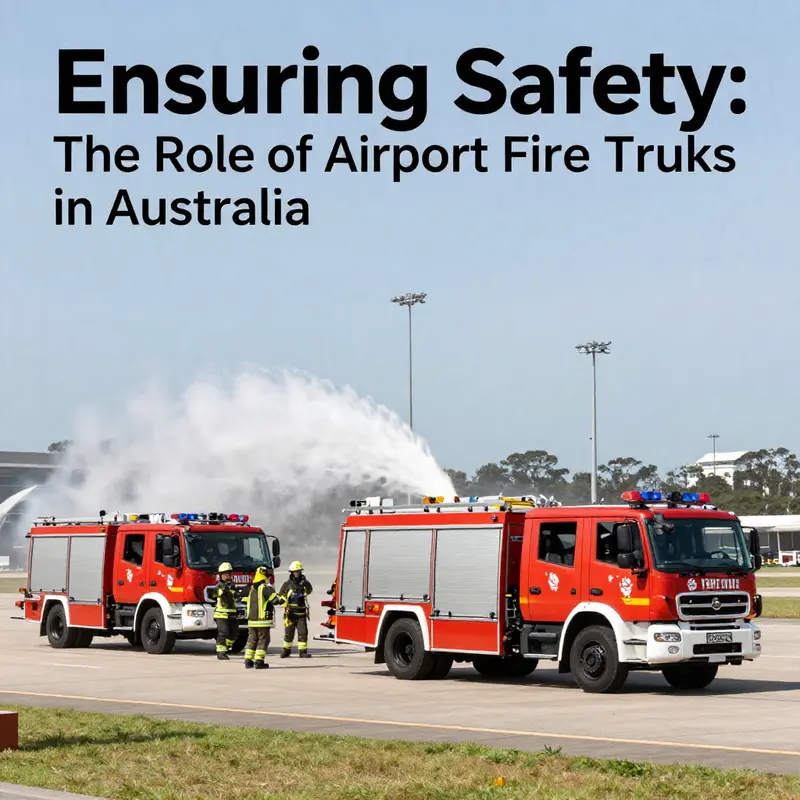
Australia’s airport fire and rescue services combine engineering, training, and interagency coordination to maximize speed from alarm to aircraft clearance. Runways span vast areas, weather and terrain affect operations, and safety hinges on rapid, controlled actions. The industry has moved toward mobility and reliability, with off-road capable tenders, integrated pumping systems, and interoperable command structures. A notable example from Sydney in 2018 highlighted the value of pre-positioned units, clear communications, and rehearsed plans translating training into action. Modern response frameworks emphasize early detection, rapid mobilization, and full-airfield reach, while balancing water, foam, and payload with control. New purpose-built tenders designed for varied terrain extend reach, improve knockdown times, and support complex fuel-fire suppression. These vehicles are not just faster; they are adaptable platforms enabling fleet-wide resilience, safer ground operations, and more effective containment throughout high-demand, multi-asset incidents. The shift toward specialized equipment also demands enhanced training, standardized procedures, and clearer interagency channels to ensure seamless deployment across the incident scene. Looking ahead, procurement and lifecycle planning become integral to sustaining readiness, with total cost of ownership including maintenance, parts supply, and technician training. Overall, the Australian experience illustrates how speed, reliability, and adaptability can converge to strengthen aviation safety and keep the travel ecosystem moving even in the face of emergencies.
Engineered on the Runway: Australia’s ARFF Fleet and the Modernization of Airport Fire Trucks
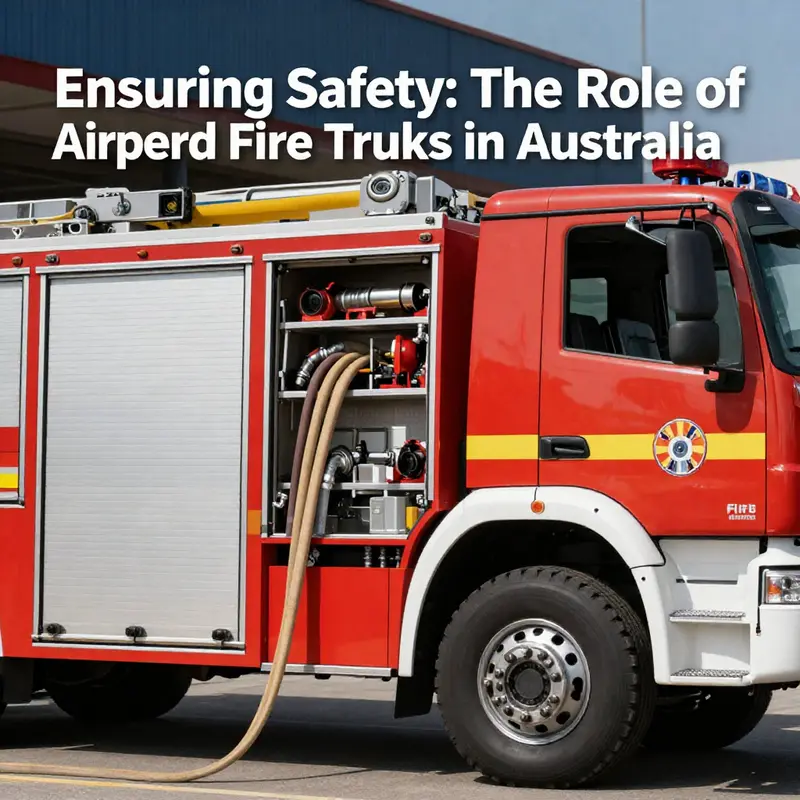
Australia’s aviation network rests on a delicate balance of speed, precision, and layered safety. Among the most crucial players in that balance are the airport rescue and firefighting (ARFF) teams, a purpose-built capability designed to meet the unique demands of runways, taxiways, and the rapid tempo of modern air travel. In Australia, these roles are carried out by dedicated teams, with Airservices Australia acting as the central steward of policy, standards, and operational readiness. The emphasis is not merely on having equipment but on ensuring that the fleet is interoperable, rapidly deployable, and aligned with international standards that govern aviation safety. The ongoing modernization of the ARFF fleet is a telling signal of that commitment. A recent, strategic investment of around AUD 70 million signals a turning point: a large-scale upgrade intended to raise both safety margins and operational efficiency at the nation’s busiest airports. In practical terms, the upgrade means more capable fire trucks, more responsive deployment, and a trading off that keeps the runways free for air traffic while still delivering a decisive emergency response when incidents occur. The narrative around these improvements is not about gadgets or novelty; it is about how each line of steel, each pump, and each foam system is calibrated to match the physics of aviation fires and the realities of airport operations where seconds can matter and where contamination, wind, and terrain add layers of complexity to every decision.
The arc of this story begins with the recognition that aviation fires pose a different challenge than urban fires. Runways and taxiways present long sightlines, smooth surfaces, and high-speed aircraft dynamics that alter the way a fire behaves and how it must be fought. An aircraft fire involves fuel, hydraulics, electrical systems, and often a combination of materials that release a spectrum of toxic products. The management of such fires requires not only high-capacity water delivery but carefully integrated foam systems to blanket the site, cool hot metals, and separate the fuel from the air. The equipment designed to meet these challenges—aircraft rescue and firefighting trucks—must be more than robust; they must also be precise, modular, and able to operate under the exigencies of a live airport environment where noise, heat, and the need to minimize disruption to aviation operations are constant constraints.
Central to the current chapter of modernization is an adherence to international standards, chiefly those established by the International Civil Aviation Organization (ICAO). The ICAO framework defines safety requirements for ARFF services, including categories, response capabilities, and equipment performance. Australia’s decision to align its upgrade with ICAO standards is a deliberate move to ensure that the nation’s ARFF fleet can operate on international terms. It also underlines a broader aim: to reduce incident response times, to enhance the reliability of firefighting and rescue operations, and to standardize training and procedures so that Australia’s ARFF teams operate with the same playbook across airports. In many ways, this alignment acts as a bridge between national safety culture and the global aviation community, reinforcing trust among airlines, airports, and the traveling public.
A critical element of the upgrade is mobility. Modern airport fire trucks are engineered around the operational requirement to reach a runway or taxiway emergency within minutes. This is not merely a matter of high speed; it is a matter of trackability, stability, and the ability to traverse crests, taxiways, and apron edges without delay. Contemporary ARFF vehicles incorporate advanced all-wheel drive systems and robust suspension to handle the varied surfaces found on major airports—the paved runways, the slightly uneven shoulders, and the often slick, expansive aprons that see the bulk of daily movement. The mobility feature set is designed to reduce what the industry calls response time—the window between incident detection and the arrival of firefighting units on the scene. Every second shaved from that interval translates into reduced heat exposure to the aircraft, less potential for fuel vapor expansion, and a greater margin for coordinated rescue operations. In Australia, where weather conditions can shift rapidly and airport layouts span large geographic scales, mobility is not a luxury; it is a core safety parameter that defines the viability of the entire emergency response system.
Alongside mobility, the capability to deliver large volumes of water and foam is essential. The water and foam delivery systems on modern ARFF trucks are among the most technically sophisticated components on the vehicle. They must rapidly generate high discharge rates to reach and contain aviation fires, while also managing foam—an essential adjunct that blankets fuels and cools surfaces in a way that water alone cannot. The foam systems are designed to accommodate the unique physics of aviation fuel fires, which require not only high flow rates but also the correct foam proportioning and stability under high-heat conditions. The resulting capability is a carefully calibrated balance between pump performance, foam concentrate volume, and the reliability of delivery under the demanding conditions of an active airport environment. The exact pump ratings and foam volumes are typically specified in official manufacturer data sheets and Airservices Australia documentation, reflecting the complexity and diversity of equipment options while maintaining a standard of interoperability and safety.
Design features, too, play a pivotal role in shaping the operational effectiveness of the ARFF fleet. There is a practical tension between the desire for dual rear axles, which improve traction and stability on the tarmac, and the reality of a larger turning radius that can impede maneuverability in tighter spaces of airport precincts. This is not a purely theoretical concern; in the confines of aircraft stands and service corridors, the ability to position water cannons precisely and to angle foam across the fuselage requires thoughtful chassis geometry and steering dynamics. Decisions about axle configurations and chassis dimensions are informed by a blend of safety doctrine, vehicle physics, and maintenance economics. Heavier, more capable models may offer superior fire suppression performance, but they demand more fuel, more maintenance, and more planning for parking, storage, and rapid access to treatment bays. The upgrade program thus embraces a holistic view: the trucks must be fast, capable, and reliable while remaining maintainable and cost-effective across the life cycle of the fleet.
Onboard equipment forms the heart of the ARFF vehicle’s immediate utility. A modern aircraft rescue and firefighting truck is a platform for a suite of tools and systems that extend well beyond a single line of defense. Crew protection is paramount, as is the ability to access aircraft compartments, rescue occupants, and manage cooling environments during an evolving incident. The payload typically includes a range of firefighting hoses, adjustable spray patterns, higher-capacity pumps, water tanks integrated with foam-making apparatus, and a suite of rescue tools that can be deployed to break open doors, windows, and access panels. In addition, the vehicles carry diagnostic and auguring equipment that helps teams evaluate structural integrity and fuel system status, enabling informed decision-making while minimizing risk to responders. The precise combination of equipment depends on the chosen vehicle family and the manufacturer’s design, and Airservices Australia’s procurement approach prioritizes interoperability across airport sites while preserving the flexibility to tailor configurations to local needs. The emphasis is on ensuring that each truck can operate as a well-coordinated element of a larger response, capable of delivering a sequence of actions—from initial knockdown to rescue and overhaul—without the need for a second, extended mobilization.
From a maintenance perspective, the ARFF upgrade raises important considerations about lifecycle costs and predictive service planning. High-performance firefighting equipment demands regular testing, calibration, and preventative maintenance to prevent performance degradation under strenuous conditions. The duty cycle of an airport fire truck is intense: long deployments during tests, practice drills, and occasional real incidents, interspersed with periods of routine travel and standby. The maintenance regime must account for the wear and tear on pump seals, foam proportioners, and hydraulic systems, as well as the vulnerabilities that come with high-speed operation on diverse airport surfaces. This is not merely about keeping the machine running; it is about preserving reliability in the moments that matter most. A robust maintenance culture, therefore, is as vital as the initial design and engineering of the vehicle. It rests on clear maintenance schedules, comprehensive fault-tracing capabilities, and access to a broad network of service partners who understand the peculiarities of ARFF equipment in an aviation context.
The upgrade also speaks to the broader ecosystem within which ARFF teams operate. It is not enough to possess the most advanced trucks if the command structure, training programs, and interagency coordination are not equally developed. Modern ARFF operations emphasize joint training with airport operations, air traffic control, medical responders, and the police. The Sydney incident in late 2018, when a Mayday call coincided with the approach of a large passenger aircraft, underscored the criticality of seamless coordination. By the time authorities declared an emergency and implemented runway closures, there was already a framework in place to respond rapidly. The presence of ARFF vehicles on standby at the runway and the ability to integrate with police, fire, and emergency medical teams exemplified the efficiency that contemporary upgrades seek to achieve. In such contexts, the trucks are not just hardware; they become catalysts for a unified incident command, where timing, communication, and discipline converge to protect lives and secure the scene until the aircraft can land or depart safely.
The investment in ARFF modernization is also a statement about resilience in air operations. Airports are complex systems that depend on continuous, reliable service to maintain schedule integrity and passenger safety. Any delay in the firefighting response can cascade into more significant operational and financial impacts. The proposed capability enhancements aim to minimize those margins of risk by delivering faster initial response, improved knockdown effectiveness, and more effective second-line operations. In practice, this translates to better protection for aircraft structures, passengers, and crew, as well as reduced risk to maintenance crews, airport staff, and first responders who operate within the same environment. The real-world benefits extend beyond the immediate firefighting function; they broaden into the overall safety culture of the airport, influencing how teams plan for emergencies, conduct drills, and communicate with the traveling public about safety measures.
There is also a forward-looking dimension to this modernization. The ARFF fleet is not static; it must adapt to evolving aviation demands, including growing passenger numbers, the expansion of airport precincts, and increasingly sophisticated aircraft designs. Modern trucks are conceived with modularity in mind, allowing for future upgrades without a complete fleet replacement. Telematics, remote diagnostics, and data-driven maintenance planning can play a significant role in sustaining readiness and reducing downtime. In this sense, the AUD 70 million investment is less a single event and more a platform for ongoing evolution. It signals a commitment to sustained excellence in emergency response and a recognition that aviation safety is a moving target, requiring continuous investment, training, and attention to evolving best practices.
In reflecting on the current state and trajectory of Australia’s ARFF fleet, it becomes clear that the modernization effort is not about replacing one set of machines with another. It is about reengineering the entire emergency response envelope to meet the demands of a 21st-century aviation system. It is about ensuring that every runway is backed by a capable, coordinated, and disciplined response that can stand up to the most challenging incidents. It is about the integration of high-performance technology with human expertise, where the vehicle, the crew, and the command structure work in harmony under the pressure of real events. And it is about transparency and assurance—for the flying public, for airline operators, and for the men and women who work across the ARFF ecosystem—that the skies over Australian airports are safeguarded by equipment and practices that reflect international standards, local expertise, and a relentless pursuit of excellence.
To ground these reflections in concrete detail, it is useful to refer to the official ARFF upgrade announcement from Airservices Australia as the public anchor for the current program. That document outlines the strategic intent, the fiscal framework, and the expected outcomes of the rollout. It confirms a shared understanding that high-capacity water and foam delivery, rapid deployment, global-standard compliance, and robust maintenance are non-negotiable elements of a resilient airport safety system. While the precise technical specifications—pump ratings, foam volumes, payload capacities, and other data sheets—are catalogued in manufacturer documentation and Airservices’ own technical repositories, the overarching narrative emphasizes capability, reliability, and interoperability across the Australian aviation network.
For readers seeking to connect the broad themes of this chapter with real-world data and official statements, the external reference below offers the primary source from the national authority overseeing ARFF modernization. The document provides the strategic context and a public account of the program’s aims, timelines, and intended safety outcomes. It also serves as a reminder that in the complex infrastructure of modern aviation, the skills of responders and the engineering of their tools are inseparable elements of comprehensive safety planning. The synergy between policy, engineering, and practice is what enables airports to keep moving, even as incidents are prepared for and managed with increasingly sophisticated capabilities.
External resource: https://www.airservices.com.au/news/airservices-rolls-out-new-fire-trucks
On the Front Line: The Regulatory Foundations That Shape Australia’s Airport Fire Trucks
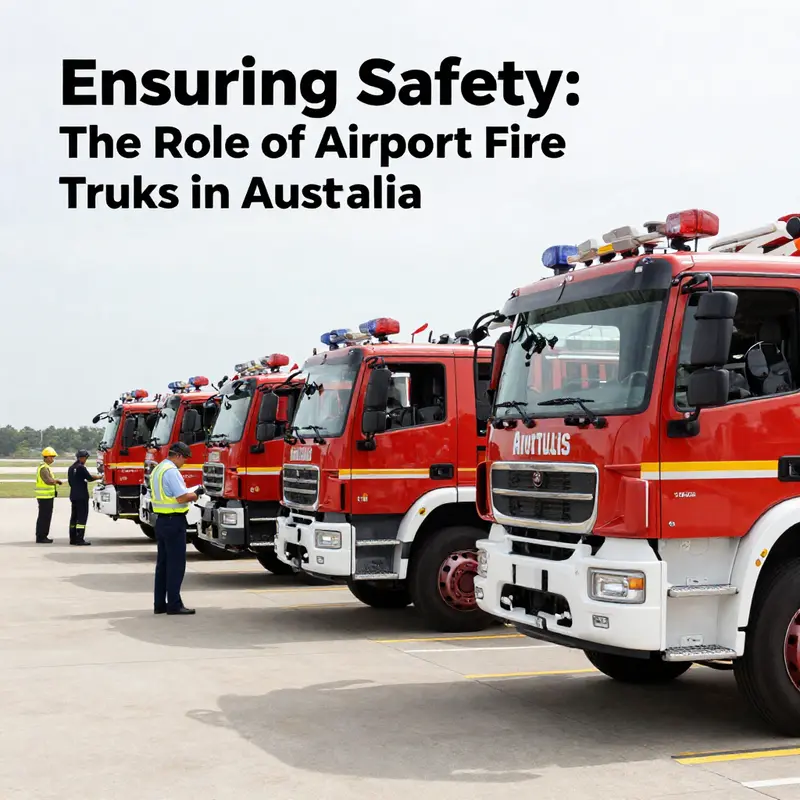
Across Australia, the safety net that protects aircraft, passengers, and the men and women who respond to emergencies rests on a carefully woven lattice of standards, regulations, and procedures. Airport fire services are not just a collection of vehicles and crews; they are a system designed to transform rapid response into controlled rescue. This system is underpinned by a regulatory framework that defines how airport fire trucks are designed, tested, maintained, and deployed, and by a set of governing bodies that ensure those rules are met. In Australia, the alignment between the technical performance of airport crash tenders and the regulatory expectations placed on airports creates a predictable, accountable, and auditable approach to emergency readiness. It is a story of precision at the edge of catastrophe, where every component—from the chassis under a fire vehicle to the breathing apparatus in a firefighter’s pack—must perform reliably under pressure and under scrutiny.
At the core of this regulatory architecture is the Australian Standards framework, particularly AS 4501:2018 – Fire Fighting Vehicles – Performance Requirements. This standard does not merely prescribe what a fire truck should look like; it sets the performance thresholds that determine whether a vehicle can deliver, under demanding conditions, the required volume of water or foam, at the correct pressures, with the right surge resistance, maneuverability, and reliability. The standard’s emphasis on performance, design, and testing criteria is deliberate. It speaks to a consistent expectation: equipment used in aviation emergencies must operate as an integrated part of an airport’s emergency response, not as an independent or improvised tool. The AS 4501:2018 framework aligns with international benchmarks, recognizing that aviation safety is a global ecosystem. It echoes the spirit of ICAO guidance and resonates with NFPA standards developed for fire service applications in other jurisdictions. In practice, these alignments ensure that Australia’s airport fire vehicles meet not only domestic needs but also the broader long-standing expectations of international aviation partners and visiting crews.
The regulatory journey does not end with standards alone. The Civil Aviation Safety Authority (CASA) anchors the broader regulatory atmosphere in which AS 4501:2018 operates. CASA’s authority derives from the Civil Aviation Act 1988, and its regulations compel aerodromes to maintain a fire service capable of responding within defined timeframes to aircraft incidents. In most Australian contexts, the expectation is explicit: a rapid, effective response within minutes—often quoted as a target such as three minutes for aircraft incidents—must be within reach at any aerodrome. This timing is not a mere number; it is a performance covenant that shapes how airports design their response architecture, how they procure and maintain their fire fleets, and how they train their personnel. The Aerodrome Manual (AC 164-1) and the Australian Air Navigation Order (ANO) translate those expectations into operational procedures and equipment specifications. They provide the procedural spine that ensures the choreography of an emergency—communication, mobilization, suppression, rescue, and evacuation—unfolds in a predictable, auditable sequence.
Under this regulatory canopy, airport crash tenders—often referred to in an aviation setting as specialized fire trucks—must meet capabilities that are broadly defined but tightly enforced. They must deliver high volumes of foam or water, capable of creating large extinguishing envelopes with the right foam concentrates; they must operate with high-pressure delivery capable of reaching aircraft fuselages in both open-area ramps and more constrained spaces; they must remain mobile on uneven or varied airport terrain, which can include sloped taxiways, de-iced surfaces, and construction zones. They must carry a complement of equipment beyond water and foam: cutting tools for rapid access to aircraft cabins, breathing apparatus to sustain responders in smoke-logged environments, and resilient communications gear to maintain a link with air traffic control and incident command. These are not optional extras; each feature is a line item in the vehicle’s capability that the standards and regulations collectively demand and verify.
The AS 4501:2018 standard, in particular, elevates the importance of testing to a stage of durable, real-world reliability. The design criteria extend beyond a laboratory bench; they include dynamic testing that simulates the chaos of an actual incident. Performance testing examines how a vehicle performs at high speeds, how it behaves under heavy loads when fully fueled and when delivering foam mixtures, how its pumps hold steady pressure, and how long its foam systems can maintain effective output under continuous use. Regular inspections and certification regimes ensure the vehicle does not drift away from its tested performance envelope as it ages. This emphasis on ongoing verification is essential. In aviation safety, a single underperforming element can compromise an entire response, so the standards require that vehicles remain within specified tolerances throughout their service life.
The regulatory picture also commands consistency in how airports procure and upgrade fire fleets. When a new vehicle or a major upgrade is contemplated, the agencies look first to the performance benchmarks defined in AS 4501:2018 and then to how those benchmarks integrate with CASA’s safety requirements and ANO provisions. Procurement is not merely about purchasing the latest chassis or the most powerful pump; it is about ensuring the new asset can be integrated into an airport’s emergency architecture, compatible with its incident command structures, its training programs, and its maintaining schedules. The Aerodrome Manual creates the procedural thread that links vehicle capability to on-airport response protocols. It describes how a fire truck’s equipment, radio configurations, and access tools should be deployed during an incident, and how crews coordinate with other responders—police, medical teams, and airside operations—to maintain a steady, controlled course of action even as hazards evolve.
For the Australian system to function as an integrated whole, certification processes and periodic inspections play a pivotal role. Vehicles must be certified to show they can reach the required performance levels and sustain them under the conditions typical of Australian airports. The cadence of inspections ensures that wear, corrosion, or component fatigue never erode safety margins. When a vehicle ages or experiences a change in its operating environment—such as a longer or more congested apron, or the introduction of new airfield equipment—the regulatory framework requires revalidation against the relevant standards and operational guidelines. This ongoing oversight reinforces a culture of safety that permeates the entire response infrastructure—from the design office and the workshop floor to the incident command post on a busy night shift.
The Australian approach to regulation also recognizes the need for harmonization with international norms. ICAO provides overarching safety frameworks for international aviation, and NFPA standards influence the design and operation of fire services in many jurisdictions. Australia’s alignment with these international benchmarks through AS 4501:2018 and CASA’s regulations helps assure foreign carriers and visiting crews that the nation’s airport fire fleets meet universal expectations. It also helps Australian airports engage effectively with mutual aid arrangements and cross-border incident management when incidents involve complex, high-stakes scenarios that require shared standards and interoperable practices. In practice, this harmonization translates into smoother coordination during international events, chartered flights, or significant aviation emergencies where the margin for error is unacceptably small.
To illustrate how these standards function in real life—and to connect the regulatory narrative to a concrete experience—the incident near Sydney in October 2018 offers a telling example. A United Airlines flight approaching the Sydney area transmitted a Mayday signal, triggering a cascade of responses that reflected both preparedness and the disciplined adherence to regulatory expectations. The airport’s emergency response was mobilized with a sense of calm urgency. Fire crews and other responders were already in position on the airfield, a standardized arrangement that underlines the routine efficacy of the regulatory system. The surrounding road closures by local authorities indicated a broader ecosystem ready to compartmentalize risk, protecting the incident zone while allowing essential operations to proceed. Although the aircraft eventually landed safely and all passengers were unharmed, the episode underscored a crucial truth: the strength of Australia’s airport fire services rests on a regulatory engine that translates standards into trained performance. It demonstrates that the goal of the regulations is not only to prevent or extinguish fires but to preserve life, to protect critical airport assets, and to maintain the continuity of air travel even under duress. In such moments, the conformity to AS 4501:2018 and the broader CASA-ANO-Aerodrome Manual framework is not a matter of compliance alone; it is a public promise—an assurance that, when called upon, the system will act with precision and restraint, balancing aggressive firefighting with the safety of passengers and staff.
The broader significance of these standards becomes clear when considering airports of different scales across Australia. Large international hubs must maintain a high-capacity, rapid-response fleet that can immediately address complex incidents in crowded terminals, with aircraft on multiple runways and with a wide range of potential hazards. Smaller regional aerodromes, while facing lower traffic volumes, still require vehicles with robust performance, reliable maintenance, and clear procedures that ensure uniform readiness. The Australian system does not equate a one-size-fits-all approach with a nominal compliance list. Instead, it acknowledges that the moral and operational imperative remains the same: to ensure the first line of defense on the fire front can act within minutes, with a vehicle that can drive to the flame and a team that can enter, assess, and suppress hazards efficiently, while preserving the integrity of the aircraft and the safety of all aboard. In this light, AS 4501:2018 functions as a performance charter rather than a cosmetic checklist, a standard that elevates both equipment and execution to a shared level of excellence.
The regulatory ecosystem also emphasizes training, drills, and continuous improvement. After all, high-performance equipment is only as effective as the people who operate it. Regular drills situate crews in simulated incidents that mirror the complexity of real events. These exercises test not just suppressive capability but communication, decision making, and coordination with other responders and airline operations staff. They verify that the Aerodrome Manual’s procedures for incident management can be enacted under pressure, and they provide vital feedback that can drive revisions to SOPs, equipment configurations, or maintenance priorities. This training dimension is the glue that binds standards to practice. It ensures that the abstract performance requirements of AS 4501:2018 translate into predictable, dependable actions when a real emergency unfolds on the airfield.
The regulatory framework thus yields a durable, adaptable system. It accommodates upgrades as technology evolves, as air traffic patterns shift, and as the nature of aviation risk changes. In a world where climate, urban growth, and security concerns continuously reshape the operating landscape, the integration of AS 4501:2018 with CASA regulations and Aerodrome Manual guidelines creates a scaffold for ongoing modernization. Airports can explore innovations in firefighting strategy, new materials and methods for foam and water delivery, or advances in crew protective gear while remaining tethered to a tested performance baseline. The regulatory architecture ensures that any such development is vetted against established standards and incorporated into training and certification cycles before becoming part of routine practice on the airfield.
Beyond the technicalities, there is a narrative about trust. The Australian standardization approach signals to airline operators, passengers, and aviation partners that the country takes emergency readiness seriously. It communicates that a deliberate process governs the equipment and the people who respond when the unexpected occurs. It signals that the first responders are operating within a framework of accountability, where inspections, certifications, and drills create a culture of reliability. In this sense, the regulatory foundations do more than define technical specifications; they articulate a philosophy about public safety and the role of the state in protecting lives in the aviation environment.
As the aviation landscape continues to diversify—larger airfields, more frequent international traffic, evolving threat assessments, and the constant push for faster, safer evacuations—the regulatory framework must remain dynamic. The AS 4501:2018 standard provides a robust baseline, while CASA and ANO provisions ensure these baselines are translated into practical, enforceable duties at every aerodrome. The Aerodrome Manual’s procedures bridge the gap between the workshop and the incident scene, ensuring that the right tools are on the right truck, the right crew understands the mission, and the right decision-making pathways guide actions when every second counts. In this integrated system, the airport fire truck is more than a machine; it is a calibrated instrument of safety, a tangible embodiment of regulatory trust, and a reminder that comprehensive preparedness is a continuous pursuit rather than a fixed destination.
For readers following the arc of this chapter within the broader article, the emphasis remains consistent: the Australian approach to airport fire trucks combines rigorous performance standards with disciplined regulatory oversight to deliver consistent, high-stakes outcomes. The story of Australia’s emergency response is not told by one incident or one standard document alone but by the way those elements interact—how AS 4501:2018 shapes design choices, how CASA’s regulations maintain the tempo of readiness, how the Aerodrome Manual codifies procedures, and how real-world experiences, like the Sydney incident, test and reinforce the whole system. In the end, the value of this regulatory architecture lies in its predictability and its capacity to evolve without sacrificing safety. It offers a blueprint for other nations wrestling with similar challenges: how to align advanced firefighting technology with the daily realities of airfield operations, how to keep response times swift without compromising unit integrity, and how to sustain a culture of readiness that turns potential emergencies into recoveries that protect lives and preserve the continuity of global air travel.
External resources: https://www.standards.org.au/standards/
community safety
The importance of airport fire trucks in Australia cannot be overstated. Their efficiency in emergency response, robust technical specifications, and strict adherence to regulatory standards collaboratively ensure the highest level of safety for passengers and crew. Understanding these elements emphasizes the necessity for quality investment in emergency equipment and infrastructure within the aviation industry, benefiting all stakeholders involved.

