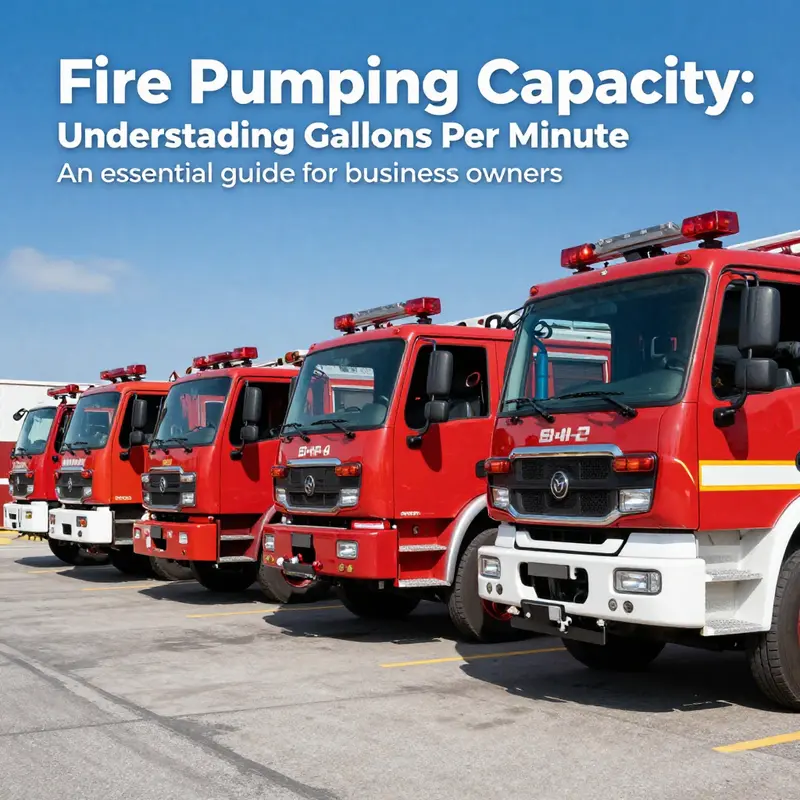















Fire engines aren’t built for top speed. They’re built to carry thousands of liters of water, heavy equipment, and a crew to an incident quickly and safely — and those two goals pull in different directions. The practical answer to “how fast can a fire engine go” depends on the vehicle class and the roads it runs on.
Light-Duty Engines
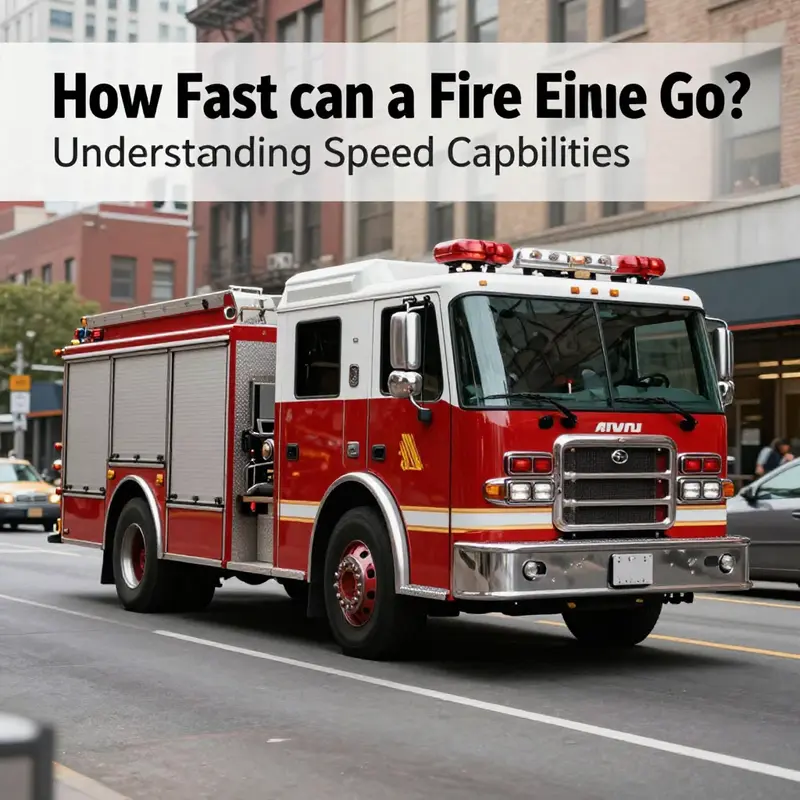
Light-duty fire engines, built for dense urban streets, typically top out around 90 km/h (56 mph). Electric models are rated in the 80 to 100 km/h (50 to 62 mph) range, and lighter vehicles such as foam and dry powder trucks can reach up to 100 km/h (62 mph). These figures describe the vehicle’s capability, not what it does in traffic. Stop signs, signals, intersections, pedestrians, and congestion all slow a real response. What matters more than the top speed is acceleration and braking — how quickly a crew can move through gaps and stop safely at an intersection.
Response time research shows why this matters. Studies indicate that as response times extend from three minutes to thirteen minutes, the risk of structural damage and injury escalates sharply. Every delayed minute increases the likelihood of a worse outcome. Traffic signal priority systems, which let an engine hold a green light or clear an intersection, and drivers trained in real-time route navigation can shave meaningful seconds off a response.
Electric powertrains add a wrinkle. Rapid acceleration and constant braking, common in urban driving, drain batteries faster, and hilly terrain compounds the effect. The sustainability case depends on the local grid: an electric engine’s well-to-wheel emissions are only lower if the electricity comes from clean sources. Many departments are running mixed fleets — electric and light models for urban response, heavier units for specialized missions — rather than betting on a single powertrain.
Medium-Sized Engines
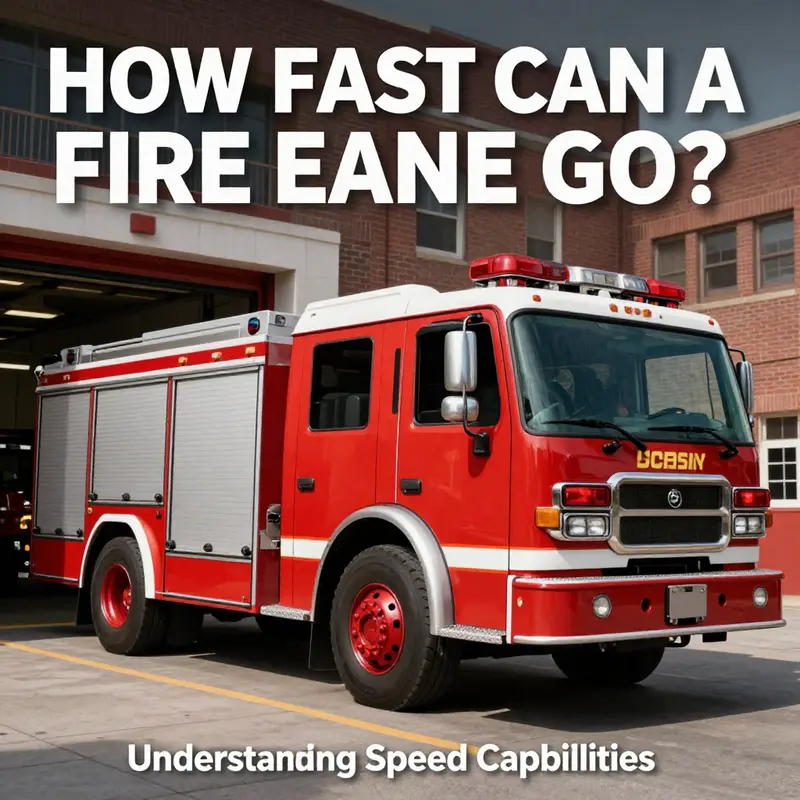
Medium-sized engines sit between urban agility and rural capacity. Recent models use lightweight composites and high-strength alloys to cut weight without losing structural strength, which improves acceleration and fuel efficiency while keeping enough water and equipment on board. Turbocharged diesel engines deliver quicker acceleration, and hybrid systems blend electric and diesel power to save fuel during long operations.
Digital systems play a growing role. Real-time monitoring on the chassis and pump optimizes water delivery; dynamic load management adjusts pump pressure to hose conditions. GPS-based dispatch routing and predictive analytics pick the fastest route before the crew leaves the station, factoring in live traffic.
The economics matter too. A 2024 study of new fire truck investments found a net present value of Rp. 569,276,495 and an internal rate of return of 11.56%, suggesting that medium-sized engines can be a sound financial choice. For departments with tight budgets, a medium-sized engine often delivers adequate performance for typical urban and suburban responses without the purchase and operating costs of a larger rig.
Motores de Alta Potencia
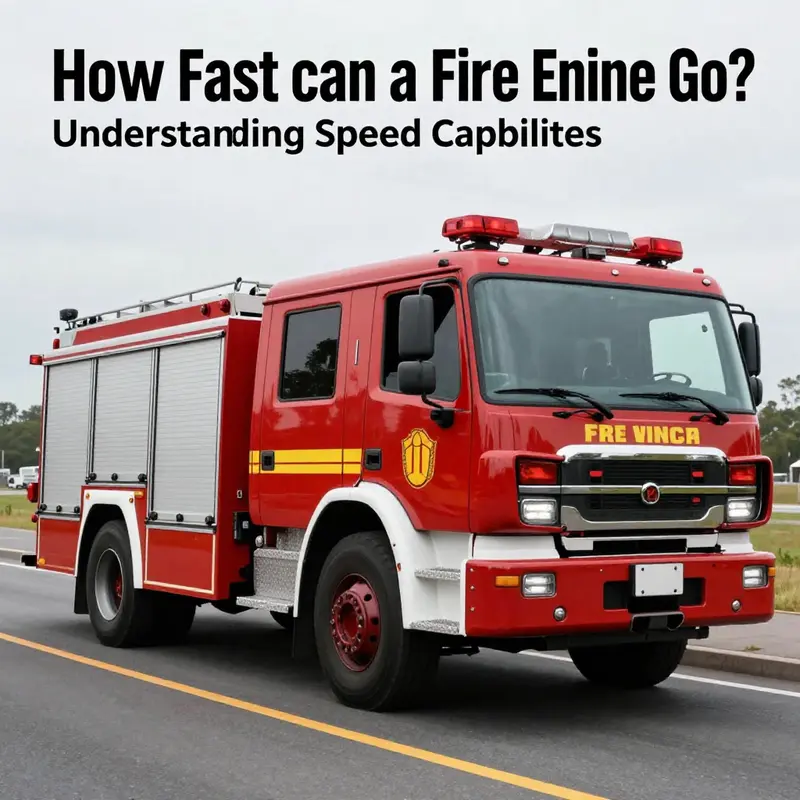
Heavy-duty engines face the hardest trade-off between speed and safety. Their size and weight — water tanker pumpers are often limited to 60 to 80 km/h (37 to 50 mph), and aerial ladder trucks can weigh over 12,000 kilograms — mean stability and control come before top speed. A typical heavy-duty engine operates around 80 km/h (50 mph). A 2018 study by VV Gayah found that lower speed limits generally prolong travel times and shrink a department’s effective operational range, especially on rural roads where stations are far apart. The paradox: speed limits meant to reduce crashes can slow emergency response and worsen outcomes.
Legal frameworks shape what these vehicles can do. In the European Union, bodies like EASA set guidelines that influence vehicle design benchmarks, including maximum speed limits that protect component integrity. When responding with lights and sirens, fire engines may legally exceed posted limits, but in non-emergency travel they face the same restrictions as other vehicles. Urban speed limits commonly cap fire engines at 60 to 70 km/h, rising to 80 to 90 km/h on highways. Exceeding manufacturer-specified limits risks compromised stability and reduced braking.
Emerging technology may ease the trade-off. Look-ahead control systems, already used in commercial trucking, adapt vehicle performance to traffic and terrain, and collision-avoidance systems and route optimization are entering fire apparatus. Dynamic speed limits, which allow flexible speeds during emergencies under controlled conditions, are one proposed policy response.
Specialized Engines
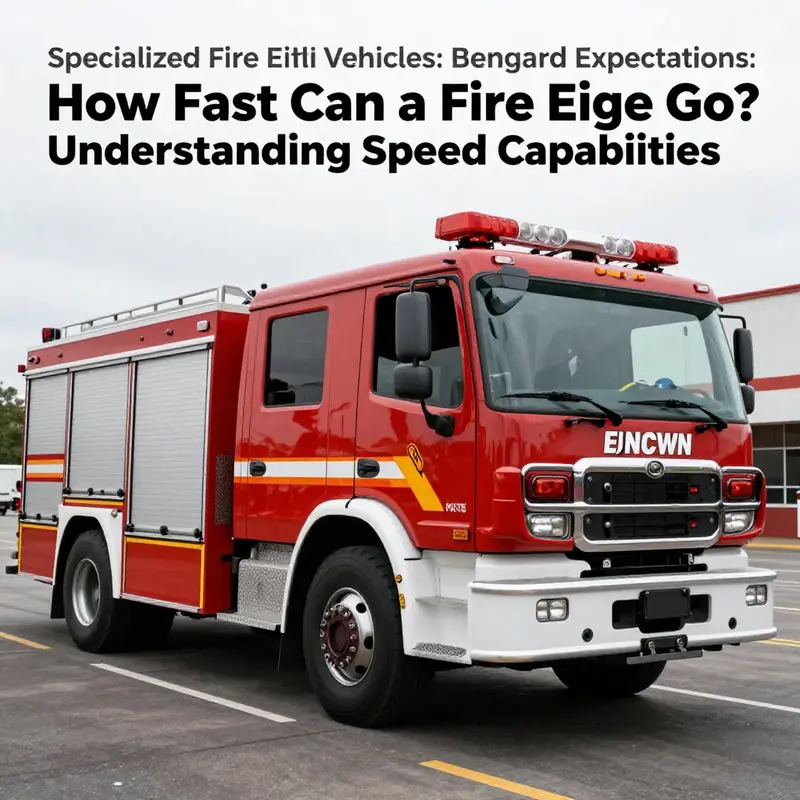
Specialized vehicles push capability further. High-reach extendable platforms, such as 26-meter aerial devices, are engineered with multi-body dynamics simulations (often using software like ADAMS) to optimize arm geometry, load distribution, and motion control under wind and uneven ground. Real-time telemetry monitors stress, hydraulic pressure, and component health, enabling predictive maintenance.
Diesel foam trucks like the TAZ5116GXFPM35 — 190 horsepower, 40-ton payload, Euro 4 compliant — show how targeted engineering handles high-risk sites such as oil refineries and chemical facilities. The global market for special firefighting vehicles is projected to grow to multi-billion dollar figures by 2033, driven by demand for advanced technology and the role these trucks play in preventing catastrophic losses.
Emergency Response Vehicles
Top speed is rarely the limiting factor in a fire response. The vehicle’s acceleration, the driver’s training, traffic conditions, and the legal speed framework determine how fast help actually arrives. A fire engine that can do 100 km/h on paper will spend most of a real response well below that, and that’s by design — control and predictability matter more than the number on the speedometer.
For more on fire engine technology and models, see the Fire Engineering article on medium-sized fire trucks, specializes in high-performance inflatable rescue boats, indispensable for extreme conditions, complemented by a global service network. Other notable players include External reference used in this chapter: https://www.globalsources.com/suppliers/19382555/Howo-Fire-Truck/p/1124579536?lang=en, specializes in high-performance inflatable rescue boats, indispensable for extreme conditions, complemented by a global service network. Other notable players include fire fighting truck collection, community safety ειδικά πυροσβεστικά οχήματα.