
















Navigating the responsibilities and costs associated with fire truck services can be crucial for business owners. While emergency responses from fire departments are generally covered through municipal taxes, there are specific circumstances under which charges may apply. Understanding these scenarios is essential for all business owners to ensure compliance and prepare financially. This guide will delve into three key areas: the costs associated with emergency fire truck services, potential fees for non-emergency responses, and the financial responsibilities that may arise from utilizing these essential services.
Fire Trucks at No Cost in an Emergency—and the Fees You Might Encounter
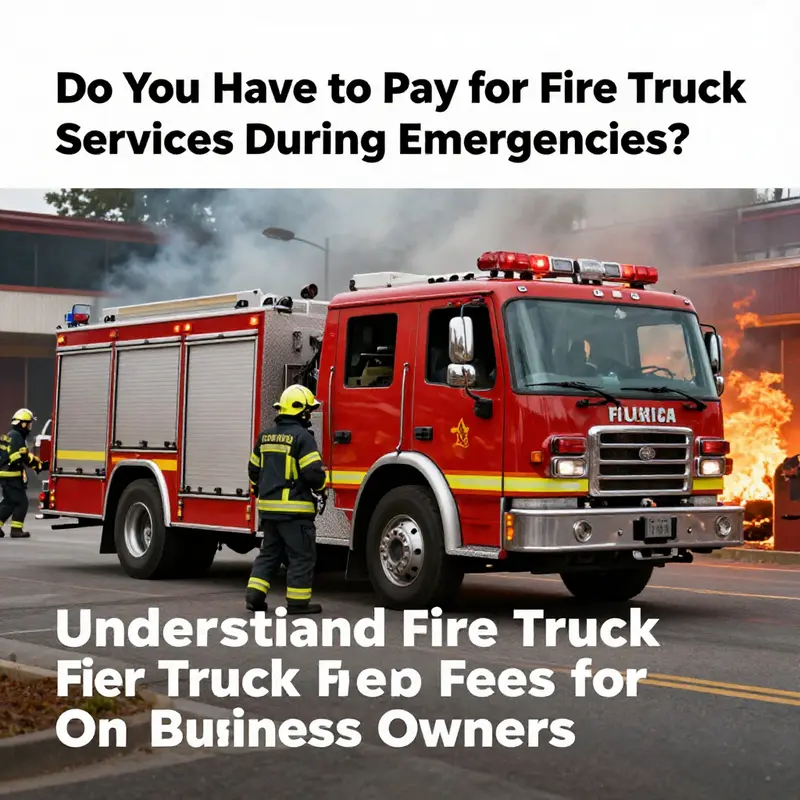
When a call goes out for help because a fire is spreading, a medical crisis unfolds, or a serious accident blocks a road, the first thing most people notice is the arrival of a fire engine. The sirens wail, the doors swing open, and a crew deploys hoses, ladders, or specialized equipment. The common thread across many countries is clear: emergency fire and rescue responses are structured as public safety services. They are funded through taxes, municipal budgets, and public insurance programs that aim to protect lives and property regardless of the caller’s immediate finances. The intention behind this system is straightforward. A dangerous situation does not vanish because the person nearest the trouble cannot pay a bill on the spot. Instead, a trained team arrives, assesses the scene, and works to mitigate danger as quickly as possible. This framework supports a universal standard of care that prioritizes safety over payment, and it is built on trust that the community shares a responsibility to fund essential services for all its members. Yet a simple yes or no to the question of paying for a fire truck can spare or cause anxiety when a crisis actually unfolds, because reality includes routine exceptions that deserve careful attention and clear understanding. The best way to approach the topic is to see it as a spectrum rather than a binary answer, a spectrum shaped by the facts of the call, the local rules, and the role of the broader emergency management system. The result is not a single charge sheet but a practical map that helps residents know what to expect and where to look for authoritative clarification when a response feels unusual or out of the ordinary.
The default position in many places is that an emergency response—whether it is a fire, a medical emergency, a vehicle collision, or another urgent threat—does not incur a direct out of pocket fee for the person or property involved. This principle reflects a public goods approach to safety. It recognizes that delaying or denying help because someone cannot pay could escalate harm, disrupt neighborhoods, and impose greater costs on the entire community through higher injuries, more extensive property damage, or longer emergency operations. In practical terms, the price tag that many people fear is never attached to the engine’s arrival for a recognized emergency. The firefighters’ time, the use of the apparatus, and the on scene response are funded by the public purse and are designed to be accessible to all residents in need of urgent help. This arrangement aligns with a long tradition in public administration that prioritizes universal access to core services, including police, fire, and emergency medical care. It also acknowledges the societal understanding that a well funded, professionally staffed fire department supports economic resilience by reducing downstream losses that would otherwise strain homeowners, renters, and small businesses alike. The public safety mission thus becomes a strategic investment in communal well-being, not a direct charge to any single individual at the moment of crisis. Nevertheless, the same system that intends to be universally accessible may still involve some charges in specific contexts, and those contexts are worth explaining, because they often lead to questions after the sirens fade and the smoke clears. The nuance matters, because ignoring it can create unnecessary worry or misinterpretation about what a person owes after a dramatic incident. The goal of this chapter is to illuminate those nuances in a calm, practical way, staying grounded in the reality that the baseline emergency response is widely free while acknowledging the occasional exceptions that can arise under particular circumstances.
One of the most common points of confusion concerns non-emergency situations or special requests. If someone calls for a fire engine when there is no imminent threat to life or property, or to stage equipment for a demonstration, a public event, or a routine safety drill, some fire departments reserve the right to assess a fee for the resources expended. The logic behind such charges is straightforward: using a large, highly trained crew and specialized vehicles for purposes other than urgent response consumes time that could be allocated to genuine emergencies elsewhere. When a request falls outside the protective mandate of responding to a critical incident, the department has to consider the opportunity cost of responding, the wear and tear on vehicles, fuel, and staff labor, and the administrative overhead involved in coordinating the response. In practice, this means that a non-emergency call for a truck or for standby service at a private event can lead to a bill that reflects the actual use of equipment and personnel. The magnitude of the fee varies widely from one jurisdiction to another, and sometimes the policy is spelled out in a formal fee schedule that accompanies municipal codes or fire department regulations. These schedules may specify the types of non-emergency requests that trigger charges, the rates applied, and the process for invoicing. Even in places where a non-emergency fee exists, it is worth noting that a call that escalates into a genuine emergency later in the same incident will be treated under the standard emergency response rules, with the door opened to all the lives saved and damage reduced by the crew’s timely action. The boundary between non-emergency and emergency can blur in the field, and that boundary is precisely where careful policy design seeks to prevent both overcharging and under-protection. The presence of a potential fee for a non-emergency use does not imply a lack of public support or a diminished commitment to safety; it reflects an effort to allocate finite public resources wisely while maintaining universal coverage for true emergencies. For residents, understanding this distinction reduces the likelihood of surprise bills and helps set realistic expectations should a situation begin as routine but become urgent or vice versa.
A related area where costs can surface involves specialized equipment and units that go beyond the standard firefighting toolkit. In the core emergency response, fire departments rely on a set of essential vehicles and tools that are familiar to residents and are funded as part of the baseline public safety provision. However, on rare occasions, a department may deploy specialized assets such as aerial apparatus for high-rise rescues, hazmat units for hazardous materials threats, or heavy rescue teams for complex vehicle extrications. The deployment of such equipment can carry additional charges, particularly when the service is requested by private entities or when the use of specialized resources is not strictly necessary to address an immediate public risk. In these scenarios, the billing logic shifts from a universal safety model to a cost recovery model that aims to cover the incremental expense of the extra assets, maintenance, and personnel. The practical effect is that the general public benefit derived from such deployments can be neutralized somewhat by a charge to the originator of the request or the party benefiting from the service, especially in industrial, commercial, or private settings. It is important to emphasize that this is not a routine feature of everyday emergency response. When a standard fire engine is dispatched to a typical residential fire, for example, the bill is not calculated on a per-vehicle basis for the resident who calls. Rather, the city or county bears the cost of maintaining a fleet, training personnel, and sustaining the emergency management ecosystem that makes those rapid responses possible. The rare instances when specialized equipment is involved should be understood as exceptions tied to nonstandard requests or to contexts in which the public risk is significantly altered by the presence of unique hazards or private interests seeking customized responses. In these cases, the departments generally provide transparent information about what is being requested, why it is necessary, and how the resulting costs are calculated and billed. Residents who encounter such charges benefit from a clear explanation of the basis for the extra costs, the relationships between the requester and the department, and the avenues for appealing or negotiating any disputed fees. This transparency helps maintain trust in a system designed to safeguard communities while also ensuring that the stewardship of public resources remains accountable and fair.
Facility and private sector dynamics also shape the fee landscape in noticeable, though less frequent, ways. In some places, public fire services exist in a hybrid environment where municipal departments coordinate with private fire protection companies. Private entities may maintain their own firefighting resources for industrial facilities, airports, or large commercial campuses. In such settings, the costs associated with maintaining readiness, staffing, and responding to incidents can become part of the private entity’s operating budget or contractual arrangement. The public-benefit model still governs emergency responses to real fires in public spaces, but the private streams of funding and service agreements can add a layer of complexity when the incident involves private property or non-public facilities. The result is a nuanced system where the same emergency may trigger different cost considerations depending on the exact location, ownership, and governance structure of the scene. For residents, the practical takeaway is not to assume that a responsible party will bear all costs in all circumstances. It is essential to recognize that the public safety framework aims to shield individuals from direct charges for life-saving interventions, while acknowledging that the specifics of who pays can shift in practice when private interests or non-emergency contexts are involved. In any case, the central objective remains intact: fast, professional help is available when it is needed most, and the basic emergency response is designed to be paid for through public funding rather than through a bill to the person at the door. To allay confusion and strengthen trust, many departments publish plain-language summaries of when charges apply, how they are calculated, and where to direct questions. If such information is not readily visible, the local emergency management office or fire department website is the right place to look, because it provides the authoritative framework that governs every response in that jurisdiction. The key is to know where to turn for accurate, up-to-date guidance—preferably before a crisis arises—so that expectations align with reality when every second counts.
The variability across jurisdictions means that the only universally reliable rule is the general principle: emergencies are typically treated as public services free at the point of use, while non-emergency or specialized contexts can carry fees. This is why residents should take a moment to locate their local rules. A quick check with the city or county emergency management website or the fire department’s own communications can reveal whether a given call might trigger an additional charge, and under what conditions. The information is often presented in plain language, sometimes accompanied by a link to the official fee schedule or a short FAQ that clarifies common scenarios. In many communities, residents have the right to request an explanation for any charge that appears after the fact, and there are channels to appeal or discuss an assessment if the circumstances of the response are misunderstood or miscommunicated. Access to this information is part of a broader commitment to accountability in public safety funding. It helps ensure that fees, when they exist, are not arbitrary, and that the public understands the rationale behind them. Because the distinction between emergency and non-emergency service can be nuanced, a careful reading of local policies is always prudent. It is also worth keeping in mind that while the base emergency response tends to be funded through taxes and public budgets, homeowners and property owners typically interact with the system through their insurance coverage and policy terms. In the immediate aftermath of a fire or crash, the incident may trigger an insurance claim for property damage, which is separate from the service provided by the fire department. Insurance components cover repairs, replacement, or restoration, and the insurer may coordinate with public and private entities to settle the costs arising from the incident. The important point for residents is clarity about which costs are the direct out-of-pocket charges from the fire department, which are covered by insurance, and which, if any, fall to private arrangements. This clarity reduces financial anxiety and helps individuals focus on recovery and safety rather than on potential bills that may seem to appear out of nowhere after a crisis. When in doubt, asking for written policy details or speaking with a local emergency management liaison can provide the most reliable guidance. It also helps ensure that the community maintains trust in the public safety system, an essential ingredient for effective crisis response and ongoing readiness.
There is practical wisdom in recognizing that the big picture of fire service funding is not just about the moment of a call. It encompasses long-term budgeting, equipment maintenance, staff training, and the continuous improvement of response times and outcomes. Public safety relies on the steady support of taxpayers and the deliberate decisions of local leaders who weigh the costs of keeping engines ready and crews available versus the risk and cost of not being prepared. When people understand that emergency responses are generally free at the point of service, it reduces anxiety during a crisis and supports a culture of trust in local institutions. However, the existence of non-emergency fees or specialized charges does not negate the core principle of universal access. It simply reflects circumstances in which resource allocation needs to reflect responsible stewardship of public funds and the realities of operating a large, complex rescue organization. For residents who want a clear sense of what to expect, a straightforward path is to turn to official sources: the local fire department, the city or county emergency management office, and the national or regional associations that provide guidance on how emergency services are funded and delivered. By comparing what is stated in the municipal code with what is practiced on the ground, residents can construct a reliable mental model of charges and exemptions that applies in their community. This approach fosters informed conversations about public budgeting and safety priorities, ensuring that the protection of life and property remains at the center of every decision.
For readers who want a quick pointer to a practical resource that situates these questions in a broader context, consider exploring Een praktische manier om deze verplichting te internaliseren is om een gewoonte van anticipatie te ontwikkelen. Zodra je een sirene hoort of knipperende lichten ziet in je binnenspiegel of op een aangrenzende straat, begin dan met het controleren van je omgeving. Geef je intenties duidelijk aan aan andere bestuurders en voetgangers, en voer dan een veilige en doordachte beweging naar rechts uit. Het doel is om storing te minimaliseren voor je eigen reis terwijl je veiligheid voor iedereen op de weg maximaliseert. Dit betekent het vermijden van plotselinge rijbaanveranderingen, snelle remmen of pogingen om "sneller" te rijden dan de truck door door het verkeer te rijden. Het betekent ook het vermijden van elke impuls om "vooruit te rijden" van de noodwagen zodra je hem hebt gezien, want de lijn die je denkt te trekken tussen haast en veiligheid kan verdwijnen in een oogwenk terwijl het voertuig een bocht, een kruispunt of een lage zichtbaarheid bocht in een zijstraat negoceert.. This linkage provides a concrete example of the kinds of assets that may be involved in more complex or specialized responses, while the core message remains the same: the public safety system is designed to provide rapid, reliable help when it is needed most, with cost structures that reflect the balance between universal access and prudent resource management. In the final analysis, the question of whether you have to pay for a fire truck during an emergency does not have a single universal answer. It depends on the nature of the call, the equipment involved, and the policies of the local government. What remains constant is the underlying commitment to protecting life and property through a funded public service. If you ever find yourself unsure, a quick check with local officials or a review of the jurisdictional fee schedule will usually provide the clarity you need, and it will help you navigate the aftermath of a crisis with confidence rather than confusion. For a broader understanding of how emergency services are funded and operated, you can refer to the National Fire Protection Association’s overview of emergency services at https://www.nfpa.org/About-the-NFPA/What-we-do/Emergency-services.
When Fire Trucks Aren’t Free: Understanding Non-Emergency Fees, False Alarms, and Public Safety
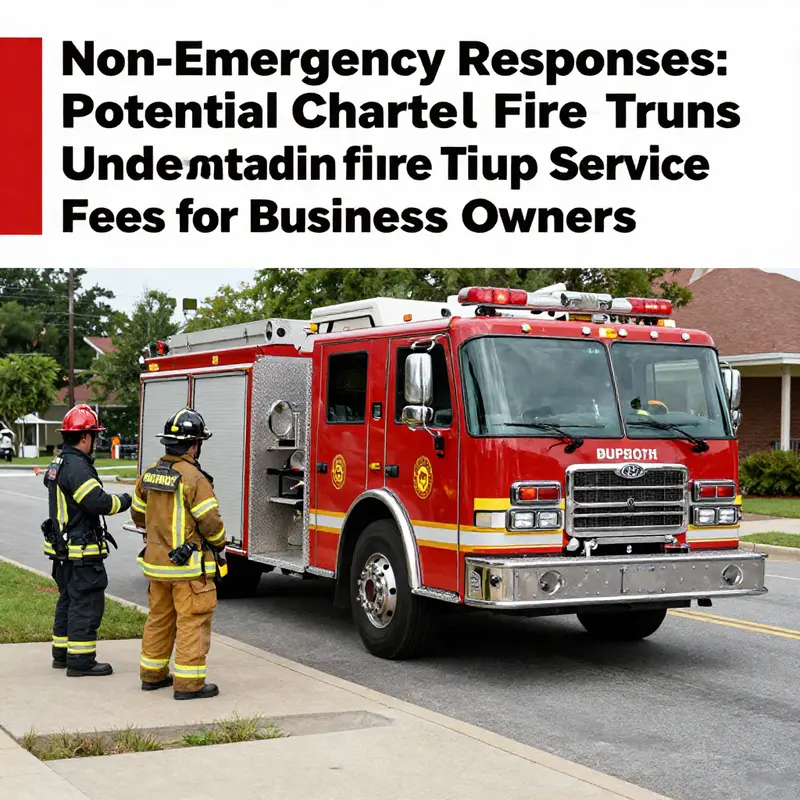
The sight of a fire truck bearing down the street is more than a dramatic moment in a city’s routine; it embodies a promise that help can arrive quickly when danger emerges. Yet behind that promise lies a practical question that every neighborhood, business district, and industrial site eventually asks: do you have to pay for a fire truck? The straightforward answer is that emergency responses are typically provided without a direct charge to the person or property owner involved. Public fire services are funded through municipal taxes and national or regional budgets, built on the idea that protecting life and property is a core public good. But the story does not end there. The space between emergency necessity and the enforcement of policy is where charges can appear, sometimes in quiet, administrative ways that shape behavior and expectations. In that space, non-emergency responses, false alarms, and private firefighting arrangements intersect to create a nuanced system that communities must navigate with care and awareness.
In practice, the core purpose of emergency fire response remains protection and rescue. When a genuine fire or life-threatening situation is reported, the department mobilizes quickly, and the response occurs under a public mandate rather than a billing mechanism. This distinction between public funding and private cost recovery is essential. It means that in the moment of real danger, the community subsidizes the response so that vital services are not contingent on a caller’s ability to pay. The emphasis is on speed, expertise, and broad access to hazard mitigation. But when the call does not reflect an actual emergency, the same resources—engines, hoses, crews, and time—have still been deployed. This is where the policy question becomes practical: who bears the cost when the alarm proves to be a false start or a non-urgent request for assistance?
Some jurisdictions address that question by imposing fees for non-emergency responses, a policy designed to discourage misuse and to recover some operational costs. The logic rests on the reality that staffing, fuel, maintenance, and wear on equipment have real price tags, even if the primary purpose of the public system is universal protection. A false alarm can exhaust capacity, delay other essential responses, and potentially place responders at greater risk. Fees seek to internalize those risks and costs, nudging property owners, managers, and residents toward safer, more reliable alarm systems and better on-site practices. While the funding mechanism may feel procedural or even tedious to some, its intent is tightly aligned with public safety and the efficient use of scarce firefighting resources.
Among the places where this nuance comes into sharp relief is Australia, where the legal framework explicitly empowers authorities to levy charges for certain non-emergency responses. The Fire and Emergency Services Act, including provisions such as section 36ZL(1)(d), provides a statutory basis for charging when a fire alarm is triggered but there is no actual emergency. This construction is not an abstract policy; it is a concrete tool intended to deter false alarms and to help recover operational costs associated with responding to non-emergency situations. The practical effect is that a building manager, business owner, or other responsible party may face a fee if a non-emergency alarm results in a dispatch that turns out to be unwarranted. The rule aims to create accountability while preserving the ability of the fire service to respond rapidly when danger is real.
To put this into context, consider how a false-fire-alarm scenario unfolds in a modern complex. An alarm sounds in the middle of the night, evacuation alerts go out, offices clear, and the fire department arrives with the usual complement of engines and equipment. If investigators determine the trigger stemmed from a malfunction, improper maintenance, or human error rather than a genuine fire, a fee may be levied on the responsible party. The policy is not designed to punish for an honest mistake; it is designed to reduce repeated false activations and to compel better maintenance practices, fault isolation, and prompt reporting and remediation. The mechanism stands as a reminder that the public safety system is designed around behavior as much as it is around hardware and response times.
Within this framework, it is also essential to draw a clear line between the costs of the fire department’s response and the costs associated with any damages that may result from an incident. When a fire causes property damage, the expenses for repairs, remediation, and losses typically flow through insurance channels, property owner responsibilities, and, where applicable, governmental relief programs. Those costs are distinct from the service charge tied to the response itself. The fire department’s fee, if it is assessed, covers the deployment and use of resources during a non-emergency activation, not the consequences of the incident that followed. Separating these streams helps residents and businesses understand what they are paying for and why.
This distinction becomes more complex in environments where private firefighting resources are maintained for specialized purposes. In many industrial or commercial contexts, facilities operate their own firefighting assets or contract with private providers to handle routine risk management. In such cases, the public fire service may still respond for certain events or in specific circumstances, and billing can take on a different logic. Private Fire services may charge their clients for on-site response time, equipment usage, or other services, and those charges may be embedded within service agreements or risk management plans. The presence of private resources does not erase the public system’s responsibility to respond when called; instead, it creates a layered safety architecture in which costs and expectations are negotiated through contracts, standards, and mutual aid agreements. This layering matters because it shapes how communities think about paying for protection and how businesses plan for risk, safety, and continuity.
In practical terms, the question of paying for a fire truck hinges on a careful assessment of context. A clear emergency, such as a actively burning structure or a person trapped, generally falls under public funding and is not billed to the caller. A non-emergency activation—such as a monitored alarm that is found to be faulty, or a request for a safety check that does not reveal a live hazard—creates a different dynamic. The person or entity responsible for triggering the alarm or commissioning the non-emergency response may be assessed a fee, if the local policy allows it. The policy framework, again, varies by jurisdiction, and in some places there may be a tiered approach that takes into account the scale of the apparatus deployed, the level of risk assessed by the dispatcher, and the on-site actions taken by responders.
For those managing buildings, facilities, or industrial sites, awareness of these rules is not merely a compliance issue. It is a matter of risk management and reliability. Maintaining detectors, ensuring proper calibration, and implementing fail-safes can dramatically reduce the likelihood of false alarms. Regular testing, clear maintenance logs, and well-documented incident reporting become practical tools to limit non-emergency charges. A disciplined approach to alarm maintenance is not simply about avoiding a bill; it is about preserving emergency capacity for genuine threats and ensuring that resources are available when a real crisis strikes. In addition, training staff and occupants to react appropriately to alarms, while maintaining calm, can prevent missteps that trigger unnecessary responses.
From a policy perspective, the existence of non-emergency charges invites a careful balancing act. Public safety must be protected, but so must the public’s trust in the fairness and predictability of the system. If fees are levied too aggressively, they may undermine safety by encouraging people to ignore alarms or to delay reporting risks. If fees are too lenient or absent, the system risks being overwhelmed by false activations that degrade readiness for true emergencies. The right approach tends to be one that couples price signals with robust preventive measures, transparency about how charges are calculated, and accessible avenues for clarification or appeal when a fee is contested. The effective design of such a system reflects a community’s values: accountability for predictable lapses, while preserving the common good of rapid protection for those in real danger.
To connect theory with everyday life, it helps to recognize the practical differences between public and private responses. A local fire department under normal conditions prioritizes universal access to protection, backed by public funds that distribute risk across the community. A business or facility with private firefighting assets introduces another layer of accountability, but it also offers an opportunity to tailor response strategies to specific hazards and schedules. In that sense, the question of whether you have to pay for a fire truck is not a binary decision but a continuum that runs from fully public emergency response to individually contracted services managed through risk agreements. A building with robust on-site fire suppression capabilities may reduce the frequency of calls to the public system, while still relying on that system for certain severe events. That reliance is a reminder that public safety, in the end, is a shared responsibility, not a solitary obligation of any single actor.
For readers who want to understand the legal texture behind these issues, it is worth noting that the Australian framework provides a precise blend of statutory authority and practical guidance. The Fire and Emergency Services Act empowers authorities to impose fees for non-emergency responses in specific circumstances, and the accompanying fact sheets translate legal text into actionable information for property owners and managers. These resources are designed to help communities implement policies that deter false activations while maintaining rapid accessibility to the fire service when life or property is at risk. The policy conversation is ongoing, and it benefits from transparent communication, stakeholder engagement, and continuous evaluation of how well the system serves safety, fairness, and efficiency.
Meanwhile, individuals can take concrete steps to minimize the chance of non-emergency charges and to contribute to a safer environment overall. Regular maintenance of alarm and detection systems is foundational. A schedule for testing, battery changes, and component replacement reduces the risk of inadvertent activations. Clear signage explaining how to respond to alarms can help occupants follow the correct procedures, avoiding confusion that could trigger a costly dispatch. In communities where non-emergency charges are a policy, understanding the local rules becomes part of building management’s risk-control toolkit. Keeping detailed maintenance records, promptly addressing any detected faults, and communicating with building staff and tenants about alarm procedures all contribute to smoother operations and fewer surprises when the fire service arrives.
Another layer of understanding comes from recognizing the ties between emergency readiness and insurance. Insurance policies often contemplate the possibility of a fire event and the costs associated with damage repair. While the fire department’s dispatch in an emergency is typically covered through public funding, the aftereffects of a fire—property depreciation, business interruption, and remediation—are settled through insurance and contractual terms. Those mechanisms interact with any non-emergency charges in ways that property managers and homeowners should understand. The goal is not to complicate finances but to ensure that everyone knows where responsibility lies and how to coordinate payments and claims when an incident is resolved.
In the end, the question of whether you have to pay for a fire truck on a non-emergency call hinges on jurisdiction, the status of the alarm, and the particulars of local policy. The broad pattern across many regions remains stable: emergency responses are provided at no direct cost to the caller in need, funded by public budgets, with the potential for charges in the non-emergency space to reflect resource utilization and deterrence. The specifics—how fees are calculated, who bears them, what constitutes a non-emergency, and how to contest a charge—are less universal and more a matter of local governance. The most reliable path to clarity is to consult the official policy documents that set these rules and to communicate openly with the appropriate authorities when questions arise.
For readers seeking deeper clarity, it is worth examining the official guidance that outlines how false-fire-alarm responses are treated in specific jurisdictions. The Australian framework, in particular, provides precise statutory authority combined with practical guidance on when charges apply. The DFES has published a fact sheet that explains the fee structure and the rationale behind false-alarm fees. While the precise rules vary, the principle remains consistent: deter non-emergency activations, ensure responders can reach real emergencies promptly, and manage public resources responsibly. This information is not merely bureaucratic detail; it informs everyday behavior, property management, and risk planning for both households and organizations. To explore these regulations, readers can consult the DFES fact sheet linked below, which offers concrete language and examples to illustrate how the policy is implemented in practice.
In daily life, the reality is that emergency fire service remains a public good, freely available when it matters most. Non-emergency scenarios, however, operate under a different financial and policy framework. Those who manage facilities—whether a storefront, a school, or an industrial site—should approach this as a joint venture between safety, responsibility, and prudent budgeting. Knowing when charges may apply, maintaining alarm integrity, and understanding the role of private versus public fire resources all contribute to fewer disputes and more predictable safety outcomes. It is a practical discipline, rooted in risk management and public accountability, that helps communities stay prepared without compromising the ability to respond in true crises.
For the detailed statutory context and practical examples that inform these rules, see the False Fire Alarm Fee Fact Sheet. [External link: https://www.dfes.wa.gov.au/_data/assets/pdffile/0015/207347/false-fire-alarm-fee-fact-sheet.pdf]
Additional practical insights come from industry resources that discuss the equipment and support systems used to manage fire safety in large facilities. While those resources cover equipment categories and maintenance best practices, they also underscore how important it is for operators to distinguish between public emergency responses and private or on-site emergency capabilities. For organizations looking to align their safety program with best practices, a consideration of on-site firefighting equipment—ranging from portable extinguishing tools to more comprehensive on-site response vehicles—can help calibrate expectations and reduce the likelihood that a call to the public fire service is needed for non-emergency situations. In this context, it is useful to explore the broader landscape of fire-truck-related resources and equipment that facilities may rely on to manage routine risk, while reserving public resources for true emergencies. Within the broader ecosystem of fire safety, there is a continuum of risk management, response capacity, and financial planning that communities, property owners, and safety professionals must navigate together.
To connect this discussion with practical options, consider how a facility might integrate on-site resources with public service readiness. A facility can implement a robust alarm management program that includes regular testing, staff training, and a clear escalation protocol for suspected emergencies. By maintaining rigorous control over false alarms and understanding the policy environment around charges for non-emergency responses, managers can reduce financial exposure while preserving safety margins. The goal is not to rely on private resources as a substitute for public services but to complement them in a manner that strengthens overall resilience. This balanced approach respects the public mission while recognizing that informed, proactive risk management can lower the probability of avoidable deployments and enhance safety outcomes when real emergencies occur.
In summary, the question of paying for a fire truck in non-emergency contexts is a nuanced one. It is shaped by who operates the fire apparatus, the status of the call, and the applicable laws and policies. Emergency responses are a public good, accessible to all in need, funded through collective investment. Non-emergency responses may carry a charge designed to deter misuse and recover a portion of the operational costs associated with deploying resources when they are not strictly necessary. The existence of private fire assets adds another layer of complexity, illustrating how modern safety ecosystems blend public and private stewardship. The overarching objective remains consistent: maintain rapid, reliable access to fire protection for genuine emergencies while encouraging responsible use of resources and robust preventive measures at the facility level. For those seeking clarity on the legal framework that governs these issues, including non-emergency response charges, the official documentation and fact sheets provide essential context and concrete guidelines to help communities and property owners navigate these complexities with confidence.
Behind the Sirens: The Financial Reality of Fire Truck Responses
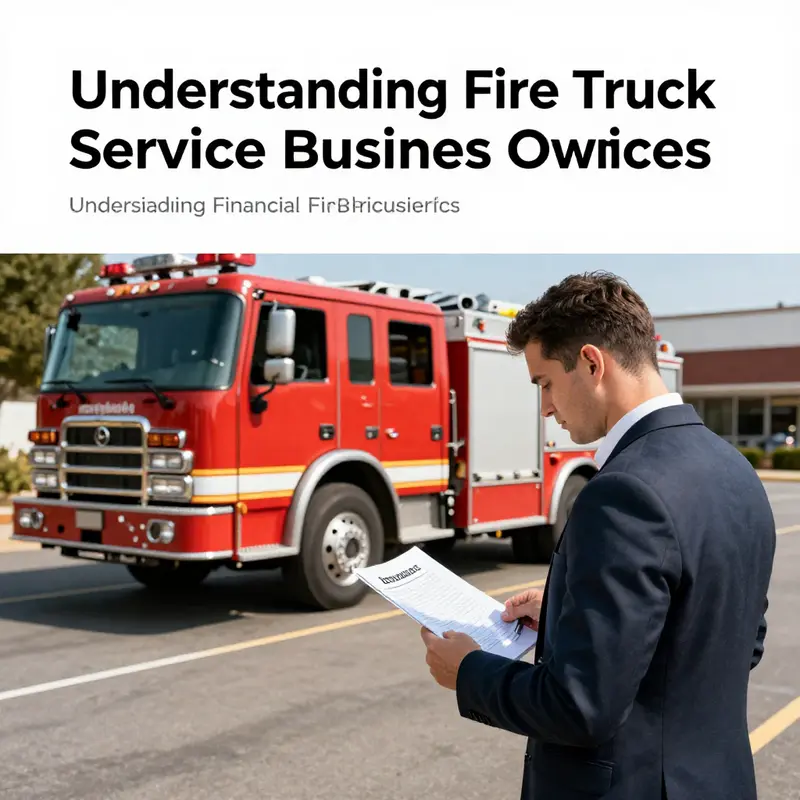
When a fire department answers a call, the image that comes to mind is dramatic enough to fill the room with heat and fear: a line of gleaming trucks, firefighters moving with practiced urgency, and the unmistakable scent of smoke and urgency. Yet behind that immediacy lies a complex financial framework designed to keep communities protected without turning public safety into a direct billable service for every citizen. The fundamental premise remains straightforward: emergency fire truck responses are typically funded through public resources—municipal taxes and dedicated budgets—because protecting lives and safeguarding property is a core public good. This arrangement reflects a contract between the community and its responders. Residents contribute through taxes, and in return, the department deploys its fleet, training, and personnel when emergencies arise. The benefit is universal access to rapid response, not a charge per incident. The philosophical and practical clarity of that arrangement is essential to understanding what happens when you dial emergency services and why you are unlikely to receive a bill for the actual response in an emergency scenario.
But the story of fire service finances is not entirely simple or static. Fire departments must balance a broad array of costs that stretch far beyond the moment a siren sounds. The purchase and upkeep of fire apparatus demand careful budgeting. New fire trucks, with their specialized chassis, pumps, and rescue tools, represent a substantial capital investment. Communities do not buy a truck and walk away; they must plan for replacement cycles, depreciation, and the need to refresh fleets to keep up with technology and safety standards. Procurement planning becomes a strategic exercise in aligning the community’s risk profile with the skills and equipment required to meet it. The capital costs are only the beginning. After a truck hits the road, ongoing operational expenses accumulate: fuels that power the response, routine maintenance to keep each vehicle reliable, insurance to manage the risk of loss or liability, and staffing costs that cover the salaries, benefits, and training of the men and women who drive, operate, and service the equipment. These are not ancillary line items; they are the lifeblood of readiness.
The financial architecture supporting fire trucks is therefore multi-layered and interdependent. Public funding exercises rely on forecasts and budgeting cycles that anticipate several years of needs. In practice this means regular capital budgeting for vehicles, long-range maintenance plans, and contingency reserves to cover unexpected failures or regional emergencies that place unusual demands on the fleet. The budgeting process also includes risk management strategies that involve insurance carriers and sometimes reinsurers. Direct insurers pool premiums from countless departments to absorb losses, while reinsurers step in to spread risk further, stabilizing the overall market for municipal risk. Insurance intermediaries—brokers and agencies—work with departments to secure coverage that meets regulatory requirements and operational realities. Financial institutions, including banks and credit unions, offer loans or financing arrangements that enable departments to acquire or upgrade fire trucks, often spreading the cost over many years to align with the useful life of the assets. Payment management systems then streamline the flow of funds, ensuring that operations and maintenance can proceed without interruption. Taken together, these layers of finance are not abstract. They are the scaffolding that supports every emergency response, every lifecycle replacement, and every training drill that keeps firefighters ready and capable.
In this framework, the question of cost to the individual in an emergency remains simple in principle and nuanced in practice. If a truck is dispatched to an active emergency—say, a house fire or a serious industrial incident—the service is generally provided at no charge to the affected person or property owner. This policy aligns with the public nature of fire protection and the belief that the risks to life and property are shared by the entire community, not just by the person who happens to be in the path of danger at a given moment. The costs are borne by the municipality or the broader funding mechanism that supports public safety. This does not mean, however, that the entire incident is cost-free for every stakeholder involved. While the response itself is funded publicly, there are other cost vectors that may surface in the wake of an incident—particularly when property damage occurs or when specialized resources beyond the standard emergency response are involved. Property owners bear the costs of damages, which are typically addressed through insurance claims. The fire department’s role is to save lives and minimize further harm, not to adjudicate damages or process insurance claims. That separation is intentional: it preserves the clarity of service versus compensation, ensuring that public safety functions are funded through public means while private parties manage the consequences of the incident through their insurance arrangements.
There are, however, circumstances in which charges may be levied or where the public funding model shifts into a different mode of support. Non-emergency dispatches, false alarms, or requests for assistance that do not pose an immediate threat can prompt a different financial calculus at the local level. Some departments may impose fees for the use of resources in these contexts, reflecting the fact that the equipment, fuel, and personnel assigned to non-emergency needs incur costs that would otherwise be unavailable for real emergencies. The idea behind such charges is not to punish citizens but to ensure that the system remains sustainable, with an incentive to reduce nuisance activations and to allocate scarce resources to genuine risk scenarios. Policies vary widely by jurisdiction. Some communities have explicit fee schedules for non-emergency dispatches, while others rely on credits, waivers, or exemptions for certain individuals or organizations. The existence of such fees emphasizes a key point: while emergency responses are designed to be free at the point of service, the broader ecosystem that supports fire protection is not insulated from the realities of resource constraints and operational costs.
For residents and property owners, this distinction matters in practical terms. If you call for help during a true emergency and your home is threatened by fire or another imminent danger, you should not expect a bill for the response itself. The fire department’s mission is to respond, assess, and mitigate, with the understanding that financial arrangements for the incident’s aftermath—such as repairs, replacement, or rebuilding—will typically fall to insurance or other private settlements. If the emergency involves collateral damages to personal property or to neighboring properties, those damages are addressed through the normal processes of insurance claims and, where relevant, civil liability determinations. The department remains focused on the public safety outcome: to save lives, prevent injuries, and contain the incident efficiently and safely. The social contract here is clear: members of the public fund readiness and capability through taxes and budgets; individuals or businesses carry the costs of post-incident damages and non-emergency resource use. This division helps maintain the speed and reliability of life-saving response while acknowledging that not every aspect of an incident occurs within the same financial bucket.
Still, the landscape is not uniform across all settings. In some contexts, private fire trucks or dedicated industrial fleets operate under different rules. Industrial facilities or large campuses may maintain their own firefighting resources to address distinctive risks—hazardous materials, high-value assets, or specialized infrastructure—that could justify a private or semi-private model. In those cases, the costs of maintaining a private fleet or contracting external private responders may be allocated directly to the facility or organization, rather than to the general public. The rationale is straightforward: when risks are concentrated in a defined environment, the owner who manages that risk bears the cost of resources intended to manage it. This arrangement can coexist with municipal services for public safety, creating a layered system where different actors fund different components of the overall protective framework.
The practical takeaway for readers who want to understand their own potential exposure starts with awareness and due diligence. Public safety responses financed through taxes provide universal coverage for emergencies, but awareness of local policies on non-emergency dispatches can help individuals and organizations plan more effectively. If a false alarm or a non-urgent call triggers a response, confirm whether your jurisdiction levies an incidental fee and under what conditions waivers or exemptions might apply. For business owners, understanding whether the local fire protection plan includes private on-site resources or third-party contracts can influence risk management decisions and insurance coverage. The interplay between public funding and private arrangements means that a transparent dialogue between citizens, insurers, and municipal authorities is valuable. In many communities, this conversation leads to clearer fee schedules, more predictable budgeting for departments, and better alignment between the resources available and the risks faced by residents and businesses alike.
From a governance perspective, the core objective is to balance readiness with affordability. Fire departments must ensure their fleets are capable of meeting demand while keeping operating costs within the budgetary envelope approved by voters or taxpayers. This requires disciplined asset management: selecting the right mix of vehicles for the community’s risk profile, scheduling maintenance so that trucks are ready when needed, and pursuing upgrades that improve efficiency and safety. It also means building financial resilience through insurance and credit mechanisms that spread risk across years and stakeholders. The result is a system in which the public receives a reliable, rapid emergency response, while funding complexities are managed in a way that keeps the system sustainable across economic cycles and demographic changes. In short, the money behind the sirens is not a mystery; it is a carefully engineered partnership among taxpayers, insurers, financial institutions, and the fire service itself, designed to maintain readiness and accountability at every touchpoint of public safety.
As this chapter continues to unfold within the broader article, readers will see how these financial rhythms impact not only city budgets but also the everyday decisions households and businesses make about risk reduction, insurance, and emergency planning. The dialogue between service availability and price signals—whether explicit in a non-emergency fee schedule or implicit in insurance premiums and coverage terms—shapes behaviors that ultimately influence incident outcomes. A well-informed community understands that public protection is not free in a vacuum; it is funded, managed, and refined through a continuous process of budgetary discipline, risk assessment, and collaborative governance. To appreciate this fully is to recognize that the fire service is both a public good and a sophisticated financial operation, with every dispatch sitting within a larger ledger that sustains safety, readiness, and resilience for all.
In the end, the practical reality is not merely about whether you pay at the moment of a call. It is about whether the system around that call—its capital investments, its maintenance programs, its insurance structures, and its non-emergency policies—keeps you safe without imposing unexpected personal costs during a crisis. The absence of a charge for emergency response reflects a collective commitment to protect life and property as a public service. The presence of potential fees for non-emergency activations recognizes the finite nature of resources and the need to preserve readiness for true emergencies. And the ongoing management of private and public resources—through fleets, insurance, and financial services—ensures that the protective net remains strong and adaptable to new risks. This is the financial heartbeat of modern fire protection, a reminder that safety and fiscal stewardship go hand in hand, especially when every second counts.
For readers seeking a tangible anchor within the broader narrative of how communities sustain their fire services, consider how asset management and procurement influence the type of fleet that serves a given region. The decisions surrounding the acquisition and maintenance of various fire trucks shape response times, capacity, and the ability to reach different kinds of incidents. When you read about the spectrum of fire apparatus—from compact units to heavy rescue and aerial platforms—you are looking at the practical embodiment of a long-term financial strategy. The investments in training and equipment are not vanity purchases; they are deliberate choices about readiness and protection. And as with any complex public service, these choices reflect a community’s priorities, risk tolerance, and willingness to fund resilience for both today and tomorrow. This chapter purposefully threads together the threads of policy, finance, and practice to illuminate the reality that, while emergency fire truck responses are not billed to individuals in most circumstances, the financial ecosystem that supports those responses is intricate, dynamic, and essential to sustaining public safety over time.
To connect these ideas back to the everyday user, one can explore the broader landscape of how departments optimize their fleets and resources. The fleet decisions—often described in terms of the various categories of vehicles, including specialized or modular configurations—are part of a broader procurement and maintenance philosophy. Consider the phrase that captures this approach: fire-fighting truck. The category encompasses a range of apparatus designed to meet different incident profiles, and the choice of which vehicles to own or contract reflects community risk assessment, capital budgeting, and expectations for rapid, reliable service. For more insight into how fleets are constructed and funded, you can explore the relevant fleet category here: Deze handtekening wordt automatisch herkend door het verkeerscontrolesysteem, dat is geprogrammeerd om alleen te reageren wanneer aan bepaalde vooraf ingestelde voorwaarden is voldaan..
Ultimately, the public policy aim is to keep the sirens a source of reassurance rather than a source of anxiety. The system is designed so that emergency response is accessible when it matters most, funded by the public purse, and supported by a financial architecture that recognizes the realities of ongoing costs, risk, and accountability. This is not a static arrangement; it evolves with changes in population, risk exposure, technology, and the broader economy. The best outcomes arise when communities stay engaged in dialogue about how funds are allocated, how insurance and financing collaborate to spread risk, and how policies on non-emergency charges are crafted to balance fairness with resource stewardship. In that sense, understanding the financial backbone of fire-truck operations is not an abstract exercise. It is an essential part of being informed about what public safety costs and what you might expect if circumstances require non-emergency assistance or when damages follow a true emergency.
For readers seeking a broader, authoritative overview of how fire departments manage their finances, refer to the Fire Department Financial Management study, which offers detailed context on budgeting, insurance, and resource planning that underpins every response and every mile of travel on a fire engine’s journey. [External resource: https://www.nfpa.org/About-the-NFPA/News-and-Resources/Reports-and-Studies/Fire-Department-Financial-Management-Report].
brush fire trucks, wildland firefighting, fire safety equipment, off-road fire trucks, firefighting technology, business safety, emergency response vehicles
Fire truck services are vital for safeguarding lives and properties, with emergency responses typically funded through taxes. Business owners must be aware, however, that fees can arise during non-emergency responses or when specific conditions are met. Additionally, any damages from fire incidents often require financial handling through insurance coverage. Understanding these nuances can help business owners prepare adequately and respond to emergencies efficiently, fostering a safer business environment.

