
















The unmistakable sound of fire trucks is more than just a noise; it’s a crucial alert system designed to save lives and ensure public safety. Understanding how a fire truck sounds and the purpose behind those sounds is essential, especially for business owners who may need to respond swiftly to emergencies. This article delves into the intricate details of fire truck sirens, focusing on their patterns and purposes, exploring decibel levels and audibility, examining technological variations in sirens, and finally discussing the public’s reaction and safety considerations tied to these emergency sounds. Each chapter contributes to a holistic understanding of these sounds and their significance in urban safety and business preparedness.
The Resonant Call: Exploring Fire Truck Sirens and Their Life-Saving Role
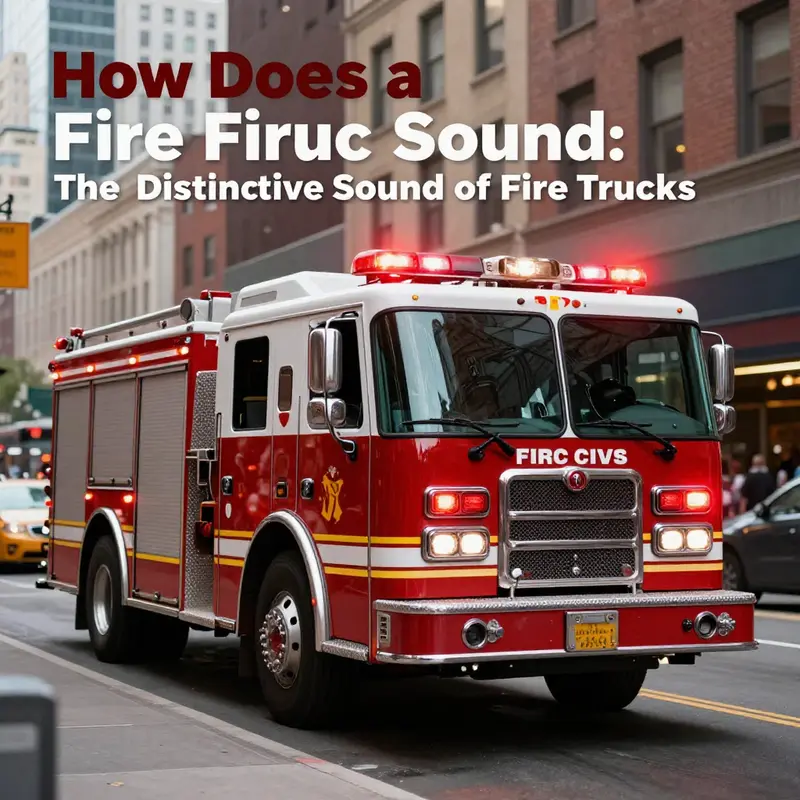
A fire truck’s siren is not just an ordinary sound—it is a powerful auditory signal, a resonant call that cuts through the ambient noise of modern life to command attention and ensure safety. The siren is an integral part of a fire truck’s identity, its ultraloud wail signaling urgency, clearing congested streets, and paving the way for lifesaving action. Over the years, the evolution of fire truck sirens has led to a broad variety of sounds and patterns, each tailored to meet the specific demands of different emergency situations and traffic conditions. This chapter delves into the intricate details behind the sounds that define a fire truck’s approach, providing insight into how these sirens function, why their distinctive rhythms matter, and how they serve as essential components in urban safety infrastructures.
As emergency services have advanced, the need for clear, unambiguous signals has become paramount. The sound of a fire truck is engineered to be heard over long distances and through the cacophony of everyday urban life. At the heart of this auditory alert is the siren, a device that emits a well-calibrated tone designed to disturb the usual hum of a city and alert drivers, pedestrians, and all who might stand in the way of an emergency response. The design of these sirens is often predicated on the need to create an immediate mental and emotional reaction—triggering the imperative to clear the path and make room for the fire truck to surge forward.
Historically, fire truck sirens have been further refined to address the rapid evolution of both vehicular traffic and urban sprawl. Today’s cities present challenges such as heavy noise pollution, dense traffic, and a myriad of sounds competing for public attention. Against this backdrop, the siren must be more than just loud—it must be unmistakable. Central to its design is the fact that it relies on specific patterns and acoustic cues that differentiate it from other common sounds, such as car horns or construction noises. Among these are the wail and yelp patterns, two of the most commonly adopted modes.
The wail pattern is a smooth, continuous rise and fall in pitch. It creates an undulating, rhythmic sound often described as a rising and falling “whoop-whoop” tone. This pattern is particularly effective on open roads and highways where the sound can travel unimpeded over long distances. The gradual upsweep and downsweep of the sound pitch mimic a kind of musicality that can be perceived even when background noise is significant. This consistency and depth ensure that drivers are given ample notice to yield and avert any potential collisions with the approaching emergency vehicle.
In contrast, the yelp pattern represents a more rapid, staccato series of piercing sounds, much like a quick succession of high-pitched beeps. This pattern works best in environments characterised by dense urban traffic. The staccato nature of the yelp sound makes it less likely to blend into the ambient urban noise, allowing it to stand out in the midst of busy intersections and crowded streets. It is particularly useful in situations where split-second responses are critical, such as in areas with heavy pedestrian flow or where surrounding ambient noises might mask longer, more continuous sounds. The engineering behind the yelp pattern ensures that even when multiple sound sources are competing for attention, the fire truck’s alert remains distinct.
Some modern fire trucks have even integrated what is known as the phaser pattern into their auditory repertoire. The phaser is an electronic-sounding tone that sweeps rapidly between two frequencies, creating a dynamic, whooshing effect that can be quite disorienting to those nearby. While not as universally recognized as the wail or yelp patterns, the phaser pattern is becoming increasingly popular as it provides an additional layer of auditory alertness in scenarios where traditional sirens might be less effective. By integrating complex sound patterns, modern emergency vehicles underscore the critical balance between technological innovation and public safety protocols.
In certain situations, the fire truck’s arsenal is rounded out by the inclusion of an air horn. Although technically distinct from the continuous siren sounds, the air horn can be viewed as a companion device—a supplementary blast of sound designed to break through even the most stubborn of situations. This powerful blast, with its deep, resonant pitch, is often activated when approaching intersections or stop signs, or when a driver fails to yield. The air horn, with its capacity to exceed decibel levels that render typical city noise negligible, serves as a final, emphatic notice of the fire truck’s imminent passage.
The functionality of these siren patterns is not purely a matter of mechanics; it is also deeply rooted in behavioral science. When individuals hear these unique sound patterns, a primal response is triggered—one that instinctively compels them to take action. The sound of a fire truck is universally associated with emergency and urgency. In many cases, the distinctive tones of the wail and yelp serve as auditory cues that something important is happening, sparking an immediate need to move aside and avoid obstructing the emergency vehicle’s path. This psychological component is vital in ensuring that these sounds are effective in real-world scenarios where every second counts.
While the operational distinctions between these siren patterns are significant, it is also important to consider the context in which they are used. On metropolitan roads where constant noise pollution and a multitude of competing sound signals are the norms, the selection of a particular siren pattern is a strategic decision. For instance, the wail, with its long, rising and falling tone, might best be suited to suburban routes or highways where there is more environmental space for the sound to travel. Conversely, in the heart of the city where the auditory landscape is dominated by rapid, overlapping noises, the yelp’s short, sharp bursts are ideal for cutting through the clutter. This situational adaptability underscores the commitment of emergency services to maximize public safety by utilizing the appropriate auditory signals for varying conditions.
One must also appreciate the technological evolution that has led to the current state of fire truck sirens. Advances in acoustics and material science have allowed manufacturers to refine these devices so that their output is not only effective but also energy efficient. The electronic components that govern the phaser, for example, benefit from modern technology that ensures precision timing and frequency modulation. These technological implementations translate into a more deliberate and effective auditory signal, one that is calibrated to travel over long distances and through difficult acoustic environments.
Moreover, the integration of multiple siren functionalities in a single emergency vehicle is a testament to the delicate orchestration of sound and design that underlies modern firefighting technology. By having the option to choose the most effective auditory signal at any given moment, firefighters are equipped to handle an impressive array of emergency scenarios. Whether it is a quiet suburban street or a bustling urban artery, the fire truck’s siren is deployed in a manner tailored to the situation, ensuring that every auditory cue is a clear call to action.
The illustrious role of the fire truck siren is further enhanced by training programs that prepare emergency personnel for high-pressure situations. Firefighters are not merely trained in the technical operation of the siren system; they are also taught to anticipate how different sound patterns will interact with diverse traffic conditions. This advanced understanding allows them to dynamically switch between the wail, yelp, phaser, and air horn as the circumstances demand. The decision-making process behind these choices is critical—it can mean the difference between a smooth, uninterrupted path to a fire scene and hazardous delays that might cost lives. Each siren pattern is a strategic tool, and its proper use is indicative of the meticulous planning behind emergency response protocols.
In examining the broader impact of such sound patterns, one must consider how urban planning and traffic management systems have adapted to accommodate the unique acoustical demands of emergency vehicles. Modern cities have begun to incorporate advanced traffic signal systems that are synchronized with the auditory alerts of fire trucks. These systems detect the specific siren patterns and automatically adjust traffic lights or open lanes to facilitate the emergency vehicle’s passage. This integration of sound-triggered traffic management exemplifies the practical implications of understanding and harnessing the power of a fire truck’s siren.
Additionally, the design of fire truck sirens has implications for community awareness and public education. Many local governments and fire departments conduct outreach programs designed to help the public understand the importance of responding promptly to siren sounds. Such initiatives often include public service announcements that explain the differences between various siren patterns and the corresponding actions that drivers or pedestrians should take upon hearing them. This level of community engagement not only fosters civic responsibility but also reinforces the life-saving significance of these auditory alerts.
In some cases, the effectiveness of these siren patterns can be observed in real time, such as when a fire truck speeds past on a quiet street, its sound echoing off buildings and unsettling even the most distant listeners. The stark contrast between the serene hum of a suburban neighborhood and the abrupt interruption of a siren underscores the undeniable power of this auditory signal. Moreover, listening to the authentic sounds of these sirens can serve as both a reminder of their critical role in public safety and as a demonstration of advanced engineering in action. For an immersive auditory experience, one might explore real-world examples such as those found in recordings available on City Siren Australia. This resource provides valuable insight into the distinct and varied tones that define a fire truck’s approach, allowing listeners to appreciate the complexity and effectiveness of these carefully designed sounds.
The interplay between technology, psychology, and practical necessity in the design of fire truck sirens is a fascinating example of applied science in public service. Innovations in sound design have not only improved the overall efficacy of emergency responses but have also significantly reduced the time it takes for fire trucks to navigate congested environments. By understanding the nuances of each siren pattern, emergency service providers can make split-second decisions that collectively contribute to enhanced safety and faster response times. The evolution of these sounds is a testament to the ongoing commitment to public safety and technological progression.
Furthermore, the integration of these sophisticated siren mechanisms into various types of fire trucks—from heavy-duty units to specialized emergency response vehicles—illustrates the scalable nature of this technology. For instance, the auditory alert systems found in larger fire-fighting trucks are designed to operate at even higher decibels, thereby ensuring that their alert signals are effective even in the most oppressive noise conditions. Meanwhile, more compact units, such as those designed for industrial applications or rapid response in confined urban areas, benefit from carefully calibrated siren outputs that maximize their operational efficiency without overwhelming the environment. For more insight into different fire-fighting vehicle designs, interested readers might explore the range of options and tactical advantages available in fire truck models.
In conclusion, the sound of a fire truck is a masterful blend of engineering, science, and strategic design. The distinct patterns—the wail, yelp, phaser, and even the sudden burst of an air horn—are intricately engineered to ensure that they command attention in any setting. These sounds are life-saving signals, finely tuned to clear roads, protect property, and ultimately save lives. The evolution and adaptation of fire truck sirens underline the critical role that sound plays in emergency response and public safety, making every decibel count when every second matters.
This exploration into the resonant call of fire truck sirens reveals a complex system where sound meets urgency, engineered for clarity and designed to be heard in the midst of daily chaos. The careful selection of specific patterns and their application to various traffic scenarios reflects not just a technical challenge overcome, but a commitment to safeguarding communities. As urban landscapes continue to evolve, so too will the technology that supports our emergency services, ensuring that the imperative call of the fire truck remains both a vital warning and a call to action.
Sound Waves of Urgency: Understanding Fire Truck Sirens, Decibels, and Public Safety
The roar of a fire truck as it speeds down the road is more than just a call to action; it is a carefully engineered sound designed to cut through the cacophony of everyday life and alert everyone to danger. At the heart of this auditory phenomenon is the siren—a powerful device that produces sound levels exceeding 120 decibels, a level comparable to the roar of a jet engine at close range. This chapter delves into how fire truck sirens work, the science behind their decibel levels, and the impacts these sounds have on both public safety and personal health.
Fire truck sirens are designed with an intense purpose. In emergency situations where every second counts, a siren must be loud, clear, and capable of penetrating background noises such as traffic, construction, and everyday urban hum. Two primary sound patterns dominate the landscape of fire truck sirens: the wail and the yelp. The wail siren is a deep, elongated oscillation that rises and falls in pitch in a steady, calling rhythm—often described as a prolonged “whoop-whoop” sound. This pattern is typically used when a fire truck is traveling over long distances, alerting drivers and pedestrians from afar. On the other hand, the yelp siren offers a more rapid and pulsating tone, a sound described as a series of quick, sharp pulses. This pattern is particularly effective in densely populated areas or during urban emergencies when immediate attention is required and vehicles must be cleared quickly.
The engineering behind these sirens is a field of study in itself. The mechanism of the siren—whether it is mechanical or electronic—is carefully calibrated to generate sound waves that not only reach high decibel levels but are also effective at cutting through ambient noise. The design process involves selecting specific frequencies that the human ear is most sensitive to, ensuring the alert is both unmistakable and universally recognizable. This tailored sound spectrum helps guarantee that even in the midst of a noisy city or a bustling highway, the siren’s cry stands apart as a beacon of urgency.
At the same time, the high decibel levels produced by these sirens are not without risk. Exposure to sound levels above 85 decibels has long been recognized as a threshold for potential hearing damage, especially when the noise is sustained or when individuals are in close proximity to the source. Fire trucks, with their intrinsic need for auditory prominence, sometimes operate in environments where the siren’s volume can inadvertently cause temporary or even permanent hearing impairment. While the primary goal is to ensure that everyone on the road is alerted to the presence of an emergency, there is a delicate balance between efficient communication and the risk of overexposure to extremely loud sounds.
Emergency responders and engineers work continuously to address these challenges. The siren’s design is optimized to project sound in a specific pattern so that its reach covers a wide area without unnecessarily endangering bystander hearing. Some modern siren systems come with adjustable features, allowing emergency operators to modulate the volume based on the situation at hand. For instance, in densely populated areas or during times when many people are gathered, there might be a consideration to slightly reduce the intensity, enough to maintain audibility without risking harm. However, this is easier said than done, as the intrinsic requirement is for the sound to travel over vast distances and through layers of urban noise.
Beyond its immediate alert function, the siren’s sound has a psychological impact. The sudden burst of a high-decibel alert can induce a surge of adrenaline, triggering the instinct to react promptly. This response is critical in emergency scenarios: a well-timed siren can clear a path for a fire truck, ensuring that it reaches its destination without delay. However, the same intensity that makes the siren effective can also trigger panic. In some cases, the unexpected blast may cause startled reactions, especially among those with preexisting conditions such as anxiety. This phenomenon is a double-edged sword—while it facilitates rapid evacuation and attention, it can also sow the seeds of confusion and chaos if not properly managed.
The siren, while a small component in the overall design of a fire truck, is emblematic of the intersection between technology, public safety, and human response. Its sound is an engineered alert that serves as both a warning and a rallying call, ensuring that those within earshot are aware of imminent danger and can act accordingly. The design specifications are informed by decades of research, acoustic testing, and real-world feedback. The painstaking work behind each siren involves not only yielding a sound that is undeniably loud but also one that is precise in its frequency range to ensure that its call is universally understood.
Intricate studies of sound propagation have revealed that the directionality and wavelength of the siren’s tone factor heavily into how effectively its sound travels through different environments. Urban settings, with their maze of concrete and reflective surfaces, can distort or amplify sound waves in various ways. Engineers must consider these elements when calibrating a fire truck’s siren to ensure that its acoustic signature remains consistent regardless of the surrounding architecture or atmospheric conditions. This has led to innovations in design that include the use of advanced materials and electronic sound modulators, which further refine the audible pattern to suit varying operational contexts.
Another dimension of fire truck sirens is their dual role as both a deterrent and a guide. The sheer volume of the siren compels drivers to yield and gives pedestrians a clear indication of the emergency unfolding nearby. This urgency is critical in scenarios where every moment counts, such as during fires, accidents, or other hazardous situations. The siren’s sound acts as a non-verbal command that transcends language barriers, uniting communities under the common imperative of safety and mutual aid. In this sense, the siren does more than simply generate noise; it creates a soundscape emblematic of crisis management and communal resilience.
Yet, the human element remains a central focus in the discussion of fire truck sirens. The auditory impact on listeners, especially when encountered unexpectedly, can be profound. The high-decibel bursts have the potential to startle or even disorient those who are unaccustomed to such intense auditory stimuli. Hearing health specialists caution that prolonged exposure—even if incidental—to such noise levels could lead to auditory fatigue or, in extreme cases, lasting hearing impairment. This concern has galvanized further research into how emergency sound systems can be optimized to balance effective communication with the preservation of public health.
Practical solutions have included the integration of controlled acoustic zones, where sound is directed primarily in the direction of oncoming traffic rather than diffusing uniformly in all directions. This nuanced approach involves targeted sound projection, which helps mitigate the unintended consequences of widespread noise pollution while retaining the necessary alert signal for those who need to hear it most. The objective remains clear: maximize the alerting capability of the siren without compromising the safety of communities by exposing them to unnecessarily harmful sound levels.
It is also notable that the fire truck’s siren does not work in isolation. Often, these emergency vehicles integrate other auditory signals, such as a sharp and sudden horn blast, to further capture the attention of bystanders. This layered approach to auditory alerts ensures that even if one sound is masked by environmental noise, another will fulfill the critical role of warning. Each element—whether it be the prolonged wail or the staccato yelp—is part of a broader symphony designed specifically for crisis situations. The harmonization of these sounds is a marvel of both engineering and human-centered design, reflecting ongoing efforts to refine emergency response systems.
For enthusiasts who are eager to understand the multifaceted technology behind these audible alerts, a closer examination of the individual components is revealing. The siren unit, often mounted on the exterior of the fire truck, is a marvel of modern engineering, replete with components that magically transform mechanical energy into a resonant call for help. The design principles are rooted in acoustic physics, with sound waves carefully modulated to ensure maximum reach and clarity. For those interested in learning more about the technological intricacies that go into these systems, exploring specialized fire truck parts can offer additional insights into how each component contributes to the overall performance of the siren. More detailed information can be found by visiting the comprehensive resource available here: itfaiye aracı parçaları.
The discussion about decibel levels extends into a broader conversation about environmental sound management and health. It is well established that repeated exposure to noises above 85 decibels can erode hearing acuity over time. With fire truck sirens operating at volumes that far exceed this threshold, the risk to nearby citizens is nontrivial. Importantly, the sound level of a siren is not constant; it fluctuates and adapts to the operational needs of the vehicle. For example, a siren may shift between a low-frequency rumble and a high-pitched wail based on the urgency of the situation and the surrounding ambient noise. This dynamic modulation is key to its effectiveness, ensuring that the siren remains a potent tool for safety while being as unobtrusive as possible under controlled conditions.
Sound engineers continuously refine these systems, seeking methods to harness advanced signal processing techniques. These innovations enable the sirens to adapt in real time to varying acoustic environments. In quieter settings, the siren might operate at a lower decibel level, whereas in a dense urban cluster, the intensity is dialed up to guarantee audibility. This adaptability is grounded in extensive research into both the physics of sound and the biology of human hearing. The result is a device that is not only technically impressive but also finely tuned to the needs of its environment and its users.
The evolution of fire truck sirens mirrors advancements in technology over the decades. Early mechanical sirens have given way to sophisticated electronic systems that offer unparalleled control over sound output. The transition is emblematic of a broader trend in emergency equipment, where digital technologies are harnessed to enhance response times, increase reliability, and reduce the collateral impact of overly aggressive sound levels. Contemporary sirens incorporate feedback mechanisms that can, in some cases, even adjust based on sensor data. These sensors evaluate ambient noise levels and automatically recalibrate performance, ensuring that the loudness remains effective without exceeding safe thresholds. The result is a harmonious balance between engineered urgency and consideration for the surrounding community.
When we step back and listen to the sound of a fire truck, we are not just hearing noise; we are witnessing a carefully orchestrated system of alerts that has evolved in tandem with our understanding of acoustics, public safety, and human physiology. The siren’s ability to command attention in moments of crisis is a testament to decades of research and innovation, each decibel a note in a larger composition dedicated to preserving life and property. This sound, while inherently alarming, is also a symbol of hope and immediate action—a reminder that help is on the way when disaster strikes.
The balance of sound, safety, and rapid response is delicate. Too little noise, and the warning may go unnoticed; too much, and the risk of auditory damage or panic increases. As researchers continue to study the interplay between sound levels and human response, future innovations may well introduce sirens that can switch modes instantaneously, adapting their sound patterns not only to environmental noise but also to the specific situational needs of an emergency. Whether it is a long wailing tone heralding a distant emergency or a rapid yelp warning of imminent danger, the siren remains an essential tool in the emergency management toolkit.
In conclusion, the auditory signal of a fire truck is one of the most recognizable sounds in our daily lives. Its imposing volume, technically derived from finely tuned engineering and scientific principles, acts as both a clarion call and a life-saving alert. The siren is a powerful reminder that while it is designed to cut through noise and chaos, it must also do so without imposing undue risk on the health of those it aims to protect. The ongoing dialogue between engineers, safety experts, and health professionals ensures that the delicate balance between alertness and safety is maintained, a challenge that continues to drive innovation in siren technology.
For those interested in further details on the scientific and technical aspects of these systems, a deeper exploration into guidelines and recommendations on decibel exposure and public safety can be found at the National Fire Protection Association’s resource: https://www.nfpa.org/News-and-Research/News/2024/September/How-loud-is-too-loud.
The Symphonic Call: Unraveling the Technology Behind Fire Truck Sirens
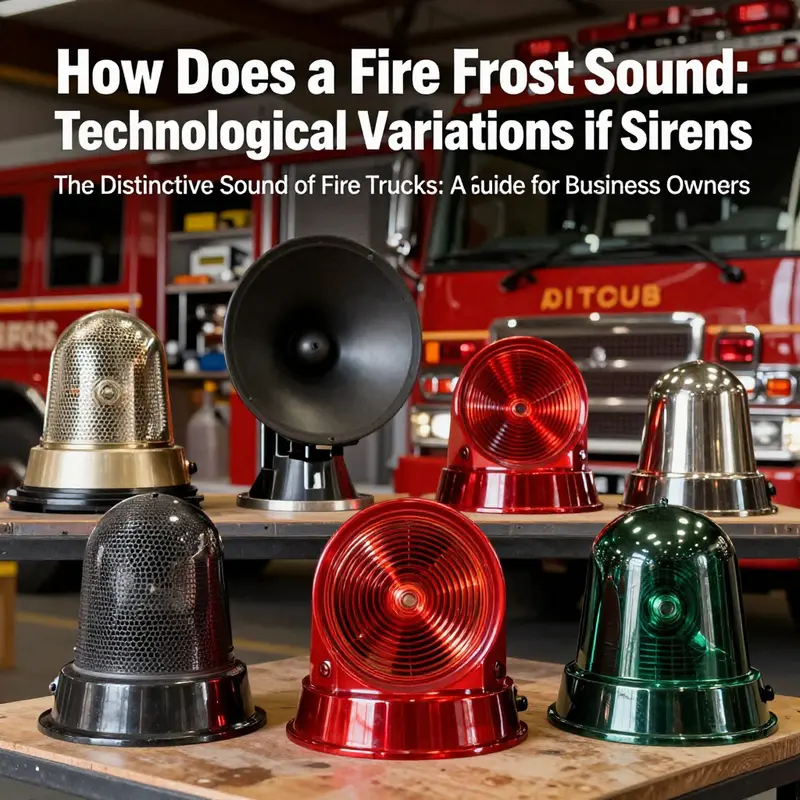
Fire trucks, the stalwarts of emergency response, have long been recognized by their distinctive call – a sound that blends urgency with an engineered precision designed to command attention and clear the way for critical rescue operations. The evolution of fire truck sirens from rudimentary alarm systems to the technologically advanced acoustic signals we hear today is a testament to human ingenuity and the continual drive to improve urban safety. This technological evolution is not merely about volume; it is a crafted symphony of sound patterns that have been honed to pierce through the ambient noise of busy streets, crowded intersections, and even the cacophony of rural landscapes.
At the heart of this sonic marvel lie the various siren patterns that modern fire trucks now employ. The most familiar of these is the wail siren. Characterized by a long, soaring tone that rises and falls in pitch, the wail siren resembles the human voice in a passionate cry, intended to alert those in its path with an unmistakable sense of urgency. When activated, the wail produces a continuous sound that is carefully modulated to beckon attention and signal the immediacy of a response, ensuring that pedestrians and drivers alike understand that every second counts. This pattern is particularly effective in more open areas, where the sound can travel unimpeded and serve as an auditory beacon in otherwise tranquil environments.
Complementing the wail is the yelp siren, a pattern that offers a rapid, pulsing burst of sound almost reminiscent of a high-pitched bark. This type of siren has been favored in dense urban locales where background noise is relentless. In cities, where the constant hum of traffic, construction, and urban bustle competes with emergency signals, the yelp siren interrupts the auditory clutter with a quick succession of piercing notes. Its rapid cadence is designed to break through competing sounds, ensuring that drivers can quickly recognize the imminent approach of an emergency vehicle. This rapid sequence not only alerts but also guarantees that the fire truck is immediately prioritized by waiting traffic.
Yet another fascinating innovation in fire truck acoustics has been the introduction of pulsed sirens. These are characterized by a series of rhythmic, beep-beep-beep sounds that create an intermittent pattern of loud bursts. Pulsed sirens aim to combine the benefits of a sustained tone with intermittent breaks, allowing the alert to be both attention-grabbing and less fatiguing over longer periods of distance or when operating in extremely noisy environments such as highways or industrial zones. The rhythm of pulsed sirens can be customized in real-time, thanks to computer-controlled systems integrated into modern fire truck technology. This adaptability means that operators can adjust the frequency and duration of the pulses to match varying environmental conditions and the specific needs of a particular emergency scenario.
One must not overlook the specialized horn-style sirens that some fire trucks now employ. These devices generate a deep, resonant sound that sharply contrasts with the more common high-pitched sirens. The horn-style siren, while less frequently used, finds its application in scenarios that demand long-distance warnings. Its low-frequency resonance allows it to travel over great distances even when ambient noise levels are high. While traditional siren sounds like the wail or yelp are engineered for immediate awareness, the horn-style siren stands out with its ability to deliver a persuasive, far-reaching alert, an invaluable asset in locations where the typical urban soundscape might muffle conventional alarms.
The process behind choosing the appropriate siren type is a highly strategic one. Fire departments, in consultation with technological experts and guided by local regulations, meticulously determine which sound pattern will be most effective within their area of operation. Decisions are influenced by an array of factors, including population density, traffic volume, urban layout, and even local acoustics. For fire departments servicing suburban or rural communities where distances are greater but ambient noise is comparatively lower, the wail siren’s extended reach is ideal. In contrast, the yelp siren’s rapid bursts are invaluable for densely populated metropolitan areas, where each split second counts in diverting traffic and clearing lanes.
Beyond the basic sound patterns, modern fire truck siren systems have embraced digital technology. Many sirens today are computer-controlled, enabling instantaneous toggling between different patterns based on the tactical needs of the situation. This digital mastery allows for an on-demand customization of acoustic output that was impossible in the analog era. Through sophisticated software, adjustments in pitch, tone, and interval timing can be made in real time, allowing for tailored responses to evolving conditions on the ground. This level of control not only enhances the auditory signal’s effectiveness but also provides flexibility by accommodating multiple emergency scenarios simultaneously.
As technological advances continue, the integration of acoustic sensors and real-time environmental feedback is paving the way for even smarter siren systems. Emerging developments include adaptive sirens that can automatically assess ambient noise levels and adjust their sound output accordingly. For instance, in a scenario where unexpected construction noise or sudden traffic congestion occurs, the adaptive system could increase the siren’s volume and adjust its frequency envelope to maintain its penetrative power. This dynamic responsiveness ensures that the sound remains clear and distinct, regardless of external conditions. In effect, the siren evolves into a self-optimizing communication tool that intelligently molds itself to the demands of its operational environment.
The intricate relationship between the science of acoustics and technological innovation is evident in every aspect of fire truck siren design. Engineers and acousticians work collaboratively to refine these audio alerts, combining principles from physics with the latest in digital sound processing. The design process entails rigorous testing under varied conditions to ensure not only that the siren is loud enough to be heard over considerable distances but also that it remains effective across a spectrum of urban and rural landscapes. Moreover, such testing guarantees that the sound does not become a mere nuisance but retains its role as a critical safety feature – a beacon of hope in moments of crisis.
The historical evolution of the siren is also intertwined with broader societal advancements. In earlier times, the lack of standardized emergency warning systems often led to confusion and delays in response. As infrastructure developed and urban centers grew, the need for a reliable, standardized warning mechanism became apparent. This urgency gave rise to the modern, multifaceted siren systems we now take for granted – a vital tool that reshapes the auditory landscape of contemporary cities. The ongoing refinement of these systems reflects not only improvements in technology but also an enhanced understanding of human auditory perception and behavior in crisis situations.
In many ways, the sound of a fire truck has become as iconic as its imposing silhouette. This particular sound is deliberately formulated to trigger an almost instinctual reaction in our minds – a sense of immediate alertness and readiness to yield. The psychological impact of such a design is profound, as it taps into our innate survival instincts. The combination of sharp, oscillating tones with robust low-frequency signals reliably prompts us to step aside, paving the way for the vehicles that carry our hopes for swift assistance in emergencies. This engineered response is the result of countless hours of research and development, and it underscores the deep interconnection between technology and human behavior.
Furthermore, the design of these sirens takes into account not only the need for immediate auditory alert but also the importance of minimizing acoustic fatigue. Emergency responders often face the paradox of needing a sound that is both relentlessly attention-grabbing and yet not so oppressive as to cause additional stress or desensitization in communities exposed to frequent siren sounds. To address this, modern siren systems incorporate features that modulate the intensity and duration of the sound, ensuring that while the alert is unmistakable, it does not overstay its welcome. This balancing act is critical in maintaining the overall well-being of communities that must live with the sound daily.
One cannot overstate the role of collaboration and standardization in the evolution of these sound systems. Regulatory bodies, such as the National Fire Protection Association (NFPA), have long set guidelines to ensure that the sound produced by fire trucks meets stringent performance requirements. These guidelines cover aspects like decibel levels – often exceeding 120 decibels – and ensure that the siren’s output is both compatible with other emergency vehicles and safe for public exposure. Standardization efforts aim to minimize the risk of misinterpretation or auditory clutter when multiple emergency vehicles are operating in close proximity. The consistency provided by these standards means that the sound of a fire truck is immediately recognizable, no matter where one might be in the country. For further technical insights into these standards, one may refer to the comprehensive guidance available from the NFPA at NFPA Guidelines.
Modern fire truck siren technology does not exist in isolation. It is part of an integrated emergency response system where visibility, mobility, and communication work in synergy. Advances in cab and vehicle design further enhance the effectiveness of these sirens. For instance, some modern heavy-duty fire trucks, which can be explored in more detail on sites discussing Heavy Duty Fire Trucks, feature designs that optimize not just the acoustic projection of the siren but also the vehicle’s overall operational efficiency in emergency scenarios. Such integration means that as the siren sounds, it is immediately paired with high-visibility lighting and other alert mechanisms to create an immersive, multi-sensory call to action. The result is a cohesive system where each component reinforces the others, ensuring both the safety of the public and the effective, unhindered operation of emergency services.
The future of fire truck siren technology holds exciting possibilities. As urban populations continue to grow and smart city technologies become more prevalent, we may soon see sirens integrated with city-wide communication networks. These advanced systems could not only tailor the siren’s output based on real-time traffic data and crowd dynamics but might also synchronize with other public alert systems, creating a unified emergency communication network. Imagine a scenario where the siren’s sound is amplified in a neighborhood based on real-time acoustic analysis, ensuring optimal reach without contributing to unnecessary noise pollution. These adaptive networked systems would represent the next leap in ensuring that emergency alerts are both effective and minimally disruptive.
In addition to these innovations, the continuing research in human auditory perception is opening new avenues for further refinement. Experts are studying how varying frequencies and tonal modulations can influence driver behavior and pedestrian response. These insights are driving the design of siren sounds that not only maximize attention but also minimize the risk of panic or inadvertent desensitization over time. The goal is to create a sound that is simultaneously forceful and familiar, one that reliably signals urgency yet does so with a cadence that is ultimately reassuring. Each adjustment in the acoustic profile has been made with the end-user in mind – the everyday person who must quickly interpret the sound and respond appropriately.
Another critical aspect of the modern siren is its sustainability in terms of maintenance and operational reliability. With emergency vehicles often being in continuous service, the durability of the siren technology is paramount. Current systems are built to withstand harsh environmental conditions, from extreme heat and cold to the vibrations of high-speed travel. Material science, coupled with advancements in electronic engineering, has produced siren units that are not only loud and effective but also remarkably resilient under demanding conditions. This reliability ensures that even in the most extreme circumstances, the siren will perform its life-saving function without fail.
The integrated approach to designing fire truck sirens is a remarkable convergence of science, engineering, and human-centered design. When a fire truck blares its siren, it is not merely performing a mechanical function; it is executing a carefully choreographed piece of technology that has been refined over decades of research and field testing. Every oscillation and burst is calibrated to produce the maximum effect, a symphony of sound that is both a herald of danger and a promise of swift rescue. The siren’s sound is a vital link in the chain of events that transform a potential disaster into a manageable crisis by ensuring that emergency vehicles reach their destinations without unnecessary delay.
As we reflect on the journey from the early, rudimentary alarms to today’s sophisticated digital systems, it becomes evident that the fire truck siren is much more than an auditory signal—it is a symbol of collective resilience and the human commitment to safety. Within its wails, yelps, pulses, and horns lie the stories of countless innovations, each contributing to the ongoing quest to refine emergency response. The siren encapsulates a melding of art and science, its design shaped by both technical imperatives and the subtle psychology of human reaction.
Ultimately, the sound of a fire truck is an enduring reminder that in moments of crisis, technology can rise to the challenge, transforming a simple warning into a coordinated call for help. It represents the culmination of rigorous engineering, comprehensive testing, and a deep understanding of acoustics and human behavior. It stands as both a safeguard and an emblem of the firefighting spirit, ensuring that when the call goes out, all who hear it know that help is arriving with precision and unwavering determination.
Resounding Alarms: How Fire Truck Sirens Mobilize Public Response and Ensure Safety
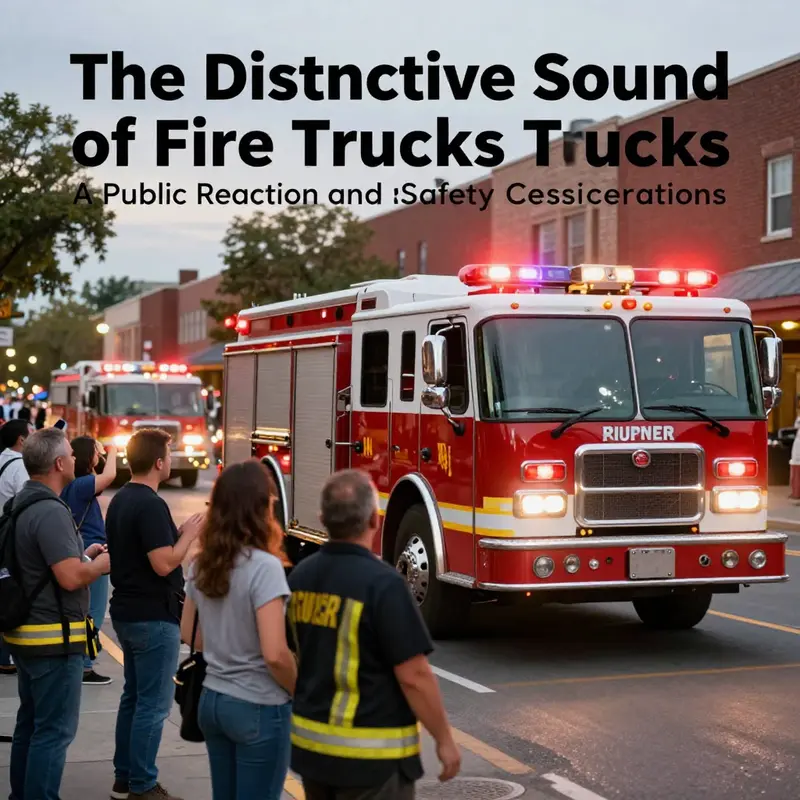
The roar of an emergency siren is more than just a loud noise in the urban soundscape—it is a life-saving signal, a call to action, and an integral aspect of community safety. In the midst of daily routines and the cacophony of city life, the distinctive sound of a fire truck siren cuts through the ambient noise with a determined urgency. This sound, which alternates between piercing high notes and lower, grounding pitches, is meticulously designed to alert pedestrians and drivers alike. Its function is not only to guide the flow of traffic, but also to instill a sense of immediate attention and respect for the emergency services that depend on quick, unobstructed passage to protect lives and property.
When a fire truck sets its siren in motion, it invokes a visceral response among those who hear it. The tonal quality of the siren, whether it follows a wail or a yelp pattern, is crafted to command attention using its natural ability to stand out in environments filled with competing sounds. The wail, recognized by its prolonged, rising and falling pitch, is typically associated with long-distance alerts. On the other hand, the yelp, with its quick, pulsating sound, becomes particularly effective in urban settings and congested traffic areas. Both sounds serve as auditory beacons that signal urgency and the imminent need for a clear path. In many instances, the siren is complemented by a forceful horn blast that adds to the overall auditory imperative. This combination ensures that no matter how busy the environment, the sound stands apart, compelling immediate action from those within earshot.
The effectiveness of the fire truck siren lies in its ability to communicate a critical message with no room for misinterpretation. This sound is a declaration that every second counts, and that the vehicle bearing it is on a mission to save lives. Over the years, the design and calibration of these sirens have evolved in tandem with advances in technology and changes in urban acoustics. Modern fire trucks are equipped with various types of sirens, including advanced electronic systems that project sound omnidirectionally, ensuring the signal reaches all nearby listeners. The sound levels, often exceeding 120 decibels, are intended to be heard in even the most chaotic surroundings, thereby minimizing the margin for delay or hesitation.
For many urban dwellers, the blare of a fire truck siren is a sound deeply embedded in the fabric of everyday life. It is a reminder of the courage and readiness of emergency responders, but it also triggers a reflex to yield and clear paths in busy areas. The public’s reaction is largely instinctual and rooted in years of conditioning by these life-saving signals. Drivers instinctively pull over, pedestrians step aside, and the collective attention of the community is captured for a few crucial moments. Despite its effectiveness, the sound of a fire truck siren has not been without its detractors. In residential neighborhoods and quieter locales, the same powerful noise can be perceived as disruptive or invasive, leading to complaints about excessive noise and disturbances. However, the overwhelming consensus remains that the benefits of immediate notification and swift passage far outweigh the inconveniences of temporary disturbances.
This heavy reliance on audible alerts has changed over time as urban planners and fire departments work in tandem to balance emergency responsiveness with community well-being. Firefighters are trained to operate their vehicles in a manner that considers both the urgency of their mission and the impact on the surrounding population. They are acutely aware that while the siren performs an essential role, its usage is calibrated based on the scale and immediacy of the emergency. In areas with strict noise ordinances or in environments that require heightened sensibilities to noise, adjustments in the siren’s pattern or volume might be employed. Such thoughtful modulations help to reconcile the dichotomy between public inconvenience and the necessity of rapid emergency response.
Crafting the ideal siren sound has involved a blend of acoustic science and real-world testing. Engineers and sound experts have fine-tuned the pitch, repetition, and modulation of the sirens to maximize their effectiveness. This meticulous design ensures that the sirens are both unmistakable and efficient. The design process takes into account various environmental factors, including the ambient sounds of urban traffic and the natural acoustics of neighborhoods. The high-pitched wail, with its oscillating frequencies, is particularly effective because human ears are naturally attuned to higher tones when alerting to danger. Similarly, the yelp pattern is employed in situations requiring rapid alerts, as its quick, sharp bursts can command attention quickly even amidst heavy noise.
The interplay between technology, urban dynamics, and public behavior forms the backbone of fire truck siren usage. In many respects, the siren is a technological ambassador for the fire service, signaling not just the arrival of emergency responders, but also symbolizing vigilance and a commitment to safety. When drivers see the flashing lights on a fire truck in tandem with hearing its siren, a momentary consensus is reached—a silent, communal understanding that the call to protect and serve has been sounded. This coordination of sight and sound underscores the importance of the siren within the broader framework of emergency management. The siren’s design is intrinsically linked to safety protocols, ensuring that even in situations where visual cues might be compromised, the sound alone is sufficient to prompt immediate action.
Beyond the technical aspects and public responses, the social significance of the fire truck siren is profound. It represents the community’s shared understanding of risk and the inherent necessity for safety measures. The sound becomes a symbol of unity and cooperation, as individuals along the street make a split-second decision to clear the path for those who are striving to help. This shared moment of alertness and urgency reinforces the social contract between emergency responders and the public. Even if the sound momentarily disrupts the calm of a quiet evening or a peaceful neighborhood, its purpose is never lost on the community—it serves as a reminder that help is on the way and that every second is vital during an emergency.
The balance between public comfort and emergency utility is continually reassessed as cities grow and technology advances. Urban planners, sound engineers, and emergency service officials work together to develop guidelines for the responsible use of sirens. These standards are designed to ensure that while the sirens are loud enough to be heard over considerable distances and through the din of city life, they are also employed judiciously to minimize undue disturbance. This is where regulatory guidelines come into play, supported by research, technological adaptations, and community feedback. For example, organizations such as the National Fire Protection Association (NFPA) provide essential guidelines that help emergency services maintain a delicate balance between operational effectiveness and community standards. For a detailed look at these standards, one can refer to the official guidelines available at NFPA.
Within this framework, modern fire trucks are sometimes equipped with supplementary communication tools that further enhance safety. In some advanced models, visual indicators such as flashing lights and digital displays work in concert with the siren to provide a multi-sensory alert system. This integration ensures that even if one component of the alert system is compromised, the overall efficacy of notifying the public remains unaffected. The redundancy built into these systems is critical in scenarios where immediate reaction is needed to avert disasters and save lives.
Another aspect of the fire truck siren is its contribution to the overall perception of risk and safety during times of emergency. When a person hears the wail or yelp of an approaching fire truck, it instills not only a sense of urgency but also a reassurance that professional help is en route. This connection between sound and safety is deeply ingrained in the public consciousness. Many people, especially those living in areas prone to emergencies, quickly recognize the difference between routine noises and the specific call of a siren. For communities, the consistent use of these sounds fosters a culture of preparedness. The reliability of the fire truck’s siren, with its carefully modulated tones, reinforces the public trust in the emergency response system—a trust that is paramount during crises.
Moreover, the evolution of the siren sound is testimony to the collaborative efforts invested in public safety. Research into sound patterns, frequency distribution, and acoustic modeling has allowed for a continual refinement of these auditory signals. The focus has always been on creating a sound that can travel vast distances, cut through ambient noise, and be immediately recognizable. Every nuance—from the rhythmic pulsing of the yelp to the extended modulating wail—has been designed to maximize impact. Consequently, communities have become attuned to these nuances, often identifying the type of emergency based solely on the sound pattern. This subtle communication mechanism reinforces the efficiency of emergency response systems among the public.
On closer examination, the science behind the siren’s sound reveals a fascinating interplay of art and technology. Sound engineers painstakingly analyze thousands of hours of recordings in varied environments to perfect the ideal tonal balance. They simulate different conditions—whether it’s a bustling urban center or a quiet rural area—to ensure that the siren’s sound remains consistent and effective. The objective is clear: regardless of background noise, the emergency signal must prevail. This goal is achieved by employing dynamic sound projection techniques and directional audio systems that spread the sound waves equally in all directions. Such technological innovations not only enhance the siren’s reach but also provide clearer and more distinct signals that can trigger the appropriate public response without a moment’s hesitation.
One can say that the sound of a fire truck is an audible representation of dedication and rapid response. Every time an emergency vehicle blares its siren, it carries with it the weight of countless hours of training, technological advancement, and community trust. It is a sound that resonates with the gravity of its purpose—a reminder that when emergencies strike, every second counts, and the collective response of the community is vital to the safety of all. The siren’s urgent call prompts immediate action, urging individuals to pause, yield, and carry on with the understanding that lives are at stake. The public’s reaction, whether it be a momentary pause in conversation or a swift change in driving behavior, underscores the deep-seated respect that exists for the power of this sound.
In the realm of emergency response, the fire truck siren stands out as an emblem of proactive safety measures. It is not merely a noise, but a carefully designed signal that harmonizes technology, psychology, and public service. As traffic moves aside and individuals instinctively respond to the call of the siren, they participate in a silent yet profound act of communal responsibility. Even as urban landscapes evolve and new challenges emerge, the fire truck siren remains a steadfast operator in the domain of public safety—a timeless blend of sound and duty.
It is also worth noting that beyond its immediate role in summons and traffic clearance, the fire truck siren influences community planning and public safety policies. Urban safety measures are often reviewed in light of how effectively these sirens perform their dual function of alerting and ensuring passage. The research behind acoustic alerts informs regulatory measures and supports the continuous improvement of emergency protocols. This commitment to excellence is seen not only in the hardware mounted on fire trucks but in the strategic planning behind their deployment. To learn more about different models of emergency vehicles and their specialized functions, one might explore topics similar to those found in discussions on advanced fire fighting solutions from various reputable sources such as the itfaiye aracı kategorisi.
The evolution of fire truck sirens is a reflection of humanity’s broader commitment to safety and rapid response. Each siren, with its well-honed pattern, echoes the fundamental understanding that sound can be as powerful a tool as any piece of advanced technology when it comes to preserving life. The carefully calibrated beats of the siren remind us that in moments of crisis, the combined efforts of technology and community awareness are indispensable. In this symbiotic relationship, the siren is both a herald of impending assistance and a constant reassurance of professional readiness.
In summary, the sound of a fire truck is a finely tuned blend of science and emotion that captivates public attention while fulfilling its crucial role in ensuring safety. It compels the public to act with haste and caution, reinforces trust in the emergency response system, and encapsulates the relentless dedication of firefighters who work tirelessly to safeguard lives. Every note of the siren resonates with the purpose of saving lives, and every flash of the accompanying lights sends a clear message—the community is in safe hands. The enduring legacy of the fire truck siren lies not only in its capacity to pierce through urban noise, but also in its ability to unite us under a shared sense of duty in times when every moment is precious.
community safety
Understanding the sound of a fire truck is not just an academic pursuit; it has real-world implications for safety and preparedness. The distinctive sirens, whether in a wail or yelp pattern, serve the crucial purpose of alerting everyone to potential danger. By recognizing the decibel levels, technological advancements, and public reactions to these sounds, business owners can enhance their emergency response protocols. This knowledge equips them to react swiftly and appropriately in critical situations, ultimately contributing to a safer urban environment. As the synergy between fire truck sounds and public awareness strengthens, businesses can ensure they are prepared to safeguard lives and property.

