
















Fire trucks aren’t just for putting out fires; they’re vital first responders during medical emergencies. This article explores why fire trucks are dispatched to ambulance calls, highlighting firefighter training, the crucial role fire apparatus plays in emergencies, the medical supplies they carry, and ultimately how their rapid response improves patient outcomes, especially in time-sensitive situations. By addressing these critical points, business owners can understand the broader implications of fire services in community safety and emergency healthcare.
Submit
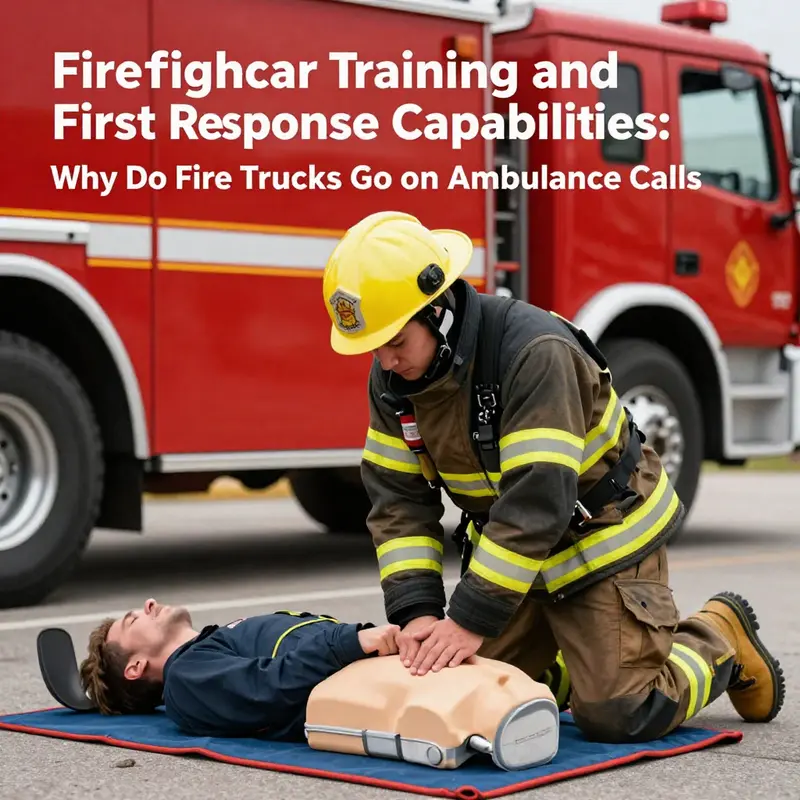
Submit
First at the Scene: The Strategic Role of Fire Engines in Medical Emergencies
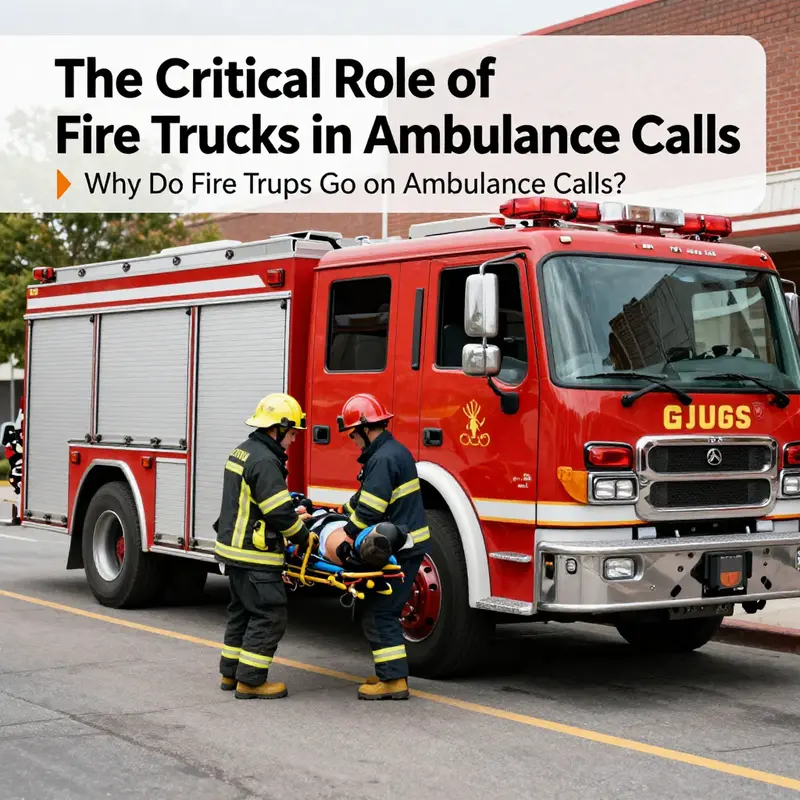
When an emergency rings out, the scene can hinge on who arrives first and what they bring with them. In many modern systems, fire engines arrive not as the heralds of flames alone but as rapid medical responders who can begin lifesaving care within moments of a call. This evolution is not a matter of replacing ambulances but of augmenting an urgent, time-sensitive response with the complementary strengths of fire service resources. The result is a more resilient emergency medical framework in which the fire department and EMS become a unified front, marching toward a patient with speed, skill, and the right tools for the moments that count most. At the core of this arrangement lies a simple truth: time matters. In cardiac arrest, severe trauma, or respiratory distress, every second lost diminishes the chance of survival. Fire trucks—compact, maneuverable, widely distributed across communities—often arrive with cardiovascular monitors, oxygen delivery systems, airway devices, and defibrillators already on board. The crews, trained as first responders, can initiate CPR, stabilize breathing, and begin hemorrhage control while an ambulance is en route or delayed by traffic or congested streets. This capacity to deliver early, on-scene intervention translates into better patient outcomes in countless real-world scenarios, a takeaway that has shaped policy, training, and deployment patterns across diverse jurisdictions.
The practical rationale behind this model is straightforward. Firefighters spend their careers learning how to make a scene safe, assess urgent medical needs, and provide comfort and stabilization under pressure. Their initial medical training encompasses Basic Life Support and often extends into Advanced Life Support procedures, depending on local regulations and available resources. The equipment carried on modern fire apparatus—oxygen tanks, trauma kits, spinal immobilization devices, and automated external defibrillators—places a portable medical clinic on wheels. With these assets, a crew can perform essential tasks such as defibrillation, airway management, control of bleeding, and rapid patient assessment. In the dense fabric of an urban grid, a fire engine’s ability to traverse traffic, squeeze through narrow lanes, and reach a hard-to-access incident site makes it a uniquely effective launchpad for medical care. The consequence is not merely faster care but the possibility of early life-saving interventions that would otherwise be delayed until an ambulance could arrive.
This operational logic is mirrored in contemporary research and practice that view fire departments as integral partners in prehospital care. Across many advanced EMS ecosystems, the fire service and EMS have integrated protocols and joint response points that enable a seamless handoff when patient needs exceed what a single vehicle can deliver at once. The Helsinki model, often cited in discussions about integrated responses, emphasizes trained firefighters equipped with medical gear who can initiate treatment and maintain patient stability until EMS professionals take over at a higher level of care. In such models, the fire department’s reach—its dense network of stations, rapid response times, and readiness to move quickly in any weather or terrain—becomes a strategic asset rather than a supplementary one. The result is a system that can mount a two-pronged assault on a crisis: immediate on-scene medical care from trained firefighters and specialized medical interventions from paramedics and physicians once they arrive.
The real-world practicality of this approach is reinforced by numerous field observations and regulatory developments. For instance, a growing body of evidence suggests that when fire departments respond to medical calls, patient outcomes improve because early intervention reduces the time to critical care. The fire engine’s on-board AED can deliver defibrillation in minutes, a factor that has repeatedly been linked to higher survival rates in out-of-hospital cardiac arrest. Fire teams also provide rapid airway management and oxygenation, which are essential in preserving brain function and organ perfusion during a crisis. Beyond these clinical tasks, the visible presence of a fire engine can help manage the chaotic sequence of events that unfolds after a medical emergency. The public and the bystanders often look to the responders for reassurance, and a well-coordinated arrival signals that help is at hand sooner rather than later.
The logic of rapid, on-scene medical care is not confined to major cities. In rural or remote regions where ambulance response times may be longer due to distances or limited ambulance availability, fire apparatus often fill a critical gap. They provide a bridge to definitive care, ensuring that vital measures—checkpoint-level CPR, airway protection, bleeding control—are begun without delay while the patient is transported to a hospital. Even in urban centers, congestion or incidents that overwhelm EMS resources can trigger the simultaneous deployment of fire engines and ambulances from shared or nearby stations. In such configurations, the concept of a single, centralized medic unit gives way to a more distributed, resilient system in which multiple responders converge with complementary skills and capabilities. This distributed resilience is precisely what contemporary research and policy initiatives aim to harness, ensuring that the system remains operational under stress and capable of preserving life when seconds matter most.
Interwoven into this practical framework are policy and regulatory developments that push toward closer collaboration. In China, for example, the Zhejiang Provincial Pre-hospital Medical Emergency Regulations, which began to take explicit effect in late 2025, encourage the co-location of ambulance stations and fire stations. The Fuxing Fire and Medical Emergency Joint Response Point in Hangzhou embodies this shift: when a medical or disaster call comes in, both fire trucks and ambulances are dispatched from the same station. This approach reduces the critical time lag between notification and medical intervention, ensuring that on-site personnel are already prepared to address cardiac arrest and trauma victims even before a dedicated ambulance arrives with its own medical team. The policy move is not simply a bureaucratic adjustment; it reflects a pragmatic recognition that the most time-sensitive interventions benefit from a coordinated presence of both fire and EMS professionals from the outset of a response.
The broader global trend toward integrated emergency services is echoed in other parts of the world as well. In Helsinki and other European models, the emphasis on rapid response by firefighters with medical training demonstrates how a well-orchestrated cross-training strategy can yield tangible improvements in survival and functional outcomes. In a recent international narrative, a vivid example emerged from Zhoushan in Zhejiang Province, where a firefighter used a fire truck to transport a patient to the hospital after an ambulance was delayed by traffic congestion. Situations like this underscore the life-saving potential of rapid-response capabilities that combine mobility, training, and equipment. They also reveal the courage and adaptability of front-line responders who must navigate complex roadways, weather conditions, and crowded urban spaces to reach patients as quickly as possible.
A central thread through these developments is the overarching aim to reduce the so-called “golden minutes” after a life-threatening event. The phrase captures a critical reality: the earlier a patient receives definitive intervention—whether defibrillation, airway support, or hemorrhage control—the higher the likelihood of survival and a favorable recovery. Fire engines, with their combination of speed, reach, and medical capability, have become indispensable in shortening those minutes. The emphasis on early CPR and defibrillation is not merely a technical add-on; it is a fundamental shift in how emergency medical care is conceived and delivered. When a fire engine arrives bearing life-support equipment and trained personnel, the patient’s trajectory can pivot from tragedy to survival in a matter of minutes. This shift has ripple effects through the entire emergency system, shaping dispatch protocols, station placement, and training priorities for both firefighters and EMS personnel.
To understand the full scope of this transformation, one must consider the nuanced balance between urgency and specialization. Fire engines are not autonomous medical devices; they are capable, versatile platforms whose on-scene capabilities complement the more specialized skill sets of ambulances and paramedic teams. In this light, the four-minute benchmark is not a rigid target but a practical guide that informs decisions about where to station resources, how to train crews, and how to structure joint response protocols. The integration also influences vehicle design and equipment lists. Fire apparatus now often carry portable ultrasound devices, advanced airway equipment, and even immobilization systems that can stabilize a patient with suspected spinal injuries, enabling safer transport. The emphasis remains on rapid stabilization and safe transfer, with the ambulance providing the higher level of definitive care en route or at the hospital, rather than replacing it. This division of labor, coupled with shared training and mutual aid agreements, helps ensure that a patient receives the most appropriate care at the fastest possible moment.
From the perspective of community safety and resilience, the implications are profound. A unified first-response ethos reduces duplication of effort, clarifies roles in chaotic environments, and strengthens the system’s capacity to scale during disasters or mass-casualty events. When multiple agencies respond in a coordinated fashion, the likelihood of a smooth patient handoff increases, as does the probability that vital information—incident location, patient condition, and evolving on-scene needs—flows efficiently between responders and hospital teams. The result is not only faster on-scene treatment but also a more organized and predictable transition to definitive care. The modern fire truck thus becomes a mobile medical unit of sorts, a platform that can launch early interventions, deliver essential supportive care, and set the stage for the ambulance and hospital teams to take over with greater speed and precision.
For departments navigating this transition, the path forward involves thoughtful investment in training, interagency communication, and strategic planning. It means aligning dispatch logic with field realities, ensuring that the closest and most capable responders reach patients as promptly as possible, and maintaining clear standards for when and how fire crews should initiate medical interventions. It also demands transparent data collection and continuous evaluation to determine how these practices affect patient outcomes, hospital load, and overall system efficiency. When teachers and policymakers study the results of integrated response points, they see a picture of progress: a system that respects the urgency of medical emergencies, values the expertise of firefighters, and honors the medical judgment of EMS professionals. It is, in essence, a collaborative model built on trust, shared responsibility, and the relentless pursuit of saving lives.
As this chapter draws toward a close, the thread that remains is clear: fire engines go on ambulance calls not to compete with ambulances but to extend their reach, bridge the gap between call and definitive care, and preserve life in the most time-sensitive, high-stakes scenarios. The evidence—from regulatory frameworks to field experiences—suggests that the best outcomes arise when communities invest in integrated, well-coordinated response systems, where every responder brings specialized skills to a common, time-crunched mission. In this sense, the fire truck’s role on medical calls is not a deviation from tradition but a purposeful evolution of a shared commitment to safety. The road ahead will likely see further refinement of joint response models, greater emphasis on cross-disciplinary training, and a growing recognition that readiness in emergencies is a multi-actor, multi-faceted endeavor. In the end, the goal remains unchanging: to begin life-saving care as quickly as possible and to keep the patient moving toward the hospital with the best chance for a full, healthy recovery.
For readers interested in exploring related avenues of practice, a broader category of resources highlights the evolving landscape of emergency vehicle roles and capabilities. One relevant avenue is the emergency-rescue-vehicle category, which reflects the expanding set of vehicles designed to support rapid response and medical stabilization in a wide range of scenarios. This integration of mobility, medical support, and rapid deployment is a defining feature of contemporary emergency services, illustrating how the fire service and EMS can coordinate to protect lives when seconds count. External research and policy developments continue to shape these efforts, reinforcing the idea that the most effective emergency response systems are those that anticipate demand, reduce delays, and empower responders with the tools and training necessary to act decisively on arrival.
External resource: https://www.zj.gov.cn/col/col1229487325/index.html
Internal link (example): To see how the emergency-rescue-vehicle category broadens the toolkit available to responders, explore this relevant resource: аварійно-рятувальний-автомобіль.
Bridging the Gap: The Medical Arsenal Fire Trucks Bring to Ambulance Calls
Bridging the Gap: The Medical Arsenal Fire Trucks Bring to Ambulance Calls
When a medical emergency erupts, a rapid, capable response can tilt the odds toward survival. Fire trucks, traditionally the image of hoses and flames, have evolved into multi-mission platforms that bridge the critical window between the onset of illness or injury and definitive care. This chapter examines how fire apparatus carry a carefully chosen medical arsenal, how firefighters are trained to use it, and why this portable, high-utility equipment matters as an essential part of the emergency medical landscape. The answer is not just about speed; it is about the deliberate design of a response that can begin at the scene the moment responders arrive and that can sustain patients until transport to a hospital bed becomes possible.
At the heart of the fire department’s EMS role is a simple, powerful premise: every minute counts in a life-threatening event. Cardiac arrest, severe trauma, respiratory distress, or a major allergic reaction can evolve rapidly. The first responders who reach a patient must not only assess the scene and maintain safety but also deliver immediate care that can stabilize breathing, circulate blood, and protect the patient from further harm. Firefighters trained in emergency medical services bring a blend of firefighter and clinician skills that makes them uniquely suited to function in that critical gap before an ambulance arrives. This is the reason many departments dispatch fire apparatus to medical calls with the same urgency as they would to a structural fire or a hazardous materials incident. Their proximity, the speed of their response, and their readiness to begin treatment all contribute to outcomes where every second counts.
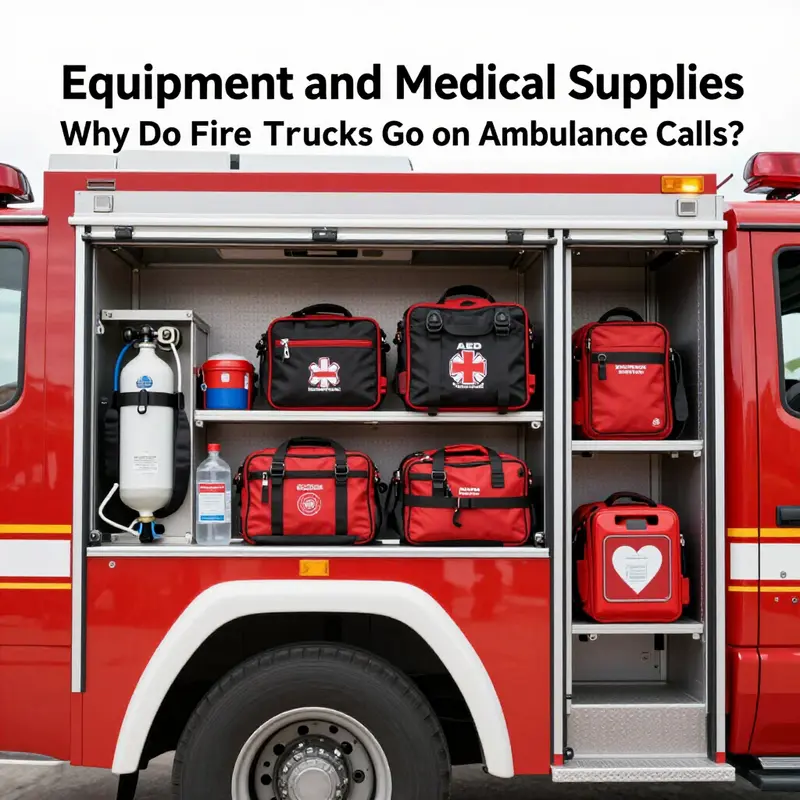
The medical gear carried on modern fire trucks is selected to enable rapid, on-site care without the need to wait for an ambulance. Among the core capabilities is the presence of automated external defibrillators (AEDs), devices designed to deliver a shock to a heart in ventricular fibrillation or pulseless electrical activity and to assess heart rhythm when minutes feel like hours. Fire crews are trained to recognize rhythms that require defibrillation, apply the pads, and deliver a shock when indicated, followed by ongoing monitoring and support. In many missions, the AED serves as the initial beacon of advanced life support, a step that can reverse a deadly rhythm before a patient ever gets to a hospital bed.
Oxygen delivery is another essential component of the medical kit on board. Portable cylinders and regulators allow crews to administer supplemental oxygen to patients experiencing hypoxia or distress from a variety of conditions—from asthma and COPD flare-ups to drowning or smoke inhalation. The ability to provide breaths with controlled oxygen support can calm a patient’s airway and guarantee a more stable physiological state in the minutes before transport. In the same spirit, fire crews carry a selection of airway management tools designed to support breathing when a patient’s airway is compromised. Basic devices for suction, airway adjuncts, bag-valve masks, and masks with appropriate sizes give crews options to secure and protect air passages while they coordinate more definitive care.
But the scope of a fire truck’s medical supply list goes well beyond oxygen and defibrillation. Trauma care demands a ready kit of splints, dressings, bandages, and immobilization devices to stabilize potential fractures or spinal injuries after a fall, collision, or blast. Spinal immobilization equipment, cervical collars, backboards, and strap systems are standard in many ambulatory configurations because early stabilization can reduce secondary injury and make transport safer for patients who arrive with altered mental status or suspected spinal trauma. Hemostatic dressings and tourniquets, stored in quick-access compartments, empower crews to control severe bleeding that might otherwise quickly overwhelm a patient before paramedics arrive.
In many systems, the fire department’s EMS role includes medications that go beyond basic life support basics. While there are strict protocols governing which medications may be administered and under what conditions, a typical package might include essential drugs for analgesia, epinephrine for severe allergic reactions, or drugs that support blood pressure and cardiac function during shock or distress. These medicines are matched to the kind of calls most likely to present at the curb—cardiac symptoms, asthma attacks, chest pain, and multi-system trauma. The intent is not to replace hospital care but to bridge the patient from the moment of emergency until definitive care can be delivered in a controlled, monitored environment.
The strength of this model lies in the versatility of the fire truck itself. In the past, the primary duty of a fire engine was to deliver water and manpower to a blaze. Today’s fire apparatus are built to be multi-tool platforms. While the firefighting mission remains essential, the same vehicle can, through careful equipment selection and mounting, carry the equipment that explains why fire trucks go to ambulance calls in the first place: the capacity to deliver immediate, on-scene medical care. This dual-use design makes the vehicle a cost-effective, operationally efficient option for many departments, particularly in cities where medical calls outnumber fires or in rural areas where ambulances may take longer to reach a patient. It is a practical balance—the space that supports firefighting tools is reimagined to accommodate lifesaving medical devices because the scene is the same: a person in distress needing help now.
A crucial facet of this approach is the level of medical training among firefighters. Most departments operate with an EMS-first model in which firefighters receive extensive training in Basic Life Support (BLS) and often Advanced Life Support (ALS). This training equips them to perform CPR, operate AEDs, manage airways, control bleeding, and initiate other stabilizing procedures. When a call comes in, a fire crew can begin treating a patient in the minutes before an ambulance crew can provide transport and advanced monitoring. The hands-on effort of laying hands on a patient when space and time demand quick action is, in many cases, the difference between life and death. Moreover, the presence of trained responders on scene helps to maintain a continuum of care. The patient is not left to wait in limbo while new responders arrive; they receive medical attention as the scene is secured and the transport plan is formed.
The integration of firefighting and EMS duties also means the fire department must make thoughtful decisions about what equipment to carry and how to store it. Space on a fire truck is precious, and every tool must earn its keep. In urban environments where calls are frequent and types varied, departments may prioritize a broad, high-frequency medical kit that covers the majority of on-scene needs, with the flexibility to move into more advanced capabilities as permitted by local protocols or the presence of on-scene paramedics from the fire department. In rural areas, where response times may be longer, the emphasis may lean even more heavily toward comprehensive on-board care, because the delay before an ambulance arrives can be longer and the need for stabilization more acute. The design philosophy, then, is practical: equip the vehicle to handle the common, while reserving the capacity to ramp up care in line with the patient’s trajectory and the capabilities of nearby EMS partners.
The 2026 guidelines and industry discussions around fire truck selection reinforce this balance between versatility and specialization. Agencies must look at the most common call types and choose configurations that offer reliable performance for those events. The goal is to ensure that the vehicle does not merely survive the first minutes of a call but sustains a meaningful course of care that can reduce injury progression and support a smooth transition to definitive treatment. In this sense, the fire truck becomes not a single-purpose tool but a portable medical unit that travels with the responders and anchors the on-scene care plan. The broader market and research emphasize that while carrying more medical supplies can take up space that might otherwise house firefighting gear, the net benefit of rapid medical intervention on arrival justifies the investment. The story of this evolution is a story of how emergency services, urban planning, and clinical insight converge to improve patient outcomes on some of the most stressful, time-critical moments of people’s lives.
From a public-safety perspective, the use of fire trucks on ambulance calls also increases the likelihood of rapid scene assessment and coordination with hospital-based care. Fire crews act as on-scene coordinators who can manage crowd control, traffic safety, and the safe extrication or movement of a patient if needed. They can also stand by with ready extras—lighting, power sources, or clean, accessible space to stabilize a patient. In many departments, the ambulance becomes the primary transport team, while the fire apparatus remains a vital, on-scene medical support node. This division is not a rigid boundary but a cooperative, complementary relationship designed to reduce delays and ensure that a patient receives medical care as soon as possible, often before hospital staff are ready to assume full responsibility for care.
The evidence supporting this practice extends beyond anecdote. Research and case studies consistently show that early intervention by trained responders significantly improves outcomes in life-threatening emergencies. When a fire crew can begin CPR, provide ventilation, or establish airway patency before the ambulance crew arrives, the patient experiences a smoother transition to advanced care. In such moments, the combined assets of speed, skilled personnel, and access to essential equipment work together to suppress the clock’s countdown on critical injuries or illnesses. Rural communities, where ambulances may be several minutes away, rely especially on this early intervention to prevent deterioration while transport is arranged and executed. In urban settings, the same principle operates on a faster cadence, with rapid triage and immediate stabilization setting the stage for a safer, more efficient handoff to EMS personnel already en route.
The mystery of why fire trucks go on ambulance calls is not a mystery at all when you consider the design philosophy and the patient-centered aims of modern emergency response. It is the realization that care is a continuum—from the moment a siren announces a medical crisis to the final moment of hospital admission. The equipment on board, the training within the crew, and the organizational routines that coordinate scene management are all tuned toward a simple objective: reduce the time between crisis and care, and maximize the patient’s chances of a favorable outcome. This is why a fire truck is as much a medical platform as a firefighting apparatus, and why the two roles are not only compatible but mutually reinforcing.
For readers who want to explore the practical side of this integration, consider the catalog of equipment and vehicles that many departments maintain as part of their EMS-ready fleet. A department’s “fire equipment trucks” are not an afterthought; they are a core element of how EMS functions in the field. These trucks carry a well-considered mix of tools and supplies designed to address the most common emergencies with speed and competence. The configuration is the product of careful evaluation of call data, patient needs, and hospital workflows. The result is a vehicle that, while it may not replace an ambulance, reliably extends the reach of care and shortens the time to life-saving interventions.
In addition to the equipment and training, the coordination between fire departments and EMS providers is a pillar of successful on-scene care. Dispatch protocols, mutual-aid agreements, and real-time scene communication ensure that the arrival of a fire unit complements the ambulance crew rather than duplicating effort or delaying care. When firefighters on scene deliver a first wave of stabilization, they can establish a plan that informs or accelerates the transport process. The patient’s condition, as observed and treated on scene, guides subsequent decisions about airway management, fluid resuscitation, or the need for advanced monitoring during transport. In this sense, the fire truck’s medical arsenal becomes part of a continuous care strategy rather than a standalone response.
To connect this narrative to the broader professional conversation, a useful way to visualize the daily life of a fire EMS unit is to imagine the ambulance arriving as the second act in a performance that began the moment the call was received. The fire engine or truck is the opening scene—a rapid arrival, a quick assessment, and an immediate deployment of life-sustaining measures. The ambulance then enters as the lead in a longer act, carrying the patient through transport and to a destination where hospital personnel resume ongoing care. This choreography is not accidental; it is a deliberate orchestration of time, space, and expertise designed to deliver the best possible outcome in the least amount of time. The equipment, training, and protocols that support this system are the quiet backbone of a response that strives to save lives even as the clock ticks relentlessly.
For readers who want to dive deeper into the practical and policy dimensions of this model, a recent industry overview offers a concise synthesis of why fire trucks respond to medical calls and how those calls are managed in practice. It emphasizes the core reasons behind the approach—the speed of response, the ready access to life-saving tools, and the trained personnel who can begin care immediately. While the chapter you are reading focuses on the equipment and the on-scene realities, this external resource provides a broader context that helps connect the hands-on details to the broader system in which emergency medical services operate.
If you would like a direct reference to explore this further, you can consult the external resource linked at the end of this chapter. It offers a concise, high-level overview of the same themes presented here and situates them within the wider landscape of emergency response.
To learn more about the equipment and vehicles that make this model possible, you can also explore related content on the fire-equipment-truck category, which provides a sense of how departments curate their gear to maximize on-scene effectiveness while maintaining the essential firefighting function. For readers who want to navigate to a practical catalog that illustrates the equipment-versus-mission balance, the following internal link offers a concrete sense of the kinds of tools and configurations discussed in this chapter: fire equipment trucks.
In sum, the reason fire trucks participate in ambulance calls is not simply speed or visibility, though those factors matter. It is the strategic combination of rapid response, on-board medical capability, and the trained, decision-ready crews who can begin care within minutes of a crisis. The vehicle is a mobile clinical station on a chassis that travels with the scene, ready to stabilize, triage, and bridge the patient to definitive care. The approach recognizes that emergency medical care is a continuum, not a single moment, and that by placing a broad, versatile medical arsenal on a fast, well-maintained vehicle, communities gain precious minutes when lives hang in the balance.
External resource: https://www.firefightingnews.com/why-fire-trucks-respond-to-medical-calls-key-reasons/
First on Scene: The Life-Saving Impact of Fire Trucks on Ambulance Calls
When a medical emergency unfolds, time becomes a patient’s ally or enemy. In many places, fire trucks arrive on the scene long before an ambulance, because firefighters are trained as first responders and are physically closer to the action. This proximity translates into minutes saved and a shift in the patient’s trajectory from crisis to stabilization. The fire department’s role in medical calls is not a detour from its core mission of protecting life and property. It is a deliberate extension of that mission, powered by training, equipment, and the cadence of an urban or rural emergency response system that relies on teamwork across disciplines.
Firefighters carry skills first taught in basic life support courses and often extended through advanced medical interventions. They perform CPR with efficient chest compressions, deliver rescue breaths when needed, and operate automated external defibrillators. They can secure airways in compromised patients and manage breathing with oxygen delivery. They control severe bleeding and stabilize spinal injuries, setting the stage for safe transport. All of this happens before the patient ever boards an ambulance. The goal is not to replace EMS care but to bridge the gap between the moment of collapse and the arrival of the transport unit that will carry the patient to definitive care.
Each fire apparatus is a mobile medical kit on wheels. Beyond the obvious tools, crews bring oxygen tanks, trauma kits, immobilization devices, and portable monitoring equipment. They are prepared to begin care in a range of scenes—from a crowded apartment to a remote rural road. In many communities, the fire crew’s initial actions are guided by standing medical protocols under medical oversight. The combination of trained personnel and ready equipment creates a powerful early-response model. When seconds count, the fire service can help preserve neurological function after cardiac arrest, curb the growth of hypoxia in respiratory distress, and reduce the risk of secondary injury from blunt trauma.
This immediate action makes the system more resilient. The EMS network depends on a seamless transition from on-scene stabilization to rapid transport. Fire-based first response is a key link in that chain, particularly where EMS response times are longer because of geography, traffic, or resource constraints. Through this lens, the value of fire trucks on ambulance calls becomes clear: they are not mere backups, but active agents of life-saving care in the crucial minutes before hospital care begins.
Data supports the idea that early intervention changes outcomes. A 2026 study published by the NFPA found that early intervention by firefighter-paramedics reduces mortality in cardiac arrest by as much as thirty percent. This statistic matters, because cardiac arrest is a leading cause of death where rapid care can reverse the event. The study highlights how time-to-first-care, not just the presence of advanced care, shapes survival. It is not a universal guarantee—outcomes hinge on the entire chain of survival, including dispatcher response, scene safety, effective bystander action, rapid transport, and high-quality hospital care. Yet the contribution of the first on-scene responders remains a fulcrum in that chain.
Rural and underserved communities often lean more heavily on fire departments for EMS. In places where ambulance services are scarce or distant, a fire engine can be the closest and fastest medical resource. The nature of the terrain, road networks, and population density can stretch EMS capacity, but fire units are designed to arrive quickly, establish initial care, and hold the patient steady until transport is available. In these settings, the fire department’s medical response can determine whether a patient loses critical minutes or receives decisive intervention within the window when time matters most. The emphasis on rapid on-scene care does not imply a lesser role for dedicated EMS units; rather, it emphasizes a well-coordinated system where each responder brings unique strengths to the patient’s side.
Training and scope of practice matter. Firefighters trained as medical responders bring a particular blend of discipline and immediacy that complements paramedics and emergency medical technicians. Their education often includes CPR, AED use, airway management, hemorrhage control, and patient stabilization. In many jurisdictions, fire-based responders operate under protocols that guide treatment decisions and ensure safety and quality of care. The result is a smoother handoff when the ambulance arrives or when a helicopter or other transport method is needed. The on-scene dynamic reflects a shared mission rather than a hierarchy, with each actor performing essential tasks that align with overarching clinical priorities.
As the scene evolves, the work shifts from on-scene stabilization to decisions about transport. Fire crews assess the patient’s condition, coordinate with EMS dispatch, and determine whether immediate transport is warranted. If the patient requires advanced airway management or rapid access to medication, the fire team can initiate those steps and prepare the patient for safe transfer. In some cases, fire units may accompany transporting ambulances to the hospital, extending the period of continuous care and ensuring that critical information about the patient’s condition is carried into the medical facility. This continuity matters because the hospital team benefits from a detailed handoff that begins at the curb rather than after the patient has entered the elevator.
Advances in technology further bolster this model. Portable monitors, compact defibrillators, and wearable sensors allow responders to gather vital data on the scene. Even basic tools, used with proper technique, can yield high-quality information about a patient’s heart rhythm, oxygenation, and circulation. The presence of firefighters equipped to manage airway and breathing in real time reduces the vulnerability that patients face as minutes pass. When hospital-bound transport follows, the patient’s trajectory is already oriented toward stabilization and definitive care, rather than toward a pivot from one unit to another without a clear plan. The difference is not just speed; it is a focused, structured approach to early care that shapes subsequent nursing and physician actions once the patient reaches the emergency department.
From a policy perspective, the synergy between fire and EMS departments depends on mutual respect, shared protocols, and joint training events. Communities that implement integrated response models invest in cross-disciplinary drills, standardized equipment, and clear lines of communication. The result is a cohesive team that functions as a single unit, with a unified understanding of goals, roles, and limitations. This unity reduces delays, clarifies responsibility, and increases the odds that the patient will receive the right care at the right moment. The practical reality is that a fire truck’s role on an ambulance call is rarely about flashy rescue scenes. It is about practical, life-preserving action delivered under pressure, in unpredictable environments, and under the watchful eyes of a public that expects careful stewardship of scarce medical resources.
To keep this model effective, those who plan and fund emergency services must consider the entire chain of care. Dispatch protocols influence who arrives first, what equipment they carry, and how quickly they act. On the street, coordinating with hospital-based teams ensures that the information gathered en route is accurate and actionable. The goal is a seamless continuum of care that begins with the first responders and ends with a hospital admission where definitive treatment can be provided. When this continuum functions well, patient outcomes improve. The metrics used to demonstrate this improvement range from survival rates in cardiac arrest to the rate of neurologically intact recovery after severe trauma. Even in the most demanding contexts, the early arrival of well-equipped and well-trained responders can tilt the odds toward a successful outcome.
Ultimately, the why is clear: fire trucks go on ambulance calls because they bring life-saving capabilities to the earliest moments of a medical emergency. They are fast, they carry essential medical equipment, and their crews are trained to act immediately. They bridge the gap between collapse and professional transport, ensuring that critical interventions begin within the window where they can make a difference. In this sense, fire and EMS partners work in a shared arena, where every second counts and where the patient’s chances of recovery are shaped by the speed and quality of those first actions. The science behind this approach is evolving, but the core truth remains steadfast: timely care saves lives, and the fire service is an indispensable part of delivering that care when ambulances are not yet in place.
For readers who want to explore the broader landscape of emergency response vehicles and the specialized roles they play in multipurpose operations, the Emergency Rescue Vehicle category offers a useful spectrum of capabilities. Категорія аварійно-рятувальних автомобілів.
See how this coordination translates into real-world results, and how the internal coordination of medical response within the fire service contributes to a healthier community overall. Fire units are not a last resort; they are a first line of care in many emergencies, and their impact is measurable in lives saved and in the steadiness of a patient as they move toward definitive treatment. For readers who want a deeper dive into the research behind these outcomes, broader emergency response data and analyses are available through national research resources. NFPA Research and Statistics.
brush fire trucks, wildland firefighting, fire safety equipment, off-road fire trucks, firefighting technology, business safety, emergency response vehicles
Understanding the vital role fire trucks play in responding to ambulance calls highlights their importance beyond firefighting. Their critical training, equipped vehicles, and prompt actions significantly enhance emergency medical response, contributing to improved patient outcomes. For business owners, being aware of the broader impacts of fire services on community health can inform strategic decisions. Recognizing these connections fosters a supportive environment for local emergency services and enhances overall community resilience.

