
















Understanding how a fire truck pump works is crucial for business owners involved in emergency services and logistics. These pumps are vital for ensuring rapid and effective responses to firefighting situations. This article will delve into the operational mechanisms of fire truck pumps, explore the various types and specifications that exist, and highlight their performance and applications in modern firefighting efforts. Business owners will gain insights into how these pumps function and how to choose the right firefighting equipment for their needs, allowing for smarter investment decisions and improved safety protocols.
null
null
Power on the Move: How Fire Truck Pumps Channel Water from Source to Spray
Behind every column of rising steam and every crackle of flame, there is a quiet, relentless motor driving a pump that makes water behave like a controllable force rather than a stubborn liquid. The fire truck pump, or pumper, is more than a single mechanical piece; it is the heart of a system that converts gravitational pull, atmospheric pressure, and engine horsepower into a precise, high-pressure stream capable of reaching the seat of a blaze. To understand how a modern pumper works is to glimpse the choreography of engineering and firefighting—how water is drawn from a hydrant, a pond, or the onboard tank, then accelerated, directed, and modulated to meet the demands of a changing fire scene. The story begins with a simple idea: move water as efficiently as possible, and do so with enough pressure to overcome the friction of hoses, fittings, and long runs through urban mazes and rural stretches alike. Yet the execution requires a system that can adapt quickly, withstand rough conditions, and deliver predictable performance under stress. In this chapter we will walk through that system in a way that connects the science of pumps to the art of firefighting, without losing sight of the practical realities that crews face on the ground.
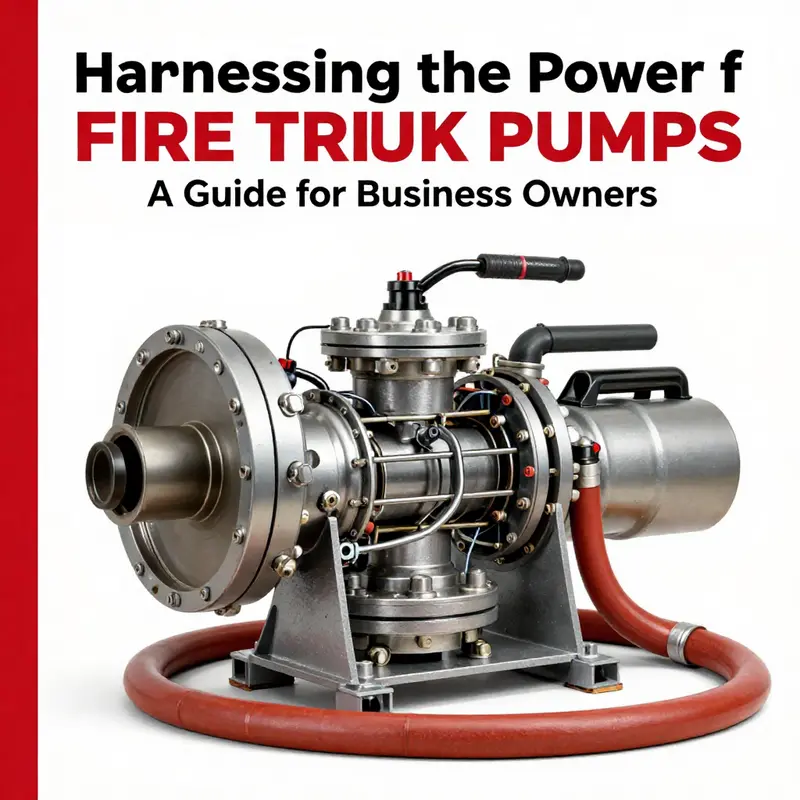
The core device that most contemporary fire apparatus rely on is the centrifugal pump. Its principle is straightforward and deceptively elegant: water enters the pump through an intake now coaxed into a sealed chamber, where a rotating impeller—essentially a small, carefully shaped wheel with blades—throws the water outward by centrifugal force. As the impeller spins, it creates a low-pressure region at the center. Water from the source rushes into that center, fills the chamber, and is hurled outward toward the pump housing. The water’s path is guided by the volute, a spiral-shaped housing that converts the kinetic energy imparted by the impeller into pressure that machines can measure as pounds per square inch. The result is a powerful, smooth flow whose rate and pressure can be tuned to meet the task at hand. The centrifugal pump’s strength lies in its ability to handle high flow with relative simplicity. It can be configured in single-stage form for typical city operations or multi-stage for scenarios that demand higher pressures at the same flow, such as deep drafts or long hose lays where losses accumulate along the line.
A pump does not operate in isolation. It is integrated into a broader powertrain that coordinates engine speed, suction conditions, and discharge demands. In most rigs, the pump is driven directly by the truck’s main engine through a power take-off, or PTO, mechanism. The engine’s RPM sets the pump’s speed, which in turn governs the flow and pressure delivered to the hoses. This drive arrangement has served firefighters well for decades, delivering robust performance with familiar, mechanical feedback—creeping up to higher pressure or retreating under lighter loads with an intuitive feel for the operator. In parallel with this traditional setup, newer rigs increasingly incorporate electric pump drives. An electric pump can be controlled by the vehicle’s ECU, allowing the operator to regulate flow with impressive precision, independent of engine speed. That independence is especially valuable during low-speed maneuvers, during scene lighting and cooling tasks, or when the engine is off but a stabilized water supply must be maintained. The tradeoffs involve considerations of power availability, system complexity, and the ability to synchronize pump action with other vehicle functions. Yet the growing adoption of electric drives demonstrates a trend toward more flexible, smarter controls that complement the familiar engine-driven backbone.
The mechanical heart of the pumper—the impeller that spins at high speed inside a sealed chamber—must be able to move water reliably across a wide range of intake conditions. The suction side of the pump must draw water efficiently from a hydrant, a portable tank, or another source. This suction process, however, cannot be taken for granted. Air entrainment, vapor pockets, and pressure variances can threaten priming, the condition where the pump fills with water and develops the suction needed to produce flow. Priming is a disciplined operation with practical methods: teams either manually fill the pump, rely on a vacuum-assisted primer, or use a combination of priming aids designed to remove air from the pump and intake lines. Once primed, the operator engages the appropriate controls and the pump begins to pull water from the source and push it into the discharge side.
Prime capability—self-priming ability, in particular—is a critical feature. In many modern configurations, a vacuum primer is included to facilitate rapid priming from dry draws or when the reservoir is less than perfectly filled. The ability to self-prime reduces setup time, a crucial factor when every second counts in a fire scenario. The suction line, including the strainer at its end, is designed to minimize air pockets and to resist debris that could clog the pump or damage the impeller. A well-designed suction system, in combination with a reliable primer, ensures the pumper can reach a stable, pressurized flow even in less-than-ideal conditions.
On the discharge side, water is directed through a network of valves, manifolds, and hoses that let firefighters tailor the stream to the needs of the moment. The pump’s output is measured in flow rate, typically shown in gallons per minute (GPM) or liters per minute, and in pressure, expressed as pounds per square inch (PSI) or bars. The typical ranges cover a broad spectrum: mid-sized pumpers can deliver hundreds of GPM with a few hundred PSI, while larger municipal or industrial engines can exceed a thousand GPM and push well over 200 PSI. These ranges are not arbitrary. They reflect the physics of water flow in long hose lays, the friction losses in bends and fittings, and the practical realities of nozzle selection and firefighter technique. In practice, the operator must balance the need for volume with the demand for pressure. High flow helps break through heavy fire loads and deliver efficient cooling, but excessive pressure can cause hose fatigue, fatigue of the nozzle operator, and fuel or water waste. The pump system is thus designed to provide a usable envelope of performance, with controls that let the operator throttle flow up or down, adjust pressure, and, when necessary, shift to higher or lower stages in multi-stage configurations.
A key feature that often receives less attention outside the station is the drive type and how it affects response and reliability. Engine-driven pumps, the traditional standard, give crews a direct, predictable relationship between engine RPM and pump output. The mechanics of a PTO shaft, gears, and a drive coupling ensure a robust transfer of power through the drivetrain into the pump. The consequence is a system that is tightly integrated with the vehicle’s overall performance; fuel management, engine cooling, and gearbox conditions all influence pump behavior. Electric pumps, by contrast, decouple pump speed from engine speed. They offer smoother, more precise control of flow and pressure, especially useful in delicate water management operations near sensitive equipment, or when the engine’s power becomes a limiting factor in mixed-load missions. Electric drives are not a universal replacement for PTO-driven pumps; rather, they are increasingly used as complementary options on newer apparatus, allowing departments to tailor their capabilities to local needs and to push the envelope of efficiency and responsiveness.
Beyond the mechanical and electrical realities, the pump’s performance is bounded by standards and best practices that ensure safety and interoperability. NFPA standards, including those that govern the design, construction, and performance of fire apparatus pumps, provide the framework within which pump manufacturers and fire departments plan how a pump should behave under typical and extreme conditions. Those guidelines help ensure that a given pump delivers its rated flow at a specified pressure, under defined priming conditions, and with fail-safes that prevent dangerous surges or cavitation. The discipline embodied in these standards translates into more predictable outcomes at the scene. It is not just about raw horsepower or maximum numbers; it is about consistent, reliable performance when lives and property are on the line.
To support the practical realities facing crews, modern pumps often incorporate advanced features that improve reliability, safety, and situational awareness. Variable-speed controls, digital gauges, and remote monitoring allow operators to see real-time data about input pressure, discharge pressures, and flow rates. Some systems include safety interlocks that prevent the pump from operating unless primed, or that warn operators if an unexpected loss of prime is detected. Remote diagnostics can alert maintenance crews to wear or failure conditions before they affect field readiness. All of these features reflect a shift toward smarter, more resilient equipment that helps firefighters focus on tactics rather than fiddling with knobs and dials. The ongoing evolution of pump technology—especially the integration of electric drives, smarter control logic, and more precise sensors—helps crews make faster, safer decisions on complex fire scenes.
Interwoven with technical detail is the practical artistry of deploying a pump in real life. Firefighters must respond to a changing landscape: a hydrant that is farther away than anticipated, a stream that needs to be redirected around a vehicle, or a fire that shifts from a single room to a multiple-alarm scenario. The pump operator acts as a conductor within a broader ensemble, coordinating water supply from the source, through the pump, and out toward the nozzle. This orchestration requires an intimate understanding of the system’s capabilities and limits, a sense of how hose size, nozzle type, and water density affect performance, and the patience to adjust on the fly as the scene evolves. The best operators anticipate momentum: they prepare the pump while the team advances lines, they orchestrate a smooth transition from one supply to another, and they manage the balance between volume and pressure as the operation grows or contracts. In such moments, the pumper’s reliability becomes a force multiplier, turning water into an instrument of control rather than a simple matter of force.
From a broader perspective, the pump is a reflection of how firefighting technology has matured. Early water-delivery systems depended on gravity and hand pumps; today’s engines harness high-precision hydraulics, materials engineered to withstand harsh environments, and control logic that makes pump performance accessible under stress. Yet the fundamental physics remains the same: convert energy into pressure, push water through pipes with minimal loss, and sustain that pressure across long distances and challenging terrain. The modern pumper embodies a practical synthesis of physics, mechanical engineering, and on-scene tactics. It is a reminder that firefighting is as much about system design and procedural discipline as it is about raw courage. When a crew pulls a hose line onto a street and opens a nozzle, the water’s journey from hydrant to flame is the culmination of careful engineering decisions, rigorous standards, and the disciplined, cooperative art of responding under pressure.
For readers who want to explore related equipment, there is value in examining how components come together in the broader fire-truck ecosystem. If you are curious about ancillary parts and equipment that support pump performance, you can learn more about fire truck parts in the dedicated category that covers pumps, priming devices, and related hardware. This resource helps illuminate how each piece—valves, fittings, relief devices, and controls—fits into the larger water-delivery puzzle. các bộ phận xe cứu hỏa. The goal is not to overwhelm with every detail, but to show how a well-designed system remains cohesive under pressure, how each part contributes to reliability, and how crews rely on predictable behavior when timing matters most.
As the science of pumping continues to advance, the trend toward smarter, more adaptable pumps becomes clearer. Electric drives, improved prime mechanisms, digital monitoring, and smarter diagnostics are not mere bells and whistles; they are practical tools that translate into safer operations and more efficient water management. Fire departments assess local needs—urban density, available sources, typical fire load—and select pump configurations that best meet those demands. They calibrate their equipment against standards and field experience, train operators to exploit the pump’s capabilities while safeguarding themselves and the public, and maintain a readiness posture that keeps water and pressure available whenever a call comes in. The chapter has traced the essential journey from suction to discharge, through priming, drive arrangements, and control architectures, but the narrative remains anchored in a simple, powerful truth: a fire truck pump is a device designed to transform water into a reliable, controllable weapon against fire, and it does so by balancing flow, pressure, and the art of firefighting in a way that keeps communities safer.
For a deeper dive into pump specifications and applications beyond the basics, consider the external resource that surveys how pumps are rated, tested, and deployed in challenging scenarios. Understanding Fire Truck Pump: Key Specifications, Industrial Applications, and Performance Benefits.
The Engine Behind the Stream: How Fire Truck Pumps Deliver Power, Precision, and Reach on the Fireground

When firefighters arrive at the scene of a blaze, they bring with them a complex blend of force, control, and timing. The fire truck pump, often called a pumper, is more than just a powerful motor; it is the carefully engineered heartbeat that breathes water onto the fire. Its role begins long before the first nozzle is opened and continues long after the last stream is shut down. In modern apparatus, the majority of pumps rely on a centrifugal mechanism—a rotating impeller inside a chamber—that converts mechanical energy into hydraulic pressure. As the engine drives the pump, the impeller spins at high speed, flinging water outward from the center toward the outer housing. This action builds velocity and, crucially, pressure. The water then exits through the discharge outlets and travels through a network of hoses to the attack lines. The whole sequence, while appearing simple in its outcome—water reaching the nozzle—depends on a delicate balance of flow, pressure, and timing that only a well-designed pump system can sustain under extreme conditions. The craft of this balance rests on understanding not just the water itself but the way the pump transforms engine power into a steady, manageable stream.
The centrifugal pump functions by a straightforward yet powerful principle. The impeller acts as a rotating wheel that imparts momentum to the water. As the impeller pushes water outward, the chamber or volute slowly converts the high velocity into pressure, which is what pushes water through the hose fittings and toward the firefighters at the nozzle. The water intake from a hydrant or a tank is therefore transformed from a low-velocity intake into a high-velocity discharge; but that transformation is only possible if the pump is primed and the system is sealed against air. Air is the enemy of a steady stream because it compresses and cavitates, causing flickers in pressure and pauses in flow that can stall a nozzle team in the middle of a critical moment. For this reason, priming the pump—removing air from the pump and the suction lines—is an essential first step before real work begins.
In practice, priming is a ritual of preparation and precision. Firefighters may manually fill the pump with water from a ready source or use a vacuum-assisted primer to evacuate air from the intake line. The goal is to create a continuous column of water from the source all the way through the pump and into the discharge path. Once primed, the pump is engaged through a set of controls that may include a lever labeled “Tank to Pump,” which draws water from the onboard tank into the pump system. Some modern rigs also feature electric pumps that can be engaged independently of engine speed. This independence matters in several real-world scenarios: during low-speed maneuvering in tight streets, when the engine is idling to avoid vibrations, or when the pump must operate while the engine remains off to preserve fuel and minimize noise near sensitive operations. The ability to decouple pump speed from engine RPM offers firefighters an extra degree of control that translates directly into safer, more effective suppression work.
The relationship between the pump and the engine is a carefully engineered partnership. In many configurations, the pump is driven by the truck’s main engine via a power take-off, or PTO, system. The PTO transfers mechanical power to the pump, and thus the speed of the water flow is tightly linked to the engine’s RPM. This linkage can be advantageous because it provides a predictable, coordinated response: as engine speed increases, the pump can deliver more water with greater pressure. But it also imposes constraints. If the engine hums at a lower speed, the pump’s output can drop, particularly when the crew is facing a rapidly escalating fire that demands immediate, high-pressure flow. To address this, modern fleets often incorporate electronic controls that govern the pump more precisely. Electric water pumps, controlled by an on-board ECU, can modulate flow and pressure with greater finesse than a purely mechanically driven system. The result is a pump that can respond quickly to changing conditions while maintaining stable performance even when the engine is not delivering maximum power. The shift toward electrically managed pumps marks a significant advance in efficiency and reliability, especially during complex operations that require smooth, uninterrupted water delivery.
Understanding performance specifications helps illuminate how a pump meets the demands of a real fire. Three primary metrics define a pump’s capability: flow rate, typically measured in gallons per minute (GPM); pressure, measured in pounds per square inch (PSI); and efficiency, which captures how well the pump maintains flow and pressure under a range of operating conditions. A system that can deliver, for example, over a thousand GPM at pressures above two hundred PSI embodies a balance between volumetric capability and the practical limits of hose sizing, nozzle selection, and friction losses along the length of the attack line. Real firefighters must translate these numbers into tactical choices: the selection of a nozzle that yields the desired impact, the length and diameter of hose deployed, and the timing of additional lines or apparatus moves. Small changes in GPM or PSI cascades into noticeable differences at the nozzle, affecting reach, mist, heat impact, and the crew’s ability to advance a line safely. The pump’s ability to maintain stable flow against changing demands—such as a shifting fire location, a leaning ladder line, or a rapidly growing volume of water needed to flood a basement—depends on the design of internal components, the condition of seals, and the integrity of the intake plumbing.
With the right pump design and proper maintenance, the system can also be tuned for advanced operational needs. For example, when tackling large, high-rise, or multi-stage fires, firefighters must calibrate the pump to deliver higher pressure through longer attack lines while still maintaining adequate flow to the interior lines. This balancing act is not a simple matter of cranking the pressure knob higher; it requires a nuanced understanding of friction losses in hose assemblies, the elevation changes from street to nozzle, and the dynamic behavior of water as it moves through multiple fittings, elbows, and adapters. To optimize performance, technicians monitor a range of indicators on the pump control panel, including suction pressure, discharge pressures at various outlets, and any alarms signaling cavitation, overheating, or mechanical stress. In practice, the operator becomes a steward of water delivery, ensuring that the pump remains within safe operating envelopes while continually aligning its output with the tactical objective at hand.
The modern fire apparatus that houses a pump is often a convergence point for multiple streams of technology. Beyond the centrifugal core, there may be electric pumps with electronic governors, integrated sensors that monitor temperature and vibration, and software that logs pump performance for maintenance and training purposes. The integration of these features is not merely about adding gadgets; it is about enabling a system that can be trusted in the most demanding moments. Consider the implications of a pump that can operate independently of engine RPM: it reduces the risk of stalling when permissive idling is necessary, helps maintain steady nozzle pressure during slow maneuvering through congested streets, and provides an extra layer of control when shifting from a supply line from a hydrant to a draft operation from a nearby pond. The technology encourages a more deliberate, disciplined approach to water management on scene, which translates into safer operations for firefighters and more effective outcomes for civilians.
Alongside the performance discussion, it is essential to acknowledge the applications that shape how pumps are used. Structural firefighting and wildland firefighting demand different pump profiles and strategies. In a building fire, the priority is to deliver high-volume water quickly to a fixed target with a low risk of interruption, which often means running a pump at high capacity through several attack lines and coordinating with other units to maximize water supply. In wildland environments, the terrain can be uneven, water sources may be distant, and the fuel loads create erratic fire behavior. Here, maneuverability and the ability to draft from ponds, streams, or reticulated water supplies become critical, and the pump’s reliability under adverse conditions becomes the deciding factor in whether a line can be sustained long enough to control the blaze. Across both scenarios, the pump’s performance is inseparably tied to the crew’s understanding of the system and their ability to adapt to evolving conditions. The study of pump performance, including readiness and real-world outcomes, has indicated that the efficiency of water delivery and the speed with which a scene can be supplied have tangible effects on incident outcomes. In practical terms, this means that a reliable pump—one that maintains steady flow with predictable pressure—from the moment it’s engaged to the moment a line is knocked down, can shave minutes off a response and improve safety margins for the team on the ground.
From a manufacturing and design perspective, the pump is just one component in a larger ecosystem of high-demand equipment on the fire truck. Engineers strive to create pumps that can withstand repeated use under harsh conditions, while also remaining compact enough to fit within the chassis without compromising the vehicle’s other capabilities. The emphasis is on robustness, long service life, and predictable performance under a wide range of temperatures and pressures. In practice, this translates into attention to seal integrity, bearing lubrication, accounts of intake and discharge sizing, and the durability of the impeller under continuous cycling. Even small improvements in impeller design or housing geometry can translate into meaningful gains in efficiency, discharge stability, and fatigue resistance over many years of service. Fire departments, too, invest in rigorous maintenance routines—systematic pump tests, cross-checks of hydrostatic pressure, and annual drive tests—to ensure that when a call comes in, the water can be delivered on demand.
Maintenance and testing are essential to keeping a pump ready for action. Routine inspections focus on seals, gaskets, bearings, and valves to prevent leaks that erode pressure or contaminate the water supply. Many departments perform regular pump tests that measure the actual GPM and PSI under controlled conditions, verifying that the pump meets its rated performance and identifying any deviations that might indicate wear or misalignment. Consistent testing aligns with established standards and helps ensure compliance with safety regulations. The National Fire Protection Association (NFPA) provides comprehensive standards that govern pump operation, maintenance, and safety in firefighting applications. These guidelines shape not only daily practice but also the design criteria that manufacturers use as they refine pump technology. Adherence to these standards supports uniformity across departments and promotes a shared baseline of reliability in high-stakes emergencies. For professionals who delve into the intricacies of pump systems, these standards are not abstract rules but a practical framework that informs every decision—from the initial priming sequence to the final shutoff of a high-pressure stream.
As a final reflection, the pump’s work is rarely solitary. It sits at the intersection of engine power, water source logistics, and crew coordination, translating mechanical energy into a controllable hydraulic motion. The skill of the operator—watching gauges, interpreting fluid dynamics, and adjusting to the unique demands of each incident—determines how effectively the pump performs in real time. In the heat of a fire, the pump’s quiet hum becomes the soundtrack of decisive action: a steady, adaptable stream pushing through the hose, through the nozzle, and into the heart of the flame. The result is not merely water on fire but a carefully choreographed sequence in which every component plays its part, and every decision matters. For those who seek a deeper understanding of the equipment that makes that possible, exploring the parts, maintenance practices, and governance standards that shape pump behavior can illuminate not only how pumps work, but how a fleet can work together to protect lives and property. To learn more about the parts and maintenance considerations, technicians can explore the fire-truck-parts category for a practical reference that anchors theory to hands-on practice. phụ tùng xe cứu hỏa.
External resource: For standards, guidelines, and performance benchmarks, refer to the National Fire Protection Association’s official resources at https://www.nfpa.org/.
brush fire trucks, wildland firefighting, fire safety equipment, off-road fire trucks, firefighting technology, business safety, emergency response vehicles
Understanding the functioning and capabilities of fire truck pumps not only equips business owners with knowledge necessary for making informed decisions but also emphasizes the significance of these sophisticated devices in emergency response. By appreciating the operational mechanisms, types, and performance applications, businesses can enhance their firefighting strategies and optimize resource management for safety in case of emergencies.

