
















Fire trucks are crucial for emergency response, especially in wildfire and structural fire incidents. Central to their design is the water tank, a feature that enables rapid response without immediate reliance on external water sources. For business owners involved in sectors requiring emergency preparedness, understanding the types of fire truck water tanks—ranging from compact pumper trucks to specialized tanker trucks—can aid in making informed investments or partnerships with fire safety providers. The following sections delve into various fire truck types, the engineering of their water tanks, and additional features that cater to specific firefighting needs, equipping you with the knowledge to better understand the essential components in emergency response.
Pumper Fire Trucks: How Onboard Water Tanks Power the Initial Attack
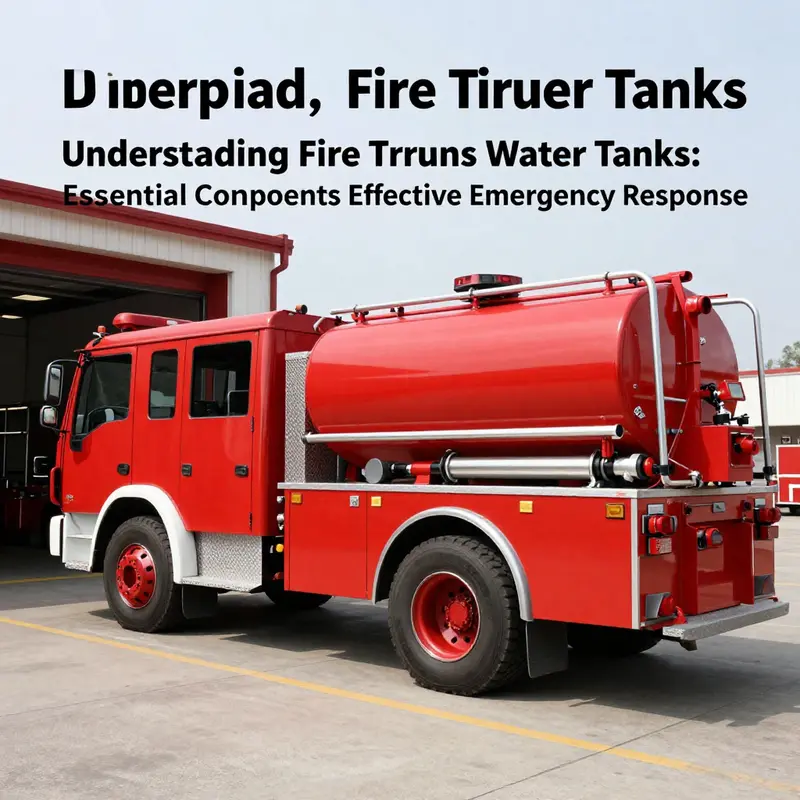
Pumper fire trucks are the backbone of most municipal firefighting fleets. Their design centers on one immediate goal: deliver water to the seat of the fire fast and at pressure. The water tank is not an optional extra. It is an essential component that gives crews the time and resources to begin suppression before a sustained water supply is established. This chapter explores how pumper tanks are sized and built, how they work with pumps and hose layouts, and why their role varies by terrain and mission.
A typical pumper arrives at a scene with an onboard water supply. Standard capacities usually fall between 500 and 1,000 gallons (about 1,900 to 3,800 liters). That volume is tuned to urban needs: quick attacks on structure fires where hydrants are nearby but may not be immediately connected. The tank allows crews to stretch lines, perform search and rescue, and control fire spread in the first critical minutes. In rural or remote settings, pumpers often carry larger tanks, sometimes up to 4,000 gallons, to bridge the gap until tankers or tenders establish shuttle operations. These variations show that tank size is a design choice driven by expected operational context.
Tank construction balances strength, weight, and corrosion resistance. Common materials include carbon steel and stainless steel, plus composite or polyethylene options in some models. Steel provides rugged durability and ease of repair. Polyethylene offers corrosion resistance and reduced weight, though it can be less tolerant of extreme heat. Regardless of material, manufacturers engineer tanks to withstand vibration, temperature swings, and UV exposure. Baffles inside the tank limit water surge and help maintain vehicle stability. Without baffles, free-sloshing liquids could shift weight during turns or sudden stops, compromising handling and safety.
Integrated with the tank is a pump system designed for rapid, controlled delivery. Typical pumper pumps deliver between 1,000 and 2,000 gallons per minute (GPM), depending on apparatus configuration and local standards. High-capacity pumps let crews feed multiple attack lines and supply aerial devices simultaneously. The pump works in concert with valves and intakes. When a hydrant or external source is available, the pumper can draft or take a pressurized supply to refill the onboard tank or boost pressure for extended operations. Many pumpers also include a separate foam tank and proportioning system for flammable liquid or Class A foam applications, enabling quick application of foam directly from the vehicle.
Pump performance, hose layout, and tank volume form an operational triangle. A small tank with a powerful pump can deliver high flow for a limited time. A large tank with a medium pump provides longer but potentially lower-rate attack capability. Departments select a balance based on response area, building density, and mutual aid plans. Urban departments may prioritize swift pump performance and moderate tanks. Rural services often favor larger tanks and dual-role apparatus that function as both pumpers and tenders. These choices affect crew tactics: a small-tank unit triggers faster relay requests, while a large-tank unit may lead initial tactical decisions that rely on self-sufficiency.
Design details matter. Tank fill and drain locations, sight gauges, and level sensors ensure crews always know available reserves. Low-level drains and sloped bottoms assist in fully emptying tanks for maintenance. Access hatches provide inspection points and cleaning access. Modern pumpers often include integrated electronic monitoring systems that report tank level, pump status, and other diagnostics back to the crew cab or to command staff. These systems reduce guesswork during prolonged incidents and help plan water resupply logistics.
Operational use highlights the tank’s value. Upon arrival, a crew can deploy pre-connected attack lines and apply water immediately. That immediate application saves time compared to shuttle operations or establishing hydrant connections. In many fires, those first minutes determine whether the fire grows beyond room or building. The tank enables a risk-managed, immediate response that protects occupants, property, and firefighters.
Maintenance and testing are critical. Tanks must be inspected for corrosion, leaks, and structural integrity. Pumps require regular flow testing and calibration. Valves and fittings face wear from pressure cycles and chemical exposure. Routine flushing prevents sediment accumulation. Departments follow manufacturer guidance and local standards to schedule inspections and corrective maintenance. Proper care prolongs service life and ensures reliability when lives depend on the apparatus.
Safety and stability are ongoing design considerations. Water weight affects center of gravity, braking distance, and rollover risk. Engineers place tanks low and central in the chassis to lower the center of gravity. Internal baffle placement softens liquid movement during maneuvering. Modern chassis and suspension systems are chosen to handle full-tank loads safely. When retrofitting or customizing apparatus, departments must verify that any changes maintain balance and legal gross vehicle weight limits.
Specialized pumper variants adapt tanks for unique challenges. Wildland pumper-style units may carry smaller tanks but include pump-and-roll capability to operate while moving over rough terrain. Industrial or aircraft rescue units may fit larger foam tanks and different fittings to handle flammable liquids or aviation fuels. Some municipal pumpers include compressed air foam systems (CAFS) to increase firefighting efficiency while using less water. In all cases, the tank integrates with the truck’s mission-specific systems to meet the hazards expected in the response area.
Logistics extend beyond the vehicle. When initial tank supply is exhausted, a pumper relies on hydrants, relay pumping, or tenders to replenish. Large incidents often require planned water supply operations. Departments map hydrant capacities and locations, establish tanker shuttle routes, and train crews on relay pump procedures. These plans influence how pumpers are equipped. Units in areas with sparse water infrastructure may be built with larger tanks and additional fittings to facilitate tanker-to-pumper transfers.
The pumper’s water tank also affects interoperability. Mutual aid agreements require clarity about what each responding unit can provide. A pumper with a 500-gallon tank contributes differently than one carrying 2,000 gallons. Communicating these differences in pre-incident planning ensures commanders can assign resources effectively. Standardized fittings and compatible hose sizes help streamline multi-agency operations and reduce the time spent changing adapters at the scene.
Technological trends are shaping the next generation of pumper tanks. Lightweight composite materials reduce chassis stress while preserving capacity. Advanced telemetry and remote monitoring give incident commanders a live picture of water resources across multiple vehicles. Integrated foam proportioning and multi-agent delivery systems allow one vehicle to handle a wider range of hazards. These advances increase versatility while maintaining the core purpose: provide a reliable, on-scene water source to start suppression without delay.
In practical terms, choosing the right pumper tank is a trade-off. Bigger tanks increase self-sufficiency but add weight and size. Smaller tanks reduce weight and improve handling but demand faster resupply. Departments weigh response times, hydrant availability, and typical incident types to strike an operational balance. When properly specified, maintained, and integrated with pump systems and crew training, a pumper’s tank becomes a decisive tool for early fire control.
For an in-depth technical perspective on pumper truck grades, engineering, and real-world deployment considerations, see this detailed resource from an industry engineering publication: https://www.fireengineering.com/understanding-man-fire-truck-grades-properties-and-engineering-applications/.
For departments or procurement officers interested in apparatus configurations and product categories relevant to pumped water delivery, manufacturers list options under the fire-fighting truck product category. For a look at available chassis types and configurations, consult the fire-fighting truck product listings: https://cimcfiretruck.com/product-category/fire-fighting-truck/.
Carrying the Fire Forward: How Tanker Water Tanks Shape Reach, Response, and Real-Time Firefighting
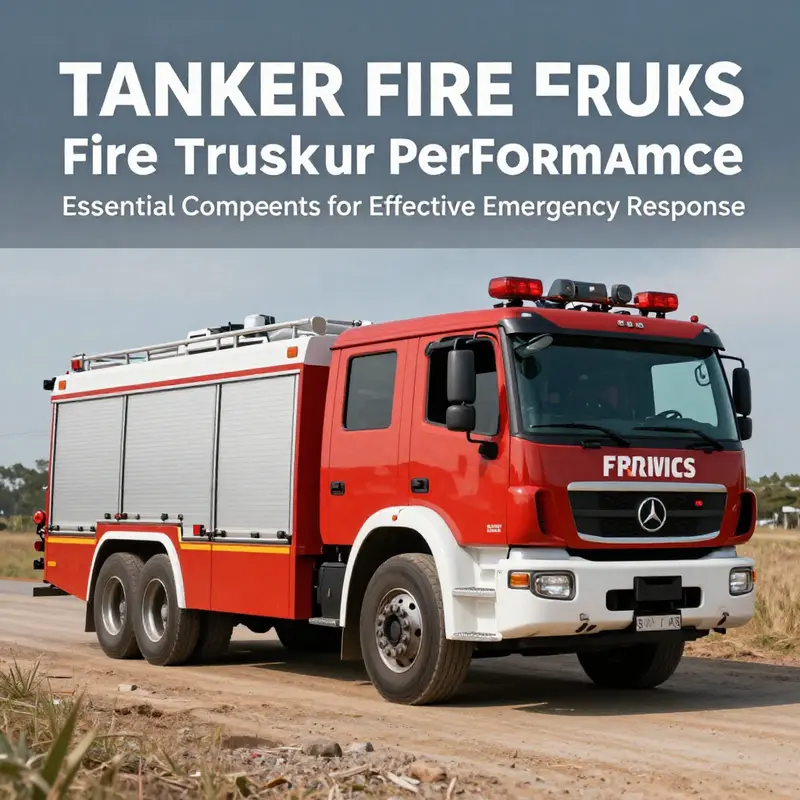
When people ask whether fire trucks carry water, the answer is a clear yes. But the way water is carried, stored, and delivered is more nuanced than a simple bucket in a cab. Among the various fire apparatus, tanker trucks stand out for a single, practical purpose: they transport large volumes of water to a scene where hydrants, ponds, or other immediate sources may be unavailable or unreliable. In many urban districts, the first wave of responders relies on on-board water to begin suppression quickly, buying precious minutes before a sustained water supply arrives from a hydrant grid. In rural or remote landscapes, the tanker’s role becomes even more vital, because water might not be nearby at all. The result is a vehicle designed not just to haul people or equipment, but to deliver a sustained stream of water under pressure to where it is needed most, while also adapting to the specific hazards of a site, including the potential need for foam when flammable liquids are involved.
Capacity sits at the core of this design philosophy. Tanker fire trucks typically carry water in tanks that span a broad range, reflecting the varied contexts for which they are built. On the lower end, some configurations emphasize portability and rapid response, delivering a few thousand liters of water with a compact footprint. On the higher end, larger rigs are designed to shuttle tens of thousands of liters to a crisis site, sustaining fire streams over extended periods or serving as a critical link in a water shuttle operation. In practical terms, common capacities fall roughly in the 4,000 to 10,000 liter range, with many operators describing a family of models that can fall within or slightly exceed those bounds depending on the mission profile. In some setups, a tanker might carry 4,000 liters of water alongside a dedicated foam system, which may reserve an additional 500 liters or more for foam concentrate. This combination—water plus foam—extends the firefighting envelope beyond plain water to tackle hydrocarbon, chemical, or other specialized hazards that a pure water tactic might struggle to confront.
These tanks are typically manufactured from durable, corrosion-resistant materials. Aluminum alloy has become a popular choice because it offers a lightweight yet robust solution. The lighter mass helps offset the vehicle’s overall weight, which in turn supports better handling, acceleration, and braking when the tank is full. Durability is not incidental; the tank must withstand the rigors of daily duty, including exposure to ultraviolet rays and wide temperature swings, as well as the occasional knock or scrape from urban streets or rugged rural roads. The tank’s interior geometry is not arbitrary either. The shape and finish influence how water flows during discharge, how easily residual moisture can be removed after an operation, and how foam concentrates are blended into water before or during delivery. In short, the tank is not merely a container; it is a critical part of the system that makes water usable on a fire ground.
The water tank is rarely standalone. It works in concert with a high-capacity pump, a robust manifold, and a set of valves that controls how water is drawn from the tank, how it exits, and how it mixes with foam or other extinguishing agents. In many tanker configurations, the on-board pump is capable of delivering substantial water flow at high pressure, enabling a rapid, continuous stream to be directed toward the fire. This pumping capability is what translates the truck’s measured capacity into real-time effectiveness on the ground. When the operator opens the discharge valve, water moves from the tank through suction lines into the pump and out through hoses, monitors, or fixed discharge outlets. The result is a dependable water relay that can begin soaking a flame front within moments of arrival, far sooner than waiting for water to be brought by a separate supply line.
Foam systems add another dimension to this capability. In settings where fuel or chemical fires are likely, foam can blanket the surface and create a barrier that slows the spread of burning liquids. A tanker may include a dedicated foam tank alongside the water tank, enabling quick mixing and discharge of foam-water blends. In practical terms, a 4,000-liter water tank paired with a 500-liter foam tank represents a common two-tank configuration that combines sustained water delivery with the added effectiveness of foam on appropriate fuels. The foam system enhances the vehicle’s versatility, allowing responders to confront a wider range of hazards without switching to an entirely different platform.
The backbone of these vehicles’ performance lies in their chassis and powertrain, designed to balance payload with maneuverability in diverse terrains. While many fleets use conventional 4×2 drive layouts for everyday efficiency and on-road reliability, off-road and rural deployments often require 4×4 or higher-torque configurations to navigate uneven ground, narrow rural lanes, or steep approaches to a rural outbreak. The engines chosen for these chassis are tuned for the demands of firefighting work: steady, high-load operation with reliable fuel efficiency and a broad torque curve that helps maintain water flow under varying conditions. Displacement figures and horsepower are balanced with emissions standards appropriate to the region, aiming to deliver the right blend of power, durability, and longevity for years of service.
That mechanical backbone is paired with a pumping unit engineered for reliability. Modern water pumps deliver high flow with controlled pressure, allowing the operator to tailor the water stream to the fire’s needs. A common setup supports a range of discharge options—from smooth, wide fan patterns for initial attack to focused, high-velocity jets for penetrating hot zones or cooling critical elements of a structure. In addition to primary discharge, many tanker configurations include a high-capacity fire monitor, a reliable tool that can deliver a concentrated stream across obstacles or upper levels where a standard handline cannot reach. The combination of a strong pump, a long-reaching monitor, and the on-board water supply makes tanker trucks formidable first-attack assets, especially in conditions where hydrants are sparse or absent entirely.
Beyond the technical specifics, the operational logic of tanker trucks centers on readiness and flexibility. A company responding to a rural grass fire or a warehouse blaze in a less-served district will lean on the tanker to establish an initial water supply quickly. While a pumper is often deployed to draft water from a nearby source and establish the first attack line, a tanker may already be positioned to sustain that effort as soon as the first lines are laid or as the incident expands. In this sense, the tanker acts as a portable water reservoir, filling the gap between the fire’s demand and the municipal water network’s capacity or reach. The on-scene water balance becomes a dynamic conversation between the tanker, any accompanying pumpers, and the evolving needs of the fire-ground commander, all coordinated under the pressure of time and risk.
In practice, the capacity and configuration of a tanker truck influence not only how much water can be delivered, but how effectively crews can operate as conditions change. A larger tank means more water on board and a longer window of suppression without reloading. Yet it also means more weight, which can affect acceleration, braking, and stability—particularly on uneven terrain or in congested urban corridors. This trade-off is a constant element of fleet planning: agencies weigh the realities of their typical response areas, the distance to water sources, and the kinds of fires they most often encounter when selecting tank size and chassis configuration. The ability to tailor a tanker with a foam system, or to pair a 4,000-liter water tank with a 500-liter foam reservoir, reflects a philosophy of readiness that prioritizes speed, adaptability, and the capacity to tailor the tool to the task at hand.
From a maintenance perspective, the water-tank system is a workhorse that requires routine scrutiny. Regular inspection of the tank’s interior and exterior surfaces helps prevent corrosion and pitting, especially in salt-laden environments or places with challenging weather. Washing the tank after use reduces residue that could harbor bacteria or create foul odors during long-term storage. The pump and valves deserve equal attention, with checks for leaks, proper valve seating, and calibration of pressure gauges. Clean water supply, combined with the corrosion-resistant properties of an aluminum tank, helps extend the life of the system and keeps the on-board supply reliable for the long haul.
The practical implications of all these features become clearer when we consider a typical incident sequence. An engine arrives at a rural fire scene and quickly deploys its first attack line using water drawn from the tanker’s tank. As the fire grows or as the scene evolves toward multiple ignition points, a second truck or one of theyard’s pumpers connects to a ready-made water supply from the tanker. The operator may blend water with foam to handle a hydrocarbon fire, deploying a foam-water solution through the monitor to blanket the fuel source while other lines work on the structure. The result is a coordinated response that begins with a fast, on-board water supply and then expands through a network of hoses and connections that move water from the tanker to the fire ground. In this way, the tanker’s water tank is not simply a container; it is a strategic resource that shapes how quickly suppression can begin, how long it can be sustained without external water, and how the incident evolves from a small outbreak to a controlled operation.
For readers curious about how these specifications translate into real-world offerings, it helps to acknowledge the diversity of configurations in the market. While the core principle remains constant—the water tank enables on-scene water delivery—the exact capacities, tank materials, and ancillary systems vary to match the needs of a department and the terrain it serves. Some fleets lean into smaller, more agile tankers compatible with urban networks and limited access routes, while others prioritize larger water stores and longer range for rural districts far from hydrants. In every case, the fundamental idea remains the same: water stored on the vehicle empowers firefighters to begin suppression immediately, respond to unfolding incidents with agility, and maintain water pressure as the scene evolves. The result is a firefighting strategy that can adapt on the fly, with the tanker serving as a mobile reservoir that keeps the first attack moving while additional water supplies are established.
As a final note, the broader ecosystem of fire apparatus underlines a broader truth: fire trucks are more than just trucks with water tanks. They are parts of a carefully designed system that coordinates water storage, pump capacity, discharge options, and auxiliary capabilities like foam. The choice of whether to invest in a 4,000-liter or a 10,000-liter tank, or to add a foam package, is guided by a department’s mission, geography, and risk profile. The upshot is that a tanker’s water tank is a front-line asset, a practical instrument of suppression that enables firefighters to begin applying water the moment they arrive and to sustain that effort even when a hydrant is not immediately nearby. For those who want to explore practical examples or see how these configurations appear in today’s market, a dedicated category of water-tanker fire trucks offers a window into the range of choices available and how they translate into on-the-ground capability. 水罐消防车类别
External resources provide a broader context for these real-world configurations. To gain a sense of how manufacturers present tanker solutions in current market conditions, one can review supplier information and product data that illustrate the practical consequences of tank size, materials, and foam integration. Such sources help translate the numbers into a human picture of what it means to carry a portable water reservoir on wheels and to deploy it under pressure, in heat and smoke, when every second counts. For further context on contemporary offerings in the field, see external resources available online, such as: https://www.chushengfiretruck.com/
How Fire Truck Water Tanks Are Built: Materials, Mechanics, and Mission-Ready Design
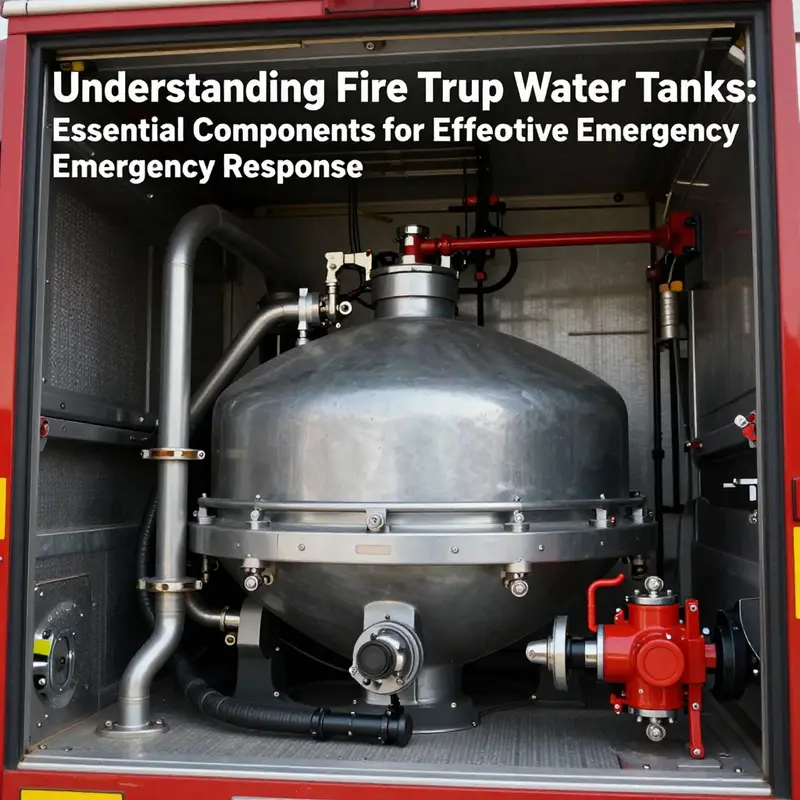
How fire truck water tanks work starts with material choices and engineering that balance strength, weight, durability, and safety. Tanks store the first line of water supply when a hydrant is not available. They must survive years of vibration, weather, and chemical exposure while delivering water quickly and reliably. That demand shapes every decision, from the metal alloy to the placement of baffles, and from mounting brackets to inspection hatches.
Steel is the most common backbone for fire truck tanks because it combines affordability with toughness. One widely used option is Q235B carbon steel. It offers high tensile strength and is cost-effective for large-capacity tanks. Fabricators often select it when budget and structural rigidity are priorities. For environments where corrosion is a concern, stainless options such as SS304 come into play. SS304 resists rust and holds up well against salt, chemical exposure, and repeated washdowns. It costs more up front, but it reduces long-term maintenance and the risk of leaks. Galvanized steel provides a middle ground: a zinc coating shields the steel core from oxidation, lowering maintenance while keeping costs manageable.
Beyond the metal itself, welding and joint design determine long-term performance. Weld seams undergo controlled procedures to avoid weak points. Modern fabrication uses automated welding for consistent bead profiles. Post-weld treatments may include grinding and passivation to remove contaminants and reduce corrosion risk. Tanks intended for harsh climates sometimes receive additional internal coatings. These coatings limit corrosion and suppress metallic taste if tanks supply potable water in emergency contexts. Engineers also consider thermal expansion. Different metals expand at different rates, so connections to chassis and pumps are designed to tolerate slight movement without stress.
A fire truck in motion subjects its tank to dynamic forces. Acceleration, hard braking, and cornering generate sloshing forces that can destabilize the vehicle and stress tank mounts. To control liquid movement, designers add internal baffles. Baffles break up free-surface flow and dissipate kinetic energy. Strategically placed bulkheads and baffled compartments keep the center of gravity stable and limit surge during sudden maneuvers. The number, shape, and placement of baffles are tuned to tank size and expected driving conditions. Proper baffling improves handling and reduces the risk of structural fatigue at mounting points.
Mounting systems are as critical as the tank shell. Tanks are often bolted or welded to reinforced crossmembers on the chassis. Mounts include vibration-isolating elements and rigid anchors to distribute loads. If a tank is welded to the frame, engineers factor in vehicle torsion and expansion to prevent weld cracks. Designers also consider weight distribution across axles so the truck complies with legal weight limits and maintains safe braking and steering characteristics. A poorly mounted tank can lead to premature wear of the chassis or compromise vehicle control during response.
Drainage, venting, and inspection access are necessary for operational reliability. Drain outlets permit complete emptying for maintenance and prevent stagnant water. Vents equalize pressure during filling and pumping, and they reduce vacuum conditions that could deform the shell. Access ports allow visual inspection of interior surfaces, baffles, and fittings. These openings are sized and located so crews can perform routine checks and cleaning without removing major assemblies. For tanks that store foam concentrate, dedicated foam tanks and proportioning lines are integrated with the water system, with separate inspection hatches and mixing controls.
Material selection also responds to special hazards. Industrial and airport rigs may face flammable liquids or corrosive chemicals. Those applications call for thicker walls, specialized alloys, or dual-compartment designs with foam concentration capabilities. Tanks used in firefighting with flammable fuel risks often include grounding provisions and bonding straps to prevent static buildup. Insulation and freeze protection are important in cold climates. Electric or fuel-fired tank heaters, thermal blankets, or buried steel tanks at facilities keep water from freezing and ensure readiness in winter conditions.
Manufacturers test tanks under simulated stresses before they ship. Pressure tests, leak checks, and vibration trials validate weld integrity and fixture resilience. Non-destructive testing methods, such as ultrasonic thickness checks, help confirm wall uniformity without cutting the shell. Certification and acceptance criteria vary by region, but the goal is universal: ensure the tank performs safely in service and integrates smoothly with pumps, valves, and vehicle controls.
Integration with pumps and controls defines how water moves from tank to nozzle. Pumps are sized to match the truck’s mission. Municipal pumper trucks pair moderate-capacity tanks with high-flow pumps for sustained hydrant-backed operations. Rural tenders emphasize larger tank volume for shuttle operations. Plumbing design minimizes friction losses; large-diameter suction paths, smooth bends, and well-placed valves reduce pressure drop. Many systems include a direct tank-to-pump suction path and a separate hard suction connection for drafting from external sources.
Valves and manifold arrangements provide operational flexibility. Crews may isolate tank supply for maintenance or connect to an external source for continuous refilling. Level sensors and sight gauges indicate remaining capacity. Modern panels add electronic readouts and automated alarms that warn of low water or blockage. Control ergonomics matter: pump operators must reach controls quickly and manipulate them under stress. The physical layout balances rapid access with protection from heat and debris.
Durability requires ongoing maintenance. External coatings protect against abrasion and UV damage. Where galvanizing is used, crews monitor for coating wear and repair zinc layers as needed. Internally, sediment can accumulate, especially if tanks receive untreated water during shuttle operations. Periodic flushing prevents contamination and protects pump strainers and valves. Inspection schedules include checks for corrosion sites, loose welds, and deterioration of rubber seals and gaskets.
Alternatives to onboard tanks exist for fixed installations and specific operational contexts. Buried concrete or coated steel reservoirs provide permanent supply for large facilities. They protect water from freezing and UV degradation. However, installation and excavation add cost and complicate access. For vehicles, the mobility and immediacy of an onboard tank remain unmatched in most response scenarios.
Tanks vary by size to match mission needs. Small initial-attack units prioritize speed and maneuverability with modest tanks. Heavy tenders carry thousands of liters for rural coverage. Some specialized rigs combine large water tanks with foam cells, enabling them to fight flammable liquid fires effectively. Regardless of size, the same engineering principles apply: select the right material, manage forces, and integrate plumbing and controls to enable rapid, reliable water delivery.
Ultimately, a fire truck’s tank is more than a container. It is a carefully engineered subsystem that supports crew safety and firefighting effectiveness. Material choice, welding practice, baffle design, mounting strategy, and integration with pumping systems all converge to produce a resilient, serviceable tank. Properly designed tanks reduce downtime, lower maintenance costs, and improve operational outcomes on the fireground.
If you want to explore larger vehicles built for water transport, see the water tanker fire truck product category for typical configurations and tank sizes: https://cimcfiretruck.com/product-category/water-tanker-fire-truck/.
For deeper reading on structural and material standards used in fire apparatus bodies and tanks, consult the relevant technical article: https://www.fireapparatus.com/articles/123456
How Advanced Water Tanks Transform Specialized Fire Trucks’ Capability
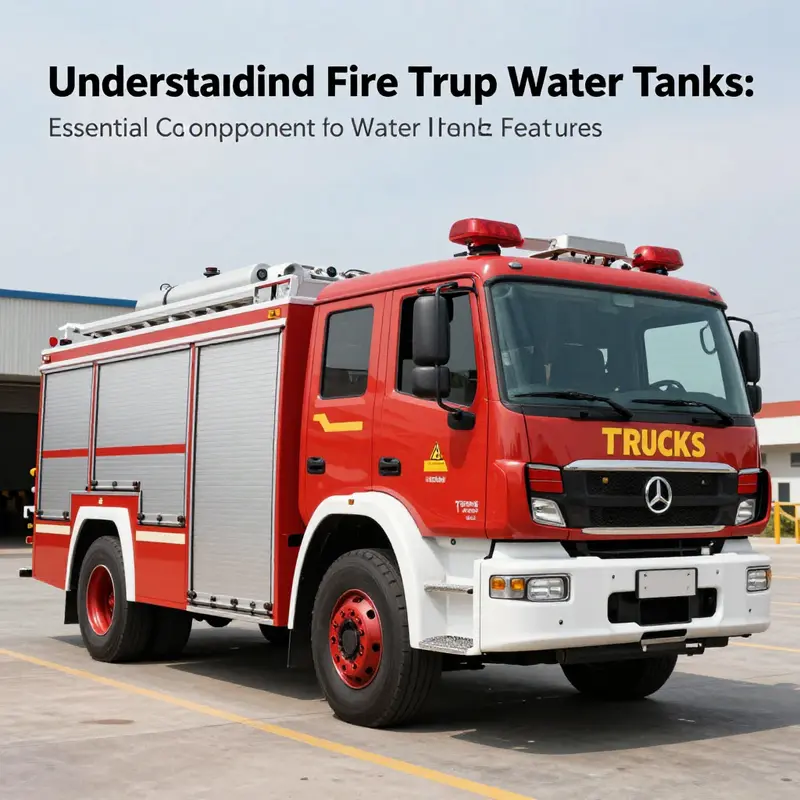
Design and performance of advanced water tanks in specialized fire trucks
Specialized fire trucks rely on more than simply carrying a volume of water. Their tanks, pumps, and supporting structures are engineered to deliver reliable, rapid suppression under extreme and varied conditions. A water tank is central to that design. It stores the extinguishing agent, controls vehicle stability, and interfaces with high-capacity pumps and foam systems. In specialized roles—industrial response, remote wildland attacks, airport rescue, and heavy-duty municipal operations—the tank’s geometry, materials, internal fittings, and integration with hydraulic and electrical systems all determine how effectively a crew can attack a blaze before resupply.
Most modern units use cylindrical or longitudinally oriented tanks. The shape matters: cylindrical tanks provide smoother hydrodynamic flow. They reduce sloshing, distribute stress evenly, and minimize wall deformation. That effect improves stability when a truck travels at speed or negotiates uneven terrain. For tanks mounted across a chassis, careful shaping prevents sudden shifts that could destabilize handling. Many designs incorporate internal baffles. These partial partitions limit fluid movement while maintaining a useful effective capacity. Baffles are sized and placed to balance reducing surge with avoiding trap volumes that complicate drainage and cleaning.
Material selection is equally important. Tanks are commonly fabricated from corrosion-resistant steels or aluminum alloys. Each material offers trade-offs. Steel delivers strength and impact resistance, which suits rough environments. Aluminum reduces weight and resists certain corrosive conditions, improving payload capacity and fuel efficiency. Manufacturers apply coatings or linings to extend life. Where foam concentrates or chemically aggressive agents are used, compatible liners protect the tank interior. Outside surfaces are finished to resist UV and salt exposure, which is crucial in coastal or high-sunlight regions.
Capacity varies widely to match mission needs. Urban initial-attack pumpers often carry between 500 and 1,000 gallons. These volumes provide a critical window for establishing a water supply while engines secure a hydrant. In contrast, water tenders and heavy-duty industrial trucks may carry several thousand liters. That capacity is essential where hydrants are absent, hydrant pressure is unreliable, or a prolonged, high-rate attack is necessary. The tank’s role therefore extends beyond raw gallons: it dictates tactics, crew movements, and the logistical footprint of a response.
Integration with pump systems turns stored water into effective firefighting streams. High-performance pumps are rated not only by flow but by pressure and reliability. Many specialized rigs include pumps capable of 1,000 to 2,000 gallons per minute, with industrial-grade units delivering even more. Those pumps must be matched to the tank’s supply plumbing so that suction conditions do not induce cavitation. Hard piping, large-diameter suction lines, and low-profile manifolds preserve flow while simplifying operator actions. Priming systems, relief valves, and automatic feedback loops protect pumps and maintain steady nozzle pressures under fluctuating demands.
Foam systems add another layer of capability. Tanks can be paired with dedicated foam concentrate reservoirs and proportioning equipment. For flammable liquid fires, a foam-ready truck can generate high-expansion or low-expansion foam mixes on demand. Those systems require separate piping, pumps, and metering devices to ensure proper dilution. Storing foam alongside water changes maintenance needs. Foam concentrates must be checked for stability, and proportioners require calibration. Yet the tactical gain is significant: foam blankets suppress vapors and prevent re-ignition, a must at fuel depots, chemical plants, and major vehicle fires.
Chassis and body design reflect the burden of heavy liquid loads. Reinforced frames, upgraded suspension, and low-center-of-gravity placements help preserve maneuverability. Off-road models use multi-axle configurations and higher-travel suspension to maintain traction and ride quality in uneven terrain. Urban designs favor compact footprints and steerable rear axles to navigate tight streets. Designers also think about serviceability. Tank access hatches, drain points, and inspection ports must be reachable without major disassembly. Integrated platforms and well-placed handrails aid crews during routine checks. Accessibility extends to pumping controls too. Intuitive control panels, often located at the rear or sides, let operators change flow patterns, switch between water and foam, or engage auxiliary pumps quickly.
Durability requirements push certification and testing. Tanks and mounting systems undergo pressure testing, vibration testing, and corrosion resistance evaluation. Meeting rigorous standards gives departments confidence in the fleet’s readiness. Certifications cover materials, welding practices, and system reliability. In many regions, third-party approvals ensure interoperability and safety compliance for industrial operations and mutual aid responses. These certifications also guide procurement, helping agencies choose trucks that match regulatory and operational needs. External certification ensures that the vehicle will perform under the stress of real incidents.
Operational versatility is a major advantage of specialized configurations. Smaller, maneuverable units with modest tanks are optimized for quick urban response. They arrive fast and supply initial attack lines while larger apparatus or tenders arrive. Conversely, large-capacity tenders and off-road heavy trucks enable sustained operations where infrastructure is sparse. They act as mobile reservoirs, ferrying water between natural sources and the front lines. When paired with remote water supply systems or portable drafting equipment, these trucks can form a relay to keep continuous flow to attack engines. Such tactics are critical for wildland-urban interface incidents where roads are narrow and fixed hydrant systems do not exist.
Maintenance and long-term care cannot be overlooked. Tanks accumulate sediment, biological growth, and residues from foam concentrates. Periodic cleaning prevents blockages in suction lines and avoids contamination that could harm pumps or proportioners. Corrosion inspections catch early degradation on welded seams and fittings. Operational crews also monitor seals on hatches and valves to prevent leaks. Preventive maintenance extends service intervals and reduces the chances of on-scene failures. Training for crews covers not only firefighting techniques but also tank care, testing procedures, and fluid compatibility checks.
Specialized fire trucks are also tailored for particular hazards. Airport rescue units feature large capacity and powerful discharge systems for rapid suppression of jet fuel fires. Industrial units might include multiple tanks—one for water and another for foam concentrate—along with intrinsically safe electrical systems. Mines and remote operations call for heavy-duty protection, with tanks and frames built to withstand harsh impacts and abrasive environments. Each use case alters the balance among capacity, pump power, and vehicle mobility, underscoring why a one-size-fits-all approach rarely fits specialized missions.
The operational doctrine around tank usage evolves with technology. Many departments now consider water as part of a broader system. Trucks carrying modest tanks still provide decisive moments during the first attack. Larger tenders augment those moments with sustained supply. Communications and logistics tie these assets together. Modern fleets use telemetry to monitor tank levels, pump status, and vehicle location. That data informs incoming units about when resupply is required and whether alternate water sources must be established. In essence, the tank is both a physical reservoir and an information node within the response network.
When choosing or specifying a specialized fire truck, departments weigh several factors: expected hazards, response distances, terrain, and mutual aid expectations. Tank capacity, pump rating, material choices, and foam integration all intersect with budget and maintenance capabilities. Because these assets often serve for decades, procurement decisions emphasize longevity and modularity. Upgradable pump modules, replaceable linings, and standardized fittings future-proof the vehicle. In many procurement cycles, that flexibility proves more valuable than maximum capacity alone.
For departments evaluating specialized apparatus, reviewing product categories and examples helps clarify needs. A useful resource is a dedicated catalog of specialized fire trucks that outlines common configurations and capabilities in one place. Explore the special fire truck product category for detailed examples and typical specifications.
Regulatory and certification references guide both manufacturers and buyers. For global standards and certification processes related to equipment and safety, consult official certification resources that outline compliance requirements and testing regimes. (https://www.ccc-cert.org/)
最后的想法
Understanding fire truck water tanks is essential for effective emergency management. These tanks enable timely firefighting response, especially in situations where immediate access to water is critical. By recognizing the different types of fire trucks and their tank specifications, business owners can better appreciate the technology behind these vehicles and the importance they serve in safeguarding lives and properties. Investing in the right fire safety equipment and understanding its mechanism can significantly impact outcomes during emergency situations, ensuring readiness and efficiency.

