
















تكييف الهواء في شاحنات الإطفاء عنصر حيوي يعزز كفاءة العمليات وراحة رجال الإطفاء. في بيئة عالية الضغط، حيث يهم كل ثانية، فإن الحفاظ على مناخ مستقر ومريح داخل الشاحنة يمكن أن يساعد في تقليل خطر الإرهاق الحراري والتعب. يتناول هذا المقال جوانب مختلفة لتكييف الهواء في شاحنات الإطفاء. الفصل الأول يتحدث عن دور تكييف الهواء في توفير الحماية والراحة لرجال الإطفاء، خاصة في الظروف الجوية القاسية. الفصل الثاني يستكشف الآليات والتكنولوجيا وراء هذه الأنظمة، مما يسلط الضوء على كيفية تصميم شاحنات الإطفاء الحديثة مع أنظمة تكييف متطورة. وأخيرًا، يحلل الفصل الأخير تأثير تكييف الهواء على صحة رجال الإطفاء والأداء، مع التأكيد على أهمية بيئة عمل مريحة في الحفاظ على القدرة التشغيلية القصوى.
تبريد خط المواجهة: كيف يؤثر تكييف الهواء على راحة الإطفائيين، الأمان، والاستعداد
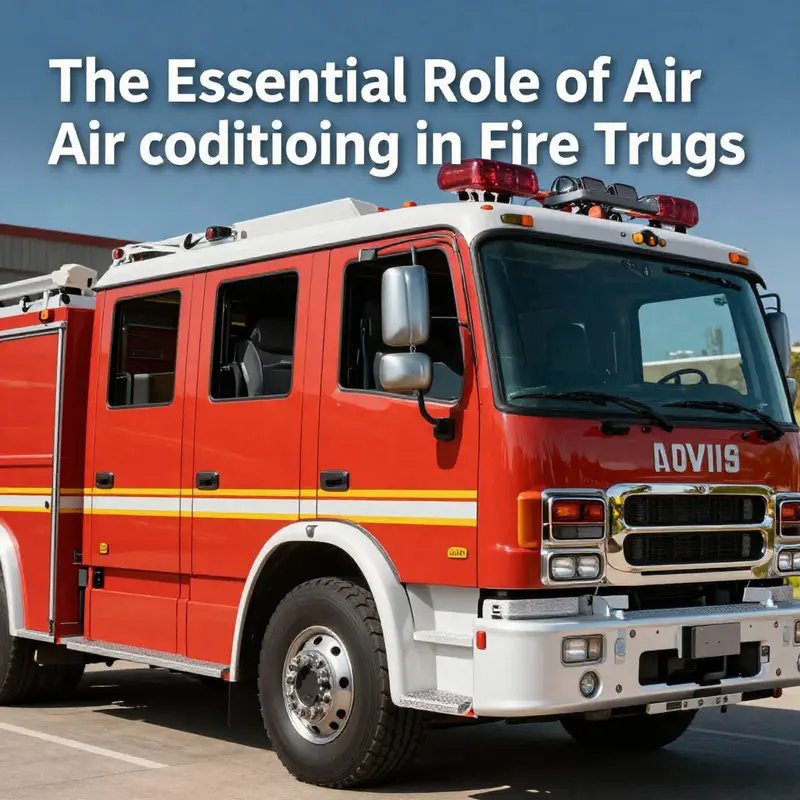
Heat is not an abstraction for firefighters; it is a relentless, tangible force that rides in with every call and lingers in the cab long after the sirens fade. The fire truck cab is a sealed, climate-controlled arena that simultaneously shelters crews from raw sun and yet thrusts them into a furnace of engine heat, radiant metal, and the heavy, insulating layers of turnout gear. In this space, where minutes can feel like hours and a routine response can hinge on sustained attention, the presence of air conditioning is not a luxury but a practical foundation for performance. The ignition of an emergency scene is preceded by a longer, quieter form of effort: gripping hot air in, managing hydration, stabilizing nerves, and maintaining a steady cognitive tempo while waiting for the moment to act. It is within this frame that climate control becomes a variable as consequential as pump pressure or ladder reach. When the interior climbs toward stifling temperatures, every reaction time slows, every decision becomes just a fraction harder, and fatigue—like a hidden weight—begins to compress the lungs and cloud the judgment. The modern city fleet recognizes that the physics of heat inside a vehicle is not abstract theory; it is a practical constraint on human and machine performance alike. And so, the presence of an air conditioning system in fire apparatus emerges as a multi-layered strategic gain: it protects people, preserves equipment, and optimizes workflows in ways that extend beyond mere comfort. The value of cooling begins with health, a baseline consideration that becomes more critical as the work shifts lengthen and the climate grows more unpredictable. A firefighter in full turnout, pressed into a long, active response by a stubborn front, can lose critical fluids and misread body signals when heat forces the body to operate outside its safe envelope. Heat stress, dehydration, and the deterioration of thermoregulation are not distant specters; they are immediate risks that can escalate alongside the hazard at the scene. By maintaining a stable internal environment, AC systems reduce the physiological load on the crew, allowing a steady cadence of movement, precise tool handling, and resilient communication under pressure. The cabs of today’s fire apparatus are designed with these realities in mind, not as a cosmetic feature but as an integrated element of mission readiness. The cooling system does more than cool skin; it cools the circuits that drive radios, thermal cameras, GPS, and a host of digital interfaces that command a coordinated response. When electronics overheat, misreads can cascade into delays or miscommunication, especially in the high-stakes dance of incident scene management where every second counts. The climate-controlled interior helps to shield this sensitive equipment from thermal drift and to preserve the readability of alarms, maps, and scene notes that crews rely on to orient themselves amid smoke, glare, and confusion. The practical logic here is straightforward: if the operator can stay hydrated, focused, and physically steady, the vehicle and its systems stay healthier, and the team can sustain a higher level of vigilance over the course of an extended incident. In this sense, air conditioning becomes part of a broader crew-care strategy that acknowledges the body as the first instrument of a safe and effective response. The human component is inseparable from the device that carries it. The protective gear that firefighters wear—helmet, hood, turnout coat, gloves, boots—adds substantial thermal burden. Each layer traps heat and impedes heat dissipation, turning the body into a heat trap even at modest ambient temperatures. Add direct sun on a metal body, radiant heat from a fire, and an extended waiting period in standby, and the challenge compounds. In a climate where a cab can easily exceed the discomfort threshold during a ten- or twelve-hour shift, the ability to intermittently cool the interior without wrestling against the engine’s rhythm is a pivotal operational advantage. The thermal management system becomes a stopper and a start for the team’s effectiveness: it stops the involuntary escalation of body temperature and then, at the moment of action, it starts a more nimble, responsive state in which crew members can pivot quickly from waiting to active work without sacrificing safety or accuracy. The benefits extend into the realm of hydration, a simple but powerful predictor of performance. When the cabin temperature remains controlled, crews are more likely to maintain a steady fluid intake, preserve electrolyte balance, and avoid the cognitive dips that accompany dehydration. This isn’t only about comfort; it is about sustaining the decision-making faculties that keep a team from misjudging a threat, underestimating a hazard, or failing to recognize warning signs that a situation is deteriorating. The cooling system also supports morale and endurance, two intangible but crucial assets during long calls or multi-household incidents. In hotter climates, where the day’s heat can ascend quickly and the body’s natural cooling may be overwhelmed by PPE, the cabin’s microclimate becomes a quiet ally. The air behind the wheel becomes a shield that reduces the interval between fatigue and reaction time, a measurable difference in the cadence of a crew’s actions and the likelihood of missteps when time is tight and stakes are high. The practical, day-to-day benefit of AC is thus not merely comfort; it is reliability under pressure, and reliability under pressure is the bedrock of a well-coordinated response. The cooling system’s orchestration with the vehicle’s powertrain, electrical system, and energy management strategy is another layer of sophistication that has grown more important as departments adapt to longer operations and more complex missions. When the engine is running, the primary source of cooling is straightforward: the alternator and power demands share energy with the HVAC system. But many departments also recognize the value of independent cooling, especially during periods of idling in a staging area or when crews are waiting for an assignment. This is where auxiliary power units or dedicated vehicle-mounted climate control systems come into play. They provide climate stability without requiring the engine to run at higher loads, a design choice that conserves fuel and minimizes wear while the vehicle remains in position. The operational nuance here—cooling while idling, cooling while the engine is off—reflects a broader understanding of mission pacing. In some high-temperature regions, where calls can stack and the wait for a response can be lengthy, maintaining a cool interior is not a luxury but a practice that helps ensure that firefighters remain effective through the entire cycle of a call, from the first moment to the last. The internal environment thus interacts with external strategy in a layered way. Climate control becomes a force multiplier that helps crews handle the most demanding operational phases: the initial assessment, the setup of incident command or sector diverging tasks, and the long arc of an unfolding incident where a crew might be stationed at the scene for an extended window of time. When the interior remains comfortable, a crew can keep the focus on water supply, ladder placement, ventilation tactics, and the swift transition between roles as the incident evolves. In that sense, the cab’s climate is part of the tactical fabric, supporting both decision-making and physical execution. It is also worth noting how climate control intersects with maintenance and reliability. The HVAC system is not a stand-alone feature; it is integrated into the life cycle of the apparatus. Regular servicing of seals, ducts, filters, and refrigerant lines ensures that the system delivers consistent performance when it is needed most. Proper maintenance reduces the risk of system failure during a critical moment, preventing a situation where the crew faces a loss of cooling at precisely the moment when heat and PPE crest toward unsafe levels. Consider that a climate control system is a complex chain: it depends on the integrity of the cab’s insulation, the efficiency of the compressor and condenser in the engine bay, and the reliability of the electrical feed and controls that orchestrate fan speeds and air distribution. When any link in this chain weakens, the consequences can ripple across readiness, comfort, and safety. The synergy between climate control and equipment durability is thus not a peripheral concern; it is central to how a modern fire department manages risk and sustains performance. The historical arc of fire apparatus design has moved toward integrating climate control with a broader emphasis on crew health and operational endurance. As climate patterns shift and cities confront more intense heat events, the rationale for climate-controlled cabs grows stronger. The field has seen departments in hot climates adopt climate-controlled interiors as a standard feature on newer apparatus and as a consideration in fleet modernization programs. The rationale is simple and compelling: a cooler interior reduces heat stress, supports cognitive function, protects electronics, and contributes to a faster, steadier, more coordinated response. Beyond the immediate heat management, these systems reflect a larger trend—the recognition that the conditions inside a fire truck are itself a factor of public safety. When crews operate under optimal environmental conditions, they are not only more comfortable; they are sharper, healthier, and more able to translate training into precise action under pressure. As a narrative, this is not about a single improvement or a single model but about a shift in how fire departments design and think about the working environment of their people. It is a shift that acknowledges the centrality of climate control to human performance and to mission readiness. This broader perspective helps explain why climate-controlled cabs are becoming more common, particularly in areas where heat is a persistent challenge. It also clarifies why departments are investing in solutions that let cooling continue under a variety of conditions—whether the engine is running, whether the vehicle is idling, or whether standby time requires a period of quiet cooling before the next engagement. In a world where heat is an operational variable with tangible effects on performance, climate control becomes a practical, non-negotiable element of a smart, resilient fire service. For readers who want to explore the practical, day-to-day aspects of how these systems come together, a good starting point is to consider how maintenance, procurement, and design considerations intersect with a department’s climate strategy. Maintenance teams rely on components that are durable yet serviceable, and the quality of these components matters because reliability matters when seconds count. The maintenance ecosystem includes seals that prevent leaks, ducts that deliver consistent airflow, filters that keep air clean, and compressors that provide reliable cooling. Each piece of that ecosystem depends on a robust supply chain and access to parts that are as resilient as the crews they serve. In this sense, the inner life of a climate-control system—its parts, its seals, its electrical feeds—becomes as critical to readiness as the wheels and the hydraulics. It also underscores the importance of proactive planning in fleet management. Departments that anticipate demand for longer operations in hot climates will often structure their climate-control strategy around modular cooling capacities, backup power options, and clear maintenance routines. They will also recognize the value of ensuring spare parts accessibility at stations and during deployment rotations, and they will plan for expedited service when a climate-control component shows signs of wear. This forward-looking approach helps prevent the disruption of cooling during important responses and supports a more predictable performance profile across a crew’s schedule. The human story remains central. When a firefighter slides behind the wheel, sits in the captain’s seat, and studies a map while the climate hums quietly in the background, the scene embodies a careful balance between human capability and mechanical support. The presence of climate control acknowledges that the body’s need for temperature regulation is fundamental, not ancillary. It acknowledges that hydration and rest are not optional extras but part of the disciplined routine that keeps a crew at its best. And it reinforces the idea that an efficient, well-maintained climate system is a visible sign of a department’s commitment to safety and effectiveness. In the end, the question do fire trucks have air conditioning is not merely about a feature list. It is about a philosophy of preparation, where climate control is understood as essential infrastructure that sustains human performance, protects sensitive equipment, and keeps the cadence of an emergency response smooth and dependable. It is about recognizing that comfort and safety in a high-stakes environment are inseparable, and that when crews stay cool, they stay capable. As cities and departments continue to evolve in response to climate realities, the cabin climate will remain a quiet but relentless measure of readiness, a practical safeguard that helps firefighters do what they do best: show up prepared to meet the moment and, when the moment arrives, perform with clarity, control, and confidence. For practitioners and observers alike, the evolution of fire truck climate control is a tangible reminder that the tools of protection extend beyond hoses, ladders, and PPE. They include the space in which professionals think, plan, and act under pressure. The cab is more than a vehicle compartment; it is a microenvironment designed to sustain human judgment and physical stamina through the final mile of every rescue, every casualty extrication, and every critical decision that protects a community. In this light, climate control is not an add-on but a core component of an adaptive, resilient, and responsible fire service. And as climate patterns intensify, the case for climate-controlled interiors only strengthens, ensuring that the front lines remain cool under fire—physically, technically, and operationally. Where the conversation goes next, in the chapters that follow, is toward the details of how departments implement these systems, how they balance power and efficiency, and how ongoing maintenance and future innovations will shape the way crews experience the cabin under pressure. The thread connecting all of these considerations is simple: air conditioning in fire trucks is a practical instrument of safety, performance, and human dignity on the fire line. It is one of the quiet enablers of decisive action when every second and every beat of attention matters. To learn more about how climate-control design intersects with the broader engineering and procurement challenges of emergency vehicles, readers can explore industry discussions and case studies that discuss the practicalities of climate systems in the context of fire apparatus. For a deeper dive into the broader design implications and case studies, see the external resource linked below. And for ongoing, field-level inspiration and practical maintenance guidance, one can explore the internal resource that discusses the components and parts that keep these systems reliable in the harsh realities of daily duty. Maintenance and readiness are the twin pillars that uphold the promise of climate-controlled cabs, and they require ongoing attention, discipline, and investment to ensure that the front lines stay cool when the heat is on. The conversation about air conditioning in fire trucks is not finished; it is an evolving narrative about how modern emergency services translate human needs into durable, effective, and dependable gear for those who stand between danger and the communities they protect. For further reading on this topic, see the external resource on climate control in fire apparatus and how it shapes safety and performance: https://www.fireengineering.com/air-conditioning-in-fire-apparatus/ The practical takeaway is clear: climate control is a vital element of readiness, a guarantee that the crew’s most important tool—their own health and focus—remains uncompromised when the stakes are highest. In the end, the question answered is not simply whether fire trucks have air conditioning. It is how the presence of that cooling capability transforms a hazardous environment into a space where trained professionals can exercise judgment, speed, and precision with confidence. The cab’s climate, therefore, stands as a quiet but essential partner to every firefighter’s skill and every department’s duty to serve. Within this understanding, the internal ecosystem of cables, compressors, ducts, filters, and seals becomes a shared responsibility—one that transcends the vehicle and speaks to the value placed on crew welfare, incident readiness, and the ongoing commitment to protect life and property under conditions that demand the most from those who respond. The narrative of climate control on the fire line is, at its heart, a story of human-centered engineering: systems designed not only to endure heat but to preserve the human ability to act, to decide, and to lead in the moments when the world depends on the courage and competence of those inside the cab. The chapter ends, then, not with a final verdict on a single feature but with a recognition of climate control as a core capability—one that embodies care for the people who guard the public and the equipment that makes their mission possible. The dialogue continues in the chapters that follow, where we will examine the design choices, the maintenance practices, the energy strategies, and the evolving standards that shape how climate control is integrated into the next generation of fire apparatus. The thread remains constant: a cooler interior equates to sharper minds, steadier hands, and a more capable team prepared to respond when heat becomes a test of proficiency and resolve. Internal link for further context and resources: قطع شاحنة الإطفاء. مورد خارجي لآراء صناعية أوسع: https://www.fireengineering.com/air-conditioning-in-fire-apparatus/
الحفاظ على برودة الكاب: كيف يعمل تكييف الهواء في شاحنات الإطفاء ولماذا يهم
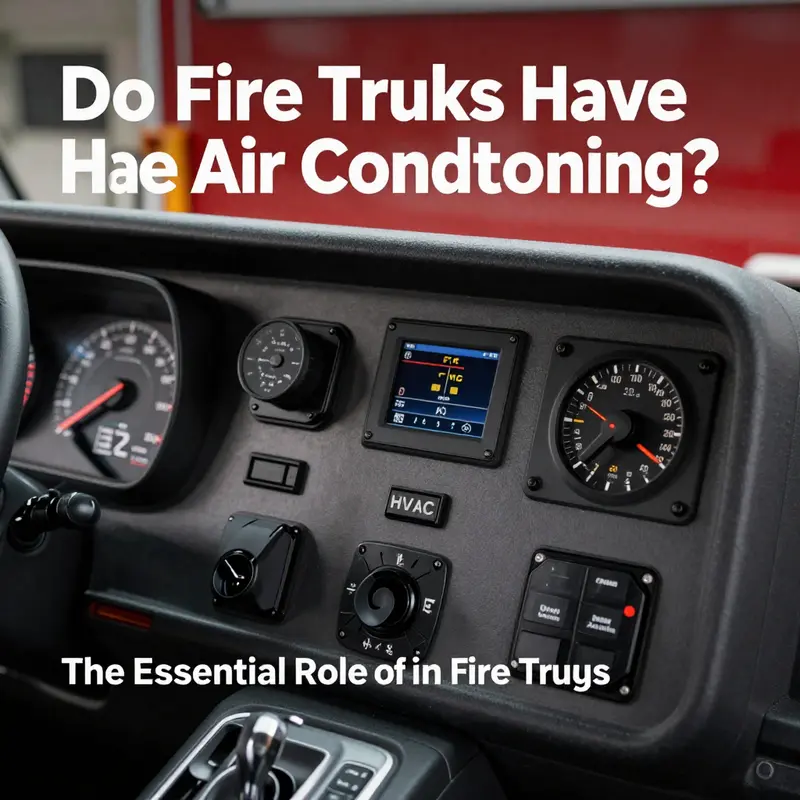
كيف يتم دمج تكييف الهواء في شاحنات الإطفاء
يعمل رجال الإطفاء في أحد أكثر البيئات تحديًا للبيولوجيا البشرية. يقودون محركات ثقيلة، وينقلون أحمالًا كبيرة من المعدات، ويستخدمون طبقات من المعدات الواقية التي تُحتجز الحرارة. هذه المزيج يرفع درجة حرارة الكاب الداخلي بسرعة، حتى عندما تكون درجات الحرارة المحيطة معتدلة. لا يوفر تكييف الهواء في شاحنات الإطفاء فقط الراحة. بل يقلل من إجهاد الحرارة، ويحافظ على اليقظة، ويدعم استجابة أكثر أمانًا وأسرع. تزداد الأجهزة الحديثة بشكل متزايد في تضمين التحكم في المناخ كميزة قياسية أو اختيارية، ولكن الطريقة التي تُبنى بها أنظمة هذه الأنظمة وتُستخدم تختلف عن السيارات العادية. يشرح هذا الفصل كيف تعمل هذه الأنظمة، والاختيارات التقنية وراءها، والتجارب التشغيلية التي توازنها الأقسام.
في المستوى الأساسي، تستخدم أنظمة تكييف الهواء في شاحنات الإطفاء نفس المبادئ الديناميكية الحرارية كما أي تكييف سيارة. يدور المبرد عبر حلقة مغلقة، ويستوعب الحرارة من هواء الكاب في المكثف ويطلقها عبر المكثف إلى الخارج. يضغط المكثف المبرد ويحرك الدورة. حيث تختلف شاحنات الإطفاء عن السيارات هو كيفية تشغيل المكثف، وكيف يتم دمج النظام في الإلكترونيات والهيكل، وكيف تم تصميمه ليظل موثوقًا في الظروف القاسية. يجب على المصممين مراعاة فترات الانتظار الطويلة، والأنظمة الكهربائية الثقيلة، والتعرض للدخان والغبار، والضرورة للحفاظ على راحة الطاقم دون التأثير على قدرة المهمة.
بشكل عام، يتم دمج المكثف والمضخة في هيكل السيارة وتعمل من المحرك الرئيسي عندما يكون يعمل. هذه المصفوفة فعالة أثناء سير الشاحنة. المكثفات المدعومة بالمحرك توفر تبريدًا كافيًا، ويمكن للمولد أن يدعم مضخات الهواء والتحكم. ومع ذلك، تُستخدم شاحنات الإطفاء عادةً لفترات طويلة مع المحرك متوقف لحفظ الوقود أو تقليل الانبعاثات والضوضاء. لصيانة التحكم في المناخ خلال تلك الفترات، يتم تزويد العديد من الشاحنات بأنظمة قوة إضافية.
وحدات الطاقة الإضافية وال générаторات الخاصة هي حل شائع. يمكن لهذه الوحدات العمل بصمت عند السرعة المنخفضة وتوفير الكهرباء أو الطاقة الميكانيكية للمكثف ومضخات HVAC. تتراوح وحدات الطاقة الإضافية من محطات توليد ديزل صغيرة إلى تحويلات مدعومة بالبطارية. بعض التصاميم تسمح للمكثف بالعمل كهربائيًا بدلاً من أن يكون ميكانيكيًا، مما يزيل الحاجة إلى حزام قيادة عندما يكون المحرك مغلقًا. هذا النهج يقلل من تآكل المحرك، ويقلل من الانتظار، ويحافظ على استقرار درجة حرارة الكاب خلال انتظارات طويلة. كما يدعم احتياجات كهربائية أخرى، مثل الإضاءة والمعدات الإلكترونية، دون إجهاد نظام الكهرباء الرئيسي للمركبة.
المتانة وال redundance ضرورية. تواجه شاحنات الإطفاء بشكل متكرر الاهتزاز الشديد والصدمات وارتفاع درجات الحرارة. يتم تركيب مكونات تكييف الهواء وحمايتها لتحمل الضغوط الناتجة عن الطرق والتشغيل. تُستخدم فلاتر أكبر وأكثر سهولة في الوصول لمواجهة الغبار والمواد المعدنية. يتم توجيه أسلاك التوصيل لتجنب الحرارة والرطوبة والاحتكاك. تحتوي العديد من الأنظمة على مكثفات قوية وأنابيب مقوى. يركز المصممون على سهولة الصيانة لأن انقطاع الخدمة قد يؤثر مباشرة على جاهزية القسم.
تم تكييف عدة تقنيات جديدة لتحسين الأداء والكفاءة في المركبات الطوارئ. التحكم في المناخ ثنائي المناطق، وهو شائع في الأسواق الأخرى، يسمح للسائق والطاقم بتعيين درجات حرارة مختلفة. هذه الميزة تساعد عندما يعود عضو طاقم من داخل حار ويحتاج إلى تبريد فوري بينما يفضل الآخرون إعدادًا أكثر اعتدالًا. مكثفات كهربائية كفوءة وتوربينات هواء ذات سرعة متغيرة تقلل من استهلاك الوقود مع توفير مناخ داخلي مستقر. تحسين العزل في الكاب يقلل من امتصاص الحرارة من الإشعاع الشمسي وحرارة المحرك، مما يقلل من الحمل على التبريد.
أنظمة إدارة المناخ الذكية أيضًا تظهر. هذه الأنظمة تستخدم أجهزة استشعار درجة الحرارة ووحدات التحكم المنطقية لتعديل الإنتاج بناءً على وجود الطاقم والظروف الخارجية. يمكنها تشغيل المكثفات وإيقافها، وضبط سرعات المروحة، وتحديد المناطق لحفظ الطاقة. عندما يتم دمجها مع التلتمتري، يمكن للمركبة البدء في التبريد قبل بداية نوبة الطاقم، أو الحفاظ على وضع الانتظار المنخفض عندما تكون المركبة متوقفة. في المركبات الهجينة أو الكهربائية تمامًا، قد يستخدم نظام HVAC الطاقة من بطاريات الدفع، مما يتطلب إدارة دقيقة للطاقة لتجنب استنزاف قدرة الدفع.
متانة و redundance ضروريتان. تواجه شاحنات الإطفاء عادة اهتزازات وصدمات وانحدارات درجات حرارة شديدة. يتم تركيب مكونات تكييف الهواء وحمايتها لتحمل التوترات على الطرق والتشغيل. تكون الفلاتر أكبر وأكثر سهولة في الوصول لمواجهة الدخان والمواد المعدنية. يتم توجيه كابلات الأسلاك لتجنب الحرارة والرطوبة والاحتكاك. تحتوي العديد من الأنظمة على مكابس قوية وأنابيب مُقوَّاة. يركز المصممون على قابلية الصيانة لأن وقت التوقف يمكن أن يؤثر مباشرة على استعداد القسم التشغيلي.
تم تبني عدة تقنيات جديدة لمركبات الطوارئ لتحسين الأداء والكفاءة. التحكم المناخي ثنائي المنطقة، وهو شائع في أسواق أخرى، يسمح للسائق والطاقم بتعيين درجات حرارة مختلفة. تساعد هذه الميزة عندما يعود عضو طاقم من داخل دافئ ويحتاج إلى تبريد فوري بينما يفضل الآخرون إعدادًا أكثر اعتدالًا. مكابس كفاءة الطاقة وأجهزة تفريغ ذات سرعة متغيرة تقلل من استهلاك الوقود مع توفير مناخ مقصورة ثابت. العزل المحسّن في المقصورات يقلل من امتصاص الحرارة من الإشعاع الشمسي وحرارة المحرك، مما يقلل من الحمل على التبريد.
أنظمة إدارة المناخ الذكية أيضًا تظهر. تعتمد هذه الأنظمة على أجهزة استشعار درجة الحرارة ومتحكمات منطقية لتعديل الإنتاج بناءً على ازدحام المقصورة وظروف خارجية. يمكنها تشغيل المكابس وإيقافها، وضبط سرعات المروحة، وتفضيل المناطق لحفظ الطاقة. عند دمجها مع التلتماتيك، يمكن للمركبة البدء في التبريد قبل بدء موظفي الفريق، أو الحفاظ على وضع الحفظ بطاقة منخفضة عندما تكون المركبة غير نشطة. في المركبات الهجينة أو الكهربائية تمامًا، قد يستخدم نظام HVAC الطاقة من بطاريات牵引، مما يتطلب إدارة دقيقة للطاقة لتجنب استنزاف القدرة التحركية.
قيود الوزن والمساحة تؤثر على خيارات أنظمة تكييف الهواء. شاحنات الإطفاء مزدحمة بمضخات وخزانات وسلالم وأقسام أدوات. قد تكون مقصورات أكثر عمقًا أو ارتفاعًا من مقصورات الشاحنات القياسية، ويجب موازنة العزل ضد حدود الحمل. غالبًا ما يوضع مكثفات في أماكن تتيح تدفق هواء مثالي وفي مواقع محمية من الأتربة والแหลرات الحرارة. تقع مكثفات التبخير داخل ممر تكييف الهواء داخل المقصورة، ولكن تخطيط المسارات والوصول للصيانة يُخطط له من البداية.
الواقع التشغيلي قد يحد من مدى برودة المقصورة. على سبيل المثال، في حريق مبنى، يمكن أن ترتفع درجات الحرارة المحيطة بالمركبة بشكل كبير. الحرارة الإشعاعية والدخان وحمولة حرارة المحرك تحدي أي نظام تبريد. يجب أن يكون نظام تكييف الهواء قادرًا على الحفاظ على ظروف قابلة للبقاء دون الاعتماد فقط على النوافذ المغلقة أو وضع إعادة التدوير. الإجراءات العملية مثل أغطية المقصورة المنعسة، والستائر الزجاجية التي تمنع الأشعة فوق البنفسجية، واستخدام الاستخدام الفعال لإعادة التدوير مقابل الهواء الطازج جميعها تساعد النظام على التعامل مع الحرارة الخارجية القصوى.
ممارسات الصيانة تؤثر مباشرة على الأداء. تحتاج الفلاتر إلى استبدال متكرر عندما تعمل المركبات في بيئات دخانية أو غبارية. تتطلب مكابس فحص دوري لفحص تآكل الأحزمة، والتسريبات، وشحن الغاز المبرد. يمكن أن تتأكسد الموصلات الكهربائية في المناخات الساحلية المالحة وتتطلب إجراءات وقائية. الفحوصات المنتظمة لمكثفات ومسافات التهوية تمنع انسداد تدفق الهواء الذي يضعف التبريد. الأقسام التي ت adopt سياسات صيانة تكييف الهواء المجدولة ترى غالبًا عمرًا أطول للنظام وأقل عدد من الأعطال في اللحظات الحاسمة.
قرارات التكلفة والشراء تلعب دورًا كبيرًا في ما إذا كانت مركبة معينة تحصل على تكييف الهواء. القيود المالية، أولويات الشراء، والمناخ الجغرافي يؤثرون على خيارات المواصفات. في مناطق دافئة، غالبًا ما تدرج الأقسام التحكم المناخي كضروري. في مناطق أكثر برودة أو على مركبات صغيرة مخصصة، قد يتم تجاهل تكييف الهواء لتوفير التكلفة أو الوزن. إعادة تجهيز المركبات القديمة ممكنة لكنها ليست سهلة. يمكن أن تتضمن إعادة التجهيز إضافة وحدة قوة إضافية، إعادة هندسة محرك المكبس، وتعديل الأنابيب. تلك إعادة التجهيز تتطلب دمجًا دقيقًا مع الأنظمة الكهربائية والتدفئة الحالية.
الفوائد البشرية لتحكم المناخ في المقصورة قابلة للقياس. تربط الدراسات درجات حرارة النواة المرتفعة بتراجع القدرات الإدراكية، وانخفاض مهارة اليد، وسرعة رد فعل أقل. بالنسبة للمُطفئين، يؤثر التأثير التراكمي لعرض متكرر للحرارة خلال فترات عمل طويلة على الإرهاق وزيادة خطر الأخطاء. يقلل تكييف الهواء من ارتفاع درجة حرارة النواة عندما يستريح الطاقم بين المهام. يساعد في الحفاظ على الترطيب عن طريق تقليل العبء الحراري على الجسم. النتيجة هي طواقم أكثر أمانًا وأقل عددًا من الحوادث الطبية المرتبطة بالحرارة.
هناك أيضًا اعتبارات بيئية و logística. تشغيل محرك لتشغيل تكييف الهواء أثناء الانتظار الطويل يزيد من استهلاك الوقود والانبعاثات. يمكن أن تقلل وحدات القوة الإضافية والحلول الكهربائية هذا التأثير، لكنها تضيف تعقيدًا وتكلفة. يجب على الأقسام تقييم الفوائد الفورية للتبريد مقابل التكاليف طويلة المدى للوقود والصيانة وتعقيد النظام الإضافي. بعض الأنظمة الجديدة مصممة لاستهلاك الوقود المنخفض، باستخدام مكابس كفوءة وتحكم ذكي يقلل من وقت التشغيل مع الحفاظ على التبريد المهم.
التكامل مع أنظمة المركبة الأخرى مهم أيضًا. يتم توصيل مراقبة درجة الحرارة عادةً بأنظمة تلماطيك المركبة، مما يسمح لمديري الأسطول بمراقبة أنماط الاستخدام والاحتياجات الصيانية. عندما تقدم وحدة إطفاء استخدامًا متكررًا للبرودة تحت ضغط عالي، يمكن لهذا البيانات أن يوجه قرارات بشأن جدولة الصيانة الوقائية أو تحديث الأنظمة. كما تساعد التلماطيك في مراقبة تشغيل وحدة الطاقة الثانوية، وحالة شحن البطارية، وأداء نظام التبريد. توفر هذه الرؤى تقليل المفاجآت وتمديد عمر التشغيل.
بالنسبة للوحدات الخاصة، قد تختلف احتياجات تكييف الهواء. تُستخدم مركبات القيادة والوحدات الطبية غالبًا ببيئة مستقرة للكهرباء والرعاية الطبية. قد تعمل وحدات الإنقاذ في المطارات والحرائق في ظروف حرارة عالية على المطارات وتحمل فرقًا أكبر. قد تفضل وحدات الإنقاذ الثقيلة أو المطابق السقفية أنظمة متعددة المناطق لمحطات السائق والطاقم. أحيانًا تتجاهل شاحنات الحريق الصغيرة أو المركبات الداعمة تكييف الهواء للحفاظ على الحمل أو تقليل التعقيد. إذا كان من الضروري التحكم في المناخ على تلك المركبات، فإن الوحدات الخفيفة ذات المحرك الكهربائي هي خيار شائع.
التدريب والسياسات يؤثر على كيفية استخدام تكييف الهواء في الميدان. يمكن أن تحد السياسات من تشغيل المحرك أو تتطلب استخدام وحدات الطاقة الثانوية حيثما تكون متاحة. تُدرّب الفرق على استخدام إعادة تدوير الهواء خلال الأحداث التي تشهد دخانًا عاليًا، وتحويلها إلى استنشاق الهواء النقي عند الضرورة، لتحقيق أداء أفضل ونوعية هواء آمنة. التعليم حول حدود أنظمة تكييف الهواء - مثل الحد الأقصى المستدام للفروقات بين درجات الحرارة الخارجية والداخلية - يمنع التوقعات غير الواقعية ويحسن راحة الطواقم في الممارسة.
أخيرًا، Looking ahead، سيؤدي التحول نحو الكهرباء المستمرة وتحسين تخزين الطاقة إلى إعادة تشكيل تصميم تكييف الهواء في المركبات الطارئة. ستقلل مضخات الضاغط الكهربائية، ووحدات البطارية ذات السعة العالية، وأنظمة إدارة درجة الحرارة المتكاملة من الاعتماد على المحركات وال générators. هذا التغيير يبشر بتشغيل أكثر هدوءًا ونظافة مع تبريد أسرع وكفاءة أفضل. ومع نضج هذه التقنيات، سيشمل المزيد من أنواع المركبات أنظمة تكييف هواء قوية وموثوقة كجزء من المواصفات الأساسية.
تشمل شاحنات الإطفاء الآن أنظمة تحكم في المناخ لأنها تهم لسلامة التشغيل. الاختيارات الهندسية وراء تلك الأنظمة تعكس توازنًا بين قوة التبريد، مصدر الطاقة، المتانة، والتكلفة. سواء كانت شاحنة معينة تمتلك تكييف هواء يعتمد على ملفها التشغيلي، والميزانية، والمناخ المحلي، ولكن الاتجاه نحو أنظمة أكثر قدرة وفعالية واضح. بالنسبة للهيئات التي تفكر في الخيارات، فهم مDrive الضاغط، خيارات الطاقة الثانوية، العزل، قابلية الصيانة، والتحكم الذكي يساعد في مطابقة القدرة مع الاحتياجات. السياسات العملية والصيانة تبقي الأنظمة تعمل في الميدان، مما يضمن أن الطواقم تبقى منتبهة وجاهزة.
لمزيد من التفاصيل حول التصميم التقني والتطبيق لأنظمة تكييف الهواء في المركبات الطارئة، انظر هذا الدليل التقني حول أنظمة تكييف الهواء في شاحنات الإطفاء: https://www.fireengineering.com/technical-features/fire-truck-air-conditioning-systems.
لرؤية أنواع مختلفة من المركبات، وكيف تقوم المصنعين بتكوين الأنظمة لمهام متنوعة، استشر فئة شاحنات الإطفاء لعرض أمثلة على المعدات: https://cimcfiretruck.com/product-category/fire-fighting-truck/.
مساحة التنفس في الكاب: هل تمتلك شاحنات الإطفاء تكييف هواء؟ ولماذا يهم التبريد صحة وإنتاجية الإطفائيين.
رؤية شاحنة الإطفاء التي تتحرك نحو الحادثة هي صورة جذابة تعكس العجلة والهدف، ولكن الواقع الهادئ داخل الكاب مهم بنفس القدر من الصوت الخارجى. يركب الإطفائيون إلى الخطر يرتدون ملابس مقاومة للحريق، خوذة واقية، قفازات، خوذة، وجهاز تنفس—مجموعة يمكن أن تحول حتى رحلة قصيرة إلى تمارين في إدارة الحرارة والانضباط العقلي. في هذا السياق، تسأل عن ما إذا كانت شاحنة الإطفاء لديها تكييف هواء أكثر من مسألة راحة؛ بل تقع في تقاطع الاستعداد التشغيلي، صحة الطواقم، وفلسفة تصميم معدات الإطفاء الحديثة. الجواب ليس بسيطًا نعم أو لا، لأن الظروف تختلف حسب العصر، المنطقة، الميزانية، وملف المهمة. ومع ذلك، هناك سمة مشتركة تمتد عبر العقود: التبريد مهم، ويمكن أن يؤثر على أداء الطواقم عندما يأتي الطلب.
في نطاق واسع من تاريخ خدمة الإطفاء، كان بيئة الكاب دائمًا توازنًا. من جانب واحد هو الحاجة إلى متانة قوية، وسرعة في التوصيل، وقدرة على حمل معدات ثقيلة بثقة. من الجانب الآخر هو الضرورة لحماية صحة الطواقم، وتقليل إجهاد الحرارة، وحفظ قدرة اتخاذ القرار في الدقائق العصيبة قبل، أثناء، وبعد الحادث. تكييف الهواء—عندما يكون ميزة قياسية أو ترقية اختيارية—يدخل في هذا التوازن كوسيلة لتخفيف عبء الحرارة وصيانة اليقظة. لكن تطبيق التحكم في المناخ في معدات الإطفاء ليس عامًا، وهناك اعتبارات عملية تشكل وجوده أو غيابه. هذه الاعتبارات ليست مجرد تفاصيل فنية؛ بل تعكس فلسفة حول ما يعتبر ضروريًا لمركبة مصممة للرد الفوري، وحمل أحمال ثقيلة، وتشغيل في مجموعة متنوعة من الظروف البيئية.
تبدأ قرارات التصميم المتعلقة بتحكم المناخ بواقعيات بسيطة ولكن صعبة لمهام الشاحنة. يجب أن تكون معدات الإطفاء متينة وموثوقة وقادرة على مواجهة أصعب البيئات. إضافة نظام تكييف هواء يضيف مكونات إضافية—مضخات، مكثفات، خطوط مبردة، مراوح، أنابيب توزيع، مستشعرات درجة الحرارة، وأجهزة تحكم. كل مكون يضيف وزن، مما يؤثر بدوره على تسارع، فرملة، استقرار، وكفاءة الوقود. في حالات الطوارئ ذات الأهمية القصوى، حيث تهم كل جزء من الثانية، حتى التغييرات الصغيرة في التعامل أو استهلاك الطاقة يمكن أن تؤثر على النتيجة. الوزن ليس مجرد رقم على ورقة المواصفات؛ بل يتحول إلى قدرة احتياطية أقل، مسافات فرملة أطول، أو سلوك ديناميكي مختلف عند حركة المركبة عبر المرور أو التنقل في الشوارع الضيقة. الحمل الكهربائي المطلوب لتشغيل نظام HVAC هو عامل آخر حاسم. تطالب شاحنات الإطفاء بالكثير من أنظمة كهربائية وإلكترونية: مضخات، إضاءة، راديو، معدات السلامة في الموقع، ومسارات شحن لملابس PPE والمستشعرات. نظام HVAC، خاصة إذا اعتمد على مضخة كهربائية أو محرك، يتنافس على نفس الموارد. في أسوأ سيناريو، قد يصبح نظام التبريد نقطة ضعف إذا زادت متطلبات الطاقة خلال العمليات الحاسمة أو إذا انخفضت قدرة المحرك بشكل كبير.
صفحة تتعلق بـ: "تكييف الهواء في شاحنات الإطفاء جزء حيوي يعزز العمليات…" | "تبريد الخطوط الأمامية: كيف يؤثر تكييف الهواء على راحة وسلامة إطفائيين…" | "الحرارة ليست مجرد مفهوم للإطفائيين؛ بل هي قوة مستمرة وواضحة …".
الكلمات المتكررة على هذه الصفحة: the, in, and, re, on, at, er, co, en, es.
قم بترجمة هذه المصطلحات بشكل متسق طوال الوقت.
اكتب الترجمة باللغة العربية. احتفظ بالتنسيق HTML/الروابط. كل سطر واحد.
خارج البعد البشري، وجهة نظر الهندسة حول التحكم في المناخ تؤكد على الموثوقية والصيانة. نظام تكييف الهواء يضيف أجزاء متحركة أكثر ونقاط فشل محتملة. في بيئة شديدة مثل موقع الحريق - الغبار، الاهتزاز، الحرارة، التعرض للماء - يجب أن تتحمل الأنظمة الظروف القاسية وتستمر في العمل عندما تحتاج إليها. يجب أن تأخذ جداول الصيانة في الاعتبار سلامة المبردات، والوصلات الكهربائية، ومقاومة التآكل في عملية توازن يجب أن تتعامل بها الأقسام بالإضافة إلى اختبارات مضخة ومراقبة المعدات. عندما يفشل نظام التبريد، قد يعتمد الطواقم ما زال على السيارة للنقل، ولكن غياب استقرار التبريد يمكن أن يضعف الثقة خلال عمليات طويلة أو في حالات تتطلب إجراءات ثانية أو ثالثة تتطلب لوجستيات ممتدة. إذًا، تصبح الفلسفة التشغيلية واحدة من التوازن: الاستثمار في التحكم في المناخ حيث يكون العائد على السلامة والأداء أكبر، مع ضمان أن أي حل تبريد لا يعوق الواجب الأساسي للرد السريع والموثوق.
community safety
يظهر صورة معقدة عندما ننظر إلى الممارسة الواقعية والاتجاهات الموثقة. في بعض الأقسام الحضرية التي تخطط لرأس المال بوعي مناخى، أصبحت عربات التحكم في المناخ علامة مميزة لأحدث المعدات - أو على الأقل أحد أكثر المؤشرات وضوحًا للتحديث في داخل الشاحنة. في هذه البيئات، لا يرتبط التحكم في المناخ فقط بالراحة، بل بالحفاظ على قدرة الطاقم على البقاء مركزًا ومرتبطًا عبر دورات عمل طويلة، واستجابات متعددة الوحدات، وجدول فترات حرارة عالية. يصبح جزءًا من استراتيجية أوسع تجمع بين تنظيم درجة الحرارة مع التخطيط للترطيب، واستراتيجيات تبريد معدات الوقاية الشخصية، وبروتوكولات التعافي بعد الحوادث. في المقابل، تعتمد بعض المناطق الأخرى على التكوين التقليدي، حيث يكون التبريد محدودًا أو غائبًا في المقعد، مع تحسينات غالبًا محدودة إلى Measures دفاعية مثل زيادة التهوية، أو الواجهات الداخلية المنعكسة، أو استخدام الهواء الدوار داخل المقعد أثناء فترات الانتظار. الفرق بين هذين النهجين ليس فقط عن المال؛ بل يعكس أيضًا تفضيلات مختلفة للاحتياجات الفورية، وتحمل المخاطر، والتوقعات حول مدى تكرار وقت الطواقم في المقعد مقارنة بأداء المهام في الميدان.

