
















Air conditioning in fire trucks is a critical aspect that enhances the operational efficiency and comfort of firefighters. In high-stress environments, where every second counts, maintaining a stable and comfortable climate within the truck can help reduce the risk of heat stress and fatigue. This article delves into the various facets of air conditioning in fire trucks. The first chapter discusses the role of air conditioning in providing protection and comfort for firefighters, particularly in extreme weather conditions. The second chapter explores the mechanisms and technology behind these systems, shedding light on how modern fire trucks are designed with advanced HVAC systems. Finally, the last chapter examines the impact of air conditioning on firefighter health and performance, underscoring the importance of a comfortable working environment in maintaining peak operational capabilities.
Cooling the Front Lines: How Air Conditioning Shapes Firefighting Comfort, Safety, and Readiness
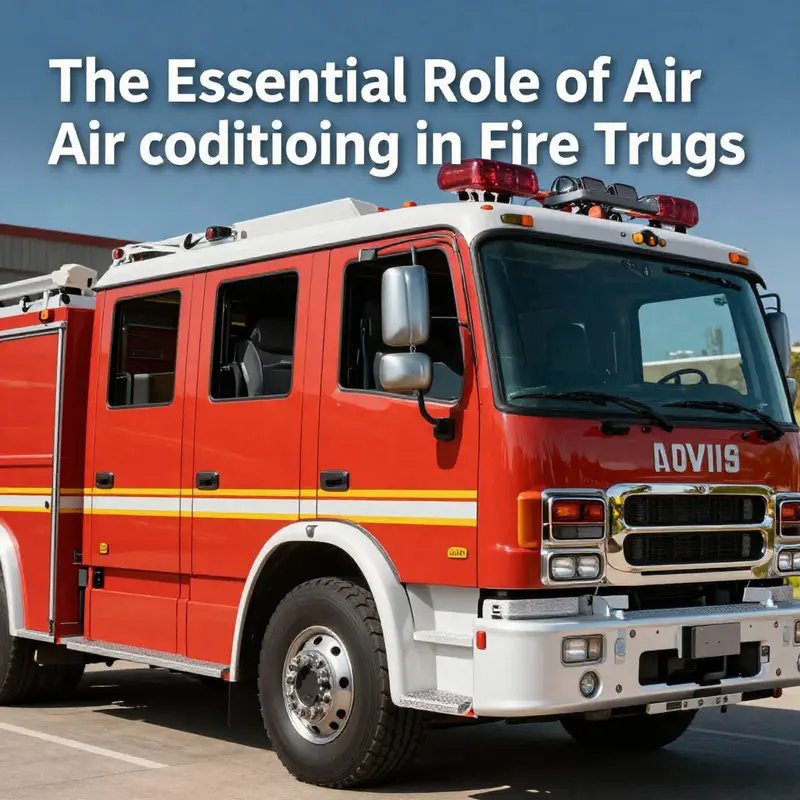
Heat is not an abstraction for firefighters; it is a relentless, tangible force that rides in with every call and lingers in the cab long after the sirens fade. The fire truck cab is a sealed, climate-controlled arena that simultaneously shelters crews from raw sun and yet thrusts them into a furnace of engine heat, radiant metal, and the heavy, insulating layers of turnout gear. In this space, where minutes can feel like hours and a routine response can hinge on sustained attention, the presence of air conditioning is not a luxury but a practical foundation for performance. The ignition of an emergency scene is preceded by a longer, quieter form of effort: gripping hot air in, managing hydration, stabilizing nerves, and maintaining a steady cognitive tempo while waiting for the moment to act. It is within this frame that climate control becomes a variable as consequential as pump pressure or ladder reach. When the interior climbs toward stifling temperatures, every reaction time slows, every decision becomes just a fraction harder, and fatigue—like a hidden weight—begins to compress the lungs and cloud the judgment. The modern city fleet recognizes that the physics of heat inside a vehicle is not abstract theory; it is a practical constraint on human and machine performance alike. And so, the presence of an air conditioning system in fire apparatus emerges as a multi-layered strategic gain: it protects people, preserves equipment, and optimizes workflows in ways that extend beyond mere comfort. The value of cooling begins with health, a baseline consideration that becomes more critical as the work shifts lengthen and the climate grows more unpredictable. A firefighter in full turnout, pressed into a long, active response by a stubborn front, can lose critical fluids and misread body signals when heat forces the body to operate outside its safe envelope. Heat stress, dehydration, and the deterioration of thermoregulation are not distant specters; they are immediate risks that can escalate alongside the hazard at the scene. By maintaining a stable internal environment, AC systems reduce the physiological load on the crew, allowing a steady cadence of movement, precise tool handling, and resilient communication under pressure. The cabs of today’s fire apparatus are designed with these realities in mind, not as a cosmetic feature but as an integrated element of mission readiness. The cooling system does more than cool skin; it cools the circuits that drive radios, thermal cameras, GPS, and a host of digital interfaces that command a coordinated response. When electronics overheat, misreads can cascade into delays or miscommunication, especially in the high-stakes dance of incident scene management where every second counts. The climate-controlled interior helps to shield this sensitive equipment from thermal drift and to preserve the readability of alarms, maps, and scene notes that crews rely on to orient themselves amid smoke, glare, and confusion. The practical logic here is straightforward: if the operator can stay hydrated, focused, and physically steady, the vehicle and its systems stay healthier, and the team can sustain a higher level of vigilance over the course of an extended incident. In this sense, air conditioning becomes part of a broader crew-care strategy that acknowledges the body as the first instrument of a safe and effective response. The human component is inseparable from the device that carries it. The protective gear that firefighters wear—helmet, hood, turnout coat, gloves, boots—adds substantial thermal burden. Each layer traps heat and impedes heat dissipation, turning the body into a heat trap even at modest ambient temperatures. Add direct sun on a metal body, radiant heat from a fire, and an extended waiting period in standby, and the challenge compounds. In a climate where a cab can easily exceed the discomfort threshold during a ten- or twelve-hour shift, the ability to intermittently cool the interior without wrestling against the engine’s rhythm is a pivotal operational advantage. The thermal management system becomes a stopper and a start for the team’s effectiveness: it stops the involuntary escalation of body temperature and then, at the moment of action, it starts a more nimble, responsive state in which crew members can pivot quickly from waiting to active work without sacrificing safety or accuracy. The benefits extend into the realm of hydration, a simple but powerful predictor of performance. When the cabin temperature remains controlled, crews are more likely to maintain a steady fluid intake, preserve electrolyte balance, and avoid the cognitive dips that accompany dehydration. This isn’t only about comfort; it is about sustaining the decision-making faculties that keep a team from misjudging a threat, underestimating a hazard, or failing to recognize warning signs that a situation is deteriorating. The cooling system also supports morale and endurance, two intangible but crucial assets during long calls or multi-household incidents. In hotter climates, where the day’s heat can ascend quickly and the body’s natural cooling may be overwhelmed by PPE, the cabin’s microclimate becomes a quiet ally. The air behind the wheel becomes a shield that reduces the interval between fatigue and reaction time, a measurable difference in the cadence of a crew’s actions and the likelihood of missteps when time is tight and stakes are high. The practical, day-to-day benefit of AC is thus not merely comfort; it is reliability under pressure, and reliability under pressure is the bedrock of a well-coordinated response. The cooling system’s orchestration with the vehicle’s powertrain, electrical system, and energy management strategy is another layer of sophistication that has grown more important as departments adapt to longer operations and more complex missions. When the engine is running, the primary source of cooling is straightforward: the alternator and power demands share energy with the HVAC system. But many departments also recognize the value of independent cooling, especially during periods of idling in a staging area or when crews are waiting for an assignment. This is where auxiliary power units or dedicated vehicle-mounted climate control systems come into play. They provide climate stability without requiring the engine to run at higher loads, a design choice that conserves fuel and minimizes wear while the vehicle remains in position. The operational nuance here—cooling while idling, cooling while the engine is off—reflects a broader understanding of mission pacing. In some high-temperature regions, where calls can stack and the wait for a response can be lengthy, maintaining a cool interior is not a luxury but a practice that helps ensure that firefighters remain effective through the entire cycle of a call, from the first moment to the last. The internal environment thus interacts with external strategy in a layered way. Climate control becomes a force multiplier that helps crews handle the most demanding operational phases: the initial assessment, the setup of incident command or sector diverging tasks, and the long arc of an unfolding incident where a crew might be stationed at the scene for an extended window of time. When the interior remains comfortable, a crew can keep the focus on water supply, ladder placement, ventilation tactics, and the swift transition between roles as the incident evolves. In that sense, the cab’s climate is part of the tactical fabric, supporting both decision-making and physical execution. It is also worth noting how climate control intersects with maintenance and reliability. The HVAC system is not a stand-alone feature; it is integrated into the life cycle of the apparatus. Regular servicing of seals, ducts, filters, and refrigerant lines ensures that the system delivers consistent performance when it is needed most. Proper maintenance reduces the risk of system failure during a critical moment, preventing a situation where the crew faces a loss of cooling at precisely the moment when heat and PPE crest toward unsafe levels. Consider that a climate control system is a complex chain: it depends on the integrity of the cab’s insulation, the efficiency of the compressor and condenser in the engine bay, and the reliability of the electrical feed and controls that orchestrate fan speeds and air distribution. When any link in this chain weakens, the consequences can ripple across readiness, comfort, and safety. The synergy between climate control and equipment durability is thus not a peripheral concern; it is central to how a modern fire department manages risk and sustains performance. The historical arc of fire apparatus design has moved toward integrating climate control with a broader emphasis on crew health and operational endurance. As climate patterns shift and cities confront more intense heat events, the rationale for climate-controlled cabs grows stronger. The field has seen departments in hot climates adopt climate-controlled interiors as a standard feature on newer apparatus and as a consideration in fleet modernization programs. The rationale is simple and compelling: a cooler interior reduces heat stress, supports cognitive function, protects electronics, and contributes to a faster, steadier, more coordinated response. Beyond the immediate heat management, these systems reflect a larger trend—the recognition that the conditions inside a fire truck are itself a factor of public safety. When crews operate under optimal environmental conditions, they are not only more comfortable; they are sharper, healthier, and more able to translate training into precise action under pressure. As a narrative, this is not about a single improvement or a single model but about a shift in how fire departments design and think about the working environment of their people. It is a shift that acknowledges the centrality of climate control to human performance and to mission readiness. This broader perspective helps explain why climate-controlled cabs are becoming more common, particularly in areas where heat is a persistent challenge. It also clarifies why departments are investing in solutions that let cooling continue under a variety of conditions—whether the engine is running, whether the vehicle is idling, or whether standby time requires a period of quiet cooling before the next engagement. In a world where heat is an operational variable with tangible effects on performance, climate control becomes a practical, non-negotiable element of a smart, resilient fire service. For readers who want to explore the practical, day-to-day aspects of how these systems come together, a good starting point is to consider how maintenance, procurement, and design considerations intersect with a department’s climate strategy. Maintenance teams rely on components that are durable yet serviceable, and the quality of these components matters because reliability matters when seconds count. The maintenance ecosystem includes seals that prevent leaks, ducts that deliver consistent airflow, filters that keep air clean, and compressors that provide reliable cooling. Each piece of that ecosystem depends on a robust supply chain and access to parts that are as resilient as the crews they serve. In this sense, the inner life of a climate-control system—its parts, its seals, its electrical feeds—becomes as critical to readiness as the wheels and the hydraulics. It also underscores the importance of proactive planning in fleet management. Departments that anticipate demand for longer operations in hot climates will often structure their climate-control strategy around modular cooling capacities, backup power options, and clear maintenance routines. They will also recognize the value of ensuring spare parts accessibility at stations and during deployment rotations, and they will plan for expedited service when a climate-control component shows signs of wear. This forward-looking approach helps prevent the disruption of cooling during important responses and supports a more predictable performance profile across a crew’s schedule. The human story remains central. When a firefighter slides behind the wheel, sits in the captain’s seat, and studies a map while the climate hums quietly in the background, the scene embodies a careful balance between human capability and mechanical support. The presence of climate control acknowledges that the body’s need for temperature regulation is fundamental, not ancillary. It acknowledges that hydration and rest are not optional extras but part of the disciplined routine that keeps a crew at its best. And it reinforces the idea that an efficient, well-maintained climate system is a visible sign of a department’s commitment to safety and effectiveness. In the end, the question do fire trucks have air conditioning is not merely about a feature list. It is about a philosophy of preparation, where climate control is understood as essential infrastructure that sustains human performance, protects sensitive equipment, and keeps the cadence of an emergency response smooth and dependable. It is about recognizing that comfort and safety in a high-stakes environment are inseparable, and that when crews stay cool, they stay capable. As cities and departments continue to evolve in response to climate realities, the cabin climate will remain a quiet but relentless measure of readiness, a practical safeguard that helps firefighters do what they do best: show up prepared to meet the moment and, when the moment arrives, perform with clarity, control, and confidence. For practitioners and observers alike, the evolution of fire truck climate control is a tangible reminder that the tools of protection extend beyond hoses, ladders, and PPE. They include the space in which professionals think, plan, and act under pressure. The cab is more than a vehicle compartment; it is a microenvironment designed to sustain human judgment and physical stamina through the final mile of every rescue, every casualty extrication, and every critical decision that protects a community. In this light, climate control is not an add-on but a core component of an adaptive, resilient, and responsible fire service. And as climate patterns intensify, the case for climate-controlled interiors only strengthens, ensuring that the front lines remain cool under fire—physically, technically, and operationally. Where the conversation goes next, in the chapters that follow, is toward the details of how departments implement these systems, how they balance power and efficiency, and how ongoing maintenance and future innovations will shape the way crews experience the cabin under pressure. The thread connecting all of these considerations is simple: air conditioning in fire trucks is a practical instrument of safety, performance, and human dignity on the fire line. It is one of the quiet enablers of decisive action when every second and every beat of attention matters. To learn more about how climate-control design intersects with the broader engineering and procurement challenges of emergency vehicles, readers can explore industry discussions and case studies that discuss the practicalities of climate systems in the context of fire apparatus. For a deeper dive into the broader design implications and case studies, see the external resource linked below. And for ongoing, field-level inspiration and practical maintenance guidance, one can explore the internal resource that discusses the components and parts that keep these systems reliable in the harsh realities of daily duty. Maintenance and readiness are the twin pillars that uphold the promise of climate-controlled cabs, and they require ongoing attention, discipline, and investment to ensure that the front lines stay cool when the heat is on. The conversation about air conditioning in fire trucks is not finished; it is an evolving narrative about how modern emergency services translate human needs into durable, effective, and dependable gear for those who stand between danger and the communities they protect. For further reading on this topic, see the external resource on climate control in fire apparatus and how it shapes safety and performance: https://www.fireengineering.com/air-conditioning-in-fire-apparatus/ The practical takeaway is clear: climate control is a vital element of readiness, a guarantee that the crew’s most important tool—their own health and focus—remains uncompromised when the stakes are highest. In the end, the question answered is not simply whether fire trucks have air conditioning. It is how the presence of that cooling capability transforms a hazardous environment into a space where trained professionals can exercise judgment, speed, and precision with confidence. The cab’s climate, therefore, stands as a quiet but essential partner to every firefighter’s skill and every department’s duty to serve. Within this understanding, the internal ecosystem of cables, compressors, ducts, filters, and seals becomes a shared responsibility—one that transcends the vehicle and speaks to the value placed on crew welfare, incident readiness, and the ongoing commitment to protect life and property under conditions that demand the most from those who respond. The narrative of climate control on the fire line is, at its heart, a story of human-centered engineering: systems designed not only to endure heat but to preserve the human ability to act, to decide, and to lead in the moments when the world depends on the courage and competence of those inside the cab. The chapter ends, then, not with a final verdict on a single feature but with a recognition of climate control as a core capability—one that embodies care for the people who guard the public and the equipment that makes their mission possible. The dialogue continues in the chapters that follow, where we will examine the design choices, the maintenance practices, the energy strategies, and the evolving standards that shape how climate control is integrated into the next generation of fire apparatus. The thread remains constant: a cooler interior equates to sharper minds, steadier hands, and a more capable team prepared to respond when heat becomes a test of proficiency and resolve. Internal link for further context and resources: phụ tùng xe cứu hỏa. External resource for broader industry perspectives: https://www.fireengineering.com/air-conditioning-in-fire-apparatus/
Keeping the Cab Cool: How Fire Truck Air Conditioning Works and Why It Matters
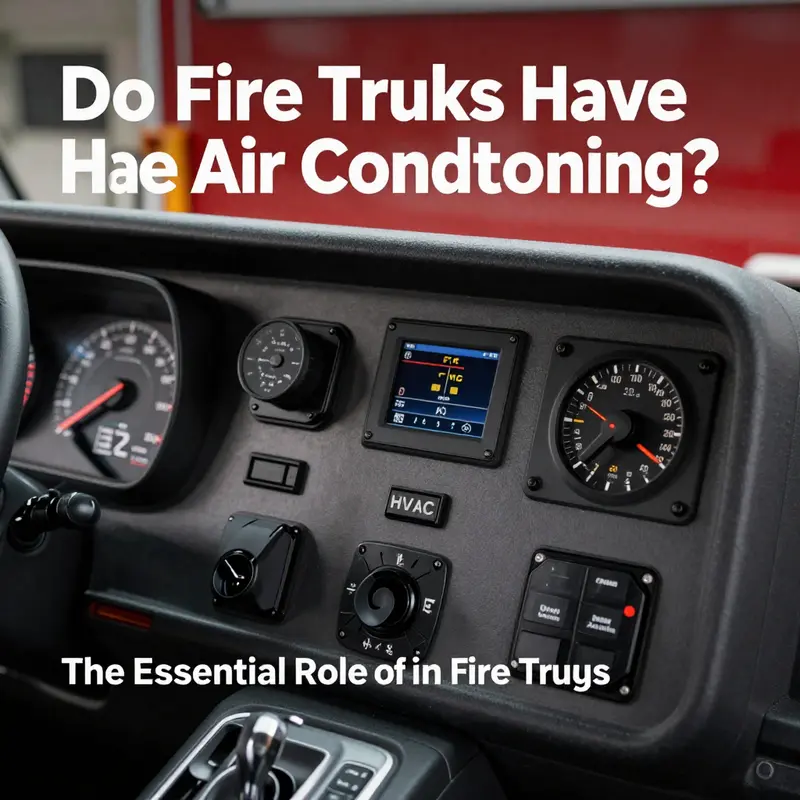
How air conditioning is integrated into fire trucks
Firefighters work in one of the most demanding environments for human physiology. They operate heavy engines, carry large loads of equipment, and wear layers of protective gear that trap heat. That combination raises internal cab temperatures quickly, even when ambient temperatures are moderate. Air conditioning on fire trucks does more than provide comfort. It reduces heat stress, preserves alertness, and supports safer, faster response. Modern apparatus increasingly include climate control as a standard or optional feature, but the way the systems are built and used differs from passenger vehicles. This chapter explains how those systems work, the technical choices behind them, and the operational trade-offs that departments balance.
At the most basic level, a fire truck’s air conditioning system uses the same thermodynamic principles as any vehicle AC. Refrigerant circulates through a closed loop, absorbing heat from cabin air at the evaporator and releasing it through the condenser to the outside. A compressor pressurizes the refrigerant and drives the cycle. Where fire trucks diverge from cars is in how the compressor is powered, how the system is integrated into vehicle electronics and bodywork, and how it is engineered to remain reliable in extreme conditions. Designers must account for long idle times, heavy electrical loads, smoke and soot exposure, and the need to keep crew comfort without compromising mission capability.
Most commonly, the compressor and blower are integrated into the vehicle chassis and run off the main engine when it is running. That arrangement is efficient while the truck is underway. Engine-driven compressors supply ample cooling, and the alternator can support blowers and controls. However, fire apparatus frequently operate for extended periods while stationary. Crews may remain at a scene, in quarters, or at an incident staging area with the engine off to save fuel or reduce emissions and noise. To maintain climate control during those times, many apparatus are fitted with auxiliary power systems.
Auxiliary power units and dedicated generators are a common solution. These units can run quietly at idle and provide electricity or mechanical power for the compressor and HVAC blowers. APUs range from compact diesel generators to battery-backed inverters. Some designs allow the compressor to run electrically rather than mechanically, removing the need for a belt drive when the engine is shut down. This approach limits engine wear, reduces idling, and keeps the cab climate stable during long waits. It also supports other electrical needs, like lighting and electronic equipment, without overtaxing the vehicle’s primary electrical system.
Robustness and redundancy are essential. Fire trucks routinely face severe vibration, shock, and temperature swings. AC components are mounted and protected to withstand road and operational stresses. Filters are larger and more accessible to cope with soot and particulate matter. Wiring harnesses are routed to avoid heat, moisture, and abrasion. Many systems include heavy-duty compressors and reinforced hoses. Designers focus on serviceability because downtime can directly reduce a department’s operational readiness.
Several newer technologies have been adapted for emergency vehicles to improve performance and efficiency. Dual-zone climate control, common in other markets, lets a driver and crew set different temperatures. That feature helps when a crew member returns from a hot interior and needs immediate cooling while others prefer a milder setting. Energy-efficient compressors and variable-speed blowers reduce fuel use while providing consistent cabin climate. Improved insulation in cabs reduces thermal gain from solar radiation and engine heat, lowering the cooling load.
Smart climate management systems are also emerging. These systems use temperature sensors and logic controllers to adjust output based on cabin occupancy and external conditions. They can cycle compressors on and off, adjust fan speeds, and prioritize zones to conserve power. When integrated with telemetry, a vehicle can begin pre-cooling before the crew begins a shift, or maintain a low-power hold mode when the apparatus is idle. In hybrid or all-electric vehicles, the HVAC system may draw from traction batteries, requiring careful energy management to avoid depleting drive capacity.
Weight and space constraints influence HVAC choices. Fire apparatus are densely packed with pumps, tanks, ladders, and tool compartments. Cabs may be deeper or taller than standard truck cabins, and insulation must be balanced against payload limits. Designers often position condensers where airflow is optimal and where they are protected from debris and heat sources. Evaporators sit in the HVAC plenum within the cab, but routing and access for service are planned from the start.
Operational realities sometimes limit how cold a cab can be kept. At a structure fire, for example, ambient temperatures near the apparatus can rise dramatically. Radiant heat, smoke, and the engine’s heat load challenge any cooling system. The HVAC system must be capable of maintaining survivable conditions without relying solely on closed windows or recirculation modes. Practical measures such as reflective cab covers, window tints that block infrared, and strategic use of recirculation versus fresh air modes all help the system cope with extreme external heat.
Maintenance practices directly affect performance. Filters need frequent replacement when apparatus operate in smoky or dusty environments. Compressors require periodic inspection for belt wear, leaks, and refrigerant charge. Electrical connectors can corrode in salty coastal climates and require protective measures. Regular checks of condensers and clearances prevent airflow restrictions that degrade cooling. Departments that adopt scheduled HVAC maintenance often see extended system life and fewer failures at critical moments.
Cost and procurement decisions play a large role in whether a particular truck receives AC. Budget limitations, procurement priorities, and geographic climate influence specification choices. In hot climates, departments often list climate control as essential. In milder climates or on specialized small apparatus, HVAC may be omitted to save cost or weight. Retrofitting older vehicles is possible but not trivial. Retrofits can involve adding an APU, re-engineering the compressor drive, and modifying ducting. Those retrofits require careful integration with existing electrical and cooling systems.
The human benefits of cabin climate control are measurable. Studies link elevated core temperatures with cognitive decline, reduced manual dexterity, and slower reaction times. For firefighters, the cumulative effect of repeated heat exposure during long shifts can lead to fatigue and increased risk of mistakes. AC reduces core temperature rebound when crews rest between calls. It helps preserve hydration by lowering the thermal load on the body. The result is safer crews and fewer heat-related medical incidents.
There are also environmental and logistical considerations. Running an engine to power AC during long idles increases fuel burn and emissions. APUs and electric solutions can reduce this impact, but they add complexity and cost. Departments must weigh the immediate benefits of cooling against the long-term costs of fuel, maintenance, and added system complexity. Some newer systems are optimized for low fuel burn, using high-efficiency compressors and smart controls that minimize runtime while preserving important cooling.
Integration with other vehicle systems matters too. HVAC controls are often tied into vehicle telematics, allowing fleet managers to monitor usage patterns and maintenance needs. When an apparatus reports frequent high-load cooling usage, that data can guide decisions on scheduling preventive maintenance or upgrading systems. Telematics also help monitor APU runtime, battery state of charge, and refrigerant system performance. Those insights reduce surprises and extend operational life.
For specialized apparatus, HVAC needs can differ. Command vehicles and medical units often require stable environments for electronics and patient care. Airport rescue and firefighting units may operate in high-temperature tarmac conditions and carry larger crews. Heavy rescue or ladder units might prioritize multi-zone systems for both driver and crew cabs. Small brush trucks or support vehicles sometimes forgo AC to maintain payload or reduce complexity. If climate control is necessary on those vehicles, lightweight, electric-driven units are a common choice.
Training and policies affect how AC is used in the field. Policies can limit engine idling or require use of APUs where available. Crews trained to use recirculation during high-smoke events, and to switch to fresh-air intake when appropriate, get better performance and safer air quality. Education about HVAC system limits—like maximum sustainable deltas between outside and inside temperatures—prevents unrealistic expectations and improves crew comfort in practice.
Finally, looking ahead, continued electrification and improved energy storage will reshape HVAC design on emergency vehicles. Electric compressors, higher-capacity battery packs, and integrated vehicle thermal management systems will reduce reliance on engines and generators. That change promises quieter, cleaner operation with faster pre-cooling and better efficiency. As those technologies mature, more types of apparatus will feature robust, reliable air conditioning as part of the baseline specification.
Fire trucks increasingly include climate control because it matters for operational safety. The engineering choices behind those systems reflect a balance between cooling power, energy source, durability, and cost. Whether a particular truck has AC depends on mission profile, budget, and local climate, but the trend toward more capable and efficient systems is clear. For departments considering options, understanding compressor drives, auxiliary power choices, insulation, serviceability, and smart controls helps match capability to needs. Practical policies and maintenance keep systems performing in the field, ensuring crews remain alert and ready.
For more detail on the technical design and implementation of HVAC systems in emergency vehicles, see this technical guide on fire truck air conditioning systems: https://www.fireengineering.com/technical-features/fire-truck-air-conditioning-systems
For a look at different apparatus types, and how manufacturers configure systems for varied missions, consult the fire-fighting truck category for equipment examples: https://cimcfiretruck.com/product-category/fire-fighting-truck/
Breathing Space in the Cab: Do Fire Trucks Have Air Conditioning, and Why Cooling Matters for Firefighter Health and Performance
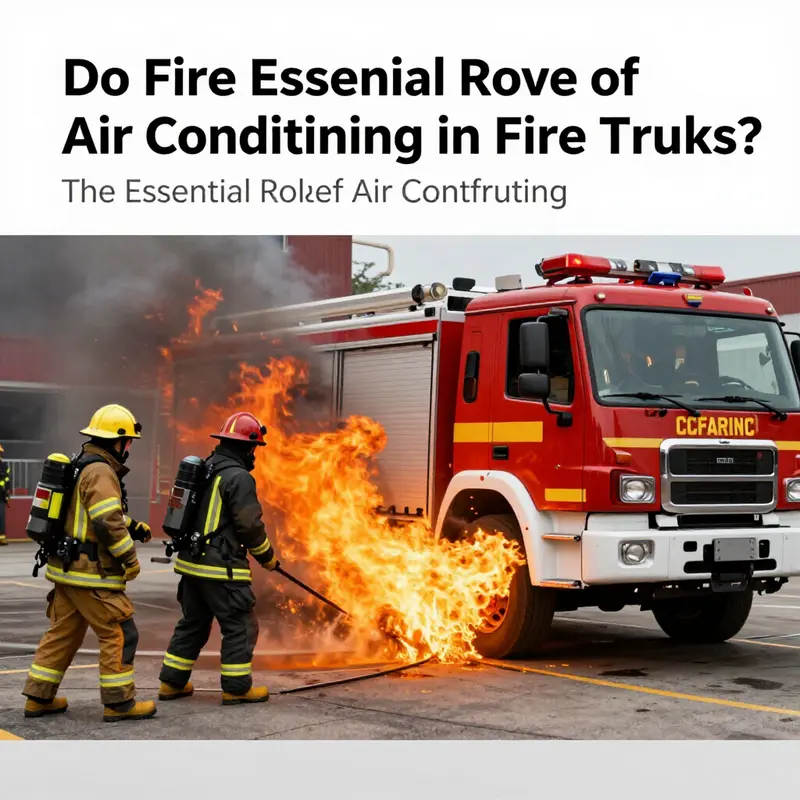
The sight of a fire engine rolling to a call is a compelling image of urgency and purpose, but the quiet realities inside the cab matter just as much as the siren outside. Firefighters ride into danger wearing bulky turnout gear, protective hood, gloves, helmet, and breathing apparatus—an ensemble that can turn even a short ride into an exercise in heat management and cognitive discipline. In that sense, the question of whether a fire truck has air conditioning is more than a comfort concern; it sits at the intersection of operating readiness, crew health, and the evolving design philosophy of modern fire apparatus. The answer is not a simple yes or no, because conditions vary by era, region, budget, and mission profile. Yet a consistent thread runs through the decades: cooling matters, and the way a truck manages cabin climate can influence how well a crew performs when the call comes in.
In the broad span of fire service history, the cab environment has always been a balancing act. On one side is the need for rugged durability, rapid deployment, and the ability to carry heavy equipment with confidence. On the other is the imperative to safeguard crew health, minimize heat strain, and preserve decision-making abilities in the tense minutes before, during, and after an incident. Air conditioning—when it exists as a standard feature or an optional upgrade—enters into that balancing act as a way to moderate heat load and maintain crew alertness. But the application of climate control in fire apparatus is not universal, and several practical considerations shape its presence or absence. These considerations are not merely technical details; they reflect a philosophy about what counts as essential for a vehicle designed to respond instantly, carry heavy payloads, and operate in a wide range of environmental conditions.
Design decisions around climate control begin with the simple but stubborn realities of the truck’s mission. Fire apparatus must be rugged, reliable, and capable of taking on the hardest environments. Adding an air conditioning system introduces additional components—compressors, condensers, refrigerant lines, fans, ductwork, temperature sensors, and control modules. Each component adds weight, which in turn affects acceleration, braking, stability, and fuel efficiency. In high-stakes emergencies, where every fraction of a second matters, even small changes in handling or power consumption can influence the outcome. Weight is not just a number on a spec sheet; it translates into less reserve capacity, longer braking distances, or altered dynamic behavior when the rig maneuvers through traffic or navigates tight urban streets. The electrical load required to run an HVAC system is another critical factor. Fire engines already demand a great deal from electrical and electronic systems: pumps, lighting, radios, scene safety equipment, and charging pathways for PPE and sensors. An HVAC system, especially if it relies on an electric or engine-driven compressor, competes for those same resources. In the worst-case scenario, a cooling system could become a point of vulnerability if the electrical demand spikes during critical operations or if the engine’s power share is stretched thin.
Weight and power considerations are not the only constraints. The climate that a department serves and the typical duration of its missions can influence how urgently climate control is pursued. In hot, sun-drenched environments and urban heat islands, interior cab temperatures can rise quickly during long waits on-scene, while crews prepare to re-enter burning structures or manage a multi-phase incident. In such settings, climate-controlled cabs can make a tangible difference in comfort and stamina. Conversely, in regions with more temperate climates or during shorter response windows, the perceived value of constant cooling in the cab may be reduced, particularly if the trucks are older and built with fewer mod-cons. As a result, some departments have prioritized other cooling strategies—ventilation fans, strategic cab design to maximize airflow, or pre-cooling procedures during multi-unit responses—rather than committing to a full HVAC install on every chassis.
What complicates the picture is the evolving understanding of heat strain in firefighting. Research and field observations show that even short exposures to elevated ambient temperatures, combined with the heat generated by PPE and self-contained breathing apparatus, can drive up core body temperature, heart rate, and physiological stress markers. The stakes extend beyond physical comfort into cognitive performance, situational awareness, and decision speed. Heat strain can impair attention, working memory, and reaction times—precisely the kinds of faculties that are essential during the chaotic early moments of an incident. In this light, having some means to moderate cabin heat becomes less about luxury and more about preserving the crew’s cognitive bandwidth and motor control when they need it most.
Yet it would be misleading to imply that climate control is the universal standard. The historical and practical record shows substantial variation. Some apparatus designs rely on passive or semi-active cooling strategies within the cab, while others lean on climate-controlled options for new or upgraded fleets. In practice, departments in warmer regions or those investing in newer fleets have increasingly adopted climate control packages that include HVAC systems, aiming to boost comfort and readiness for long shifts or prolonged operations. In places where budgets are tighter or where older fleets remain in service longer, the absence of a full climate-control system remains common. These departments often compensate with enhanced cabin ventilation, reflective cab interiors to reduce heat absorption, and policies that emphasize rest breaks and hydration after high-heat calls. The spectrum—from no cooling at all to sophisticated climate-controlled cabs—reflects a broader truth about fire apparatus: the equipment is a living system that evolves in response to operational demands, fiscal realities, and the growing appreciation of how environmental stressors shape human performance on the fire line.
The health implications of cabin climate, though sometimes subtle, are meaningful. Inside the cab, the combination of ambient heat and PPE can produce a heat load comparable to what a firefighter experiences in the field, though the sources differ. In-vehicle heat may arise from sun exposure on the exterior of the vehicle, radiant heat in hot climates, and the metabolic heat produced by crew members while idling or performing preparatory tasks before entering a scene. When cooling systems are absent or limited, crews can become dehydrated, perspire excessively, and experience early symptoms of heat strain even before stepping into a structure. Dehydration, reported as a frequent companion to long or physically demanding shifts, compounds fatigue and reduces vigilance. Heat exhaustion and, in extreme cases, heat stroke remain risks that fire departments must manage through hydration protocols, work/rest cycles, and, where feasible, cooling strategies within the vehicle. The interplay between these physiological processes and the practical realities of firefighting—such as rapid deployment and high-risk tasks performed under stress—frames the discussion about whether climate control is a feature to be welcomed or a necessity to be pursued with greater urgency.
Beyond the human dimension, the engineering view of climate control emphasizes reliability and maintainability. An air conditioning system adds more moving parts and potential failure points. In the fierce environment of a fire scene—dust, vibration, heat, water exposure—systems must withstand harsh conditions and still operate when needed. Maintenance schedules must account for refrigerant integrity, electrical connections, and corrosion resistance in a weigh-in that departments must manage alongside pump tests and equipment checks. When a cooling system falters, crews may still rely on the vehicle for transport, but the absence of cooling stability can undermine confidence during long deployments or in cases where a second or third escalation requires extended on-scene logistics. The operational philosophy, then, becomes one of proportionality: investing in climate control where the return on safety and performance is greatest, while ensuring that any cooling solution does not compromise the fundamental duty of rapid, reliable response.
A nuanced picture emerges when we look at real-world practice and documented trends. In some urban departments with climate-aware capital planning, climate-controlled cabs have become a hallmark of the newest apparatus—or at least one of the most visible signs of modernization in the truck’s interior. In these environments, a climate-controlled cab is not solely about comfort but about sustaining a crew’s ability to stay focused and coordinated across long watch rotations, complex multi-unit responses, and hot-shift schedules. It becomes part of a broader strategy that couples thermal regulation with hydration planning, PPE cooling strategies, and post-incident recovery protocols. In contrast, other jurisdictions still rely on the more traditional configuration, in which cooling is minimal or absent in the cab, with improvements often limited to defensive measures such as increased ventilation, reflective interior finishes, or the use of circulating air within the cab during idle periods. The gap between these approaches is not solely about money; it also reflects different prioritizations of immediate needs, risk tolerance, and predictions about how often crews will spend time in the cab versus actively performing tasks in the field.
The literature and practical guidance do not lead to a single definitive verdict about climate control in every fire truck. Instead, they point to a dynamic equilibrium: ongoing assessment of risk, cost, and benefit; ongoing adaptation to climate realities; and ongoing attention to crew health as an operational imperative. For some departments, climate control is a critical enhancement that improves safety margins and performance during hot weather, long shifts, or endurance events such as urban wildland interfaces or lengthy fire-suppression operations. For others, early in a fleet’s life or in settings where the incremental benefits do not justify the added complexity, cooling remains a lower-priority feature that must be weighed against other capital needs. In this sense, the question “Do fire trucks have air conditioning?” functions like a lens rather than a verdict: it reveals how the fire service negotiates the competing demands of speed, safety, and sustainability in a field where conditions and requirements are perpetually shifting.
Examining the human consequences offers an instructive counterpoint to the mechanical concerns. Even when the cab lacks a full HVAC system, crews have adapted through a combination of personal and procedural cooling strategies. Pre-cooling before a shift or anticipated high-heat operations can delay the onset of heat strain. On-scene cooling may include taking advantage of natural shade, open cab windows when weather permits, or rapid egress and breaks to drink water and allow the body to shed heat. Within the constraints of a high-stakes workload, these measures can help, but they require disciplined practice and supportive policies that recognize heat as a dynamic factor rather than a static background condition. Personal cooling devices, such as wearable fans or cooling towels, have been explored in various departments, but their adoption varies widely and depends on compatibility with PPE and operational protocols. The overarching goal remains clear: reduce heat accumulation, support hydration, and preserve cognitive and motor function when lives and property are on the line.
brush fire trucks, wildland firefighting, fire safety equipment, off-road fire trucks, firefighting technology, business safety, emergency response vehicles
The integration of air conditioning systems in fire trucks serves not only to enhance comfort but also protects the health and performance of firefighters in demanding environments. With the advancement of HVAC technologies, fire departments can ensure that their crews remain cool and focused, ultimately leading to more effective responses in emergencies. Understanding the necessity of these systems contributes to better equipped and prepared firefighting professionals, ensuring they can operate safely and efficiently in the field.

