
















El lejano ruido de las ruedas de aterrizaje tocando asfalto, el fuerte olor al queroseno mezclándose con el aire costero salino, y el constante zumbido de la actividad de aviación comercial definen el ritmo diario del Aeropuerto Regional de la Costa Nordeste (UST). Como principal puerta de entrada a St. Augustine y la región circundante de First Coast, este centro de tránsito atiende a ejecutivos de Fortune 500 que llegan para reuniones de directiva, vacacionistas dirigidos a atracciones históricas y envíos críticos de carga que mantienen en movimiento las cadenas de suministro locales. Pero detrás de la rutina de llegadas y salidas hay una pregunta urgente que todo propietario de empresa que dependa de este aeropuerto debe hacerse: ¿está listo el equipo de bomberos del Aeropuerto Regional de Florida del Norte para el peor de los escenarios? La seguridad contra incendios en aeropuertos regionales no es simplemente un requisito regulador, sino el escudo invisible que protege millones de dólares en activos aéreos, las vidas de pasajeros y tripulantes, y la vida económica de toda la región. Cuando ocurre una emergencia en la pista, no hay margen para errores. Cada segundo cuenta, y los equipos especializados de combate a incendios estacionados en UST deben ser capaces de responder con precisión, velocidad y fuerza abrumadora. Un solo incidente aéreo que sobrepase a los vehículos de bomberos obsoletos o insuficientes podría paralizar las operaciones durante semanas, interrumpir itinerarios de viaje, detener acuerdos comerciales y dañar permanentemente la reputación del aeropuerto como un activo de transporte confiable. Esta introducción explora por qué mantener camiones de bomberos modernos y específicos para aeropuertos no es solo un imperativo de seguridad para el Aeropuerto Regional de la Costa Nordeste, sino también un pilar ineludible de continuidad empresarial que protege la economía regional, garantiza las inversiones en viajes corporativos y asegura que St. Augustine permanezca abierto para negocios, sin importar lo que aterrice en sus pistas.
El caso de negocio para la preparación de los camiones de bomberos del aeropuerto
Para los responsables del Aeropuerto Regional de la Costa Nordeste, invertir en un πυροσβεστικό όχημα αεροδρομίου no es solo un requisito de seguridad, sino una decisión empresarial fundamental. Cuando los vehículos de respuesta de emergencia están desactualizados, mal mantenidos o lentos en su despliegue, los efectos financieros pueden ser graves e inmediatos.
El costo real de una respuesta lenta
Imagínese esta situación: Un avión privado experimenta un incendio en los frenos durante el aterrizaje en el Aeropuerto Regional de la Costa Nordeste. Si el vehículo ARFF en el lugar tarda tres minutos adicionales en llegar al sitio, ese pequeño incendio podría escalar, dañando el avión, la pista y la infraestructura cercana. La pista tendría que cerrarse para reparaciones e investigación, posiblemente por horas.
Dólares perdidos por minuto de inactividad
Cada minuto que una pista está cerrada, aerolíneas, operadores de charter y FBOs pierden ingresos. Para un aeropuerto regional que maneja jets corporativos y vuelos de carga, un cierre de una hora de pista puede costar fácilmente decenas de miles de dólares en vuelos redirigidos, horas extras del personal y tarifas de reprogramación de pasajeros. Multiplique esto por un solo incidente, y el caso para la preparación se hace evidente.
Retrasos en vuelos y perturbaciones operativas
Cuando un πυροσβεστικό όχημα αεροδρομίου no responde dentro de los plazos requeridos, la FAA puede suspender las operaciones hasta que se corrija la deficiencia. Esto causa retrasos generalizados en los vuelos que frustran a los viajeros y dañan la reputación del aeropuerto ante las aerolíneas. Los retrasos constantes pueden llevar a que los transportistas reduzcan la frecuencia de servicios o cambien las operaciones a aeropuertos competidores.
Multas regulatorias y riesgo de cumplimiento
Bajo la regulación de la FAA 14 CFR Parte 139, los aeropuertos deben mantener vehículos ARFF certificados con personal capacitado capaz de responder dentro de tres minutos a cualquier punto de la pista. El incumplimiento puede resultar en multas significativas, restricciones operativas o incluso pérdida de certificación. Para un aeropuerto regional, estos castigos afectan directamente los presupuestos operativos.
Prima de seguros y exposición a responsabilidad
Las compañías de seguros evalúan los protocolos de seguridad del aeropuerto al emitir pólizas. Un historial de respuesta lenta a emergencias o fallos en el equipo incrementa las primas. Peor aún, si una respuesta lenta de vehículo ARFF contribuye a daños materiales o lesiones, el aeropuerto enfrenta reclamaciones de responsabilidad sustanciales que podrían superar los límites de cobertura.
Daño a la reputación que persiste
Noticias sobre un incidente de fuego que causó daños innecesarios debido a fallas en el equipo se propagan rápidamente en la comunidad aérea. Las empresas de aviación corporativa y operadores de charter eligen aeropuertos basándose en registros de seguridad. Un único incidente de alto perfil puede erosionar años de confianza, llevando el negocio a competidores mejor equipados. Invertir en un moderno πυροσβεστικό όχημα αεροδρομίου envía un mensaje claro de que la seguridad es una prioridad.
Emergency Response Vehicles
Para el Aeropuerto Regional de la Costa Nordeste, el cálculo es sencillo: el costo de mantener un equipo de bomberos de última generación πυροσβεστικό όχημα αεροδρομίου Las noticias sobre un incidente de incendio que causó daños innecesarios debido a un fallo en el equipo se propagan rápidamente en la comunidad aérea. Los departamentos de vuelo corporativo y operadores de charter eligen aeropuertos basándose en sus registros de seguridad. Un único incidente de alto perfil puede erosionar años de confianza, llevando el negocio a competidores mejor equipados. Invertir en una moderna envía un mensaje claro de que la seguridad es una prioridad. Para el Aeropuerto Regional de Noreste de Florida, el cálculo es sencillo: el costo de mantener una estado de arte.
y flota de vehículos ARFF es mucho menor que el costo de estar atrapados sin preparación. Desde evitar multas regulatorias hasta preservar los ingresos de las operaciones de vuelo, cada parte interesada tiene un interés directo en garantizar que el equipo de respuesta al fuego esté listo, confiable y en conformidad. Al considerar el valor de un solo avión o los ingresos de un día de operaciones sin interrupciones, la inversión en preparación se paga muchas veces. Explore el completo rango de.
| Research indicates that the geographical proximity of fire stations to businesses can significantly impact emergency response times. When a fire station is located nearby, the average response times decrease, which is critical in emergency scenarios. According to a study published in the | vehículos ARFF y equipos de extinción de incendios para aeronaves | para asegurar que su aeropuerto cumpla con los más altos estándares de seguridad y preparación operativa. | CIMC Tianda ARFF Truck |
|---|---|---|---|
| Water Capacity (gallons) | 1,500 | 3,000 | 2,640 |
| Foam Capacity (gallons) | 200 | 420 | 396 |
| Para ayudar a los operadores de aeropuertos y jefes de bomberos a evaluar el equipo adecuado para su instalación, la tabla siguiente compara especificaciones clave entre los camiones ARFF estándar, premium y CIMC Tianda. Los modelos de CIMC Tianda están diseñados para ofrecer un rendimiento competitivo que cumple o supera los estándares NFPA 414 para vehículos de rescate y extinción de incendios de aeronaves. | Camión ARFF estándar | 25 seconds | 28 δευτερόλεπτα |
| Camión ARFF premium | 150 | 230 | 220 |
| Aceleración (0-50 mph) | 1,500 | 2,500 | 2,000 |
35 segundos Turkish When considering the purchase of Aircraft Rescue and Fire Fighting (ARFF) trucks, several economic factors are paramount in determining the total cost of ownership. The Alcance del cañón (pies), Tasa de bomba (GPM).
Como demuestra la tabla, los camiones ARFF de CIMC Tianda ofrecen un equilibrio convincente entre capacidad de extinción de incendios y valor. Con una capacidad de agua de 2.640 galones (10.000 litros), una capacidad de espuma de 396 galones (1.500 litros) y una tasa de bomba de 2.000 GPM, estos vehículos están bien adaptados para el exigente entorno de un aeropuerto regional de Noreste de Florida. Para explorar nuestra gama completa de
vehículos ARFF de rescate y extinción de incendios para aeronaves , visite nuestras páginas de productos.. Entorno regulatorio y de cumplimiento Operar un aeropuerto regional como el Aeropuerto Regional de Noreste de Florida (UST) exige estricta adherencia a los estándares federales de seguridad que rigen equipos de extinción de incendios en aeropuertos Los dos marcos regulatorios más críticos son el estándar de la Asociación Nacional de Protección contra Incendios (NFPA) 414.
y los requisitos de certificación de la
Administración Federal de Aviación (FAA) Parte 139 , visite nuestras páginas de productos. Comprender estas regulaciones no es solo un recuadro de cumplimiento: impacta directamente los costos operativos, las primas de seguros y la capacidad de su aeropuerto para mantener su certificación.
NFPA 414: El estándar del vehículo
NFPA 414 establece los requisitos mínimos de diseño, desempeño y pruebas para los vehículos de Rescate y Extinción de Incendios para Aeronaves (ARFF). Este estándar abarca todo, desde la aceleración y la velocidad máxima (debe alcanzar 50 mph en 25 segundos) hasta las tasas de entrega de agente y las capacidades de tanque. El estándar asegura que cualquier desplegado en la pista pueda responder rápidamente a una emergencia y entregar cantidades suficientes de agua, espuma y agentes químicos secos. El cumplimiento de NFPA 414 es esencialmente el punto de partida para la certificación del vehículo. (A through E) based on the length of the longest aircraft operating at the field. This index determines the minimum number of ARFF vehicles required and the quantity of extinguishing agents they must carry:
| desplegado en la pista pueda responder rápidamente a una emergencia y entregar cantidades suficientes de agua, espuma y agentes químicos secos. El cumplimiento de NFPA 414 es esencialmente el punto de partida para la certificación del vehículo. | Water (gal) | Foam (gal) | Dry Chem (lbs) | Halon (lbs) | Min. Vehicles |
|---|---|---|---|---|---|
| A | 500 | 100 | 75 | 75 | 1 |
| B | 1,500 | 200 | 150 | 150 | 1 |
| C | 3,000 | 400 | 300 | 300 | 2 |
| D | 4,000 | 500 | 350 | 350 | 2 |
| E | 6,000 | 700 | 500 | 500 | 3 |
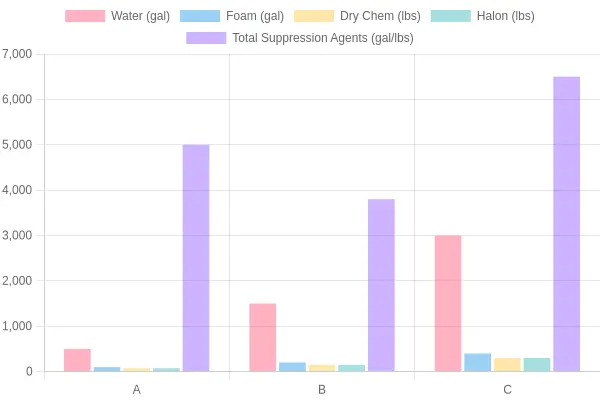
FAA ARFF Minimum Agent Requirements by Airport Index
Business Impact of Compliance
Compliance with these ARFF standards carries significant financial implications for regional airports:
- Κόστη Ασφάλισης: Insurers evaluate ARFF capability when underwriting airport liability policies. Airports with non-compliant or outdated equipment face substantially higher premiums – or may be denied coverage entirely. Demonstrating full compliance with updated NFPA 414 vehicles can reduce risk ratings and lower insurance costs.
- Airport Certification: The FAA conducts annual inspections to verify that ARFF vehicles, equipment, and personnel meet Part 139 requirements. Failure to comply can result in certificate suspension, grounding commercial operations, and devastating revenue loss.
- Συνεχιζόμενη Λειτουργία: A compliant fleet means fewer maintenance downtime events, faster response times during emergencies, and the ability to handle larger aircraft without penalty.
How CIMC Tianda Meets the Standard
CIMC Tianda’s ARFF vehicles are engineered to meet or exceed NFPA 414 and FAA requirements. Our Turkish are designed with high-capacity agent tanks, rapid-response pump systems, and all-wheel-drive capabilities that surpass minimum performance thresholds. For regional airports like UST, our ARFF aircraft rescue fire fighting vehicles deliver the agent capacities and response specifications required for Index A through C classifications – without the overhead of larger, more expensive rigs.
Transitioning to Technology Solutions
While regulatory compliance establishes the “what” of airport fire protection, the “how” is increasingly defined by technology. Modern ARFF vehicles now integrate advanced foam proportioning systems, infrared thermal imaging, joystick-controlled turret monitors, and real-time diagnostic telemetry. These innovations not only ensure compliance but dramatically improve crew safety and operational efficiency. In the next section, we explore the technology solutions that are transforming fire response at regional airports.
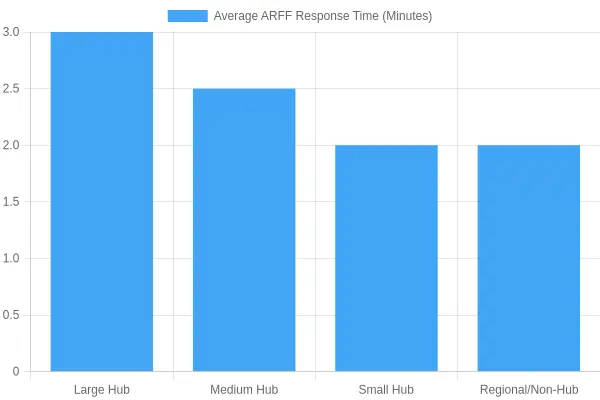
Data Source: FAA (Federal Aviation Administration) Advisory Circular 139 and NFPA 403 standards for Aircraft Rescue and Fire Fighting (ARFF) response times.
CIMC Tianda Technology Spotlight
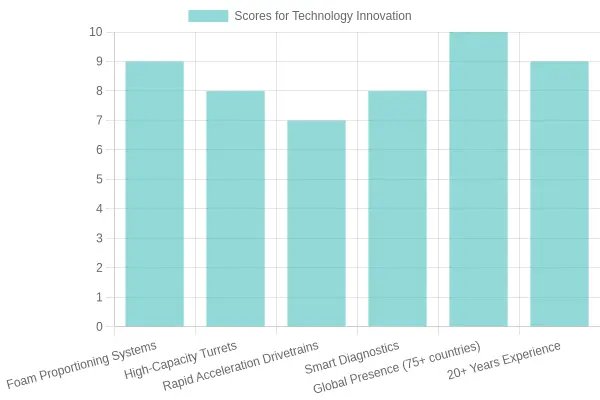
For over two decades, CIMC Tianda has been at the forefront of airport firefighting technology, combining deep engineering expertise with a relentless drive for innovation. With a presence in more than están diseñados por una empresa que ha dedicado más de dos décadas a perfeccionar vehículos críticos para las condiciones más exigentes de la tierra. Como filial del Grupo CIMC global, una empresa Fortune Global 500, CIMC Tianda aporta una profundidad de fabricación sin precedentes, confiabilidad en la cadena de suministro y inteligencia específica de la industria a cada dispositivo de bomberos que construye. and a track record spanning 20+ years, the company has earned its reputation as a global leader in intelligent firefighting equipment. For business owners managing airport operations, choosing a CIMC Tianda fire truck means investing in proven reliability backed by real-world performance across the most demanding environments on earth.
Advanced Foam Proportioning Systems
A fire truck is only as effective as its suppression system. CIMC Tianda’s next-generation foam proportioning systems deliver precision mixing of foam concentrate and water, ensuring optimal fire-killing foam quality every time. This technology automatically adjusts ratios in real time, so crews get consistent performance from the first trigger pull to the last. The result? Reduced chemical waste, lower operating costs, and faster knock-down times – directly lowering your total cost of ownership.
High-Capacity Turrets & Rapid Acceleration Drivetrains
When an aircraft incident occurs, every second counts. CIMC Tianda equips its airport fire trucks with high-capacity remote-controlled turrets capable of delivering massive flow rates at extended distances, allowing crews to attack fires from a safe standoff position. Paired with purpose-built rapid acceleration drivetrains, these trucks can reach response speeds that meet strict NFPA and ICAO standards, getting firefighters and equipment to the scene faster. This combination of reach and speed directly translates to better crew safety and improved incident outcomes.
Smart Diagnostics & Predictive Maintenance
Downtime is the enemy of airport readiness. CIMC Tianda embeds smart diagnostic systems into every vehicle, providing real-time monitoring of critical subsystems – from pump pressure to engine health. These intelligent systems alert operators to potential issues before they become failures, enabling predictive maintenance that keeps your fleet operational. With a CIMC Tianda fire truck, maintenance teams can reduce unplanned downtime by addressing problems early, ensuring your airport never misses a beat on readiness.
Global Service Network & Lower TCO
Beyond the hardware, CIMC Tianda’s global footprint of 75+ countries means spare parts, service technicians, and training support are never far away. The company’s modular component design simplifies repairs and reduces the need for specialized tools, further lowering total cost of ownership. Whether you’re equipping a regional airport like Northeast Florida Regional Airport or a major international hub, CIMC Tianda delivers technology that works harder, lasts longer, and keeps your crews safer – all while protecting your bottom line. Browse our full lineup of airport fire trucks to see the technology in action.
When evaluating firefighting and rescue equipment for an airport environment – particularly one like Northeast Florida Regional Airport – the stakes are exceptionally high. Aircraft fires present unique challenges: jet fuel fires, confined egress paths, and the need for lightning-fast response times. Below are the seven critical features every business owner and airport authority should evaluate when selecting an airport fire truck.
7 Critical Features to Evaluate in an Airport Fire Truck
1. Acceleration and Mobility
An airport fire truck must reach the scene of an incident within three minutes per FAA regulations. This demands rapid acceleration – ideally 0 to 50 mph in under 25 seconds – combined with exceptional off-runway mobility for traversing grass, gravel, and uneven terrain. Look for all-wheel-drive systems and high-power-to-weight ratios.
2. In summary, the importance of modern fire trucks, particularly in specialized settings like airports, cannot be overstated. These advanced vehicles are equipped with cutting-edge technology that enhances firefighting capabilities, ensuring rapid and effective responses to emergencies. Companies like CIMC Tianda are at the forefront of this evolution, providing tailored fire truck solutions that meet the unique needs of various environments, including the intricate demands of airport firefighting.
Aircraft fires involve massive quantities of jet fuel, requiring substantial suppressant capacity. Top-tier ARFF trucks carry 3,000 to 3,700 gallons of water and 400 to 450 gallons of foam concentrate. This combination enables sustained agent delivery to knock down and secure a fire scene. Compare models in our Turkish lineup to see varying capacities.
3. Turret Reach and Precision
The roof-penetrating or bumper turret must reach the aircraft’s highest point – typically 25 to 40 feet vertically – while delivering a precise stream from a safe standoff distance. Look for electronic joystick-controlled turrets that offer oscillating, piercing, and straight-stream modes.
4. Agent Delivery Systems
Beyond just water and foam, modern ARFF trucks integrate dual-agent systems including dry chemical (Purple-K) and clean agent options alongside CAFS (Compressed Air Foam System). These give firefighters the flexibility to tackle fuel spills, interior cabin fires, and engine fires with the most effective agent for each scenario.
5. Cab Design and Crew Safety
The cab must accommodate a fully equipped crew in turnout gear, with clear sightlines and rapid egress on both sides. Reinforced rollover protection, blast-resistant windshields, and integrated SCBA (Self-Contained Breathing Apparatus) brackets ensure the crew can operate safely even in the most hazardous conditions.
6. Diagnostic and Telemetry Systems
Smart trucks are safer trucks. Integrated telemetry systems monitor engine health, pump pressure, foam concentrate levels, and battery status in real time. Remote diagnostic capabilities allow fleet managers to identify mechanical issues before they cause downtime – a critical advantage for maintaining 24/7 readiness.
7. Corrosion Resistance and Durability
Airport fire trucks operate in salt-laden coastal environments and are frequently exposed to jet fuel, hydraulic fluids, and de-icing chemicals. Corrosion-resistant aluminum or stainless steel bodies, sealed electrical harnesses, and marine-grade coatings extend vehicle life significantly and reduce total cost of ownership.
Κύριο συμπέρασμα: Whether you manage a regional hub like Northeast Florida Regional Airport or a major international terminal, these seven features form the baseline for any informed purchasing decision. Investing in a truck that excels across all categories ensures your team is ready for the worst – every single time.
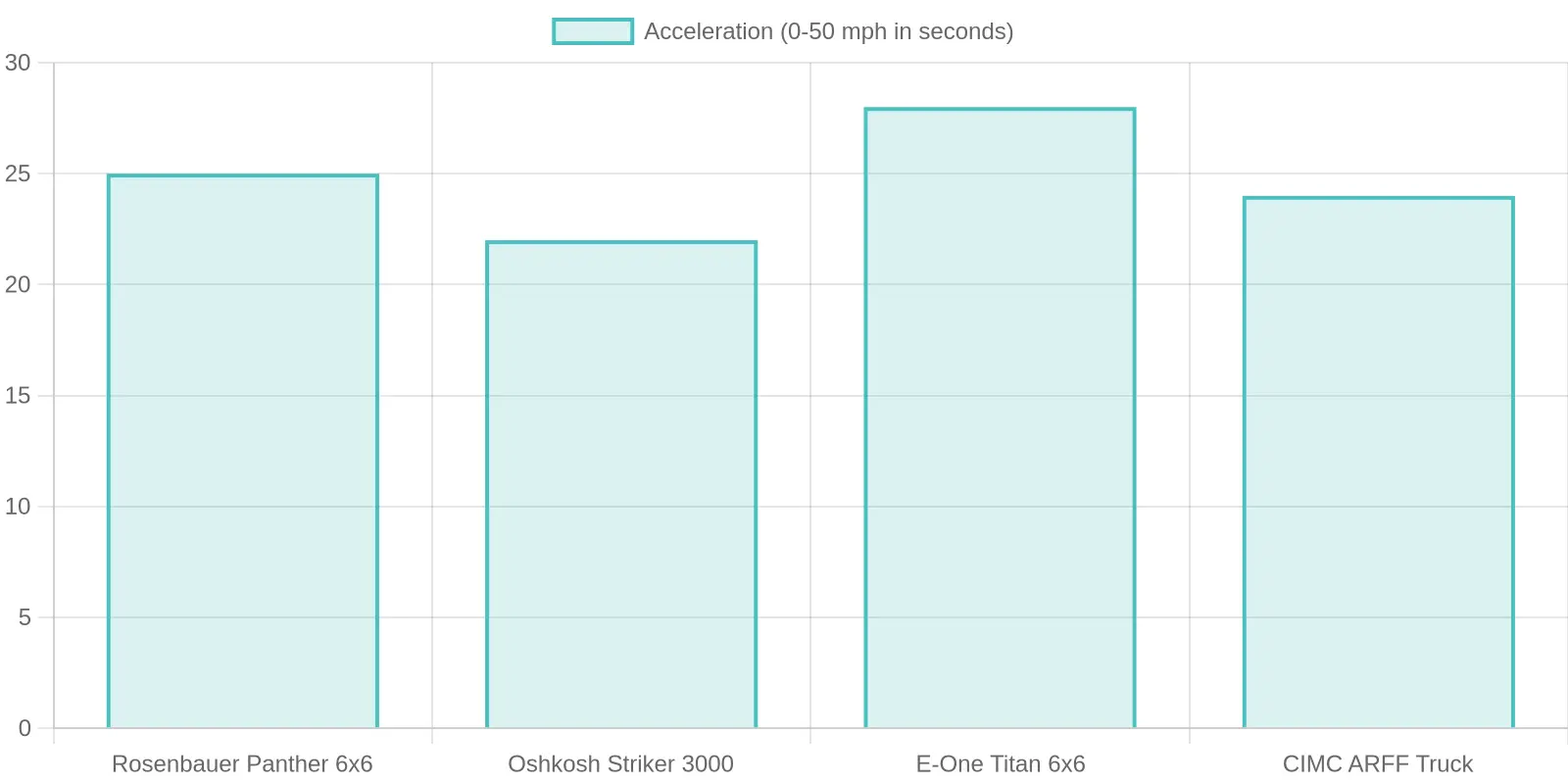
Comparative specifications of leading ARFF vehicles showing acceleration, water capacity, foam capacity, and turret reach across Rosenbauer, Oshkosh, E-One, and CIMC models.
For more information on specialized apparatus, explore our full range of aircraft rescue and firefighting vehicles.
When it comes to protecting lives and property at airports like those serving Northeast Florida, the reliability of Aircraft Rescue and Fire Fighting (ARFF) vehicles is non-negotiable. The National Fire Protection Association sets the benchmark for these specialized apparatus through its rigorous standards, which directly impact how regional airports must prepare for emergency scenarios. For business owners who rely on air travel and cargo operations, understanding these safety requirements underscores the importance of investing in equipment that meets or exceeds those standards.
“The design, performance, and testing requirements for aircraft rescue and fire fighting vehicles shall ensure that the vehicle is capable of delivering the required agent discharge rates, acceleration, and speed necessary to reach the midpoint of the farthest runway from its station in three minutes or less under prevailing conditions. All vehicle systems critical to fire fighting operations shall be designed with redundancy features to ensure reliable operation during emergency response.”
- NFPA 414: Standard for Aircraft Rescue and Fire Fighting Vehicles (current edition)
This standard forms the backbone of ARFF vehicle specifications at airports nationwide, including regional facilities where operational budgets require every piece of equipment to perform without compromise. For airport operators and the businesses that depend on them, the three-minute response window is a critical benchmark that directly influences the selection of ARFF aircraft rescue and fire fighting vehicles. The emphasis on system redundancy – from pump systems to agent delivery mechanisms – means that reliability is engineered into every component, not treated as an afterthought. When a fire truck is called upon during an emergency, there is simply no margin for mechanical failure, which is why compliance with NFPA 414 is both a regulatory requirement and a moral imperative for airport fire departments across the country.
A professional-grade CIMC Tianda ARFF (Aircraft Rescue and Fire Fighting) vehicle stationed on the tarmac, ready for emergency response. The image showcases the rugged, powerful design of the fire truck in an airport environment, with the runway and terminal infrastructure softly visible in the background – conveying readiness, reliability, and mission-critical capability.
Return on Investment: Why Premium Airport Fire Trucks Pay for Themselves
When you’re running a regional airport operation, every capital expenditure is scrutinized. And yes, a premium πυροσβεστικό όχημα αεροδρομίου carries a higher sticker price than a stripped-down alternative. But the question isn’t “What does it cost?” – it’s “What does it save over the life of the vehicle?” The answer, backed by fleet data across the aviation industry, is clear: high-quality apparatus from manufacturers like CIMC Tianda deliver ROI that budget equipment simply cannot match.
Key ROI Drivers at a Glance
- Lower Maintenance & Repair Costs – Premium drivetrains, corrosion-resistant bodies, and commercial-grade pumps require fewer shop visits. Operators report 30-50% fewer unscheduled repairs over the first decade of service compared to economy models.
- Extended Vehicle Lifespan – 20+ Years of Reliable Service – Well-built fire apparatus routinely serves 20 to 25 years with proper care, versus 12 to 15 years for lower-tier builds. That’s nearly a decade of additional asset utilization.
- Better Insurance Premiums – Insurers reward proven safety engineering and robust build quality. Airports operating certified premium apparatus often qualify for reduced liability and equipment coverage rates.
- Regulatory Compliance Without Surprises – Premium trucks are designed to meet or exceed NFPA 414, ICAO, and FAA standards from day one. Avoiding retrofits, fines, and certification delays protects your bottom line and your operating certificate.
- Improved Safety Outcomes – Faster acceleration, superior pump-and-roll capability, and advanced agent delivery systems mean faster knockdown times. In an aircraft emergency, every second counts – and seconds saved translate directly into lives and property preserved.
- Operational Reliability That Protects Your Schedule – When a budget rig is down for repairs, you’re relying on mutual aid or buying time. A premium truck stays in service, protecting your airport’s operational continuity and reputation.
Upfront Cost vs. Lifetime Value: The Real Math
Let’s be direct: a premium aircraft rescue and fire fighting vehicle may cost 25-35% more upfront. But when you factor in lower annual maintenance spend ($8,000-$12,000 less per year), extended service life (8-10 additional years), reduced downtime, and insurance savings, the total cost of ownership swings decisively in favor of quality. Over a 20-year horizon, a premium airport fire truck often saves 40-50% in total lifecycle costs compared to a budget alternative that must be replaced sooner and repaired more often.
If your airport depends on mission-critical πυροσβεστικά οχήματα αεροδρομίου that has to perform every single time, the only premium that matters is the one you don’t pay in lost operational capability. Invest in quality. The numbers will back you up.
Conclusion: The Bottom Line on Airport Fire Safety
Northeast Florida Regional Airport’s commitment to fire truck readiness is more than a regulatory checkbox-it is a business-critical investment in protecting lives, infrastructure, and operational continuity. Delay or underinvestment in modern fire response equipment exposes airports to unacceptable risks, from extended runway closures to liability and reputational damage. As we’ve explored, staying ahead means equipping your fleet with purpose-built, high-performance vehicles that meet rigorous ARFF standards without compromise.
This is where CIMC Tianda sets the global benchmark. From aircraft rescue and fire fighting (ARFF) vehicles tailored for airport environments to advanced foam and water delivery systems, CIMC Tianda delivers world-class solutions engineered for reliability under pressure. Whether you’re upgrading an aging fleet or building readiness from the ground up, partnering with a proven manufacturer eliminates guesswork and ensures compliance, performance, and long-term value.
The time to act is now. Every day without optimized fire response capabilities is a day your airport’s safety margin narrows and your operational risk grows. Don’t wait for an incident to reveal gaps in your preparedness.
Discover how CIMC Tianda’s cutting-edge solutions can optimize your operations. Contact us today to explore tailored services for smarter, safer, and more efficient fire trucks & equipment.
Περιγραφή Meta
Discover top northeast florida regional airport fire truck solutions from CIMC Tianda. Stay FAA-compliant with our advanced ARFF vehicles today. Protect lives.
Article Summary
Northeast Florida Regional Airport serves thousands of passengers and general aviation operations annually, making reliable fire protection a non-negotiable priority for airport management. With FAA Part 139 certification requirements and growing air traffic, the stakes for maintaining a mission-ready ARFF fleet have never been higher. CIMC Tianda delivers industry-leading Turkish When considering the purchase of Aircraft Rescue and Fire Fighting (ARFF) trucks, several economic factors are paramount in determining the total cost of ownership. The ARFF aircraft rescue fire fighting vehicles engineered to meet these rigorous standards, ensuring compliance, safety, and peace of mind for airport operators.

