
















Understanding the longevity of fire trucks is crucial for business owners, especially those involved in emergency services or municipal management. Fire trucks typically have a service life of 15 to 20 years; however, various factors can significantly influence this timeline. In the following chapters, we will delve into the critical aspects affecting the lifespan of fire trucks, from maintenance practices that ensure optimal performance to the impact of technological advancements. Additionally, we will examine the differences in wear and tear based on urban versus rural use, providing a comprehensive view of how to maximize the lifespan of these essential emergency vehicles. By the end of this article, business owners will be better equipped to make informed decisions regarding procurement, maintenance strategies, and operational practices related to fire trucks.
The Long Road Ahead: Reading the Lifespan of Fire Apparatus Through Maintenance, Materials, and Use

Fire apparatus represent more than just equipment; they are long term commitments to community safety, planned around the rhythms of calls, maintenance cycles, and evolving standards. The question of how long a fire truck lasts is less about a fixed clock and more about a complex interaction of design choices, operational realities, and disciplined care. Across many departments, the ballpark figure of fifteen to twenty years emerges as a common benchmark, yet the actual lifespan of a given vehicle can stretch well beyond, or fall short of, that range depending on how it is used and looked after. The crux of longevity is not simply the age of the chassis or the body; it is, first and last, the condition and reliability of the pump, the quiet endurance of construction materials, and the relentless grind of duty cycles that decide when a truck earns a well-deserved retirement or a second life through refurbishment. In this chapter, we trace the path from components that bear the most pressure to the decisions that extend life, all while acknowledging that the path is seldom straight or uniform from one department to the next.
At the core lies the pump, the heart of every fire engine. The pump’s condition does not just affect whether water reaches the nozzle; it colors the entire calculus of a vehicle’s remaining usefulness. A pump that operates efficiently and predictably reduces the risk of sudden failure during a run, preserves the integrity of other hydraulic and electronic systems, and lowers the likelihood of a midlife breakdown that forces a costly, hasty retirement. When maintenance teams talk about the pump, they are really talking about a disciplined approach to wear parts, seals, bearings, and clearances that determine efficiency, output, and reliability. Regular maintenance, proper usage, and timely repairs are essential to ensure that the pump operates efficiently, thereby extending the overall operational life of the fire truck. A well-kept pump does more than deliver water; it also protects the chassis, the plumbing network, and the electrical harness that supports auxiliary systems. In that sense, the pump is a proxy for the vehicle’s health, and maintenance strategies that focus on the pump often yield outsized dividends in the form of longer service life.
Material choice is another decisive thread in the fabric of longevity. The construction materials in a fire truck—structural steel, aluminum alloys, composites used in body panels, and the coatings that guard against corrosion—set the base level for how well a vehicle withstands the tests of time. Higher quality materials, coupled with corrosion-resistant coatings and thoughtful design, tend to resist wear and degradation more effectively. Corrosion is not merely a cosmetic concern; it can compromise structural integrity, fatigue limits, and the reliability of critical interfaces under heat, pressure, and exposure to road salt or marine environments. The selection of materials that can tolerate repeated heating and cooling cycles, exposure to water and firefighting foams, and the jolts of rough terrain in rural and urban settings is a foundational decision that shapes a truck’s durability. When a department invests in durable chassis designs and robust cab constructions, it creates a buffer against the cumulative fatigue that accumulates with every shift, every incident, and every mile traveled between homes and scenes.
Usage frequency and intensity form a third axis of influence. A fire truck’s life is not a measure of calendar years alone but of cycles: every high-volume year adds a layer of wear on the drivetrain, the transmission, the suspension, and the pump. In urban centers where engines are pressed into service for back-to-back calls, the normal “rest” time for components is compressed. The stress of near-constant operation can accelerate fatigue, increase the probability of minor leaks becoming major issues, and hasten the need for repairs or upgrades. Conversely, rural or suburban departments that deploy fewer hours per year may keep a given vehicle in service longer, even if it sits idle for long stretches without use. Yet even low annual mileage cannot entirely insulate a truck from deterioration; seals dry out, fluids degrade, and electronic systems shed their ability to communicate with modern diagnostic tools unless regular attention keeps them aligned. In this light, maintenance schedules and usage records become as important as the vehicle’s age, because they reveal the true wear profile that underpins decisions about replacement or refurbishment.
Environmental conditions write another, less visible layer into the lifespan equation. Fire trucks routinely operate in climates that swing from bitter cold to scorching heat, pass through coastal salt air, and encounter industrial aerosols or polluted environments near certain response zones. Each setting imposes a different form of strain. When a truck spends significant time in saline environments, for example, salt accelerates corrosion at joints, fasteners, and exhaust components if protective measures are not consistently maintained. Harsh temperatures can affect battery performance, seal elasticity, and the integrity of plastic components that become brittle with age. Ultraviolet exposure from sunlit pumper bays and exposed run times can also degrade interiors and exterior coatings, making preventive maintenance even more critical. Even the way a department stores a vehicle between shifts can matter; sheltered, climate-controlled maintenance bays help slow the aging of elastomers, gaskets, and hydraulic hoses, while exposure to the elements can hasten deterioration. The takeaway is clear: environmental exposure compounds the wear pattern that older trucks accumulate, and forward-looking fleets account for that reality when planning replacements, refurbishments, or protective upgrades.
Routine maintenance is the most reliable lever for extending a truck’s life, and it sits at the intersection of engineering design and daily practice. A well-run maintenance program functions as a continuous feedback loop. Technicians monitor fluid conditions, inspect for micro-cracks in the frame, test pumps under simulated loads, and verify the integrity of brake lines, steering components, and electrical systems. Each inspection yields a snapshot of current health and a forecast of potential issues. The best programs do not wait for a failure to trigger action; they anticipate wear patterns, replace components before they threaten safety, and keep critical systems in alignment with evolving performance standards. The commitment to maintenance is not optional in the fleet’s life story; it is the engine that sustains operational readiness, reduces the frequency of unexpected retirements, and preserves the value embedded in a vehicle’s core design. When departments uphold rigorous maintenance schedules and carry out routine inspections with an eye toward long-term reliability, a fire truck can outperform the generic lifespan expectations and continue to serve effectively beyond the conventional twenty-year horizon.
As technology advances, another factor enters the discussion: the pace of obsolescence versus the pace of reuse. Modern fire trucks are built with an array of integrated systems—electrical, hydraulic, and control software—that can become outdated even if the mechanical heart remains sound. Some departments choose to refurbish older rigs rather than replace them outright, a decision that hinges on cost, performance, and safety considerations. A refurbishment can take many forms: updating the cab interior for better crew comfort and ergonomics, replacing or upgrading the pump and plumbing modules, refreshing the chassis with more durable coatings, or installing newer controls and communications equipment. Each refurbishment extends the vehicle’s usable life by refreshing key performance aspects while retaining the proven foundations of the original design. In contrast, removing a truck from service may be driven by safety concerns, not just by age. As safety standards evolve, some features become obsolete or incompatible with new equipment, pushing departments toward retirement despite the physical condition of the chassis. This dynamic underscores why a fifteen-to-twenty-year figure remains a useful reference but not a rigid rule. The decision to retire or refurbish is a strategic one, weighing the costs of aging against the benefits of potentially newer technology, better efficiency, and improved safety capabilities.
Another dimension of longevity emerges from the financial and organizational realities of running a fleet. Maintenance budgets, technician availability, and the cost of parts all shape the life story of a given truck. When a department has sufficient funding and skilled staff to perform comprehensive overhauls, retiring a truck in its early years may be unnecessary. Conversely, when budgets are tight or parts become scarce, a vehicle may be retired sooner, not because it is unsafe, but because the cost to maintain it to modern standards will exceed the value of keeping it in service. Managed well, however, refurbishments can deliver a favorable return on investment by extending the useful life, maintaining service reliability, and avoiding the upfront capital expenditure associated with a new purchase. This is not merely a financial calculation; it is a risk management decision. The fleet operator weighs the likelihood of a pump malfunction, the potential downtime required for a repair, and the impact on public safety if a vehicle becomes unavailable. In this way, the lifespan of fire trucks is not a simple arithmetic but a carefully negotiated balance between risk, capability, and cost. Industry experts emphasize that proper care and adherence to maintenance schedules are crucial for maximizing the lifespan of a fire truck, a reminder that the vehicles’ longevity rests as much on human discipline as on steel and hydraulics.
The arc of a fire truck’s life can bend in surprising ways when new safety expectations or performance benchmarks rise. As demands on emergency response evolve, fleets must decide whether to chase incremental gains through maintenance and refurbishments or to pursue a more dramatic upgrade path with newly designed chassis, more durable drivetrains, and smarter, more resilient hydraulic networks. The decision is rarely only about the present; it is about the vehicle’s capacity to adapt, absorb new technologies, and continue to operate under the stress of modern incidents. In practice, this means that a department may push a truck beyond its initial twenty-year mark if the core systems remain reliable and the surrounding components are modernized in a strategic refurbishment. It may also mean retiring a truck earlier if its safety features are no longer compatible with current protocols or if a midlife rebuild would exceed the practical value of continued service.
All these strands come together in a practical narrative about lifecycle management. A well-managed fleet treats lifespan as an asset with a planned renewal cycle rather than a mystery that resolves at a fixed age. The fifteen-to-twenty-year range serves as a useful planning horizon, helping departments forecast capital needs, schedule training for new technologies, and align maintenance staffing with expected workloads. Yet the true determinant remains the cadence of maintenance, the quality of materials, the contextual wear patterns dictated by geography and call volume, and the willingness to invest in refurbishments that breathe new life into aging chassis. When these elements align, the same truck that leaves the station in its mid-teens can return from a decade of service with a refreshed pump, updated controls, and a renewed sense of reliability. When they do not align, aging components accumulate the risk of failure, and the cost of patches and patches becomes a more expensive proposition than a fresh investment in a new vehicle.
In closing the thread, the lifespan of fire trucks is best understood as a function of ongoing care and informed decision making. The pump is the most conspicuous heartbeat, yet it is supported by the quiet endurance of the materials, the discipline of maintenance, and the realities of use. Environmental exposure and geographic context modulate the wear pattern each truck experiences, while financial and organizational constraints determine how readily a department can respond to that wear with timely interventions. The result is a spectrum rather than a single line: some trucks pass twenty years with only minor refurbishments along the way; others retire earlier due to safety concerns or the arrival of newer technologies that promise to enhance response capabilities. The overarching message from the research and field experience is consistent and practical: proper care and adherence to maintenance schedules are crucial for maximizing the lifespan of a fire truck, and thoughtful refurbishment can extend useful life well beyond the conventional benchmark when accompanied by strategic investment. For those seeking deeper, technical explorations into the decisional factors shaping service life, a focused study on this topic provides structured insight into how decisions are weighed in real-world departments. External resource: https://www.researchgate.net/publication/378214564AStudydeDecisionalFactorsforServiceLifedeFire_Trucks
Stewards of Longevity: The Maintenance Blueprint That Drives Fire-Truck Lifespan
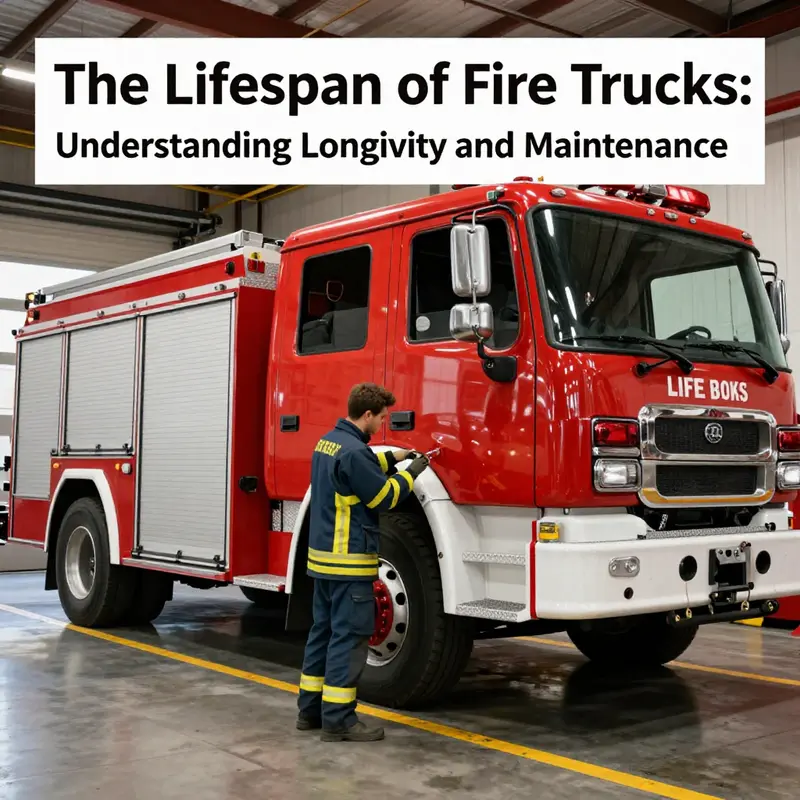
In the fire service, the clock on a truck is not merely a measure of hours spent on the road. It is a ledger of stress endured, systems tested, and decisions made by crews who mix instinct with training. The common question—how long do fire trucks last?—is often answered with a range, typically 15 to 20 years. Yet the real story sits between the lines of that benchmark. The lifespan of a fire engine is less about a fixed countdown and more about a disciplined culture of care. It hinges on how consistently a department treats the vehicle as a high-stakes tool that must perform reliably on every call, in every season, under every load. When maintenance is methodical, data-informed, and embedded into daily routines, aging becomes a manageable phase rather than an unavoidable fate. When maintenance is treated as a reactive afterthought, the same vehicle can show its age more quickly, not because the metal is inherently weaker but because preventable wear compounds into unplanned downtime and safety risk.
The heart of longevity lies in keeping critical systems—engine, hydraulics, electrical networks, and the firefighting apparatus itself—in an optimal state. Regular, thorough inspections and preventive servicing act as a shield against creeping deterioration. The mechanics of wear are not mysterious: metal fatigues, seals dry, fluids degrade, and electronics drift. Small, routine interventions—changing oil and filters, refreshing hydraulic fluid, inspecting pump seals for microleaks, and testing alarm circuits—act as a safety net that prevents minor issues from spiraling into catastrophic failures during a response. The cumulative effect is straightforward: when the truck spends more time operating at peak efficiency, it experiences fewer disruptive failures, and its useful life extends beyond the bare minimum. In practical terms, this is not a theoretical ideal; it translates into the ability to keep a response fleet on the road when every second counts.
A growing body of research supports what veteran fleets have long suspected: neglect is expensive, dangerous, and inefficient. A study published in November 2024 analyzed maintenance, repair, and training procedures across firefighting fleets and found that systematic, data-driven maintenance yields fewer repairs and longer operational life. The value of such a finding is not that maintenance becomes a magic wand, but that it moves from a routine chore into a strategic, measurable practice. Departments that embrace this approach treat maintenance as a continuous performance program, not a calendar-driven ritual. The result is a fleet whose members are available more reliably, whose downtime is predictable, and whose life-cycle costs are more manageable. The practical implication is that longevity is not a fixed endpoint but a trajectory shaped by how well a fleet is cared for on a day-to-day basis.
Central to this trajectory is the transformation of maintenance into a shared responsibility. Training is essential because it creates a common language that binds firefighters, drivers, and technicians into a single system. When personnel are trained to recognize early signs of engine fatigue, unusual vibrations, or shifting hydraulic pressures, the threshold for intervention lowers. The alert is not to fix everything immediately but to catch issues while they remain affordable and manageable. This collaborative vigilance reduces the likelihood of surprise failures and preserves the vehicle’s ability to perform routine operations with confidence. Over time, such a culture—where everyone understands the implications of a gauge reading or a fluctuating temperature curve—becomes a decisive asset. It turns maintenance from a background task into an ongoing dialogue about readiness and safety.
The second pillar is diagnostics. The modern fire vehicle operates with a network of sensors, gauges, and interfaces that create a continuous stream of health data. When combined with a digital maintenance management system, these data points enable real-time visibility into vehicle health. No longer is maintenance dictated by a rigid schedule alone; it is guided by actual use and actual condition. Real-time monitoring allows for condition-based maintenance, shifting servicing to when conditions warrant it rather than when a calendar says it should happen. For the fleet manager, this means scheduling pump tests after a defined number of activations rather than after a fixed interval, or conducting electrical system checks after specific temperature cycling. In this model, a vehicle’s lifecycle cost is driven by meaningful interventions timed to moments of maximum benefit, not by the inertia of tradition.
The third pillar is the art and science of preventive servicing. It spans a broad spectrum—from routine fluid changes and filter replacements to targeted rehabilitation of high-stress subsystems. A rigorous preventive program examines the chassis, frame rails, and suspension for signs of metal fatigue or corrosion, especially in districts where road conditions or climate accelerate wear. It scrutinizes the pumping apparatus and related hydraulics through instrumentation that simulates real-world demands. It also examines electrical harnesses, circuit boards, and lighting systems for resilience against heat and vibration. The practical impact of this work is twofold: it reduces the probability of sudden breakdowns and keeps the vehicle running smoothly through demanding shifts, training drills, and multi-incident days. In environments with intense demand—urban centers with dense traffic, frequent pump operations, and rapid succession calls—the difference between a well-maintained truck and one that has been neglected can be measured in minutes, not miles.
A robust maintenance program is not simply an inventory of tasks but a living system that aligns with actual usage patterns. Modern fleets often rely on data to determine when to service components, how to allocate parts, and which upgrades offer the greatest return on investment. This is where technology meets prudence. Telemetry not only flags issues; it helps optimize resource allocation, revealing, for example, that a particular pump needs attention after a certain cycle count or that electrical wiring around a specific module exhibits cumulative heat stress after a season of heavy city operation. By integrating usage data with maintenance actions, departments can reduce unnecessary replacements while safeguarding the components most prone to wear under real-world workloads. The upshot is a fleet that stays on the road longer, with fewer unplanned outages and clearer insight into when modernization or refurbishment is necessary.
The concept of refurbishment further expands the lifespan options for aging fleets. When engines, pumps, or electrical systems reach a threshold where a full overhaul is more cost-effective than replacement, a carefully planned refurbishment can restore critical performance and safety features. Refurbishments may involve overhauling pumps, upgrading control systems, renewing hydraulic lines, and refreshing the firefighting apparatus itself. They require careful cost-benefit analyses grounded in reliability data, safety considerations, and evolving standards. Some departments routinely refurbish and re-certify vehicles to extend useful life, balancing the risk and reward of staying with the same platform versus migrating to newer architectures. The outcome of thoughtful refurbishments is a vehicle that remains compatible with current safety requirements and mission profiles while avoiding the higher expense and downtime associated with a brand-new chassis.
Beyond the mechanical and logistical aspects, longevity is also shaped by policy and budgeting. Maintenance is most effective when it is supported by clear priorities, predictable funding, and organizational accountability. Budgets that recognize maintenance as a strategic investment—covering predictive analytics, data infrastructure, and skilled technicians—often yield longer readiness windows and steadier lifecycle costs. In contrast, inconsistent or underfunded maintenance programs tend to produce a reactionary culture: urgent repairs, patchwork fixes, and shorter intervals between service outages. The broader public safety implication is straightforward: reliable equipment translates into safer operations, quicker response times, and better outcomes for communities.
In practice, the best maintenance ecosystems integrate a continuum of people, processes, and technology. People—the seasoned mechanics and vigilant firefighters—act as sentinels who notice and interpret subtle changes in performance. Processes—the standardized inspections, diagnostic workflows, and documented service histories—create consistency and accountability across shifts and generations of personnel. Technology—the diagnostic dashboards, data analytics, and durable component designs—provides the tools that make timely intervention feasible, affordable, and scalable. When these elements align, longevity emerges not as a lucky exception but as a predictable outcome. The vehicle becomes a partner in public safety: dependable, responsive, and capable of sustaining mission-critical work across years and even decades.
This view reframes aging as a managed phase rather than an inevitability. If the baseline remains a 15– to 20-year horizon, maintenance can legitimately bend that horizon toward longer spans, especially in departments that commit to training, data-driven maintenance, and proactive refurbishment. The ultimate measure is readiness: a fleet that can meet the demands of back-to-back incidents, urban density, extreme weather, and the evolving needs of the communities it serves. A quiet calculus underpins this readiness. It asks not only how long a truck lasts in years, but how many of those years are spent performing at peak capability, how often major repairs interrupt service, and how predictable the maintenance schedule proves to be when every mile tests the vehicle’s resilience.
In the end, the maintenance blueprint is the story of stewardship. It treats each fire truck as a trusted instrument of public safety rather than a disposable asset to be discarded at the slightest sign of age. It invites a culture that values preventive care, data-informed decisions, and timely, evidence-based interventions. It requires investment in people, in information systems, and in the materials and technologies that keep machinery durable under pressure. When a department commits to these principles, longevity ceases to be a gamble and becomes a product of disciplined practice. The result is a fleet that remains ready to serve across decades, maintaining safety and reliability for the communities that depend on it—and proving that, in the life of a fire appliance, care is the most durable armor.
NFPA Standards MDPI study on maintenance optimization
Tech at the Wheel: How Modern Advances Shape the Longevity of Fire Trucks
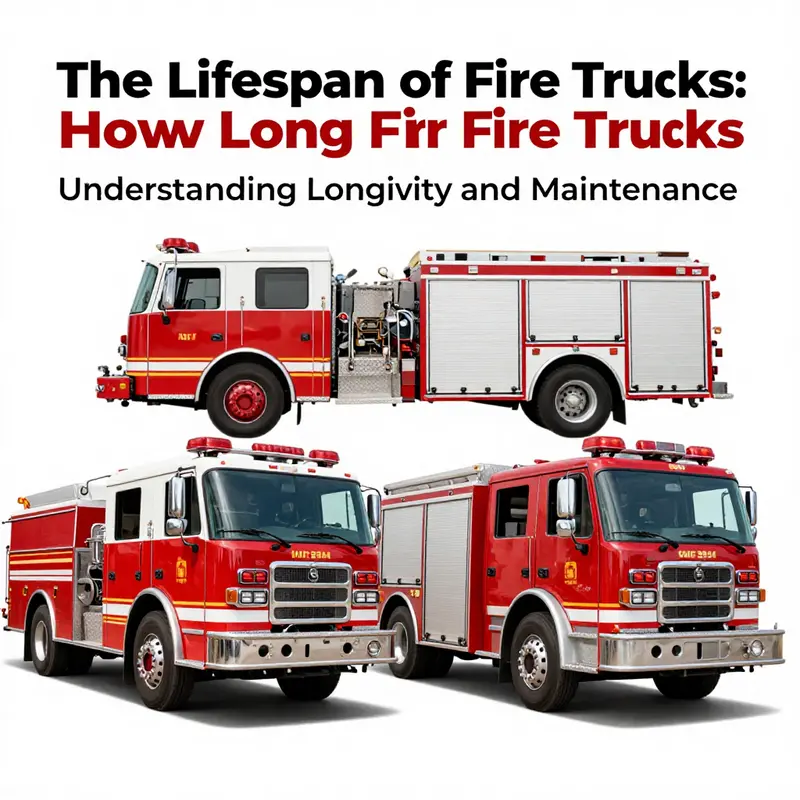
The question of how long a fire truck lasts is rarely answered by a single number alone. It is a story told in miles, in the rhythm of routine maintenance, and in the quiet confidence that a vehicle will be ready when alarms ring. The traditional benchmark—roughly fifteen to twenty years of service—reflects a balance between the vehicle’s design endurance and the harsh realities of daily duty. Yet as technology tightens its grip on every facet of emergency response, that balance is shifting. Modern fire apparatus are increasingly designed and managed with longevity in mind, not merely to shave minutes off response times but to elongate the usable life of the fleet through smarter materials, smarter systems, and smarter maintenance. In practice, this means that the lifespan of a fire truck becomes a craft as much as a metric, a continuous process of care, upgrade, and selective renewal rather than a single sunset moment when the clock hits a certain age.
The first thread in this evolving narrative is the material and structural backbone of the vehicle. Advances in chassis design and corrosion-resistant coatings give the basic frame a fighting chance against the elements and the wear of constant deployment. A chassis built with durable alloys and protective coatings can resist the ravages of road salt, heat, and vibration. When paired with smart structural design—features that allow components to be replaced or realigned without compromising the integrity of the entire frame—the vehicle can remain true to its original geometry long after the odometer has climbed high. The practical effect is straightforward: fewer early-life deformations, fewer mid-life scrapes that require field repairs, and fewer safety concerns arising from unseen fatigue. This is not a hint of magic but a deliberate engineering approach—one that recognizes that longevity is rooted, in large part, in the resilience of the platform itself. When departments couple such resilience with a disciplined preventive maintenance regime, they create a foundation that supports a longer, safer, and more reliable service life.
But the longevity story does not stop at metal. Modern fire trucks are increasingly wired with sophisticated electrical architectures that monitor, regulate, and optimize every critical subsystem. Onboard diagnostics, fault-tolerant networks, and modular software platforms mean that technicians can see problems coming before a part fails catastrophically. Predictive maintenance, once a concept from industrial plants, now finds a home in municipal garages. Sensors track pump temperatures, hydraulic pressures, battery health, and cooling performance, generating data that can be translated into concrete maintenance actions. When a fleet leverages this data to schedule downtime during off-peak periods and to order targeted replacements before a breakdown, unscheduled outages shrink. Fewer interruptions to service translate directly into more stable utilization of each vehicle over time; a truck that avoids sudden, repair-driven downtime is more likely to accumulate service months and years without sacrificing reliability. In short, the smarter the backbone of the vehicle, the gentler its aging process becomes, because aging is not only about metal fatigue but also about how well the brain of the machine knows its own limits and communicates them to human operators.
If one considers the lighting systems that illuminate the scene and the cab, longevity gains become tangible in daily operations. Lighting technology has evolved from the era of fragile, incandescent fixtures to robust, energy-efficient LED modules that endure long hours of vibration, temperature extremes, and rough handling. LED lighting offers extended service life—thousands of hours in many configurations—reducing the frequency of replacements and the downtime associated with maintenance work. Beyond the simple benefit of longer lamp life, LEDs also reduce thermal load on surrounding electrical systems, which can ease strain on alternators, wiring harnesses, and control modules. The cumulative effect is a quieter, more predictable maintenance profile. Fewer lamp failures mean fewer fault codes, less attention required from technicians, and more consistent tool availability for crews. In a vehicle that already carries heavy hydraulic systems, pumps, and emergency lighting, every bit of reliability matters. The result is a fleet better able to operate at peak readiness for longer stretches of time, contributing to a longer, more practical service life.
Yet perhaps the most transformative dimension of longevity lies in the synergy between autonomous capability, remote operation, and intelligent resource management. A wave of innovation has introduced smart rescue robotics as part of the emergency response ecosystem. Abstractly, this represents a shift from a purely mechanical problem-solving model to one where automated systems shoulder some of the most demanding tasks. A robust robotic platform—designed for autonomous flame detection, decision-making under pressure, and execution of firefighting tasks in cooperation with human teams—demonstrates what technology can do when it is designed to work alongside a vehicle fleet rather than replace it. Such systems are built to withstand extreme conditions: extreme heat, toxic atmospheres, and low-oxygen environments. They navigate rugged terrain, climb steep gradients, and maneuver around obstacles, all while maintaining operation through a remote command center that coordinates multiple machines with multimodal communication. The implications for the truck’s longevity are subtle but meaningful. By taking on the most punishing secondary duties, robots reduce the direct wear on pumps, hoses, and hydraulics and allow the traditional apparatus to operate within a more controlled duty cycle. They also enable rescue operations to be completed with greater speed and precision, reducing the overall time a vehicle must endure strenuous runs and potentially lowering the frequency and severity of high-stress operations that accelerate wear.
The practical upshot is a more predictable lifecycle for the core assets of the fleet. If a robot can expand the operational envelope of a team—let them reach farther, operate longer, and perform more without dragging the truck through every mile—then the vehicle can be scheduled more efficiently. It becomes feasible to plan refits and refurbishments in a way that minimizes downtime during critical periods. In commercial terms, a smarter, safer, and more flexible response system translates into better return on investment for aging vehicles: saved maintenance costs, reduced risk of catastrophic failures, and the possibility of extending the interval before a major overhaul becomes necessary. The technology does not merely add capabilities; it reshapes how the fleet ages by distributing workload more evenly and enabling strategic upgrades rather than wholesale replacements.
A crucial dimension of this evolution is how refurbishment fits into the life expectancy equation. When a truck approaches the later chapters of its life, the option to refurbish becomes increasingly attractive. Rather than consign a near-20-year-old vehicle to retirement, agencies can refresh the most stressed components—updating control software, replacing aging sensors, upgrading lighting systems, or exchanging out-of-date pumps—while preserving the sturdy framework and core drivetrain that have proven their worth on thousands of missions. Refurbishment is, in many ways, a bridge between generations of technology: it allows a vehicle to carry forward the gains achieved by newer hardware and software without the cost and downtime of a ground-up rebuild. The feasibility of these refurbishments grows with the modularity of the vehicle’s architecture. When a platform is designed with standardized interfaces, the addition or replacement of subsystems becomes less invasive, cheaper, and faster. In this way, longevity stops being a passive countdown and becomes an active program of renewal, a continuous cadence of assessment, upgrade, and reintegration that sustains a vehicle’s usefulness across multiple eras of technology.
The interplay between usage patterns and technology is also central to understanding why some trucks outlast others. High-density urban environments impose a different kind of stress than rural routes or seasonal wildfire duty. In cities, the cycle of calls may be frequent but not always of long duration, while in rural zones the trucks can endure longer reservoirs of energy expenditure during a single incident. The newer generation of fire apparatus is designed to cope with both realities. The structural integrity of the chassis, the fidelity of the suspension to maintain alignment under heavy loads, and the resilience of the hydraulic and electrical subsystems to survive repeated cycles of high demand all matter. At the same time, predictive maintenance helps ensure that the vehicle does not experience sudden attrition due to a preventable fault. Data-driven scheduling of service windows protects the asset’s health, and modular upgrades absorb new safety standards or performance requirements without forcing an entirely new vehicle onto the street. The cycle of data, maintenance, and refurbishment thus becomes the practical fabric that holds a 15- to 20-year lifespan together—and, in some cases, pushes that horizon outward.
A broader policy and standards context underpins these technical shifts. Fire departments operate within budgetary and safety constraints that shape decisions about when to retire a vehicle and what to replace it with. The ongoing push toward higher reliability, safer operation, and longer service life does not come solely from manufacturers; it is reinforced by procurement strategies that favor durable platforms, by maintenance cultures that embrace condition-based service, and by governance that recognizes the cost benefits of refurbished equipment when done thoughtfully. The result is a fleet that can stay productive well beyond the simplistic age threshold, provided that the underlying design supports upgrades, the maintenance regime remains rigorous, and the mission profile is understood and planned for. It is a holistic approach where technology, management, and funding align to extend the practical life of critical public safety assets.
All this points to a compelling takeaway: longevity is not a fixed clock but a tapestry woven from material science, intelligent systems, and disciplined care. When a fire truck enters service, its lifespan is no longer dictated solely by the strength of its steel or the capacity of its pump. It is shaped by how accurately a department can monitor its health, how judiciously it upgrades and refurbishes components, and how well it integrates new technologies that lighten the burden on aging subsystems. The modern approach to extending a fire truck’s usable life treats the vehicle as an evolving platform. It is refreshed like a living system, capable of absorbing improvements that keep it safe, reliable, and mission-ready long past the point at which the raw age would have forced retirement in earlier eras. The chapter on technological advances and longevity thus reveals not a one-way march toward retirement, but a measured journey of renewal: design for durability, diagnose with precision, upgrade with care, and plan for refurbishment as a core life-cycle practice. In that sense, the modern fire truck embodies both tradition and transformation—a steadfast tool of public safety that remains capable across the decades because it has learned to grow with the needs of the communities it serves.
External resource: https://www.sany.cn/en/news/2025/10/smart-rescue-robot-fire-truck-expo.html
Cities, Countryside, and the Long Road of Fire Truck Lifespans: How Terrain and Duty Shape Longevity
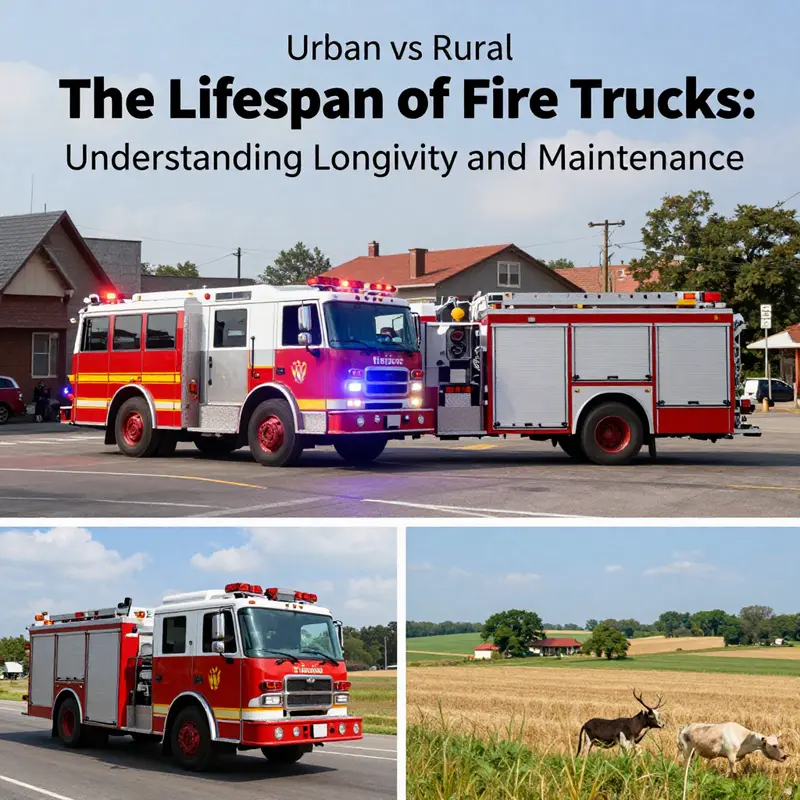
The lifespan of a fire truck is not a single fixed number carved in stone but a dynamic balance among how hard it works, how well it is cared for, and the terrain it is built to conquer. Across regions, the same principle holds: a machine built to weave through urban mazes and a machine pressed to tread rural byways will age differently, even if they share the same badge of urgency and the same manufacturer’s sheet. In practical terms, longevity for firefighting vehicles hinges on three intertwined factors: the intensity and nature of use, the rigor and quality of maintenance, and the design choices that match a truck to its expected theater of operation. When we examine urban and rural deployments side by side, the differences in mission profile become clear, and so do the implications for how long these lifelines of public safety stay in service.
In the heart of the city, a fire truck faces a relentless tempo and a barrage of spatial constraints. Urban environments are a maze of high-rise canyons, tight corners, narrow lanes, and the ever-present pressure of traffic and pedestrian activity. The vehicles designed for these conditions are typically compact in overall footprint, a deliberate choice to maximize maneuverability. Lengths often fall in a corridor between roughly four and eleven meters, widths from about 1.6 to 2.5 meters, and heights that keep the profile under urban clearance limits. These dimensions are not cosmetic; they are essential for weaving through crowded avenues, sliding into a tight alley, or slipping under a low bridge or into a sunken parking structure. The practical implication is that city-focused designs tend to emphasize agility, quick positioning, and rapid response over sheer bulk, which in turn influences maintenance demands and potential wear patterns. A vehicle that negotiates a congested block multiple times daily endures different stresses than one that travels long miles on open highways. Even with robust corrosion protection and strong chassis construction, the daily grind of urban use pushes components toward fatigue in a distinctive rhythm.
The urban firefighting reality also intersects with how often the truck actually gets used, what systems are engaged, and how hard the rig is pressed during each incident. In many metropolitan or peri-urban districts, the rhythm includes repeated cycles of accelerating, braking, idling near traffic, and the sudden, high-load demands of hydrant connections, pumping, and equipment deployment. This cadence matters because pumps, engines, transmissions, and hydraulic systems have different life curves under frequent high-temperature operation and thermal cycling. Regular, thorough maintenance becomes not merely a best practice but a mission-critical discipline. Departments that adhere to strict preventive maintenance schedules, carry out routine inspections with exacting standards, and promptly address even minor issues can push a vehicle well beyond the cynosure of a calendar’s expectation. The interplay between design and upkeep is crucial here: state-of-the-art materials, corrosion-resistant coatings, and modern chassis architectures can slow the march of wear, but the real safeguard remains the culture of care that treats the fleet as an asset with a finite but extendable life.
Residents of the countryside experience a different calculus, one shaped by terrain, road quality, and the scale of incidents rather than the density of traffic. Rural departments often rely on vehicles that emphasize through-road capability and reliability over sheer urban compactness. The road network—whether narrow dirt lanes, muddy tracks, or uneven concrete surfaces—demands a different kind of durability. In many cases, rural fire trucks are longer, taller, and built on chassis designed for off-road viability, with higher ground clearance and a robust undercarriage that can absorb the jolts of rough surfaces. Some rural models are deliberately simplified in equipment configuration, prioritizing core firefighting elements such as high-pressure water delivery, foam extinguishing tools, and essential lighting, while avoiding superfluous features that add weight and maintenance complexity. By focusing on reliability and throughability in challenging environments, rural designs reduce the risk of breakdowns at critical moments and sometimes extend the useful life through fewer high-stress cycles compared to their urban counterparts.
These design decisions are not merely about comfort or efficiency; they directly impact how long a vehicle remains serviceable. It is not unusual for city-oriented firefighting fleets to face tougher wear in certain components because of the dense, stop-and-go work pattern, with urban trucks sometimes aging toward a 10–15 year window before major overhauls or replacements. Rural fleets, by contrast, may experience longer intervals between heavy incidents and shorter daily wear, allowing with proper maintenance for the vehicle to remain in service for two decades or more under prudent refurbishment strategies. The key to turning these possibilities into realities lies in how maintenance and refurbishment are integrated into the lifecycle of the asset. When managers invest in annual overhauls, rotatable components, corrosion protection, and hydraulic system rehabilitation, a truck’s usable life can stretch well beyond the nominal clock, and some departments report extending service life past the 20-year mark through careful parts replacement and modernization without losing safety or performance standards.
The numbers themselves illuminate this divergence. A broad reading of the industry data indicates that emergency-targeted vehicles, regardless of their exact type, tend to have a typical service life in the neighborhood of 15 to 20 years. This is a general benchmark, reflecting the combination of manufacturing quality, mission load, and maintenance diligence across many departments. Yet, the spectrum is wide. For some manufacturers and configurations designed to meet extreme duty cycles, a firefighting vehicle can be designed with a planned lifespan that extends into the 25- to 30-year range, provided that daily operations are paired with a robust maintenance program and well-timed refurbishments. Conversely, aging safety standards, shifts in technology, or the emergence of more advanced fire suppression systems can prompt earlier retirement if safety margins are perceived to be compromised or if parts and service become scarce. The practical takeaway is not a one-size-fits-all number but rather an informed expectation that blends how the fleet is used, how it is cared for, and how it is updated to keep pace with evolving standards and capabilities.
A useful real-world thread running through both urban and rural contexts is the relationship between customization and operational efficiency. In some regions, bespoke rural models have demonstrated striking improvements in response times and mission flexibility. For instance, in areas where rural routes are particularly challenging, tailored designs have shaved minutes off initial response times—from about fifteen minutes down to eight minutes—in some cases. These gains illustrate how deliberate design choices—such as improved ground clearance, better off-road capability, and a more streamlined vehicle footprint—translate into greater reliability and quicker readiness. They also show that longevity and performance are not mutually exclusive. A truck can be compact and nimble in the city while still carrying the durability needed to navigate rough rural roads, provided its surface durability, suspension, and chassis are calibrated to those realities. In short, longevity benefits when the vehicle is matched to the demands of its environment, and when technological advances are embraced in the maintenance cycle rather than treated as afterthoughts.
Maintenance emerges as the fulcrum of long-term viability. Across both urban and rural settings, the frequency and quality of maintenance determine whether a vehicle remains a dependable tool in the hands of firefighters years after its purchase. The baseline is rigorous preventive maintenance: scheduled inspections, timely replacement of worn parts, and proactive corrections before a minor fault becomes a major failure. But beyond schedules, the culture of maintenance matters. Departments that empower technicians to perform thorough, proactive fixes, encourage meticulous record-keeping, and invest in corrosion protections and durable coatings in the factory and during refurbishments, set a foundation for longer service lives. This is not to romanticize aging equipment. Rather, it is to acknowledge that the financial and safety calculus often favors keeping a trusted vehicle in rotation, provided that its critical systems—pumps, ladders, water tanks, and structural integrity—remain uncompromised by the rigors of daily mission work.
The life cycle of a fire truck is also shaped by the temptation to retire early in favor of new technology or to upgrade to models with enhanced safety features and more efficient propulsion and hydraulics. Some departments adopt a policy of retirement when safety margins drop below an acceptable threshold or when technology advances render older systems obsolete or difficult to support. In other cases, fuel efficiency, emissions considerations, or improvements in onboard electronics can prompt refurbishments rather than outright retirement. When refurbishment is chosen, it often involves replacing or upgrading key components, reinforcing the chassis, modernizing communications and control systems, and re-certifying the vehicle to current safety standards. The outcome can be a vehicle that performs like new in critical areas while preserving the proven, reliable core that made it valuable in the first place.
The nuanced picture that emerges from this synthesis is a practical, location-aware approach to fleet longevity. Urban and rural environments do not just differ in scenery; they shape the stress profile on each vehicle, influence maintenance priorities, and determine the most advantageous timing for replacements or refurbishments. A city-dedicated truck benefits from a compact, agile design and must withstand high-frequency use in a dense network of streets. A country-bound vehicle benefits from ruggedness and through-road performance, with a maintenance cadence that emphasizes reliability on long, less-predictable journeys. Both worlds share a commitment to keeping the fleet ready for action, and both can push past conventional turnover timelines with disciplined maintenance, thoughtful refurbishments, and smart design choices that align with real-world use.
In closing, the question of how long fire trucks last is best answered not by a single statistic but by a narrative of how terrain, workload, and upkeep converge. The industry’s common benchmark of roughly 15 to 20 years sits alongside a spectrum that can tip toward shorter timelines in high-stress urban centers or stretch well beyond two decades when rural duties are coupled with proactive refurbishment and robust maintenance. The critical takeaway for policymakers, chiefs, and technicians alike is clear: longevity is earned through alignment—between vehicle design and mission, between maintenance schedules and operational realities, and between the relentless demands of urban streets and the patient endurance of rural lanes. As cities evolve and the countryside adapts to new threats, the pathway to longer, safer, more reliable firefighting fleets lies in marrying ingenuity with discipline, ensuring that each truck remains capable of answering the call as it ages, rather than merely enduring the passage of time.
External reference: https://www.mot.gov.cn/zhengce/zhengceku/202603/t20260312_123456.html
brush fire trucks, wildland firefighting, fire safety equipment, off-road fire trucks, firefighting technology, business safety, emergency response vehicles
In conclusion, the lifespan of fire trucks can vary significantly based on various factors, including maintenance, technological advancements, and operational context, such as urban or rural environments. By understanding these factors, business owners can make informed decisions about their fire truck fleets, ensuring optimal maintenance practices and making strategic investments in newer technologies. This knowledge allows for better planning and resource management, ultimately contributing to safer, more efficient emergency response services. With proper attention and care, fire trucks can serve their communities effectively for 15 years or longer, leading to increased safety and value for municipalities and private organizations alike.

