
















The sight of a fire truck engulfed in flames defies its very mission: to extinguish fires and save lives. Such incidents, though rare, pose severe risks not just to equipment but also to emergency responders and the community at large. For business owners, understanding the underlying causes of a fire truck catching fire is paramount. This knowledge is essential to grasp the safety implications, learn from real-case studies, and implement preventive measures. Furthermore, recognizing the impact on emergency responses enables businesses to appreciate the broader consequences of such events. Each chapter of this article aims to detail these aspects, offering you critical insights that can inform better safety practices within your own operations.
The Paradox of a Fire Truck on Fire: Tracing Sparks, Systems, and the Cost of Complacency
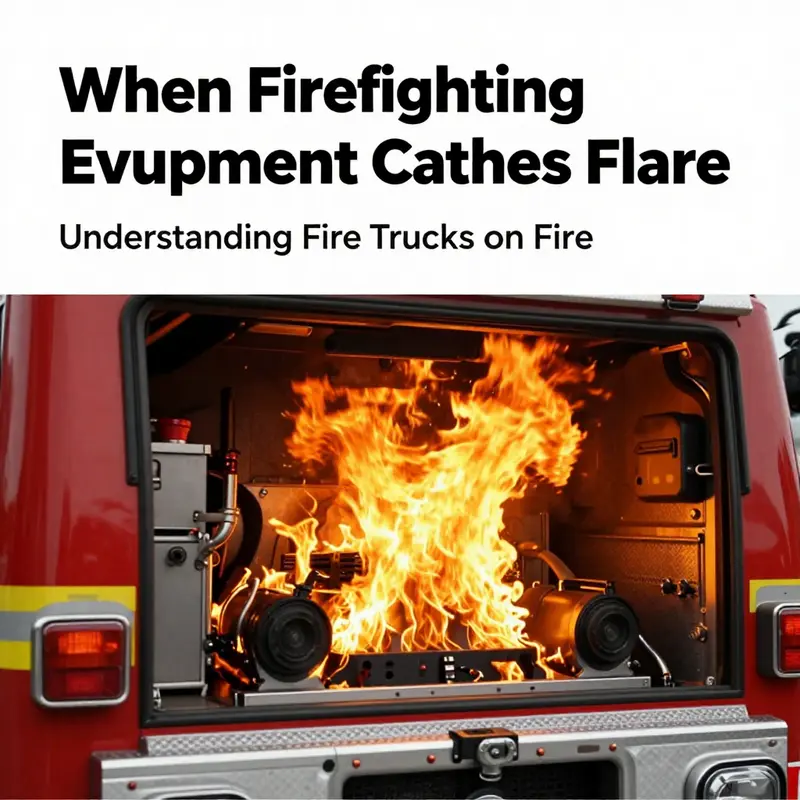
A fire truck is the most visible symbol of emergency response—an instrument of safety designed to confront flames with power, precision, and discipline. Yet in the world of fire protection, a paradox quietly haunts the fleet: the very apparatus built to extinguish fires can itself become a source of danger. When a fire apparatus ignites, the incident is not merely a mechanical mishap; it is a rupture in the chain of safety that binds responders, their communities, and the urgent mission they carry. The examples cited in the research materials point to a landscape where the threat emerges not from a single factor but from a convergence of design, maintenance, human behavior, and the high-energy environment in which these vehicles operate. The result is a scenario that forces fire departments to balance rapid response with relentless vigilance, to respect the possibility that a tool of protection can become a threat if any link in the system weakens.
Electrical system malfunctions sit at the core of many such incidents. Modern fire apparatus are intricate machines, a web of heavy gauge wiring, lighting circuits, communications gear, and control modules, all packed into spaces where heat, vibration, and noise intersect. When insulation wears, circuits become overloaded, or components heat beyond their rated tolerance, the risk of a short, spark, or glow from an arc climbs quickly. In the engine compartment and cab—the zones most densely populated with electronic devices—the probability of overheating or short circuits grows if routine maintenance lapses. A single degraded wire can ignite surrounding materials or set off a chain reaction among nearby components. The pattern here is neither purely electrical nor purely accidental; it is a product of system complexity and the maintenance culture surrounding it. A conscientious department understands that every electrical harness is a potential ignition source if not routinely inspected, tested, and replaced as needed. In practice, this means more than a yearly check; it requires disciplined, documented inspections that trace the life of each wire, connector, and harness, even those that seem inconsequential.
Fuel system issues offer another axis of risk. Leaks in fuel lines, tanks, or connections can create pockets of flammable vapor that migrate to hot surfaces or electrical sparks. The ignition of those vapors can be swift and devastating, turning an apparatus that should be delivering water onto a fire into a hazard that immobilizes crews and delays critical operations. The vulnerability is compounded when the vehicle is idling at a scene, undergoing quick transitions, or undergoing maintenance in the field. The fuel system reminds us that the fire service is not insulated from the physics of flammable liquids; it lives with them as long as the engine, pumps, and generators rely on fuel. Preventive strategies, therefore, must emphasize leak detection, proper securement of fuel lines, and the elimination of exposed vapors in areas where heat sources and electrical components converge.
Human factors complete the triad of primary causes. The research materials highlight how human behavior can create openings for fire even in fully equipped, heavily regulated environments. Activities such as smoking, cooking, or using hot work tools inside or near the apparatus can introduce ignition sources in spaces where highly flammable vapors may accumulate. The mention of unsafe practices—unattended tasks, or deviations from established protocols—speaks to a broader truth about any high-stakes operation: procedures exist not merely to prevent accidents but to preserve situational awareness when conditions shift rapidly. The data point about drug use among personnel as a risk factor adds a sober note about the culture of safety. It underscores the need for continuous education, robust supervision, and a shared commitment to personal accountability. In practice, prevention means more than rules; it means cultivating a culture in which drivers, crew, and maintenance personnel operate with a common, uncompromising standard for safety.
Mechanical failures complete the quartet of risks. Thermal stress from engine overuse, brake system problems during downhill driving, or malfunctioning hydraulic circuits can generate heat that becomes an ignition source near flammable materials. The physical environment around a fire apparatus—its exhaust manifolds, pumps, and hydraulic reservoirs—can be a tinderbox if it overheats. The takeaway is not that mechanical systems are inherently unreliable, but that reliability is a function of design, maintenance, and the rigor with which conditions are monitored between calls. A sustainable answer lies in a proactive approach: preemptive maintenance that catches wear before it becomes a hazard, coupled with procedures that prevent heat buildup and guarantee safe operation of high-demand subsystems under stress.
The prevention framework rests on three pillars: meticulous maintenance, disciplined safety protocols, and continuous training. Regular maintenance is not a ritual but a shield. It requires systematic inspections that go beyond the obvious: checking connections, testing sensors, verifying fuel integrity, and validating electrical insulation in harsh operating environments. Safety protocols must be stringently followed, especially around hot work, fueling, and storage of flammable materials in compartments adjacent to heat-generating components. Training should extend beyond the basics of driving and pumping to include scenario-based drills that simulate electrical faults, fuel leaks, or cascading failures under load. The goal is to normalize the response to a fire inside a fire truck—so that when the unexpected happens, the crew remains calm, coordinated, and ready to manage risk rather than react impulsively.
The practical implications of these factors stretch beyond the engine bay into the choreography of emergency response. When a vehicle becomes the scene’s hazard, the immediate concern is crew safety and operational continuity. Evacuation of the apparatus may become necessary, a reminder that the crew’s first duty is to themselves and to each other. Then there is the broader impact on public safety. A fire truck out of service cannot deploy water at the critical moment it is needed, which can prolong a blaze and complicate tactics on the ground. Departments must account for this contingency in their incident command plans, ensuring that back-up units and alternative resources are ready to step in without delay. The lessons from 2018 and subsequent incidents echo this logic: even when the incident involves routine training or a routine response, the consequences of a preventable ignition can reverberate across operations, affecting not only property and risk to bystanders but also the cohesion and confidence of a team.
A key axis of improvement lies in the design and management of the fleet itself. Fire apparatus are purpose-built to be reliable under demanding conditions, yet their complexity creates unique maintenance demands. Redundancies, such as dual power supplies for critical controls and safeguarded wiring paths that minimize exposure to heat, can reduce the likelihood of a catastrophic electrical fault. Design choices that keep heat and vapors away from ignition sources, and that make fuel lines easier to inspect, can alter the odds in favor of safety. But technology alone cannot replace vigilance. The human element—crews trained to recognize warning signs, maintenance staff who view inspections as a core duty, and leadership that prioritizes safety over speed—remains essential. A culture that treats every potential ignition as a legitimate risk changes how every shift is approached, from the morning pre-trip check to the drive to a call and the return to base.
For readers who are considering how equipment choices fit into a broader safety strategy, the topic naturally extends to the spectrum of fire apparatus available and the specialized roles they play. Within the industry, practitioners often explore a wide range of configurations and capabilities, ensuring that the selected platform aligns with the community’s needs and the department’s practices. If you are seeking to understand how various categories of fire-fighting vehicles fit into a comprehensive safety program, a catalog of fire apparatus options can be explored in the fire-fighting-truck category. This resource helps connect the theory of prevention with the practical realities of equipment readiness, while keeping focus on how maintenance, training, and operation intersect with what the vehicle is designed to do on the street. fire-fighting-truck category
The overarching takeaway is that a fire truck on fire is not simply a mechanical anomaly; it is a signal about the health of a safety system. It prompts a reevaluation of how risk is managed, how information is shared within a department, and how time-sensitive decisions are made under pressure. It invites candid conversations about maintenance schedules, about the frequency and depth of inspections, and about the ways in which crews are trained to respond to hazards that originate from inside the very tools they rely upon. It also invites a broader discussion about governance—how policies, funding, and leadership commitment translate into a measurable reduction in preventable ignition events. In this sense, understanding the causes is inseparable from building better practices: we learn what to watch for, why it matters, and how to turn those lessons into safer operations and more resilient communities.
Ultimately, the continuity of safety depends on a relentless discipline that treats prevention as an ongoing mission, not a finish line. When a fire truck smolders or catches fire, the incident is a stark reminder that even the most capable apparatus requires constant care and respect for the limits of technology and human performance. The stories from past incidents become a steady reminder that preparedness is not a one-time fix but a sustained culture—from the maintenance bay to the incident scene—to ensure that a vehicle designed to save lives does not become its own obstacle in the firefighting effort.
External resource for further reading: Fire Truck Fires: Causes and Prevention. https://www.fireengineering.com/technical-features/fire-truck-fires-causes-and-prevention/
When the Line Breaks: The Safety Stakes and Systemic Risks of a Fire Truck in Flames
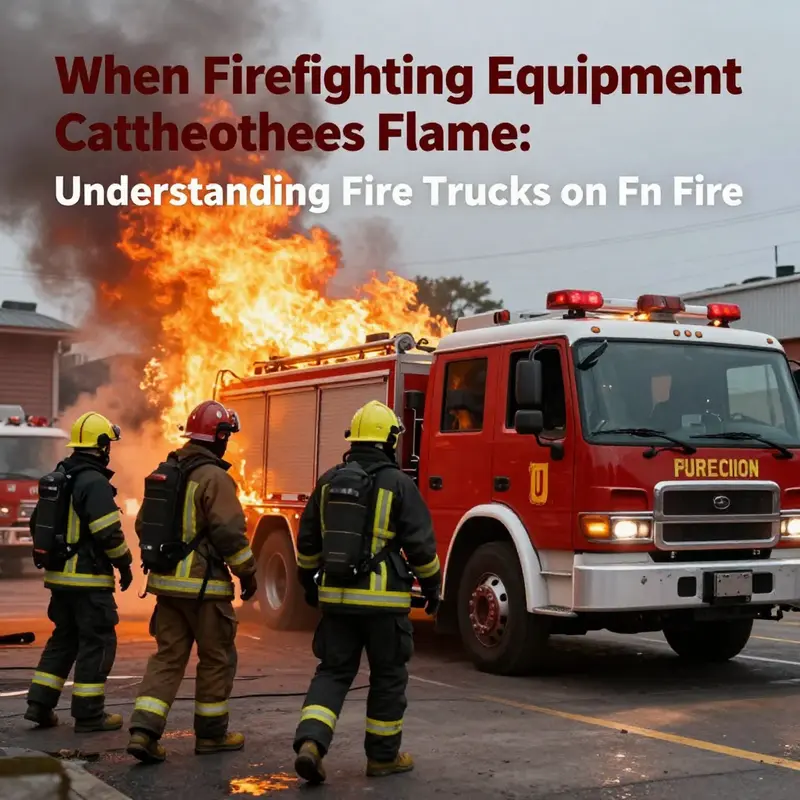
A fire truck on fire is a paradox carved in steel and glass: a machine designed to conquer fire, now consumed by it. This reversal exposes vulnerabilities that extend far beyond a single burning chassis. The vehicle’s role is to guard neighborhoods, protect responders, and stabilize chaotic scenes. When the same instrument of protection becomes the source of danger, the consequences ripple through every layer of the incident—from the first alarm to the moment when the flames are finally vanquished. The danger is not only the blaze itself but the cascade of effects it triggers. Fire apparatus are engineered to deliver water, deploy foam, pump high volumes, and provide rapid access to extinguishing agents. When a fault—mechanical, electrical, or human—ignites inside that equipment, the heat can compromise structural integrity, fuse critical lines, and render the truck immobile at the very moment it is needed most. In facilities with confined or multi-level access, the danger intensifies. The same fire that the crew aims to fight can block egress routes and trap the very responders who are charged with saving others.
History offers stark reminders of how quickly a routine call can become a high-stakes hazard. In 2018, a fire department training exercise in the United States ended with a fire engulfing a truck due to a fuel leak. That incident destroyed the apparatus and halted the training sequence, yet it did not injure participants. The lesson was not only about the fire’s ferocity but about the fragility of the equipment and the importance of strict maintenance and safety protocols. Another real-world scenario occurred when a fire engine responding to an emergency in California encountered an electrical fault that sparked a blaze. The crew evacuated safely, but the vehicle was rendered inoperable. Each episode underscores a basic truth: even with the best intentions and rigorous procedures, emergencies can expose the gaps between readiness and reliability. These cases are discussed in depth in professional safety circles and investigative reports, which emphasize that the risk is not simply a matter of luck but a function of systems—fuel, electrical, mechanical, and human response—operating in concert under extreme stress.
What makes a fire truck on fire uniquely perilous is the way the hazard multiplies. First, the fire itself threatens to erode the vehicle’s fundamental capabilities. Water tenders and pumpers cannot discharge water effectively if their own circulation paths are compromised, if hoses melt or become detached, or if the fire’s heat damages the engine or transmission. The result is a mobile hazard that may block lanes, block entrances to buildings, or close off the very route responders rely on to reach a scene. Lieutenant Kareem has drawn attention to a particularly stark image of this bottleneck risk: “Should we have a car fire in the basement, first level or second basement or the third basement, the fire truck would not be able to go.” In plain terms, a burning car or a burning truck can convert a critical access corridor into a trap. In urban cores with dense parking structures, this is not merely an inconvenience; it is a potential catalyst for secondary incidents, including traffic collisions, blocked evacuation routes, and delayed firefighting operations. It is not a hypothetical—it’s a real and measurable constraint that compels incident commanders to plan for the worst within the first moments of a call. The inability to deploy a ladder, to pull a nozzle through a narrow doorway, or to reposition a mobile unit because it has become engulfed in flames compounds the risks faced by civilians and responders alike.
Beyond the immediate flames, the composition of modern fire trucks adds another layer of danger. The rise of electric and hybrid power systems in emergency fleets brings with it the risk of thermal runaway, a rapid and escalating rise in temperature that can lead to explosions and the emission of toxic fumes. Batteries, once thought to be mere power storage, now participate in the firefighting equation as both enabler and risk. When a fire involves such components, the heat release rate surges, and conventional suppression tactics can be overwhelmed. The consequence is a firefight that includes not only flames but a battle against expanding heat, smoke, and volatile gases as the vehicle’s own energy storage system becomes a source of ignition. Research summarized in peer-reviewed literature notes that “By its very nature, the occurrence of fire can significantly increase the risk of injury in motor vehicle crashes,” and this principle applies with equal force to fire apparatus. The implications for firefighters extend beyond physical harm; they encompass cognitive load, decision paralysis, and the risk of secondary injuries as crews reconfigure tasks mid-incident to adapt to evolving hazards. The psychological toll cannot be understated. The failure of the very tool that should guarantee rapid, reliable response erodes confidence in a department’s ability to protect its own members and the public. When responders watch a trusted engine burn, trust in the system fractures, and the mental arithmetic of risk shifts from routine to critical.
Safety science and incident command doctrine emphasize that the risk of a fire truck on fire is not solely an engine problem. It is a communication and coordination problem as well. A vehicle engulfed in flames can rapidly become a traffic generator, diverting bystanders’ attention and pulling resources away from the scene. The surrounding environment matters significantly. In crowded streets, with pedestrians, parked cars, and nearby structures, even a small expansion of the fire can threaten the integrity of adjacent vehicles and the surrounding infrastructure. The presence of toxic fumes intensifies exposure risks for bystanders and can trigger evacuations that compound the incident’s complexity. In addition, the public safety impact extends beyond the current call. If a fire truck is unable to reach its target, if the ladder cannot be deployed, or if water cannot be pumped, response times to other incidents can lengthen. Delays can cascade, producing an overall deterioration in community safety during a period when every minute matters. In this context, a fire truck on fire becomes not just a local danger, but a signal of systemic vulnerability within the entire emergency-response ecosystem.
The chapter’s guiding concern, then, is how to translate this stark understanding into practical resilience. The path to resilience begins with rigorous maintenance. Regular, comprehensive checks of fuel systems, electrical harnesses, battery cooling circuits, and thermal protections are not luxuries; they are a frontline defense against a single fault spiraling into a catastrophic event. Maintenance programs must anticipate the ways that aging components, vibration from engine operation, and exposure to extreme heat can interact with one another under the duress of real calls. This means more than routine servicing; it requires targeted inspections after each high-stress incident, detailed fault-tracing procedures, and a culture that treats near-miss findings as opportunities to reassess risk. In parallel, incident command and fire suppression strategies must accommodate the possibility that a vehicle itself becomes part of the fire scene. This calls for specialized training that blends firefighting tactics with apparatus-exposure management, hazard recognition for electrical and chemical risks, and clear protocols for rapid evacuation and separation of crews when a vehicle shows signs of instability.
To reduce the likelihood of a truck becoming a hazard, design considerations and operational practices must work in concert. Fire departments increasingly rely on preventive engineering that foresees how ignition sources might interact with fuel systems, electrical components, and energy storage devices within a vehicle. For example, that means ensuring robust fuel-line routing that minimizes exposure to heat sources, adding redundant shutoffs to cut power and fuel quickly, and implementing thermal barriers that slow heat transfer into critical compartments. It also means preparing for the unpredictable realities of on-scene conditions—narrow streets, underground parking levels, and multilevel complexes—by preplanning access routes and having contingency plans that can be activated the moment a vehicle shows signs of distress. In practical terms, crews practice scenario-based drills that emphasize rapid, safe withdrawal of personnel and the ability to pivot to alternative water or foam delivery methods if the truck cannot be deployed as intended. The emphasis is on preserving life and preventing escalation, even when the equipment itself has failed or is failing.
For readers seeking guidance on equipment and strategies that align with extreme-incident realities, the Emergency Rescue Vehicle category offers a range of vehicles and configurations designed for resilience in demanding environments. These resources provide an important context for understanding how fleets can be organized to minimize the danger posed by their own apparatus while maximizing the odds of a successful intervention in complex settings. Emergency Rescue Vehicle can be a starting point for departments evaluating how a given platform might perform under stress, what redundancies are feasible, and how training can be aligned with the realities of modern urban firefighting. This is not about promoting a single solution but about recognizing that the safest response depends on a well-integrated system where maintenance, engineering, tactics, and training reinforce one another rather than operate in silos.
The broader body of research on vehicle fires also underscores a critical takeaway for public safety planning. The literature indicates that engine fires and vehicle fires are not isolated threats; they interact with traffic systems, urban design, and emergency medical services, often amplifying the harm that would occur if the firetruck were merely a passive spectator to the incident. The practical implication is a call to action for departments, policymakers, and safety researchers to treat fire apparatus as dynamic elements within the urban fire protection network. This requires ongoing investment in maintenance facilities, diagnostic capabilities, and continuous improvement cycles that review incident data, identify recurring failure modes, and implement engineering and procedural changes designed to reduce those failures’ likelihood and consequence. In the end, the goal is not merely to prevent fires in fire apparatus but to ensure that when fires do occur in or around the apparatus, crews can rise to the challenge with minimized risk, maximal efficiency, and preserved public safety.
External reference for deeper context: The Impact of Vehicle Fires on Road Safety (ScienceDirect, 2023) provides a rigorous framework for understanding how the ignition of vehicles at the scene can affect injury risk and response effectiveness, reinforcing the need for integrated safety practices across maintenance, design, and tactics. https://www.sciencedirect.com/science/article/pii/S014717672300085X
When the Shield Catches Fire: Case Studies of Fire Trucks On Fire and the Lessons for Emergency-Vehicle Safety
Fire apparatus are the workhorses of suppression, the armored shield that stands between a failing blaze and the human lives and structures it threatens. They are built to withstand heat, carry critical equipment, and sustain demanding runs through crowded streets and alleyways. Yet, as these case studies show, the very machines charged with delivering rescue can themselves become hazards under stress. A fire truck that ignites en route to a structure fire, after all, is not merely a vehicle loss. It represents a breach in the chain of preparedness, a moment when training, maintenance, and rapid decision-making must converge under pressure. An examination of recent incidents—made up of a city’s electrical system in one year, a hose connection state in another, and a lithium-ion battery in a third—reveals a pattern: the risks posed by the vehicle itself merit as much attention as the flames that sparked the call in the first place. The overarching lesson is not that fire trucks are flawed or unsafe by design. It is that vigilance must be constant, and response protocols must be adaptive to new powertrains, new energy storage solutions, and the urban constraints in which emergency scenes unfold. In the pages that follow, we trace the contours of three notable incidents. Each case illuminates a distinct failure pathway—electrical, fuel, and battery—that, taken together, maps a broader implication: equipment safety is a dynamic field, forever catching up with evolving technologies and the evolving landscapes of the cities we serve.
Guarding the Lifeline on Wheels: Proactive Safeguards to Prevent Fire Trucks From Catching Fire
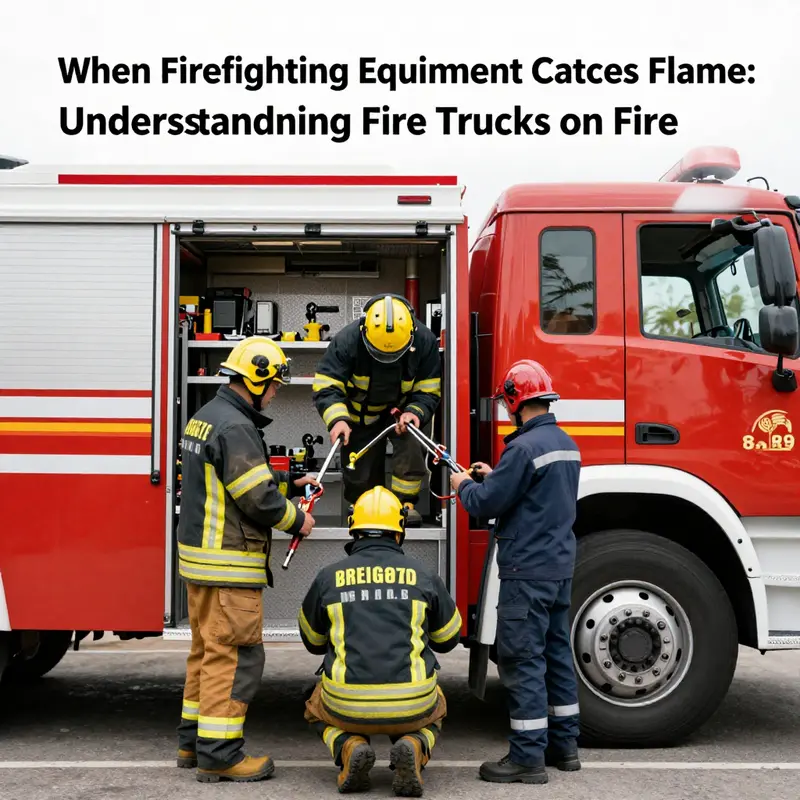
In the field of emergency response, the fire truck is more than a vehicle; it is a mobile command center, a lifeline, and a beacon of hope during the earliest moments of crisis. It is paradoxical that a machine designed to conquer flames could itself become a source of danger if hidden faults ignite within its own engine bay, electrical loom, or fuel system. When a fire truck catches fire, it can jeopardize the safety of the crew who rely on it, endanger nearby civilians, and complicate the unfolding of a coordinated response. That paradox has shaped a broader lesson: the most reliable protection against a vehicle fire is not a dramatic last-minute fix, but a culture of prevention that starts long before the fire alarm sounds. The historical record offers sober reminders. In 2018, a routine training exercise exposed a fuel leak that found a spark, consuming the vehicle involved in the training highlands of a U.S. facility. In another instance, an electrical fault during an emergency response left a truck immobile, though the crew evacuated without harm. Such events are not merely anecdotes; they are a prompt to strengthen procedures, tighten inspections, and reinforce the discipline of preparedness that keeps a fire department’s fleet as ready as its firefighters. The core message is simple, even as the engineering and logistics behind it are complex: fire trucks must be protected from the risks they are built to fight, and that protection comes through systematic maintenance, disciplined operations, and continuous training.
Preventive measures, therefore, are not optional add-ons; they are the operating system of emergency mobility. The backbone rests on regular maintenance and inspection, which the National Fire Protection Association emphasizes as essential for identifying potential hazards before they ignite. Frayed wiring, leaking fuels, deteriorated hoses, or weakened insulation can hide in plain sight until a spark triggers a blaze. A daily or weekly checklist becomes a shield when it focuses on critical systems—electrical, fuel, and hydraulic lines—and on components that endure constant vibration, exposure to heat, and abrupt shifts in workload. A driver or technician trained to spot the subtle signs of impending failure can replace a creeping risk with a confident, predictable operation. In practice, this means more than a routine once-a-month cursory glance. It means a disciplined cadence of visible wear checks, corrosion scans at battery terminals, and pressure tests that reveal leaks in lines that carry several tens of gallons per minute. The goal is not to chase perfection but to minimize the probability of ignition through early detection and timely intervention.
Sound maintenance also depends on how a fire truck is stored and how fuel is handled. Fuel systems are among the most common ignition sources in vehicle fires, particularly when tanks are compromised or lines are not properly secured. The guidance is practical and concrete: keep fuel tanks securely sealed, minimize heat exposure, and refuel only with the engine off in well-ventilated areas. The Department of Transportation has long warned that improper fuel handling is a primary contributor to vehicle fires, a warning that resonates especially for emergency vehicles that must refuel in the field under less-than-ideal conditions. Beyond fueling, storage considerations shape safety. Flammable liquids and flammable vapors must be kept away from heat sources and ignition points, a rule that extends to maintenance bays and stowage compartments where tools and spare parts live. In these spaces, the presence of spark-producing devices, open flames, or smoking is strictly prohibited. Even seemingly minor practices, like ensuring a battery is disconnected before major electrical work, can interrupt a chain of events that might otherwise lead to a dangerous ignition. The idea is to build resilience through routine, not to rely on luck or isolation of events. To support these preventive needs, teams maintain a stock of essential components, including hoses, fittings, and other critical parts—often organized around a clear, accessible schema. For those curious about the practical toolkit that keeps vehicles ready between missions, see the dedicated inventory category of replacement components for continuity and quick swaps, linked here as fire-truck-parts.
A fleet’s resilience depends as well on the materials and equipment built into the truck itself. Modern fire apparatuses are constructed with fire-resistant materials in key areas such as the engine compartment and the cab, reducing the likelihood that a small fire will take hold in a vulnerable zone. But materials are only part of the equation; a comprehensive approach requires that onboard firefighting equipment—extinguishers, suppression systems, and redundant safety devices—be regularly inspected and replaced when expired. Redundancy matters when time is of the essence. If a primary extinguishing device is not accessible or is partially compromised, a secondary system can be the difference between a contained incident and a full-bore emergency. Regular inspections of the vehicle’s suppression setup, including clean agents, foam lines, and accessible nozzles, help ensure that the truck’s protective measures are confident allies rather than uncertain liabilities.
Overheating is another acute risk factor that can transform a routine drive into a fiery emergency. Engine cooling systems must function flawlessly, with coolant levels monitored and radiator fins kept free of debris so air can circulate unimpeded. Blocked cooling pathways and coolant loss can raise operating temperatures to dangerous thresholds, where metal fatigue and spontaneous combustion become plausible. Routine checks here translate into practical habits: verify coolant levels before every shift, inspect hoses for signs of aging or cracking, and remove obstructions from radiator cores to maintain airflow. These steps are not mere maintenance rituals; they are the proactive discipline that prevents heat from becoming a trigger. Complications can also arise from the electrical domain, where even a small fault can escalate rapidly if untended. Electrical faults remain among the leading causes of vehicle fires, so any wiring modification should be handled only by certified technicians who understand the complex weaving of power systems that runs through a fire apparatus. Insulation must be intact, wiring secured to avoid chafing, and grounding systems checked to prevent heat buildup from stray currents. In a truck that carries high-energy equipment and complex electronics, the margin for error is slim; the precautionary standard is meticulous wiring, deliberate routing, and robust protective housings.
Beyond the physical hardware, human factors shape the safety profile of a fire truck more than any single device. Policies that ban smoking or open flames on board have real value because even tiny sparks can ignite flammable vapors in closed compartments. Yet policies alone do not suffice; they must be reinforced by training that makes prevention an instinctive response. Crew members should be fluent in fire prevention protocols and emergency response procedures, understanding not only how to fight a fire but how to shut down electrical circuits, fuel lines, or hydraulic pumps rapidly and safely if a fault appears. Drills that simulate electrical faults, fuel leaks, or engine overheating give crews practical experience in recognizing early warning signs, implementing containment measures, and executing a controlled shutdown to prevent escalation. The training ethos should integrate with maintenance routines, so that a crew member’s vigilance during a drive arc becomes a continuity with a technician’s detailed inspection protocol. When prevention becomes a shared language—across drivers, mechanics, and fuel handlers—the odds of a small issue turning into a catastrophe diminish markedly.
All these layers—maintenance, storage, materials, cooling, electrical safety, and training—cohere into a cultural shift: a fleet that treats safety as an ongoing operational imperative rather than a procedural afterthought. The most effective preventive strategy is a well-planned continuum that links the design of the apparatus with its daily use. Design choices matter, but design without ongoing care is brittle; care without thoughtful design risks inefficiencies. The intersection of these two dimensions—well-conceived equipment and disciplined practice—produces a fleet that remains operational under pressure and reliable when it matters most. In this integrated approach, the role of reliable parts cannot be overstated. Readiness is built in part by stocking and maintaining a dependable supply of critical components, hoses, and fittings, which ensures that when a fault is detected, a fix can be implemented quickly and safely. For readers seeking to explore the practical inventory that supports this readiness, the internal link to fire-truck-parts serves as a gateway to a curated catalog designed to keep essential systems up and running between calls.
Finally, the broader lessons extend beyond the individual vehicle. The prevention framework described here aligns with established standards and best practices that govern automotive fire apparatus design, construction, and maintenance. NFPA 1917, the Standard for Automotive Fire Apparatus, provides a comprehensive blueprint for safety requirements that help manufacturers and departments minimize risk across the lifecycle of a fire truck. While this chapter has focused on actionable measures that can be implemented on a daily basis, readers are encouraged to consult official resources for deeper guidance, including the NFPA documentation mentioned in the detailed research materials. The practical takeaway is clear: the safety of responders begins with the dependable performance of the apparatus that carries them into danger. By embracing regular inspection, careful fuel handling, protective materials, cooling discipline, electrical vigilance, and rigorous training, fire departments sustain a fleet that is not only ready to fight fire but resistant to the fires that can threaten the very equipment meant to conquer them. As the chapter turns toward the next topic in this article, the underlying message remains unchanged: prevention is the most effective form of protection, and it rests on the steady, coordinated effort of people and processes working in concert.
For those seeking further context on the causes and prevention of fire truck fires, a detailed external analysis is available that synthesizes industry findings and practical guidance. This resource provides additional perspective on how prevention strategies translate into real-world outcomes and highlights scenarios that underscore the importance of the preventive measures discussed above: https://www.fireengineering.com/technical-features/fire-truck-fires-causes-and-prevention/.
When the Fire Truck Burns: How a Self-Destructing Asset Redefines Emergency Response
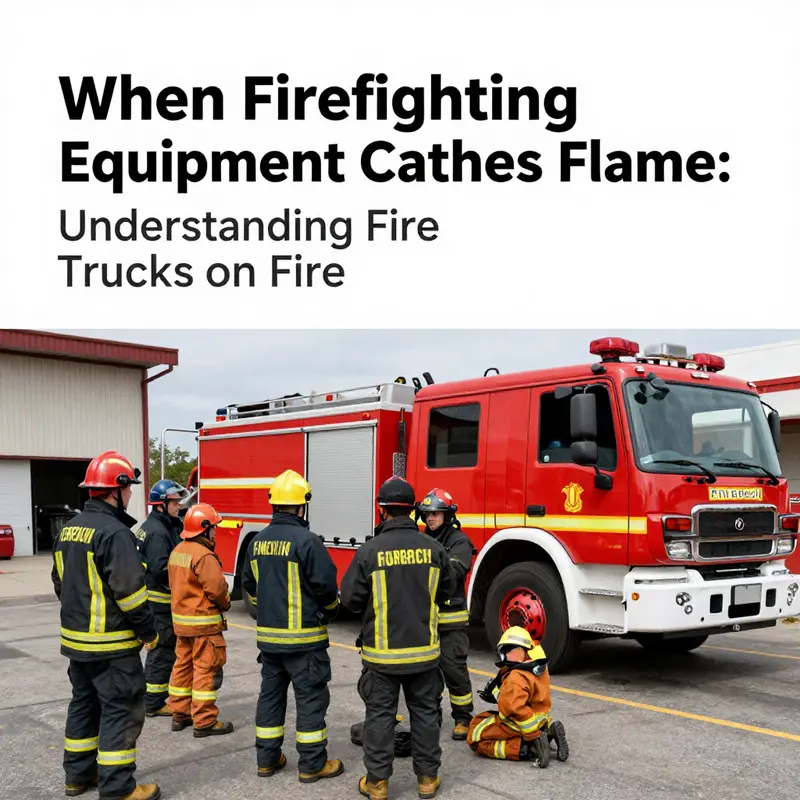
When a fire truck, built to fight flames, becomes the source of danger, the incident reveals how deeply a single vehicle can influence an emergency scene. Fire departments rely on their rigs not only to bring water and tools to the fire, but to shape how the incident unfolds. When the vehicle itself is compromised, the entire operation shifts from a straightforward response to a delicate balance of haste and caution. In the United States, a notable incident during a routine training exercise in 2018 demonstrated that even well-maintained engines can become fire hazards if a fuel leak ignites. Another case, in California while responding to an emergency, showed that an electrical fault could render a critical asset unusable, despite the crew’s best efforts to evacuate and continue with other resources. These episodes underscore why regular maintenance, pre-incident checks, and robust safety protocols remain essential even for the devices designed to protect the public. The risk is not merely a matter of a single burning panel or a melted bumper; it can cascade into delays, miscommunications, and increased exposure for civilians and responders alike.
The impact on emergency responses is profound and multifaceted, but at its core lies the initial attack. The first engine arriving at a structural fire must begin suppression quickly to restrict growth and create a safer window for others. In urban and suburban settings, a standard water supply unit can deliver a high-pressure stream that quiets a blaze, often achieving a noticeable drop in heat within minutes. Yet studies show that dispatch practices that simply route the closest available unit are not always optimal. When several trucks are en route, and driving times are correlated through traffic patterns, ignoring those correlations can cost a department more than twenty percent in response time. The implication is clear: smarter dispatch requires more than proximity; it requires real-time data, weather, traffic, and the current availability of units. The aim is to ensure that the right asset arrives promptly while maintaining safety margins for the crew, the neighborhood, and the incident itself. This is a practical reminder that responsiveness is not a single metric but a composite of timing, routing, and unintended risk.
In high-rise or dense urban environments, aerial ladder units provide capabilities beyond ground operations. Their reach extends well above ground level, enabling rescues, ventilation, and direct suppression at upper floors. The equipment onboard enhances visibility and safety: high-intensity lighting allows operations to continue through darkness, and thermal imaging cameras help identify hot spots behind walls or on rooftops. Yet their size and geometry bring real-world constraints. Large turning radii and limited access through narrow streets challenge responders to position these platforms carefully, sometimes long before they are needed. That means pre-planning, precise incident mapping, and reliable mobility data are not luxuries but prerequisites for effective use. In the context of the modern city, where towers rise and streets narrow, the value of an aerial unit is in its ability to extend reach while maintaining precise control. For practitioners who want to explore equipment categories that include aerial operations, see the aerial fire truck category.
Outside urban cores, wildland fire truck vans operate with rugged capability. They are designed to survive rough terrain, offer draft opportunities from natural water sources, and carry tools like Pulaski axes, McLeod rakes, and chainsaws. Their water capacity is not as high as structural engines, but their mobility and off-road performance extend protection to forests, parks, and rural communities that lack hydrants. The interaction between these units and their city counterparts on a single incident can be complex; coordination requires careful communication and a shared command structure. The aim is to bring water where hydrants do not exist, while ensuring that the vehicles of response do not become obstacles themselves. The result is a spectrum of resources that can adapt to geography, weather, and evolving fire dynamics.
Beyond suppressing flames, modern fleets increasingly deploy medical and rescue functions from the same platform. These mobile units carry medical kits, ladders, rescue baskets, and stabilization equipment, enabling swift extrication of victims from vehicles or collapsed structures. The integration of firefighting and emergency medical services speeds up triage and evacuation, but it also adds layers of complexity to resource allocation and crew safety. A well-coordinated unit can stabilize a victim on scene, extract them, and hand off care to hospital teams, all while maintaining a defensive posture against flare-ups and shifting smoke conditions. The chain of communication must be precise; a misstep can delay care and endanger a responder. The modern chapter of firefighting acknowledges that the vehicle is not a single-task device but a mobile platform that blends suppression, rescue, and care into a unified response.
Ultimately, the effectiveness of fire truck assets depends not only on their physical capabilities but on the intelligence used to deploy them. Modern departments rely on advanced communications, GPS navigation, and real-time data analytics to refine where, when, and how resources arrive. The rise of data-informed dispatch systems promises to reduce response times and improve safety by matching the right tool to the task at hand, factoring in not just distance but traffic, weather, road closures, and unit readiness. A small delay in a single engine can cascade through the rest of the incident when water supply or access points are critical. Conversely, a smarter system can absorb shocks, reallocate units, and maintain a more predictable rhythm on scene. This is the frontier where technology elevates the traditional function of a fire engine from a simple transporter of water and tools into a dynamic, data-driven asset that coordinates with responders, hospitals, and air and ground support. In practice, that means the dispatcher becomes a conductor, guiding a tempo that aligns with real-time conditions rather than a static schedule, and crews gain a clearer picture of what to expect as they approach an address.
Taken together, the examples of impairment show that fire-response planning cannot rely on a single metric or a single asset. Departments are pushed to analyze their fleet mix—how many aerials, how many wildland units, how many rescue-capable vehicles—and how to stage them across jurisdictional boundaries. This means not only placing ladders and pumps in optimal locations, but building data-sharing networks with neighboring agencies, ensuring that when one unit is out of service, others can compensate. It also means rehearsals that simulate the loss of a lead engine, including alternate water sources, back-up communications, and the coordination of medical teams. In practice, this is about resilience: the system anticipates failure and preserves momentum by design rather than luck. The discipline extends to maintenance routines, rapid inspection checklists, and continuous feedback loops from the street to the depot. Each incident teaches a new nuance about when to push forward and when to pull back, about how to balance speed with safety, and about how an asset that can save lives on one scene might require protection from itself on another.
Looking ahead, the chapter’s thread is clear: the fire truck remains a core platform for incident management, but its true power lies in how it is deployed, supported, and integrated with other resources. The most effective responses will be those that anticipate the possibility of a compromised asset and have contingency plans that keep momentum without compromising safety. This requires ongoing investment in training, maintenance, and interagency coordination, as well as a willingness to adopt smarter dispatch policies that account for the stochastic reality of city traffic and road networks. The chapter thus argues for a public-safety infrastructure that treats every vehicle as a moving data point, capable of contributing to a larger, coordinated picture of an incident rather than simply behaving as a separate unit with a single job. In that broader sense, a fire truck on fire is less a singular failure than a diagnostic signal—an alert that even the most capable responders must anticipate, adapt, and evolve the very systems designed to protect life and property.
External resource: For a detailed look at the causes and prevention of fire-truck fires, see Fire Engineering’s overview: https://www.fireengineering.com/technical-features/fire-truck-fires-causes-and-prevention/
The transition to yellow fire trucks illuminates the critical relationship between visibility and safety in emergency response. As this trend continues to gain traction, it offers valuable insights for business owners and community leaders about the importance of implementing evidence-based practices in safety measures. By understanding the reasons behind this shift—factoring in visibility, operational efficiency, and psychological perception—businesses can better appreciate the implications for public safety. As we move forward into a future that prioritizes visibility and efficiency, the adoption of yellow as a standard for fire trucks reflects a profound commitment to enhancing safety for all.
The striking image of a fire truck on fire serves as a reminder of the potential hazards inherent to emergency response operations. By examining the causes, safety implications, case studies, preventive measures, and impacts on emergency responses, business owners can better appreciate the intricacies and importance of maintaining their equipment. Understanding these dynamics not only helps foster a safer environment but also enhances the readiness of teams to respond effectively in times of crisis. By applying the lessons learned such incidents can teach, organizations can contribute to a safer and more reliable emergency response ecosystem.

