
















消防車のサイレンは単なる大きな騒音ではなく、緊急時に公共の安全を確保するための重要なツールです。本稿では、これらのサイレンの複雑な設計と機能について掘り下げ、どのようにして一般市民に警告を発し、迅速な対応を促進するかを考察します。各章では、伝統的な機械式システムから現代の電子機器へとサイレンを変革し、その効果を高めた技術的進歩を探ります。さらに、消防車の音が社会に与える影響、公共の意識や安全認識をどのように形成するか、そして地域の緊急時における文化的意義についても考察します。これらの側面を理解することで、事業主は自社の運営と地域社会の安全を守る上で、これらの音の重要性をより深く把握できるでしょう。.
街に響くエコー:消防車の可聴的シグネチャー
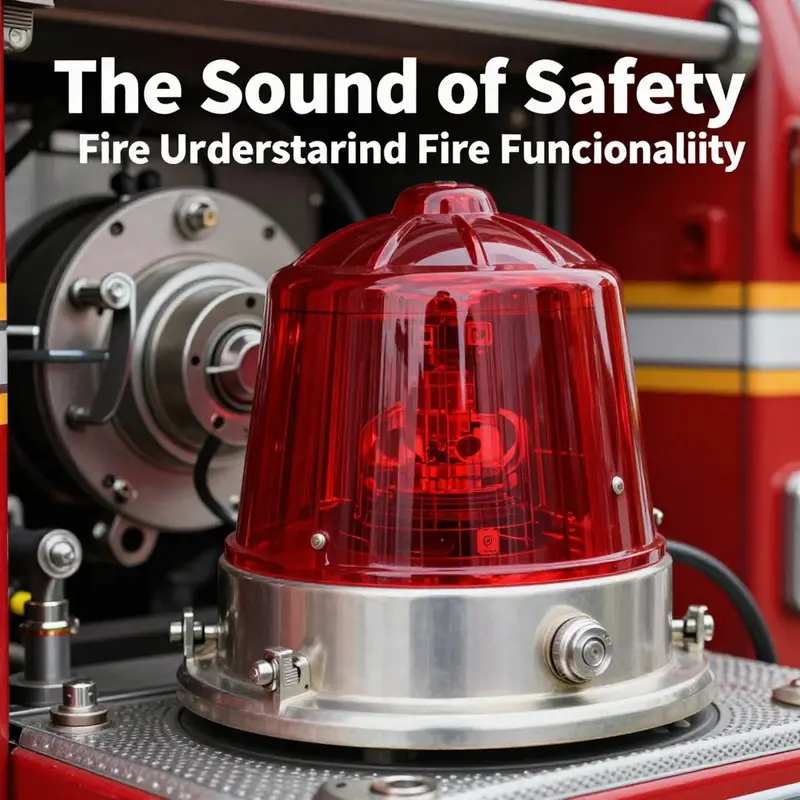
都市の街路において、消防車の可聴的シグネチャーは、騒音の壁を突き破るために注意深く作られた信号です。サイレン、低周波の轟音、そして鋭いホーンの連打音が連携して、緊急性を識別し、行動を導きます。その音は無作為ではなく、交通、群衆、天候の中でも理解できるように設計されています。その目的は警告を超え、方向性の合図、安全プロトコル、そして人々が素早く反応するよう促す心理的なトリガーとして機能します。その設計は、物理学、知覚心理学、そして現実世界の制約を融合させています。サイレンが鳴り始めると、ガラスとコンクリートで形成された街の谷間を周波数が伝わり、反射が増幅され、車両が接近するにつれてドップラー効果が音程を変化させます。その信号は、目覚まし時計であると同時にナビゲーションツールとなり、歩行者や運転手が安全な場所へ移動し、隊員が現場に到着するのを助けます。.
音のスペクトルは意図的に選択されています。伝統的な消防用サイレンは、人間の聴覚が都市の喧騒の中で最も敏感になる、約500ヘルツから1200ヘルツの帯域を中心に設定される傾向があります。音量も音程と同様に重要であり、約10メートル離れた場所では、典型的な緊急サイレンは120デシベルを超え、交通、エンジンの騒音、雨を突き破ります。これらの要素が組み合わさることで、物理的に強力で知覚的に明確な音響シグネチャーが生まれます。それは、接近する緊急事態と道を譲るよう指示するものとして、間違いなく認識されます。.
パターン言語はさらに別の意味の層を追加します。古典的なワイリング音は広い範囲を掃引し、遠くからでも注意を引くために上下に変動します。より速いイェルプ音は、即座の反応が必要な密集した交通の中で緊急性を加速させます。短く断続的なパルス音は、速度と機動性が重要な場合に、差し迫った到着や即時の退避の必要性を知らせることができます。多くの車両群では、制御されたホーンや短いエアホーンのアクセントがシーケンスを強調し、近くの聞き手を圧倒することなく緊急性を強化します。よく練られたパターンにより、傍観者は自分の動きのタイミングを計り、状況認識を維持できます。.
テクノロジーは可能性を広げました。現代の消防車は、混雑した環境でも明瞭性を保ちながら、より幅広い音色を再現できる電子サイレンとスピーカーアレイをますます採用しています。デジタル音声生成により、周囲の騒音に動的に適応することが可能です。静かな通りでは、システムは過度な音量に頼らずに検出可能性を最大化するために異なる周波数を強調できます。騒がしい工業地帯やスタジアムでは、明瞭性を保つためにスペクトルの重点がシフトします。デジタル基盤は、指令データ、GPS、車載インターコムとの連携もサポートし、隊員と一般市民の両方にとってより一貫性のある情報の流れを生み出します。.
さらなる改良点は、マルチゾーン音声配信です。単一の音を全方向に放送する代わりに、最新のシステムは特定のトーンを特定のゾーンや区画に向けることができます。この精度により、近隣住民や歩行者への過剰な音の飽和を減らしながら、到達範囲を拡大します。また、隊員にも役立ちます。後部スピーカーは、傍観者に対するサイレンの明瞭性を損なうことなく、応答者に最新情報を届けることができます。実際には、これは車両が公共に信号を送りながら、キャビン内でプライベートな通信を維持できることを意味します。.
規制の状況全体において、安全基準はサイレンの設計と使用方法を形成します。NFPAなどの基準機関は、可聴特性だけでなく、照明、サイレン、通信といった車両システム全体がどのように安全に連携するかを概説しています。その目的は、風、雨、反射、そして都市生活の様々なリズムの中でも明瞭な、一貫性のある信頼性の高い信号連鎖です。専門家にとって、これらのガイドラインに従うことは単なるコンプライアンスではなく、生命安全と運用の信頼性です。.
サイレンの対象となる聴衆も設計に影響を与えます。民間人には、歩行者、自転車利用者、複数車線の運転手が含まれ、中には視覚的指標に依存する聴覚障害者などのメタ制約を持つ人もいます。サイレンは、動く公共インターフェースの一部となり、可聴であると同時に、ヘッドライト、無線通信、指令の合図と統合されなければなりません。その社会的機能は、共有された期待を生み出すことで、ためらい、混乱、遅延を減らすことです。音が大きくなったら、脇に寄り、応答者を通す。究極の尺度は音量だけではなく、多様な都市環境において信号が迅速かつ正確に解釈されるという信頼です。.
知覚科学は、これがなぜ機能するかを説明するのに役立ちます。音の連なりは、意図的な推論が行われる前でも、人々を安全へと導く迅速な定位反応を引き起こします。エンジニアは、新規性、警告力、リスナーの疲労のバランスを常に調整し、信号が長期間の暴露にわたって効果的であり続けるようにしています。密集した都市環境では、反射や残響が信号を歪める可能性があります。課題は、明瞭性を保ちながら、時間の経過とともにコンプライアンスを損なう可能性のある不快感を避けることです。音響学、政策、そして現実世界の運用の融合は、科学的に根拠があり、社会的に不可欠な楽器を生み出します。.
For practitioners curious about implementation, the siren is part of a larger chassis of technology. Audio is integrated with navigation, dispatch interfaces, and crew communications, allowing synchronized outputs that respect the vehicle’s route and the crew’s instructions. Digital signal processing enables on-the-fly tuning to preserve audibility in variable environments, while maintaining a unified, interpretable message across the soundscape. The goal remains constant: a sound that travels far, cuts through noise, and remains clear and actionable for every listener it reaches.
In the end, the fire truck signal is not merely a loud alarm; it is the audible face of an emergency response system. It blends physics with perception, technology with policy, and urgency with safety. It works in concert with lights, radio chatter, and dispatch guidance to form a dependable channel of information. Without that distinctive sound, the choreography of rapid, safe passage would struggle. The siren is the spark that triggers movement, a cue that turns hesitation into action, and a reminder that sound is a vital ally in the daily drama of urban life.
Siren as Signal: How the Sound of Fire Trucks Shapes Public Safety, Attention, and Urban Movement
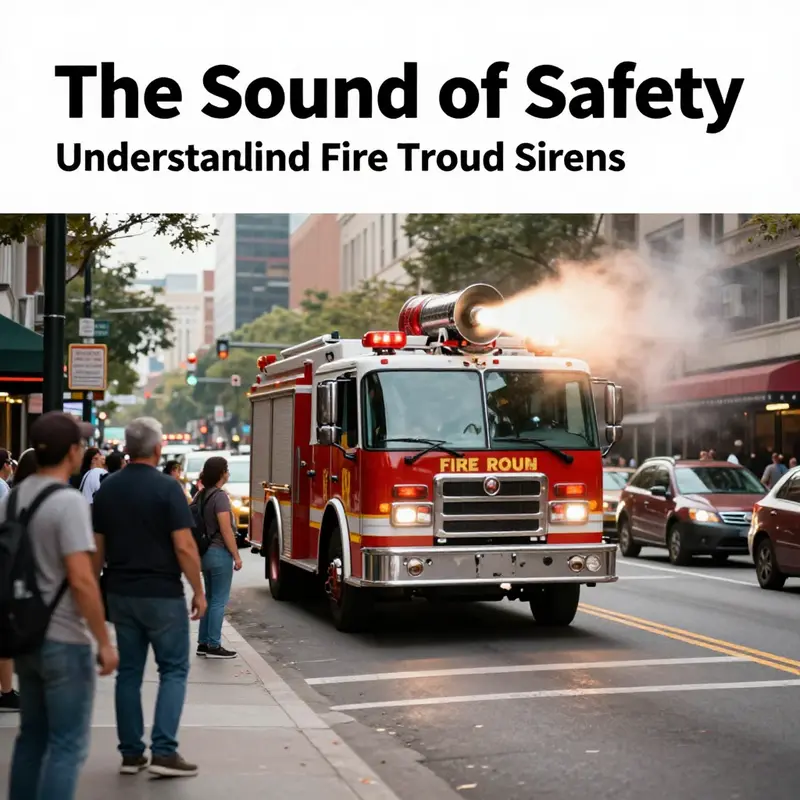
Sound is often the first signal of danger, a boundary between everyday life and an unfolding emergency. In the choreography of an urban response, the fire truck’s siren plays a pivotal role that goes beyond sheer volume. It is a carefully crafted signal designed to cut through the chorus of city noise, to cue lives and lanes into motion, and to help professionals reach scenes of danger with as much speed and safety as possible. This soundscape—comprised of pitch, rhythm, and volume—becomes a universal language that people recognize, interpret, and act upon, even when train schedules or traffic patterns would otherwise tempt hesitation. The fire truck siren is not merely a noise; it is a calibrated tool for public safety that has evolved as technology, urban design, and human perception have shifted over time. Understanding how this sound works, and what it requires of the people who respond to it, reveals a complex balance between alertness, compliance, attention, and health—an equation that sits at the heart of modern emergency response.\n\nAt the core of any siren’s effectiveness is its frequency range and the way that range is exploited across different alert patterns. Research indicates that fire truck sirens typically operate within a band of roughly 500 to 1500 Hz, a sweet spot where the human ear is most sensitive to rapid changes in pitch and where directional cues are most discernible. Across models and designs, decibel levels can exceed 120 dB when measured at relatively close distances, such as ten meters. This intensity is not a mere coincidence; it is a deliberate choice to ensure that the siren rises above the cacophony of urban life—honking cars, loud music, construction noise, and the countless other sounds that fill city streets. The pulse of the siren—whether a wail, a Yelp, or a more abrupt tone—conveys urgency and direction, guiding pedestrians and drivers alike to discern the vehicle’s path and speed. In crowded environments, the changes in frequency and rhythm help people infer whether the approaching vehicle is coming from ahead, from behind, or from the side, and whether it is accelerating or maintaining a consistent approach. These sonic cues translate into split-second decisions that can prevent collisions, clear intersections, and grant a firefighter crew the space they need to operate.\n\nThe patterns of siren sound—often described in terms of wail or yelp configurations—play a crucial role in how people localize and interpret the threat. A rising or falling pitch can signal approach from a particular side, while a steady or modulated tone may indicate a longer maneuver through a busy corridor. The auditory perception of these cues is not purely technical; it is also social. People learn to associate certain siren rhythms with specific kinds of emergencies, and that learning happens in real life as much as it happens in training environments. This is especially important in urban settings where dense traffic, pedestrian activity, and diverse hearing abilities intersect. The siren thus becomes part of a broader system of awareness that includes signage, traffic laws, and public education campaigns. In this way, the sound functions as a bridge between the immediacy of danger and the practical steps that people can take to reduce risk.\n\nYet, the siren’s power comes with a responsibility to balance visibility with wellbeing. Prolonged exposure to very loud sounds carries risks, particularly for those who are repeatedly present on the front lines of emergencies. Studies have highlighted concerns about cognitive impact from sustained high-decibel exposure. When firefighters are subjected to loud sirens and horns for extended periods, there is potential for diminished cognitive performance, slower reaction times, and impaired decision-making under stress. These findings do not undermine the necessity of audible alerts; they instead point to a need for thoughtful engineering and operational practices. The health and safety of responders depend on protective measures and adaptive technologies that preserve the clarity and effectiveness of sirens while mitigating long-term auditory and cognitive fatigue. Training programs increasingly emphasize hearing conservation, and some fire services are exploring more nuanced sound designs that maintain alerting efficiency without imposing excessive auditory loads on crews.\n\nTechnological evolution has also reshaped how sirens fulfill their public-safety mandate. Traditional mechanical sirens, known for their brute force and simple rhythms, are gradually giving way to electronic systems that can replicate a broader palette of tones and patterns. Electronic sirens allow for tailored signals that can be tuned to different situations—high-urgency scenarios might employ sharper, higher-pitched cues to cut through noise, while routine transit through residential areas could utilize patterns designed to minimize annoyance without sacrificing clarity. The capacity to shift tones, modulate volumes, and create directional output enables fire services to craft a sonic message that suits the context while reducing unnecessary stress on both civilians and responders. Beyond the siren itself, the broader soundscape includes horn alerts, engine whines, and the occasional vocal instruction from crew members. Each element contributes to situational awareness in the wrong way if misused, but when coordinated effectively, they become a layered protocol for safe and swift movement through traffic and pedestrians.\n\nIn practical terms, the siren’s effectiveness translates into measurable improvements in public safety and response times. When people hear a fire truck approaching, most are trained to respond with predictable, protective actions: pulling over, stopping, and yielding the right of way. These behaviors reduce the chance of secondary incidents and help fire teams reach scenes faster, which is especially critical in life-threatening situations. The siren communicates urgency and direction in seconds, a speed that is aligned with the tempo of urban life where every second can matter. However, the effectiveness of this signal rests on the public’s ability to interpret and act appropriately, which in turn depends on continuous public education and consistent experiences with emergency vehicles. Community awareness campaigns, driver education, and school programs all contribute to a more reliable, instinctive response when the siren sounds.\n\nFrom a design perspective, the siren is part of a broader system of emergency vehicle operation that includes physical vehicle performance, navigation strategies, and crew protocols. The siren is the audible handshake that invites other road users to acknowledge the approaching vehicle. Its design must account for the realities of urban driving—narrow lanes, crosswalks, and the unpredictability of pedestrians. A key consideration is balancing the siren’s attention-grabbing power with the potential for desensitization. If the same siren pattern is heard repeatedly in similar contexts, the public may gradually become less responsive. For this reason, some emergency responders advocate for variety within the permissible spectrum of tones and rhythms that still preserve recognizability. The idea is to preserve the siren’s distinctness while preventing fatigue, a balancing act that demands both engineering innovation and policy support.\n\nThe human element remains central in assessing how sound translates into safe action. Pedestrians and drivers are not passive receivers of the siren’s message. They interpret it through the lens of their experiences, attention, and current task. A driver caught in a moment of distraction may react differently from a cyclist who is weaving through city streets. A pedestrian who is visually impaired relies more heavily on auditory cues to locate the source of danger and to determine the safest path. In this sense, the siren is not an isolated tool but part of a multi-sensory safety approach that includes lights, signage, and, in some cases, spoken guidance from emergency personnel on the scene. As cities continue to grow and traffic patterns evolve, designers and policymakers must consider how the siren interacts with other signals to optimize public safety for all users.\n\nTo illustrate the practical side of these considerations, imagine a typical urban intersection during an emergency response. The siren activates, its tone rising and falling in a wail that travels across avenues and sidewalks. Nearby vehicles instinctively begin to slow and pull toward the curb; a bus driver slides to a stop, allowing the flank of the fire truck to pass. A cyclist, scanning for a safe path, leverages the siren’s directional cues to move to the left of the vehicle’s path but remains mindful of pedestrians who may be stepping into the crosswalk. A pedestrian standing at a corner, previously engrossed in a phone conversation, looks up in surprise and then steps back from the curb with a practiced, almost choreographed ease. In moments like these, the siren’s signal, the traffic rules, and the social norms of the city converge to shape a collective behavior that enables rapid, safe movement toward the scene of danger. The sound becomes a language of urgency that millions of people know and respond to, even if they do not consciously analyze why it compels action so effectively.\n\nThe relationship between sound, safety, and health extends beyond the immediate act of yielding to an approaching vehicle. It also involves the broader design of emergency services and the environments in which they operate. Modern fire services increasingly recognize the need to protect responders from the acoustic load they endure daily. This recognition has led to investments in hearing protection, noise-reduction strategies in vehicle cab design, and targeted research into how different siren configurations affect cognitive performance over long shifts. The goal is not to reduce alertness but to sustain it. By combining safer acoustic practices with smarter vehicle and crew protocols, emergency services can maintain the siren’s effectiveness while mitigating some of the risks associated with chronic exposure to loud noise. When done well, this integrated approach benefits both the public and the people who serve them, creating a safer, more predictable environment in moments of crisis.\n\nFor readers who want a tangible sense of how sirens are discussed in contemporary discourse, there is a broader conversation about sounds and emergency signaling that traverses social media and informal educational spaces. This chapter recalls discussions found in online media and community-facing platforms where patterns, tones, and the emotions they provoke are explored in accessible ways. These informal explorations complement formal research by capturing the lived realities of people who experience the siren in daily life. The combined view—from rigorous frequency analyses to everyday observations—offers a richer understanding of why a sound can be so powerful and so consequential for urban safety.\n\nTo connect this discussion to broader resources that contextualize how emergency signals are designed and used, consider the category of emergency response vehicles in the equipment and vehicle ecosystem. The range of vehicle types under that banner illustrates how sound is only one element of a broader strategy to ensure rapid, safe, and reliable responses. By understanding both the sonic and the mechanical components of emergency response systems, readers gain a more complete picture of how public safety is maintained in the city. Emergency rescue vehicles, as a category, embody the intersection of engineering, policy, and human behavior that this chapter has explored. Emergency Rescue Vehicle\n\nAs cities grow louder and more complex, the challenge remains to preserve the siren’s essential function while also guarding the long-term health of those who respond to emergencies. The solution lies in thoughtful design, continual learning, and a public that understands how to react to these signals with both urgency and prudence. The siren’s sound is not merely a call to move; it is a catalyst for a coordinated, humane, and efficient course of action that saves lives while safeguarding the people who save them. The sonic footprint of the fire truck thus stands at the intersection of physics, psychology, and public policy—a dynamic reminder that, in moments of crisis, sound can be one of the most powerful allies we have in keeping our cities safe and responsive.\n\nExternal resource: for a multimedia perspective on siren patterns and their perception in real-world settings, see this overview: https://www.tiktok.com/@firefighterrunclub/video/736981523456789012
Turning Wail into Signal: The Modern Sound of Fire Trucks and Its Impact on Urban Safety
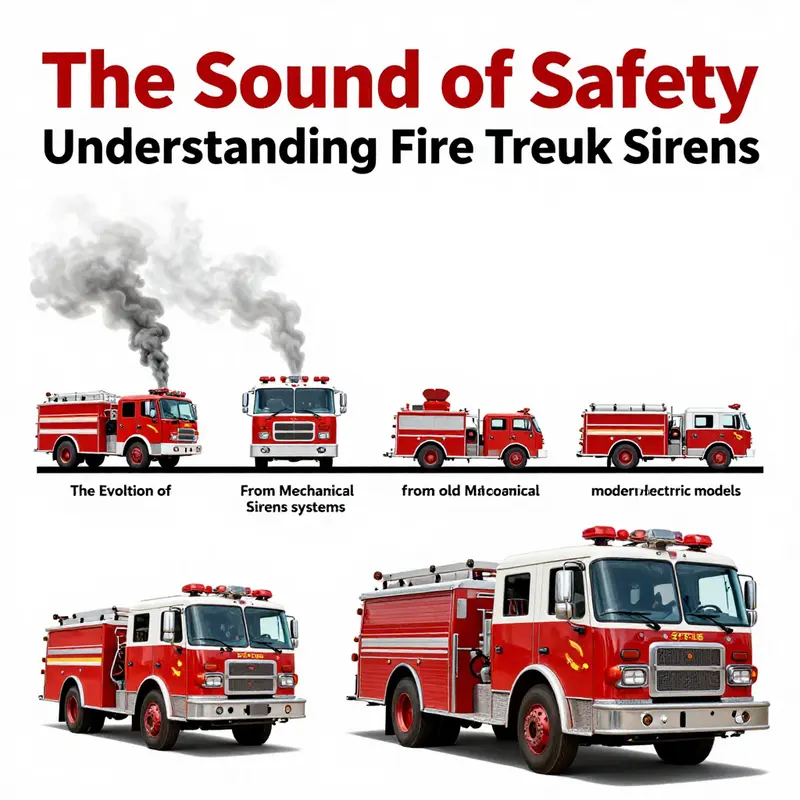
When a city hears the first notes of a siren, traffic slows, doors close, and attention sharpens. The sound of a fire truck is more than a cue; it is a carefully designed signal forged by years of engineering, testing, and a growing understanding of how people hear, react, and move in busy streets. This chapter traces the arc of that sound—from the stubborn, mechanical whine of a bygone era to the flexible, digitally crafted signals of today. In doing so, it reveals how sound design serves public safety, how it adapts to crowded landscapes, and how it shapes the tempo of emergency response. The focus remains on the sonic element at the core of every urgent encounter: the fire truck’s call for right of way, and the people and vehicles that respond to it in real time. The evolution of this sound is not just a story of technology; it is a story about how urban life negotiates risk, attention, and movement in environments where seconds matter and noise is both weapon and shield.
In the earliest days of motorized firefighting, audible signals were crude by modern standards but relentlessly practical. Mechanical sirens—think of rotating horns driven by air pressure or vacuum—produced a stark, penetrating presence. Their tones carried far, riding on a spectrum that could seem almost like a voice from another world. The wail and the whoop patterns, recognizable across generations, defined not only a vehicle’s identity but a city’s lived memory of emergencies. Yet these devices carried hidden costs. They wore out with use; their mechanical parts endured constant strain, requiring regular maintenance that could delay response times if a siren faltered. And because the syntax of the sound was limited, different emergencies tended to share similar tonal footprints. A city might hear a wail and know something urgent was happening, but it did not always convey the specific conditions or urgency of the event. In a dense urban grid, where streets twist and ambient noise climbs, those limitations could blur the signal just when clarity is needed most.
The shift from mechanical to electronic sirens marks more than a change in components; it signals a shift in design philosophy. Electronic systems embrace digital signal processing, allowing sirens to deliver a broader palette of tones and patterns. The old constraint—one or two recurring tonal shapes—gave way to a curated library that can be tailored to street type, traffic density, time of day, and even weather conditions. Instead of a single sonic signature, modern systems can orchestrate a sequence that blends traditional wails with sharper alerts, or two-tone accents that punctuate the most critical moments of a response. This flexibility translates into tangible benefits. Engineers can choreograph the siren to cut through the chorus of urban noise—the rumble of buses, the drone of HVAC systems, the chatter of pedestrians—without becoming a nuisance to neighborhoods when the path is clear. The result is a more precise, more adaptable signal that still satisfies the core goal: to command attention and to guide movement with minimal ambiguity.
A central advantage of electronic sirens is the ability to vary tones and rhythms in ways mechanical devices cannot. The modern siren bank can produce patterns such as a traditional wail, a compelling yelp, a steadfast airhorn, or hybrid sequences that combine several timbres. The impact of these choices is not purely aesthetic; it shapes human perception. Auditory research shows that certain frequencies and tempo changes can trigger faster recognition and more decisive action in drivers and pedestrians alike. The range often cited—roughly 500 to 1500 hertz—occupies a sweet spot where the human ear is particularly responsive, especially in noisy urban environments. At distances around ten meters, the decibel level of a siren frequently exceeds 120 dB, making the signal unmistakable to someone who must decide quickly whether to yield or prepare to pull aside. Yet this loudness is not the whole story. It is the combination of frequency, amplitude, and pattern that yields a robust, legible signal across a spectrum of listening conditions. In some systems, directional audio technologies are employed to steer the sound toward key lanes or neighborhoods, optimizing visibility while mitigating spillover into areas where the noise would be less welcome.
電子時代の都市サイレンの設計は、バランスの研究である。一方で、信号は、街路レベルの作業や現代の通勤の複雑さに一瞬気を取られているドライバーにとって、間違いなく認識できるものでなければならない。他方で、国民の警報に対する許容度を損なう不必要な騒音公害を避けるという、道徳的かつ規制上の衝動がある。そのため、進化には、音がどのように、どこに伝わるかという精度の向上が伴う。指向性アプローチにより、事故現場に最も近い車線を優先し、消防車が混雑した回廊を通過する際に、沿道の住宅や学校への中断を減らすことができる。この進歩は、車両音響学や緊急機器の公開基準の進歩も反映しており、夏の夕方の熱による歪みからダウンタウンの街路の反響する峡谷まで、変動する条件下での信頼性を確保している。.
この音響進化の実用的な意味合いは、緊急対応の現実と切り離せない。応答時間は単一の尺度ではなく、生きた都市における多くの可動部分による知覚、決定、行動の関数である。サイレンが聞き手に届くと、一連の動作が引き起こされる。ドライバーはミラーを確認し、サイクリストは追い越しの合図をし、バスは右に道を譲り、歩行者は縁石から一歩下がる。それぞれの微細な決定が、事故現場に向かう回廊全体の処理能力に加わる。地域社会が消防車にどのように対応するかを反映した事例研究では、サイレンの明瞭さが、遵守率の向上、ひいては結果時間の改善と相関している。信号が正確であればあるほど、道路利用者は緊急度をより確信を持って解釈し、それに応じて行動を調整できる。これが公共安全におけるサウンドデザインの本質である。聞こえるほど十分に大きいだけでなく、遅延なく望ましい行動を生み出すために認知的に読み取り可能な合図を作り出すことである。.
エンジニアリングチームは、全体論的な考え方でこの課題に取り組む。彼らは、反響する都市の峡谷から静かな住宅街まで、現実世界の環境におけるサイレンの音響的足跡を評価する。異なるトーンが、様々な建物密度、交通パターン、風向きの環境をどのように伝わるかをモデル化するシミュレーションを実行する。より複雑なシーケンスの利点と、警報疲労(繰り返しの曝露が聞き手を鈍感にし、時間の経過とともに応答性を低下させる現象)のリスクを比較検討する。目標は、適応性がありながら一貫性のある音響言語、つまり消防車が走行する道路に関係なく人々が即座に認識する安定したビートを作り出すことである。実際には、これは適切な音色を選択するだけでなく、その持続時間と繰り返しを調整することを意味する。これは、サイレンバンクをプログラムして、一日の時間帯や都市の騒音レベルの変化にわたって効果的な信号を提供することを意味する。結果は、安全と生活の質の両方を尊重し、音が交通と同様に場所と切り離せないことを認識する動的なシステムである。.
メンテナンスは、電子サイレンシステムをまとめている糸である。定期的な点検、ファームウェアの更新、バッテリーの信頼性評価により、必要なときに可聴信号が損なわれないことが保証される。これらのシステムの運用上の完全性は、センサー、アンプ、制御論理を含むコンポーネントの基盤に依存している。技術者との会話では、冗長性とフォールトトレランスの必要性が繰り返しテーマとなる。都市は、対応の途中で故障するサイレンを許容できない。ここで、サウンドデザインの実用的な側面が、作業場の触覚的な現実と交差する。メンテナンスチームは、交換部品が必要なときに部品カタログに依存し、ダウンタイムを最小限に抑えるために利用可能な在庫を参照する。この進化を見守る専門家にとって、モジュール式でサービス可能なコンポーネントの可用性は、トーンバンク自体の洗練度と同じくらい重要である。この点で、デジタル機能が拡大しても、具体的なハードウェアとの接続は強固なままである。そして、そのようなコンポーネントがより広範な車両システムにどのように適合するかに関心を持つ読者にとって、消防車部品カテゴリは有用な入り口を提供し、修理と維持の実用的な世界への窓を開く。. 消防車の部品.
技術的および運用上の改善を超えて、消防車の音響近代化は、サイレンがあるべき姿についてのより広範な文化的変化を引き起こした。そうでなければ静かな地域に住む人々も、都市生活の絶え間ない注意喚起から逃れられないが、都市は安全への権利と平和への権利のバランスを取らなければならない。設計上の課題は、不必要な侵入を減らしながら緊急感を維持することである。サウンドデザインの革新は、音が都市の資源であり、住民が警報、注意喚起、合図に割り当てる注意力の予算が有限であることを認識している。したがって、現代のサイレンは、古いもののより大きなバージョンではなく、よりスマートで責任あるツールである。それは、最も必要な場所で聞こえ、可能な場所では控えめになるように設計されている。正味の効果は、緊急信号のより人間的な展開であり、迅速で決定的な行動に不可欠な可聴性を維持しながら、都市の音響環境を尊重するものである。.
都市がより複雑になるにつれて、将来の機能強化の可能性は拡大する。研究者や実務家は、普遍的な認識可能性を損なうことなく、特定の状況(スクールゾーン、病院地区、または密集した商業回廊)に合わせてサイレンシグネチャを調整する方法を模索している。このような状況認識型信号を追求する決定は、緊急時における人間の聴覚知覚と行動に関する増大するデータに基づいて行われる。これらの研究は、疲労や混乱を助長することなく応答を最適化するために、パターンをどのように改良できるかを示している。全体的な目標は揺るぎない。生命と財産を守るだけでなく、ストレス下でも都市が円滑に機能することを可能にする社会契約を維持することである。機械式から電子式サイレンへの進化は、テクノロジーを活用して混沌とした瞬間にテンポと秩序を取り戻し、それに依存するコミュニティを見失わない方法の証である。.
都市の通りからサウンドデザインのより広い展望へと目を向けると、重要な点が明らかになる。消防車のサイレンは、聴覚的手がかりの生態系の中に存在する。それは、交通の放射騒音、近隣のインフラのハム音、さらには近所の公園や賑やかな広場の周囲の音景と相互作用する。その意味で、サイレンは、テクノロジーと文化が音の周りでどのように収束するかを示す縮図である。それは、孤立して設計されるのではなく、それがサービスを提供する場所、耳を傾ける人々、そして都市生活のリズムとの対話の中で設計される。都市の音響を支配する建築上の決定(通りがどのように音を集束させるか、横断歩道がどこにあるか、窓がどのように騒音を反射または吸収するか)は、サイレンがどのように伝わり、知覚されるかを形作る。結果は、エンジニアリング、都市計画、行動科学がリアルタイムで交差する、安全への全体論的アプローチである。サイレンは単なる装置ではなく、生きたシステム内の信号となり、都市の日常的な体験を維持しながら行動を促すように調整される。.
結論として、消防車の音の物語は、適応と説明責任の物語である。それは、頑丈だが限界のある機械装置から、絶えず変化する都市の地形に合わせて調整できる機敏な電子システムへの移行を記録している。それは、注意深く設計された音が、人間の行動を正確に導くことによって、危険と対応の間の距離をどのように短縮できるかを示している。また、音は中立的な背景ではなく、公共安全の積極的な参加者であり、その設計は、車両の速度やはしごの到達範囲と同じくらい確実に結果に影響を与えるツールであることを思い出させる。今日のサイレンは、厳格なテスト、思慮深い音響、そしてコミュニティスペースの静けさを損なうことなく注意を引く信号を提供するというコミットメントの産物である。都市が成長を続け、交通パターンが変化するにつれて、消防車の音の進化は、明瞭さ、適応性、責任を重視する方向に沿って続く可能性が高い。機械と精神、信号と行動、危険とケアの間の継続的な対話である。そして、トーン、パターン、方向性の詳細は変わり続けるだろうが、核となる目的は永続する。助けに来る人々のために道を開き、紛れもなく人間的な音で、すべての人の安全のために遠吠えを信号に真に変えることである。.
聴覚知覚と動物のサイレンへの反応に関するより広い視点のための外部リソース:なぜ犬はサイレンに遠吠えするのか?進化的音響反応。 https://www.sciencedirect.com/science/article/pii/S0018506X2300497X
緊急のこだま:文化的信号および公共安全の触媒としての消防車の音
都市の路上では、エンジンの唸りや揺れる灯りがしばしば背景に溶け込む。しかし、消防車が他の交通を切り裂くとき、それに続く音は危険と対応の共有言語となる。消防車の音は単なる警報ではなく、注意を組織化し、知覚を枠組みし、コミュニティが危機を経験する方法を形成する文化的な道具である。この章では、ダイナミックで高音、絶え間なく聞こえるサイレンが、どのように都市生活の社会的構造に埋め込まれるかを追跡する。その設計、建築環境を通じた伝播、メディアでの表現はすべて、人々が読み取り、反応し、さらには日常のルーチンや集団的安全判断に波及する方法で予測することを学ぶ、層状の音響景観に寄与する。.
まず、サイレン自体の音響構造を考えてみよう。消防車の信号は、都市の喧騒を突き抜けるために、周波数、振幅、変調を注意深く組み合わせた工学に依存している。緊急信号の音響学に関する研究は、広い周波数範囲、典型的には約500~1500Hzにわたり、異なる交通状況下で緊急性を強調するために変調できるトーンを持つことを指摘している。デシベルレベルは強力で、適度な距離(例えば約10メートル)から測定すると、サイレンはしばしば120dBを超える。このレベルは偶然ではない。これは、轟音のオートバイからガチャガチャする建設現場まで、周囲の騒音を切り裂き、信号が十分遠く、十分速く伝わり、即座の行動変化を促すように設計された特徴である。サイレン設計の世代を超えて、伝統的な機械装置は、さまざまなトーンを生成できる電子システムに取って代わられた。この技術的進化は質感を変えるだけでなく、信号の伝達範囲を拡大する。単一の車両が、異なる状況を反映するためにトーンファミリーを切り替えることができる。歩行者が多いダウンタウンの通りにはあるトーン、強風が吹く川沿いの道路には別のトーン、速度と距離が視認性に挑戦する高速道路の場面にはさらに別のトーンである。.
技術的側面がなぜ音が機能するかを説明するなら、文化的側面はなぜそれが持続するかを説明する。サイレンは危機の普遍的な兆候であり、瞬時に聞き手を日常的な思考から警戒へと移行させる。緊急の用事を持つ車両が接近していることを知らせ、空間の迅速な再配分を促す。ドライバーは速度を落とし、歩行者は脇に寄り、通りの一般的なリズムは接近する緊急事態の周りで再編成される。この迅速な社会的再調整は単なる服従ではなく、安全、責任、共有空間に関する交渉である。サイレンは公衆教育となり、住民に危険の兆候を認識し、迅速かつ予測可能に反応することを教える。多くの点で、音は社会的契約となる。その叫びを聞いたとき、あなたは道を譲る必要性を認め、パニックではなく、皆をより安全に保つ訓練された落ち着きで反応する。.
消防車の音の文化的範囲は、実際の緊急対応の場面を超えて広がる。メディア表現(ニュース放送、映画、さらにはビデオゲーム)は、サイレンを危険、救助、緊急性の認識可能な合図として埋め込む。その叫びは危機記憶の文化的語彙に入り込み、世代や場所を超えて伝わる音響的象徴となる。その結果、サイレンの音響景観は共有リテラシーの一形態となる。人々はガイドラインや指示のためだけでなく、音自体が身体的反応を引き起こすため、何をすべきかを知っている。その効果は社会的条件付けの一形態であり、音とその視覚的手がかりへの繰り返しの曝露が、緊急業務との迅速で秩序ある協力に向けて公衆の行動を調整する。.
この共鳴は深く感情的であると同時に認知的でもある。サイレンは二重の感情的負荷を運ぶ。静かな瞬間を中断したり、危険に備えていないときに不安や不快感を引き起こすことができ、また、助けが向かっている、誰かが積極的に危機に対処しているという安心感を呼び起こすこともできる。文脈が重要である。深夜の街の風景を中断するサイレンは緊張を高める可能性があるが、同じ信号が学校や病院のそばをちらつくときは、緊急性と市民的信頼の異なる混合を運ぶかもしれない。ケンブリッジ辞典の消防車の音に関する広範な考察は、この二重性を語っている。快適さを突き破る同じ騒音が、保護と共同体の安全を象徴することもある。この意味で、サイレンは中立的な騒音ではなく、その意味が文脈、記憶、権威と公共の安全を取り巻く力関係によって変化する文化的な道具である。.
サイレンの社会生活は、コミュニティが騒音自体をどのように認識するかとも交差する。密集した都市環境では、サイレンの注意を引き付ける能力は、見知らぬ人々の間の共通基盤となる。誰かが生命を脅かす可能性のある状況に直面しており、最善の行動は調整された秩序ある対応であるという共有理解である。しかし、騒音は決して単に物理的なものではなく、公平性と寛容性に影響を及ぼす社会的信号である。一部の地域は、駅、主要幹線道路、工業地帯への近接性のために高い曝露を経験し、環境正義と聴覚的負担の分布に関する疑問を提起する。これらの会話において、サイレンは公共の安全の道具であるだけでなく、都市が緊急対応能力と騒音感受性、コミュニティの幸福をどのようにバランスさせるかを検討するためのレンズとなる。倫理的側面は問う。サイレンの設計と配置は、騒音の多いルートの近くや静けさが重視される時間帯に住む人々に過度の混乱を課すことなく、迅速な警告をどのように最適化できるか?これらの疑問は信号の有効性を損なうものではなく、音が他の公共財と同様に、都市の社会的質感と相互作用することを認めるだけである。.
設計の観点から、サイレンの高音で変調する特性は意図的である。音調の複雑さは、信号が交通、風、その他の周囲の音を含む典型的な都市の音響環境を通過するのに役立つ。一連のトーンにわたってピッチとテンポを変化させる工学的選択により、対応者は信号を特定の緊急事態の緊急性と文脈に合わせることができる。単一で不変のトーンは騒がしい都市では無視されやすいが、戦略的に展開されたトーンのレパートリーは、反応を導くより堅牢な知覚的梯子を作り出す。これが電子サイレンシステムが普及した理由の一部である。それらは柔軟性を提供し、緊急サービスが音を通じて微妙なメッセージを明確にすることを可能にする。社会が高度なコミュニケーションツールにますます依存するにつれて、サイレンの役割は、聴覚的信号を光や車両の動きのパターンなどの付随する視覚的指標と結合する多感覚的手がかりへと進化する。正味の効果は、より信頼性が高く、予測可能で、読み取りやすい信号であり、混雑した混沌とした交通の中でも、公衆が適切に反応する能力を強化する。.
音響設計と社会的行動の間のこの複雑な関係は、そのような信号が都市内のさまざまなグループによってどのように異なって経験されるかについての考察を促す。ある人に安全を知らせる音が、別の人には恐怖や驚愕を引き起こす可能性があり、特に緊急事態の以前の経験が知覚を形成する環境ではそうである。聴覚障害を持つ人や代替のナビゲーション手がかりに依存する人は、異なる感覚チャネルを通じてサイレンを解釈し、視覚的警告や近くのドライバーの行動により大きく依存するかもしれない。騒音曝露と緊急対応に関する広範な文献は、これらの個々の経験を人口レベルのダイナミクスに結び付けるのに役立つ。例えば、緊急時の消防士の騒音曝露をシミュレートする研究は、対応者への生理学的負担と、公衆が信号に迅速かつ冷静に反応すべきという社会的期待の両方を明らかにする。トラックを交通の中に突き進ませる同じサイレンは、対応者と、付随する振動、まぶしさ、ストレスに耐える傍観者にも騒音の負荷を課す。この二重の負担は、有効性を維持しながら、より安全でより敬意のある都市音響を促進する思慮深い音響設計の必要性を強調する。.
したがって、サイレンに対する公衆の反応は、実用性と神話の一部である。即時的で測定可能な行動結果をもたらすという点で実用的である。車両は脇に寄り、歩行者はスペースを空け、緊急要員は最小限の遅延で現場に到着できる。サイレンが市民の準備態勢の象徴となるという点で神話の一部である。集団的努力が進行中であり、コミュニティが生命と財産を守るために動員していることを知らせる音である。サイレンの文化的権威は、この二重の能力に依存している。急性の必要性の瞬間に行動を指示し、同時に、制度が迅速な援助を動員できるという共同体の自信を維持することである。この意味で、消防車の音は公共言語の一形態であり、都市生活を緊急対応、メディアの物語、安全の日常的経験と相互に結び付ける語彙である。.
都市が成長し、緊急サービスへの要求が激化するにつれて、研究者と実務家は、有効性と社会的調和の両方のために音をどのように最適化できるかを引き続き検討している。この研究の中心的な糸は、即時の知覚的顕著性と長期的な耐性の間のバランスである。サイレンが静かすぎるか、または耳障りすぎると、その有効性は低下する。普及しすぎると、慢性的な騒音曝露と疲労に寄与するリスクがある。最適点は、思慮深い工学、注意深い展開、そして安全と引き換えに許容される混乱のレベルに関する継続的なコミュニティ対話にある。したがって、音の公共的側面は固定された特性ではなく、進化する技術、都市設計、権威、安全、市民的責任に関する文化的期待を反映する動的な交渉である。.
緊急対応車両群の広範なエコシステムにおいて、消防車の音響的アイデンティティが他の対応戦略要素とどのように連動するかを考察することは有用である。例えば、緊急救助車両という広いカテゴリーは、サイレン信号と連携して市民の行動を導く一連の共通の手がかり(視覚的要素、車両の挙動、経路選択行動)を体現している。この相互接続性により、コミュニティは緊急対応を、断片的な危険信号の寄せ集めではなく、一貫性のある理解可能なプロセスとして経験できる。これらの車両群の実用的側面を探りたい読者には、緊急救助車両カテゴリーが、実際の運用において機器、設計、信号がどのように融合するかを示す窓口となる。. Emergency Rescue Vehicle category
この章の最終的な洞察は、消防車の音は単なる技術的産物ではなく、生きた社会現象であるということである。それは時空を超えて伝わり、地域の歴史や個人の記憶を吸収し、緊急事態の展開に対する期待を形成し、生死がかかった瞬間に集団行動を導く。その力は音響的な強度だけでなく、多様な聴衆や文脈を超えて意味を伝える能力にある。サイレンが鳴り響くとき、それは街の注意を喚起し、消え去るとき、緊急事態の要求に応じて、秩序、安堵、または熟考の痕跡を残す。この影響を理解することは、音を公共安全の基本的な構成要素として認識することを意味し、それは技術者、政策立案者、教育者、そしてコミュニティ全体による継続的な注目に値する。それは、信号そのものだけでなく、信号が生み出す物語、感情、社会的配置にも耳を傾けるよう促す。そして、不必要な混乱を最小限に抑えながら安全性を最大化するために、それらの信号をどのように形成すべきかを考えるよう私たちに呼びかける。そのバランスは、助けを告げる音色と同じくらい繊細である。.
これらの緊急音の行動的および生理学的影響について、より深く査読済みの検討を求める読者のために、詳細な研究が議論に重要な文脈を提供する。「緊急時における消防士の騒音暴露レベルのシミュレーション」と題された研究は、消防士が緊急活動中に音響環境をどのように体験するかについての洞察を提供し、それが街中で一般市民が同じ信号をどのように認識し反応するかに影響を与える。この研究は、サウンドデザイン、都市計画、公教育がどのように交差して危機時の安全性と回復力を高めるかについての議論を豊かにすることができる。https://www.ncbi.nlm.nih.gov/pmc/articles/PMC10534987/
firefighting
消防車のサイレンを取り巻く複雑さを理解することで、緊急管理におけるその役割への認識を深めることができる。洗練された設計や技術の進歩から、公共安全への重要な影響、そしてそれらに対する私たちの反応を形作る文化的認識に至るまで、消防車の音は不可欠である。事業主として、これらの聴覚信号の重要性を認識することは、都市環境におけるコンプライアンスと安全性を高めるだけでなく、コミュニティの価値観と準備態勢にも合致する。技術、コミュニティの意識、公共安全の間の関係は、消防車のサイレンの紛れもない音に象徴される、効果的な緊急対応システムの重要な必要性を強調している。.

