
















In densely populated urban environments, the need for specialized firefighting vehicles has never been greater. Tiller fire trucks, known for their unique maneuverability and extreme operability, play a crucial role in safeguarding lives and property in these challenging settings. This article delves into the inner workings of tiller fire trucks, their significance in high-rise firefighting, cutting-edge technologies that enhance their performance, and the protocols that ensure safe and efficient use during emergencies. By exploring these aspects, business owners and urban planners will gain valuable insights into the capabilities and necessity of these vehicles in modern urban firefighting strategies.
Navigating Precision and Power: The Inner Workings of a Tiller Fire Truck

Navigating Precision and Power: The Inner Workings of a Tiller Fire Truck
The tiller fire truck, a marvel of modern firefighting engineering, stands out as an essential asset for urban emergency response due to its unparalleled maneuverability and finely-tuned operational capabilities. This dedicated apparatus, often referred to as a tiller ladder truck, integrates advanced mechanical systems and dual-operator controls to ensure that firefighters have the flexibility to tackle unpredictable challenges. In understanding its mechanism, one appreciates how it melds precision steering, hydraulic technology, and a sophisticated coordination system into a cohesive whole that overcomes the obstacles of tight city streets and dangerous high-rise environments.
At the heart of the tiller fire truck’s design is its innovative dual-axle system, which divides the vehicle into two key sections that operate in tandem: the front section where the main cab houses the conventional driver, and the rear section, or tiller, where a second operator takes charge of an independent steering axle. This arrangement is not only technically impressive but also fundamentally transformative in terms of functionality. The main cab drives the forward motion, while the rear tiller, with its specialized steering mechanism, provides an agility that allows the entire vehicle to negotiate corners and constrained spaces that would otherwise be impossible to navigate. The independent control of these two sections means the vehicle can pivot with nearly surgical precision, making it ideally suited for maneuvering through the narrow alleyways and congested urban areas commonly found in older or densely built environments.
Beyond its mobility, the tiler fire truck is designed to support high-stakes operations such as high-rise firefighting and technical rescues. When firefighters respond to a blaze in a tall building, timing and positioning are everything. The extended aerial ladder, capable of reaching heights well over 100 feet, is a critical component that relies heavily on the stability provided by the truck. During such operations, the dual-cab system ensures that the front driver, handling the vehicle’s path, and the rear tiller operator, responsible for fine-tuned adjustments, work in unison. This coordination is paramount when positioning the ladder against a building’s façade, particularly if the truck must park at an unconventional angle on uneven ground.
The mechanics of the tiller fire truck combine hydraulic systems, advanced steering technology, and coordinated driver communication to create a reliable and responsive emergency machine. The hydraulic lift mechanism is central to the safe deployment and accurate angling of the aerial ladder. Once the tiller positions the truck in a strategically advantageous manner, the hydraulic system activates to extend the ladder smoothly and steadily. This extension not only positions the platform at the required height but also ensures that the ladder can be adjusted in real-time as the rescue operation evolves. The precise control afforded by the hydraulic system minimizes any risk to both the firefighters operating at great heights and the occupants who might be awaiting rescue.
Careful design considerations are evident in the balance and distribution of weight throughout the vehicle. As the ladder extends, its high center of gravity could potentially destabilize the platform if not for the integrated design that anchors the apparatus securely to the ground. The rotatable nature of the platform, which on some models offers a 360-degree range of motion, further accentuates the vehicle’s versatility. By rotating the entire aerial work platform, firefighters can position themselves at optimal angles to combat flames, perform rescues, or ventilate a building without having to reposition the entire truck. This seamless integration of mechanical prowess and on-site adaptability exemplifies the technological leaps that modern firefighting vehicles have made in recent decades.
Integral to the effectiveness of a tiller fire truck is the interplay between the two operators. The front cab driver is responsible for overall vehicle navigation, acceleration, and maintaining a steady course, while the rear tiller operator focuses exclusively on navigating the tight corners and making minute adjustments that keep the truck correctly aligned with an emergency scene. Communication between the two operators is essential, and modern tiller trucks are typically equipped with a dual-cab coordination system that facilitates instant communication and feedback. Radio systems, intercoms, or even integrated control panels allow the drivers to share visual cues and positional updates, ensuring that maneuvers are executed with both speed and accuracy. This fine-tuned teamwork is not merely a matter of operational protocol; it is the linchpin that allows the truck to complete missions in environments where every second counts.
When navigating congested cityscapes or dealing with the unpredictable terrain of an active emergency scene, the ability to perform tight turns is a game changer. Unlike standard fire trucks that require longer distances to execute rotations, the tiller fire truck is engineered to turn within a radius that is less than the length of the entire vehicle. This attribute is especially critical in historic urban districts with narrow streets and limited access due to parked vehicles, pedestrians, or construction. Every movement, every turn is finely controlled, reducing the likelihood of collisions and ensuring that the emergency response is both swift and safe.
Embedded within the structure of the tiller fire truck is a host of ancillary features that further boost its operational readiness. The integration of onboard water cannons and hoses, for instance, allows firefighters to mount an immediate attack on flames even as the truck continues to stabilize its position on an unstable surface. Meanwhile, rescue tools and onboard lighting systems enhance the vehicle’s ability to operate effectively during nighttime or in low-visibility conditions. The combination of such tools underscores the multi-faceted role that the tiller fire truck plays—acting as both a platform for rescue operations and as a mobile command center for complex firefighting strategies.
A key aspect of this apparatus’ operation lies in its adaptability to various emergency scenarios. On one hand, it is critical for addressing high-rise fires where the vertical challenge requires not only extensive reach but also impeccable placement of the aerial ladder. On the other, it is equally adept at handling confined-space rescues and technical maneuvers in densely populated areas. This dual capability is a direct result of the machine’s unique engineering. The reliability of the hydraulic systems is paired with the agility of the independent steering axle, resulting in an apparatus that is as effective on a narrow city block as it is in the midst of a sprawling commercial district. This adaptability is what makes the tiller fire truck a vital component in modern firefighting fleets because no two emergencies are alike, and the right tool must be versatile enough to meet diverse challenges head-on.
The operational history of tiller fire trucks is replete with demonstrations of their efficacy in critical situations. In urban environments where every second is precious, the reduced turning radius and quick positional adjustments have turned what could have been a logistical nightmare into a well-oiled machine for rapid response. Emergency operators often recount how, in situations where larger, less agile trucks might have been delayed or rendered unusable by spatial constraints, the tiler truck was able to weave through obstacles, reach the site of the emergency, and deploy its aerial ladder in a matter of seconds. The reliability of these vehicles under extreme conditions not only saves lives but also minimizes collateral damage to urban infrastructure, making them an indispensable part of comprehensive public safety strategies.
Despite the complexity of its systems, the user interface of the tiller fire truck remains designed for ease of operation under stressful circumstances. The intuitive layout within both driving compartments ensures that even in the chaos of an unfolding incident, operators can quickly acclimate and coordinate their movements. The controls for the hydraulic and steering systems are typically designed to provide tactile feedback, confirming to the operators that each input is received and correctly translated into action. Such design considerations stem from rigorous testing and refinement, driven by the insights of seasoned firefighters and engineers dedicated to optimizing emergency response. The eventual result is a vehicle that, while technologically advanced, remains accessible to its human operators even under the intense pressure of a life-threatening situation.
It is also worth noting that modern tiller fire trucks benefit immensely from ongoing technological advancements and continual retrofitting. Advancements in hydraulic system precision, control panel ergonomics, and communication technology have all coalesced to create a machine that grows more capable as the challenges of urban firefighting evolve. The integration of computerized diagnostics, for example, allows maintenance crews to proactively service key components, ensuring that the truck remains mission-ready at all times. In practice, this means that the tiller truck operates not just as a tool for emergency response, but as a continually advancing platform that embraces innovation. This spirit of perpetual improvement is critical given the unpredictable nature of urban disasters, where every component must perform flawlessly to save lives.
Fire departments around the world have come to rely on the expansive capabilities of the tiller fire truck. Its unique design is particularly effective when combined with the other specialized apparatus in a fleet that might include vehicles like aerial ladder fire truck designs. Here, the synergy between different types of equipment plays a central role in establishing a robust emergency response network. The integration of vehicles designed for diverse tasks ensures that, regardless of the specific challenges encountered, fire departments have an arsenal of tools that can be rapidly deployed. This multi-dimensional approach to firefighting, which includes coordination among vehicles with unique strengths, is what ultimately transforms an emergency response into a finely coordinated operation.
A further element of the tiller fire truck’s appeal is its adaptability to training programs. Given its complex yet intuitive operating system, training modules often incorporate simulated emergency scenarios that allow operators to become adept at managing unexpected hazards. These training exercises, which sometimes involve virtual reality or live-fire simulations, provide operators with hands-on experience in coordinating with their counterparts and using the machine’s full range of capabilities. Such training not only sharpens operational skills but also fosters a deep familiarity with the vehicle’s mechanical idiosyncrasies—knowledge that proves invaluable when seconds count during a real emergency. As a result, the tiller truck is often celebrated for its dual role as both a frontline asset and as a platform for developing progressive firefighting techniques.
This narrative of precision and power is underpinned by rigorous maintenance and operational protocols that ensure every component functions as intended. Routine inspections, diagnostic checks, and operator feedback collectively contribute to a culture of excellence in emergency services. Each tiller fire truck is maintained with meticulous attention to detail, a necessity dictated by the high-stakes nature of its missions. In the field, where environmental factors and wear-and-tear can introduce unpredictable challenges, the robustness of the hydraulic lifts, the consistency of the steering systems, and the reliability of on-board communications form the bedrock upon which successful operations are built. As departments continuously refine their approaches to maintenance and training, the reliability of these vehicles remains a central pillar of public safety.
The combined attributes of maneuverability, stability, and operational precision have, over time, made the tiller fire truck emblematic of modern emergency response paradigms. Its dual steering system and hydraulic prowess provide an operational flexibility that many other vehicles in the firefighting arsenal simply cannot match. In urban centers where spatial limitations and high-rise buildings pose significant challenges, the ability to adapt quickly and execute complex maneuvers with minimal room for error is not just an advantage—it is a necessity. The tiller truck answers this need with a design philosophy that prioritizes both human ingenuity and mechanical innovation, embodying the dynamic spirit of urban firefighting.
For those interested in exploring further the engineering marvels that empower urban emergency services, detailed explanations and operational demonstrations can be found through external resources such as the National Fire Protection Association (NFPA) website at NFPA’s official site. This resource offers in-depth insights into firefighting standards, training protocols, and safety guidelines that complement the technical understanding of advanced apparatus like the tiller fire truck.
In summary, the tiller fire truck is a culmination of state-of-the-art design, engineering expertise, and a deep understanding of the challenges posed by urban environments. Its dual-operator control system, independent rear steering axle, hydraulic lift mechanisms, and integrated safety features all converge to create a vehicle that can perform under the most challenging conditions. Each element, from the intuitive user interface to the finely calibrated mechanical components, contributes to a machine that is both resilient and dynamic. The story of the tiller fire truck is a narrative of innovation overcoming adversity, a narrative that continues to evolve as technology advances and emergency response strategies shift to meet new challenges head-on. With every maneuver, every precise turn in narrow corridors, and every successful high-rise rescue, the tiller fire truck reaffirms its status as a cornerstone of modern firefighting—a testament to the relentless drive to combine precision, safety, and operational excellence in the service of saving lives.
Navigating the Urban Maze: The Unmatched Maneuverability of Tiller Fire Trucks
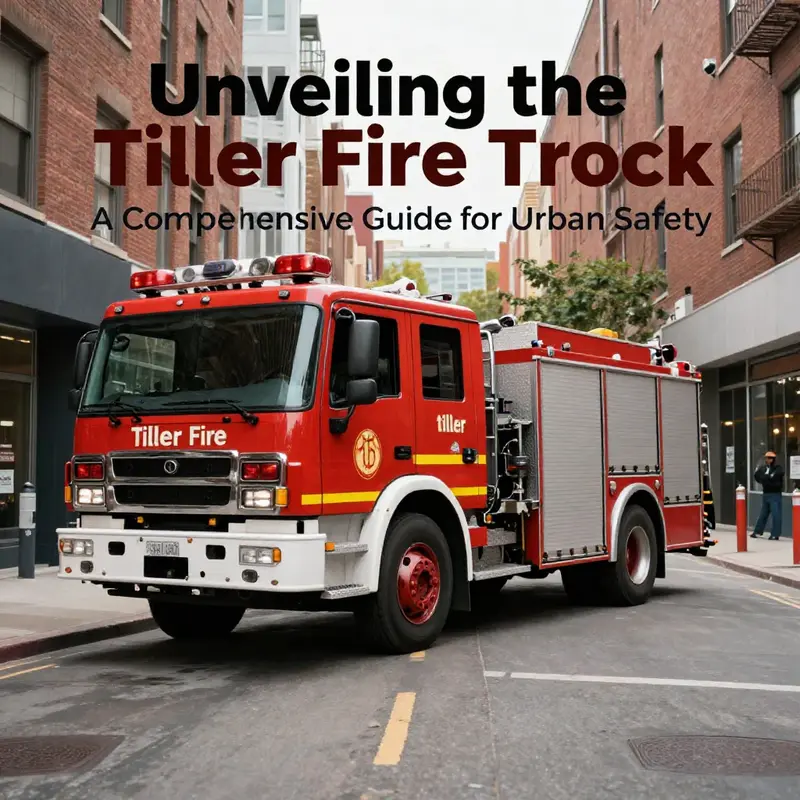
In the bustling heart of modern cities, where narrow streets and twisting alleyways form a complex network of passageways, effective firefighting depends on both speed and precision. One apparatus that has redefined urban emergency response is the tiller fire truck. This specialized firefighting vehicle, also known as the tiller ladder truck, is a marvel of engineering that blends sophisticated design with incredible maneuverability, providing crucial advantages in the unique landscape of urban environments. From its independent rear steering mechanism to its agile dual-control system, the tiller fire truck represents a giant leap forward in the way firefighters navigate congested cityscapes and handle critical emergencies.
At its core, the strength of the tiller fire truck lies in its innovative steering system. Unlike conventional fire engines that depend solely on a single steering mechanism, the tiller truck features an independent rear steering axle—the tiller. This ingenious design means that while the driver commands the front wheels from the cab at the front of the truck, a second operator, known as the tiller operator, manages the rear steering from a dedicated rear cockpit. This dual-control setup allows the vehicle to perform maneuvers that would be impossible for standard fire engines, such as executing turns tighter than the length of the vehicle itself. In effect, the tiller mechanism transforms a typically cumbersome fire truck into a nimble, precise piece of machinery capable of threading through the urban maze with ease.
This exceptional maneuverability is not just an exercise in engineering creativity; it is a critical asset when every second counts. Urban firefighting scenarios often involve challenging layouts where roads are narrow, buildings are densely packed, and access to the site of a blaze is limited. When confronted with these conditions, the ability to make sharp turns and navigate confined spaces can be the difference between a successful rescue and a catastrophic delay. The independent steering system of the tiller fire truck gives it a turning radius that defies the conventional limitations of its size, making it possible to approach emergency scenes from angles that allow firefighters to position themselves optimally for rescue operations.
Another important aspect of the tiller fire truck is its role in high-rise firefighting. As the construction of tall buildings becomes more common in city centers, the challenges of reaching upper floors during a fire emergency have grown exponentially. Tiller trucks are often equipped with extendable aerial ladders or platforms that can reach well over 100 feet into the air. The vehicle’s ability to pivot at the rear means that firefighters can accurately align the ladder against a building’s façade, even if the truck cannot be parked perfectly in line with the structure. In many cases, the ladder features a 360-degree rotating platform that permits firefighters to work from multiple angles without needing to reposition the entire vehicle, thereby maximizing both efficiency and safety during high-rise operations.
The integration of advanced hydraulic systems further elevates the capabilities of the tiller truck. Hydraulic mechanisms play a key role in extending and angling the aerial ladder, ensuring that it can adapt to the varied contours of urban architecture. These advanced systems are complemented by onboard water cannons and high-capacity pumps that deliver water at rates of up to 2,000 gallons per minute. Such features ensure that the firefighting apparatus is able to mount a direct and sustained attack on blazes, even in situations where hydrant water supply is limited or difficult to access due to the urban street layout.
The intricate balance of power and precision in a tiller fire truck is also reflected in its dual-cab communication and coordination systems. In an emergency, seamless communication between the front driver and the tiller operator is essential. Their coordinated efforts ensure that the vehicle can be maneuvered into even the tightest spots without compromising stability or safety. The design’s emphasis on stability is not just about navigating narrow streets—it is also about ensuring that the truck remains secure while delivering life-saving equipment. Whether the vehicle is stationary during a high-rise rescue or moving rapidly through busy urban intersections, the engineering behind the tiller fire truck is designed to maintain equilibrium under the most challenging conditions.
The sophistication of the tiller truck extends beyond its steering and hydraulic systems. Modern iterations of these fire trucks incorporate an array of additional features that enhance their versatility in emergency scenarios. Among these is an integrated system of onboard lighting and rescue tools that provide critical support during night-time operations or in environments with reduced visibility. The design may also include foam suppression capabilities, which are vital in combating fires that involve flammable liquids or other hazardous materials. In many cases, these systems are built on modular platforms that can be customized to suit the specific needs of the city or region they serve. For example, configurations that combine robust firefighting capabilities with advanced off-road mobility are particularly valuable in areas with uneven terrain or narrow, winding streets.
Urban environments impose a unique set of challenges on emergency response teams, from limited access points to a high density of obstacles. It is here that the advantages of the tiller fire truck truly shine. In a cityscape where a few extra seconds can make a significant difference, the ability to execute rapid turns and position equipment with surgical precision becomes indispensable. The tight turning radius of these vehicles minimizes the need for excessive repositioning, reducing response times and enabling firefighters to reach critical areas more swiftly. This efficiency is a direct result of the innovative independent steering system that allows the rear wheels to act almost like a second driver, working in tandem with the front controls to navigate complex urban terrain.
Beyond the immediate effects on response times, the design of the tiller fire truck has wider implications for overall urban safety and efficiency during emergencies. The compact form factor, coupled with advanced maneuverability, makes these trucks less likely to become collateral obstacles in chaotic urban scenes. A traditional fire engine, with its longer wheelbase, might block an otherwise critical access route or impede the movement of other emergency vehicles. In contrast, the nimble construction of a tiller truck helps maintain open pathways for multiple units working concurrently on the scene. This can be particularly important in situations where coordinated efforts across different emergency services—such as police, medical, and firefighting teams—are required to manage a crisis effectively.
Moreover, the versatility of the tiller fire truck is underlined by its ability to be adapted to a wide range of operational roles. While its primary function remains fire suppression and rescue, these vehicles are often tailored with custom modifications to address additional needs. For instance, modular designs allow for the inclusion of specialized equipment aimed at hazardous material containment or technical rescue operations in collapsed structures. This adaptability means that a single firefighting fleet can be equipped to handle multiple kinds of emergencies without the necessity of deploying different vehicles for each scenario. As urban areas continue to expand and diversify, the value of having a multi-role firefighting apparatus becomes increasingly clear.
A notable example of technological innovation in this realm can be seen in the design evolution of aerial ladder systems integrated into tiller trucks. Each unit is not only built to extend to considerable heights but also to rotate and adjust in ways that are specifically tailored to the contours of urban buildings. This allows for precision alignment and a more effective deployment of personnel and equipment at critical moments. For instance, when a fire breaks out on the upper floors of a high-rise building, the ladder can be adjusted on the fly to provide a stable platform for firefighters to operate safely while delivering water and other suppression agents precisely where they are most needed. The seamless integration of these features enables cost-effective operational depth that ensures inclusion of both the direct and peripheral aspects of firefighting in urban settings.
The importance of tiller fire trucks transcends their mechanical capabilities. From a broader perspective, they symbolize the evolution of emergency response as technology and urban planning converge. As cities grow denser and the complexities of urban infrastructure increase, the challenges faced by firefighters demand solutions that are both innovative and adaptable. The tiller truck meets these demands head-on by blending agile design with powerful firefighting systems, ensuring that urban areas are better prepared for the unpredictable nature of emergencies. The collaboration between front cab drivers and rear tiller operators is more than just a mechanical interplay—it represents a sophisticated dance of human skill and technology synchronized to save lives under the most extreme conditions.
In a broader context, the deployment of tiller fire trucks underscores the importance of continuous innovation within municipal services. Urban planners and emergency response coordinators around the globe are increasingly recognizing that the future of firefighting is not just about raw power but also about smart design and efficient logistics. By incorporating features such as independent rear steering, high-capacity water pumps, and multi-functional aerial ladders, these vehicles offer a comprehensive solution that aligns with the multifaceted needs of modern urban landscapes. The resulting flexibility means that even if an initial approach to a fire scene is compromised, alternative strategies can be quickly implemented without sacrificing critical response time.
The advantages conferred by tiller fire trucks are not limited solely to firefighting. In situations of rescue operations amidst natural disasters or industrial accidents in crowded urban centers, the ability to navigate through debris, narrow passageways, and obstructed routes becomes pivotal. Street-level emergencies, particularly those involving unstable structures or areas with significant vehicular congestion, benefit immensely from the refined maneuvering capabilities of these trucks. Their compact size and innovative steering design ensure that they not only reach the scene of the incident quickly but also position themselves safely to begin the rescue operations immediately. This versatility cements their place as an essential component in the overall strategy for urban safety and emergency response.
As technology continues to evolve, the next generation of tiller fire trucks promises even greater improvements in both functionality and efficiency. With ongoing research into hydraulic systems, control interfaces, and material durability, future models are likely to offer enhancements in terms of range, stability, and ease of operation. Cities around the world are continually investing in upgraded tools for their firefighting fleets, understanding that each minute saved on the road and every second gained on the scene can have profound implications for outcomes during emergencies. The design and development of these trucks are, therefore, an investment not only in technology but in the safety and resilience of our urban communities.
The practical implications of this technology are evidenced in real-life urban firefighting scenarios. It is not uncommon to see firefighters quickly maneuvering a tiller truck around obstacles that would halt a conventional engine. In one notable example, a narrowly confined urban block challenged emergency teams with its obstructed access points and high-rise structures. The tiller truck, with its unmatched agility, navigated the congested area effortlessly, positioning its aerial ladder against the side of a burning building in a matter of seconds. Such instances illustrate how engineering innovations directly translate into both saved lives and reduced damage in high-stress, time-sensitive situations.
For those interested in exploring how the design of an aerial ladder fire truck can further enhance urban firefighting capabilities, additional insights can be found with detailed case studies available online, including discussions on specialized aerial ladder fire truck designs. The excellence of these designs reinforces the central theme: when it comes to navigating the urban maze, there is no substitute for technology that is as dynamic and adaptable as the challenges at hand. The tiller fire truck is more than just a firefighting tool—it is a lifeline in the concrete jungle, a synthesis of motion, innovation, and safety in an era where every second counts.
For further detailed technical insights and standards guiding the deployment of these advanced firefighting machines, refer to the guidelines provided by the National Fire Protection Association at 안전 장비 분야의 사업주에게 ARFF 소방차의 중요성을 이해하는 것은 매우 중요합니다.. This valuable resource underscores how continual improvements in technology and design standards are shaping the future of urban firefighting, ensuring that emergency response remains robust and effective even as challenges evolve.
In conclusion, the tiller fire truck exemplifies how forward-thinking design and innovative engineering can overcome the inherent challenges of urban firefighting. Its independent rear steering system, agile performance in confined spaces, and multifunctional operational capabilities set it apart from traditional fire engines. As cities continue to grow and emergencies become increasingly complex, the role of these specialized vehicles will only become more critical. The tiller fire truck stands as a testament to human ingenuity, proving that when technology meets determination, our urban landscapes can be protected more efficiently and effectively than ever before.
Mastering Maneuverability: The Technological Symphony Behind Tiller Fire Trucks
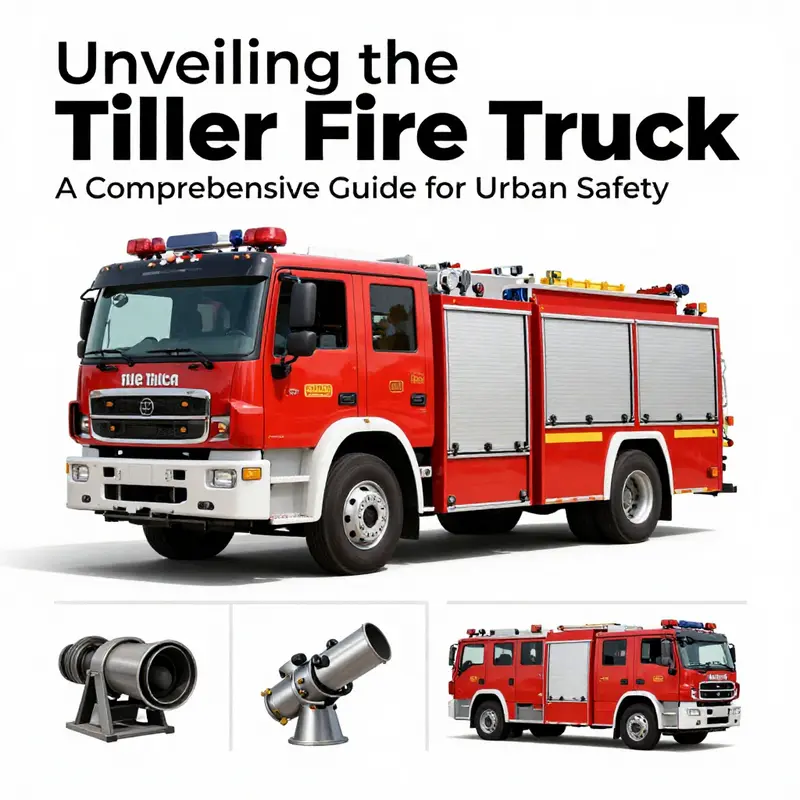
The evolution of firefighting technology has brought forth highly specialized apparatus that redefine the nature of emergency response in urban environments, and among these innovations, the tiller fire truck stands out as a masterpiece of mechanical ingenuity. At first glance, the sight of a tiller fire truck may evoke images of a robust vehicle designed to combat raging infernos; however, a closer inspection reveals a sophisticated blend of engineering and technology that empowers these trucks to operate in the most demanding scenarios with unparalleled agility and precision. The genius of these machines lies in the integration of features that not only make them ideal for fighting fires in dense, built-up urban landscapes but also extend their operational capabilities to high-rise rescues and complex terrain interventions.
Central to the tiller fire truck’s design is its ingenious dual-control system that distinguishes it from conventional firefighting vehicles. Unlike standard fire trucks which rely on a single driver positioned at the front, the tiller truck incorporates an independent rear steering axle—commonly referred to as the tiller. This system means that while one operator in the front cab handles the front wheels, a second operator in a rear-facing cockpit takes charge of the tiller. In effect, the vehicle gains a second steering wheel that facilitates a highly responsive and coordinated maneuvering system, allowing the rear of the truck to pivot independently of the front. This capability is particularly crucial in urban environments where tight corners, narrow streets, and congested scenes are the norms. The ability to navigate these challenges safely and efficiently not only reduces the risk associated with maneuvering large vehicles in unconventional spaces but also ensures that the fire apparatus can be positioned with exceptional precision at the scene.
The independent steering system translates directly into an impressive reduction in the turning radius of the truck, which often becomes smaller than the vehicle’s own length. This degree of maneuverability is essential when operating in environments that demand a rapid, yet controlled, response. For instance, in dense city centers or residential areas with narrow access routes, the tiller truck’s capacity to execute such tight turns enables it to reach and service high-risk areas faster than traditional designs. In addition to its steering system, the tiller fire truck is often equipped with a range of advanced hydraulic mechanisms that significantly enhance the deployment and operation of its aerial ladder or platform.
One of the most striking features is the state-of-the-art hydraulic system that powers the extendable aerial ladder—a critical component for addressing fires in high-rise buildings. These hydraulics allow the ladder to be moved, angled, and extended with a level of precision that is essential during emergency operations where seconds can make the difference between containment and catastrophe. The ladder’s design, coupled with the truck’s agile positioning capabilities, permits firefighters to position the aerial apparatus at various angles along a building’s façade, ensuring that access to upper floors is both safe and efficient. In many modern designs, the integration of hydraulic power with advanced control systems means that the ladder may require fewer outriggers—sometimes as few as two instead of the traditionally deployed four. This reduction in setup time is invaluable during critical moments when every second counts.
Equally impressive is the truck’s suite of onboard monitoring systems that provide real-time feedback on various operational parameters. These systems track hydraulic pressures, vehicle stability, and the structural integrity of the apparatus. By continuously monitoring these metrics, the system assists operators in making informed decisions during complex maneuvers. The data generated allows the firefighters to optimize their responses, ensuring that the aerial ladder is deployed safely even in rapidly evolving scenarios. The integration of real-time data not only enhances the safety of the crew but also contributes to more effective firefighting tactics by enabling precise coordination between the front and rear operators. Such technology underpins the truck’s ability to adapt dynamically to threats, whether it is a blazing fire on the upper floors of a skyscraper or hazardous conditions in confined urban spaces.
Moreover, the coordination between the two driving positions is made seamless through sophisticated electronic communication systems. These systems allow both drivers to exchange information instantaneously, which is particularly important during high-pressure scenarios when synchronizing the movements of the entire vehicle is critical. The finely tuned relationship between the front driver and the tiller operator is a hallmark of the vehicle’s design, demonstrating how human skill and advanced machinery collaborate to maximize performance on the scene. This collaborative operation often feels like a well-rehearsed dance, where every movement is executed with precision and purpose, ensuring that the fire apparatus remains stable while the situational requirements are met with expert coordination.
In urban centers, where the landscape is characterized by narrow alleys, winding roads, and unpredictable road conditions, the agility of the tiller fire truck cannot be understated. This machine embodies the adaptability required to operate in environments that are as diverse as they are challenging. The independent rear steering allows the vehicle to line up precisely with the intended target, such as a burning window on a high-rise or a blocked alleyway that requires immediate attention. Furthermore, the ability to achieve a turning circle that rivals or even undercuts the physical dimensions of the truck makes it an indispensable asset when every inch of space counts. In this regard, both the mechanical and technological advancements of the tiller truck come together to facilitate access where traditional fire apparatus might struggle or even fail.
The combination of these elements results in a vehicle that is not only robust in performance but also exceptionally efficient in operation. The streamlined design reduces the need for extensive setup procedures, as many modern models can execute complex maneuvers with minimal support. This efficiency becomes crucial during simultaneous multi-unit operations where several apparatus may converge on a single incident. The rapid deployment capability afforded by the tiller fire truck ensures that critical tasks such as water application, victim rescue, and structural stabilization are achieved without unnecessary delays. Moreover, the design minimizes the physical footprint of the truck while delivering maximum performance—a quality that is particularly important in dense urban settings.
Beyond direct firefighting functions, the technological sophistication of these trucks also lends itself to a wider range of emergency operations. For example, their independent steering and hydraulic precision can be utilized during rescue missions that involve extracting individuals from challenging locations. In situations where conventional vehicles are rendered ineffective due to space constraints or hazardous conditions, the tiller fire truck’s precise navigation and responsive control can make the difference between a successful rescue and a tragic outcome. This versatility underscores the value of incorporating advanced technologies into emergency response vehicles, thereby enhancing both the efficacy and safety of public service operations.
For instance, when dealing with a fire that has erupted in a multi-story building, the precise positioning of the aerial ladder is paramount not just for firefighting but also for rescuing individuals trapped at significant heights. The hydraulic system coupled with the independent steering mechanism allows the truck to adjust its alignment quickly and accurately, ensuring that the ladder can reach the desired floor with minimal repositioning. The advanced control over the ladder’s angle also means that the apparatus can be used effectively even when the truck itself is parked at an unconventional angle due to spatial restrictions. This fluidity of operation demonstrates the integration of robust hardware with intelligent design, resulting in a system that maximizes safety and operational speed under extreme conditions.
Central to the success of these innovative features is the combination of human expertise and machine precision. The dual-driver system requires a high level of training and coordination. Operators undergo rigorous practice to develop an intuitive sense for synchronizing their respective controls, ensuring that both the front and rear sections of the vehicle operate as a single, cohesive unit. This level of training is critical to fully exploit the capabilities of the tiller fire truck, as even slight mismatches in operation could compromise performance or safety. The human factor in this collaborative control setup cannot be overlooked, as it highlights the importance of continuous training and skill enhancement as technological advancements persist.
The application of these technological features reaches beyond the immediate concerns of maneuverability and extends to include comprehensive situational awareness. Through integrated onboard communication systems, GPS navigation, and real-time monitoring, the apparatus not only responds effectively to current emergencies but is also capable of pre-emptive adjustments based on dynamic conditions. This augmented situational awareness means that the operators can make proactive decisions rather than purely reactive ones, enhancing the overall safety and effectiveness of the firefighting efforts. As urban infrastructure grows more complex and densely populated, this ability to rapidly adapt to changing scenes becomes increasingly significant.
Furthermore, the design philosophy behind tiller fire trucks reflects a broader commitment to innovation in emergency response. Advances in computer technology have enabled the integration of sophisticated onboard systems that monitor structural health and performance metrics. These systems ensure that every aspect of the truck’s operation is tracked, from hydraulic performance to real-time feedback on road conditions. Such intelligent systems not only mitigate potential risks but also provide a foundation for continual improvements through data-driven insights. In many ways, the technological prowess of the tiller fire truck mirrors developments seen in industries such as aerospace and automotive manufacturing, where precision control and real-time data play pivotal roles in operational success.
This marriage of mechanical innovation and digital intelligence is particularly evident in the evolution of hydraulic systems that power the aerial tool. Modern hydraulic power offers precise, real-time control over the positioning and angle of the ladder, a feature that is indispensable when trying to navigate the complex geometries of modern urban architecture. The integration of these systems with onboard computers allows for smoother transitions and better alignment, meaning that even in conditions where visibility or road conditions are compromised, the truck can maintain its operational integrity. The hydraulic system’s responsiveness also minimizes wear and tear, ensuring that the apparatus remains reliable over time—a factor that is critical when every moment counts during an emergency.
The continuous monitoring integrated into these trucks provides operators with vital feedback. Information such as hydraulic pressure, the stability of the truck during turns, and the current load on the device accumulates into a comprehensive real-time overview of the vehicle’s status. This data, which is processed by sophisticated onboard computers, equips operators with the ability to optimize their maneuvers on the fly. Moreover, the seamless exchange of data between the front cab and the tiller cockpit means that both drivers are always fully informed of the operational status, allowing for swift and measured adjustments. This integrated approach not only enhances safety but also boosts the responsiveness of the machine under diverse fireground conditions.
In dense urban locales where firefighters are often faced with precarious situations, having the technological advantage of tight maneuverability can be a crucial differentiator. The innovative design of the tiller fire truck ensures that it operates effectively even when the spatial constraints are extreme. Firefighters are empowered to position the aerial device precisely against a building’s exterior, thereby ensuring rapid water application or safe extraction through windows. The ease with which the truck can be navigated into such challenging positions underlines the critical nature of its dual-control system and the advanced technological features that support it. In many respects, these systems combine to create a dynamic and adaptive response platform that can handle an array of operational challenges with reliability and precision.
The integration of advanced communication and GPS navigation systems further augments the truck’s abilities. By embedding these technologies into its operational framework, the tiller fire truck becomes capable of quickly recalibrating its route and position in response to information provided by incident command. The relationship between technology and operator expertise is clearly visible here, as it empowers the crew to respond to unforeseen factors with agility and assurance. One can draw a parallel between these features and the capabilities highlighted in modern vehicle categories such as the aerial ladder fire truck, where similar emphasis is placed on technology and maneuverability. For more details on the specialized features of similar apparatus, you may consider exploring the aerial ladder fire truck category.
Looking at the broader picture, the technological attributes of tiller fire trucks have a direct impact on the overall efficiency and effectiveness of firefighting operations. When firefighters are equipped with machinery that can be moved quickly and precisely into position, response times are dramatically improved. The ability to reduce setup times by minimizing outrigger deployments means that water and rescue operations can begin almost immediately, a difference that is often measured in lives saved and property preserved. In high-rise emergencies particularly, where rapid response is essential, the precision of the tiller mechanism allows crews to operate at the highest level of safety and efficacy.
Importantly, many of these vehicles are built with a view towards future enhancements. Continuous innovation is at the heart of this technology, with engineers and designers drawing on cross-industry advances to enhance performance further. The use of real-time data systems and advanced hydraulics is a testament to how far firefighting technology has come—from heavy, cumbersome equipment to today’s nimble, high-performance systems. The ongoing dialogue between field operations and technological development ensures that each new model of tiller fire truck is better equipped to meet the challenges of modern firefighting.
Moreover, this continuous improvement is not solely about adding more features; it is equally about refining the integration of existing systems so that the overall performance is optimized. Engineers focus on reducing response times, improving stability during rapid maneuvers, and ensuring that every component of the truck contributes to a safer, more effective firefighting operation. The goal is always to harmonize the mechanical, hydraulic, and electronic systems in a way that enhances the crew’s ability to perform under pressure. The tiller fire truck, in this regard, is a living example of how technology can be harnessed to push the boundaries of what is possible in emergency response.
Furthermore, this synthesis of technology and human skill highlights the adaptability of the tiller fire truck across various operational scenarios. Whether navigating the labyrinthine layout of a historic city center, aligning the aerial ladder against the complex façade of a modern skyscraper, or executing delicate maneuvers during rescue missions in confined spaces, the vehicle’s design ensures that every movement is executed with precision. The reliance on intelligent hydraulic systems, advanced onboard monitoring, and coordinated dual-control operations all contribute to a platform that is exceptionally well-suited to the unpredictable demands of firefighting.
In summary, the technological features of the tiller fire truck represent a harmonious blend of advanced mechanics, state-of-the-art hydraulics, and intelligent control systems. Each element, from the independent rear steering mechanism to the rapidly deployable hydraulic ladder, is designed to enhance operational efficiency, situational awareness, and overall safety on the fireground. This intricate symphony of technology not only transforms the vehicle into a highly maneuverable asset but also serves as a testament to the relentless pursuit of innovation in emergency response. With every technological advancement, the tiller fire truck reaffirms its indispensable role in modern firefighting, pushing the limits of what is achievable when precision engineering meets dedicated service.
For those seeking further insights into the technological prowess behind these firefighting marvels, external resources such as the detailed analyses shared on Fire Engineering offer invaluable perspectives on how these advanced systems come together to redefine urban emergency response. 강력한 엔지니어링, 전략적 디자인 및 기술 발전의 융합을 통해 소방차는 현대 화재 대응 전술의 최전선에 남아 있습니다. provides an in-depth exploration into the mechanisms that enable these vehicles to operate under the most challenging conditions.
This deep dive into the technological features of tiller fire trucks underscores how every detail—from steering adjustments and hydraulic controls to real-time data and coordinated communication—contributes to a system that is as efficient as it is resilient. The result is a firefighting platform that stands at the forefront of emergency response technology, masterfully designed to navigate the complexities of urban environments and safeguard lives and property when every second counts.
Mastering Precision and Safety: Navigating Urban Firefighting with Tiller Trucks
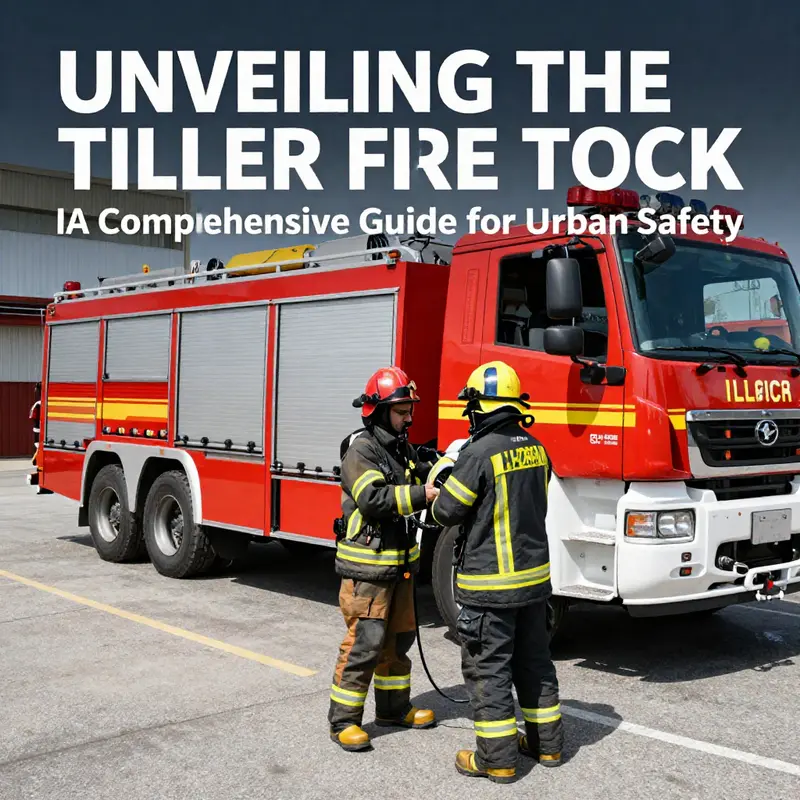
Tiller fire trucks represent the pinnacle of specialized firefighting technology, designed not only to reach extreme heights but also to navigate the cramped urban corridors where conventional fire apparatus would struggle. These sophisticated machines rely on a dual-control system that marries the advantages of a front-mounted engine and cab with a rear independent steering unit. The unique combination of agility, power, and reach makes them an essential tool in operations such as high-rise firefighting, confined-space rescues, and challenging urban scenarios. However, with great capability comes the necessity for rigorous safety protocols and meticulously practiced operational procedures that ensure every maneuver is executed with both precision and care.
Firefighting in densely built urban environments presents numerous hazards. When arriving on scene, the tiller truck must be positioned carefully to counter uneven loads and shifting ground conditions. Ensuring that the apparatus sits on stable, flat terrain is paramount. Operators know that even the slightest deviation in ground contact – due to soft soil, minor gradients, or unexpected obstacles – can compromise the stability of the entire unit. Before extending the aerial ladder, crews routinely verify that the truck is firmly planted, employing stabilizing mechanisms such as hydraulic outriggers or jacks that have been calibrated to industry standards. This vigilance is essential because the slightest miscalculation can lead to dangerous tipping or unintended movement while the ladder is deployed. The safety of the firefighters depends on this precise control of the vehicle during high-stress moments.
Equally critical is the need for highly trained operators who can expertly control the two distinct steering systems. Unlike standard fire engines where a single operator manages navigation, a tiller truck requires both a front driver and a rear tiller operator. This dual control system demands a deep understanding of the mechanics behind independent steering. Operators must engage in extensive training that covers not only routine maneuvers but also dynamic scenarios where rapid response is required. Simulation exercises highlight the risks of jackknifing or a complete loss of control if an operator’s actions are mistimed or miscalculated. Through this rigorous training, firefighters develop a level of intuition and coordination, which is indispensable when faced with the dual challenge of navigating tight urban streets and positioning an extendable ladder against unpredictable structures. The complexity of the maneuver comes with enormous responsibility, and every operator is thoroughly ingrained with protocols that mitigate risk.
In addition to operator expertise, stringent protocols related to clearance and obstacle avoidance are followed. Urban environments are riddled with obstacles such as power lines, trees, signage, and even other vehicles that can wreak havoc when combined with the extended and angled configurations of the aerial ladder. Before any operational deployment, a comprehensive sweep of the surroundings is conducted. In many departments, this responsibility falls on a dedicated spotter whose job it is to ensure that all hazards are identified. This step is crucial because even minor contact between the ladder and overhead obstructions can result in extensive damage or, worse, injury to both civilians and first responders. Maintaining clear communication is key in these situations. The spotter uses modern communication devices to relay precise instructions back to the tiller operator, ensuring that the path remains unobstructed and safe for both the vehicle and the personnel on board.
Another cornerstone in the safe operation of tiller fire trucks is the vigilant management of the aerial ladder’s load. Every aerial unit has a rated capacity beyond which stability cannot be guaranteed. The load must be meticulously balanced, and both personnel and equipment should be secured against sudden movements. Mismanagement of the load can shift the center of gravity of the truck-ladder system, leading to instability that could risk the life of everyone on board. Firefighters are trained to always wear safety harnesses, recheck every connection, and ensure that all items stored on the platform are firmly secured. These load management protocols are not merely bureaucratic mandates; they are essential safeguards that prevent accidents during critical moments of rescue operations. Firefighters, whether deploying from the ladder or moving between platforms, rely on these measures to function safely at great heights.
Safety in emergencies is further bolstered by the integrated use of advanced technology within the tiller truck’s operational framework. Modern systems include automatic leveling sensors and load moment indicators that continuously monitor the truck’s stability. Digital displays provide real-time information on stress levels and hydraulic pressures, enabling the operator to make necessary adjustments on the fly. This integration of technology facilitates a proactive approach to safety. For example, if sensors detect a deviation from optimal load distribution or if the platform begins to angle unexpectedly, the system can alert the operator immediately, allowing for a swift correction. This layer of automation is a critical feature in the overall safety strategy, ensuring that both experienced operators and emergency systems are aligned in achieving a stable and secure operation. The emphasis on technology in safety protocols highlights an important evolution in firefighting that marries human skill with digital precision. For additional insights into the design and operation of aerial apparatus, you might explore details available in resources like the comprehensive guide on aerial ladder fire trucks available at this internal resource.
Operations involving tiller fire trucks are complex and require a systematic approach before, during, and after an incident. Pre-incident planning, for example, is one of the fundamental tenets of safety. Fire departments meticulously analyze high-risk areas, mapping out the structural and street layouts of buildings that may require high-rise firefighting. This pre-planning allows for the identification of optimal parking spots and deployment strategies. Knowing in advance which areas offer the best ground conditions and which might pose obstacles can save precious moments when an emergency strikes. Detailed simulations enable operators to practice the unique maneuvers that are necessary for quick and safe positioning. Because every urban landscape is different, these pre-planned strategies are tailored to the specific challenges of the geography they serve. This critical preparedness supports rapid, effective, and safe operational responses when time is of the essence.
Team coordination is another fundamental pillar in the successful operation of a tiller fire truck. The dual-driver system is only as effective as the communication between the front cab driver and the tiller operator. Within the confined space of an urban scene, clear and concise radio communication is essential. Standard operating procedures dictate that every step – from initial arrival to ladder extension and eventual withdrawal – must be communicated and confirmed verbally. This methodical approach to coordination not only reduces the risk of error but also enhances the teamwork necessary for complex operations. Every member of the team is trained to understand their role, ensuring that whether the focus is on stabilizing the truck or operating the platform, each action harmonizes with the overall mission. In many cases, clear team coordination has been the difference between a successful rescue and a dire mishap. This ingrained discipline, developed through rigorous training and repeated exercises, underscores the profound reliance on human communication even in the face of advanced technological support.
Equally noteworthy is the emphasis on emergency shutdown procedures. Modern tiller trucks are equipped with clearly marked emergency stop controls that can be accessed from several points on the apparatus. Whether it is an unexpected mechanical fault or a rapid increase in instability, these shutdown controls allow for an immediate halt to all hydraulic and mechanical functions. The ability to cease operations quickly can be lifesaving, particularly in chaotic, rapidly evolving emergency scenes. These controls are designed to override all other commands and are a critical fail-safe in preventing further damage or injury. Firefighters are well-versed in these emergency procedures, conducting frequent drills to ensure that in moments of crisis, every action is deliberate and composed. This level of preparedness, combined with high-tech safety features, creates a safety net that is both robust and responsive.
Beyond the mechanics and procedures, the human element in firefighting cannot be overemphasized. Every operation involving a tiller fire truck is a testament to the commitment and skill of the firefighters who rely on this machinery. Their deep understanding of the equipment, refined through both training and real-world experience, feeds into the seamless execution of tasks in high-pressure environments. The interplay between man and machine is most evident when deploying from an aerial platform in a skyscraper or maneuvering in a congested urban street. Constant vigilance, mutual trust among team members, and the discipline to follow protocols without deviation are what transform complex machinery into a reliable extension of the team. This is not a mere mechanical operation; it is a finely tuned orchestration of experience, modern technology, and stringent safety standards.
Following each operation, the process of post-operation inspection serves as an additional critical safety measure. The thorough inspection of the tiller mechanism, hydraulics, outriggers, and ladder components is vital to ensure that no wear, damage, or misalignment compromises future performance. Firefighters and maintenance teams work in concert to document any anomalies and schedule immediate repairs or adjustments if necessary. These efforts are underscored by a commitment to safety and a recognition that every minute spent on inspection translates into enhanced reliability during the next emergency. This consistent, detailed review not only prolongs the lifespan of the apparatus but also reduces the potential for unexpected failures during an incident. The success of these inspections lies in their comprehensiveness and the meticulous attention to detail that is ingrained in fire department protocols.
In integrating all these elements—from ground stability and operator training to systematic coordination and advanced technological integration—a picture emerges of a firefighting apparatus that is as much a marvel of engineering as it is a triumph of human expertise. The tiller fire truck embodies a critical evolution in urban firefighting, one that has been designed with the explicit purpose of addressing the modern challenges of high-rise and dense city rescues. Its sophisticated systems and rigorous safety protocols serve as a model of what is achievable when innovative design meets uncompromising standards of operational safety. Throughout every maneuver, every check, and every coordinated effort, the overarching goal is clear: to protect lives and property while ensuring the well-being of every firefighter involved.
As urban landscapes continue to evolve—with buildings reaching ever higher and street designs growing more complex—the role of the tiller fire truck becomes increasingly indispensable. Its capacity to adapt and respond with unmatched precision sets it apart from traditional fire apparatus. Every feature, from the dual steering mechanism to the robust ladder operations, has been engineered with the paramount importance of safety in mind. The advanced systems integrated into these trucks, including load moment indicators and hydraulic sensors, are reflective of an era where digital precision augments human skill in equal measure. In a dynamic and unpredictable environment, these technological marvels allow teams to operate with a level of confidence that is essential for success.
Modern tiller trucks thus serve as a powerful reminder of what can be achieved when innovation and rigorous training intersect. The blend of cutting-edge technology, unparalleled operator skill, and detailed safety protocols makes these vehicles a critical lifeline in the race against time in emergency situations. As fire departments across urban centers continue to refine their strategies and incorporate the latest developments, the importance of adhering to these established safety protocols only grows. In every drill and on every call, the emphasis on safety, precision, and teamwork remains at the forefront, ensuring that when emergencies strike, the response is flawlessly executed.
In summary, the effectiveness of a tiller fire truck in urban firefighting lies in its meticulous design and the comprehensive operational protocols that have been developed over years of practical experience and technological advancements. Its dual-control system, advanced safety features, and the coordinated effort of skilled operators combine to form a robust response mechanism. The commitment to pre-incident planning, clear communication, load management, and post-operation inspections underscores an industry-first approach to safety—a model that other emergency-response apparatus may well aspire to emulate. For those interested in exploring further aspects of advanced firefighting equipment and aerial operations, additional technical details and operational insights can be found at this dedicated resource on aerial ladder facilities, offering a deeper dive into the evolution of firefighting technology.
For updated guidelines and comprehensive standards that govern the safe operation and maintenance of fire apparatus, referring to the National Fire Protection Association’s NFPA 1917 standard is highly recommended. Detailed information is available at NFPA, which provides current protocols and testing methodologies essential to the field of firefighting. Through adherence to such rigorous protocols, the sophisticated engineering of the tiller fire truck is matched by an unwavering commitment to the safety of both the operators and the public they serve, ensuring that each mission is executed with impeccable precision and reliability.
brush fire trucks, wildland firefighting, fire safety equipment, off-road fire trucks, firefighting technology, business safety, emergency response vehicles
Tiller fire trucks represent a critical advancement in firefighting capabilities, particularly in urban settings where space constraints and high-rise buildings present unique challenges. Their innovative design, combined with cutting-edge technology, ensures effective operation in emergencies, maximizing safety and efficiency. For business owners and city planners, understanding the significance of these vehicles not only aids in resource allocation but also enhances community resilience against fire incidents. Investing in advanced firefighting technology, including tiller trucks, is essential for creating safer urban environments and effectively managing emergency responses.

