
















Fire trucks play a crucial role in emergency response, and while they are designed to serve the public, the question of can fire trucks hit cars requires careful examination. Understanding the dynamics at play not only enriches our knowledge about public safety but also informs business owners about potential legal implications and the prioritization of safety standards in urban environments. This piece will explore the nature of vehicle accidents involving fire trucks, emergency traffic navigation protocols, the priorities of fire services, and the legal ramifications tied to possible collisions, equipping business owners with the insights necessary to foster safer interactions between emergency vehicles and the public.
When Giants Move: The Real Risks and Safeguards of Fire Trucks Sharing the Road
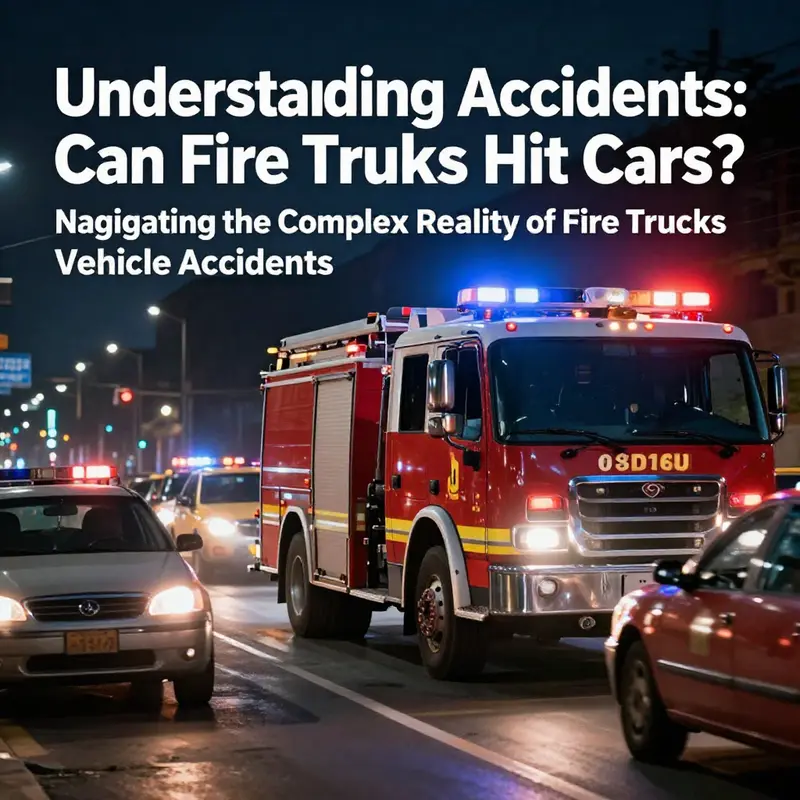
Fire trucks are built for urgency, not accident. They are the moving face of a city’s resilience, storming through streets to reach people and places in peril. The question, framed bluntly, is whether a fire truck can hit a car. The answer is technically yes, but the broader truth is more nuanced: such events are uncommon, and they occur within a carefully managed ecosystem of training, policy, vehicle design, and public cooperation. Fire departments know the stakes. They know that every second saved at the scene can translate into lives saved or property preserved. That knowledge drives the protocols that govern every siren and every turn of a wheel. In practical terms, a collision between a fire truck and a civilian vehicle is an accident—the outcome of choices, limits, and pressures in a moment of urgency. It is precisely because the consequences can be severe that departments invest so heavily in prevention, detection, and response strategies that reduce risk while maintaining speed.
The interplay between emergency response and civilian traffic is a dynamic, high-stakes balance. Fire apparatuses must reach the scene as quickly as possible, yet they must do so without compromising the safety of the very people they are there to protect. This tension is not resolved by luck but by a scaffold of rules and practices that begin long before a siren ever wails. Drivers on ordinary streets learn to yield to fire apparatus, and they learn it through education and law. Firefighters learn to drive under pressure without compromising control, because the margin for error shrinks at high speed, in dense traffic, and around blind corners. The public, in turn, benefits from visibility enhancements and standardized signaling that make the path of an arriving engine more predictable. The system is not a guarantee of zero incidents, but it is an architecture of defense designed to keep those rare incidents from becoming routine tragedies.
A central factor in this complex equation is speed. When a fire truck carries a crew to a life-threatening blaze, speed becomes a lifeline. Yet speed magnifies risk. The mass and momentum of a heavy vehicle advance through intersections and lanes that are, by design, shared with cars, bicycles, and pedestrians. The same urgency that makes a truck effective also reduces the time available to react to unforeseen obstacles. In practice, every run is a reconciliation of two imperatives: get there fast, with the vehicle under precise control. Training emphasizes how to maintain that balance. Repeated simulations and drills, both in controlled environments and on real streets, teach drivers to forecast, scan, and maneuver with a calm accuracy that can only come from practice. Drivers learn to anticipate pedestrians stepping into crosswalks, vehicles moving off a lane, or a driver in a blind spot failing to see the flashing lights. The goal is not to outpace danger but to reduce exposure to it while preserving the mission’s urgency.
Even with the best training, the physical realities of large vehicles shape the risk landscape. Fire trucks are tall, wide, and long. Their blind spots are larger than those of ordinary passenger cars. The combination of size and limited visibility means that smaller vehicles, cyclists, or even parked cars can vanish from a driver’s field of view in an instant. When visibility is compromised—by rain, fog, snow, or glare—the chances of a mismatch between what the truck’s operator sees and what the surrounding drivers perceive increase. In urban environments, the geometry of streets—narrow lanes, tight turns, and multi-lane intersections—adds a layer of complexity that can overwhelm even seasoned responders. The risk is not merely theoretical. Data collected by fire departments and transportation agencies show that while collision rates have declined over time thanks to safer designs and protocols, the possibility of a contact between an engine and a civilian vehicle persists, especially at crowded intersections or during heavy traffic surges.
The nature of the risk is not uniform across all settings. Rural roads pose different challenges than city boulevards. In rural areas, higher speeds may tempt drivers to push through yellows or red yields, reducing reaction time for approaching apparatus. In cities, the problem is more about the density of traffic and the choreography of pedestrians, buses, and turning vehicles at complex intersections. In all settings, the safety toolkit is designed to minimize risk. It includes improved braking systems, adaptive steering, and enhanced suspension that help the driver maintain safer control at speed. It also encompasses collision avoidance technologies that some departments have started to adopt, warning drivers of imminent conflicts and in some cases applying limited braking to prevent contact when safe to do so. These technological advances complement the human judgment and training that lie at the heart of safe emergency driving.
Visibility has evolved from being a mere byproduct of color to a core safety feature. Traditional red, while iconic, is not always the most legible color in low-light or adverse weather, where contrast and conspicuity matter. Many departments have adopted brighter, high-visibility colors such as lime-yellow or fluorescent greens to maximize detection by other road users and to reduce the likelihood of late or inattentive responses. The shift toward more visible fleets, combined with effective use of lights and sirens, improves the odds that a driver will recognize the approaching vehicle early enough to yield properly. When a driver moves out of the truck’s path, it is often because they misinterpret the truck’s trajectory or fall into a momentary distraction. The improved visibility acts as a cognitive cue, prompting earlier, more decisive action by motorists who must share the road with responders.
Yet even with visibility and speed under careful control, the human element remains central. The vast majority of near-misses and incidents involve drivers who either fail to yield or misjudge the truck’s path. That is why public education about how to respond to emergency vehicles remains a cornerstone of safety. Programs that teach the public to pull to the right, stop, and wait for the truck to pass, or to pull as far as possible to the side and remain still until the vehicle has cleared the area, help reduce the likelihood of a collision. Equally important is the legal framework that codifies drivers’ duties during emergencies and the expectations placed on truck operators to comply with road rules unless safety dictates otherwise. The balance the law attempts to strike is pragmatic: allow the fastest possible response while preserving every road user’s safety. When collisions do occur, they trigger investigations that look at driver behavior, system design, and the feasibility of the chosen response in that moment.
From a departmental perspective, prevention begins long before a siren is heard. Rigorous training, continuous learning, and scenario-based simulations prepare crews to recognize and avoid risky situations. Fire academies and departments often place a premium on understanding traffic dynamics, not just firefighting techniques. The equipment itself has to be reliable, with brakes, tires, and steering components tested for the extreme demands of emergency driving. Modern vehicle design borrows from automotive safety standards and adapts them to the unique demands of fire service. Some vehicles include advanced braking assist, stability control, and reinforced frames that help the truck absorb the impact should a collision be unavoidable, though the aim is always to prevent contact rather than to endure it. In addition, standard operating procedures guide how crews navigate intersections, respond to road users who are panicked by the sight of flashing lights, and coordinate with incident command to ensure that routes remain open and predictable for all responders on scene.
The safety conversation is not solely inward-facing. Public health and safety bodies, scholars, and emergency management professionals contribute a broader perspective on how to reduce the frequency and severity of any contact between fire apparatus and civilian vehicles. Research conducted by national safety organizations emphasizes the role of visibility in accident reduction, the benefits of targeted driver education, and the effectiveness of policy measures such as dedicated emergency lanes, controlled access routes for non-emergency traffic, and improved urban design that minimizes abrupt vehicle movements near the sites of emergencies. The practical upshot of this research is a more forgiving environment for emergency response, one where the fire truck can fulfill its mission with fewer compromises to safety.
The bottom line is that a fire truck can strike a car, but such events are increasingly rare and increasingly preventable. This is not to sugarcoat the risk. It is to acknowledge that safety is a process, not a single act of vigilance. The combination of better driver training, smarter vehicle design, stronger signaling, brighter visibility, and an informed public creates a feedback loop that pushes accident rates downward while preserving the speed and agility essential to life-saving work. When incidents do occur, they are scrutinized with the same thoroughness as any other road incident, and the lessons learned become part of the training and design cycle that makes future responses safer. In this ongoing, collective effort, every driver trusted with a license, every firefighter behind the wheel, and every pedestrian and motorist on the road shares responsibility for reducing risk and ensuring that the emergency response system works as it should: swiftly, safely, and with the least possible harm to the public it serves.
For readers who want a sense of how such safety improvements fit into broader practice, the discussion naturally extends to the catalog of available equipment and support vehicles that empower fire services to respond effectively while maintaining safety. Within supplier catalogs, the emergency rescue vehicle category provides a window into how design considerations translate into real-world capability. These vehicles are engineered to support rapid access, efficient maneuvering, and robust protection for crews and the public alike. By examining the principles behind these designs, one gains a clearer sense of how the road itself becomes a space of shared responsibility when emergencies unfold. See the emergency rescue vehicle category for more on the kinds of configurations and standards that influence the safety profile of modern emergency response.
The practical takeaway for drivers, cyclists, pedestrians, and policymakers is straightforward: respect the need for rapid response, but never assume it absolves anyone of responsibility on the road. Yield when you see flashing lights; slow down; move to a safe position; and stay calm as the scene evolves. Firefighters, for their part, commit to operating with precision and care, using every available tool—from training to technology—to minimize risk while delivering life-saving services. This shared commitment—between responders, the public, and the infrastructure that supports both—is what transforms a moment of crisis into a managed, recoverable event rather than a catastrophe. As safety science advances, the goal remains constant: every run should be faster to reach the incident and safer en route, with fewer opportunities for contact between heavy, rapidly moving equipment and smaller road users. The road is a shared stage, and the performance hinges on cooperation, preparedness, and respect for the dangers that come with urgency.
For readers seeking a concise anchor on official safety perspectives and research, the U.S. Fire Administration offers resources on vehicle incidents and traffic safety that illuminate how standards evolve and how practice changes over time. These insights ground the discussion in systematic findings rather than anecdote, reinforcing the argument that while fire trucks can collide with cars, intentional emphasis on prevention yields measurable gains in safety. To explore these official perspectives, visit the U.S. Fire Administration’s resources at https://www.usfa.fema.gov/.
Priority in Motion: How Fire Trucks Safely Navigate Roads and Prevent Collisions with Cars
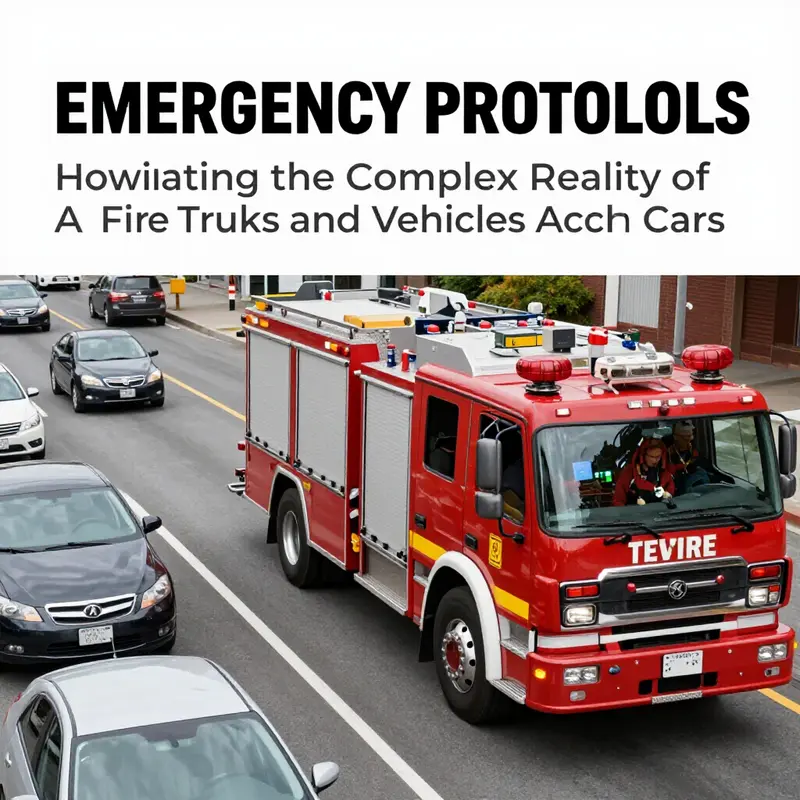
When people ask whether fire trucks can hit cars, the question is usually framed around risk rather than capability. Fire apparatus are built to save lives and protect property, not to collide with other vehicles. Yet the road is a shared space where speed, urgency, and unpredictability collide. The answer, shaped by training, technology, and law, is nuanced: a fire truck can physically strike a car if an error or extreme circumstance occurs, but every standard operating procedure is designed to minimize that risk to near-zero levels while still delivering rapid assistance. This balancing act sits at the heart of emergency response and underscores why the chapter’s core message is not about bravado or inevitability but about precise, safety‑driven practice under pressure. The practical reality is that a well-coordinated system exists to ensure that when a fire truck is on the move, the road yields to its priority, and that priority is built on predictability, visibility, and disciplined human judgment as much as on the machine’s power.
The first line of defense against collisions is overt signaling. When a call comes in, the fire apparatus lights up and sounds off. Red and blue lights flash in patterns designed to grab immediate attention, while sirens cut through ambient noise to announce that a responder is en route. The intent is simple yet powerful: to compel other drivers to recognize urgency, reduce speed, and move aside to allow the vehicle to pass. Observational studies from urban deployments show that when drivers respond promptly to these cues—pulling over to the right side of the road, stopping, and staying clear—the chances of a lateral contact are dramatically reduced. The signaling system is not just a sensory cue; it is a behavioral prompt that reshapes the dynamics of a complex traffic scene in real time. The predictability this creates helps drivers anticipate the fire truck’s path and adjust their own trajectories accordingly.
Behind the siren and strobe lights lies a web of technology that sharpens situational awareness far beyond what any single driver could manage in a split second. Modern fire apparatus increasingly incorporate forward-facing cameras and radar systems. These sensors extend a truck’s awareness into the traffic ahead, shrinking blind spots and highlighting vehicles that might otherwise lurk just out of sight. In dense urban corridors, where lanes compress and pedestrians mingle with vehicles, this tech acts as a second pair of eyes that monitors approaching traffic, speed differentials, and potential encroachments. Some configurations go further, integrating collision-avoidance logic that can alert the operator to a looming threat and, in certain circumstances, automatically apply braking or adjust speed to avert a collision. The aim is not to replace human judgment but to augment it with data-rich feedback that reduces reaction time and supports safer decision‑making under stress.
That blend of signaling and sensing isn’t a standalone feature; it sits atop a framework of rigorous training. Fire departments routinely drill driving under high stress, practicing how to negotiate heavy urban traffic, complex highway on‑ramps, and dynamically changing scenes at the incident site. Drills emphasize the choreography of moving as a unit—how the officer behind the wheel communicates with arriving crews, how the driver uses mirrors and vantage points, and how a spotter or additional crew member might guide a narrow passage through cross streets crowded with bystanders. These drills reinforce disciplined driving habits, such as maintaining a steady, predictable speed, choosing safe gaps, and avoiding sudden lane changes that could surprise other road users. The training isn’t abstract; it translates into real, measurable behavior during emergency runs.
Beyond signaling and sensing, the legal and policy framework undergirding emergency response acts as a cognitive map for both responders and civilians. Traffic laws in many jurisdictions compel motorists to yield to emergency vehicles with activated lights and sirens. This yield is not a suggestion but a legal obligation, designed to create a corridor of safety that allows the responder to execute the fastest possible route to the incident site. When drivers fail to yield, the consequences can be severe, ranging from fines and license penalties to more dangerous outcomes for pedestrians and responders. Some regions augment this framework with automated enforcement that tracks compliance near intersections or along corridors known for high emergency traffic. The combination of law, enforcement, and real-time dispatch communication creates a tightly connected chain of accountability and safety.
Interwoven with signaling, sensing, and law is a culture of continuous improvement. Fire departments systematically analyze every emergency run to identify opportunities to refine routing, reduce response times, and mitigate risk on the streets. Where possible, this includes pre-planning routes that account for street geometry, typical traffic volumes, and known bottlenecks. Dispatch centers can monitor the evolving landscape in real time, adjusting the proposed path as conditions change—from a sudden road closure to an unexpected congestion due to a nearby event. In practical terms, this means that an optimal route is not a static itinerary but a dynamic plan that adapts as the city breathes, swells, and shifts with the hours. The aim remains constant: reach the scene swiftly while preserving the safety of civilians, responders, and the vehicles around them.
In the rare moments when a rule is violated or a sensor fails, the danger of a collision becomes real. Accidents involving fire trucks, though uncommon, do occur. When they do, the consequences are serious for all parties involved and typically trigger thorough investigations, accountability reviews, and corrective actions to prevent recurrence. Acknowledging this possibility underscores why the emergency fleet emphasizes redundancy and fault tolerance: multiple signaling channels keep intent clear, dual braking systems provide fail-safe options, and cross-checks between crew members ensure that no single point of failure dictates the outcome of a high-stakes maneuver. The overarching philosophy is to move as a prepared, unified team rather than a lone operator wrestling with competing demands.
A crucial, often overlooked aspect of this safety calculus is the public’s role. Motorists, cyclists, and pedestrians share the road with emergency responders, and their reactions shape the trajectory of every run. Education and public messaging remind people to respond promptly to warnings, to avoid sudden movements, and to anticipate that an approaching unit may need to cross lanes or take a turn through a momentary gap in traffic. Clear, calm behavior during such moments protects bystanders and gives responders the bandwidth to perform lifesaving tasks with less risk. It is a lesson in collective responsibility: the road becomes, for a few critical minutes, a workspace that requires both skilled operation and cooperative conduct.
For those curious about the range of vehicles designed for rapid response and rescue operations, the broader catalog of emergency platforms includes a spectrum of configurations built to meet different mission profiles. For an overview of emergency-response platforms and related equipment, you can explore the emergency-rescue-vehicle category. This collection illustrates how design choices—from chassis length and turning radius to payload considerations and crew accommodations—support the same fundamental objective: deliver help quickly and safely while keeping the public and responders out of harm’s way. emergency-rescue-vehicle product category
Despite the emphasis on safety and speed, the question of whether fire trucks can hit cars is not rhetorical or sensational. It is a reminder that the road is a shared space with competing demands on time and space. The engineering behind fire apparatus, the training that keeps drivers calm under pressure, and the legal framework that governs behavior on public roads work together to minimize harm. When all these elements function in concert, the likelihood of a collision—deliberate or accidental—drops dramatically. The outcome of a well-executed mission is measured not by how fast a truck can move, but by how safely it can reach the scene and return with people protected from danger.
Ultimately, the relationship between fire trucks and cars is governed by a simple truth: urgency does not excuse recklessness, and speed does not trump safety. The protocols described here are evidence of a mature practice that recognizes the ethical weight of every emergency call. They reflect a system designed to honor life, reduce risk, and preserve order on roads that otherwise become chaotic during critical events. As responses evolve, so too will the tools and training that reinforce this balance. The result is a road network that, even in moments of crisis, remains a disciplined stage where every actor acts with responsibility.
For broader context on safety standards and vehicle operation protocols that influence how emergency vehicles move through traffic, the National Fire Protection Association (NFPA) provides official guidelines and resources. See the NFPA’s official site for comprehensive standards and recommendations. https://www.nfpa.org/
When Speed Meets Safety: How Fire Trucks Move Fast Without Turning Hope into Harm
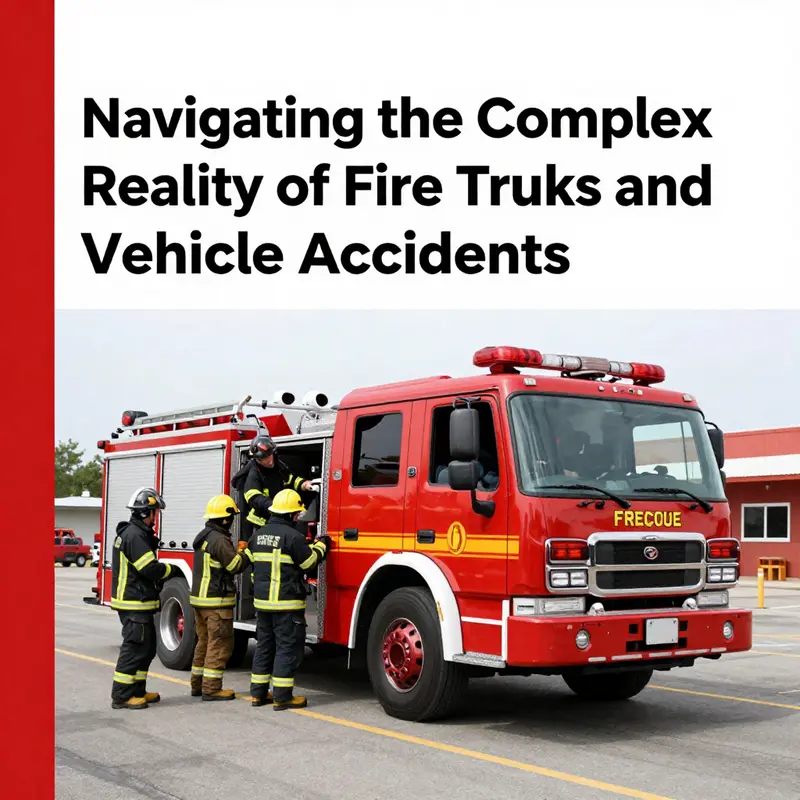
Across crowded streets and rain-slick highways, fire trucks surge toward emergencies, engines roaring and lights stabbing through night. The question people often ask—whether these machines can hit cars—seems simple at first glance. Yet the reality behind emergency response is layered with priorities, training, and a legal framework designed to protect both the public and the responders. Fire trucks are not designed to collide with other vehicles as a rule. Their core mission is life safety: to reach the scene quickly, to locate those in danger, to extinguish flames, to stabilize the environment, and to extract or provide medical aid when necessary. If a collision does occur, it is treated as a grave accident with potential injuries, property damage, and legal consequences. The possibility of contact with a car is something fire departments strive to prevent through meticulous planning, disciplined riding and driving, and a commitment to minimizing risk even as urgency rises. This tension between speed and safety sits at the heart of how fire responses are executed in modern communities.
The operational theater for a fire truck is a moving blend of tactics, traffic control, and situational awareness. When an emergency call comes in, dispatch teams rapidly assemble a response that includes the nearest appropriate apparatus, whether it is a compact aid vehicle, a heavy rescue unit, or an aerial platform, depending on the scale of the incident. The immediate responsibility of the crew is to reach the scene intact and capable of performing under pressure. Once there, they must rapidly assess what kind of hazards exist—smoke, fire, structural integrity, or a crowded street—and determine how to position the apparatus so its tools and personnel can operate without creating further danger. In this sense, the fire vehicle becomes a mobile command post and a tool shed on wheels, embodying a philosophy of safety through intelligent design and disciplined action.
A central element in this philosophy is the legal framework that grants emergency vehicles certain privileges to reduce response times. In many regions, fire trucks may exceed posted speed limits, use sirens and flashing lights to command attention, and pass through red lights when necessary, all within tightly regulated boundaries. These privileges are not carte blanche for reckless driving; they come with clear expectations—drivers must perform risk assessments in real time, adapt to the behavior of other road users, and ensure that every maneuver minimizes the chance of harm. The aim is to shorten the distance to the scene while simultaneously preserving life and property. This dual objective requires precise coordination with traffic, careful lane positioning, and, when possible, the use of designated roadways and pre-planned routes that can accommodate large, heavy apparatus.
The duty to prioritize safety does not disappear once the truck arrives on site. On the contrary, the field operations hinge on a disciplined approach to scene management. Firefighters must establish a safe perimeter, identify potential hazards to bystanders and responders, and determine the best way to deliver water, ventilation, or rescue tools without compromising structural integrity or the welfare of civilians. Hydraulic cutters and spreaders, respirators, and life-saving devices become part of a broader toolkit that supports rapid, controlled action. The readiness to deploy this equipment quickly is inseparable from the readiness to abandon it if the risk becomes unacceptable. The mental calculus is ongoing: every second of haste is weighed against the possibility of creating new injuries, and every gear decision is tempered by the imperative to protect vulnerable populations as well as the responders themselves.
This balance hinges on rigorous training. Fire truck operators undergo extensive coursework that covers driving under emergency conditions, risk assessment, urban navigation, and the intricacies of vehicle handling with heavy loads and long wheelbases. Their training emphasizes anticipation—reading traffic patterns, anticipating pedestrians and cyclists, and recognizing environmental factors such as rain, ice, or poor visibility that can turn a rapid response into a dangerous one. Drivers learn to use spotters at complex intersections, to coordinate with police and other agencies on road closures, and to position the apparatus so its multiple departments can work without blocking vital access routes for ambulances or other responding units. The competence to act decisively while remaining under control is not a trait that appears by accident; it is earned through repeated simulation, real-world drills, and a culture that honors safety as much as speed.
The equipment on a fire truck also reflects a philosophy of versatility and restraint. Modern fleets bring a suite of tools designed to handle diverse emergencies: from extinguishing a blaze to performing a rescue in a collapsed building or stabilizing a vehicle after a traffic collision. The array might include hydraulic cutters and spreaders for extrication, life-support devices for immediate medical aid, and a variety of safety gear and communication systems to keep teams coordinated on the ground and in contact with command centers. Yet tools come with a responsibility—the knowledge of when and how to use them to achieve the safest possible outcome. The presence of sophisticated equipment does not license reckless fieldwork. It reinforces a principle of deliberate, measured action, a careful choreography of speed and caution that aims to preserve life and limit harm to bystanders and motorists alike.
In discussing the possibility of a fire truck hitting a car, it is critical to distinguish between intentional action and inadvertent accidents. Intentional collision would contradict the fundamental mission and legal protections that govern emergency response. Accident scenarios can and do occur, typically when visibility is impaired, traffic is heavy, or there are miscommunications between responding units and nearby drivers. When such incidents happen, they trigger a cascade of investigations, accountability measures, and corrective training. Fire departments routinely review any collision to identify contributing factors, whether they involve driver performance, vehicle malfunction, dispatch timing, or coordination with other first responders. This continuous improvement loop is essential to maintaining high standards of safety and to preserving public trust that the emergency system operates with both speed and prudence.
To understand why collisions are not an accepted practice, consider the scene-specific decision-making framework that guides every response. The first objective is to achieve rapid access without compromising rescue potential. The second is to secure the area so that bystanders and patients are shielded from hazards. Third, responders must maintain line of sight to the incident and remain ready to adapt to changing conditions—whether a building’s structure shifts, a vehicle’s fuel line leaks, or a crowd’s movement introduces new risks. In practice, this means firefighters assess road geometry, assess traffic control options, and choose a path that minimizes interaction with other vehicles. It may involve temporarily delaying a maneuver to allow a lane to clear or coordinating with police for a safe corridor. In all cases, the aim remains the same: to arrive fast, operate safely, and leave the scene with lives saved and injuries minimized.
The breadth of fire department operations also highlights how varied the missions can be. Some calls involve industrial environments, where specialized fleets may be deployed to manage large-scale hazards or complex rescues. Others involve urban settings, where the density of traffic and the architecture of streets demand precise positioning and sometimes longer response times to set up a safe perimeter and deploy equipment effectively. Even in rural areas, where distances are greater and response times longer, the same core principles apply: reduce risk, protect life, and coordinate with neighboring agencies to ensure that attempts to save a life do not create new hazards.
For readers who want to explore the range of vehicles and capabilities that support these missions, a closer look at dedicated fleets can be illuminating. In particular, the industrial fire truck category exemplifies how fleets adapt to the demands of large facilities, warehouses, and manufacturing plants where hazards differ from those in residential neighborhoods. These machines are built with the experience of real industrial environments in mind, emphasizing rugged construction, robust maneuverability, and specialized equipment designed to address fires and rescues in challenging settings. When considering such specialized fleets, it becomes evident that fire service strategy is not about one-size-fits-all tools but about selecting the right tool for the job, positioned and operated with the same overarching priority: safeguarding human life while reducing the risk to everyone on the road.
To connect these practical realities to broader standards, it is helpful to reference established guidelines that inform how fire departments structure their response, manage traffic, and train personnel. The National Fire Protection Association (NFPA) provides a framework of vehicle operation standards and safety protocols that guide emergency response across jurisdictions. These standards address aspects such as vehicle performance, operator qualifications, and traffic safety during emergency responses, offering a foundation for consistent practice even as local procedures adapt to unique community needs. The NFPA materials reinforce the idea that rapid response and public safety are not at odds but are mutually supportive goals that emerge from disciplined policy, precise training, and ongoing evaluation of outcomes.
In the end, the question of whether a fire truck can hit a car is answered by looking at the entire system around emergency response. The priority is to reach the scene quickly while preserving life and safety. The privilege to move through traffic or navigate intersections exists precisely to fulfill that aim, but it is bounded by the obligation to avoid harm wherever possible. When speed must be increased, it is done with heightened awareness, thorough planning, and a readiness to pause if conditions demand. This is not a trade-off but a continuous balancing act, a professional discipline that transforms urgency into life-saving action without turning hope into harm. For anyone seeking a more tangible sense of how these principles play out in practice, contemplating the role of specialized fleets—such as the industrial category—can offer a concrete glimpse of how diverse missions are met with shared commitments to safety and efficiency. You can explore further in that category here: industrial fire trucks. And for a broader understanding of the standards that shape these practices, refer to the NFPA guidelines at https://www.nfpa.org.
Sirens Under Scrutiny: Legal and Safety Realities When Fire Trucks Share the Road with Cars
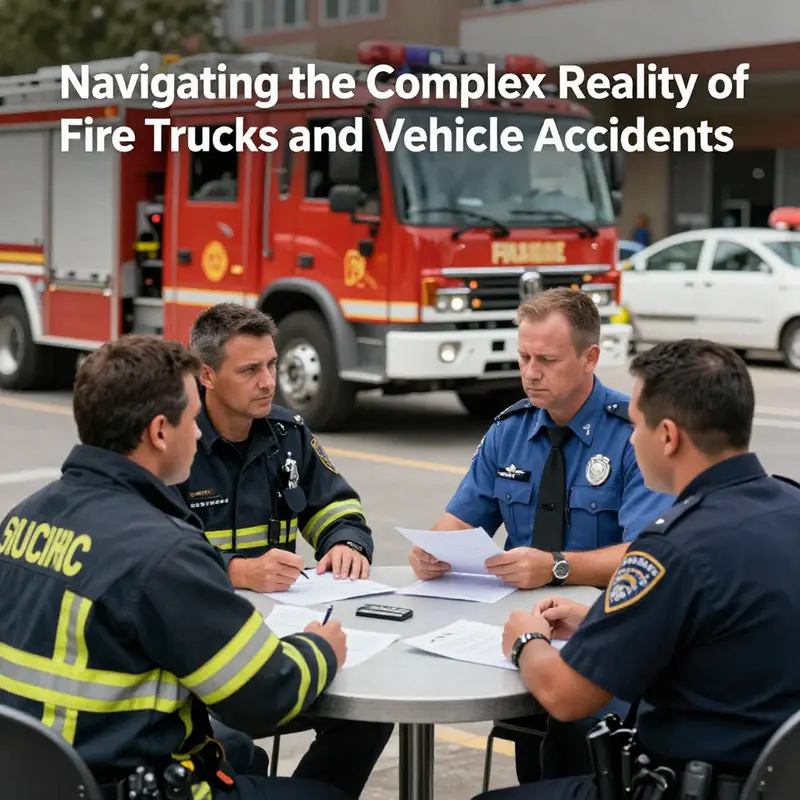
The question of whether fire trucks can or should hit cars lies at the intersection of urgency, safety, and law. In emergencies, fire trucks are granted privileges that help them respond quickly to fires, rescue operations, and other life-saving missions. They may exceed speed limits, pass through red lights, and travel with the priority of others on the road. Yet these privileges do not suspend responsibility. The very moment a fire truck collides with a car, the incident becomes more than a dramatic scene of sirens and flashing lights. It is a legal and ethical event that exposes the responding team, the department, and the broader public safety system to questions about negligence, risk assessment, and accountability. The public expects emergency responders to act with extraordinary care, even as they move with decisive speed toward a life-threatening situation. The balance is delicate: speed is essential for saving lives, but speed without regard for safety can produce injuries, property damage, and deeper distrust in the community’s protection services. The possibility of harm does not vanish because a driver in distress might be aided by a quick response; rather, the risk is redistributed, from a single fire to the many road users who share the space during a crisis. In this context, the core inquiry shifts from whether a fire truck can legally hit a car to how it can minimize chances of such contact while preserving the imperative to save lives. Understanding this nuanced terrain requires looking at legal standards, operational procedures, and the evolving role of technology in traffic management during emergencies. The outcome hinges on whether a collision occurs and, if it does, how it is investigated, attributed, and mitigated for the future. Even in worst-case scenarios, the emphasis remains on reducing avoidable harm while delivering timely assistance to those in danger. As the discussion progresses, it becomes clear that the real question is not a simple yes or no, but a layered examination of privileges, duties, and the continuous effort to harmonize rapid response with public safety. To appreciate the-depth of this balance, one must consider how laws codify the special status of emergency vehicles while insisting on due regard for all road users. In short, fire trucks can move with extraordinary urgency, but their actions are measured against the same overarching commitment to safety, transparency, and accountability that guides all public service functions. This alignment is not incidental; it is foundational to maintaining public trust in emergency response and to sustaining effective rescue operations across communities. The chapters that follow will expand on how legal obligations translate into real-world practices, including how training, protocols, and technology influence decisions behind the wheel when every second counts. They will also explain why a collision, even if infrequent, prompts a multifaceted response that touches liability, procedure, and public confidence. A critical takeaway is that the legal framework governing emergency vehicle operations seeks a sober compromise: privilege under pressure paired with rigorous safety standards, continuous improvement, and accountability when those standards falter. This framework is designed to deter reckless behavior while preserving the swift actions required to protect life and property. The result is not a blanket exemption from risk but a disciplined system that aims to anticipate hazards and prevent harm without delaying the mission. When readers consider the practical implications, they should focus on the day-to-day realities of patrol, dispatch, routing, and coordination. A fire apparatus rarely operates alone; it travels within a dynamic milieu of other responders, civilian drivers, pedestrians, and sometimes complex arterial networks. The question, therefore, becomes a study in risk management as much as legal code. Firefighters and drivers are trained to anticipate the unpredictable, to communicate clearly, and to adapt as conditions evolve. They learn to recognize when the safest choice may be to pause and yield, even amid sirens. They also learn the consequences of misjudgment, which can include civil liability, criminal exposure in cases of gross negligence, and the long shadow such incidents cast over community trust. Beyond the immediate incident, the legal framework emphasizes accountability for decisions made during an emergency. Agencies are often responsible for the actions of their personnel through doctrines like negligence per se, standard-of-care obligations, and the duty to implement comprehensive training and rigorous SOPs. In this sense, the legal implications extend far beyond a single collision. They shape everything from pre-incident planning and vehicle maintenance to post-incident reporting and community outreach. When a collision occurs, the investigation scrutinizes whether responders followed established protocols, maintained situational awareness, and communicated effectively with both on-scene partners and civilian drivers. It also examines whether traffic control measures—such as preemption systems, signage, and lane management—were appropriately deployed. The outcome of such inquiries can influence policy revisions, funding decisions, and public expectations about how emergencies are managed on busy streets. The broader legal concern is to determine if the fire department acted with due regard for safety, a standard that persists even when the clock is ticking. Jurisdictions often distinguish between legally sanctioned privileges and the duty to minimize risk. If a driver fails to comply with a lawful signal or to yield when required, the incident might be attributed in part to the noncompliant vehicle. Conversely, if a fire apparatus makes a maneuver that disproportionately endangers others, the department may face civil claims or, in extreme cases, criminal charges. Both outcomes underscore the necessity for robust training and precise adherence to protocols. Training and standard operating procedures (SOPs) are the backbone of safe emergency response. Fire departments invest heavily in scenario-based instruction that simulates high-stress traffic interactions, including merging with traffic, crossing intersections, and negotiating tight corridors. Regular audits and risk assessments are mandated in many jurisdictions to identify weak points in traffic management during emergencies. These evaluations examine communication efficiency, decision-making under pressure, and the reliability of on-scene command structures. A robust training regime also emphasizes post-incident analysis, which is essential for understanding what went wrong, what went right, and how to improve. A culture of continuous improvement helps reduce liability exposure and builds public trust over time. When responders operate in a municipal framework, SOPs typically cover situational awareness, interagency coordination, and precise roles for each team member, from the driver to the incident commander. Clear protocols for when to bypass certain routes, how to communicate with dispatch, and how to reestablish normal traffic flow after an incident are integral parts of the SOPs. Importantly, the SOPs are not static; they evolve with legal rulings, advances in training, and new traffic-management technologies. The adoption of smart infrastructure is expanding the toolkit for safe emergency response. Synchronized traffic signals, emergency vehicle preemption systems, and high-fidelity data sharing between fire departments and traffic control centers enable better coordination. In many cities, these technologies reduce the time a fire truck spends at red lights and improve its ability to move through congested corridors. Yet technology does not replace human judgment. Even the most sophisticated signal systems cannot guarantee avoidance of all conflicts. Human error remains a persistent factor in road incidents involving emergency vehicles. Training, technology, and policy must converge to reduce this risk. The human element includes drivers who must anticipate the moves of other road users, remain mindful of pedestrians in crosswalks, and adjust based on evolving conditions such as weather or construction zones. It also includes the drivers of other vehicles who should yield promptly when an emergency vehicle is approaching with lights and sirens activated. Public education about how to react to an approaching fire truck is part of the preventive strategy. A well-informed driving public can contribute significantly to reducing collisions by slowing down, changing lanes where possible, and giving space when an emergency vehicle is in pursuit or en route to a scene. Even with all the safeguards, collisions will occur on rare occasions. When they do, the response must be swift and transparent. Public-facing investigations, clear reporting, and timely remediation measures help maintain trust and deter future lapses. The case for ongoing investment in training and technology is not merely about reducing liability; it is about preserving the essential mission of emergency services. Firefighters are motivated by a desire to save lives and protect property, and they operate within a framework designed to support that mission without unnecessary risk to the public. The internal culture of accountability reinforces that commitment. It encourages officers to raise concerns, document near-misses, and pursue corrective actions without fear of reprisal. In this way, the legal and safety ecosystems reinforce each other. They ensure that the impulse to respond rapidly does not eclipse the obligation to protect every person on the road. In addition to training and SOPs, departments increasingly discuss the practical realities of vehicle design and maintenance. Regular inspections and proper maintenance of braking systems, steering, tires, and warning devices are essential to reliable emergency response. A mechanically sound vehicle is less likely to depart from safe practice under pressure. When a truck is well maintained, the operators have greater confidence in their ability to maneuver safely, especially in dense traffic and at high speeds. The design of the vehicle, including payload distribution and visibility from the cab, also plays a role in safety. These considerations feed into the broader conversation about preparedness, as they influence the decisions made at dispatch and on the road. The overarching objective is to create a system where the urgency of an emergency is met with disciplined execution. The public expects neither recklessness nor complacency but a balanced approach that prioritizes life-saving action while safeguarding every motorist, cyclist, and pedestrian. To bring this to life, imagine a typical intersection during a rapid response. A fire engine approaches with lights flashing and siren wailing. The drivers ahead must sense the urgency and yield in a predictable, repeatable way. The crew must interpret the behavior of other drivers and adjust course while calling for updates through radio and visual signals. The on-scene commanders coordinate with other responders and traffic control entities, ensuring that lanes open in a controlled sequence to minimize exposure. It is in these micro-decisions, made in real time, that the legal and ethical standards find their most tangible expression. When a collision does occur, the aftermath is a learning moment for the entire system. Investigations examine not just the conduct of the fire crew, but the interactions with other road users and the effectiveness of traffic-control measures in place at the moment. The goal is not retrenchment or blame, but targeted improvements that reduce the odds of repetition. This process often yields practical changes: enhanced dispatch procedures, improved preemption timing, new training drills based on real-world incidents, and updated risk assessments for high-traffic corridors. The culmination of these efforts is a more trustworthy emergency-response framework that can respond quickly, yet with a heightened sense of accountability to every person sharing the road. As readers reflect on these considerations, they may find value in consulting authoritative guidelines that shape how municipalities govern emergency vehicle operations. National standards and professional guidelines provide a backbone for all jurisdictions, harmonizing expectations across agencies and borders. They stress not only the mechanics of driving under emergency conditions but the entire lifecycle of event management—from pre-incident planning to post-incident reporting and public accountability. The complexity of this landscape underscores why the question “can fire trucks hit cars?” is best understood as “how do we reduce the risk of such contact while preserving the vital service we owe to communities?” The answer rests on a continuous loop of training, policy refinement, technological adoption, and transparent reporting. For those who want to explore practical resources beyond the narrative, a nearby hub for emergency-response equipment and related services offers a concrete sense of how departments prepare for a wide spectrum of scenarios. The category of emergency-rescue-vehicle options represents just one facet of the broader ecosystem that supports rapid, coordinated action on busy streets. This ecosystem includes not only the vehicles themselves but the people, procedures, and technologies that help them operate safely under pressure. For readers curious about the kinds of equipment involved in these operations, exploring the emergency-rescue-vehicle category can illuminate how fleets are composed to meet diverse challenges on the ground. In closing, the relationship between emergency privilege and public safety is inherently dynamic. It depends on ongoing training, vigilant SOPs, disciplined traffic management, and a culture that prizes accountability as much as speed. The legal framework is not static; it evolves with new case law, better data on near-misses, and advances in vehicle and signal technology. The essential takeaway is that fire trucks can move decisively when lives are at stake, but every mission is bounded by a duty to minimize harm to others. By understanding these boundaries, communities can better appreciate why collisions, while not the norm, are treated with seriousness and studied with rigor. The ensuing chapters will continue to explore how these dynamics shape policy, practice, and public perception, linking the tactical realities of emergency response with the broader aims of road safety and lawful conduct. For those seeking deeper context on how professional standards guide this balance, the NFPA guidelines offer a comprehensive reference point on vehicle operation, safety, and maintenance that underpins the work discussed here: https://www.nfpa.org/Code-Development/All-Codes-and-Standards/7201-Fire-Department-Operations-and-Maintenance-Standard
brush fire trucks, wildland firefighting, fire safety equipment, off-road fire trucks, firefighting technology, business safety, emergency response vehicles
In summary, while fire trucks are designed for emergencies, the reality of potential collisions with cars is complex and multifaceted. Understanding the dynamics of safety protocols, legal ramifications, and the priorities of fire services is essential for business owners aiming to navigate these interactions safely. Knowledge is not just power in this context; it enables proactive management of risks associated with emergency responses in urban spaces, ultimately fostering an environment that supports both public safety and operational efficiency.

