
















Fire truck games provide a unique simulation of emergency responses that effectively engages players in various critical tasks usual in firefighting scenarios. For business owners looking to understand these simulation mechanics, mastering gameplay elements can translate into better operational strategies for real-life scenarios. This guide will explore the essential aspects of playing fire truck games, covering core gameplay elements, specific controls for different platforms, the objectives and challenges players face, and advanced features that enhance the gaming experience. By delving into these topics, you will gain insight into how these games can inform operational efficiency in emergency response management.
Racing the Clock and Aiming the Stream: The Core Mechanics Behind Playing the Fire Truck Game
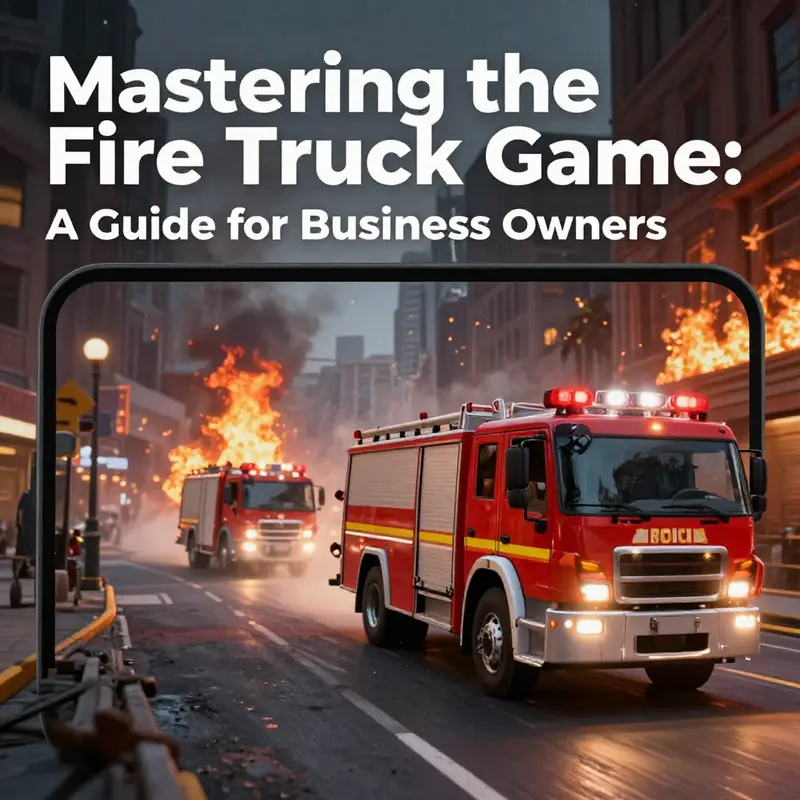
As you progress, the broader narrative of playing the fire truck game—driving, aiming, managing resources, and navigating—coalesces into a coherent skill set. The pursuit of speed must be tempered by the discipline of accuracy; the appetite for risk must be balanced by the prudence necessary to protect civilians, equipment, and the vehicle itself. The gameplay loop becomes a discipline of rehearsed responses: assess the scene, move with purpose, aim with precision, conserve with conscience, and adapt to changing conditions. When these elements align, players experience a sense of fluency that feels almost natural. The game stops being about a single success and becomes about a reliable, repeatable approach to emergencies. It is this fluency that invites players to explore increasingly complex missions, to test their limits, and to refine their mental models of how a fire response unfolds in a controlled, simulated environment. The chapter’s core argument remains simple: the essence of the fire truck game lies in the interplay of speed, control, target accuracy, resource discipline, and situational understanding. Mastery emerges when you can orchestrate these elements together, delivering swift responses without sacrificing safety or precision. The result is not merely a satisfied win; it is the satisfaction of having navigated a challenging scenario with calm, deliberate competence while staying attuned to the ever-present tempo of the city around you. For readers who crave a deeper exploration of equipment configurations and variations within the game world, the fire fighting trucks category offers a curated view into the breadth of designs and practical considerations that shape how these simulations present themselves. fire engines
External resource: https://www.nfpa.org/
Steering, Sirens, and Streams: Mastering the Specific Controls of Fire Truck Games
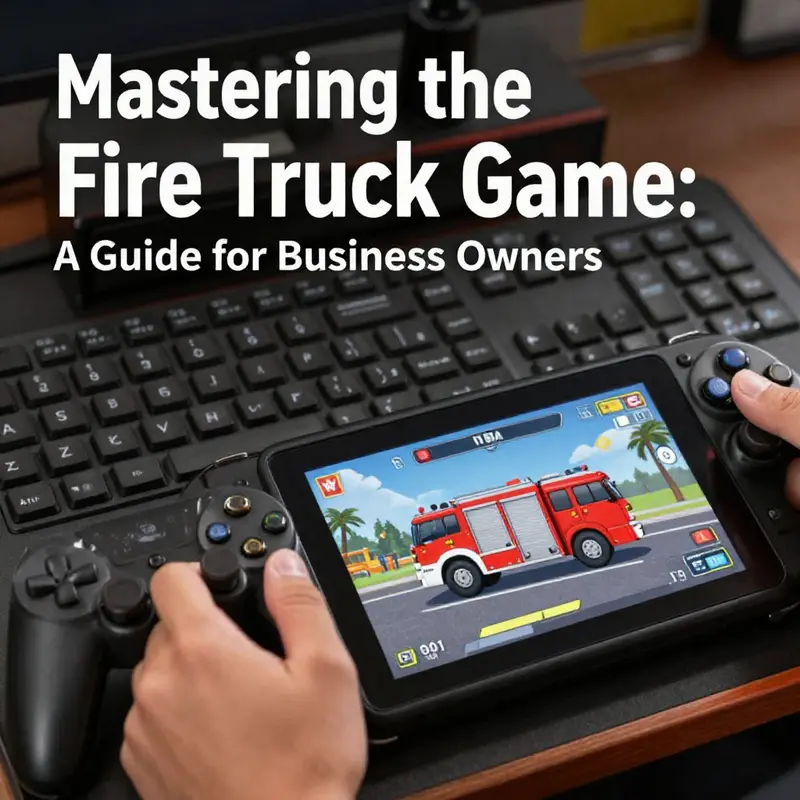
Learning to play a fire truck game starts with listening to the vehicle’s controls as if you were tuning a second engine. The language of these games is not just speed or accuracy; it is the way you translate pedal pressure, wheel turn, and aim into motion and effect. Across keyboard and touchscreen formats, the core ideas stay the same. You must move, steer, and modulate your pace while choosing when to activate pumps, hoses, or sirens. In many titles, the most immediate challenge is immediately evident: get the big truck moving in a straight line, then guide it through traffic and obstacles with precision. The feeling of control comes not from brute force but from knowing exactly which key or button translates to which physical action on the screen. The diversity of control schemes can be daunting at first, yet the differences are mostly about nuance. A single game might use the arrow keys for movement, another might assign movement to a compact digital joystick, and yet another might separate steering from acceleration into two distinct touch zones. Each approach demands a slightly different reflex, but the ultimate objective remains unchanging. reach the scene swiftly, but with enough caution to prevent a new hazard from appearing in your wake. One of the most important things to remember is that the stakes in fire truck games—time, safety, and success—are designed to feel real. The controls are crafted to reward quick thinking and steady hands in equal measure. The following notes pull together the most common control schemes and explain how to use them to your advantage, with attention paid to both PC keyboard and mobile touch versions, while keeping a steady eye on the broader arc of play. In practice, the keys you press and the gestures you make become an emotional map of the game world. When you understand that map, every mission begins to unfold with a logic you can anticipate rather than react to blindly. The starting point for any player is simple: identify the basic moves and the primary actions, then learn how they interact under fire, traffic, and time pressure. The most familiar framework divides into two layers: the movement layer and the action layer. The movement layer is where you learn to drive—accelerate, brake, and steer. The action layer involves tools that extend your house on the fire ground: water cannons, hoses, ladders, sirens, and accessories that can alter your effectiveness. The interplay between these layers creates the rhythm of play. When you master steering, you establish the rhythm of approach. In games that rely on keyboard inputs, that rhythm often begins with the arrow keys. The up and down arrows manage forward and reverse motion, while the left and right arrows govern steering. It is tempting to hammer the forward key and quickly whip the wheel, but the most satisfying progress comes from smooth, continuous input. A steady hand helps you thread through gaps in traffic and maneuver around obstacles without losing precious seconds. The spacebar often doubles as a brake and, in some versions, as an ignition or activation for the water tool. This double duty is a reminder that in many fire truck games, the same control piece can influence both motion and function depending on the context. When you reach the incident, the water hose or cannon takes center stage. Aiming the jet requires a different kind of precision from driving. Most titles translate aiming into a separate set of inputs: either a secondary set of keys or a responsive on-screen joystick that moves the nozzle independently of the truck’s direction. The effect is not just about direction; it is about pressure and reach. Some games demand a fine balance between hose angle, water pressure, and the angle of attack on the flames. In other words, the interaction is not simply point and shoot; it is point, adjust, and hold, with the tempo dictated by the approaching danger. The sense of control is enhanced when you can predict how adjustments in one control axis affect the outcome in another axis. For example, turning the steering wheel to line up the truck with a burning facade while at the same time tilting a nozzle to a higher arc requires a subtle dance of inputs. This dance is often aided by in-game cues: a reticle that glows brighter as you align with the target, a subtle vibration in the controller, or a screen glow that confirms you have a direct line of attack. The best practice is to practice. Repetition builds the mental model of how inputs translate into action under pressure. If a game includes a dedicated siren button, it is usually placed for rapid access to clear traffic and create space around your approach. The siren’s effect is not merely cosmetic; it changes how other vehicles respond and how you move through dense scenes. In most titles, activating the siren precedes an urgent push through a congested stretch. The sound design of the siren becomes a cue for the player to adjust speed and trajectory in anticipation of oncoming hazards. Some players treat the siren as a signal to prioritize a clean lane, while others use it to temporarily disrupt the flow of traffic for a safer, more efficient arrival at the fire ground. As players become more confident, they encounter more specialized controls that add depth and strategy. Hydraulics, ladders, and pumps appear as mid- or late-game tools that extend the trunk’s functionality beyond basic driving. A ladder or platform might require an additional pad or button to deploy. A pump meter might demand a precise timing window to achieve maximum extinguishing efficiency. In more advanced or simulator-oriented versions, you may find autopilot or auto-route features. These can guide the truck toward the nearest incident and automatically engage certain functions once you reach the destination. The presence of autopilot can be a double-edged sword: it reduces the cognitive load but can also dim the sense of personal mastery. The careful player learns to use autopilot sparingly, reserving the manual touch for the moments of critical decision—when accuracy, aim, and timing separate wins from losses. In mobile versions, the control philosophy shifts again toward touch responsiveness and spatial layout. A typical arrangement places movement on a left-side panel with small directional buttons, while the right side houses action controls. The directional cluster can be tapped to move forward or reverse, and a turn can be initiated by tapping the corresponding direction. A separate, more prominent action button handles water hose or other gear, enabling rapid activation when time is critical. In addition, mobile interfaces sometimes offer extra features such as a headlight toggle or windshield wiper control, often represented with easily recognizable icons near the bottom of the screen. These features may appear as tiny affordances, yet they contribute to a more immersive feel and deeper sense of control as you learn to balance visibility with reach in a smoky scene. The design of each control scheme affects how you approach a mission. Keyboard setups reward a compact, cross-body technique, where a single hand manages acceleration, braking, and steering with minimal finger travel. Touchscreen layouts reward accuracy and fast, deliberate taps, with the left side acting as a steering pad and the right side delivering high-impact actions like the water jet. Regardless of platform, the core skill remains: translating intention into motion with speed and precision. The best players learn to create a mental model of the level before they enter it. They anticipate where to brake, where to swing the nozzle, and where to position the truck so that the water stream reaches the flames without bouncing off obstacles or sending their vehicle into a perilous collision. A practical way to build this model is to practice in controlled segments. Start by getting comfortable with movement alone. Then add the water-cannon task in a low-stakes area, such as a mock room or a calm exterior scene. Gradually escalate to more crowded environments with moving hazards, requiring you to thread through gaps while maintaining a stable aim. As your confidence grows, push your limits with timed runs to simulate the pressure of a real emergency. The learning curve is not only about speed but also about spatial awareness and resource management. You must monitor your fuel or pump energy, if the game includes it, and plan your route to minimize wasted time. In some titles, the truck’s turning radius and brake balance can affect how quickly you can realign after a near-miss. A wider arc might be necessary to avoid a pedestrian crowd or a stalled car; a shorter, tighter turn might work better in a narrow alley. Each choice changes your path to the goal and often determines whether you reach the scene with the water ready to go or with a momentary delay that costs precious seconds. When you finally extinguish the flames, the scene often requires a precise parking maneuver or an endpoint task. The ability to reverse into a bay, align with a drop-off point, or reset the truck for the next level may hinge on subtle control details, such as how gradually you ease off the accelerator or how smoothly you release the brake. Mastery here completes the cycle: you arrive, you extinguish, you secure the vehicle, and you prepare for the next challenge. For players who want to deepen their command of the game beyond reflexes, there is a meta layer to consider. Understanding how different games implement control feedback—haptic signals, visual reticles, or audio cues—can guide you toward the most intuitive setups. Some players prefer customizing key bindings to map movements and actions in a way that mirrors their real-world driving experiences. Others optimize sensitivity settings to balance quick response with stability. The beauty of fire truck games lies in their diversity: one title may reward aggressive, high-speed driving with aggressive nozzle positioning, while another may stress careful, methodical operation under time pressure. In either case, the shared thread is clear: you become a better operator by practicing with intention, reading the feedback from the game, and refining your approach through deliberate repetition. If you’re curious about the broader world of firefighting equipment that informs these digital experiences, you can explore related offerings in the catalog of fire-fighting vehicles that span engines, aerial units, and support apparatus. For a practical reference to the kinds of equipment that inspire these games, consider exploring the range of real-world fire-fighting trucks and related gear at this source: fire-fighting trucks. As you progress, you’ll find that the line between game and practice blurs, and the skills you build with these controls translate into a deeper appreciation for the craft of firefighting. For a broader context on how fire apparatus are designed and deployed in the real world, you can also consult general resources on the topic, such as accessible overviews on fire apparatus types and their roles in emergency response: https://en.wikipedia.org/wiki/Fire_engine. The journey from keys to flames is a small but telling mirror of the broader mission: act swiftly, aim true, and move with purpose, even when the clock is running against you. In the end, mastering the specific controls in fire truck games is less about memorizing a fixed sequence and more about building a responsive dialogue with your virtual rig. As you listen to the feedback—the click of a key, the glow of a reticle, the press of a button—you discover that skill emerges from fluency: not perfect form at first, but an emergent competence born of deliberate practice, patient adjustment, and an ever-deepening sense of what it takes to reach the scene and do the work with confidence.
Racing to the Scene: Mastering Objectives and Challenges in Fire Truck Games
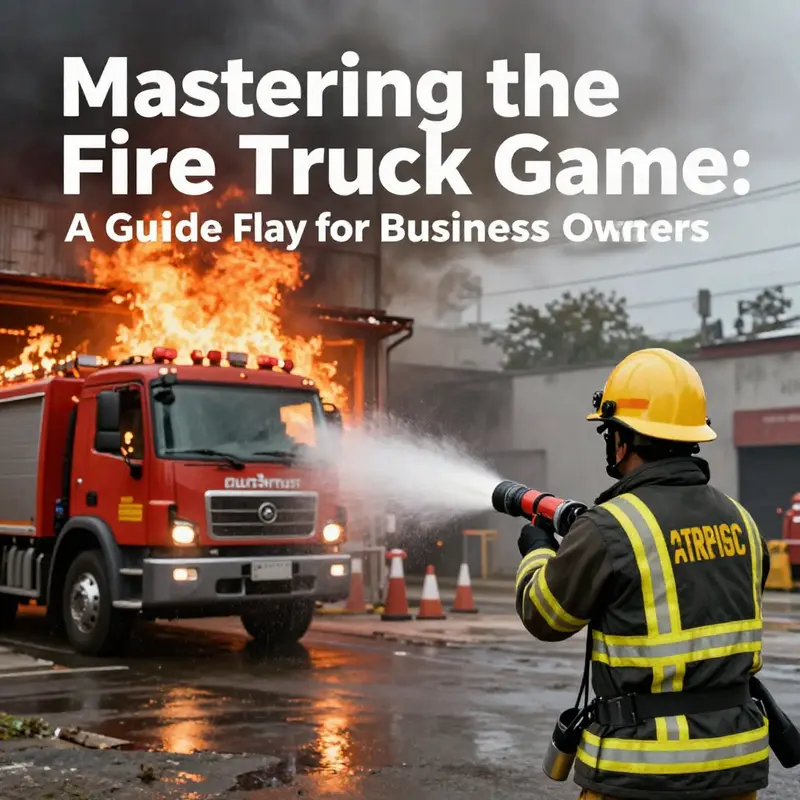
Fire truck games invite players into a tightly timed dance where speed is only part of the equation. Beyond the bright sirens and flashing lights, the experience hinges on a handful of robust objectives that recur across titles, from rapid response to precise suppression and careful rescue. The core idea remains simple: reach the incident quickly, but do so with control, then convert momentum into effective action once you arrive. This blend of immediacy and discipline creates a rhythm that repeats with each level, growing more intricate as fires become tougher, roads busier, and the clock tighter. The best players internalize this rhythm and let it guide every decision, turning a high speed drive into a careful, strategic operation rather than a reckless dash. In this chapter, the common threads are traced through a narrative arc that emphasizes how the objectives shape play and why the challenges grow as the game progresses. The result is a coherent picture of how skill develops from first pickup to expert run, a picture that applies whether you are maneuvering through crowded streets, facing high altitude or rooftop challenges, or juggling multiple tasks under time pressure. For those who want a tangible sense of the equipment landscape that often informs these games, consider exploring the fire fighting trucks category. fire fighting trucks. This link helps ground the digital challenge in the kinds of platforms and configurations that underpin many experiences, even as each title adds its own flavor to the core loop. On the broader side, for readers who want to understand real world context, there are safety resources that illuminate how professional practice translates into game design and practice. See the NFPA resources for real world safety context. NFPA Fire Safety.
Poza podstawami: Precyzja, strategia i realizm w grze o wozie strażackim
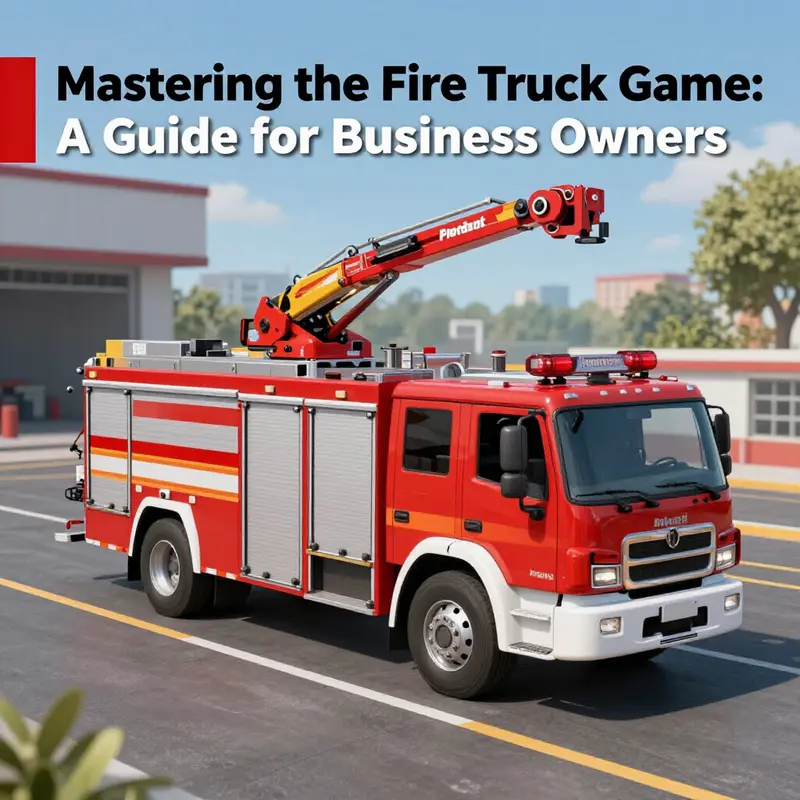
Gdy wkraczasz z powierzchni prostej arkadowej akcji w głębszy piaskownicę gry o wozie strażackim, wchodzisz w przestrzeń, gdzie każdy ruch ma znaczenie. Opisany tutaj tytuł nie dotyczy jedynie prędkości czy zdobywania punktów; to studium precyzji, planowania i realizmu. Gra celebruje napięcie związane z reakcją awaryjną: zegar zawsze tyka, teren bywa bezlitosny, a zły ruch może wywołać kaskadę opóźnień zagrażających ludziom. W tej przestrzeni zaawansowane funkcje podnoszą doświadczenie z podstawowej jazdy do napędzanej, strategicznej praktyki, która odzwierciedla rzeczywiste podejmowanie decyzji, choć w kontrolowanym, symulowanym środowisku. Warstwy złożoności ujawniają się nie jako lista oddzielnych zadań, ale jako jedna płynna dyscyplina, gdzie kontrola, wyczucie czasu i dokładność łączą się w spójny zestaw umiejętności.
Sercem zaawansowanej gry jest precyzyjna kontrola pojazdu. Łatwo myśleć o kierowaniu jako o skręcaniu w lewo lub prawo, ale tutaj kontrola dotyczy również równowagi i pędu. Ciężarówka zachowuje się jak żywa maszyna, której środek ciężkości zmienia się przy każdym skręcie, przyspieszeniu lub przewożonym ładunku. Mistrzostwo pochodzi z nauki, jak wchodzić w zakręt bez przewracania się, jak modulować prędkość na krętej drodze i jak ponownie wycentrować ciężarówkę, gdy ładunek przechyla podwozie. Gra nagradza subtelność, a nie brutalną siłę: niewielka korekta wejścia w lewo lub prawo może zapobiec zgaśnięciu silnika, zatarciu koła lub przegapieniu szczytu. To tutaj klawisze strzałek w lewo i prawo stają się batutą dyrygenta, prowadząc ciężarówkę przez melodię ruchu, która utrzymuje pojazd stabilnie na nierównym terenie i śliskiej nawierzchni. Kierowca musi czytać powierzchnię, wyczuwać przesuwający się z tyłu ładunek i dostosowywać się w czasie rzeczywistym. Ten adaptacyjny refleks odróżnia pewnych siebie kierowców od tych, którzy polegają wyłącznie na surowym przyspieszeniu, by pokonywać przeszkody.
Zarządzanie czasem i planowanie trasy stanowią drugą oś zaawansowanej gry. Czas misji jest mniej tłem, a bardziej definiującym ograniczeniem, które kształtuje każdą decyzję. Gracze uczą się czytać mapę jako dynamiczny krajobraz, a nie statyczny diagram. Wzorce ruchu, przepływ pieszych i wąskie gardła drogowe stają się zmiennymi do optymalizacji. Najszybsza trasa na mapie nie zawsze jest najszybsza w praktyce; skrót przez strefę o dużym natężeniu ruchu może wydawać się kuszący, dopóki nie utkniesz w kolejce na światłach lub nie zablokuje cię unieruchomiony pojazd. Doświadczeni gracze ćwiczą mentalny scenariusz: identyfikują niezawodny korytarz z mniejszą liczbą przerw, przewidują punkty krytyczne i zostawiają margines na objazdy w przypadku nieprzewidzianych zagrożeń. Niektóre gry wprowadzają funkcje autopilota lub automatycznej trasy na wyższych poziomach trudności, ale nawet te systemy najlepiej stosować jako siatki bezpieczeństwa, a nie skróty. Sztuka polega na wiedzy, kiedy polegać na automatyzacji, a kiedy zastąpić ją starannie wybraną alternatywą.
Zarządzanie ładunkiem i weryfikacja utrzymują poczucie celu zakorzenione w briefingu misji. W prawym górnym rogu ekranu często wyświetlana jest wymagana ilość ładunku do dostarczenia, działając jako wskaźnik postępu w czasie rzeczywistym. Częstą pułapką jest opuszczenie punktu startowego z niewłaściwą mieszanką ładunku lub niekompletnym zestawieniem. Gdy liczby nie zgadzają się w momencie dotarcia do celu, misja może się nie powieść, nawet jeśli pożar został ugaszony lub trasa była idealnie pokonana. To zmusza graczy do przyjęcia procesu, a nie tylko planu: zweryfikuj inwentarz przed odjazdem, uwzględnij każdy podniesiony przedmiot i podwójnie sprawdź liczbę po przybyciu. W zaawansowanej grze staje się to praktyką zdyscyplinowanego przepływu pracy. Uczysz się wbudowywać kontrole, które zapobiegają przedostawaniu się błędów do fazy wykonawczej, tak jak prawdziwi ratownicy weryfikują sprzęt, radia i środki gaśnicze przed opuszczeniem remizy. Prawdziwa nagroda pojawia się, gdy widzisz, że liczba ładunku zgadza się z celem pod presją czasu, potwierdzając dobrze przeprowadzoną operację.
Realistyczna fizyka jest być może najbardziej transformującą cechą tych gier. Silnik fizyczny robi więcej niż symuluje kolizję; tchnie życie w emocje jazdy. Wzajemne oddziaływanie prędkości, rozkładu masy, drogi hamowania i stanu drogi tworzy dotykowy świat, w którym decyzje wydają się mieć konsekwencje. Zbyt szybkie przyspieszenie na śliskiej nawierzchni spowoduje poślizg; zbyt mocne hamowanie na długim zjeździe grozi wpadnięciem w poślizg lub przewróceniem. Cięższe ładunki zmieniają promień skrętu i wymagają dłuższej drogi hamowania, co wymaga łagodniejszego rytmu wejść i bardziej wyważonego podejścia do manewrowania w wąskich ulicach. System fizyki nagradza graczy, którzy dostosowują swoją technikę do otoczenia, zamiast próbować z nim walczyć. Sama nawierzchnia drogi staje się postacią – mokry asfalt, szron, żwir czy dziury wpływają na przyczepność i czas reakcji. Ucząc się grać, zaczynasz intuicyjnie rozumieć, jak to samo polecenie daje różne wyniki w zależności od kontekstu, co jest odkryciem podnoszącym doświadczenie z rutynowej kontroli do wyrafinowanej praktyki.
Wysoka presja scenariusza nie jest przypadkowym nastrojem, ale wyborem projektowym mającym na celu wyostrzenie poznania pod wpływem stresu. Zegar nieubłaganie tyka, a każde odstępstwo od planu może rozlać się na wolniejsze ukończenie lub niepowodzenie celów. Zaawansowani gracze rozwijają spokojne, metodyczne tempo, nawet gdy tempo wydarzeń wokół nich przyspiesza. Wyrabiają nawyk szybkiej oceny sytuacji: jaki jest optymalny pas do zajęcia, jaki jest najbezpieczniejszy sposób ominięcia przeszkody, kiedy zdjąć nogę z gazu, aby zachować stabilność, i jak wyczuć czas podejścia, aby wąż lub armata wodna mogły zostać użyte przy minimalnym przestawianiu. Ta dyscyplina odzwierciedla świat rzeczywisty, gdzie opanowanie i stałe podejmowanie decyzji często decydują o sukcesie w środowisku wysokiego ryzyka. Gra zamienia te umiejętności umysłowe w poligon treningowy odporności, ucząc, jak równoważyć skupienie z elastycznością, gdy warunki zmieniają się z chwili na chwilę.
Ważnym wątkiem łączącym te cechy jest przełożenie rzeczywistych zasad na grywalny, możliwy do nauczenia się rytm. Zaawansowany gracz nie tylko wykonuje zestaw rutynowych manewrów; internalizuje przepływ pracy, który można dostosować do różnych układów, ładunków i scenariuszy incydentów. Ćwiczą przewidywanie rezultatów: jeśli wykonam ten zakręt z tą prędkością, jakie będzie oczekiwane ustawienie po zakręcie i czy zachowam prześwit dla hydrantu lub sprzętu drabinowego? Krzyżowo trenują swoje zmysły – co pojazd czuje w przechyle, co deska rozdzielcza komunikuje przez wibracje w kierownicy, co nieobecność sygnalizacji świetlnej mówi o czasie. To przenoszenie wiedzy jest sztuką grania w grę jako symulację, mostem między uproszczonymi zasadami początkowej układanki a wyrafinowaną choreografią rzeczywistej reakcji awaryjnej.
Aby wzbogacić poczucie realizmu, gracze często eksplorują szerszy ekosystem otaczający grę o wozie strażackim. Praktyka starannego przygotowania, precyzyjnej operacji i strategicznego podejmowania decyzji ma paralele z obsługą ciężkiego sprzętu w rzeczywistych flotach. Dla graczy, którzy chcą połączyć wirtualną biegłość z rzeczywistą znajomością, warto zbadać szersze spektrum koncepcji ciężkiego sprzętu i przemysłowej reakcji pożarowej. Na przykład wielu graczy uważa za pomocne zapoznanie się z kategoriami takimi jak Przemysłowe wozy strażackie, które ilustrują skalę, względy konstrukcyjne i role infrastrukturalne większych, specjalistycznych pojazdów. Ta eksploracja pomaga osadzić grę w namacalnym kontekście, zachowując jednocześnie charakterystyczną etykę i ograniczenia symulacyjnej rozgrywki. Zobacz Przemysłowe wozy strażackie aby uzyskać wyobrażenie o tym, jak cięższe platformy, względy równowagi i systemy mocowania wpływają na wydajność w terenie, wiedzę, która może poinformować bardziej świadome podejście do wirtualnej praktyki.
Wzajemne oddziaływanie tych zaawansowanych elementów skłania również do szerszej refleksji nad tym, jak gra nagradza konsekwentne, przemyślane działanie. Nie wystarczy szybko dotrzeć na miejsce; droga musi być wybrana z rozwagą uwzględniającą ograniczenia dotyczące ciężaru, nawierzchni, trasy i ładunku. Najlepsi gracze podchodzą do każdej misji jak do holistycznego problemu z wzajemnie powiązanymi częściami. Zadają sobie pytanie nie tylko, jak ugasić płomień czy dostarczyć ładunek, ale jak skonfigurować trasę, aby każda kolejna czynność pozostawała wykonalna pod presją czasu. W praktyce oznacza to zintegrowanie trzech głównych wątków – precyzyjnego sterowania, planowania trasy i weryfikacji ładunku – w spójną procedurę. Oznacza to zbudowanie mentalnej listy kontrolnej, którą można zastosować w sekundach i pod stresem: dostosuj balans dla przyczepności, potwierdź liczbę ładunków, wybierz trasę minimalizującą ryzyko i opóźnienia, a następnie wykonaj zadanie w rytmie łączącym prędkość ze stabilnością. Gdy te elementy zagrają w harmonii, doświadczenie wykracza poza zwykłą grę; staje się wyćwiczoną metodą myślenia o reagowaniu kryzysowym pod presją.
Dla czytelników poszukujących głębszego wglądu w szerszy krajobraz symulacji jazdy i tego, jak profesjonalne techniki przekładają się na wirtualną praktykę, użyteczną perspektywę otwierają pokrewne społeczności i przewodniki po symulacjach jazdy. Ekosystem przewodników Steam Community oferuje szczegółowe tutoriale analizujące profesjonalne techniki jazdy w tytułach o złożonej fizyce i wymaganiach nawigacyjnych. Choć przykłady pochodzą z innego gatunku, podstawowe idee pozostają przenośne: zdyscyplinowane sterowanie, antycypacyjne planowanie i skalowane zarządzanie ryzykiem. Eksploracja tych zasobów może poszerzyć perspektywę na to, jak omawiane tu zasady mają zastosowanie w szeregu wymagających doświadczeń symulacyjnych. Link do zasobu zewnętrznego: https://steamcommunity.com/app/227300/guides/
Ostatecznie opanowanie zaawansowanych funkcji Gry w Strażacką Ciężarówkę polega mniej na zapamiętaniu sekwencji ruchów, a bardziej na kultywowaniu odpowiedniego nastawienia. Jest to praktyka łącząca precyzyjne prowadzenie ze strategiczną dalekowzrocznością i gotowością do znoszenia tarcia wymagającego środowiska. Dobrzy kierowcy uczą się przewidywać, dostosowywać i wykonywać, zamieniając potencjalny chaos w kontrolowane, wyważone działanie. Wyzwanie pozostaje stałe: utrzymuj prędkość bez poświęcania stabilności, szanuj liczbę ładunków, które zobowiązałeś się przewieźć, i utrzymuj czas misji w zdrowej równowadze z bezpieczeństwem i dokładnością. Kiedy te elementy zharmonizujesz, gra ujawnia swoją największą nagrodę – poczucie mistrzostwa nad symulowanym światem, gdzie każda decyzja ma znaczenie, a każda udana akcja buduje pewność siebie przed kolejną, bardziej złożoną misją. A gdy połączysz to mistrzostwo z przemyślaną świadomością szerszego pola, zyskujesz wgląd nie tylko w to, jak grać w grę, ale także w to, jak umiejętności ćwiczone w grze mogą znaleźć odzwierciedlenie w praktycznych kontekstach, kształtując bezpieczniejsze i bardziej rozważne podejście do zadań w świecie rzeczywistym.
brush fire trucks, wildland firefighting, fire safety equipment, off-road fire trucks, firefighting technology, business safety, emergency response vehicles
Zrozumienie, jak grać w gry o strażackich ciężarówkach, wykracza poza rozrywkę; może dostarczyć bezcennych spostrzeżeń właścicielom firm związanych ze służbami ratowniczymi. Koncentrując się na podstawowych elementach rozgrywki, specyficznych sterowaniach na różnych platformach, celach i wyzwaniach stojących przed graczami oraz dostępnych zaawansowanych funkcjach tych gier, interesariusze mogą lepiej przygotować się na scenariusze z życia wzięte. Angażowanie się w te symulacje przygotowuje jednostki i zespoły do wydajnego i skutecznego reagowania w sytuacjach awaryjnych. Wykorzystanie gier jako narzędzia szkoleniowego może zwiększyć gotowość, efektywność operacyjną i potencjalne wyniki w sytuacjach kryzysowych.

