
















Investing in a fire truck is a pivotal decision for business owners, especially those in industries where fire safety is a priority. Understanding the costs associated with different types of fire trucks is crucial for effective budget planning. Fire truck prices can vary significantly based on factors such as type, specialization, customization, market conditions, and manufacturer reputation. This article dives into four key chapters that will guide business owners through the cost parameters of fire trucks, highlighting basic costs, specialized equipment, the impact of features and customization, and how market factors play a role in procurement strategies.
Beyond the Sticker Price: How Fire Truck Costs Mirror Size, Purpose, and Duty
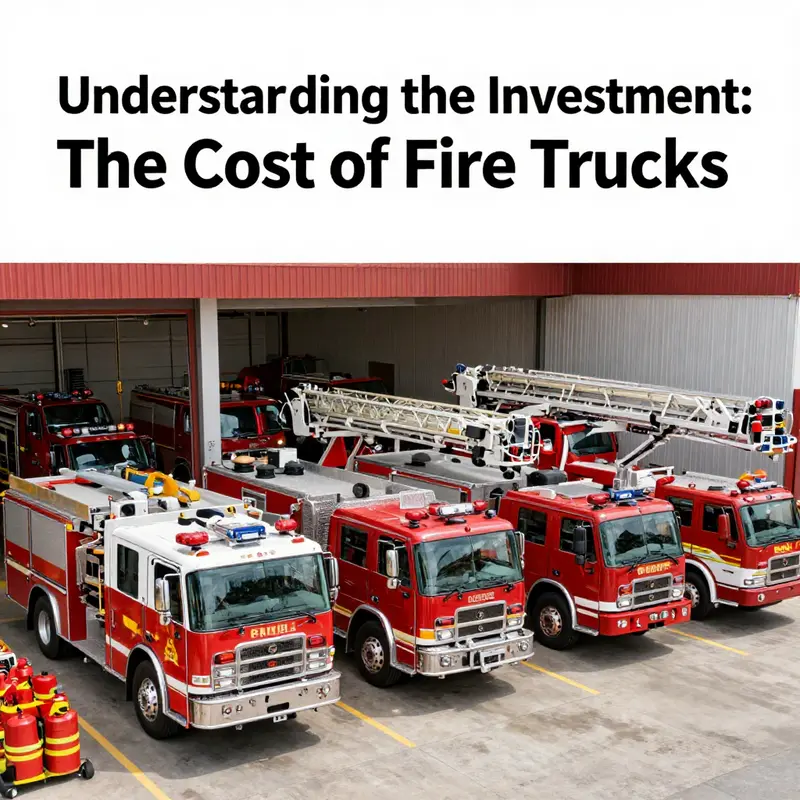
Costs aren’t just numbers on a catalog page when a fire department weighs the purchase of a new vehicle. They signal the mission profile, the terrain it must traverse, and the way crews will live with it for years. In the broad market for fire apparatus, prices vary as widely as the jobs departments are asked to perform. A careful walk through the price ranges reveals not just sticker prices but a map of choices departments make to match risk with resources, frequency with severity, and length of service with evolving technology. It also illuminates how procurement decisions ripple through budgets, maintenance planning, and community expectations. The most economical choice today can become a costly misfit tomorrow if it cannot handle the department’s primary call types, weather conditions, or anticipated future needs. Conversely, a higher upfront investment may yield lower life cycle costs if it buys greater reliability, longer service life, or compatibility with newer equipment and standards. In other words, the true cost of a fire truck is best understood as a function of purpose as much as price.
To begin, the most common fire apparatus are those designed to deliver water quickly to structural fires, the engine or pumper. These units carry a significant water payload, a powerful pump, and a practical mix of hoses and fittings to enable rapid attack from street level. Their price range reflects a balance between essential capability and the realities of municipal budgeting. In general terms, a new pumper starts in a range that is commonly cited around two hundred thousand to three hundred thousand dollars. This bracket captures versions that emphasize straightforward firefighting ability, reliable pumps, and manageable crew cab configurations. It also notes that some configurations in today’s market push above three hundred thousand when the department prioritizes larger tanks, higher pump capacities, or enhanced electronic controls. The core message here is that the basic engine is designed to do the work that covers most urban structural incidents. It is efficient in its own way, and its price tag mirrors a compact, proven design that keeps maintenance predictable while enabling rapid response.
Beyond the pumper, the ladder truck stands as a much more complex instrument. The aerial component—the extendable ladder and the hydraulic and drive systems that operate it—creates capabilities for high-rise access, roof ventilation, and rescue scenarios that are otherwise inaccessible from the ground. The cost premium for aerials is substantial, reflecting the engineering challenge and the safety-critical nature of their reach. In current practice, these units typically range from roughly five hundred thousand dollars to well over a million, depending on ladder length, load capacity, and the sophistication of their control and stabilization systems. The figure captures not only the ladder mechanism itself but the added complexity of pumps, auxiliary equipment, stabilization platforms, and the off-road or urban maneuvering capabilities that an aerial demands. For departments facing high-rise risk or dense urban environments, the aerial ladder’s price is often justified by the operational reach and the speed with which crews can access upper floors or ventilate structures.
There are also trucks specialized for rescue operations, where the emphasis is on extrication tools, stabilization gear, and space for technical crews rather than the sheer water-delivery capacity of a pumper. Rescue trucks generally fall into a price range between roughly two hundred thousand and four hundred thousand dollars, with many configurations clustering in the three hundred- to four hundred fifty-thousand-dollar zone. The variation within this band is driven by the quantity and sophistication of hydraulic tools, cutting devices, stabilization gear, and the ability to carry bulky rescue equipment without sacrificing crew comfort or maneuverability. The rescue platform must be ready to deploy with minimal delay, and its price reflects both the breadth of tools on board and the reliability of the power systems that keep those tools ready for action.
While urban and suburban departments often prioritize water and reach, rural or remote-area departments frequently weigh off-road capability and water-carrying capacity as their primary criteria. Wildland fire engines exemplify this balance. They tend to be more affordable than urban models, with typical price ranges around one hundred fifty thousand to two hundred fifty thousand dollars. The lower end of that spectrum includes engines designed for brush and light off-road use, while higher-cost variants may feature larger tanks, reinforced suspensions, four-wheel drive, and specialized off-road equipment that helps them perform on rugged terrain. In some cases, larger-capacity wildland engines with significant water storage can exceed two hundred fifty thousand, moving toward the upper end of the range when the department requires extended range, heavier field operations, or advanced filtration and pumping configurations. This category demonstrates how the mission context—fighting fires where hydrants are scarce or nonexistent—drives a particular set of price incentives.
Another important class is the tanker or water tender, built for delivering sizable water quantities to the scene where hydrants may be sparse or absent. Tankers often sit in the two- to five-hundred-thousand-dollar range, though some configurations that emphasize extreme water capacity or rugged durability for long-distance transport will push higher. The logic here is straightforward: the greater the water on board and the more robust the fleet’s off-road or remote-access capabilities, the higher the cost. A department’s decision to deploy a tanker is usually tied to geography, population density around supply points, and the anticipated duration of incidents in rural or remote areas. When hydrants are sparse, the value proposition of a tanker grows clear, because it reduces the number of times water must be hauled to a scene and can significantly shorten incident timelines.
Finally, airports and certain critical-risk facilities demand specialized responses. Airport crash rescue vehicles, and other aviation-focused apparatus, are among the costliest categories in the market. They consolidate hazardous materials handling, rapid response, extensive signaling and communication gear, and endurance under demanding conditions. The resulting price often sits above one million dollars, and frequently surpasses that figure depending on the specific capabilities and integration requirements. The complexity and the level of safety certification involved in these units help explain why they occupy a distinct price tier, separate from the more general lines of urban pumper or aerial apparatus.
The money that changes hands at purchase is only part of the total cost picture. A fire department must weigh a bundle of factors beyond the sticker price that determine whether a given vehicle is a prudent investment. Customization stands out as one of the most influential cost drivers. Departments frequently add specialized equipment or built-ins—lighting, communications platforms, incident command systems, and rescue tools—that tailor a truck to the community’s unique risks. Customization can push a vehicle well above the base price in a way that aligns with mission needs and maintenance expectations. The chassis choice also matters. The same fundamental design can ride on different bases, with each base carrying a distinct price tag, serviceability profile, and warranty terms. The decision often hinges on how easily a department can source parts, the availability of trained technicians, and the long-term cost of ownership.
Standards compliance and quality assurance add yet another layer. Fire apparatus must meet a web of standards that address safety, performance, and reliability. Compliance with national or international guidelines can influence procurement timelines, testing requirements, and ultimately the cost. Some departments also consider international procurement or cross-border supply to access a wider range of configurations, which introduces currency risk, lead times, and after-sales service considerations that all fold into the overall price. In practice, reliable after-sales service and robust warranties are a critical part of the cost equation. A seemingly modest premium for extended support or better coverage can translate into lower life-cycle costs by reducing downtime, avoiding unexpected repair bills, and preserving the vehicle’s resale value.
In the buying cycle, those responsible for equipment purchases must balance the present budget with forecasted demand. A department might assess call volumes, anticipated growth, and the likely mix of incident types. The aim is to choose a vehicle family whose capabilities align with actual needs rather than a peak-performance option that would sit idle most days but impose a heavy price when a true emergency arises. This approach helps to avoid both under-resourcing and overspending, ensuring that the fleet can respond effectively while respecting the local financial realities. The procurement process typically involves requesting detailed quotes from multiple manufacturers and distributors, comparing not only the upfront price but the total cost of ownership, including maintenance schedules, parts availability, and the readiness of service networks to support the fleet across its service life.
For readers exploring these price landscapes, a practical takeaway is the value of exploring the catalog of a broad category rather than chasing the most sophisticated model for every department. The catalog can reveal a spectrum of configurations—from compact, high-mobility units to heavy-duty apparatus with extended operational envelopes. A good starting point is to examine the general fire-fighting truck category page, which aggregates the common configurations and options encountered by departments across different regions. This page serves as a bridge to deeper discussions with suppliers that can tailor specifications to local needs, from lane widths and road conditions to climate and traffic patterns. See the relevant catalog page here, which offers a representative sense of how a department’s needs translate into price decisions and equipment layouts: https://cimcfiretruck.com/product-category/fire-fighting-truck/.
The broader lesson is clear. Fire truck prices reflect more than a price tag; they reveal the trade-offs committees negotiate between capability, reliability, and total cost of ownership. They illuminate how a department’s geography, incident typology, and community expectations shape the fleet’s architecture. And they underline the reality that the most expensive option is not inherently the best until the vehicle’s features align with the department’s most likely demands and its long-term maintenance and operation strategy. In that sense, cost is best understood as a function of mission fit, resilience, and the capacity to keep firefighters safe and effective day after day, year after year.
External reference: For a real-world example of how capacity and configuration influence price in a global marketplace, see an online listing illustrating high-capacity water transport configurations. The listing is at: https://www.alibaba.com/product-detail/Brand-New-Fire-Truck-10000-Liter-Water_1600568729181.html?spm=a2700.13902592.0.0.4d2a7e1cKxwU2r
Reaching Higher: The Hidden Costs and Engineering of Aerial and Specialized Fire Trucks
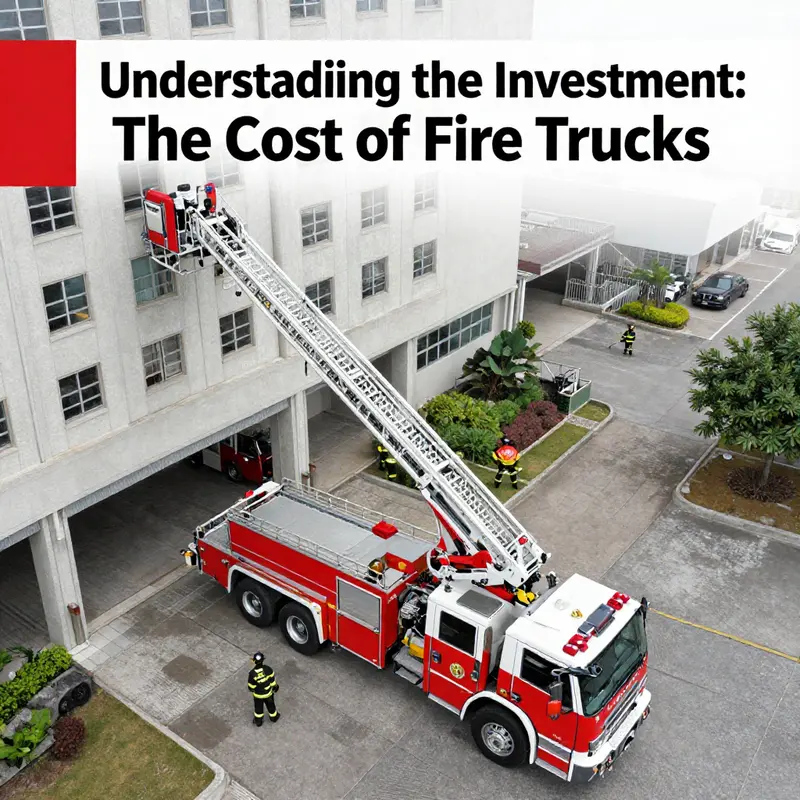
Reaching higher is not merely about aesthetics; it is a strategic calculation of capability, safety, and lifecycle cost.
In many departments, the decision to invest in an aerial or other specialized apparatus reflects more than a single mission profile. It embodies a philosophy about how a community expects firefighters to operate at the edge of risk, how incidents unfold in complex urban canyons or remote landscapes, and how a fleet can remain effective across decades. The price tag attached to these machines is not just a sticker on the side of a ladder; it captures the engineering rigor required to extend a firefighter’s reach while preserving life and safety for crews and civilians. The higher upfront cost must be understood in the context of the tasks they are built to perform and the operational realities of high-stakes emergencies.
At first glance, the delta between a standard pumper and an aerial or specialized unit may look like a simple matter of size. Yet the gap is driven by layers of engineering, technological integration, and the labor-intensive craft of construction. Aerial ladders and platforms are not simply longer ladders bolted onto a chassis; they are integrated systems that combine a telescoping or articulating ladder with a hydraulically driven extension carcass, a robust structural frame, and a control architecture that ensures precision under load. Each movement — extension, positioning, rotation, and platform operation — requires hundreds of safety checks and test cycles. The result is a vehicle designed to perform reliably in demanding environments where a failure in mid-extension could jeopardize lives. The price aligns with the engineering rigor to bear dynamic loads, maintain stability on varied ground, weather, and heights that demand rehearsed operator routines.
A further driver of cost is the integration of advanced technology that accompanies these machines. Modern aerial and specialized trucks incorporate a suite of safety and mission-support tools far beyond a standard pump. Thermal imaging cameras locate hot spots through smoke, guiding crew placement and water application. Personnel monitoring systems track whether team members are in safe zones, a feature critical when working at height or around volatile scenes. High-intensity scene lighting, integrated GPS and communications systems, and on-board data collection for maintenance and post-incident analysis are common. These technologies are not novelties; they are essential to missions these trucks perform, and their development, integration, and ongoing maintenance contribute significantly to lifecycle costs. They require rugged design to tolerate vibration, temperature shifts, moisture, and software updates that keep functionality aligned with evolving safety standards and rescue methodologies.
The cost picture grows when considering training. Aerial and specialized trucks demand operators skilled in ladder operations, platform management, and complex rescue procedures. Training pathways often include classroom instruction, hands-on simulation, and real-world drills that test routine and emergency scenarios. In many departments this means ongoing certification programs, recurring recertification for new equipment capabilities, and drills with other agencies to harmonize tactics and communications. The financial implications extend beyond tuition; there are opportunity costs, need for dedicated training space or instructors, and wear-and-tear on the apparatus during practice. When a department invests in a high-demand asset, it must budget for sustained operator expertise.
The design and construction process reveals another layer of premium cost. Structural requirements are rigorous: off-road suspensions, 4×4 drivetrains, and chassis frames engineered to support heavy aerial assemblies while maintaining maneuverability. The pump systems are high-capacity, designed to draft water from natural sources or sustain long-distance pumping on the move. Materials chosen for corrosion resistance, heat management, and vibration damping contribute to higher manufacturing expenditures. Testing is expansive, with structural fatigue tests, hydraulic endurance trials, and real-world use simulations that push the system to its limits before it leaves the factory. Safeguards from anti-sway mechanisms to redundant power supplies add layers of complexity and cost. These elements are not optional cosmetics; they are core to ensuring the vehicle can perform for thousands of hours of service under challenging conditions.
Aerial and specialized trucks also reflect customization. Fire departments have unique topographies, hydrant densities, and incident profiles. Rugged terrain, remote access, and confined-space operation drive features such as off-road suspension tuning, locking differentials, variable-tire-pressure systems, or propulsion aids that aid climb and stability. The choice of equipment and its arrangement aboard the vehicle balances responsiveness and safety, water or foam capacity against weight and maneuverability. Customization lengthens design and production cycles, adds specialized components, and pushes price upward. When expansion options are contemplated — integrated rescue platforms, dedicated high-power lighting, or thermal imaging integrated with cab controls — each choice compounds upfront expenditure and ongoing maintenance.
In this landscape, cost is best understood as a function of risk management and mission assurance as much as a sticker price. Aerial trucks’ ability to reach upper floors, overhangs, or rooftops translates into capabilities not present in conventional pumpers. Those capabilities, when executed well, reduce escalation risk during fire attack or rescue. The more capable the platform, the more expensive it becomes, but value lies in performing critical tasks under time pressure and adverse conditions. And since these systems must meet safety standards—often NFPA, ASME, and others—the engineering and quality-control burden is substantial. Compliance influences design decisions and manufacturing processes, ensuring reliable operation within an auditable, warranty-protected framework.
Market dynamics for aerial and specialized fire trucks reflect these realities. Pricing bands reflect specialization degree, ladder or platform length and type, and onboard toolsets. Aerial ladders with extended reach and robust platforms command higher prices, while compact, off-road, wildland-focused units sit nearer the mid-range. In some cases, vehicles designed for aircraft emergency response can exceed a million dollars due to heavy-duty performance, reliability, and testing. The takeaway isn’t that expensive equals better, but that value hinges on purpose-built capability, operator readiness, and longer usable life under demanding conditions.
For readers seeking a real-world catalog context, the ecosystem often groups these vehicles under dedicated aerial fire trucks sections. This organization clarifies that investment targets a defined performance envelope rather than a generic multipurpose vehicle. The catalog approach helps departments compare options aligned with anticipated tasks—high-rise access, rope rescue support, or specialized traffic and incident management. See the aerial category for a closer look at how configurations map to firefighting challenges: aerial fire trucks. This reference helps connect discussion to product families while staying within the broader narrative of cost and capability.
In sum, the premium on aerial and specialized fire trucks reflects a synthesis of engineering excellence, advanced electronics, safety and testing regimes, comprehensive operator training, and category-driven customization. The result is a vehicle that is not merely a conveyance but a mission-critical system whose value is measured by lives saved and the effectiveness of a department’s response when the alarm sounds. As communities plan and fund public-safety fleets, the understanding that these trucks are investments in reach, resilience, and reliability explains why they command higher price points than routine apparatus. Market data, case studies, and procurement experiences all converge on the same conclusion: for high-rise access, technical rescue, and off-road capability, price reflects demands on performance, safety, and enduring service.
From Spec Sheet to Street Reality: How Customization Shapes the Price Tag of a Fire Truck
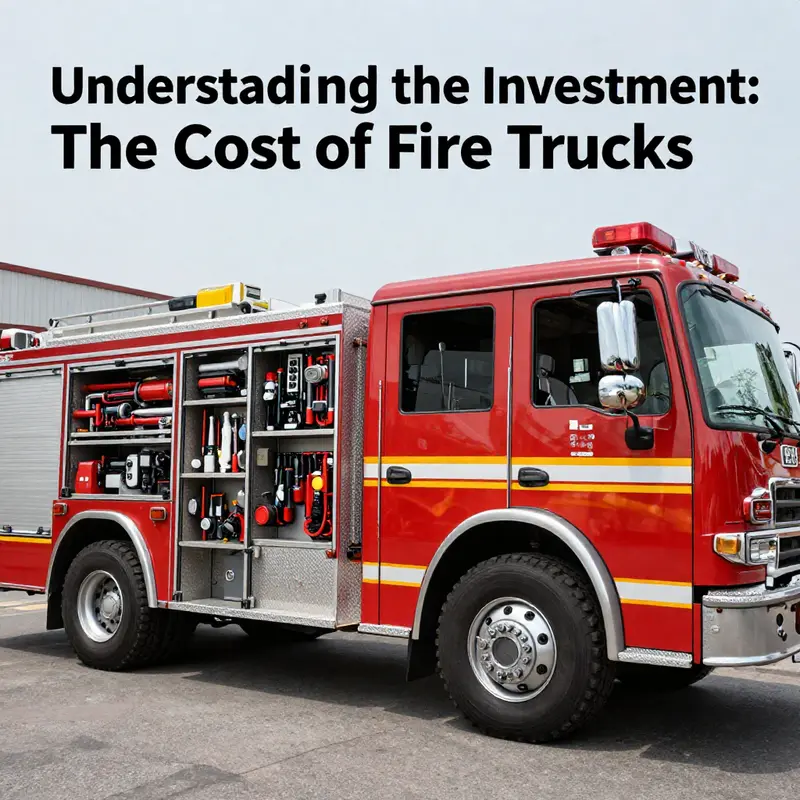
Customization and features do not simply add a sticker price to a fire truck; they rewrite the entire cost equation. Modern departments no longer buy off-the-rack vehicles and hope for a universal fit. Instead, they commission purpose-built tools that must perform under specific conditions, obey strict standards, and endure the rigors of daily use across varied terrain, climates, and emergencies. The price you see at the top of a quote is the visible tip of an iceberg that includes the chassis, the firefighting equipment mounted aboard, the design choices that govern how a truck breathes and moves, and the long tail of maintenance, training, and after-sales support. In other words, customization is not a luxury; it is a core driver of total expense, with each added feature imposing its own premium in upfront cost and ongoing life-cycle spending. When a fire department weighs options, it is not just about what the vehicle can do out of the gate, but how its capabilities evolve with use, how often repairs will be needed, and how well the vehicle integrates with the department’s broader ecosystem of gear, data, and responders.
The financial consequences of customization begin with the most fundamental choice: the chassis. The chassis is the vehicle’s backbone, shaping load capacity, maneuverability, and durability. In rugged or remote environments, departments often opt for heavy-duty configurations that emphasize off-road capability and resilience. These configurations, while offering superior reliability in challenging terrain, carry a premium. The weight, frame engineering, axle count, and drivetrain options all influence price, but so do the expected duty cycles and maintenance demands. A chassis designed to perform in harsh conditions may require more robust cooling systems, stronger transmissions, and reinforced suspensions, all of which contribute to a higher initial cost and to higher spare-part and service costs over the vehicle’s life. Conversely, urban-focused chassis configurations favor compactness, tighter turning radii, and lighter frames, which can reduce upfront costs but might limit the vehicle’s versatility in non-urban scenarios. This trade-off—between off-road capability and urban agility—appears repeatedly in pricing and long-term expenditures.
Equipment installation is where the imagination of a firefighting team begins to take visible form on a vehicle. A Water Ladder Fire Truck, for instance, blends a high-pressure pump with an elevated platform and a carefully sized water system. The hydraulics that raise and position the ladder, the pump delivering flow rates in the hundreds to thousands of gallons per minute, and the water tank’s capacity all have dedicated engineering and testing cycles. Each subsystem demands precision—precise calibration of nozzles, reliable fail-safes for ladder position, and robust controls that can be operated under stress. The more complex the system, the more hours of engineering, testing, and quality assurance are required, and the more the bill increases. Foam proportioning systems add another layer of complexity: they demand compatible foam concentrates, feed lines, and monitoring tools to ensure effective spread on flammable liquids. Foam systems also incur ongoing costs through replacement concentrates and periodic system checks. When a department decides to tailor a truck for specialized missions—airport response, chemical spills, or urban search and rescue—the price is driven up by the need for corrosion-resistant tanks, dedicated power supplies, and integrated safety interlocks that protect operators during high-risk operations.
Even seemingly minor design choices can influence price in meaningful ways. Consider a compact urban pumper designed to navigate tight streets and crowded lots. It may employ advanced materials for the body and chassis, such as durable steel and aluminum alloys, and it might offer highly organized, modular compartments for tools and equipment. Yet those features come at a cost: more advanced materials, precision fabrication, and enhanced sealing and insulation to withstand heat and moisture all add to the base price. Emission standards and certification requirements also leave their mark. Vehicles that adhere to stricter environmental guidelines or that carry additional certification packages tend to incur higher engineering and testing bills. The practical effect is that even when a truck appears small or simple, the behind-the-scenes decisions about materials, coatings, and compliance can push costs higher than expected.
These design considerations exist within a dynamic market that rewards customization as a driver of mission-ready performance. The broader demand for specialized, high-performance units has the market expanding from a baseline into a spectrum of configurations and capabilities. Market data indicates that the firefighting vehicle sector is growing as departments seek more capable tools that can handle evolving risk landscapes, from urban megacities to remote wildlands and critical infrastructure sites. This evolution is not merely about adding equipment; it is about rethinking what constitutes readiness in the modern era, where quick-response capability, multi-mission flexibility, and data-enabled operations are increasingly valued. As the market grows, manufacturers develop modular options that allow departments to assemble a vehicle that matches their exact needs while maintaining a corridor of price certainty. Still, each added option narrows the pool of affordable configurations, reinforcing the reality that customization is a strategic investment rather than a single purchase.
From a pricing perspective, the familiar ranges for different fire apparatus categories provide a rough map for planning, though every project will diverge based on the specifics of customization. Basic Engine or Pumper trucks, designed for structural responses, commonly sit in a broad range around several hundred thousand dollars. Aerial Ladder or Aerial-Platform units, which enable high-rise access and ventilation, tend to command higher budgets, given their complexity and reach. Rescue trucks, optimized for technical rescues and extrication, fall in a price range that reflects the specialized equipment and training they require. Wildland fire engines, optimized for off-road conditions, generally cost less upfront but may still rise with custom equipment for suppression and safety. Tanker or Water Tender vehicles, which carry large water loads for hydrant-scarce environments, present a balance of tank size and drivetrain robustness. And for airport or aircraft rescue and firefighting (ARFF) roles, the price breaks into the higher end, recognizing the extreme performance and reliability demanded by aviation contexts. These ranges are not rigid; they shift with customization depth, the choice of chassis, and the sophistication of equipment integration.
A practical way to frame these costs is to think in terms of not just the sticker price but the life-cycle cost of ownership. An initial price tag might include a robust chassis with a preferred engineering package, a certain level of onboard equipment, and a factory warranty. But the total expense grows as departments budget for ongoing maintenance, parts availability, and technician training. Highly customized systems require technicians with specialized knowledge, and the corresponding service networks may be more regional than nationwide. The more a truck is tailored to a mission profile, the more the life-cycle expenses may track upward, particularly if there are unique spares, non-standard fittings, or proprietary diagnostic tools involved. Even under the best warranties, the cost of ownership includes tires, routine service, component replacements, and the possibility of upgrades as standards evolve or new mission needs emerge.
To translate these ideas into a decision framework, many departments adopt a staged approach to procurement. They begin with a clear statement of mission requirements, then map those needs to a baseline vehicle that offers essential capabilities. From there, the optional features list expands according to budget constraints and risk assessments. The emphasis remains on aligning capabilities with the most probable duty cycles, rather than chasing the most lavish configuration. In this context, the choice of a chassis often anchors the budget because it is the platform for every other system. A rugged, versatile platform may carry a higher upfront price, but it can reduce the need for frequent mid-life upgrades by delivering durability and adaptability across a wider range of tasks. Conversely, a lighter, more urban-focused platform might be cheaper initially but could require earlier equipment upgrades or heavier maintenance investments when deployed in harsher environments. Departments that succeed in this balancing act tend to achieve better overall value, even if their initial outlay appears higher.
The decision landscape is further shaped by standards compliance and after-sales support. NFPA, ISO, and other regulatory frameworks define mandatory performance benchmarks, safety features, and testing regimes. Meeting these standards without duplicating functions unnecessarily can help control costs by avoiding redundant or over-engineered systems. After-sales service quality—availability of parts, geographic reach of service networks, and the speed of supply for essential components—becomes a practical indicator of true lifecycle cost. A highly capable vehicle that is supported by a reliable service ecosystem often proves more economical in the long run than a cheaper unit with limited parts access and slower maintenance. In short, customization compounds cost but also compounds resilience: a well-chosen set of options can lower risk, reduce downtime, and extend the usable life of the fleet.
For departments navigating these decisions, a crucial step is to seek quotes that reflect both the upfront build and the anticipated operating costs. Suppliers can provide scenarios that price different equipment packages, different ladder lengths, and different water-tank volumes, enabling departments to see how small changes ripple through the total cost. A well-constructed quote will also itemize the long-term service agreements, training programs for operators, and the potential for future upgrades tied to evolving standards or mission needs. In practice, this means planning for contingencies and building flexibility into the procurement strategy. It also means engaging with a supplier early in the process to test assumptions about maintenance intervals, spare-part availability, and the real-world performance of complex systems under load.
When these considerations are brought together, the overall message becomes clear: customization is the primary conduit through which the total expense of a fire truck is determined. The chassis, the equipment package, and the design choices together set the short-term price and influence the long-term costs of ownership. The market’s upward trajectory toward more capable, data-enabled, multi-mission platforms reinforces this reality. Yet it also presents an opportunity: with thoughtful planning, departments can tailor a vehicle to their exact risk environment while controlling total cost through careful scoping, phased procurement, and a clear view of life-cycle economics. If a department views the vehicle not as a single purchase but as a scalable tool that will evolve with its needs, customization becomes a strategic investment rather than simply a line item on a budget.
For those exploring a path toward a tailored fleet, consider the broader context of the market and the practical realities of implementation. The choice of a chassis is the most visible starting point, but every subsequent customization layer—from high-performance pumps to specialized extinguishing agents and integrated command systems—carries its own price. By balancing mission-critical requirements with prudent investments in reliability, maintenance, and training, fire departments can maximize value while preserving readiness. And as the sector continues to grow and innovate, the most enduring lesson is straightforward: clarity of purpose drives smarter customization, which in turn drives smarter spending. For deeper exploration of how these market dynamics translate into concrete specifications and pricing trends, consult industry analyses and keep a close eye on the evolving standards that shape every purchase decision.
Internal reference for future exploration: heavy-duty fire trucks.
External reference: For broader market dynamics and benchmarks, the Grand View Research Fire Truck Market report offers a comprehensive picture of growth, demand, and technological progress guiding today’s procurement decisions. https://www.grandviewresearch.com/industry-analysis/fire-truck-market
Chapter 4: The True Cost Equation—Market Forces, Innovation, and Smarter Fire Truck Procurement
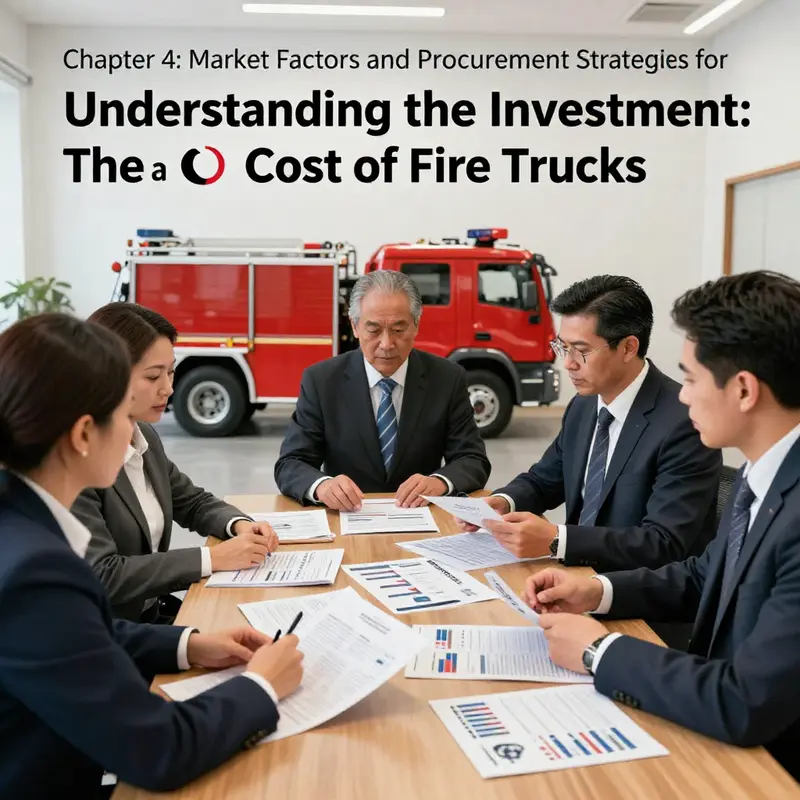
When fire departments ask how expensive a fire truck really is, they quickly discover the sticker price is only the opening chapter in a longer, more complex story. The cost of modern fire apparatus emerges from a dynamic mix of market forces, technical ambition, regulatory demands, and the strategic choices agencies make during procurement. It is not a single number but a moving equation that factors in how materials, labor, engineering, and advanced systems interact with the needs of firefighters and the constraints of budgets. In practical terms, the price you see on a quote reflects more than the chassis and steel body. It embodies the cost of raw materials, the skill and time required to weld, wire, and calibrate, and the value attached to precision testing and certification. It also carries the premium of cutting-edge features that can improve safety and effectiveness in the field. As a result, understanding why a fire truck costs what it costs requires looking beyond the initial price tag and into the supply chains, design choices, and long-term financial implications that shape every purchase decision.
Material costs and supply chain volatility are among the most visible drivers of price. The core components of a fire apparatus—the chassis, the body, and the tanks that hold water or foam—depend on metals like steel and aluminum, plus rubber, hoses, pumps, and a spectrum of electronic and hydraulic parts. When global demand for these materials surges or when geopolitical events disrupt transportation routes, manufacturers experience higher base costs. In recent years, swings in steel prices have echoed through the price of the chassis and the body construction. Even when a department selects a relatively conventional configuration, those material-cost swings can tilt the final price in meaningful ways. Add in the cost of specialized electronics, hydraulic assemblies, and embedded software that monitors pumps, pressures, and vehicle health, and the base price begins to reflect not just metal and plastic, but a tightly integrated system built to operate reliably under demanding conditions.
Labor and engineering expenses compound the equation. Fire apparatus are among the most technically sophisticated vehicles on the road. They require skilled welding, precision hydraulic integration, and complex electrical and computer software work. The safety standards that govern their design and testing are rigorous, and compliance with these standards adds a substantial premium. Each unit must pass functional tests, performance verification, and safety certifications that ensure reliable operation during the most challenging incidents. The human element of this cost cannot be understated: experienced engineers, fabricators, and testers command premium wages, and their expertise translates into longer production timelines and higher upfront costs. Increases in safety and reliability expectations, driven in part by NFPA guidelines and similar standards, are costs departments accept because they reduce risk and potential liability while extending the vehicle’s useful life on the front lines.
Technological innovation amplifies both capability and price. Modern fire trucks are no longer just a pump and a hose on wheels. Aerial systems, real-time telemetry, integrated incident command consoles, and advanced fire suppression technologies add significant value but also add substantial cost. Features such as automated ladder deployment, extended reach, precise ladder-angle control, and on-board data networks improve firefighter safety and operational efficiency. These advancements also require sophisticated software, sensors, and calibration routines. While they can reduce response times and enable more effective firefighting in the right situations, they also elevate the upfront price and the ongoing maintenance burden. Departments must weigh the value of incremental improvements against the need to keep procurement within budget, considering not only the initial purchase but also the anticipated life-cycle costs.
An important nuance in the market is the breadth of configurations and the variability of chassis and body offerings. Basic pumper engines, designed for structural fires, sit at a different price point than highly specialized platforms such as aerial ladders, rescue units, wildland engines, water tenders, or airport crash rescue vehicles. The spectrum spans from relatively modest-cost units to multi-hundred-thousand-dollar or even seven-figure platforms when ultra-long ladders, advanced composites, or high-capacity water systems are specified. This range reflects not only capability but the target operating environment. Rural departments may prioritize rugged off-road performance and water carry capacity, while urban departments demand reach, speed, and rapid deployment for multi-story structures. Even within a single category, price can swing widely due to the level of customization, the selection of certification marks, and the anticipated maintenance footprint over 10, 15, or 20 years.
The procurement journey itself has a significant bearing on final cost. A disciplined, well-executed process can secure the best value, whereas gaps in planning can lead to overpayment or misalignment with operational needs. A comprehensive needs assessment is the starting point. Departments that analyze incident profiles—structural fires, high-rise rescues, wildland events, hazardous materials responses, and special rescues—tend to select apparatus that match actual demand. When needs are over-specified or misaligned with day-to-day operations, departments risk paying for capabilities they rarely use. Conversely, underestimating requirements can force retrofits or replacements sooner than anticipated, eroding value over the vehicle’s life.
Clear, detailed specifications are another key determinant of cost efficiency. Rather than vague requirements, departments should articulate precise pump capacities, hose lengths, ladder reach, water tank volumes, and required certifications. Good specifications enable apples-to-apples comparisons across vendors, reduce scope creep during bidding, and lower the risk of expensive feature creep after contracts are signed. The long-term value of exact specifications becomes evident when maintenance paths become clearer and component compatibility is ensured from day one. A well-crafted specification also helps procurement teams quantify total cost of ownership more accurately by aligning maintenance intervals, part availability, and warranty expectations with operational realities.
Competitive bidding and regional collaboration are powerful levers to manage price while preserving quality. Inviting multiple qualified manufacturers to bid through formal Requests for Proposals (RFPs) fosters price competition. Beyond competition, regional coalitions that pool purchasing power can leverage volume discounts and standardized specifications to reduce both unit costs and agency-wide administrative expenses. The economics of scale matter in heavy equipment procurement, and thoughtful collaboration can unlock substantial savings that are not obvious from a single-purchase view. In addition to price, these processes help ensure that the selected apparatus aligns with common regional incident profiles, enabling mutual aid partners to operate similar platforms with predictable maintenance and supply chains.
As important as the upfront price is the broader economics of ownership. Total Cost of Ownership (TCO) should guide decision-making. While the sticker price is a common focal point, fuel consumption, maintenance complexity, parts availability, and expected operational lifespan are central to value. A high-end, feature-rich chassis, if engineered for efficiency and reliability, may offer lower fuel costs and fewer unplanned maintenance events over its service life. Conversely, a cheaper configuration that leads to higher fuel use or more frequent repairs can wind up costing more over time. TCO also extends to training, digital systems integration, and the ease with which crews can adopt and use advanced features. The better the training and usability, the more effective the platform will be in real emergencies, which, in turn, factors into the value perception departments attach to the purchase.
Financing options and funding strategies are often the final determinant in what makes a given truck affordable in a given year. Many departments operate under tight annual budgets, so they explore a blend of local funding, grants, and credit- or lease-based arrangements to spread cost over the vehicle’s life. Grants from federal or state agencies, partnerships with private industry, or flexible leasing arrangements can make high-cost apparatus more financially feasible. When grants or partnerships are pursued, it is crucial to maintain alignment with governance, ensure compliance with procurement regulations, and preserve the ability to maintain or upgrade the apparatus in subsequent years. Such strategies require careful planning but can unlock access to equipment that best matches mission needs without sacrificing fiscal stability.
A practical perspective on pricing pressures comes from the recognition that even within a given category, there is a spectrum of risk, performance, and durability. Departments should approach price as a function of anticipated mission complexity, geography, and maintenance ecosystems. The most expensive option is not always the best value for every community; sometimes a mid-range configuration, paired with thoughtful upgrades and a robust maintenance plan, delivers superior lifecycle performance. In other cases, investing in higher-end redundancy, advanced telemetry, and modular design can reduce downtime and shorten mission-critical response times during peak periods. The objective is to secure an apparatus whose capabilities match the realities of service delivery while maintaining predictable budgets over its lifespan.
Within this procurement calculus, it helps to understand the breadth of available configurations and how they might align with a department’s operational profile. Where high reach and precise hydraulic control are essential, agencies often study the Aerial Ladder Fire Truck category to gauge the upper end of capability and cost, recognizing that such platforms demand specialized training, maintenance, and lifecycle planning. For a sense of the breadth of options available in that space, see the Aerial Ladder Fire Truck category. The balance between cost and capability must be weighed against factors such as deployment tempo, incident types, and regional mutual-aid needs. This is where the procurement strategy becomes as important as the technical specification, since the stakes involve firefighter safety, public protection, and the financial health of the department.
Ultimately, the true cost of a fire truck is not a single price point but a negotiated outcome shaped by market forces, design choices, and a disciplined approach to procurement. Departments that invest time in a thorough needs analysis, precise specifications, competitive bidding, and a careful assessment of TCO position themselves to secure reliable, mission-ready equipment without overspending. They also create a framework for ongoing partnership with manufacturers and service networks that can ease maintenance and ensure access to parts and expertise over the vehicle’s life cycle. In moving from sticker price to lifecycle value, agencies can anchor decisions in data, reduce risk, and clear a path toward fleets that perform when every second counts.
For authoritative guidance on fire apparatus procurement and evaluation, refer to standards and best practices that help translate these market realities into concrete specifications and testable requirements. NFPA 1917 Standard for Automotive Fire Apparatus.
community safety
Understanding the costs associated with purchasing a fire truck is essential for business owners, especially those in sectors where fire safety is paramount. Evaluating the different types of fire trucks, their specialized functions, and how customization impacts their price can empower owners to make informed decisions. Additionally, recognizing market factors and procurement strategies can further refine budget allocation and enhance operational readiness. With proper knowledge and foresight, businesses can wisely invest in fire protection equipment that meets their specific needs without compromising financial stability.

