
















In emergency situations, every second counts. While most people immediately think of ambulances when considering patient transport, fire trucks play a crucial, albeit less recognized, role in this vital service. Equipped with essential medical supplies and staffed by trained firefighters, fire trucks can stabilize and transport patients, making them indispensable in rural or underserved areas. This article delves into the multifaceted purpose of fire trucks in patient transport, the equipment they carry for emergency medical care, and the effective training firefighters undergo to enhance response efficiency. By understanding the capabilities and contributions of fire trucks, business owners can appreciate how these first responders bolster community safety and efficiency during medical emergencies.
Between Sirens and Stretcher Space: How Fire Trucks Support Patient Transport in Emergency Care
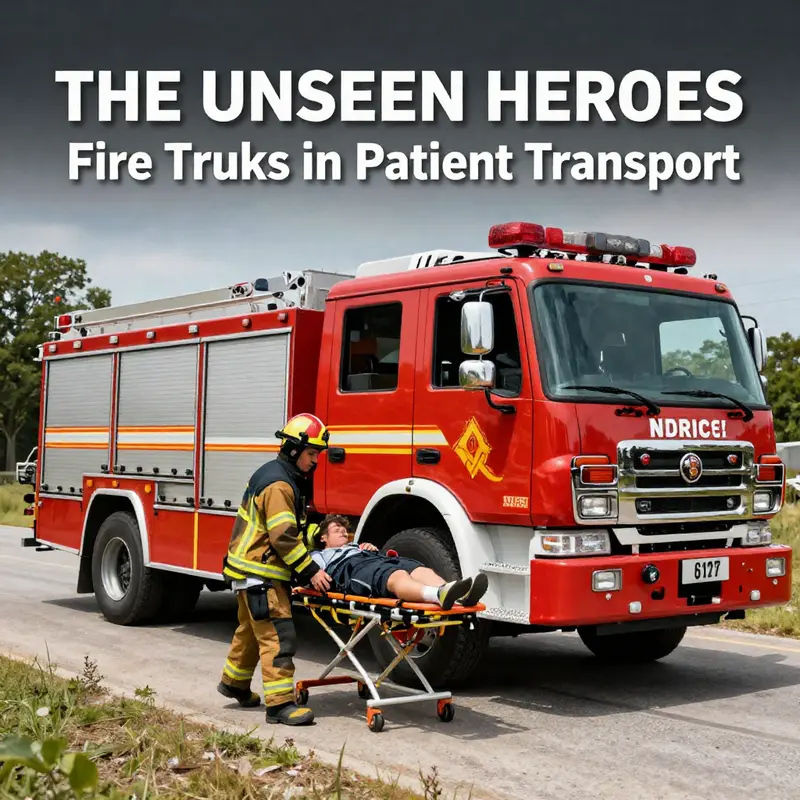
When people ask whether fire trucks can transport patients, the answer is nuanced and context-dependent. Fire apparatus are built to fight fires, control hazards, and rescue people; in many communities they also serve as a rapid link in the EMS chain. They often arrive first, sometimes before an ambulance, and can begin on-scene stabilization while the patient is prepared for transport. This dual role reflects the training of firefighters as first responders who carry essential medical skills along with rescue tools.
In practice, the ability of fire-based units to transport rests on local protocols, staffing, and geography. Quick arrival matters in cardiac events, airway compromise, severe trauma, and allergic reactions. On scene, responders can assess the patient, perform immediate interventions, and prepare for transfer. Early defibrillation, airway support, and bleeding control can improve outcomes even before traditional ambulance transport begins.
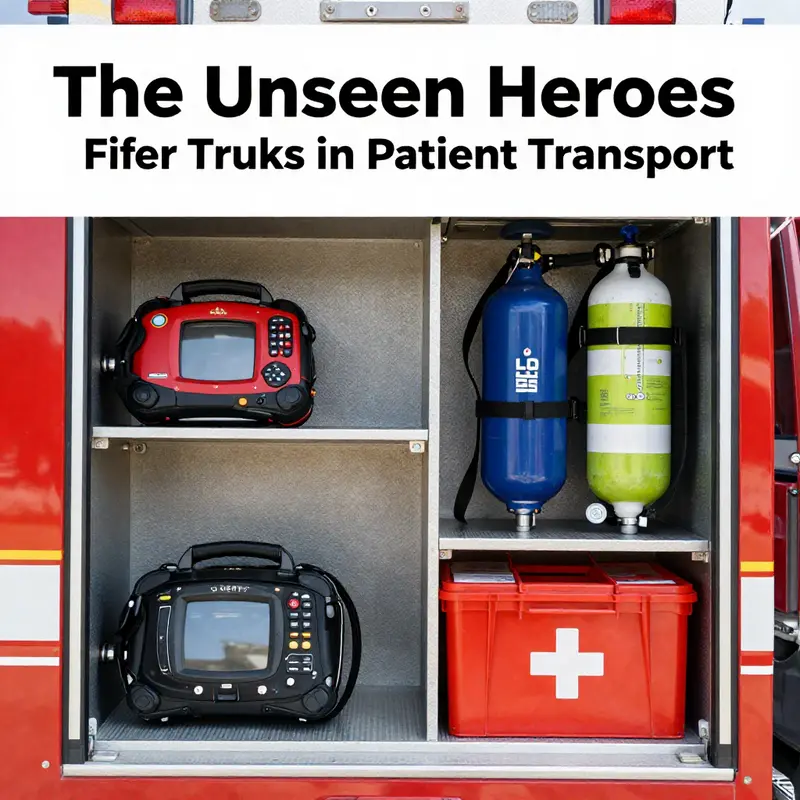
Firetrucks used in EMS configurations carry a range of equipment: defibrillators, oxygen, suction, immobilization devices, and basic medications where permitted. This toolkit enables rapid stabilization and safe movement to a gurney, bridging the interval until ambulance-based care arrives at the hospital.
The design and operation of these vehicles vary. Some rigs include dedicated patient compartments, while others rely on collaboration with ambulance crews or partner rescue services. When space or safety demands, crews triage on scene and transfer to ambulance crews for transport to definitive care. This collaborative approach prioritizes patient safety while maximizing available resources.
In rural and remote areas, the benefit is most evident: a fast-responding unit can initiate life-saving care and reduce time to definitive treatment by providing early stabilization and a safe handoff. The overarching goal is to shorten the clock from the moment of injury to hospital-based treatment while maintaining patient safety throughout the transfer.
For policymakers and communities, integrating transport capability within fire departments requires clear protocols, ongoing training, and coordination with hospital systems. When done well, it strengthens the public safety net by ensuring that every asset on the scene contributes to the patient’s trajectory toward recovery.
Note: This overview reflects common practice across many regions, but local rules and capabilities shape the exact role of fire-based transport in any given community.
Frontline Wheels: Fire Trucks as First Responders in Emergency Medical Care
On every call where urgency meets consequence, fire trucks arrive with more than flashing lights and siren roar. They bring trained hands and the tools to stabilize a patient when every second matters. The familiar image of a fire engine rushing to a blaze also embodies a rapidly evolving model of emergency medical response. Fire departments increasingly view their engines and rescue units as dual purpose systems, ready to switch from firefighting and rescue to immediate patient care in moments. This expanded role matters not only to the patient on the scene, but to communities that depend on speedier initial interventions, especially when ambulances may be delayed by geography, traffic, or resource constraints. The chapter that follows traces the anatomy of that capability—the equipment, the training, and the operational philosophy that allow fire trucks to stabilize and, in many cases, transport patients until more definitive care arrives. The discussion moves beyond romance of rapid response and into the practical realities that enable life to hinge on precise tools and disciplined procedures, all housed within the backbone of the fire service: the vehicle itself and the crew that pilots it.
In the most time sensitive emergencies, responders on a fire truck become the first to treat. They assess, support, and sometimes move the patient toward definitive care with minimal delay. The reason this matters is straightforward: delaying essential interventions can worsen outcomes in conditions like cardiac arrest, severe trauma, or respiratory failure. Even when a dedicated ambulance arrives, the initial care provided by firefighters can stabilize a patient long enough to survive transport and reach the appropriate hospital unit. This is not a vanity project of emergency services; it is a carefully designed, evidence-informed approach to reducing time to critical care. It recognizes that the patient’s journey to recovery begins at the scene, not at the entrance to a hospital hallway. As rural areas in particular confront longer distances to emergency departments, the capability of fire trucks to initiate life-saving procedures becomes a crucial multiplier of the system’s overall effectiveness. In many communities, the fire truck becomes a bridge vehicle—positioned to deliver rapid EMS outcomes while the ambulance team completes a more comprehensive handoff at the hospital doorstep.
At the core of this capability lies a curated set of medical tools that fit into the cargo bays, compartmentalized storage, and accessible exterior compartments designed for swift access. The modern fire engine or fire rescue vehicle carries Automated External Defibrillators (AEDs) that are simple enough for rapid deployment yet robust enough to operate in challenging conditions. The AEDs function is to identify and correct dangerous cardiac rhythms, an intervention that can be the difference between a patient surviving a sudden cardiac arrest and not. The presence of AEDs on fire units reflects a broader shift toward empowering first responders with devices that are user-friendly for laypeople and professionals alike, capable of delivering life-saving shocks when needed and signaling whether the patient’s rhythm has stabilized. The importance of AEDs on the front lines cannot be overstated; in many jurisdictions, the earliest moments after a collapse are the moments that determine whether shock therapy will succeed, and each minute without defibrillation lowers survival odds significantly. The AED on a fire truck, carried in a readily accessible cabinet, stands ready to interrupt a potentially lethal rhythm disturbance with the clinical decisiveness that only a trained responder can provide.
Beyond defibrillation, Advanced Life Support (ALS) kits populate the med-gear shelves of fire apparatus. These kits are not a generic assortment of medicines; they represent a carefully curated suite of tools and drugs intended for the most common, high-stakes emergencies that arrive before an ambulance crew can reach the patient. ALS kits typically include airway management devices such as advanced masks and laryngoscopes, intravenous access equipment, and medications that support circulation, analgesia, and the management of allergic reactions or other life-threatening states. The inclusion of such kits on fire units reflects a recognition that the patient’s trajectory can be altered by quick, decisive pharmacologic and procedural actions taken at the point of contact. The crew’s familiarity with these tools grows from rigorous training and ongoing drills, so that when a call comes in, they respond with the confidence that their bag of tricks can address the most pressing needs until a higher level of care arrives.
The oxygen delivery systems carried on fire trucks are another critical element. Portable tanks and masks are essential for patients experiencing respiratory distress, hypoxia, or airway compromise. The ability to deliver high-concentration oxygen immediately, in a controlled manner, can stabilize breathing and improve tissue oxygen delivery while transport is arranged. Oxygen therapy, when timed correctly, supports a patient’s respiratory drive and reduces the metabolic load on the body during a dangerous trajectory of illness or injury. The crew’s ability to tailor oxygen flow to the patient—adjusting masks to achieve appropriate oxygen saturation without causing hypercapnia or other complications—depends on both equipment and training. Oxygen delivery, like many EMS interventions, is not a luxury; it is a fundamental tool in the first few minutes after an emergency call, a period when every blink of an eye can influence outcomes.
Spinal immobilization devices—backboards, cervical collars, and harness systems—are another hallmark of the fire truck’s patient-care repertoire. The prioritization of spinal precautions rests on a reasonable scene assessment: if a patient has potential spinal injury due to blunt trauma, protecting the spine reduces the risk of secondary injury during movement. The logistics of immobilization demand technique and patience. First responders must decide when immobilization is indicated, how to position a patient to minimize movement, and how to secure the patient without causing unnecessary discomfort or airway compromise. The presence of immobilization devices on fire units demonstrates how the culture of care on these vehicles balances rapid access with deliberate protection of the patient’s spine and neurological integrity. Even when full imaging, evaluation, and definitive care lie ahead, a stabilized patient is a safer patient for transport and for the next steps in clinical management.
Basic Life Support (BLS) supplies, including bandages, gauze, tourniquets, and assorted dressings, remain central to on scene care. BLS skills are foundational for all EMS responders, and the equipment reflects the reality that many calls involve injuries with bleeding, lacerations, or soft-tissue damage that require immediate control of bleeding, wound cleaning, and dressing. The fire engine’s BLS supplies enable responders to render care immediately, reducing blood loss and infection risk while also offering comfort measures that can calm patients, which, in turn, improves physiological stabilization. The combination of BLS supplies with more advanced capabilities—such as ALS kits and airway devices—ensures that fire crews can address both simple and complex clinical scenarios within the same response, often within minutes of arrival. The philosophy here is practical: stabilize what you can at the scene, reduce the patient’s physiological burden, and prepare for transport with a clear handoff to the ambulance crew.
Monitoring equipment on fire trucks, though sometimes modest in scope compared to a hospital environment, is strategically sufficient for the on-scene decision-making that defines early EMS. Pulse oximeters provide real-time assessments of oxygenation, while non-invasive blood pressure monitors contribute essential data about perfusion and cardiovascular stability. Even these compact monitoring tools, when used by a trained eye, can illuminate subtle but meaningful trends, prompting adjustments in oxygen delivery, positioning, or airway management. The presence of patient-monitoring capability on the fire unit underscores a broader shift: EMS is increasingly data-informed, and even portable devices can help create a clinical narrative from the moment responders reach the patient. The information gathered on the truck becomes a bridge to the hospital team, delivering a consistent thread of clinical observations that helps incoming clinicians prepare the next steps in care.
The crew composition and the depth of medical training on fire teams are the human backbone of this equipment. Firefighters who respond to medical calls often hold EMT or paramedic credentials, or arrive with equivalents gained through certification programs that emphasize life support, airway management, and prehospital medicine. This training translates into a rapid, confident assessment, a critical decision about whether to treat on the scene, stabilize for transport, or prepare the patient for immediate transfer. The decision-making process can be as consequential as the technical skills themselves. A well-trained crew knows when to deploy an ALS kit, when to call for additional EMS support, and how to coordinate with hospital-based teams for a seamless handoff. The workflow on a fire scene is shaped by protocols that reflect local policies, the resources available, and the patient’s evolving status. The result is a system that embodies both the speed of a first responder and the precision of a prehospital medical service.
All of these tools and capabilities exist within a broader, evolving doctrine of how fire departments integrate EMS into daily operations. Modern fire departments increasingly deploy their units as first responders to medical emergencies because their rapid response times and broad geographic reach can dramatically influence patient outcomes. This integration does not replace the ambulance service; it complements it. When a fire engine arrives first, it can begin stabilizing a patient, initiating airway management, and providing rapid transport if needed, all while coordinating with the ambulance crew on the way. The two vehicles, working in tandem, form a continuum of care that begins at the call and continues through the hospital door. The design of today’s fleets reflects this continuity. Compartments are configured for quick access, with medical gear arranged in a logical, patient-centered sequence that mirrors clinical workflows. The vehicle itself becomes a mobile clinic in many respects, capable of delivering immediate interventions that would have to wait for a hospital corridor under older models of emergency response.
This integrated approach to response and transport carries significant implications for rural and underserved areas. In communities where transport times to the nearest hospital may be lengthy, the fire truck’s ability to initiate life-saving maneuvers sooner can influence survival and recovery trajectories. Early airway management, oxygenation, circulatory support, and rapid stabilization can mean the difference between an event where minutes count and one where minutes and then hours matter. The bridge role of the fire engine helps ensure that a patient is not left waiting for the first hospital-based team to arrive at the scene to begin life-saving actions. It also serves as a practical solution to resource constraints, allowing one vehicle to carry a spectrum of essential medications, devices, and monitoring tools that otherwise would require multiple responders to gather and deploy. This efficiency translates into tangible outcomes: less time to treatment, more consistent care, and a smoother transition to definitive management in the hospital setting.
A note on scope helps clarify what the fire unit is and is not. While many engines carry a formidable array of medical equipment, they do not substitute for the specialized capabilities of dedicated ambulance teams. The ambulance brings more nuanced pharmacology, advanced airway technology, and longer on-scene care intervals as needed, along with patient transport to hospital-imaging and critical-care units. The fire unit’s role is to stabilize, triage, and initiate transport with the best possible information for hospital staff to act on once the patient reaches the ED. In practice, this means a well-coordinated handoff where the fire crew provides a concise clinical narrative, a run sheet of what was done, and a summary of the patient’s current status, including observed vitals and any interventions rendered. Such handoffs reduce delays and uncertainty, ensuring the receiving team can act immediately upon arrival. The synergy between fire-based care and ambulance-based care strengthens the entire EMS system and improves the odds of positive patient outcomes.
To understand the practical weight of this capability, consider the way fleets are described and cataloged within a department or a vendor’s inventory. Fire trucks designed for emergency medical calls emphasize accessibility, rapid deployment, and the ability to adapt to a spectrum of conditions. The vehicle’s workflow—opening compartments, retrieving a bag, applying a suction device, or delivering an on-scene bolus of oxygen—must be nearly instinctual for responders. In this sense, the equipment is not just a collection of devices; it is a carefully choreographed toolkit that aligns with the crew’s training, the patient’s needs, and the demands of the scene. A quick tour of the fleet catalog reveals how these vehicles are categorized and optimized for EMS duties, including the dedicated fire fighting truck product category that houses the medical-ready configurations. External resource: https://www.firefightingnews.com/why-fire-trucks-respond-to-medical-calls-key-reasons/
Frontline Medicine in Motion: How Training and Efficiency Shape Firefighter EMS and the Question of Transporting Patients
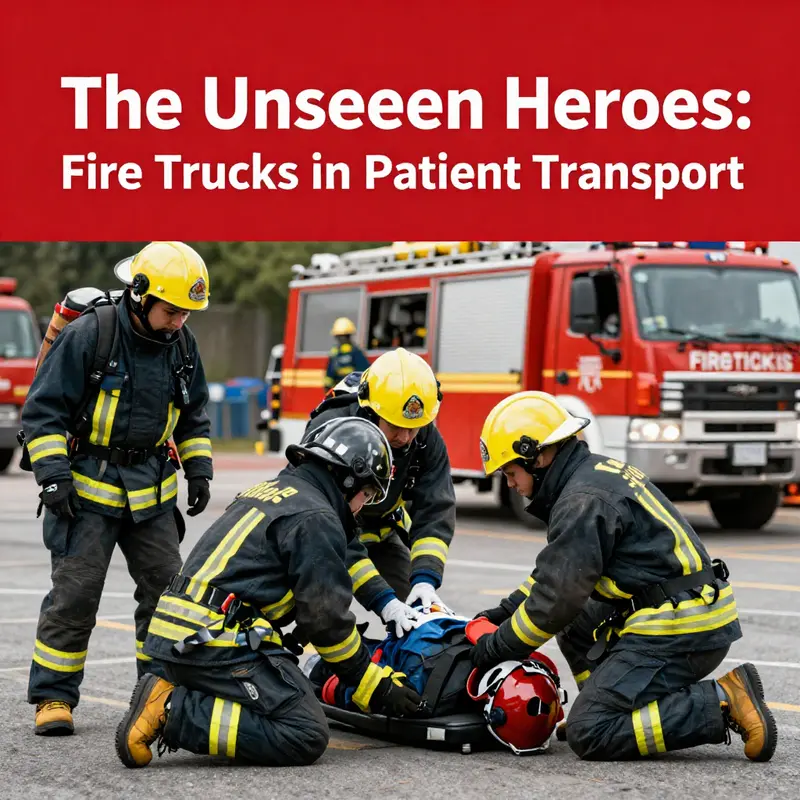
Across the landscapes where emergency calls cut through the ordinary rhythm of life, fire departments position themselves not only as guardians against flames but as rapid partners in medical care. The question of whether fire trucks can transport patients sits at the intersection of training, policy, and practicality. It is not a mere logistical curiosity but a window into how modern emergency response evolves when firefighting rigor meets medical urgency. In this chapter, we follow a thread that begins with the training that equips firefighters to stabilize and briefly care for patients, then traces how that training translates into real-world decisions about transport, especially when seconds count and ambulance access may be limited. The result is a composite picture of an integrated response system where the line between firefighting and emergency medicine blurs into a single, time-responsive service aimed at preserving life and reducing harm in the crucial minutes before a patient reaches a hospital.
Fire services in many regions have embraced a model in which personnel are cross-trained to provide essential medical care on scene. This shift recognizes that early intervention can be as life-saving as the physical containment of a fire. When a fire engine arrives at an emergency, responders move not only to manage the incident but to assess, stabilize, and if necessary, begin transport-ready care. The equipment typically carried on board—defibrillators, oxygen, airway adjuncts, bandages, splints, and basic medications—forms a compact, portable medical kit that can be deployed immediately. The impact of this approach becomes clearest when we consider the statistics around sudden cardiac arrest and other time-sensitive events, where every minute without care reduces the chance of survival. In such situations, the capability to deliver basic life support on site, without waiting for a different team to arrive, matters as a bridge to more advanced care.
Across the United Kingdom, as highlighted by recent medical training research, firefighters are not simply trained in the mechanics of rescue and the tactics of containment. They are trained to provide basic life support at moments when ambulance crews cannot access the incident area. This can occur in confined spaces, during structural burn activity, or in other environments where the traditional EMS team would face delays or impediments. The emphasis in these settings is not to supplant EMS but to augment it, ensuring that essential interventions can begin immediately and that patient assessment and stabilization can proceed with confidence until professional medical teams can assume definitive care. This kind of training—CPR, use of automated external defibrillators (AEDs), airway management basics, bag-valve-mask ventilation, hemorrhage control, and rapid splinting—forms the backbone of the Fire-and-MED approach that many modern services now pursue. It reflects a broader shift toward multi-skilled emergency personnel who can operate effectively across the first moments of an incident, regardless of whether the immediate focus is fire suppression, rescue, or clinical stabilization.
The importance of early defibrillation, as emphasized by fire services that double as EMS first responders, cannot be overstated. Cardiac arrest is one of the clearest cases where rapid action changes outcomes, and early defibrillation is a key predictor of survival. When firefighters are equipped and trained to deliver defibrillation on the scene, they reduce the time to first shock, which research has consistently linked to improved survival rates. This is not just a matter of technical skill but of procedural readiness—knowing when and how to deploy the AED, how to time chest compressions, and how to coordinate with arriving EMS units to ensure seamless transition of care. In practice, this means that the fire engine, often the first vehicle to reach an incident, becomes a temporary, on-site medical post that stabilizes the patient to the extent possible before transfer to a higher level of care.
Training in emergency medical skills for firefighters extends well beyond the mechanics of performing CPR or applying a defibrillator. It encompasses an understanding of patient assessment, situational prioritization, and the critical decision-making that governs transport choices. Firefighters are taught to recognize when immediate transport is warranted and when it is preferable to wait for ambulance or paramedic arrival for definitive care. The decision to transport a patient using a fire vehicle, as opposed to waiting for EMS transport, may hinge on several factors, including the patient’s condition, the severity of injuries, the presence of concurrent life-threatening issues, traffic conditions, and the availability of other ambulance resources. In rural and remote areas where ambulance response times may be longer, the fire service’s ability to stabilize and, in some cases, transport can substantially shorten the time to definitive care, a factor that correlates with improved patient outcomes.
To appreciate how this works in practice, imagine a multi-vehicle collision on a winding rural road. The first-arriving crew on a fire engine begins by establishing a triage zone, controlling bleeding, and assessing airway and breathing. They may initiate oxygen therapy, apply a cervical collar if spinal injury is suspected, and use splints to immobilize suspected fractures. If a patient’s condition deteriorates rapidly, the decision may be taken to transport that patient to a hospital in a controlled, staged manner, with the fire engine or a nearby rapid-response vehicle providing initial transport or rapid stabilization en route. By having the capability to begin transport sooner rather than later, responders can reduce delays in receiving definitive care. This approach does not replace the EMS system; rather, it integrates with it to ensure continuous patient care from the moment the call is received up to the moment the patient is handed over to hospital staff.
The integration of firefighting and EMS also appears as a trend toward multi-skilled emergency personnel in many regions. Fire services that cultivate medical proficiency create a continuum of care that begins at the moment the emergency call is logged. The responders who carry out these duties are not only trained to rescue people from danger but to read the clinical signs that indicate deterioration and to act on those signs with medical precision. In lines of practice where the fire department becomes the first line of medical care, the equipment and protocols on board the fire vehicle must support not only stabilization but also the practical realities of patient transport. This means that the design of the vehicle, the arrangement of medical equipment, and the layout of the cabin are all considered in light of the dual role: fire suppression and emergency medical support.
A central theme within this model is the balance between speed and safety. Fire engines are famously agile and capable of navigating congested urban streets, back alleys, and rough terrain where larger ambulances may struggle. The ability to reach the patient quickly and begin care immediately can significantly influence outcomes, especially for conditions where time to first medical intervention translates directly into life expectancy. Yet speed cannot come at the expense of patient safety. The training programs that prepare firefighters for medical intervention stress infection control, patient dignity, and proper transport techniques that minimize the risk of further harm during movement. When a patient is ready to be moved, responders must ensure that monitoring equipment remains functional, that airway management devices stay secure, and that patient vitals are continuously observed during transfer. This requires not only technical proficiency but disciplined teamwork and clear handoffs as EMS crews take over.
The question of transport, in particular, has tended to be both practical and strategic. In many services, there is a deliberate recognition that fire trucks are not ambulances. They are specialized vehicles designed to deliver rapid on-scene intervention and, in appropriate circumstances, to facilitate transport when EMS resources are delayed or when environmental conditions make the rapid handoff of a stable patient to hospital teams more efficient if started earlier. This nuanced view is why the phrase can be true in some contexts without implying that fire engines should replace ambulances in standard practice. Instead, it highlights what happens when training and operational flexibility enable a fire department to act as a medical bridge, quickly altering the trajectory of a patient’s care from field stabilization to hospital-based treatment.
Evidence from EMS literature supports the view that early, firefighter-led basic life support interventions can act as a catalyst for improved survival, particularly in cases of sudden cardiac arrest. When trained responders provide prompt CPR and defibrillation, the probability of returning a patient to a viable clinical state increases, especially if high-quality chest compressions are delivered and defibrillation occurs within minutes. The implication for practice is not that every fire truck becomes a transport ambulance, but that every first responder crew is prepared to deliver the highest standard of initial medical care possible and to make transport decisions that align with the patient’s condition and the surrounding resource landscape. In rural communities where the EMS system may be geographically stretched, the ability of firefighting personnel to stabilize and initiate transport can shorten time to definitive care and thereby influence outcomes in measurable ways.
The practical implications of this approach reach beyond the ambulance bay and into the daily routines of training academies and in-service programs. Firefighter training now often encompasses scenarios that resemble the clinical realities of EMS field care: crowded rooms where access is limited, chaotic scenes where triage is essential, and scenarios that require rapid decision-making about whether to transport with a fire unit or to wait for an EMS vehicle with a clinical team. The result is a culture in which the boundaries between firefighting and EMS practice are permeable in the most constructive sense. Training emphasizes not only the tools and techniques but also the communication strategies that ensure that everyone on scene understands who is responsible for which aspects of care and how to transition care smoothly as the situation evolves.
From a policy perspective, this integrated model has prompted a reconsideration of how resources are allocated and how response protocols are written. When a fire department is empowered to support EMS through medical training and, where appropriate, transport decisions, the overall system can experience faster initial care, better scene management, and more efficient use of ambulance resources. In regions where ambulance availability fluctuates with demand, a well-coordinated approach that leverages the strengths of both fire and EMS services can reduce backlogs and prevent delays in treatment. The workforce implications are considerable as well. Firefighters who undertake medical training contribute not only to life safety via fire suppression but also to medical risk reduction. This dual role requires ongoing education, periodic certification renewals, and clear accountability structures that define the scope of practice in medical settings. The goal is not to blur professional boundaries for the sake of convenience but to create a resilient, patient-centered response network that preserves life through rapid action, skilled care, and careful decision-making about transport.
The subject of transport itself is deeply contextual. In some settings, a dedicated rapid-response vehicle within the fire department functions as a medical support unit that can quickly reach patients, deliver stabilized care, and, when necessary, accompany patients to the hospital or hand over care to EMS professionals midway through the journey. In other contexts, the fire engine may remain at the scene to continue rescue operations while EMS transport is arranged and patient care is advanced by paramedics upon arrival. Each approach reflects localized needs, the geography of the service area, the density of the population, and the availability of EMS assets at the moment of crisis. What remains consistent across these variations is the principle that training and efficiency are the engines that drive better outcomes. When responders are prepared to act decisively, the door to hospital care opens sooner, and every additional minute gained translates into more favorable possibilities for the patient’s recovery.
The narrative of training and efficiency also contains a human element that numbers alone cannot capture. The confidence that comes from competence—knowing that one’s actions are grounded in evidence, proper technique, and well-rehearsed procedures—far exceeds the satisfaction of merely performing a task. For firefighters who have been taught to recognize a deteriorating patient and to intervene with the right measures at the right moment, care becomes a continuous thread rather than a series of discrete, isolated tasks. They learn to calibrate strength with sensitivity, speed with safety, and urgency with compassion. This balance is evident in the way on-scene teams communicate, how they coordinate with hospitals, and how they reflect on their practice in ongoing training programs. The culture that emerges is one in which the ability to move a patient toward definitive care is inseparable from the quality of that care in the moments immediately following a call.
In reflecting on the broader implications for the field, the future of firefighter EMS hinges on sustained investment in training that is both rigorous and adaptive. It requires curricula that address not only the basic skills of life support but also the nuanced judgment involved in transport decisions, especially in resource-constrained environments. It requires robust interagency coordination, so that when a fire engine arrives first, it does so as part of a seamless, patient-centered chain of care that respects the roles of paramedics, emergency physicians, and hospital teams. And it requires ongoing research that sharpens our understanding of which elements of firefighter EMS practice yield the greatest benefits for patients and communities. The evidence base is growing, and with it comes a responsibility to translate findings into practical improvements in protocol, training, and resource deployment on the ground.
The essence of the question—can fire trucks transport patients?—is best understood as a reflection of an integrated system rather than a binary capability. When we see fire engines functioning as vehicles of medical stabilization or rapid transport, we are witnessing a deliberate integration of two essential public services. The improvement in patient outcomes described in the research literature is not solely about moving bodies from point A to point B; it is about ensuring that the moment a patient needs help, a capable, trained, and ready team is there to deliver it. In this sense, transport becomes a natural extension of care, a bridge that begins at the scene and continues through the handoff to hospital teams. It is a model of efficiency that respects the constraints of the environment while maximizing the potential for saving life.
As services around the world continue to refine their EMS offerings, the central message remains clear: training and efficiency are not adjuncts to emergency medical response—they are its core. When responders are prepared to stabilize and to transport as part of a cohesive plan, communities gain a resilient health safety net that functions at the pace of emergencies themselves. The fire service thus evolves from a single-purpose responder to a dynamic, medical-enabled partner in patient care. This evolution is not a retreat from hierarchy or a dissolution of professional boundaries; it is a thoughtful expansion of capability that recognizes how much depends on the speed and quality of initial care, how well teams communicate, and how effectively they coordinate with hospital-based colleagues. The result is a system better equipped to meet the demands of both fire emergencies and medical crises, with patient outcomes as the ultimate benchmark of success.
For readers who seek practical illustrations of these ideas, consider how a local fire department might implement a program that integrates EMS training with transport protocols without eroding commitments to fire suppression. It could begin with a tiered training model that certifies firefighters in core life-support skills and places them on rotation with EMS crews for joint response drills. It might incorporate a dedicated rapid-response vehicle designed to navigate urban and rural terrain, carrying essential clinical equipment and a system for real-time handoff to hospital teams. Such a program would require governance that clarifies scopes of practice, aligns with national or regional EMS standards, and ensures that patient safety remains the primary objective. Yet the potential—faster initiation of care, more efficient use of EMS resources, and improved chances for survival—provides a compelling impetus for exploration and investment. The chapter you have followed so far aims to illuminate not a single best practice but a spectrum of effective responses that honor both the art and the science of emergency medicine conducted in the field.
In closing, the long arc of this topic suggests that fire trucks can transport patients, but the real measure of success lies in how training and efficiency translate into outcomes. When firefighters are equipped with medical skills and the systems around them support rapid, careful transport decisions, patients benefit from timely stabilization and from a care continuum that begins before the hospital doors swing open. This is not a novelty but an adaptation born of necessity and tested in real-world emergencies. It is a reminder that the value of public safety work rests not only in extinguishing flames or rescuing victims from danger but in transforming those moments of crisis into tangible opportunities to save lives. The integrated model of firefighting and emergency medical services represents a practical answer to the complex demands of modern emergencies. It honors the tradition of readiness while embracing a forward-looking vision of patient-centered care that begins at the curb and travels, with care intact, toward recovery.
Internal resource for further contextualization: to see how some departments visualize the transport and medical support side of their operations, explore the concept of an Emergency Rescue Vehicle as a transitional asset within the emergency response ecosystem. This can provide a tangible example of how a multi-purpose vehicle supports both rapid medical stabilization and patient transport when appropriate.
External resource for broader context and evidence: Medical training in the UK fire service. This external source provides an evidence-based perspective on how early medical training for firefighters affects survival and EMS integration, offering valuable context for the discussion above. Read further at https://www.ncbi.nlm.nih.gov/pmc/articles/PMC7290568/.
brush fire trucks, wildland firefighting, fire safety equipment, off-road fire trucks, firefighting technology, business safety, emergency response vehicles
The integration of fire trucks into the emergency medical transport system represents a critical innovation in public safety. With the ability to provide immediate medical assistance, these vehicles not only transport patients but also reduce response times in urgent situations, proving their value to communities, especially in rural areas. Understanding the role of fire trucks, the essential equipment onboard, and the rigorous training firefighters undergo equips business owners with insights into how these first responders enhance overall emergency management. By fostering collaboration and support for such services, local businesses can contribute to a safer environment for everyone.

