
















In emergency medical situations, every second counts. The collaboration between fire trucks and ambulances is crucial for ensuring rapid and effective medical care. Fire trucks, often viewed primarily as vehicles for firefighting, bring a variety of critical resources that enhance the overall emergency response community. This article will explore three key aspects of why fire trucks accompany ambulances: their ability to provide advanced medical support, their rapid response capabilities, and the specialized equipment they carry to ensure scene safety. Each chapter will unravel the integral role that fire trucks play in assisting ambulances, ultimately highlighting their value in saving lives and ensuring public safety.
When Fire Meets EMS: The Integrated Power Behind Fire Trucks Riding Alongside Ambulances
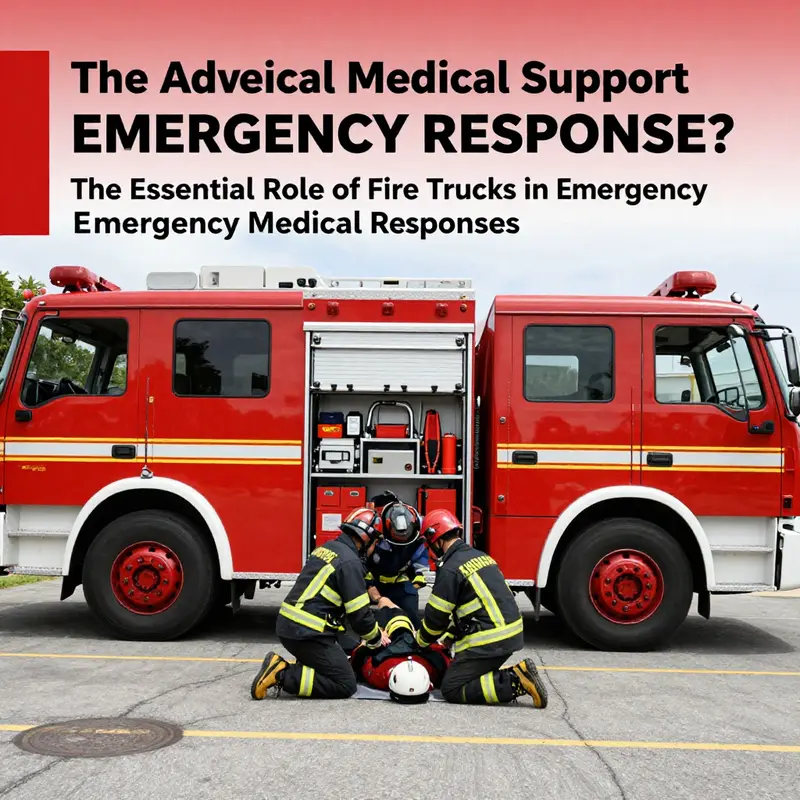
In the spectrum of modern emergency response, the sight of a fire truck arriving with an ambulance is no longer a simple logistical coincidence. It has emerged as a deliberate, systematic approach to maximize survival odds in the moments that matter most. The collaboration between fire and medical units rests on more than shared space or synchronized lights; it hinges on a disciplined integration of advanced medical capabilities, rapid response logic, and safety-first scene management. At the heart of this shift is the recognition that life-and-death interventions can and should begin long before a patient reaches the hospital, and that every minute can shape outcomes in profound ways.
The first thread in this evolving tapestry is advanced medical support on the scene. Fire departments across many regions deploy personnel who can deliver on-site life support—often paramedics or highly trained EMTs—who can perform critical interventions while a traditional EMS unit is still en route or navigating traffic and distance. When a cardiac arrest strikes, for instance, the window to restore circulation with defibrillation and to sustain life with CPR is narrow and unforgiving. The sooner defibrillation occurs, the higher the chance the heart can be coaxed back into rhythm. Fire crews bring with them automated defibrillators, oxygen equipment, airway management tools, and medications aligned with lifesaving protocols, enabling a rapid, scalable response that can bridge the gap until specialized medical teams take over. This dynamic is not about replacing ambulance care but about front-loading essential actions so that time does not vanish between call and critical intervention.
That front-loaded care is complemented by the rapid response calculus that has become a hallmark of integrated EMS operations. Fire stations are often strategically positioned in proximity to dense residential zones, commercial hubs, and high-traffic corridors. Their geographic footprint means that a fire truck can reach a scene more quickly than an ambulance in certain contexts, especially when hospital access is complicated by congestion or when responders must travel through diverse terrain. This proximity translates into what clinicians and responders alike describe as “golden minutes”: the early start of CPR, stabilization of a traumatic bleed, or securing the airway before more formal medical teams arrive. The effect is a smoother continuum of care rather than a handoff with a gap. In practice, this redundancy—having two linked but specialized units arrive in near simultaneity—often reduces the total time to meaningful intervention and improves the odds of meaningful recovery.
A second thread is the breadth of specialized equipment that accompanies fire units. A fire truck is a toolbox on wheels, carrying items that far exceed the standard expectations of fire suppression alone. In addition to life-support devices, these vehicles often house extrication gear, cutting and spreading tools, heavy-duty hoses, powerful lighting, and hydraulic tools designed to rescue people trapped in vehicles or structural collapses. When a scene involves a vehicle crash or an unstable environment, the presence of rescue and stabilization equipment on-site accelerates the process of freeing an injured person and reducing secondary injuries that can arise during extraction. Oxygen delivery systems, suction devices, advanced airway equipment, and trauma kits enable responders to initiate or sustain critical care immediately. The immediate availability of these resources can be the difference between a patient who remains in stable condition and one whose scenario deteriorates rapidly.
The third thread concerns the safety and management of the scene itself. Firefighters bring scene command experience, hazard recognition, and training in hazardous materials control, fire suppression, and structural safety. When a fire, gas release, or building collapse is a possibility, the presence of a fire crew alongside EMS personnel provides more robust scene control. They can secure the area, prevent further danger, and coordinate with external agencies as needed. This safety net is not merely about keeping responders safe; it is about preserving the integrity of the medical mission. A chaotic scene can compromise airway management, bleeding control, or rapid transport decisions. The fire unit’s ability to establish a safe perimeter, assess environmental risks, and support triage reduces the likelihood that responders will have to improvise under pressure. In short, the fire truck’s presence improves both the safety of the team and the likelihood that the patient receives timely, appropriate care.
Coordination and efficiency form the operational spine of this model. When ambulance and fire units respond together, communication lines tighten, and command structures can move in concert. Unified dispatch and joint on-scene leadership streamline decision-making, clarifying roles and reducing duplicative actions. For the patient in peril, the net effect is a smoother, more coherent sequence of care: assessment, stabilization, life-support interventions, preparation for transport, and rapid transfer to definitive care. This integrated approach is not merely a tactical preference but a system-wide design principle that reflects how emergency medical services have evolved. It treats the response as a single, cohesive operation rather than a series of isolated, sequential tasks performed by different teams.
Policy and protocol play a decisive role in shaping how this cooperation unfolds. In many jurisdictions, these practices have grown from mutual-aid agreements to formalized protocols that govern the co-location of units and the timing of dispatch. The recent legislative directions in Zhejiang Province are a powerful example. Effective December 1, 2025, pre-hospital medical emergency regulations explicitly encourage co-locating emergency medical units and fire stations. The result has been innovative models like the Fuxing Fire and Medical Emergency Integration Point in Hangzhou’s Shangcheng District, where ambulances reside within fire stations. When a call comes in, dispatch triggers a synchronized mobilization of both fire and medical teams, eliminating the old barrier where EMS units waited for a separate dispatch through the traditional EMS line. This synchronized approach reduces response times dramatically and, in practical terms, translates into fewer minutes from call to controlled, on-scene care. It is a tangible embodiment of how policy can accelerate life-saving practice by aligning the rhythms of different agencies toward a shared objective: saving lives as quickly as possible.
Of course, any ambitious integration must reckon with risk and the need for continual learning. A stark reminder came with the Xinhu County tragedy in Hunan Province, where six firefighters died when their vehicle fell from a cliff. This incident underscored the inherent dangers of rapid, multi-vehicle movement and highlighted the limits of traditional “personnel-and-vehicle co-location” models. In response, emergency leadership and policymakers have pushed toward safer, more resilient configurations. The revised framework emphasizes a triad for forward momentum: a command vehicle to lead decision-making, a dedicated personnel transport vehicle to move human resources safely, and a main firefighting vehicle focused on water, pumps, and rescue tools. The intention is clear. The fire crew remains the engine for rescue, water, and extrication, but the transport of people and the management of transit safety are handled by vehicles designed with human safety as the primary objective. The net effect is a system that preserves the firefighting edge while mitigating transit risks that can erode gains made on-scene.
This evolving configuration reflects a broader aspiration: to create a seamless, resilient emergency response that can adapt to the unforeseen. It recognizes that the most effective rescue operation is not a single act but a sequence of well-timed, well-supported actions that build on one another. When a cardiac arrest is detected, the immediate defibrillation and high-quality chest compressions delivered by trained responders can keep the patient viable long enough for a definitive medical team to take over. In scenarios involving polytrauma, complex extrication, or hazardous environments, the fire unit’s specialized capabilities complement the medical crew’s expertise, enabling a more comprehensive and rapid stabilization. The combined force can deliver a better chance of preserving brain function, controlling bleeding, and maintaining oxygenation—outcomes that matter far beyond the immediate scene as patients transition to hospital care.
The practical implications for families and communities are equally meaningful. Faster, more reliable responses can reduce the uncertainty and fear that accompany emergencies. When people see the fire truck arriving with the ambulance, they are witnessing a visible indicator of an integrated system that treats time as a critical resource and safety as a shared commitment. It is a model that situates lifesaving within a broad public-safety framework, where resources and responsibilities are aligned across agencies to protect life and health. The absence of such alignment is felt in the missed minutes, the interrupted sequences of care, and the increased stress on patients and bystanders. By contrast, a coordinated arrival—two units, each contributing their unique strengths—offers a robust, adaptable pathway from the first call to the hospital corridor.
Within this narrative of cooperation, the role of equipment and training cannot be overstated. Fire departments invest in continuous education for their crews, ensuring that the on-scene medical tasks they perform meet current EMS standards. Regular drills that simulate complex scenes—a vehicle crash with multiple victims, a rooftop collapse, a hazardous materials release—help both teams practice the choreography of care. This preparation strengthens teamwork, clarifies decision-making, and reduces the cognitive load that can overwhelm responders under pressure. The outcome is not merely a smoother operation; it is a more precise, confident intervention that maximizes each responder’s contribution. The interplay of on-scene life support, rapid extrication, and decisive scene management becomes a single, expert response to a wide spectrum of emergencies.
From an informational standpoint, the modern integrated model also reflects a willingness to rethink dispatch and resource allocation. It invites communities to consider how emergency service networks can be designed to emphasize speed without sacrificing safety. The idea is to engineer responses that anticipate bottlenecks—whether they are traffic, terrain, or hospital capacity—and design contingencies that keep the patient moving along the care pathway. The synchronization of fire and EMS deployment is a concrete manifestation of that philosophy. It is a recognition that the best way to respect the time-sensitive nature of emergencies is to orchestrate the arrival of capable teams in a harmonized sequence, rather than waiting for one system to reach full readiness before the other begins its work.
For readers who want to explore the practical manifestations of this integrated approach, consider how the emergency vehicle fleet can be conceptualized as a coordinated ensemble rather than a collection of separate assets. The internal logic of this ensemble emphasizes speed, safety, and shared situational awareness. It invites a broader view of how communities finance, train, and manage their responders to reflect the realities of modern emergencies. In the end, the question is not merely whether a fire truck can “go with” an ambulance, but how this pairing embodies a systematic commitment to saving lives through faster, safer, and smarter care. As policy evolves and on-the-ground experience accumulates, the integrated model stands as a compelling reminder that time is a resource we can defend—and that every minute saved is a life’s chance.
External note: For a broader perspective on how jurisdictions innovate on emergency-response models and how co-location strategies play out in real-world settings, see the following external source: https://www.chinadaily.com.cn/china/2026-01/29/content_37856732.htm. This report highlights the urgency, risks, and policy shifts associated with dispatch synchrony and the ongoing evolution of emergency response systems in demanding environments.
Internal link to related emergency-rescue infrastructure: In practice, many departments categorize integrated response resources under the emergency-rescue-vehicle domain, illustrating how the fleet’s shared objectives translate into cohesive, city-scale readiness. You can explore the category that captures these multi-role capabilities here: รถยนต์กู้ภัยฉุกเฉิน.
Synergy in Motion: Why Fire Trucks Walk Beside Ambulances and How Dual-Role Engines Redefine Emergency Response
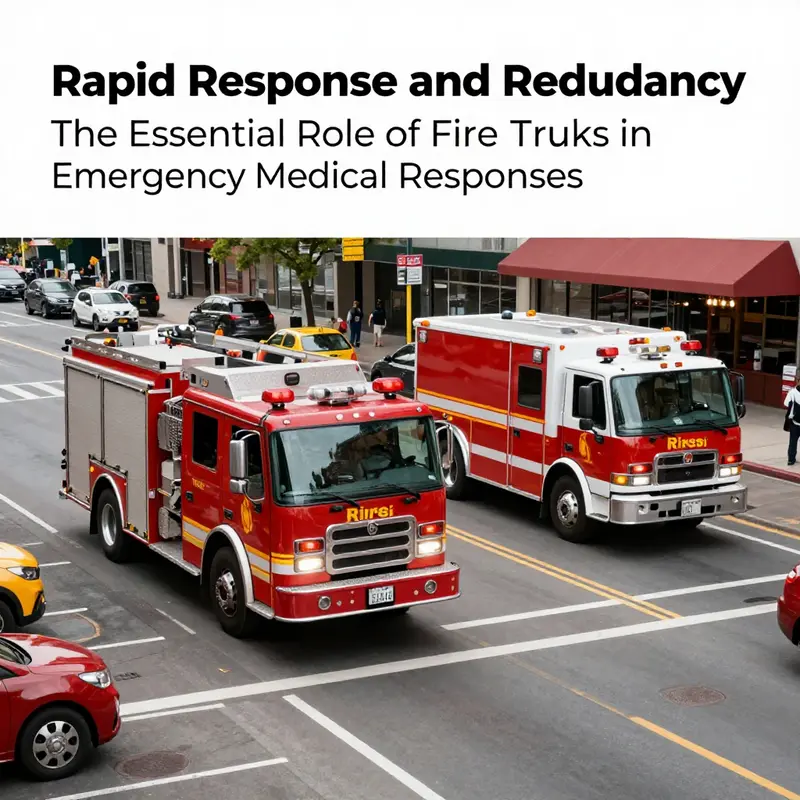
When the wail of sirens slices through the bustle of a city or the hush of a rural lane, people instinctively rely on a coordinated cadence of responders that seems almost choreographed. A fire truck arrives, its doors swing open, and immediately the scene begins to take shape in the air of urgency that follows an emergency. But this moment, this arrival of a multi-purpose, high-capacity vehicle, is not simply a matter of convenience. It embodies a deliberate strategy: to bring both fire suppression and medical care forward in one integrated push, so that life-saving interventions can begin the moment responders touch the ground. The question at the heart of this choreography—why does a fire truck go with an ambulance?—unfolds into a broader discussion about rapid response, scene management, and the evolving needs of public safety in a world where every second can tilt the balance between life and death. The answer lies in the practical virtues of speed, redundancy, and capability that a dual-role vehicle brings to the scene, and in the way these virtues interact with the realities of modern EMS work, which often must contend with traffic, distance, and environments that challenge even the best-planned deployments.
From the first moments of a medical emergency, time is not a mere measurement but a force with the power to alter outcomes. Fire trucks, especially those equipped to perform advanced life support tasks, extend the reach of care beyond the moment when an ambulance would otherwise arrive. In many jurisdictions, firefighters are trained as paramedics or EMTs, and their teams can provide on-site stabilization that bridges the gap between the onset of a crisis and patient transport. This immediately shifts the scene from a potentially escalating incident to one where patient care begins while the broader incident is being addressed. The immediacy of care that a fire-based advanced life support capability provides can be a matter of minutes, which is critical in cases of cardiac arrest, severe trauma, or airway compromise. The fire crew’s ability to initiate life-saving maneuvers before the patient ever boards a transport unit creates a seamless continuum of care that reduces delays caused by traffic, distance, or the need to coordinate multiple units at once.
This seamless continuum hinges on more than medical skill. It rests on a shared sense of mission and a practical sense of geography. Fire stations are often strategically positioned in relation to high-traffic corridors and dense residential clusters, places where ambulances might otherwise encounter shorter windows for rapid departure but longer waits en route to hospitals. The dual-role vehicle’s parking lot becomes a hub of readiness, a place where the mission to protect life is fused with the mission to prevent further injury from the initial incident. The upshot is a reduction in total response time: a single unit can arrive, secure the scene, begin medical care, and begin hazard control in parallel. In rural or remote areas, where EMS resources can be stretched thin, this redundancy becomes a lifeline. Even when separate units are available, the combined vehicle dramatically shortens the interval between danger and stabilization, a factor that has measurable effects on patient outcomes.
The redundancy built into this approach is not an accident of logistics but a deliberate design choice. When the fire truck and the ambulance operate in concert, they create a safety net for the patient and the responders. If one line of defense falters—say, if traffic delays an ambulance or a sole transport unit becomes unavailable—the other component remains to ensure that care continues. This is not merely a “backup,” but a strategic parallel system: one unit addresses the immediate medical needs, while the other handles scene safety, hazard mitigation, and planning for patient transport. This integrated redundancy yields a more resilient response that preserves momentum in the face of uncertainty—an essential quality given that emergencies are dynamic by their very nature. The fire truck’s extrication tools, oxygen supplies, defibrillators, and trauma medical kits sit in a responsive ecology with the ambulance’s broader medical inventory, creating a combined capability that is greater than the sum of its parts.
Central to the effectiveness of this approach is the integration of functions. A vehicle designed to fulfill both firefighting and medical roles embodies a set of practicalities that ordinary, single-purpose units cannot. It requires careful coordination of equipment placement, crew training, and on-scene communication. When a team arrives as a unified unit, the moment of arrival carries with it a ready-made plan: assess hazards, stabilize the patient, manage crowd and traffic control, secure the perimeter, and prepare for safe transport. The transition from hazard mitigation to patient care is smooth rather than staged, which helps minimize the risk of secondary injuries and keeps all responders aligned under a single command structure. In high-stakes environments—such as vehicle crashes, structural fires with occupant entrapment, or chemical releases—the ability to do both jobs simultaneously reduces the cognitive load on incident command. The team does not have to wait for separate units to arrive and then negotiate who takes on what task. They already share a common set of protocols, terminology, and expectations for what success looks like on the ground.
A practical dimension to this integration is the deployment of advanced life support in ambiguous environments. The on-scene paramedics or EMTs operating from the fire truck can perform airway management, vital sign monitoring, hemorrhage control, and rapid extrication planning as needed. This capability is especially valuable when a patient’s needs are complex, such as multiple trauma cases or cardiac events coupled with hazardous conditions like fire exposure or environmental hazard. The fire crew’s medical skills, combined with their access to a broader arsenal of tools—portable suction, high-flow oxygen, advanced defibrillators, and compact resuscitation kits—allow a more comprehensive stabilization before transportation. This is not simply about speeding up the arrival at the hospital; it is about elevating the quality of on-scene care to a level that aligns with the most up-to-date medical standards while the incident itself is addressed in real time.
To understand how this dual function translates into practice, it helps to imagine the sequence of an incident where a vehicle crash has resulted in life-threatening injuries and a potential fuel or chemical hazard. As soon as the first responders reach the scene, the fire crew begins hazard assessment, scene stabilization, and access for medical care. The police or municipal responders might secure the area, but the fire-ambulance unit begins the patient assessment. If necessary, the crew can establish an airway, control bleeding, and stabilize severe injuries while determining whether a rapid extrication is required or if passengers can be safely moved. The ambulance, when it arrives, already has a patient who is receiving continuous care, and the crew can focus on preparing the patient for transport, obtaining a report for the hospital, and coordinating with traffic management and hospital systems to ensure prompt handoff. The net effect is a more compact, efficient chain of care that reduces the likelihood of deterioration between the scene and the door of the emergency department.
An important element in this narrative is the role of standards and certification as the operating framework for reliability. In many jurisdictions, the practice of deploying fire trucks with ambulance capabilities is supported by formal EMS protocols and mutual aid agreements. These agreements establish the expectation that, in major emergencies, certain units will respond together to ensure both medical care and scene management. The standards underpinning this practice call for rigorous maintenance, testing, and accreditation of the integrated systems. Fire pumps, onboard medical equipment, communication devices, and protective gear must all be kept to high operating standards to avoid a moment of failure when it matters most. The narrative of this approach—of reliability through joint capability—rests on the confidence that responders can rely on their equipment as they rely on each other. Consequently, ongoing testing, inspection, and certification become not only regulatory obligations but practical commitments to service continuity, a commitment that informs every decision on the road and at the scene.
This is where the broader ecosystem of public safety and emergency medical services intersects with industry standards and professional practice. The testing and maintenance regimes described in national standards are not abstract guidelines. They shape the daily routines of responders, the schedules of maintenance teams, and the purchase decisions of agencies. The assurance that a dual-role unit will perform both firefighting and medical tasks when required depends on a chain of verification, from equipment inspections to performance testing of fire pumps, aerial devices, ground ladders, and thermal imaging devices. The chapters of these standards become a shared language among agency leaders, trusted technicians, and frontline crews who know that a well-run unit can operate in the most demanding environments. This shared language reduces the friction that can arise when two agencies attempt to work together on a complex scene. When every component speaks the same technical dialect, coordination becomes more intuitive and less prone to misunderstandings in moments of high stress.
Beyond the technical and procedural dimensions lies a deeper, almost philosophical one. Fire trucks and ambulances traveling together signal a public safety philosophy about what communities expect from their responders. The image of a single, capable vehicle moving through traffic with dual purpose embodies a commitment to speed, efficiency, and resilience. It is a statement about the trust placed in responders to protect life by acting decisively at the scene. It is also a promise that the system will adapt to the demands of the moment, ready to shift focus from containment to care, or from care to transport, as the case requires. In this sense, the synergy of fire and medical response is not just a logistical convenience. It is a core feature of modern emergency service delivery that aligns with the realities of urban growth, aging populations, and the unpredictable character of disasters, whether natural or man-made. The combined unit, then, is a strategic instrument in the public safety toolkit—one that amplifies the reach of medical care while preserving the safeguards that keep responders and patients safe.
In practice, this integration also influences how communities learn to navigate emergencies. Public education campaigns increasingly emphasize recognizing when to call for help and what to expect when responders arrive. People who witness a crash or a medical crisis often see both a fire truck and an ambulance converge on the scene, and this visibility reinforces a narrative of coordinated care rather than a fragmented response. The presence of a dual-role unit can reassure bystanders that help is both immediate and competent, that responders have the training and equipment to address a range of contingencies on the ground. This reassurance matters because it reduces panic, clarifies what the public should do (for example, keeping clear of the scene, providing basic information, and offering space for responders to work), and supports a quicker, more orderly intake of patients into the care system.
To connect these observations to practical, real-world implications, consider the ways in which communities can support and optimize the use of dual-function vehicles. One important path is to invest in ongoing training and cross-disciplinary drills. When firefighters practice with paramedics and EMS clinicians in joint simulations, they build tacit knowledge—the kind that surfaces in the moment, enabling smooth handoffs and adaptive decision-making. Training should emphasize not only medical procedures but also scene safety, traffic management, and coordination with hospital systems. The goal is to ensure that when a real incident unfolds, the team moves as an integrated unit rather than in a sequence of separate tasks that risk overlapping responsibilities or delays. Another path is to ensure that the physical design of the vehicle facilitates rapid access to both firefighting and medical equipment. Strategic placement of compartments, intuitive layouts for medical kits, and ergonomic access to rescue tools can shave precious seconds off each task the crew must perform. When the design aligns with the crew’s real-world workflow, the result is a streamlined performance under pressure, where the difference between good and great care can hinge on a few decisive moves.
As the narrative of rapid response and redundancy evolves, the public policy dimension remains integral. Local EMS protocols, mutual aid agreements, and the allocation of funding for training, maintenance, and equipment all shape how effectively dual-role units can operate. Legislation can reinforce the benefits of integrated responses, ensuring that agencies share best practices, standardize certain procedures, and maintain interoperability across jurisdictions. In this way, the story of why fire trucks go with ambulances is not only about what happens on a single scene but about how a whole system—governments, emergency medical services, fire departments, and the communities they serve—works to keep people safer, faster.
In closing, the rationale for deploying fire trucks with ambulances is rooted in a disciplined understanding of time, risk, and capability. The on-scene presence of a dual-role unit reduces arrival times for essential medical interventions, enhances scene safety, and ensures continuity of care through redundancy. The integration of firefighting and medical functions into a single unit creates a unified, adaptable response capable of meeting the unpredictable demands of emergencies. It is a practical answer to the realities of complex incidents, where hazards and medical needs often co-occur and evolve in real time. The approach reflects a broader commitment to public safety that recognizes how swiftly care must begin, how carefully responders must operate, and how reliably the systems that support them must function. For communities, this translates into a dependable promise: when danger arises, help does not arrive in a disjointed sequence. It arrives as a coordinated, capable, and compassionate response that can begin the moment responders reach the scene and continue without interruption through the journey to care.
For readers seeking a deeper dive into the standards that ensure these complex vehicles perform at peak, the authoritative guidance can be found in professional resources that govern inspection, maintenance, testing, and retirement of in-service emergency vehicles. This framework underpins the confidence that a fire-truck-with-ambulance unit will deliver the expected level of readiness when every second counts. To explore these standards in context and consider how they shape the daily life of emergency crews, see the broader body of work on these safety guidelines. As we continue to examine how technology, training, and policy intersect in emergency response, the central takeaway remains clear: the most effective rescue is often the one that begins before transport, when care arrives on the scene in force, ready to stabilize, secure, and save.
Internal reference: When communities design their emergency response assets, they frequently consider the Emergency Rescue Vehicle category as a compelling blueprint for integrated operations. This category highlights how multi-role capabilities can be leveraged to shorten response times and strengthen on-scene decision-making. For readers curious about the practical breadth of such vehicles and the equipment they carry, this category provides a tangible sense of the range of tools available to responders as they face the unpredictable realities of emergencies. Access to a catalog of dual-function vehicles and related equipment can illuminate how agencies plan their fleets and train their personnel to operate in concert, ensuring that the mission to protect life remains efficient, effective, and resilient in the face of evolving threats.
แหล่งข้อมูลภายนอก:
- NFPA 1910 Standard for the Inspection, Maintenance, Refurbishment, Testing, and Retirement of In-Service Emergency Vehicles. This standard anchors the credibility and reliability of the integrated fire- and EMS-capable units, outlining testing protocols and maintenance requirements essential for safe and effective operation. NFPA 1910 Standard
Internal link:
- Emergency Rescue Vehicle category (internal): Emergency Rescue Vehicle
Engineered for Urgency: The Seamless Fire and EMS Partnership
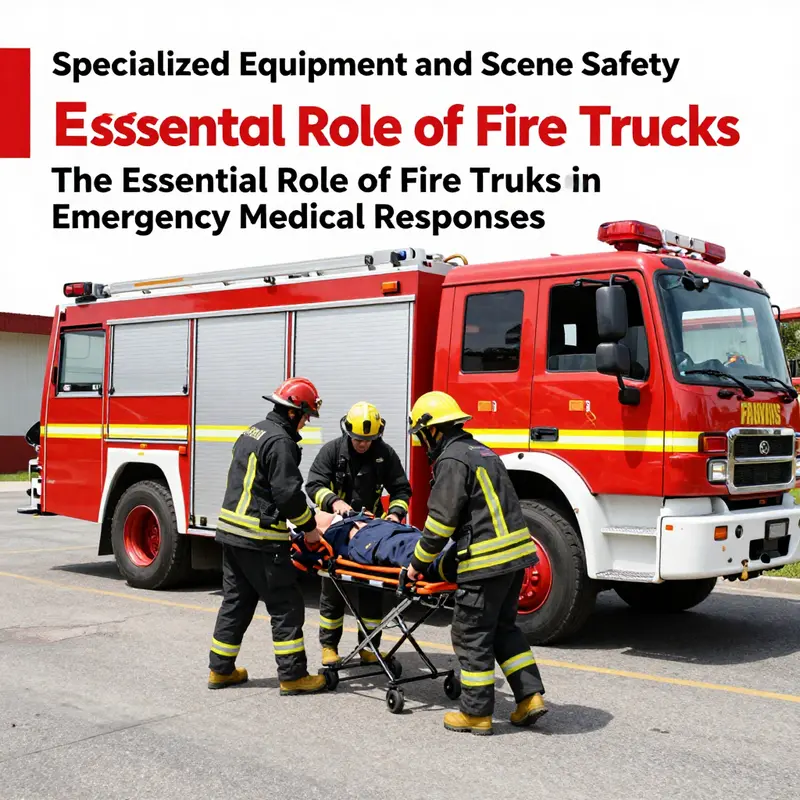
When an emergency unfolds, the ambulance rarely works alone. A fire unit arrives beside it, providing reach, control, and scene management that can turn minutes into moments saved. The pairing is not mere symbolism; it is a carefully designed system in which each vehicle contributes strengths the other cannot deliver alone. The ambulance remains a moving clinic, while the fire unit structures the environment so rapid care can begin the moment responders approach the patient.
Timing matters. Fire units can position to cut distances, secure access, and begin hazard mitigation even as EMS crews assess the patient. In dense urban areas, proximity translates into critical minutes saved, reducing delays to life-saving interventions. The dual arrival converts what could be a race against time into a coordinated effort with a shared tempo and clear priorities.
Beyond speed, the equipment carried by fire units expands the early reach of care. High pressure pumps, hoses, hydraulic rescue tools allow rapid extrication and access to patients trapped by debris or crashes. Thermal imaging cameras help find victims in smoke and darkness, while ventilation gear clears fumes so clinicians can work safely. Lighting arrays illuminate scenes that would otherwise force medics to pause or improvise. Each tool is chosen to stabilize risk, protect the patient, and preserve the momentum of care.
Yet the value is amplified when crews train together. A common language and shared drills turn two disparate teams into a unified team. The incident commander guides scene safety and resource flow, while EMS clinicians focus on the patient trajectory. This collaboration is a belief in continuity: care is not started at the patient and ends at the hospital; it travels with the patient from call to handoff, every step informed by mutual support and constant assessment of risk.
In practice, the two units make the scene safer and the patient more likely to survive. The fire unit controls hazards, secures perimeters, stops leaks, and creates safe egress routes. The ambulance delivers definitive care, maintains a continuous record of clinical status, and coordinates transport to the hospital. Together they create a resilient system that can adapt to changing conditions, from a simple cut to a complex structural collapse. This is the core of modern emergency response: a calibrated partnership where fire trucks and ambulances work as one to extend the reach of medical care and protect everyone on the street.
community safety
The effective partnership between fire trucks and ambulances is essential in modern emergency medical services. Fire trucks do not merely accompany ambulances; they provide critical medical expertise, rapid responses, and specialized equipment that enhance patient care and safety. By understanding the importance of this collaboration, business owners and community leaders can better appreciate the complexities of emergency response and the need for well-equipped fire services. Investing in comprehensive emergency systems will undoubtedly contribute to improved outcomes in crisis situations.

