
















Understanding how fire trucks are made is vital for business owners in the public safety sector. These vehicles integrate advanced technology, engineering, and strict compliance standards to serve vital roles in emergency response. From chassis selection to specialized safety features, each aspect of fire truck manufacturing plays a crucial role in ensuring operational excellence and reliability. This comprehensive overview explores the essential components of fire truck production, focusing on the importance of chassis selection, safety standards, functional designs, and the integration of complex systems, providing valuable insights for those looking to invest in or enhance their fire service capabilities.
Building the Backbone: The Critical Role of Chassis Selection in Crafting Fire Trucks
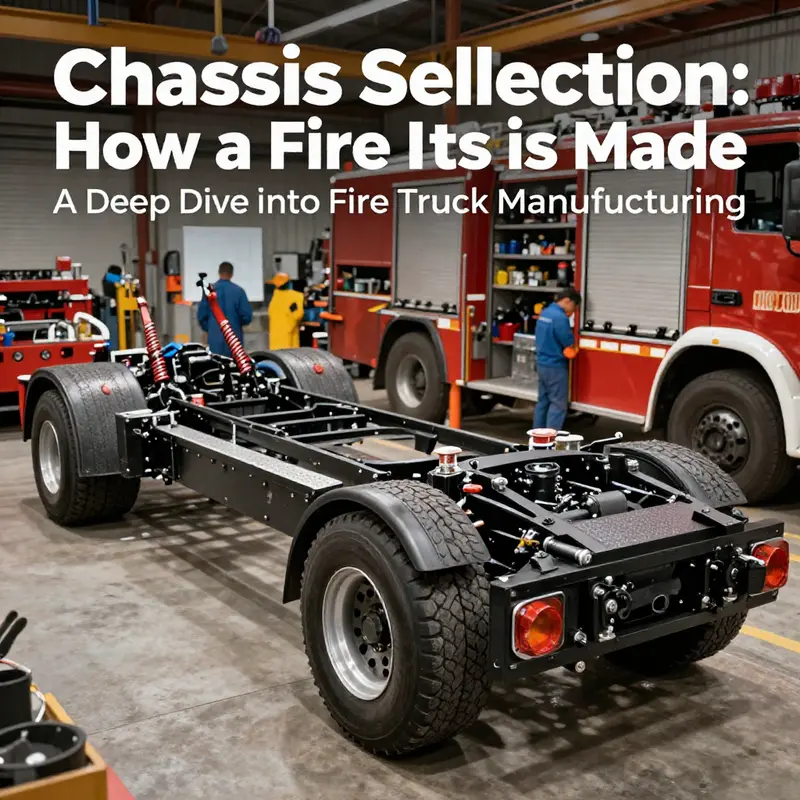
The process of building a fire truck begins long before the sirens wail and the lights flash – it begins with the careful selection of the chassis, the fundamental framework upon which every critical firefighting component is mounted. The chassis is not merely a frame, but the primary supporting structure that dictates the performance, longevity, and overall capability of the fire apparatus. In a manufacturing landscape that demands precision engineering and uncompromising reliability under extreme conditions, the right chassis is paramount. This chapter delves into the intrinsic details behind the chassis selection process, revealing how engineers and designers balance innovation, durability, and safety to create a platform that is as robust as it is functional.
At the heart of every fire truck is the chassis, the engineered skeleton that supports the entire vehicle’s weight and operational load. Its selection has far-reaching implications, not only ensuring that the fire truck can carry heavy equipment like high-capacity water tanks, extendable ladders, and high-pressure pumps, but also guaranteeing that the truck meets stringent safety and compliance standards. The chassis has to be versatile and robust enough to endure vibrations, shocks, and stress during emergency responses, which is why manufacturers spend a significant portion of their research and development efforts fine-tuning this critical component. Every weld, every bolt, and every design curve is meticulously scrutinized to ensure that the finished product functions flawlessly, protecting both the firefighters and the communities they serve.
One of the primary decisions in chassis selection is whether to opt for a custom-built platform or a commercially available chassis from reputable heavy-duty truck manufacturers. Custom-built chassis are often developed for specialized units like high-reach aerial ladder trucks that require modifications such as enhanced suspension systems to support extended ladders and additional rescue apparatus. Such chassis are designed to handle dynamic and shifting loads that occur during operations in urban high-rise rescues and industrial fire emergencies. In contrast, for applications where off-road capability is paramount, such as wildland fire engines, commercial truck platforms from manufacturers like Ford, International, or Isuzu are chosen. These chassis come equipped with features like four-wheel drive and high ground clearance, making them indispensable when navigating rugged terrains where every second counts. The decision-making process in both cases is underpinned by a rigorous analysis of engine horsepower, payload capacity, and the specific operational demands of the fire department.
The evolution of chassis selection has also been markedly influenced by global manufacturing and engineering practices. In particular, China’s significant role in this industry has led to the development of high-performance, locally optimized chassis. In regions such as Shandong Province, where over 70% of China’s fire apparatus producers are based, manufacturers have leveraged an integrated supply chain to co-develop chassis that not only meet international safety standards but also exceed the performance expectations required in emergency response scenarios. The locally developed chassis emphasize durability and cost-effectiveness, offering tailored solutions for specialized vehicles like airport crash tenders and industrial fire suppression units. Such advances have allowed manufacturers to create chassis that are both adaptable and resilient, ensuring that even under the duress of high-pressure operations, the fire truck maintains structural integrity.
Automation and precision have become the hallmarks of modern chassis manufacturing. Advancements in technology have introduced automated welding lines, CNC machine fabrication, and rigorous ISO-certified testing protocols into the production process. These modern fabrication techniques ensure that every component of the chassis is manufactured to exact specifications, significantly reducing the likelihood of structural defects that could compromise a fire truck during operation. Additionally, advanced hydraulic validation processes and pump performance tests are routinely performed to confirm that the chassis can seamlessly accommodate the high-pressure pump systems necessary for effective firefighting. In this context, the chassis is no longer just a passive load bearer but an active participant in the overall performance of the vehicle.
A critical aspect of chassis design is the inherent need to support not only the static weight of the vehicle but also the dynamic loads that occur during emergency maneuvers. Fire trucks often carry components weighing in excess of 20,000 pounds, and the chassis must be engineered to distribute these loads evenly while preserving stability and maneuverability. For example, urban fire trucks equipped with extendable aerial platforms must be able to maintain balance when the platform is raised, a scenario that places immense stress on the frame. This calls for reinforced structures and suspension systems specifically designed to counteract the forces at play. In these applications, engineers must consider variables such as the center of gravity, load distribution, and the impact of sudden directional changes, ensuring that the chassis not only meets but exceeds safety standards such as those mandated by the American Society of Mechanical Engineers (ASME) and the International Organization for Standardization (ISO).
Safety and compliance are inseparable aspects of chassis selection. Every chassis designed for fire apparatus must adhere to a multitude of international standards that ensure its performance in extreme conditions. Certifications like SGS, BV (Bureau Veritas), CCC (China Compulsory Certification), and SONCAP (Standards Organisation of Nigeria) are not mere formalities; they represent rigorous testing procedures that validate the chassis’s capacity to handle high stresses, provide reliable hydraulic performance, and maintain electrical safety. These certifications build trust among emergency responders, knowing that the backbone of their fire truck has been rigorously vetted and is built to withstand the demanding circumstances often encountered on the front lines of disaster response.
The decision process for selecting a chassis is deeply influenced by the intended operational environment of the fire truck. Urban centers demand platforms that excel in maneuvering through congested streets while supporting equipment for high-rise rescues and structural fires. Conversely, rural or wildland applications require chassis with off-road capabilities, ensuring that the vehicle can traverse uneven terrain and reach remote locations where wildfires might erupt. In each scenario, the chassis is chosen based on a detailed evaluation of the department’s historical data, incident types, and response times. For instance, if a department frequently confronts hazardous material incidents or industrial fires, the chassis selected might be built with additional reinforcements and specialized suspension systems tailored for rapid and safe maneuvering in industrial settings. This strategic matching of chassis capabilities to real-world needs demonstrates the high level of customization and engineering expertise that goes into every fire truck manufactured.
The integration of advanced technology into chassis manufacturing has also had a transformative impact. Modern manufacturers now incorporate real-time data monitoring and predictive maintenance algorithms into the design phase, ensuring that any potential weaknesses in the chassis are identified and rectified before the vehicle ever reaches an emergency scene. This proactive approach to maintenance not only increases the lifespan of the chassis but also elevates the overall reliability of the fire truck. The use of computer-aided design (CAD) software has further enabled engineers to simulate various load conditions and dynamic responses, optimizing the chassis design for maximum performance under varied operational stresses. These technological integrations serve as the foundation of a fire truck’s performance, ensuring that every component, from the transmission system to the structural frame, is in perfect harmony to support the mission-critical tasks ahead.
Beyond the engineering prowess and technological integration, the process of chassis selection embodies a philosophy of sustainability and operational efficiency. Manufacturers are increasingly mindful of environmental considerations, selecting chassis designs that not only provide exceptional durability but also contribute to fuel efficiency and reduced emissions over the life of the vehicle. There is a growing trend towards the use of lightweight yet high-strength materials that reduce the overall mass of the fire truck without compromising its ability to bear heavy loads. These innovations ensure that the final product is not only effective in emergency response scenarios but also responsible in terms of its environmental footprint. Departments looking for vehicles that balance performance with sustainability can find solutions in platforms specifically optimized for heavy-duty tasks, as highlighted by further information on heavy-duty fire truck design Firetec trucks, fire apparatus, firefighting equipment, fire truck technology, firefighting vehicles, fire tanker, fire engine, fire rescue truck, firefighting market, emergency response vehicles.
An equally significant factor in chassis selection is the rigorous testing regime that each chassis undergoes before it is cleared for integration with specialized firefighting equipment. The testing procedures, which include dynamic simulations and load-bearing tests, ensure that the chassis can withstand extreme conditions without degradation in performance. These tests are not limited to structural endurance; they also assess the chassis’s ability to interact seamlessly with the vehicle’s hydraulic and mechanical systems. For instance, the integration of high-pressure water pumps requires that the chassis remain stable under the sudden forces generated when water is discharged at high velocities. This meticulous testing regimen is essential to confirm that the apparatus will perform flawlessly during critical moments when lives are at stake.
In addition to performance testing, a comprehensive quality control process ensures that each chassis meets the factorial demands of both domestic regulatory bodies and international safety standards. The robustness required of a chassis that forms the foundation of a fire truck is achieved through a combination of empirical testing, computer simulations, and hands-on field trials. These steps guarantee that the chassis will not only survive the rigors of everyday operational use but will also endure the extraordinary stress moments typical during large-scale emergencies. The dual focus on performance and safety illustrates the complex interplay between engineering innovation and regulatory compliance in the manufacturing process of fire trucks.
The ability to customize the chassis further enhances the fire truck’s overall functionality. When the end user – the fire department – provides input on their specific operational challenges, manufacturers can adapt the chassis design to better meet those needs. This may involve incorporating additional reinforcement in areas where higher stresses are anticipated or modifying the suspension system to better accommodate heavy, specialized equipment. Such customizations ensure that while the chassis remains within the bounds of internationally recognized standards, it also offers a tailored solution that addresses the unique demands of each firefighting environment. The customization process is a fine balancing act that combines the proven reliability of standardized designs with the flexibility to adapt to new operational challenges.
The journey from a raw chassis to a fully integrated fire truck is one of continuous evolution and refinement. As firefighting strategies advance and operational demands change, the chassis must evolve accordingly. This evolution is driven by ongoing research into new materials, technologies, and engineering practices that promise even greater durability and performance. Today’s development teams are not only focused on meeting current safety standards but are also anticipating future innovations that will further enhance the reliability and performance of fire apparatus. For example, emerging trends in electrification and hybrid powertrains may soon influence chassis design to accommodate alternative energy sources, reducing the vehicle’s environmental impact while improving fuel efficiency without sacrificing performance.
The orchestrated complexity of chassis selection underscores its role as the cornerstone of fire truck manufacturing. It is an intricate dance between design, technology, and regulatory adherence that culminates in a chassis capable of defending lives and property under the most challenging circumstances. Every decision made during the chassis selection process – from the choice of material to the integration of advanced testing protocols – reverberates through the subsequent manufacturing stages, ultimately manifesting in a fire truck that embodies strength, resilience, and precision.
In conclusion, the chassis is much more than a passive element supporting the weight of a fire truck; it is the dynamic foundation that enables the entire assembly of firefighting equipment to function as a cohesive system. The critical importance of selecting the right chassis is evident in its far-reaching impact on vehicle stability, safety, and operational efficiency. Whether tailored for the demanding urban environment with heavy-duty modifications or engineered for off-road resilience in wildland firefighting, the chassis remains the definitive element upon which successful firefighting vehicles are built. Drawing on a combination of rigorous testing, innovative design practices, and adherence to numerous international standards, the integration process transforms a chassis into a reliable powerhouse that embodies the spirit of modern fire truck manufacturing. For further insights into the technical nuances and advanced methodologies that drive this industry, please refer to the detailed exposition on chassis selection available at the external resource: Chassis Selection in Fire Truck Manufacturing – How a Fire Truck is Made.
Building Trust Through Safety: The Rigorous Standards Behind Fire Truck Manufacturing
In the demanding world of emergency services, where every second counts and the margin for error is exceptionally small, the manufacturing of a fire truck is governed by a series of uncompromising safety standards that define its performance, reliability, and overall integrity. The rigorous process of integrating these safety parameters into the design and construction of a fire truck is not an afterthought; it is the essence of what transforms a heavy-duty vehicle into a life-saving apparatus. Every fire truck, whether built on a renowned chassis like the HOWO 4X2 or a similar robust framework, owes its resilience and dependable performance to a painstakingly detailed process that incorporates established standards from some of the world’s leading regulatory bodies.
The journey toward building a safe fire truck starts with its design. Behind every structure and component, there is a deep-rooted commitment to meeting the exacting requirements laid out by regulatory organizations such as the National Fire Protection Association (NFPA). NFPA 1901, an iconic standard in the realm of automotive fire apparatus, provides a comprehensive blueprint detailing everything from chassis strength and hydraulic system reliability to the stability of aerial ladders and the strategic placement of pumps and water tanks. This standard has been instrumental in setting the bar for the fire truck manufacturing industry, mandating that every element must be engineered to withstand the operational stresses encountered during real-world firefighting scenarios.
Ensuring that a chassis has the required strength is fundamental to guaranteeing the fire truck’s overall safety. The chassis forms the backbone of the entire vehicle and supports not only the weight of heavy firefighting equipment but also the dynamic loads imposed during emergency operations. As such, manufacturers conduct a series of rigorous static load tests to validate the chassis’s durability. These tests involve applying weight in controlled conditions, confirming that the structure remains true to its design without exhibiting any structural deformities. In contexts where horizontal and vertical load stresses combine, dynamic load tests simulate real-life conditions where sudden shifts in weight and unexpected impacts might occur. With the outcomes of these tests, manufacturers are able to fine-tune the chassis reinforcements, ensuring that every fire truck meets the stringent criteria set forth by NFPA 1901 and other regulatory bodies.
The aspect of ladder stability, especially concerning aerial ladders, is another core focus in safety standards. Fire trucks often incorporate extendable ladders that must perform flawlessly when deployed in high-risk environments such as multi-story buildings or areas with unstable terrain. NFPA 1901 provides clear guidelines for these aerial devices, outlining the load capacities required, the maximum extension lengths, and the corresponding angles of operation. The standard insists that these ladders should be capable of supporting not only the weight of firefighting personnel but also additional equipment. In practical terms, this means that every joint, hydraulic actuator, and support bracket must be designed to operate under maximum load conditions without failure. These guidelines are particularly crucial as they directly affect the safety of both the firefighters who rely on them and the civilians who depend on rapid, competent emergency response.
In addition to mechanical and structural components, the integration of hydraulic systems plays a key role in the overall safety and functionality of a fire truck. The hydraulic systems responsible for extending aerial ladders, operating rescue tools, and powering certain pump functions must be flawlessly engineered and meticulously tested. Rigorous dynamic load tests are employed to assess these systems, ensuring that they can maintain performance under the stress of continuous operation in unpredictable conditions. The standards compel manufacturers to validate every hydraulic component through repeated cycles of stress testing, often under simulated extreme conditions. This exhaustive approach is aimed at eliminating any potential points of failure, thereby providing peace of mind for both operators and emergency responders.
Beyond the primary structural elements, the positioning and integration of the pump system and water tanks are of equal importance. Fire trucks typically carry water tanks ranging from 5,000 to 10,000 liters, intended to provide immediate access to water at the onset of an emergency. The placement of these tanks is crucial. They must be securely fastened and positioned in such a way that they do not compromise the overall stability of the vehicle while still allowing for quick and efficient water delivery when needed. The NFPA guidelines play a significant role here, dictating not only where these critical components should be installed, but also how they should be tested for both static and dynamic loads. This ensures that, in the event of high-speed maneuvers or sudden stops, the water tanks and associated pumping systems remain secure and functional.
The integration of high-capacity water pumps follows a similar philosophy. These pumps, often capable of delivering water at extremely high pressures, are engineered to meld seamlessly into the overall chassis design. They are subjected to a battery of tests that measure both their output and their resilience. The stringent performance requirements ensure that, even after years of operation in severe conditions, the pumps continue to function reliably. This is a critical aspect of fire truck safety, as any malfunction in the water delivery system during a critical emergency could have catastrophic consequences. It is not simply a matter of durability, but of absolute reliability under the most challenging circumstances.
Manufacturers must also contend with an array of additional international safety certifications, such as ISO, SGS, BV, CCC, and SONCAP. These certifications serve as a universal language of safety and quality, ensuring that every component, from the smallest bolt to the largest water tank, adheres to global standards. They also provide a framework for continuous improvement in fire truck design by setting benchmarks that stimulate technological advancements and propel innovations in safety features. Compliance with these certifications is verified through independent testing and quality control processes that occur at multiple stages of production. This multilayered approach results in a final product that not only meets but often exceeds the safety expectations of fire departments worldwide.
One of the most impressive aspects of this safety-driven manufacturing process is the integration of additional safety measures mandated by the Occupational Safety and Health Administration (OSHA) guidelines. These measures are not limited to the structural elements alone; they extend to ensuring that access platforms, guardrails, and fall protection systems are in place for firefighters operating in elevated or confined spaces. During the design phase, manufacturers are required to consider every possible scenario in which a firefighter might be at risk, embedding solutions directly into the vehicle’s architecture. Whether it is through the incorporation of advanced anti-slip surfaces, secure handrails, or protective barriers for elevated platforms, every detail is scrutinized with the objective of preventing accidents before they can occur.
The influence of the Society of Automotive Engineers (SAE) and the U.S. Department of Transportation (DOT) further underscores the collaborative nature of fire truck manufacturing. The guidelines provided by these organizations complement the NFPA standards by offering additional parameters concerning vehicle emissions, electrical system safety, and braking performance. By adhering to both sets of standards, manufacturers can optimize the balance between high performance and environmental responsibility without compromising on the robustness required for emergency operations. This multifaceted approach results in fire trucks that are not only powerful and efficient but also emblematic of a global commitment to safety and sustainability.
Throughout the manufacturing process, every stage of assembly is meticulously executed to ensure that the final product is robust enough to face the unpredictable challenges of emergency response. From the initial selection of materials to the final phase of testing and certification, safety is the guiding principle. In this tightly regulated environment, innovation does not come at the expense of compliance and safety; on the contrary, it is driven by the need to exceed established standards. Manufacturers continuously invest in research and development to push the boundaries of what is possible, ensuring that each new generation of fire trucks is safer and more capable than the last.
This commitment to safety also extends to the realm of human factors, where the design of the fire truck must account for the ergonomic needs of its operators. The spatial layout, control systems, and even the positioning of emergency equipment are all tailored to make the vehicle as user-friendly as possible. This human-centric approach is critical because even the most advanced safety systems lose their effectiveness if they become a hindrance in high-pressure, fast-paced scenarios. Designers take into account the typical movements and physical requirements of firefighters, optimizing the interior layout so that all essential controls and information are within easy reach. In doing so, the vehicle not only protects its occupants with robust mechanical and structural safeguards, but also empowers them with intuitive interfaces that reduce the risk of human error during critical moments.
An excellent example of how safety and operational effectiveness come together can be seen in the integration of advanced communication systems. Fire trucks now come equipped with state-of-the-art electronics designed to keep the crew connected and informed. These systems are an integral part of the overall safety profile of the vehicle. They include provisions for real-time data exchange and emergency alerts to ensure that all critical information is disseminated quickly and efficiently. Manufacturers ensure that these systems are robustly engineered to remain operational under the extreme conditions firefighters face. The communications setup is thoroughly tested as part of the vehicle’s final inspection process, verifying that it functions flawlessly even in the most adverse environments. For those interested in exploring further aspects of robust fire truck design, one may find more specialized information about heavy-duty designs in resources such as the detailed presentations provided on a dedicated heavy duty fire truck product category Firetec trucks, fire apparatus, firefighting equipment, fire truck technology, firefighting vehicles, fire tanker, fire engine, fire rescue truck, firefighting market, emergency response vehicles.
Before a fire truck ever sees service on an emergency call, it undergoes a series of final validation tests designed to simulate emergency conditions as closely as possible. Among these, the static and dynamic load tests play a critical role. Static tests are performed to validate the strength and durability of fixed components such as the chassis, water tanks, and pump mounts. These tests ensure that the vehicle can withstand constant loads without any degradation over time. Dynamic tests, on the other hand, incorporate conditions that mimic the operational stresses encountered during an emergency response. This involves moving parts, vibrations, and hydraulic loads that test the resilience of each system under shifting and variable conditions.
Upon successful completion of these comprehensive testing regimens, a fire truck earns its place as a reliable and safe instrument for emergency response. Each vehicle carries not only the physical components engineered for safety but also the confidence and trust of millions of people who depend on these machines in their moments of greatest need. The legacy of rigorous standards, from NFPA 1901 to DOT and OSHA guidelines, is vividly etched into the design and functionality of every fire truck that leaves the production line.
The evolution of fire truck manufacturing into a discipline defined by stringent safety standards is a testament to the dedication and expertise of engineers and safety specialists. It is a vivid example of how strict adherence to internationally recognized standards can merge cutting-edge technology with practical, life-saving functionalities, thereby setting new benchmarks in emergency response and vehicle safety. Every bolt tightened, every component tested, and every system calibrated, reflects an unwavering quest for excellence, ensuring that the vehicles engineered to protect lives do not fail when it matters the most. For further insight into the specifics of NFPA 1901 and its significant role in shaping modern fire truck design, additional details can be found on the official NFPA website: NFPA 1901.
Through this unwavering commitment to safety, manufacturers are not merely producing vehicles—they are crafting complex, sophisticated lifelines designed to perform under the most challenging conditions. The multifaceted approach to safety guarantees that every fire truck is a harmonious blend of innovative engineering, meticulous design, and robust regulatory compliance. This integration of safety standards is not only a hallmark of modern fire truck manufacturing but also a necessary foundation that ensures every emergency response is executed with maximum efficiency and utmost reliability. In a realm where every second is critical, such rigorous attention to detail is indispensable, ultimately saving lives and protecting communities. This comprehensive narrative of safety standards stands as a reminder that behind every fire truck, there is a profound commitment to excellence and a steadfast dedication to safeguarding the future of emergency services.
The Anatomy of Functionality: How Each Design Element of a Fire Truck Saves Lives and Enhances Performance
When one considers the life-saving capabilities of a fire truck, it is easy to overlook the intricate interplay of engineering, design, and functionality that goes into each vehicle. Every component is carefully chosen and rigorously tested to ensure that when duty calls, the fire truck can perform reliably even under the most demanding circumstances. The manufacturing process begins with the selection of a robust chassis and a powerful engine. These early decisions about the platform—often built on renowned custom chassis models such as the HOWO 4X2—lay the groundwork for the entire apparatus. Manufacturers evaluate engine horsepower requirements, payload capacities, and performance characteristics to guarantee that the truck can haul heavy loads, navigate challenging terrains and, most importantly, transport firefighters and essential equipment with uncompromising speed and stability.
Engineers begin with an uncompromising emphasis on durability and performance. The powertrain is designed not only to propel the massive vehicle but also to sustain its operations under extreme stress. Every bolt, every weld on the chassis is scrutinized to ensure maximum strength and longevity. The engine’s performance ranges from modest horsepower values to more robust systems that can power larger, specialized trucks. These early design choices ensure that the fire truck is not simply built to move but built to endure the hazards it may encounter on rescue missions. As the engine hums to life on the testing floor, it signals the commencement of an intricate process where form and function harmonize to produce a life-saving machine.
Beyond the initial assembly of the powerplant and chassis, a critical element in fire truck functionality is the placement and integration of the pump system. The pump is often mounted in the front or mid-section of the chassis, a location chosen to optimize water delivery during firefighting operations. This design facilitates a quick response; as soon as the truck reaches the fire scene, the pump is in a ready state to deploy water through a series of hoses. Special engineering is devoted to ensuring that the pump system delivers water efficiently at high pressure. This is achieved by fine-tuning the internal hydraulics, optimizing the flow paths, and reinforcing the connections with durable materials. The role of the pump system is fundamental, as it directly influences how rapidly and effectively the truck can combat a fire, making it one of the most pivotal innovations in fire apparatus design.
In addition to these core components, the design of aerial ladder systems plays a crucial role in modern fire truck functionality. Many urban environments demand that firefighters reach high floors quickly, and the extendable telescopic booms found on ladder trucks address this need with remarkable precision. These aerial systems are constructed with advanced stability controls and built robustly to withstand not only the force of gravity but also external elements such as wind and shifting loads. Designed with both rescue and ventilation operations in mind, these ladders can be extended to significant heights while ensuring the safety of the crew operating them. The engineering behind these systems is further enhanced by innovation in materials and mechanics, ensuring that the aerial ladder remains both lightweight and resilient. For those interested in observing the latest developments in these systems, exploring aerial fire truck innovations can provide deep insight into how further enhancements in materials science and robotics are being integrated into today’s designs.
Integration of specialized firefighting tools into the overall design marks another significant leap in the evolution of fire trucks. Every tool, from monitors and nozzles to advanced lighting systems, is locationally optimized on the vehicle to offer maximum operational readiness. When a fire breaks out, time is measured in seconds, and having the right equipment immediately at hand can mean the difference between a quickly contained incident and a major catastrophe. The layout and mounting of these tools are the result of months of design refinements, testing under simulated hazardous conditions and adjustments based on feedback from seasoned firefighters. The use of high-strength, lightweight materials ensures that the apparatus not only houses these vital tools securely but also enables their swift deployment when every second counts.
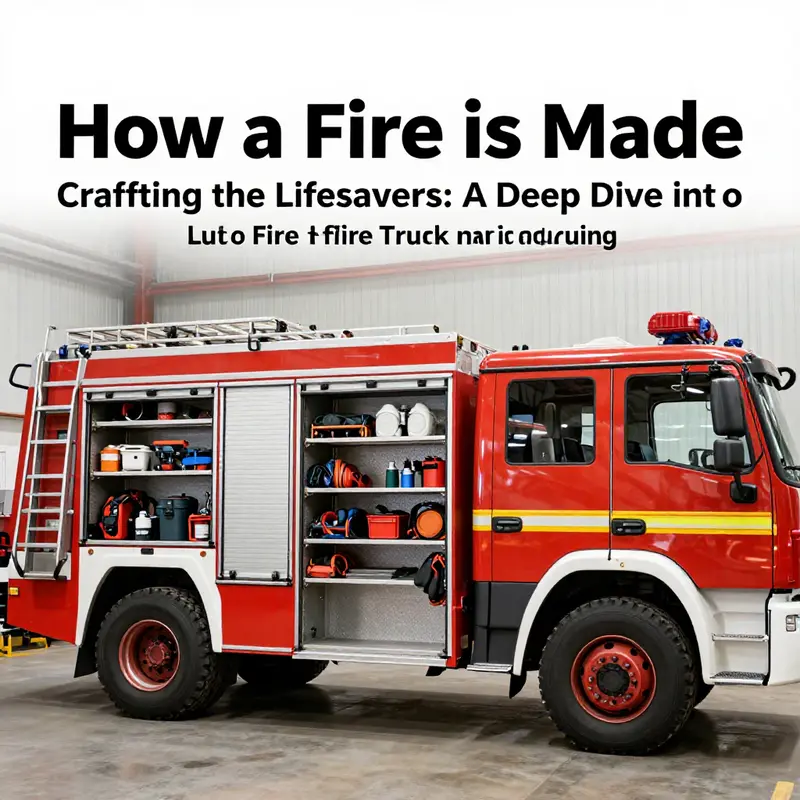
The internal organization of the fire truck is as critical as its external features. Custom-designed storage compartments and modular racks are integral to the overall planning. These areas are engineered with precision so that hoses, personal protective equipment, medical supplies, and other necessary tools are stored in an orderly fashion. During an emergency, the last thing firefighters need is to waste time searching for equipment. Every screw and preset compartment is designed with ergonomics in mind, ensuring that even under extreme pressure, accessing the required gear is straightforward and immediate. The internal layout is normally subjected to multiple iterations, with engineers and firefighters collaborating to optimize the space for functionality, reliability, and ease of access. This careful consideration of internal space means that the truck becomes a mobile command center where organization and efficiency converge to improve emergency response times.
Another aspect of the fire truck that encapsulates the marriage of design and functionality is the ergonomic cab. The cab is far more than a mere compartment for the driver and crew; it is the command hub from which all operations are coordinated. In the cab, advanced communication systems are integrated alongside control panels, digital instrument clusters, and specialized dashboards. The layout is meticulously planned to minimize the risk of confusing controls during emergencies. Every button, lever, and screen is positioned in a manner that anticipates the user’s needs in high-stress situations. This design minimizes driver fatigue and facilitates rapid decision-making. Moreover, the cab is designed to accommodate both short urban journeys and extended operations in remote areas, ensuring that comfort and safety are never compromised, even when the truck is in continuous motion during a crisis.
Safety and compliance are not just add-ons to the manufacturing process; they are embedded in every stage of the fire truck’s construction. International and national safety standards such as those defined by the American Society of Mechanical Engineers (ASME), the International Organization for Standardization (ISO), and specialized bodies like SGS, Bureau Veritas (BV), and the China Compulsory Certification (CCC) are rigorously followed. These standards ensure that practical design and structural integrity go hand in hand. Testing is conducted under extreme scenarios to verify that every component—from the smallest screw to the largest pump element—performs reliably under stress. The regulations demand thorough testing and verification, and many fire trucks are also built to meet newer standards set forth by organizations such as the Standards Organisation of Nigeria (SONCAP), which highlights the global importance of these vehicles. Through adherence to these controlled standards, the design process creates a vehicle that is effectively battle-tested, with every component working together to form a cohesive, life-saving apparatus.
One of the most innovative aspects of modern fire truck design is the ability to customize the apparatus to fit the unique needs of different environments. Fire departments operating in urban areas often face challenges such as multi-story buildings and congested traffic, necessitating the use of aerial ladder trucks that provide rapid access to upper floors. In contrast, rural or wildland departments typically require trucks with off-road capabilities, larger water tanks, and robust four-wheel-drive systems to tackle fires in remote or rugged terrains. These customization options ensure that whether a truck is deployed in a bustling city or a sprawling countryside, its design is tuned to the prevailing safety and operational demands of that particular environment. The focus remains on achieving the proper balance of vehicle agility, equipment capacity, and overall performance—a combination that guarantees optimal utility and cost-effectiveness while simultaneously upholding stringent safety measures.
Even though each individual element of the fire truck—the engine, pump system, aerial ladder placement, integrated accessories, compartmentalized storage, and ergonomic cab—is designed with clear functionality in mind, the overarching process is one of seamless integration. Every design decision influences another, resulting in an apparatus where every component is interdependent. This harmonious integration is the result of an iterative design process in which feedback from firefighters, engineers, and safety experts is continuously evaluated. The synergy between parts ensures that when a fire truck embarks on its mission, its performance is more than the sum of its individual elements. This is particularly apparent during high-pressure moments where the delay of even a single component can compromise the effectiveness of a firefighting operation. The iterative design process, accentuated by rapid prototyping and field testing, yields a robust and reliable vehicle capable of operating in the most challenging conditions.
The sophistication of modern fire truck design is further underscored by the integration of digital diagnostic systems and real-time communication technologies. Embedded within the truck’s electronic architecture are sensors and feedback loops that constantly monitor system performance. This network of digital monitors ensures that any deviation from normal operating conditions is instantly flagged, prompting the driver or the onboard computer to make rapid adjustments. For instance, if the hydraulic pressure in the pump system momentarily drops, the monitoring system is programmed to automatically recalibrate the flow to maintain the necessary pressure levels. Such technological integrations not only enhance operational effectiveness but also provide an added layer of safety, ensuring that each dispatch is backed by data-driven assurance.
Every detail of the functional design is considered with firefighter safety as the ultimate priority. The vehicle is not just a means of transporting firefighting personnel and equipment but a platform that protects the lives of those on board while they confront emergencies. The materials used in construction, the design of safety harnesses, the strength of the frame, and the redundancy built into the electronic systems all contribute to ensuring that the fire truck is a secure environment. From high-impact crash resistance to advanced fire suppression systems within its own structure, the truck is designed to withstand hazards, sometimes even facing the same risks as the fires it is tasked with fighting. This unwavering commitment to safety is a recurring theme in every chapter of the fire truck fabrication process.
While the technical aspects are foundational, the human element in emergency response has an equally significant influence on design decisions. The input of experienced firefighters, who have intimate knowledge of the challenges encountered in the field, helps refine the vehicle’s design. These professionals provide valuable insights on factors such as control layout, visibility, ease of access to tools, and real-world maneuverability in unpredictable and dynamic environments. Their lived experiences drive innovations that bridge the gap between theoretical engineering and practical application. By listening to the voices of those who use the equipment daily, manufacturers ensure that every decision is backed by both technical precision and practical necessity.
An essential part of integrating functional design features into a fire truck involves a delicate balance between performance and maintainability. The extensive use of modular components means that if one part needs replacement or repair, it can be swiftly substituted without compromising the entire system’s performance. This design philosophy ensures that fire trucks spend as little time as possible off the road, ready to respond when every moment counts. Modular design also allows for incremental updates, enabling manufacturers to incorporate new technological advancements without needing to overhaul the complete vehicle structure. This approach not only sustains the longevity of fire trucks but also ensures that the apparatus remains at the forefront of innovation in the firefighting industry.
At the intersection of these many engineering marvels lies an unyielding commitment to excellence. Every custom-fabricated panel, every precision-cut hose bracket, and every state-of-the-art pump component is a testament to the dedication of the engineers and designers behind the project. The final product is not just a vehicle; it is a culmination of decades of innovation, rigorous testing, and continuous improvement. In a sense, the modern fire truck is a rolling emblem of technological progress and human ingenuity, designed to confront one of nature’s most formidable forces – fire. The high level of integration between mechanical prowess, digital monitoring, and ergonomic design illustrates the ultimate goal: to maximize operational efficiency while safeguarding those who risk their lives to protect others.
In conclusion, the journey of building a fire truck is a masterclass in functional design. Every aspect of the vehicle—from the foundational chassis and powerful engine to the strategically placed pump systems, airborne ladder mechanisms, and meticulously organized storage solutions—contributes to a single overarching mission: rapid, effective, and safe emergency response. The customization for diverse environments ensures that whether operating amid towering city structures or navigating rugged rural landscapes, the apparatus remains perfectly attuned to the needs of its users. The integration of digital diagnostic systems, advanced communication networks, and modular design principles not only boosts technical performance but also extends the lifecycle of these critical vehicles. Each design element harmonizes with the rest of the system, culminating in a fire truck that is as much a piece of advanced engineering as it is a guardian of public safety.
Any discussion about the functional design of a fire truck must acknowledge the continuous evolution driven by rigorous testing standards and global safety certifications. Compliance with standards such as NFPA 1907 underscores the industry’s commitment to excellence and reliability. These standards serve as benchmarks, ensuring that every apparatus manufactured meets the highest levels of performance and safety. Embracing both cutting-edge innovation and time-honored engineering principles, the modern fire truck stands as a powerful symbol of how technology and tradition blend seamlessly to create a machine designed to save lives. For more detailed technical standards and guidelines that influence every facet of fire truck design, visit the external resource provided by the National Fire Protection Association at https://www.nfpa.org/codes-and-standards/all-codes-and-standards/detail/nfpa-1907.
The result is a vehicle that is a true marvel of modern design—a complex integration where every feature functions not in isolation but as part of a larger ecosystem geared toward one common goal: protecting life and property in the face of unexpected emergencies. The painstaking attention to detail and consistent drive for improvement make it clear that the manufacturing process is an ongoing dialogue between engineers, firefighters, and safety experts. This dialogue ensures that with every new fire truck produced, the standards of performance, reliability, and functionality are raised even higher.
In essence, the creation of a fire truck is a narrative of innovation, precision, and relentless dedication to safety. As designers and manufacturers continue to push the envelope of what is possible, the fire truck evolves into a more sophisticated, intelligent, and capable machine—a true lifeline that stands ready to confront the unpredictable nature of fire. The advanced engineering integrated into every component, the strategic planning of every compartment, and the dynamic design of every tool all converge to define the life-saving potential of a modern fire truck. It is not just a machine; it is a statement of human ingenuity and the unwavering commitment to protect and serve communities around the world.
By understanding the anatomy of functionality in a fire truck, one gains not only an appreciation for the complex blend of engineering and design but also a deeper respect for the men and women who depend on these machines every day. The finished product is more than the sum of its parts—it is a meticulously crafted synthesis of technology, practicality, and care, built to respond to emergencies with speed, precision, and unmatched reliability. This comprehensive and integrated approach ensures that the functional design features incorporated into each fire truck do far more than simply fulfill technical specifications. They embody a commitment to excellence that is vital in safeguarding lives and property in moments when every second counts.
Engineering the Lifeline: Seamless Integration of Advanced Systems in Fire Truck Production
In the world of emergency response, the creation of a fire truck is far more than assembling a means of transport; it is the construction of a mobile lifeline engineered to perform under the most demanding circumstances. At the heart of this process is the art and science of integrating mechanical, hydraulic, electrical, and communication systems into a cohesive unit that meets international safety and operational standards. The journey begins with the essential selection of a robust chassis that forms the backbone of the vehicle, a critical decision shaping the performance and endurance of the final apparatus.
A popular choice in the industry, the HOWO 4X2 chassis, provides a solid, dependable base from which the intricate systems of the fire truck emerge. This chassis is not simply a structure upon which components are mounted; it is the essential skeleton that supports high-capacity pumps, hydraulic mechanisms, and the full range of electrical components that power life-saving features. The chassis must be capable of accommodating different performance requirements, such as the horsepower needed to sustain high-pressure water pumps and the payload capacity required for a fully equipped fire apparatus. It is with this durable foundation that manufacturers begin the delicate task of integrating systems.
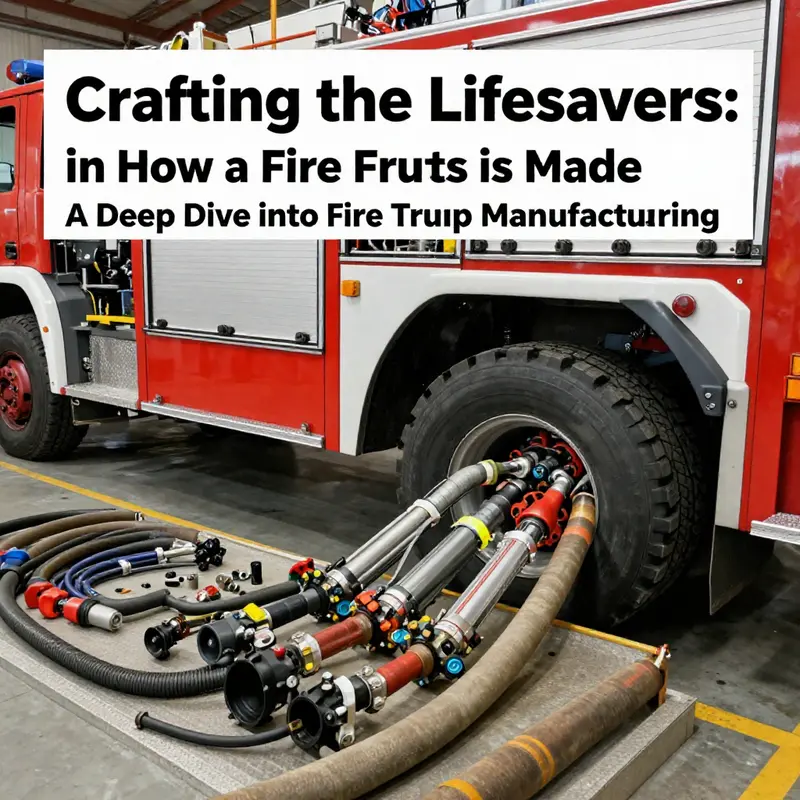
Once the chassis has been carefully chosen to meet critical performance benchmarks, the focus shifts to the assembly of high-capacity pumping systems and hydraulic circuits. These hydraulic systems are not only responsible for the delivery of water but also for deploying equipment such as extendable ladders and aerial platforms that allow firefighters to navigate complex urban environments and reach heights necessary for rescue operations. Engineers must tune these systems meticulously so that the pump, often loaded with anywhere from 266 horsepower to configurations supporting water capacities measured in cubic meters, functions flawlessly when rapid, powerful action is required during an emergency.
The integration of advanced mechanical systems does not stop at the pump and ladder deployment. A network of electrical circuits is seamlessly woven throughout the fire truck to manage a host of functions integral to operational efficiency and crew safety. Modern fire trucks are essentially mobile command centers. They are equipped with comprehensive lighting systems for both emergency signaling and general illumination, sirens that travel with the vehicle’s rapid response mandate, and onboard radios that allow for immediate and uninterrupted communication between field teams and command centers. All these electrical components must be installed with precision to ensure that, in the critical moments when every second counts, they operate without any technical glitches. The integration of these systems is a delicate balancing act, requiring designers to cater not only to the demands of high-performance firefighting but also to the rigorous standards of international certification bodies.
Safety and compliance are non-negotiable elements in fire truck production. Every integrated system, whether it is the hydraulic mechanism powering the water pump or the intricate wiring behind the emergency lighting, is crafted to meet stringent international standards such as those laid out by the American Society of Mechanical Engineers (ASME), the International Organization for Standardization (ISO), and other regulatory authorities like SGS, BV, CCC, and SONCAP. These organizations ensure that every component of the fire truck is built with structural integrity and reliability at the forefront. Engineers spend countless hours testing and retesting designs under simulated emergency conditions to certify that the integrated systems will perform as expected, even under extreme stress and adverse environmental conditions.
Integral to this rigorous testing is the cooperation between various specialized teams who look at every facet of the integration process. Design engineers, electric system specialists, hydraulic experts, and safety compliance auditors work in an orchestrated manner. Their shared goal is a uniform, reliable machine that not only meets but often exceeds regulatory requirements. Advanced simulation tools and computational models are employed to predict how each subsystem will interact with its surroundings during an emergency. These models help identify potential points of failure and allow engineers to optimize the performance of each integrated component before the fire truck ever leaves the manufacturing floor.
One of the highlights of modern fire truck integration is the synchronization between the electrical and hydraulic systems. For instance, the pump must be able to immediately respond when the operator activates a control lever. Sensors distributed throughout the vehicle continuously monitor fluid pressure, engine performance, and system temperatures. These data points are relayed to an onboard computer that adjusts operations in real time, ensuring that every call to action is met with a precisely calibrated response. This technological harmony means that the fire truck can not only deliver water at high pressures but do so in a manner that protects both the vehicle’s integrity and the safety of its operators.
The integration is most evident when considering the overall operational capabilities of the vehicle during a firefighting mission. The moment the fire truck is dispatched, multiple systems come online in unison. Emergency lights begin their rhythmic strobe, sirens emit a call to attention, and the communication systems ensure that departments at the scene and headquarters remain in continuous contact. All of this is coordinated with the hydraulic and pumping systems standing by, ready to deliver a potent stream of high-pressure water to quench fires before they can spread unchecked. The ability to quickly transition from transit to full operational mode is one of the defining characteristics of modern fire-fighting apparatus. Each component, from the robust chassis to the digital displays tracking system status, has been integrated with the explicit purpose of providing a rapid, reliable response to any crisis.
Moreover, the fire truck’s design takes into account the ergonomic and safety needs of the crew. The control panels used by the firefighters are designed to be intuitive, with layouts that reduce the possibility of operator error. Engineers have integrated warning systems that alert the crew if any system begins to operate outside of its safe parameters. Redundant systems are in place, ensuring that if one component fails, an alternative immediately takes over. This multi-layered approach to safety demonstrates not only the complexity of integrating diverse systems but also the level of meticulous care that goes into every stage of production. Every piece of technology is chosen not for its ability to operate alone but for its capacity to thrive within a broader, interdependent framework that safeguards human life.
The complexity of system integration is also evident in post-production testing phases. Once the assembly of integrated systems is complete, the fire truck is pushed through a gauntlet of controlled tests designed to simulate the harsh realities of firefighting. These tests include rapid deployment drills in simulated fire scenarios, performance evaluations of the pump and hydraulic systems under varying loads, and full-scale safety compliance verifications. The vehicle must demonstrate not only peak performance but a sustained ability to operate under prolonged physical and environmental stress. Manufacturers work closely with testing bodies and certification organizations to ensure that each fire truck is fully compliant with standards such as NFPA 1917, the definitive guide for automotive fire apparatus. For those seeking more comprehensive insights into these testing standards and their implications for system performance, you can review detailed guidelines on the advanced heavy duty fire truck components page.
In addition to physical testing, virtual simulations play a crucial role in optimizing system integration. Advanced software models allow engineers to simulate myriad scenarios, from extreme weather conditions to unpredictable fire spreads. These simulations not only help refine the integrated design but also provide valuable insights into how changes in one subsystem can affect overall vehicle performance. The real-time feedback from these simulations is integrated into the manufacturing process, ensuring that every subsequent fire truck built is an improvement on the last. It is a dynamic process that highlights the impact of continuous innovation and iterative design on the reliability and effectiveness of emergency response vehicles.
Beyond the technological marvel of mechanical assembly and digital integration lies the human element. The manufacturing of a fire truck is a highly collaborative effort, uniting diverse experts from various fields. Communication is the thread that weaves together the efforts of mechanical engineers, electrical technicians, and compliance officers. Regular reviews and cross-disciplinary meetings allow for the rapid identification and resolution of potential issues, ensuring that every integrated component works in concert with the next. This holistic approach is vital because when a fire truck is deployed, the stakes are incredibly high. Every driver, every firefighter counts on the seamless coordination of integrated systems to ensure not only their safety but the safety of the public they serve.
Innovation in the integration process continues to drive the evolution of fire truck manufacturing. As technology advances, new components become available that enhance the potency of firefighting tools. Integration now extends to include digital monitoring systems that offer real-time diagnostics of every subsystem. For example, temperature and pressure monitoring sensors are now commonly embedded within the hydraulic circuits to provide instant alerts if system operation deviates from normal parameters. Similarly, advanced battery management systems ensure that onboard electronics, such as communication devices and emergency lighting, remain fully operational even under adverse conditions. This continuous enhancement of integrated systems is a direct result of the industry’s commitment to safety, efficiency, and reliability.
This modern approach to system integration has a far-reaching impact on both the operational lifespan and the adaptability of fire trucks. Over the course of their service, these vehicles often undergo numerous upgrades and maintenance cycles. The modular design philosophy embraced by many manufacturers ensures that older systems can be replaced or upgraded with minimal disruption to the overall vehicle performance. Whether it is replacing outdated communication modules or upgrading the pump system to cater to new water supply challenges, the integrated design makes it easier to adapt the fire truck to evolving firefighting strategies. This flexibility is crucial in ensuring that fire trucks remain at the forefront of emergency response technology for years to come.
Furthermore, the integration of these systems has broader implications for environmental sustainability and operational cost efficiency. Modern fire trucks are engineered not only to perform at peak efficiency during emergencies but also to minimize fuel consumption and reduce emissions during routine operations. Energy-efficient pumps and optimized engine performance are designed to align with both performance and environmental regulations. Manufacturers use advanced simulation techniques and rigorous testing protocols to ensure that the integration of powertrains and auxiliary systems results in a vehicle that is as sustainable as it is effective. Detailed studies have shown that such efficiencies are not merely beneficial for the environment but also translate to significant cost savings in long-term operational budgets.
The interplay between mechanical precision and digital connectivity is now a hallmark of fire truck engineering. With the advent of the Internet of Things (IoT), many new fire trucks come equipped with connectivity features that allow for remote diagnostics and software updates. These capabilities ensure that the intricate systems integrated during manufacturing continue to perform optimally after the vehicle leaves the factory floor. Remote monitoring systems can alert maintenance teams to issues before they become critical, thus preempting potential system failures during emergencies. This smart integration of connectivity into the overall design underscores a forward-looking philosophy in which the vehicle’s entire lifespan is considered, from first build to its eventual upgrades and maintenance routines.
The precision with which each system is integrated, from robust hydraulic systems powering high-capacity pumps to sensitive electronic controls that govern lighting and communication, demonstrates a deep commitment to excellence in fire truck production. In each phase—beginning with the foundational chassis selection and extending through the integration of digital monitoring and safety features—the process reflects a synergy between technological ingenuity and practical application. It is this harmony that ensures that every fire truck built stands as a dependable guardian, ready to spring into action at a moment’s notice.
In summary, the integration of systems during fire truck manufacturing encapsulates a blend of advanced engineering, comprehensive safety measures, and adaptive technology all designed to support critical emergency responses. This holistic approach not only emphasizes the technical prowess required to bring together disparate subsystems but also highlights the human dedication behind each design decision. Every integrated component, from the sturdy chassis and highly responsive pump system to the intricate network of electronic sensors, is a testament to the dedication and expertise of dedicated professionals working across disciplines. This concerted effort ultimately ensures that the fire truck is not merely a vehicle, but a fully functional mobile command center capable of addressing myriad challenges with unmatched efficiency. For further details and validation of the integrated systems and engineering guidelines, industry professionals often refer to the insights provided by the สมาคมป้องกันอัคคีภัยแห่งชาติ, which offers comprehensive standards that have shaped modern fire truck design.
In the ever-evolving field of emergency services, the integrated systems in fire truck manufacturing represent a continually advancing confluence of technology, safety, and innovation. Each unit that rolls off the assembly line is a culmination of detailed planning, rigorous testing, and iterative refinement—a true masterpiece of engineering designed to safeguard lives and property. As technology advances, future fire trucks will likely incorporate even more sophisticated integrations, including augmented reality for improved situational awareness, enhanced autonomous diagnostics, and perhaps even more refined energy management systems. The commitment to excellence seen today lays a strong foundation for the continuous evolution of fire truck technology, ensuring that emergency responders are equipped with the best possible tools in their pursuit of saving lives.
This seamless integration of multiple systems and the conscientious emphasis on safety and reliability encapsulate the impressive scope of modern fire truck production. It is a symphony of carefully harmonized systems, each playing its part to create a resilient, responsive, and indispensable tool for firefighting. As manufacturing techniques and technology continue to advance, the creation of these engineered lifelines is set to reach even greater heights, ensuring that the vehicles of tomorrow will be even more capable of rising to the challenges of an increasingly complex world.
community safety
The manufacturing of fire trucks is a multifaceted process that combines advanced engineering, strict adherence to safety standards, functional design, and careful system integration. For business owners, understanding these elements is crucial in making informed decisions regarding equipment acquisition and operational strategies. In a world where every second counts during emergencies, investing in high-quality fire trucks, produced with meticulous care and attention to detail, can significantly enhance public safety and operational efficiency.

