














Fire hoses come in standardized lengths that balance reach, handling, and compatibility with pumps and couplings. The lengths most common in departments worldwide are 50 feet (15 meters), 66 feet (20 meters), 75 feet (22.5 meters), and 100 feet (30 meters). These aren’t arbitrary. They’re the result of field experience and testing, and they match typical urban, suburban, and some rural layouts.

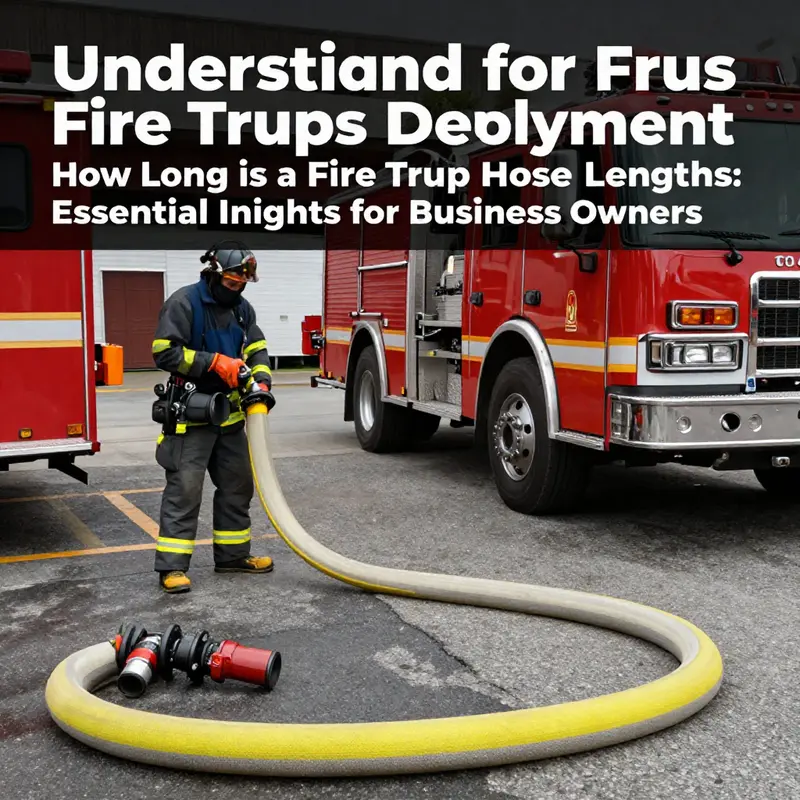
The four standard lengths cover different jobs. A 50-foot line works for close-quarters work in crowded urban settings or when the fire is near a hydrant. A 66-foot length balances reach and weight, a good fit for apartment buildings, town centers, and campuses. The 75-foot length suits larger structures or mixed-use environments where crews need to bridge gaps between hydrants, access points, and the nozzle. The 100-foot length gives the maximum single-run reach for longer corridors, exterior attacks, or remote water sources. In many regions, 100 feet is treated as the default because it reaches most rooms and corridors while staying manageable for a single firefighter to advance under pressure.
Hoses are rarely used in isolation. They’re connected in sections to form a continuous stretch that can be scaled up or down as the scene dictates. Standard lengths make this practical: they’re easy to pair, easy to load, and easy to resize based on the geometry of the fireground, with coupling patterns familiar to every firefighter and compatible with the pumps on the apparatus.
Attack Lines, Supply Lines, and Specialty Hoses
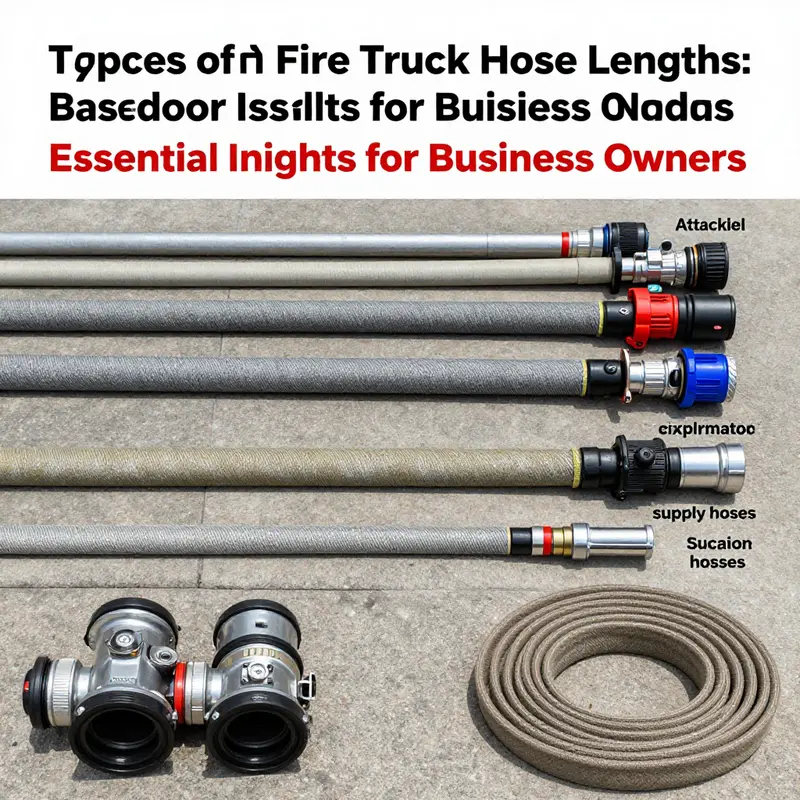
The type of hose matters as much as the length. Attack hoses, used for direct fire suppression, are commonly 50 to 100 feet (15 to 30 meters). Shorter lines improve maneuverability in tight spaces — narrow hallways, stairwells, dense neighborhoods — where a longer hose would kink or drag over debris. Supply hoses, which ferry water from a hydrant to the engine, are typically longer: 100 to 200 feet (30 to 61 meters). In large urban incidents or rural areas with sparse hydrant coverage, longer supply lines bridge gaps and reduce the need to reposition the engine. Specialty hoses round out the mix. Booster hoses, around 30 to 50 feet, are used for vehicle fires and small structure fires where higher pressure and smaller diameter deliver targeted cooling. Longer extensions, up to 150 feet or more, come into play when the distance to a hydrant is substantial, when reaching upper floors via standpipe systems in high-rise buildings, or when bridging gaps in sprawling layouts.
Why Length Matters: Friction Loss
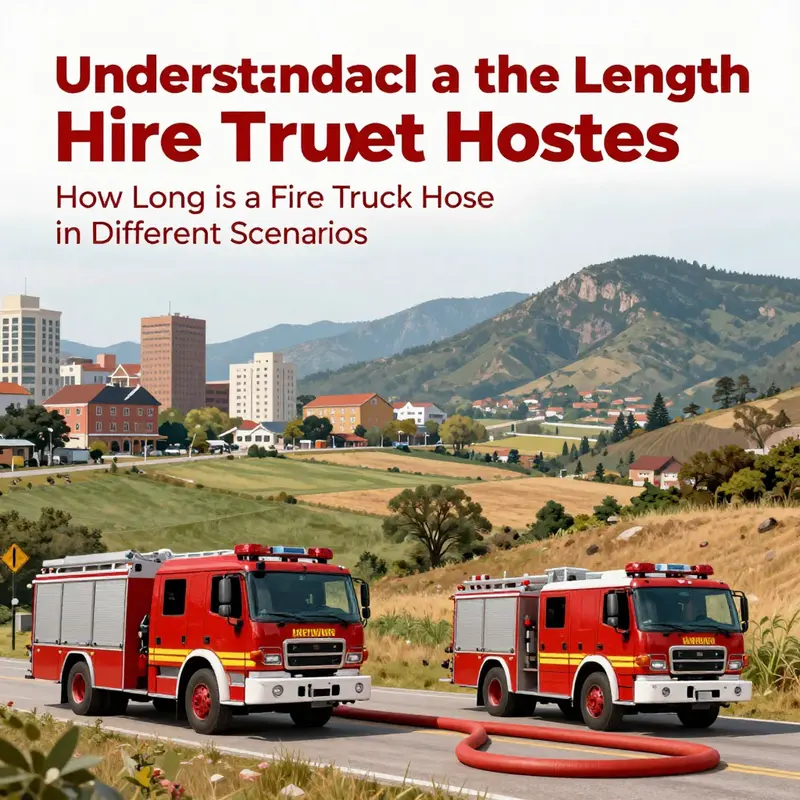
Length isn’t just about reach. Water pushed through a hose loses pressure to friction — a function of hose diameter, material, water velocity, and length. A longer run demands higher initial pump pressure to overcome friction and gravity while still delivering an effective flow at the nozzle. Firefighters learn to anticipate this through training and pre-planned layouts. They know a longer hose isn’t simply “more water”; it’s water delivered at a pressure that must stay within safe operating ranges to keep the nozzle team effective and the apparatus within its rated performance. Diameter and working pressure interact with length: a larger diameter carries more water but adds weight, while friction grows with length and affects nozzle pressure.
Specialized Environments
Some environments need longer tools. Marine firefighting often requires hoses in the range of 40 to 60 meters. Ships, docks, and ports create vertical and horizontal barriers, uncertain access points, and wide areas to cover with a single steady stream, so crews rely on longer runs.
Standards and Maintenance
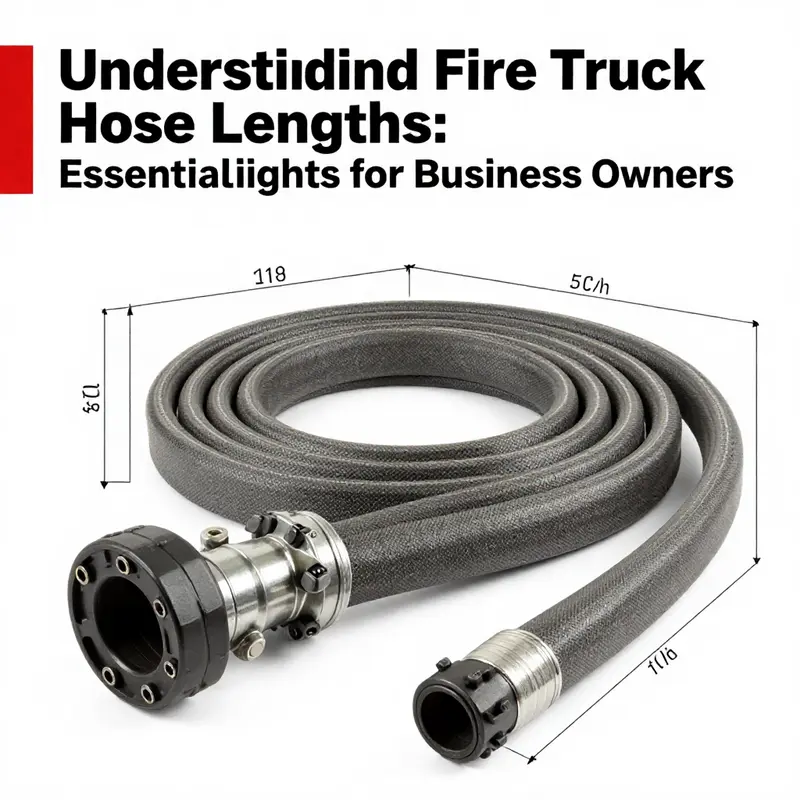
Compatibility is a key part of standardization. Hose lengths are designed to work with the common couplings, pumps, and fittings on modern apparatus, so a given length connects cleanly and the same couplings mate with supply lines. This reduces misconnections that could cause leaks, delays, or pressure drops, and it simplifies maintenance, inspection, and training. The NFPA 1961 Standard for Fire Hose and Fittings outlines the performance, testing, and rating expectations for modern firefighting equipment.
Regular maintenance reinforces the value of standardization. Hose assemblies should be checked for wear, leaks, and kinking; couplings inspected for integrity and proper threading. Careful loading and staging preserve ease of deployment and predictable friction losses over time.
For the official standards, see the NFPA 1961 Standard for Fire Hose and Fittings. For hose specifications and testing standards, see Fire Engineering’s fire hose specifications และ NFPA.