
















The integration of fire trucks and ambulances in emergency responses is a critical aspect of public safety that often goes unnoticed. This collaboration stems from a well-coordinated emergency response system that prioritizes the rapid deployment of essential resources during medical emergencies. Fire departments are not only equipped to extinguish fires but also to provide immediate medical care due to their dual training and equipment capabilities. As we delve into this article, we will uncover the various elements that contribute to the presence of fire trucks at medical incidents, including their advanced medical training, specialized equipment, and contributions to enhancing patient outcomes. In doing so, we will illustrate how this integration ultimately ensures a more effective emergency response system that can save lives.
The Integrated Safety Net: Why Fire Trucks Show Up with Ambulances and How It Elevates Emergency Care
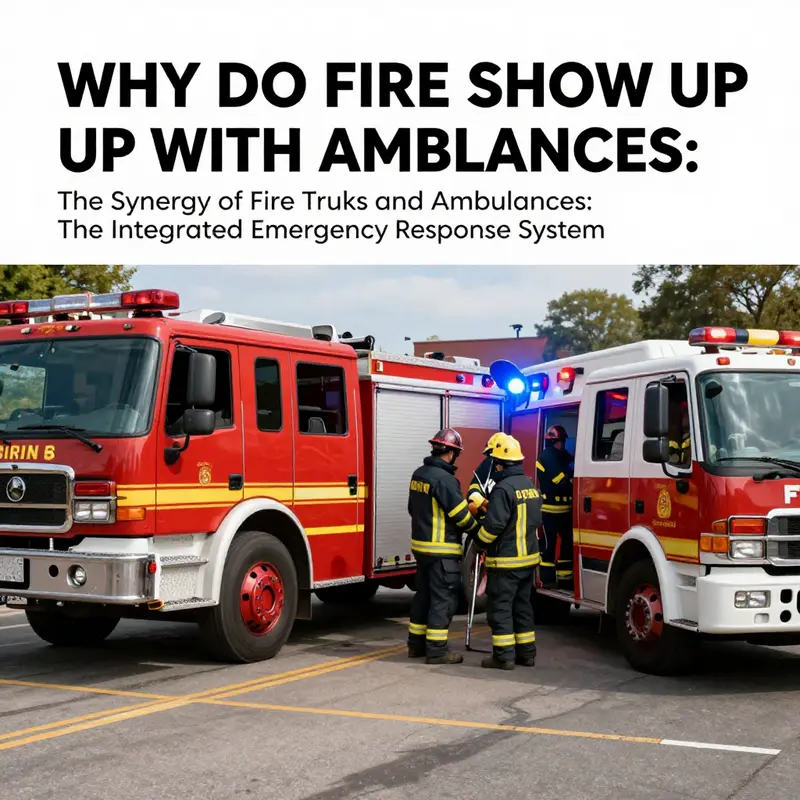
When a medical emergency begins, the first minutes often decide the outcome. Fire alarms cut through the noise of a city street, and responders arrive not as isolated entities but as a coordinated team that activates a built-in safety network. In many communities, fire trucks are not merely backups for flames; they are essential components of an integrated emergency response system designed to deliver rapid, comprehensive care. This arrangement rests on two pillars: the breadth of training that firefighters bring to a scene and the strategic placement of fire units to ensure speed. Firefighters are trained as first responders with a spectrum of medical skills that span basic life support and advanced life support. They perform CPR, deploy automated external defibrillators, manage airways, and control hemorrhage, all while waiting for the ambulance to complete its own crucial tasks. The result is a scene in which life-saving actions can begin the moment the crew reaches the patient, not after a patient has waited for an ambulance to arrive. The presence of a fire company on scene expands the window during which those critical interventions can occur, a factor that matters most in time-sensitive emergencies such as sudden cardiac arrest or severe trauma. The impact of this early intervention is not just intuitive; it is measurable in improved patient outcomes when every second counts. The fire truck, then, is not a redundant unit but a densely equipped, on-the-ground lifeline that accelerates the tempo of care and buys precious minutes for definitive treatment to take hold.
The breadth of equipment on a typical fire response further reinforces the value of this dual response. Fire trucks carry a suite of medical tools that enables responders to act decisively. Automated external defibrillators are standard, ready to deliver a life-saving shock if a rhythm crisis arises. Oxygen supplies, airway management devices, suction apparatus, and trauma kits are part of the standard toolkit, allowing responders to stabilize breathing and circulation even before transport begins. This is complemented by the ability to perform extrication if a patient’s condition intersects with a structural event or vehicle incident, a capability that, while sometimes ancillary to medical calls, remains essential on scenes where the lines between medical crisis and physical entrapment blur. In practice, the crew’s on-scene actions often complement the EMS crew’s transport-oriented care, creating a seamless continuum from first response to definitive treatment. The combined force of medical intervention, airway control, and rapid stabilization helps secure outcomes that neither unit could guarantee alone.
Beyond the mechanical and clinical advantages, there is a tactical dimension to the integrated approach that hinges on proximity and dispatch practices. Firestations are densely distributed across many jurisdictions, a pattern shaped by urban design, population density, and historical infrastructure. When a 911 call is answered, dispatchers evaluate proximity, traffic, and unit availability to assemble a package that maximizes speed and efficiency. This means that, in many cases, a fire engine or ladder truck is already rolling within minutes of the initial call, sometimes arriving before the ambulance. The operational philosophy here is not to triage by type of emergency but by the likelihood of needing immediate care and rapid access to equipment. In this way, the system reduces the delay between recognition of a medical crisis and the administration of life-saving measures. The combined arrival of fire and EMS units often sets the stage for a controlled, organized response on the ground, with roles and responsibilities clearly defined from the moment the doors swing open and the lamps begin to flash.
An important, sometimes overlooked element is how this integrated approach simplifies and strengthens on-scene decision making. On many calls, the firefighter-paramedics and EMS providers communicate in a shared operational language, with a common understanding of priorities: airway, breathing, circulation, and scene safety. The fire truck’s crew can assume the lead on stabilization tasks while the ambulance team focuses on transport preparations, or they collaborate synchronously, depending on the patient’s condition and the on-scene dynamics. This collaborative rhythm reduces the cognitive load on any single responder and minimizes the potential for miscommunication in high-stress moments. The end result is not merely faster intervention; it is a more reliable, cohesive chain of actions that moves from recognition to stabilization to transport with fewer interruptions and clearer accountability.
Public safety is also reinforced by the dual-purpose capacity of many fire departments. Fire services are inherently multi-hazard by design, capable of addressing fires, vehicle extrications, hazardous materials incidents, and medical emergencies within the same operational framework. This convergence is not a contradiction but a strategic alignment. The same personnel trained in life support can be deployed across a broad spectrum of emergencies, and the same equipment can serve multiple purposes, depending on the incident. This flexibility yields a resilient response network that can adapt to shifting conditions—such as a sudden surge in calls or a complex scene that demands additional manpower and specialized tools. The public benefits from a system that blends speed with skill and from a department that can leverage its diverse capabilities to keep the focus on life safety rather than the silos of separate agencies.
The practical implications of this integrated model extend into the on-scene workflow and the patient’s journey after the initial rescue. On a medical call, handoffs are as important as the initial care. The presence of the fire truck does not replace the ambulance; it complements it. The paramedics or EMTs aboard the ambulance often assume transport and definitive care responsibilities, while the fire crew remains engaged in continuing stabilization, scene safety, and, when necessary, rapid extrication or space management that enables a smoother transport process. The overall effect is a streamlined transition from on-scene stabilization to the hospital handoff, with less delay in getting the patient to advanced care and more confidence in the continuity of care across the continuum. In practice, this means shorter times to critical interventions and a more robust first-contact response that visibly strengthens the reliability of emergency medical services in communities large and small.
For readers curious about the broader scope of equipment and assets that support such a response, consider the Emergency Rescue Vehicle catalog, which reflects how fire service assets are organized to meet varied emergency needs. The integration of these resources on a single incident illustrates how a well-structured ecosystem can shorten the arc from emergency recognition to life-saving action. This approach is not about replacing EMS capacity with firefighting resources; it is about harmonizing strengths to ensure every patient receives timely, skilled care from the moment responders arrive. When the sirens finally settle and the patient is en route to the hospital, the on-scene coordination that began with the first responders continues in the ambulance, but the foundation was laid in those first minutes by a team that arrived ready to act.
The value of this integrated response is echoed in professional guidance and public safety analyses, which highlight the importance of rapid access to life-saving interventions, the synergy of trained personnel, and the strategic deployment of equipment. The overarching objective remains clear: to safeguard life by reducing delays, maximizing the effectiveness of care, and ensuring that the strongest possible safety net is in place for every call. This is the core rationale behind why fire trucks show up with ambulances—and it is the thread that connects the immediate instincts of first responders with the longer arc of patient outcomes and community resilience.
External resource: https://www.nfpa.org/News-and-Research/Publications/Articles/Why-fire-trucks-respond-to-medical-calls
Fire Engines and EMS: A Shared Mission for Emergency Medical Care
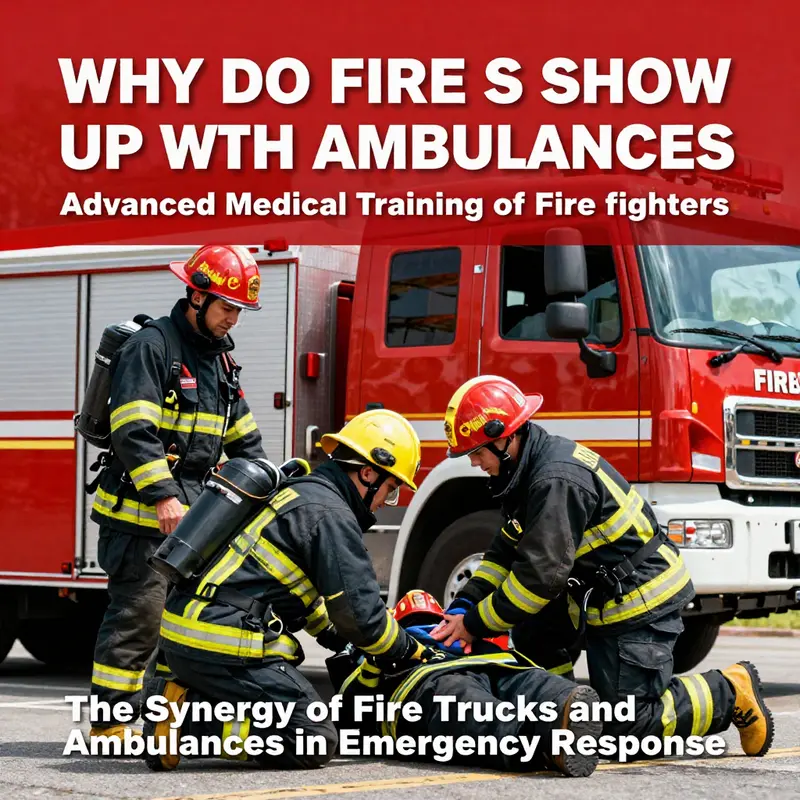
Across many communities, the sight of a fire engine arriving with an ambulance is part of a deliberate, integrated strategy for rapid medical response. The engine acts as a mobile first-aid platform, enabling rapid scene assessment, bleeding control, airway management, and early CPR while the ambulance crew prepares transport and definitive care. Firefighters, often trained as paramedics or EMTs, bring BLS and ACLS skills to the scene, allowing for immediate interventions that can save lives before hospital care is available. AEDs, oxygen, airway tools, and trauma equipment are standard on many engines, expanding the team’s capacity to stabilize patients quickly. The on-scene advantage comes not only from equipment but also from personnel who can perform parallel tasks—stabilization, medication administration under protocol, and rapid transfer readiness—so that care continues without pause between responders. On difficult extrications or in hazardous environments, the fire crew’s expertise in patient movement and safety ensures the patient can be moved without compromising stability. This collaboration creates a smoother handoff to EMS and a faster pathway to definitive treatment, reducing delays in time-sensitive conditions. Dispatch and on-scene coordination emphasize parallel workflows, with the engine providing speed and reach and the ambulance delivering specialized medical care and transport. The overall result is a more agile, resilient emergency response that treats medical calls with the same urgency as fires or crashes. While challenges exist—maintaining training, balancing budgets, and ensuring consistent interagency protocols—the split-second decisions made on-scene can dramatically affect outcomes. In sum, the combined capabilities of engine crews and ambulance teams exemplify a modern public-safety model: a coordinated system that prioritizes speed, skill, and seamless continuity of care from collapse to hospital.
When Every Second Counts: How Fire Apparatus Elevates Medical Response through Specialized Equipment
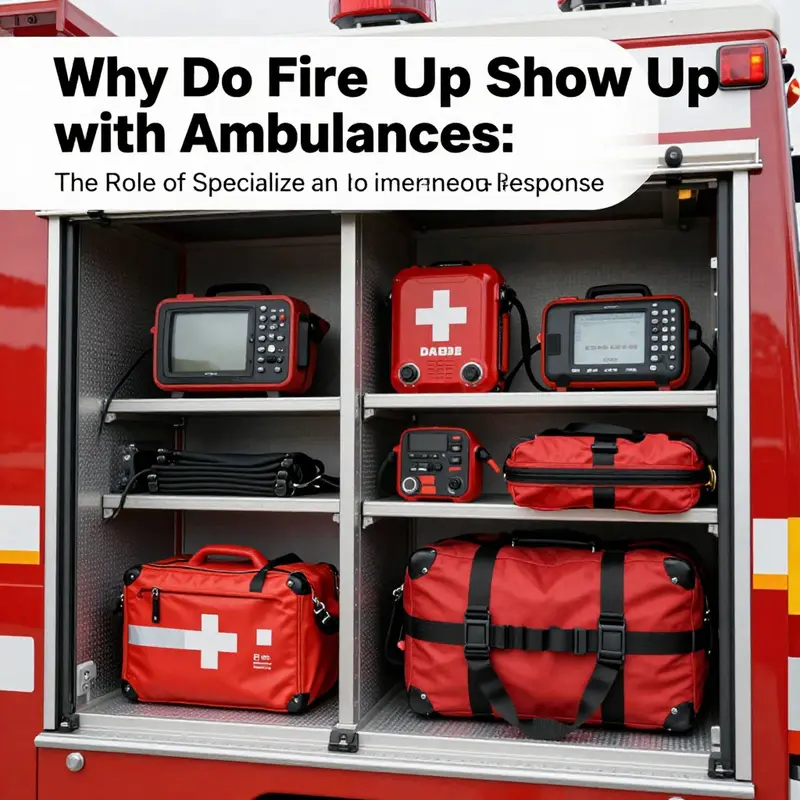
When a medical emergency unfolds, the first thought for many people is a siren-laden ambulance racing to a scene. Yet in countless communities, a fire truck arrives alongside the ambulance, not as a competing responder but as a critical multiplier of life-saving capacity. This collaboration rests on a pragmatic understanding of the emergency landscape: medical calls often come with unknowns, time pressure, and potential hazards that can quickly escalate. Fire departments, with their integrated emergency response systems, are poised to deploy not only medical care but also specialized capabilities that broaden the scope of what responders can accomplish in the crucial minutes before patients reach a hospital. In practice, the fire engine or ladder truck arrives carrying more hands, more equipment, and a different kind of preparation for scene management. The result is a smoother transition from the moment of dispatch to the delivery of definitive care on scene and during transport, reducing delays and increasing the odds of positive outcomes for patients who are most vulnerable when seconds slip away. The logic behind this joint appearance is not merely about redundancy; it is about complementarity. Firefighters are trained as first responders with medical skills that can bridge the gap between the onset of a crisis and the arrival of advanced care. In many departments, these firefighters hold EMT or paramedic certifications, enabling them to provide life-saving interventions such as CPR, defibrillation, airway management, and the administration of certain medications. The presence of trained personnel on scene means that critical actions can begin immediately, not after a number of phone calls and coordination steps have been completed. This is especially important in events where the patient’s condition can deteriorate rapidly—cardiac arrests, severe trauma, or airway compromise—and where every second saved in initiating care translates into better chances of recovery. The coordination of a fire truck and an ambulance on a single call is a reflection of an adaptive, flexible public safety framework. Dispatch centers assess the specifics of a call, predict potential complications, and mobilize a bundle of assets that is more likely to match the evolving needs of the incident. Fire apparatus contribute more than manpower; they bring a breadth of equipment that is tailored for different contingencies within a single scene. The standard medical toolkit on board—defibrillators, oxygen delivery systems, airway devices, vascular access supplies, and trauma care materials—forms a robust foundation. But the true value emerges when these tools are deployed in concert with the fire service’s broader capabilities. Firefighters can help stabilize a scene by removing hazards, establishing a safe zone, and performing patient extrication if a vehicle or structure is involved. The ability to perform controlled rescues requires not only physical strength but also specialized devices designed to gain access to patients in compromised environments. In this sense, the fire truck acts as a force multiplier. It brings hydraulic or mechanical rescue tools that can gently widen a crushed doorway, lift a collapsed beam, or carefully reposition a patient without causing further injury. It is essential to emphasize that this is not a mere add-on; it is a deliberate integration of capabilities aimed at preserving life and reducing harm. In situations involving trauma or entrapment, the ambulance crew relies on the firefighters to manage the scene, safeguard the patient, and begin trauma stabilization while transport logistics are arranged. This dual role is particularly evident in car crashes, industrial accidents, or incidents where structural integrity is compromised by fire or smoke. Firefighters can also contribute to medical care through ventilation and airway management during transfer, especially in environments where smoke, fumes, or crowded spaces complicate breathing. They may operate portable ventilation equipment, assist with oxygen therapy, and support airway control at the patient’s side until the patient can be transferred to a hospital setting. The collaboration extends beyond immediate care; it encompasses the rapid securing of a safe path to care, the coordination of traffic and access around the scene, and the ability to initiate care while awaiting further resources. In planning terms, this approach reflects a sophisticated understanding of risk management in public safety. When a single incident can involve multiple hazards—fire, structural collapse, hazardous materials, and medical distress—the optimal response requests a mix of expertise and tools. Fire apparatus bring not just medical devices but also specialized equipment for high-stakes scenarios. Ventilation tools help manage smoke in internal scenes, which can protect both patients and responders. High-pressure water pumps might be deployed in hazardous material situations to control leaks or heat sources without exposing patients to additional danger. Rescue stair systems, lighting, and portable power supplies extend the reach of responders into less accessible areas. The net effect is a more resilient on-scene operation that can adapt to the incident’s unfolding reality. This model also supports a more humane and efficient patient experience. With firefighters present, paramedics can focus on delivering care with a stabilized environment, while additional hands assist with patient handling, equipment transfers, or managing crowds. For patients, this often translates to less movement, quicker access to care, and more stable conditions during the critical minutes before hospital care begins. Importantly, the synergy is not about supplanting the ambulance; it is about strengthening it. The ambulance delivers advanced medical interventions and rapid transport, while the fire apparatus contributes a spectrum of scene support and technical rescue capabilities. The resulting synergy improves scene safety and patient protection and enhances the likelihood that life-saving measures are initiated promptly and sustained throughout transport. Organizations dedicated to advancing public safety emphasize this integrated approach. The underlying rationale is simple: optimizing resource use in time-sensitive emergencies requires a well-coordinated team with varied but complementary tools. When fire departments deploy alongside ambulances, the chain of care extends from the first moment responders arrive to the moment a patient is admitted into a hospital setting. It is this continuity of care—supported by equipment, training, and disciplined teamwork—that has helped redefine the speed and effectiveness of urban and rural emergency medical services. For readers seeking a clearer sense of how standards, training, and procedures shape these practices, see the National Fire Protection Association’s overview on why fire trucks respond to medical calls. The article situates the discussion within an evidence-based framework, highlighting how protocols and equipment choices align with the goal of saving lives at the scene. On a practical level, the presence of a fire truck on a medical call also informs community expectations and resource planning. Residents and policymakers benefit when they understand that fire apparatus are not merely “backup” in the event of a fire; they are integral to a flexible, safety-first EMS culture. This awareness can influence funding decisions, training schedules, and mutual-aid agreements that empower fire and EMS departments to scale their response as needed. It also invites thoughtful questions about the kinds of equipment carried on different trucks and how dispatchers decide which units to send for a given incident. A meaningful thread running through these considerations is the importance of staying adaptable—recognizing that medical emergencies are rarely uniform and that a scene can shift from medical distress to a rescue operation in moments. The ability to anticipate, to deploy the right blend of tools, and to coordinate teamwork across disciplines is what elevates a routine call into a coordinated emergency response. For readers who want to explore related equipment and response capabilities in greater depth, the internal reference page on Emergency Rescue Vehicle remains a practical touchpoint for understanding how specialized platforms extend the reach of medical care on the ground. In sum, fire trucks show up with ambulances because doing so expands the range of lifesaving actions available in the crucial minutes after an call originates. The firefighters’ training, coupled with a broad set of rescue, ventilation, and stabilization tools, makes the scene safer for patients and more efficient for paramedics. It is a model of care that treats every emergency as a dynamic event, worth meeting with a ready, adaptable, and well-equipped team. External resources offer further context, reinforcing how standards and field practices support this integrated approach to emergency response.
Coordinated Fire and Medical Response: Why Fire Trucks Arrive with Ambulances and How It Elevates Patient Outcomes
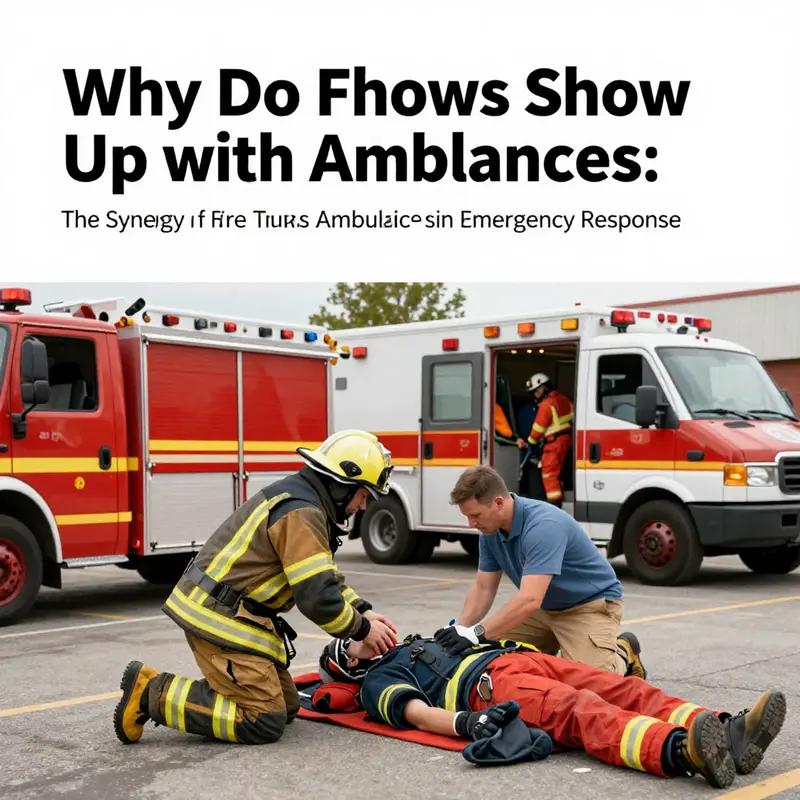
When the wail of sirens cuts through the city or crawls along a rural road, the scene that unfolds is rarely a simple one-to-one handoff between a single emergency crew and a patient. More often, it is a carefully choreographed deployment where a fire truck arrives alongside an ambulance, bringing with it a bundle of capabilities that can shape the entire arc of care from the first moments on scene to the transfer at the hospital doors. This synchronized approach is not a matter of redundancy; it is a strategic design woven into the fabric of many emergency response systems. It recognizes that time is not merely a clock but a patient’s most unpredictable element, and that the best outcomes often hinge on the rapid convergence of skilled personnel, specialized equipment, and a plan that evolves as the situation develops.
At the heart of this practice is the recognition that firefighters are trained as first responders who can begin life-saving interventions immediately. Their training encompasses critical skills traditionally associated with medical responders, such as cardiopulmonary resuscitation, airway management, bleeding control, and the use of essential medical devices like automated external defibrillators and oxygen delivery systems. When every second counts, having trained responders on scene who can provide early care reduces the time to first intervention. This is especially consequential in cardiac arrest and severe trauma, where the window for effective treatment narrows quickly. The fire crew’s presence ensures that the most time-sensitive care can be initiated without waiting for additional resources to arrive, a factor that can decisively influence survival and recovery trajectories.
The rapidity of arrival is another pillar supporting the decision to deploy fire apparatus to medical calls. In dense urban environments wrapped in traffic, or in rural landscapes where EMS units may face longer travel times, a fire truck’s access and maneuverability can shave precious minutes off the response. The chassis of a fire truck often allows it to reach tighter spaces, negotiate obstacles, or stabilize a scene in advance of an ambulance. Early stabilization—controlling hazards, securing the scene, and initiating medical care—helps protect both the patient and the provider, creating a safer, more controlled environment for ongoing treatment as the ambulance arrives and takes over the transport.
Beyond speed, the sheer breadth of resources that fire departments bring to a medical incident matters. Fire crews are not only trained in medical care; they also carry a varied toolkit designed for complex, multi-faceted emergencies. This means they can handle airway management, bleeding control, patient stabilization, and the operation of medical devices, while simultaneously offering scene management that is critical when a call involves more than a straightforward medical issue. In scenarios where a patient’s care is complicated by extrication needs, chemical exposure, or structural concerns, the fire crew can stabilize the situation, ensure a safe extraction if needed, and preserve the patient’s condition until the EMS provider can complete assessment and transport. The result is a more cohesive, comprehensive response that reduces the risk of deterioration during the waiting period between first contact and hospital handoff.
This collaborative approach is rooted in the way emergency services structure their operations. When teams train together and operate under shared protocols, the line between medical care and scene safety becomes blurred for the better. Firefighters and EMTs or paramedics communicate with a common language, assign roles with clarity, and synchronize interventions so that care progresses without friction. The integration extends to equipment as well. Fire units bring tools for rapid scene assessment, patient packaging, airway adjuncts, and defibrillation capabilities, alongside the ambulances carrying transport-ready medical therapies. The synergy is especially evident in complex calls, such as vehicle crashes with potential casualties, incidents involving hazardous materials, or collapses where access and stabilization must happen before medical treatment can safely continue.
A commonly cited statistic reinforces how central fire departments have become to pre-hospital care. The National Fire Protection Association notes that a substantial majority of emergency medical calls in the United States are responded to by fire departments. This reality points to a broader conclusion: EMS outcomes are substantially influenced by the presence and readiness of swift, capable responders who are part of a unified system. The division of labor is not about who provides the care, but about ensuring that care arrives fast, is comprehensive, and proceeds through each phase of the incident with continuity. It is this continuity—beginning at the scene and sustaining through transport—that creates the conditions for better patient outcomes, particularly when seconds shave decades off the risk of brain injury, heart damage, or uncontrolled bleeding.
Given this reality, the dual role of many fire services becomes a defining feature of modern emergency response. The ability to deploy a multi-purpose apparatus—capable of rapid intervention, scene control, and patient stabilization—reduces delays that could otherwise jeopardize a patient’s prognosis. It also has ripple effects on the safety and efficiency of the overall operation. When fire crews assume an early stabilization role, paramedics and EMTs can focus more quickly on definitive care, transport decisions, and hospital handoff, knowing the scene has already been made secure and the patient stabilized to the extent possible in the field. This approach does not diminish the ambulance’s purpose; rather, it augments it by ensuring that the field response is holistically aligned with the best interests of the patient.
For those curious about the practical side of these capabilities, the emergency rescue vehicle category provides a concrete window into how these integrated responses are actually assembled in the field. The vehicles designed for dual purposes blend firefighting equipment with medical-ready features, enabling crews to transition smoothly from fire suppression or extrication to patient care when needed. Exploring this category helps illuminate how departments balance training, equipment, and deployment strategies so that every call receives the most appropriate mix of resources as quickly as possible. This understanding is particularly useful for communities evaluating how best to structure their own emergency response, since the model emphasizes readiness, versatility, and seamless collaboration rather than rigid separation between responding units. หมวดหมู่รถกู้ภัยฉุกเฉิน
The broader implications for community safety are meaningful. When a fire department is prepared to respond to medical emergencies with the same immediacy and competence as it does to fires, the system gains robustness. It means that communities benefit from a more reliable safety net—one that is capable of addressing a spectrum of urgent needs with the same urgency and discipline. It also reinforces public trust: residents see that responders arrive ready to manage a cascade of possibilities, from chest compressions to crowd control, from a vehicle crash to a collapsing structure. That trust, in turn, supports faster bystander assistance, better reporting, and stronger adherence to safety protocols by bystanders and clinicians alike. In this light, the presence of fire trucks at EMS scenes is less about redundancy and more about a deliberate design choice that elevates the standard of care from the first moment to the last.
The narrative of why fire trucks show up with ambulances, then, is not a simple explanation of why two vehicles are on scene. It is a story about how emergency response systems are built to anticipate needs, minimize delays, and maximize the likelihood of a favorable outcome for patients under pressure. It is about recognizing that the best-first moments of care—those that can tip the balance toward recovery—often hinge on a fast, well-coordinated joint effort. And it is about a philosophy of service that treats speed, readiness, and collaboration as essential components of public safety, rather than as conveniences. For readers seeking a deeper connection to the evidence base behind these practices, the NFPA provides a clear account of how EMT and fire department responses are organized and evaluated, underscoring the real-world impact of this integrated model on outcomes. External resources follow for those who wish to explore the policy and data shaping these decisions in more detail: https://www.nfpa.org/News-and-Research/Data-research-and-statistics/Prevention-and-education/EMT-and-fire-department-response
Why Do Fire Trucks Show Up with Ambulances: The Science of Rapid, Coordinated Life-Saving Response
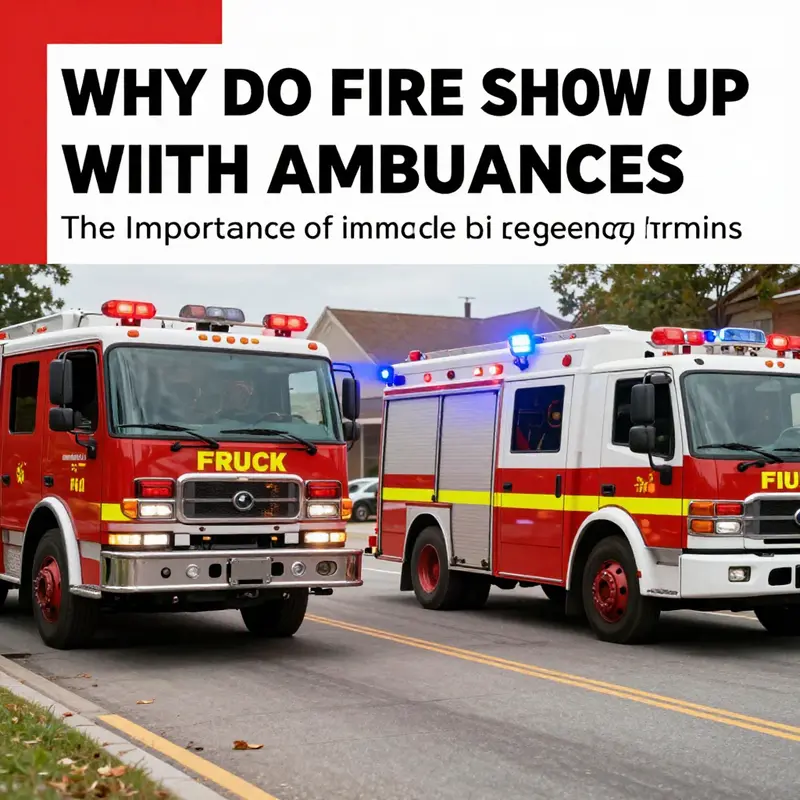
When a 911 call unfolds into a medical emergency, the sight of a fire truck rolling to the scene alongside an ambulance is more than a spectacle of sirens and flashing lights. It is the visible edge of a principled approach to crisis management that treats medical calls as incidents that demand both rapid medical intervention and robust scene management. In many communities, fire departments operate within an integrated emergency response system. This means that fire apparatus are dispatched not only for potential fires but for the broader range of scenarios that could beset a patient in crisis. Firefighters are trained as first responders with essential medical skills, so they can begin life-saving actions before the transport unit arrives. This arrangement ensures there are trained hands and the right tools on the ground at the earliest moment a person’s life may hang in the balance. The first minutes in any life-threatening event are pivotal; every moment without intervention narrows the window for reversing a deadly course. That urgency is reflected in guidelines that emphasize rapid arrival times. The National Fire Protection Association highlights a target where the first emergency unit should reach the scene in roughly four minutes or less in most incidents, underscoring a shared commitment to reducing time to care. This four-minute window is not an abstract benchmark; it translates into life-saving opportunities—earlier chest compressions, earlier defibrillation, earlier access to the patient, and a stronger start to any subsequent medical pathway. In practice, the immediate presence of a fire engine can stabilize a scene, secure hazards, and create a safer environment for the patient and for subsequent responders who will take over care and transport. The effect is cumulative: faster assessment, faster initiation of life support, and a smoother transition to definitive care once the ambulance and its crew join the scene. The integrated model, therefore, is less about redundancy and more about resilience—an on-the-ground capability that blends medical proficiency with the operational tempos of emergency response. It is a system designed for speed, reliability, and adaptability, built to handle whatever turns a medical call may take—from sudden cardiac events to vehicle crashes with potential rescue requirements. While the specifics may vary by jurisdiction, the underlying logic remains steady: when seconds matter, a coordinated team with varied strengths can deliver care with greater velocity and certainty than a single unit operating in isolation. This is the core rationale for why fire trucks show up with ambulances, and it speaks to a broader commitment to patient outcomes and community safety. The emphasis is not merely on transport but on on-scene stabilization, immediate medical interventions, and the seamless handoff to dedicated medical personnel as soon as they arrive. It is, in essence, a proactive and integrated approach to care that recognizes emergencies rarely come neatly labeled as “medical” or “fire”; they demand a flexible, multi-resource response that prioritizes life above all else. The result is a more capable, more efficient service for the public, rooted in the practical realities of urban and rural environments alike. This perspective aligns with the broader ethos of emergency services: to reduce time to critical interventions and to ensure that care begins as close to the moment of injury or illness as possible. A patient who receives early oxygen, airway support, and rapid defibrillation is more likely to survive and recover without long-term complications, and the scene is better controlled for safety and coordination. As communities continue to evolve, so too will the tactics, equipment, and training that support these joint responses. The goal remains steadfast: to preserve life, minimize harm, and provide a bridge to definitive care that begins the moment responders arrive on the scene. To imagine the hardware behind this teamwork, consider the Emergency Rescue Vehicle lineup that often accompanies such responses, a versatile complement to the ambulance and the crew that arrive together to stabilize, extricate if needed, and secure the patient’s airway and breathing while transport plans are set in motion. Emergency Rescue Vehicle. This visible collaboration embodies a culture of readiness that treats every moment as an opportunity to intervene, safeguard, and preserve life. The practical reality is simple: more trained personnel, more specialized equipment, and a disciplined, coordinated approach translate into better outcomes on the ground. When paramedics arrive, they continue the care started by firefighters and EMS teams, ensuring a continuous chain of medical attention from the moment the call is answered to the moment the patient reaches a definitive care setting. The time saved and the transitional efficiency achieved by this model can be the difference between a patient who stabilizes quickly and one who endures a more arduous recovery. The synergy also extends beyond the medical interventions themselves. Fire units bring scene control, hazard assessment, and sometimes extrication capabilities that may be necessary even in medical calls. A vehicle crash, a collapsed structure, or a patient trapped by debris can all complicate what begins as a medical emergency. In such cases, the fire company’s role extends from first aid to full-scene management, ensuring that the environment remains safe for both patients and responders while the ambulance crew concentrates on definitive medical care. This integrated approach reflects careful planning, cross-training, and the continual refinement of protocols that govern how responders work together under pressure. It is a system built on trust, practice, and shared expectations for speed and quality of care. For the patient at the center of every call, this means more than speed; it means a dependable, well-coordinated effort that begins the moment responders arrive and continues through stabilization, transport, and handoff. The ambulance carries the baton of definitive care, but it runs a leg of the relay with a partner that brings immediate life-saving actions, safety oversight, and the capacity to manage evolving scenes. This is the practical heart of the integrated response: a unified front that respects the complexities of real-world emergencies and delivers care with both urgency and precision. For readers who want to explore the practical dimension of the vehicles involved in such teams, consider the Emergency Rescue Vehicle category as a window into the kind of equipment that often works in tandem with ambulances to protect life on the street. See the linked page above for a sense of how these specialized units fit into the broader system of public safety resources. In sum, the reason fire trucks show up with ambulances rests on a straightforward appraisal of risk and reward: more hands, more tools, and more capability at the moment a patient needs it most. The integration accelerates care, reduces on-scene delays, and supports a smoother transition to definitive medical treatment. It is a model built on training, coordination, and the shared intention to save lives when every second counts. External = For a deeper dive into training standards and the rationale behind these protocols, see NFPA. https://www.nfpa.org.
community safety
Understanding the collaboration between fire trucks and ambulances in emergency responses reveals a layered approach to public safety. The integrated emergency response system not only emphasizes the advanced medical training of firefighters but also highlights the significant role specialized equipment plays in patient care. By responding swiftly and effectively, fire departments can dramatically enhance patient outcomes and optimize resources. This alliance ultimately underscores the importance of combining efforts in medical emergencies to ensure that help is available when it’s critically needed.

