
















Firefighting is an inherently demanding profession, often requiring swift action in high-pressure and extreme environments. As the climate changes and the conditions at incident sites grow increasingly harsh, the need for comfort and equipment that supports firefighter performance has become paramount. One such key feature in modern fire trucks is air conditioning (AC), which aids in maintaining a safe and effective operational environment. This article delves into the presence of AC in fire trucks by exploring the latest innovations, understanding its significance for firefighters’ safety and performance, and considering budget implications for fire departments. Each chapter offers valuable insights for business owners contemplating the implications of these features in the firefighting sector.
Cooling the Front Lines: Do Fire Trucks Really Have AC and Why It Shapes Modern Response
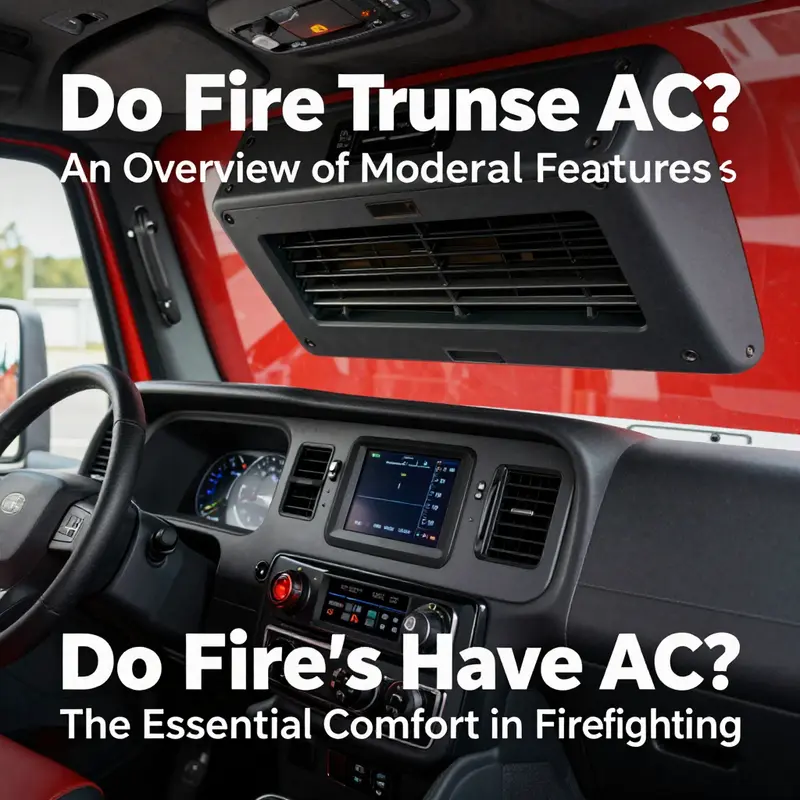
When a fire truck answers a call, the scene outside is a test of heat, urgency, and evolving risk. Inside the cab, the environment matters just as much as the equipment mounted on the exterior. Firefighters spend long minutes in a space built to protect them from smoke, heat, and noise while they coordinate steps that could determine a life saved or a life lost. In past decades, cab climate control was often a luxury or a compromise, something afforded by newer fleets or better-funded departments. Today, however, air conditioning and integrated climate systems have become a defining feature of modern fire apparatus. They aren’t merely comforts; they are operational requirements that support vigilance, decision-making, and the physical resilience needed to sustain performance over long shifts, in scorching climates, and through the fatigue that follows heavy exertion. The trend toward better climate control tracks with the demands of contemporary firefighting, where crews face not only flames but also the cumulative heat stress of multiple emergency responses in a single shift and the harsh conditions of urban canyons, tunnels, or hot rural terrains.
Modern climate control in fire trucks rests on more than a single knob for cooling. It encompasses a suite of systems designed to manage temperature, air quality, and comfort for every seat and every seatmate. Central to this is the HVAC system, which provides heating, ventilation, and cooling, but the way these components function in a firefighting cab is specialized. A dual-zone configuration is increasingly common, enabling the driver and the crew commander to set distinct climates in different portions of the cab. This matters because roles within the front console demand different tolerances for heat and drafts. The driver may prefer a steady cool environment to maintain alertness on long drives, while a fellow firefighter in the jump seat who has just endured a grueling stretch may need quick, targeted cooling to recover after a physically taxing call. The benefit is not simply comfort; it is a practical approach to preventing heat-related fatigue that can dull situational awareness at critical moments. When time is tight and decisions are rapid, the reliability of human cognition often hinges on staying within a safe thermal envelope. In this context, climate control becomes part of the crew’s safety safeguards.
Ventilation and air quality are another essential pillar of cab climate control. Integrated ventilation systems help move air through the cabin, exchanging stale, heated air for cooler air, and expelling smoke and fumes that can infiltrate the vehicle when doors open at the scene or when equipment is being used near smoke-rich environments. In practice, this means the cab may feature a controlled intake that draws in fresh air while filtering particulates. The filtration aspect matters for firefighters who operate in environments where smoke particles linger in the cab after wildland or structure incidents. A high-efficiency particulate air filter can reduce the burden of inhaled contaminants, supporting lung health and reducing the likelihood of irritation that could compromise breathing or concentration during a critical maneuver. The net effect is a cab that is not just cooler, but cleaner and more breathable, which helps crews stay focused on tasks such as locating a hot spot, coordinating a rescue, or maintaining radio discipline in a chaotic scene.
The presence of an effective climate system also intersects with the longevity and reliability of sensitive equipment housed inside the cab. Modern fire apparatus carry sophisticated electronics—from communications gear to navigation displays and pump controls—that rely on stable ambient temperatures to function accurately. When heat spikes inside a cab, electronic components can overheat, leading to warnings, slower response times, or even failures at a moment when every second counts. A well-regulated interior climate helps maintain the performance envelope of these devices, ensuring that dashboards stay legible, controllers respond smoothly, and the crew’s data streams remain uninterrupted. This is not a cosmetic enhancement; it is a design choice that recognizes the interdependence between human operators and the machine realm they command.
The shift toward climate-controlled cabs also reflects the realities of urban and regional climates. In arid zones, cabs can become oven-like after long drives under blazing sun; in humid or coastal regions, heat and moisture amplify discomfort and contribute to glare on screens and fatigue. In tunnels or between tall buildings, idling engines can keep ambient temperatures unnervingly high. In all these settings, a robust climate system helps maintain composure and cognitive sharpness while the crew prepares to deploy water, deploy a ladder, or perform a rescue under pressure. The logic is straightforward: if the human body is overheating, decision-making and communication degrade; if the cab environment supports cooling and air quality, the chance of successful operation rises. After all, firefighting is as much a mental game as a physical one, and climate control is a strategic ally in keeping the team at its best across a shift that might include back-to-back responses.
Not every fleet has identical features, though. The reality is that AC and climate-control capabilities are more common in newer models and in departments with robust budgets or more demanding service environments. Older rigs and budget-constrained fleets may still operate with limited or no cooling in the cab, relying on head and window fans or basic ventilation to push hot air out of the cabin. In some regions, the heat alone can deter extended idling in a warm cab, which influences the crew’s stamina on longer response sequences or during multi-structure incidents. The gap between older and newer apparatus is one of the reasons the topic still comes up in fleet planning discussions: modernization programs, maintenance schedules, and lifecycle management are all tied to how a department prioritizes crew health, safety, and readiness. For those tasked with purchasing or upgrading apparatus, the choice often hinges on balancing upfront cost against the long-term gains in crew performance and equipment reliability. The data coming from recent industry observations suggest a clear direction: climate control is moving from a desirable feature to a core component of effective response design, especially for teams operating in hot climates or facing extended operations.
In describing what climate control actually looks like inside today’s fire trucks, it helps to imagine the cab as a carefully engineered micro-environment. The dual-zone climate control allows for paired but separate regulation of temperature within the same enclosure. This is not merely a comfort feature; it is a safety measure. Firefighters often enter and exit the vehicle rapidly during an active incident, moving between the heat outside and the cooler space inside. A precise, user-friendly interface that makes quick adjustments possible reduces the time needed to restore a comfortable thermal balance, which in turn supports steadier communication and more precise actions. The integrated ventilation helps ensure that when doors open to bring gear in or assess the structural environment, the air quality inside the cab does not collapse. In a worst-case scenario—like a tunnel or an enclosed stairwell—the ability to move air effectively can be the difference between a crew perceiving a hazardous gas plume and maintaining situational awareness.
From a maintenance perspective, the climate system is part of the regular care cycle for any modern fire apparatus. Filters need replacement, ducts require inspection for leaks or blockages, and the cooling circuits demand coolant checks and condensate management, just as any other critical system does. The maintenance of HVAC components is not a separate afterthought but a planned routine that aligns with the broader preventive maintenance schedule that keeps an engine and its pumps ready for service. When a department begins to plan upgrades, a practical approach involves assessing the condition of the cab’s climate components, the availability of replacement parts, and the accessibility of service technicians who understand the unique rig architecture. In this space, tiers of decision-making emerge: the need for reliable climate control must be weighed against the maintenance burden it imposes and the downstream cost implications. For departments that place a premium on crew welfare and long-term reliability, the equation tends toward equipping the newer fleet with robust climate control rather than retrofitting older vehicles piecemeal.
For readers curious about practical procurement pathways or component sourcing, the broader takeaway is that climate control is increasingly integrated into the standard package on modern apparatus. This development aligns with the evolving expectations of firefighting teams whose operational lifespans extend across longer shifts and more complex incidents. The emphasis on dual-zone regulation, effective ventilation, and filtration reflects a comprehensive approach to crew well-being and performance. It is no longer enough to have powerful pumps and durable ladders if the people behind them are showing signs of heat strain or if electronic displays fade under high ambient temperatures. The interior climate becomes a strategic factor in mission success, shaping how crews pace themselves during a response, how accurately they can interpret information in the heat, and how quickly they can transition from emergency operations to recovery and debriefing.
Within this broader context, it is worth noting how ancillary design choices reinforce climate control. Cab insulation, seating materials, and the placement of HVAC components all influence how quickly a space can be cooled and how evenly that cooling spreads through the cabin. Thoughtful interior design can minimize hot spots and reduce the time required to reach an optimal temperature. In turn, this helps crews maintain morale and reduces the cognitive load associated with overheating, enabling clearer radio communication and more precise coordination of hoses, nozzles, and incident strategy. The synergy between human factors engineering and climate control demonstrates why many modern apparatus look and function differently from their older predecessors. It is a confluence of ergonomics, thermodynamics, and system integration, all aimed at preserving the frontline readiness of firefighters. As departments continue to evaluate fleet performance, climate control is increasingly treated as a performance enabler, not merely a comfort feature.
In acknowledging the reality of varied fleets and climates, a practical mindset is to view climate control as part of a continuum rather than a binary yes-or-no feature. Some departments may still operate with minimal cab cooling, yet they invest in other heat-mitigation strategies at incidents, such as rapid crew rotations, cooling vests, or enhanced on-scene hydration protocols. Other departments may prioritize climate systems as a core element of their vehicle design, recognizing that a well-regulated interior supports sustained high performance over long, multi-incident days. The central question is not merely whether a fire truck has air conditioning; it is how climate control integrates with crew safety, equipment reliability, and mission effectiveness. What matters is the degree to which the cab environment supports alertness, reduces fatigue, and maintains the integrity of both human and electronic systems under the duress of field operations. The evidence from current practice and recent industry reporting points to a future in which climate control is a standard, if not universal, expectation across all well-supported fire departments, particularly those that operate in hot or challenging environments.
To connect this discussion back to the everyday realities of procurement and upkeep, consider how crews balance comfort with budget realities. A department may plan a modernization cycle that prioritizes cabs with dual-zone climate control, filtration, and integrated ventilation as a core feature, while still market-testing accessories and maintenance plans that keep the HVAC systems reliable over time. Maintenance teams may track filter replacement intervals, system diagnostics, and airflow performance as key indicators of overall cab health. In the end, the climate inside a fire truck is a shared responsibility—between design engineers who envision a resilient, ergonomic space, manufacturers who deliver robust components, and crews who rely on that space to stay sharp when the alarms ring. The most persuasive argument for climate control is not the luxury of comfort, but the tangible impact on safety, endurance, and the tempo of a successful response. And as the research and practice converge, the story remains clear: modern fire apparatus increasingly use climate control not only to cool air but to sustain the people who depend on it to do dangerous work under extreme pressure.
For readers who want to explore how this facet of vehicle design connects with broader equipment and maintenance ecosystems, a glance at the parts and equipment categories can be illuminating. The components behind climate control—filters, fans, ducts, control units—sit alongside a wide range of parts that crews routinely inspect and replace. This is where the practicalities of governance and maintenance meet the science of thermal comfort. It also underlines the importance of keeping up with spare parts and service capabilities, which can be a practical challenge in some regions. Fire apparatus are asked to perform in every season and every weather, and the climate-control subsystem must be equally dependable across that spectrum. This is why many departments place a high priority on understanding the lifecycle of HVAC components and ensuring a supply chain that supports rapid repairs when needed. In this sense, climate control becomes a bridge between the ergonomic design of a modern cab and the operational realities of high-stakes firefighting.
As you navigate the literature and the showroom floor, remember that the internal climate is a strategic element of crew readiness and incident effectiveness. The evidence from recent industry discussions confirms that climate control is no longer a niche feature but a central attribute of modern fire apparatus. It is a factor that influences everything from driver comfort to the accuracy of on-board instrumentation and the pace at which teams can transition from response to recovery. The integration of dual-zone capabilities, filtration, and ventilation demonstrates a comprehensive approach to making crew environments safer and more manageable under pressure. For readers seeking deeper background, this overview aligns with the broader trend toward climate-conscious design in emergency vehicles, which is discussed in detail in external reporting that surveys a range of features across modern apparatus. See the external resource for a wider lens on how climate control fits into the evolving landscape of fire-truck design and performance: https://www.firerescue1.com/vehicle-equipment/article/23795084/do-fire-trucks-have-ac-an-overview-of-modern-features. To complement this, if you’re looking for parts and maintenance considerations that relate to climate-control components, the fire-truck-parts category can be a practical starting point for understanding the availability of HVAC-related replacements and upgrades: https://cimcfiretruck.com/product-category/fire-truck-parts/.
Why Air Conditioning Matters in Fire Trucks: HVAC, Safety, and Performance
Firefighters spend long hours inside apparatus cabs before, during, and after incidents. Those hours matter. Temperature control in that space affects more than comfort. It affects hydration, decision-making, equipment reliability, and recovery between calls. Modern fire trucks increasingly include heating, ventilation, and air conditioning systems for these exact reasons. But inclusion is not universal. Older rigs and some budget-constrained fleets still operate without full climate control. The trend, however, is clear: departments recognize that controlled cabin environments contribute directly to operational readiness.
A functioning HVAC system reduces heat stress. Heat stress can cause fatigue, dizziness, and slowed reaction times. Those outcomes undermine both safety and effectiveness on the road and at the scene. When crews sit in a hot cab after physical exertion, their bodies have less time to recover before the next response. A cooled cab helps lower core temperature and reduce cardiovascular strain. It also preserves concentration levels while crews navigate streets or monitor incoming dispatch information.
On the other end of the spectrum, reliable heating prevents hypothermia and preserves dexterity in cold climates. Cold hands and stiff joints slow tasks that require precision. Warm cabins help personnel don or adjust protective gear with fewer errors. They also support crew comfort during long standby periods, allowing firefighters to rest and stay alert over extended shifts. For mixed climates, adjustable HVAC systems provide flexibility, offering rapid cooling or heating as conditions change throughout the day.
Beyond human physiology, HVAC systems protect onboard electronics. Modern apparatus rely on navigation units, radios, tablets, and diagnostic displays. Excessive heat accelerates wear and can cause failure in sensitive components. A stable interior climate extends the life span of those systems and reduces the chance of a critical failure at an inconvenient moment. That reliability matters when a commander depends on situational awareness tools to coordinate a multi-unit response.
HVAC systems also influence air quality inside the cab. Filtration reduces dust and particulates from diesel exhaust and outside smoke. In some incidents, smoke can infiltrate the cab during traffic delays or while operating near a fire. Proper ventilation and filtration reduce inhalation of harmful particles. They also lower odors that can cling to clothing and gear, improving crew morale and reducing off-duty exposure risks for family members and the station environment.
Design choices matter. Single-zone systems cool the entire cab uniformly. Multi-zone systems allow separate control for driver and passengers. Some rigs include auxiliary units that run off a separate power source. Those auxiliary units can maintain a comfortable environment while the engine is off. That capability preserves battery life and prevents unnecessary idling. It also reduces fuel use and emissions during long standby periods, which is increasingly important for departments mindful of environmental impact.
Installation and maintenance are practical considerations. Adding AC to an existing vehicle is possible but can be complex and costly. It requires assessing engine capacity, electrical systems, and available space. New apparatus often come factory-equipped with integrated HVAC designed to meet operational needs. When departments specify features during procurement, they weigh upfront costs against long-term benefits like reduced crew heat illness and improved equipment longevity. Maintenance plans keep systems performing. Filters, refrigerant levels, belts, and condensers need routine checks to avoid unexpected failures.
Climate and geography shape priorities. Departments in hot regions prioritize powerful cooling and enhanced filtration. In colder regions, heating capability and rapid warm-up times are essential. Mixed-climate departments often choose versatile HVAC systems that deliver both strong cooling and reliable heating. Specialized vehicles, such as command units or airport apparatus, sometimes require more precise climate control because they carry additional electronics or operate in enclosed areas for long periods. For information on vehicles built with tailored configurations, see resources for fire command vehicles.
Human factors extend beyond temperature alone. Placement of vents, ease of adjusting controls while driving, and noise levels all affect usability. If controls are awkward or vents blow directly on a seated firefighter’s face, the system may be used less effectively. Quiet compressors and intuitive interfaces encourage regular use and adjustment. Ergonomic design that considers seating, turnout gear, and storage can improve airflow and ensure every occupant benefits from the system.
Safety integrates with policy. Departments often set guidelines about running HVAC systems during operations, especially when maintaining situational awareness is crucial. For example, crews may balance the need for climate control with the need to hear external cues or to avoid drawing attention to their location during certain emergencies. Training helps crews use HVAC systems to enhance safety, not to create distractions. Policies also cover engine idling and auxiliary power use to manage fuel consumption and emissions while preserving crew comfort.
Budget realities influence adoption rates. Some smaller or rural departments prioritize basic firefighting capabilities and may defer HVAC upgrades. Grants, cooperative purchasing, and careful lifecycle planning can make climate control more accessible. When departments include HVAC as a defined requirement in specifications, manufacturers and upfitters respond with tailored options. Over time, as older rigs are retired and replaced, the percentage of HVAC-equipped trucks tends to rise.
Public health considerations also play a role. Heat-related illnesses present clear occupational hazards. Cooling strategies are part of broader health programs that include hydration protocols, heat acclimatization guidance, and rehabilitation practices during large incidents. HVAC systems complement these measures by providing a controlled space for recovery between strenuous tasks. They also support practices like cooling vests or rehydration stations by offering a stable environment where such interventions can be effective.
Technical trends point toward smarter HVAC integration. Sensors can monitor cabin temperature, humidity, and air quality. These data feed into vehicle systems that optimize climate control for different scenarios. Smart systems can reduce energy consumption by modulating compressor output and fan speed. They can also be linked to remote management tools, allowing supervisors to precondition vehicles before crews return from calls. This reduces transition times and ensures a ready environment upon entry.
Operational scenarios illustrate the difference HVAC makes. During a long hazmat response, crews may spend hours inside an apparatus-based command post. Climate control keeps team members operational and alert. On a lengthy wildfire deployment, cooling during transit eases heat exposure between work rotations. At an airport incident, specialized ARFF trucks with strong climate control protect both personnel and mission-critical electronics in extreme conditions. Across these scenarios, a controlled interior environment reduces cumulative strain and enhances performance.
In practice, departments that prioritize HVAC often see measurable benefits. Reduced reports of heat-related symptoms, fewer complaints about gear smell transfer, and longer lifespans for electronics are common outcomes. Crews report better sleep and recovery when stations and vehicles maintain comfortable conditions. These improvements translate into steadier readiness and fewer interruptions to daily operations.
Investing in HVAC is not merely an upgrade for comfort. It is a component of an operational strategy that protects people and systems. As apparatus designs evolve, climate control will likely become a standard expectation rather than an optional luxury. Until then, departments balance immediate costs with long-term returns in health, safety, and equipment reliability.
Further reading on the role of HVAC in emergency vehicles is available here: https://www.amazon.com/.
Cooling the Frontline: Do Fire Trucks Have AC—and How It Shapes Firefighter Performance and Safety
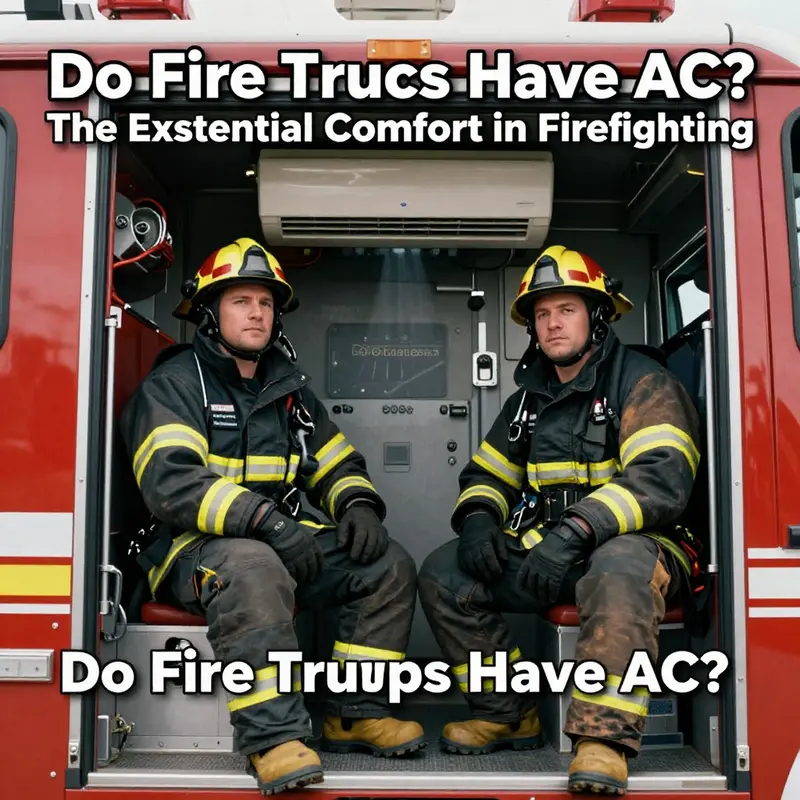
The question do fire trucks have AC may seem practical, even mundane, but its answer carries implications that ripple through every shift, every response, and every decision a crew makes in the heat of a fire. In steady, weathered common sense, a vehicle cab should shield the crew from the worst of the outside world. Yet the fire ground is not a constant, temperate stage. It is a dynamic, unforgiving environment where heat climbs from ambient air, PPE, hoses, engines, and human exertion. The cab of a fire truck, a moving command center, must be more than a shelter from heat on the highway; it must be a controlled space that preserves alertness, judgment, and stamina from the moment a unit fires up and begins its journey to a call, through the siren-screeching drive, into the smoky, uncertain minutes at the incident, and far beyond the scene when equipment cools and fatigue lingers. In that sense, air conditioning in fire trucks is not merely a luxury feature. It is a tool of performance and a safeguard for safety. And as departments weigh budgets against mission readiness, the presence or absence of cooling systems in the cab becomes a subtle but consequential marker of how modern apparatus are designed to support human limits in extreme conditions. The interior climate of a fire truck matters most when it matters least to the public, but it matters most to the crew who must think clearly at the moment of truth. When a truck idles in a waiting station, the sun beating down on a metal body can turn the cab into a greenhouse. The heat makes the air thick with humidity, and the body responds with sweat, thirst, and the distraction of discomfort. In those quiet moments, before lights flash and the radio crackles to life, the presence of AC begins to do its quiet work: it reduces the rate at which the body overheats, it stabilizes breathing, and it preserves the crew’s cognitive edge. The science behind this is not a mystery puzzle. Heat stress is a real risk for firefighters, even before they don their gear. Dehydration accelerates under hot conditions, and dehydration impairs judgment, slows reaction times, and increases the risk of errors. When the body is forced to work harder to regulate core temperature, the brain pays a price. Studies across high-heat occupations show that cognitive performance deteriorates as heat exposure rises. Firefighters can be asked to perform rapid, precise, and coordinated actions while under physical strain, often in unfamiliar and high-risk environments. In such moments, even small gains in thermal comfort can produce meaningful improvements in situational awareness and decision making. The cab, a relatively small space, becomes a microclimate that can either buffer or amplify those demands. This is why AC in fire trucks is more than a matter of comfort; it is a strategic element of safety and readiness. When crews enter a warm cab after a long drive, the air conditioning system quickly reduces the temperature, lowers humidity, and facilitates a stable breathing pattern. In turn, firefighters can focus attention on critical tasks without the distraction of heat fatigue. The cold blast at first may be a shock to the senses, but it is a welcome ally when the mission begins. The cab environment affects everything from hydration strategies to cognitive load management. An air-conditioned interior helps to curb the aggressive sweating that can lead to electrolyte imbalance, a condition that undermines muscle function and mental clarity. It helps crews maintain posture that supports quick, precise movements with turnouts and gloves. It even reduces the temptation to overhydrate too quickly, which can cause repeated restroom trips that drain focus at the worst times. In short, a comfortable, stable climate supports the human systems that firefighting depends on: balance, endurance, tracking of multiple streams of information, and rapid, coordinated action. The reliability of the HVAC system within a moving apparatus is more than a comfort requirement; it is a reliability requirement. Modern fire apparatus increasingly integrate HVAC capabilities that are designed to function in challenging mobile conditions. The trend is toward systems that operate efficiently on limited power, maintain consistent cooling even while the engine is working hard, and provide durable performance in environments with smoke, dust, or other contaminants. The push toward energy-efficient solutions is evident in the adoption of 48V DC air conditioning systems, which are designed to deliver steady cooling with lower energy draw compared with traditional setups. These systems are engineered to cope with the constant vibration, variable speeds, and the shocks that come with road travel and rough terrain at the incident scene. The 48V approach aligns with broader vehicle electrification trends, providing the power needed to run climate control without imposing undue load on the engine or reducing available electrical power for essential equipment. In practice, this translates to a cab that remains cool as the crew works, even when the truck is idling for long periods in a hot city or waiting at a call in the middle of a heat wave. The cooling system itself is not a single device but an integrated package that includes high-efficiency condensers, compact compressors, and well-engineered ductwork that directs air precisely where needed. The distribution of air within a crowded cab is a precise science, designed to create comfort without producing drafts that impede the crew during gear removal or fine motor tasks. It also includes filtration and exhaust considerations, recognizing that the ambulance of the fire service often operates in thick smoke or dusty environments. The ability to filter incoming air is not just about comfort; it is about preserving respiratory health during incidents and during transport. A well-designed HVAC system can also help manage odors and fumes that might otherwise interfere with crew performance as they prepare for a rescue or a medical incident. The modern cab climate is thus a blend of comfort, health protection, and operational readiness. Yet the reality on the ground shows a spectrum of adoption. Not every department can or will equip every truck with high-end climate control. Budget constraints, regional climate differences, and the age of fleets all shape what is possible. In some departments, the older rigs or smaller vehicles may rely on simpler or no cab cooling, particularly when those units spend substantial time traveling to calls on cooler days or are deployed in temperate climates. The broader trend, however, is toward more inclusive climate control in newer apparatus, with fleet managers citing crew health, performance, and retention as key incentives for upgrading HVAC capabilities. When a department makes the decision to invest in AC, it is not just about cooling capacity. It is about the quality of life for the crew and the reliability of the system across long shifts, extended response times, or operations in hot climates. A well-tuned AC system contributes to more stable temperatures, which reduces thermal strain during the most demanding parts of a response. It supports longer, more focused operations where crew members must perform at high levels for hours on end. The human factors aspect cannot be overstated. Firefighting demands sustained attention and rapid decision making. The brain functions best when the body is within a comfortable thermal range. By mitigating heat stress and preserving hydration balance, AC contributes to sharper perception, quicker reaction times, and more accurate situational assessment. It influences how crews allocate mental resources across tasks such as navigation, radio communications, hose handling, and equipment deployment. The consequence is not simply comfort; it is operational steadiness under pressure. The technical integration of HVAC into fire apparatus has evolved in tandem with the evolving needs of firefighters. In many modern designs, the HVAC system is integrated with other vehicle systems to optimize energy use and reliability. The choice of refrigerants, the layout of ducts, and the placement of vents all reflect a philosophy of keeping the crew cooled without compromising other critical systems. In practice, this means that the HVAC system is often designed to operate effectively during both emergency driving and idling, when the engine is under high load and environmental conditions vary widely. The 48V DC approach is especially relevant here, because it supports steady, reliable climate control while also leaving room for other essential electrical loads, such as radios, lights, and starting aids, without draining the battery or creating startup delays. The end result is a cab that can deliver consistent climate control across a wide range of conditions. Yet the discussion about AC in fire trucks also reveals a practical truth: it is not a universal standard, and it is not a guarantee of better performance in every situation. The degree to which AC contributes to performance depends on how well the system is designed, installed, maintained, and adapted to the specific mission profile of a department. A modern system with robust maintenance can reduce heat-related fatigue and keep crews more responsive, while an underpowered or poorly maintained system can frustrate operators and create a false sense of comfort that masks underlying issues. The human element remains central. Firefighting is as much about people as about hoses and ladders. The tolerance for heat, the capacity to stay hydrated, the mental stamina to stay calm, and the ability to interpret complex stimuli under stress are all shaped by the environment inside the cab. A cultivating climate across the shift helps to preserve those human resources. This is why many departments consider AC not just in terms of immediate post-ignition comfort but in terms of long-term health outcomes, fatigue management, and retention of experienced personnel who know how to work under pressure. The broader culture around climate control also reflects a philosophy of crew care and professional standards. In some regions, there is a strong expectation that new apparatus will offer an elevated level of thermal comfort, and this expectation can drive design, procurement, and maintenance practices. In others, the emphasis may be on the core firefighting capabilities first, with climate control as a desirable but secondary feature. The balance among these priorities often mirrors the climate—pockets of heat and humidity that sharpen demands on crews, versus periods of milder weather that reduce the urgency of cooling features. Regardless of where a department lands on the spectrum, the evidence supporting AC in fire trucks points to real-world benefits that extend beyond mere comfort. When crews operate in a controlled cab environment, they are better equipped to manage the stresses of the day. They arrive on scene with steadier bodies, clearer heads, and more consistent performance across tasks that require both physical dexterity and cognitive precision. The capacity to sustain this performance depends on many factors: the design of the truck, the reliability of the HVAC system, the quality of maintenance, and the strategic decisions that departments make regarding fleet upgrades. For readers who want to explore how different vehicle categories relate to climate control, a useful reference is the broader fleet catalog of fire apparatus available in the industry. The category page for fire fighting trucks on the CIMC site provides a glimpse into the variety of platforms in service and under development. It is not a guide to every HVAC detail, but it does illuminate how departments think about the balance between cooling capabilities and other essential features when selecting a new or upgraded vehicle. This kind of resource helps frame the discussion about AC within a larger context of crew-centered design and operational readiness. The takeaway is straightforward: AC in fire trucks is not an optional add-on; it is a design principle that supports safety, performance, and endurance across the demanding conditions firefighters routinely face. While not every vehicle will have identical climate control specifications, the trend toward better climate management demonstrates an industry-wide recognition that the human operator must be maintained at a level where quick, accurate decisions are possible. The cab environment is a frontline determinant of how effectively a crew can perform, communicate, and adapt as conditions evolve on the ground. As departments evaluate their fleets and plan for future upgrades, they increasingly weigh climate control as a core factor in crew safety and mission effectiveness. In short, the interior climate of a fire truck is not simply a matter of comfort; it is an operational tool with measurable impacts on heat stress, hydration, cognitive function, reaction time, and overall safety. The cab becomes a controlled space that supports the human body and mind in extreme circumstances. And when that space is reliably cool, the crew can focus more fully on the work at hand: protecting lives, preserving property, and performing complex actions under pressure with confidence and clarity. For those who want to dive deeper into the practicalities of modern fire apparatus and how climate control integrates with other vehicle systems, exploring the broader components of fire truck catalogues and maintenance manuals can be enlightening. The balance between energy efficiency, reliability, and crew comfort is a dynamic equation—one that continues to evolve as technology advances and as departments advocate for better working conditions for their teams. The conversation around AC in fire trucks, therefore, remains a living one. It is shaped by technology, budget, climate, and the very real needs of firefighters who must rely on their equipment when every second counts. In that ongoing dialogue, the simple question of whether fire trucks have AC becomes a doorway to broader considerations about human performance under pressure, vehicle design for extreme conditions, and the ongoing strive to keep the frontline prepared, protected, and able to perform at the highest level possible. As we move to subsequent chapters, the thread remains clear: equipment is only as effective as the people who operate it, and the climate inside the cab plays a quiet but powerful role in shaping outcomes on the scene. One way to contextualize this is to imagine the fire truck as a living workspace, where the air that flows through the cabin does more than merely cool; it supports alertness, steadiness, and the capacity to act with precision under stress. And in the end, that is what safety and performance are all about. Internal link for broader context on vehicle categories can be found in the fire-fighting-truck section of the catalog, which you can explore here: пожежна машина. External references provide supplementary detail on 48V DC climate systems and their role in mobile HVAC, contributing to an understanding of how these technologies align with the needs of modern firefighting crews. External resource: https://www.example.com/48v-dc-air-conditioner-truck
Chilled Cab, Hot Calls: The Budget-Driven Reality of Air Conditioning in Fire Trucks
The question do fire trucks have AC? resolves into more than a simple yes or no. It opens a window onto how modern fire departments balance crew safety, performance, and long-term fiscal stewardship. In many parts of the country, the answer has shifted from a conditional “sometimes” to a more confident “mostly.” Yet the real story sits in the space where comfort meets constraint, where the heat of the incident scene and the pace of a long shift push climate control from a luxury feature into a strategic necessity—one that must fit the department’s budget, mission, and geographic realities.
To understand the prevalence of air conditioning in fire apparatus, one starts with the basic premise: AC is more common in newer models and in departments with stronger funding. Firefighters operate in conditions that can become nearly unbearable. The cab of the fire truck is not just a place to sit between calls; it is a workspace that can exceed outdoor temperatures by a wide margin, especially during the climb from standby to rapid response and the return journey with fresh air supplies and equipment under load. The presence of climate control within the cab helps maintain alertness, preserves cognitive function, and supports the physical stamina needed for critical tasks. At incident scenes, crews must contend with heat not only as a byproduct of active firefighting but also as a result of protective gear, hot working environments, and the physical strain of lifting, operating pumps, and maneuvering long, heavy hoses.
However, the decision to outfit a fire rig with air conditioning is not universal. It sits at the intersection of department size, geographic location, and funding realities. Larger, better-funded departments often include climate control as a standard feature in new apparatus purchases. In contrast, some smaller or rural departments may still deploy trucks without built-in AC, especially when budget lines are tightly constrained and the purchase must cover a critical balance of equipment—boosters, pumps, ladders, and essential rescue tools—before comfort features. The practical calculus weighs not only initial cost but total cost of ownership, including fuel efficiency, maintenance, and potential weight penalties that influence performance during emergencies.
Consider the broader landscape: climate control is increasingly marketed as a crew wellness feature, aligning with a growing emphasis on firefighter health and performance. This shift toward crew comfort is driven by the recognition that long shifts in hot climates compound fatigue and reduce vigilance. The conversation about AC in fire trucks is, in essence, a conversation about operating efficiency under stress. When crews are cooler and more composed, they are more likely to make rapid, accurate decisions and maintain safe operating tempos during critical phases of a response. The connection between cab comfort and incident outcomes is not just intuitive; it is measurable in how quickly a crew can deploy hoses, how effectively they manage hydration and fatigue, and how well they coordinate tasks across multiple units at a scene.
Budget considerations, however, keep the topic grounded in fiscal reality. NFPA’s 2023 fire department profile offers a clear snapshot: nearly 70 percent of departments report having climate control on at least some apparatus. Yet this statistic also reveals a mosaic of practice, not a uniform standard. Smaller departments, even if they recognize the benefits, frequently prioritize essential capabilities—pump capacity, hose inventories, ladder reach, and rescue equipment—over comfort systems. The distribution is not simply about funds; it reflects strategic judgments about mission profiles, climate exposure, and the typical duration of duty cycles in a department’s service area. In sun-baked regions, where crews may endure extended operations in the summer heat, the incentive to invest in cab cooling becomes stronger. In cooler or more temperate zones, the return on investment may appear less immediate, prompting tighter budgeting around core operating capabilities.
Beyond the initial price tag, the trade-offs extend to performance factors tied to AC technology. Air conditioning adds weight and consumes electrical power, both of which have real implications for a vehicle designed to meet rapid response demands. In brake-and-accelerate terms, every extra kilogram and every watt of electrical draw compete with the demands of pumps, lights, communications gear, and modern safety features. If an apparatus has a larger HVAC load, it may affect range or acceleration under certain conditions, though modern systems are increasingly efficient and integrated with the vehicle’s powertrain. Departments must assess whether the comfort benefits translate into meaningful gains in response times, endurance, or crew safety on the kind of calls their service area most often handles.
The operational calculus also shifts with the type of apparatus and its mission. Aerial trucks, heavy-duty platforms, or specialized response units face different weight budgets and duty cycles than frontline engines. In some instances, climate-controlled cabs are bundled with other crew-centered improvements—noise reduction, strike-sensitive seats, enhanced ventilation, and zones where temperature and humidity are more carefully regulated. These enhancements can support a broader vision of firefighter welfare, one that recognizes the cab as a workspace where personnel spend substantial portions of their shifts. The result is a more cohesive approach to apparatus design, where comfort features are not afterthoughts but integrated elements of safety and effectiveness.
As technology evolves and costs decline, AC systems become more accessible to a wider range of departments. This trend aligns with the broader arc of modernization in public safety equipment, where digital controls, more efficient compressors, and smarter energy management enable climate control to operate with fewer compromises. The push toward greater climate-control sophistication is not solely about cooling; it is about intelligent environmental management that helps crews stay alert without sacrificing power or fuel efficiency. In warmer climates, this can translate into longer patrols and more efficient incident rehabilitation processes, allowing crews to reset more quickly and return to duty with minimized risk of heat-related strain.
The decision framework that departments use to decide whether to include AC in a new fire apparatus is frequently built around several core anchors. Size matters: larger departments can spread the capital cost across bigger fleets, leveraging procurement economies of scale and long-term maintenance contracts. Geography matters: in hot, arid, or humid regions, the operational value of a climate-controlled cab is higher. Funding level matters: grant programs, capital improvement plans, and dedicated safety funds influence what is feasible in any given budget cycle. Specific operational demands—such as the expected duration of incidents, the frequency of long-distance responses, and the presence of personnel with elevated vulnerability to heat stress—also shape the calculus. In this sense, the presence of AC in fire trucks is not simply a feature; it is a reflection of a department’s risk tolerance, strategic priorities, and the trust placed in equipment to sustain life-saving performance under challenging conditions.
The narrative of budget-driven cooling also interacts with the broader equipment ecosystem. Upgrades to climate control can act as a catalyst for related improvements in comfort and readiness. For instance, an emphasis on cab cooling can drive better seat design, more effective cab ventilation, and even smarter cabin layouts that foster clearer communication and safer movement during high-stress moments. While these enhancements add to the upfront cost, they can contribute to longer-term gains in crew readiness and morale, which in turn influence retention and the quality of service delivered during emergencies. Departments that adopt a holistic view of crew comfort—seeing climate control as one component of a broader strategy for firefighter health—often find the investment pays dividends over the life of the apparatus.
From a policy perspective, the budgeting narrative around AC in fire trucks is also about prioritizing competing needs without compromising mission readiness. Finance officers and fleet managers must articulate the value proposition in terms of risk reduction, crew performance, and the potential reduction in fatigue-related errors on the street. They may point to evidence that better climate control correlates with improved hydration management, reduced heat strain, and more stable decision-making during complex operations. While such correlations can be challenging to prove in isolation, the practical benefits—crews who stay cooler, more focused, and physically capable for longer periods—are widely acknowledged in field reports and line-level discussions.
With this context, it is helpful to consider how departments navigate the procurement landscape. The process often begins with a needs assessment and a long-range plan that identifies the anticipated life cycle of a given fleet. A climate-controlled cab is weighed against other potential upgrades: a higher-capacity pump, an additional rescue tool, or a more versatile power supply for integrated lighting and communications systems. The decision is rarely binary; it is a balancing act that seeks to optimize overall mission effectiveness within fiscal constraints. When departments do invest in climate control, they frequently incorporate maintenance programs that ensure the HVAC system remains reliable and energy-efficient. Preventive maintenance is essential, given the harsh environment in which fire apparatus operate and the demanding duty cycles they endure.
The practical impact of these budget decisions is felt most acutely in the communities served. Residents expect that a fire department’s equipment will perform when it matters most, and the cab environment is a tangible piece of that promise. The presence of AC in the truck’s cab can influence the morale and comfort of crews as they answer calls through heat waves or during long deployments to complex incidents. In this sense, climate control is not merely about personal comfort; it is an operational element that supports the safety and effectiveness of the response itself. When crews are comfortable, they can maintain situational awareness, coordinate actions more precisely, and recover more quickly after physically demanding tasks. This, in turn, translates into better care for people at the scene and more reliable performance during the critical minutes of an emergency.
For readers following the budget lens of this discussion, a practical takeaway is that climate control in fire apparatus is increasingly viewed as a value-added feature rather than a discretionary enhancement. Departments that move toward incorporating climate control in new builds or retrofit programs often frame the investment within a broader health-and-safety strategy. They consider climate-control capabilities alongside other crew-centered improvements, such as ergonomic seating, noise mitigation, and cabin air quality management. In this integrated approach, the cab becomes a controlled environment designed to sustain crew performance over long operations and across demanding shifts. The evolving market also means that the cost delta between basic and climate-controlled configurations is narrowing, particularly as production scales and energy-efficient technologies mature. This trajectory bodes well for eventual broader adoption, especially in departments that plan ahead and leverage bulk purchasing or targeted grants to offset the upfront price.
For those curious about how this topic connects to broader equipment ecosystems, consider how a department markets and maintains its fleet. A modern, climate-conscious approach often aligns with a broader shift toward more technologically sophisticated apparatus, where the cab’s comfort features harmonize with advanced monitoring, telematics, and crew welfare programs. The result is a more resilient fleet prepared to meet evolving demand patterns, from rapid-response calls to extended operations in challenging environments. And as cost pressures persist, the conversation remains anchored in shared values: safety, effectiveness, and responsible stewardship of public funds.
In sum, do fire trucks have AC? The answer is yes for a growing majority of modern fleets, especially in well-funded departments and hotter climates. The more nuanced truth is that AC availability is a budget-dependent choice, tempered by the department’s size, geography, and mission profile. As technology advances and the price of climate-control systems continues to fall, the odds that AC becomes a standard feature across a broader range of apparatus increase. Departments that successfully integrate climate control into their procurement strategy do so because they view the cab as a critical workspace—one where comfort and climate control support life-saving work, sustain performance under pressure, and help crews return safely from every mission.
To explore a representative example of how fleets position climate-control enhancements within their broader equipment portfolios, many districts and departments consider the broader family of modern commercial fire trucks. Комерційні пожежні автомобілі often serve as anchor platforms for these discussions, illustrating how climate-control features can be integrated with other essential capabilities in a cohesive package. While the exact configuration depends on local needs, the underlying principle remains consistent: comfort in the cab aligns with safety, readiness, and sustained performance on the street.
For researchers and practitioners seeking context beyond departmental budgets, the NFPA Fire Department Profile provides a useful external reference that highlights the distribution of climate-control adoption across the sector. It confirms that climate control is widely present in many jurisdictions while acknowledging a spectrum of adoption driven by local conditions and funding. This landscape helps frame the chapter’s core message: AC in fire trucks is not a universal mandate but a practical decision that embodies a department’s approach to crew welfare, readiness, and responsible stewardship of public resources. As climates warm and demand for long, demanding responses grows, the balance tips gently toward broader acceptance of climate-controlled cabs as a standard feature rather than a special add-on.
External reference for further reading: https://www.nfpa.org/Research-and-Statistics/Fire-Department-Profile/2023-Fire-Department-Profile
brush fire trucks, wildland firefighting, fire safety equipment, off-road fire trucks, firefighting technology, business safety, emergency response vehicles
In summary, the inclusion of air conditioning in modern fire trucks is not merely a luxury but a crucial component that enhances firefighter safety, comfort, and performance during operations. As climate conditions increasingly pose challenges, investment in HVAC systems becomes vital for those responsible for equipping fire departments. Understanding this integration helps business owners in firefighting sectors make informed decisions regarding equipment purchases, ultimately contributing to the efficiency and effectiveness of fire service delivery.

