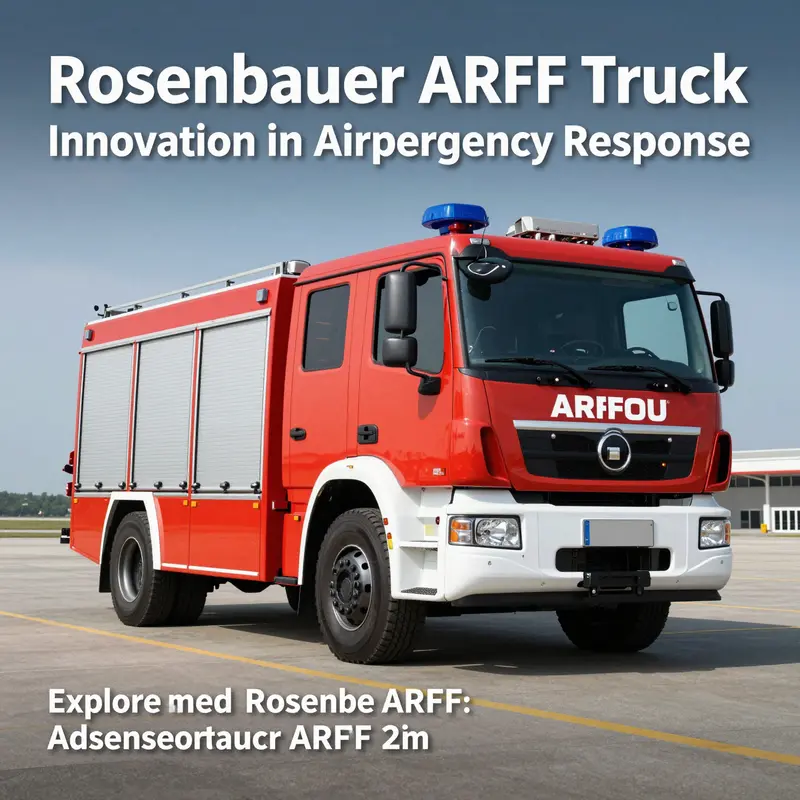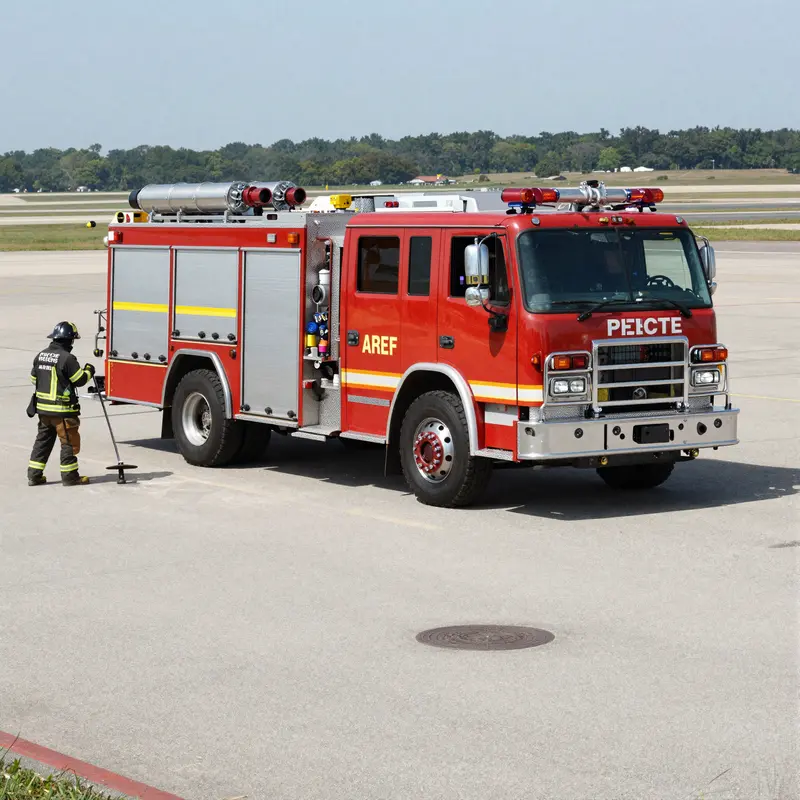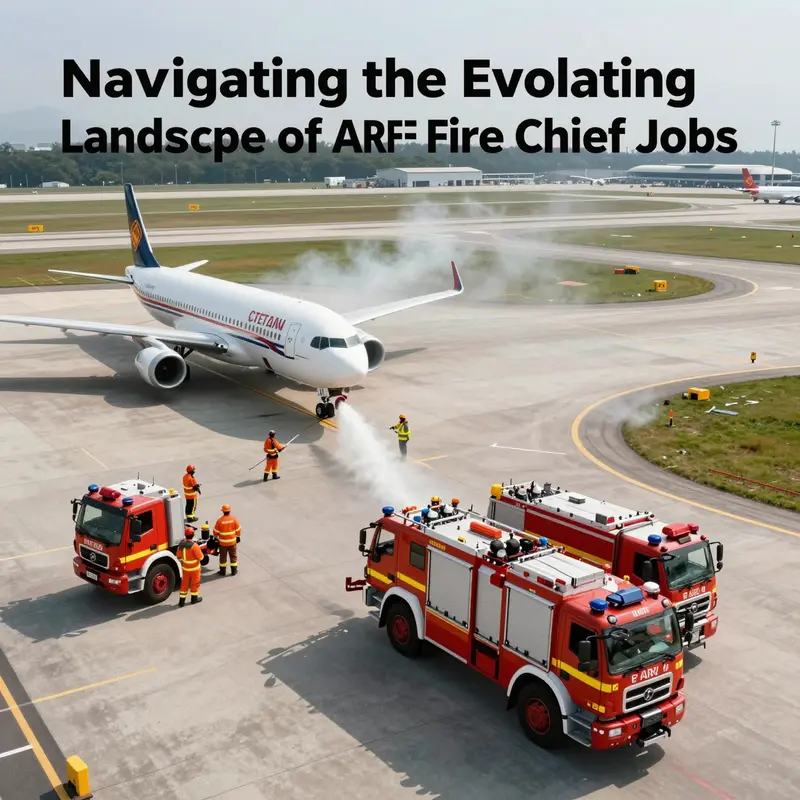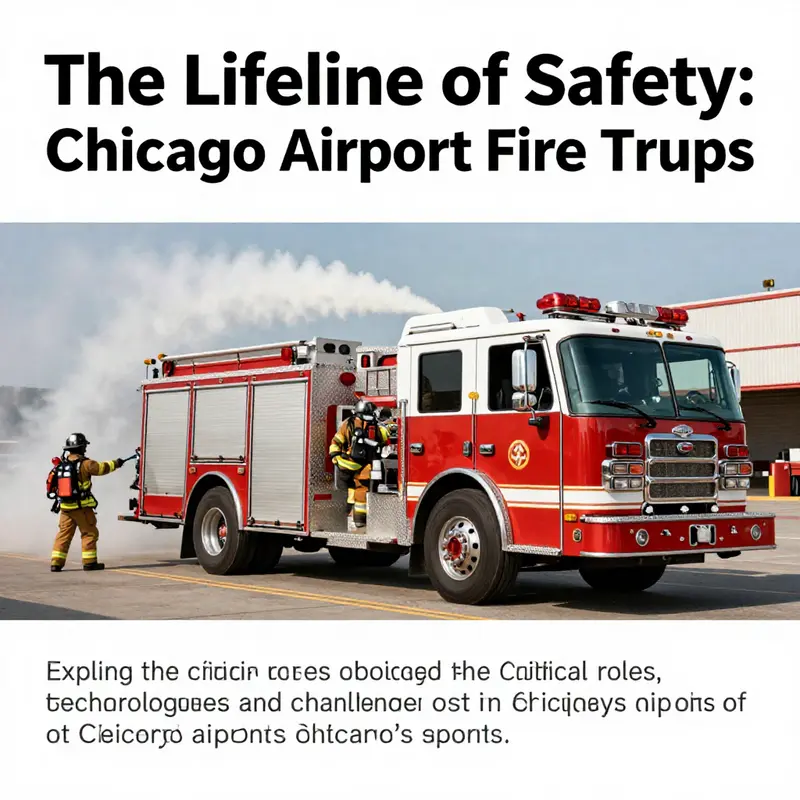















空港の緊急訓練で機器を操作する消防士たちとともにいるピアスARFFタンクポンパー消防車。.

消防効率の最適化:タンクポンパー消防車ピアスARFFのビジネスオーナー向けの洞察

タンクポンパー消防車ピアスARFFソリューションが消防と空港救助を比類のない効率と安全性で最適化する方法を探ります。.

消防効率の最適化:タンクポンパー消防車ピアスARFFのビジネスオーナー向けの洞察 続きを読む »

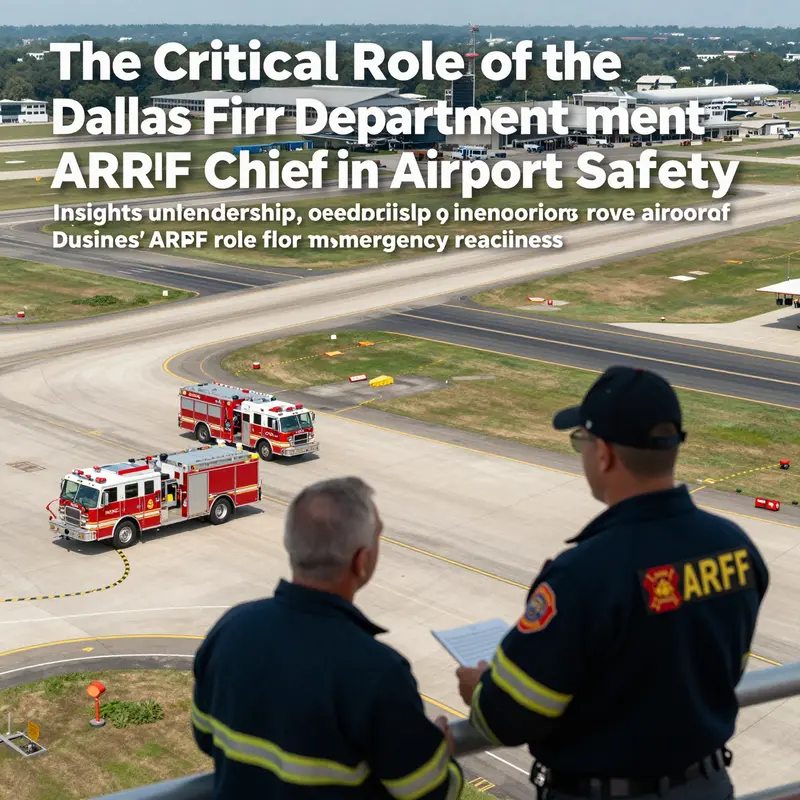
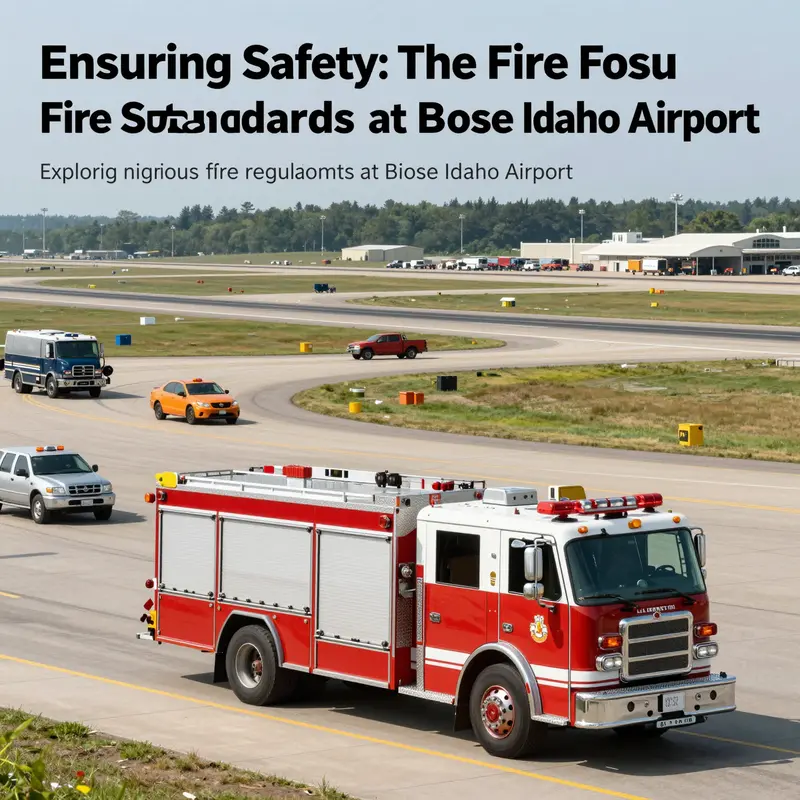
ボイジーアイダホ空港のパノラマビュー、滑走路の運用と消防車を示しています。.

Boise, Idaho, sits at a crossroads of engineering precision and frontline readiness when it comes to airport safety. The Boise Airport, known by its IATA code BOI, operates with the gravity of a regional hub that still questions every minute before it becomes a crisis. Its three runways, including the lengthy 10L/28R at about 3,048 meters, underscore a capacity to handle large commercial aircraft under diverse weather and traffic conditions. It is in this daily context that the evolution of the airport fire protection fleet moves beyond sheer horsepower and water capacity toward an integrated system of speed, data, and sustainable propulsion. While the specifics of individual apparatus at BOI are not published in the public knowledge base, the regulatory framework that governs every mile of tarmac makes one thing clear: the fire rescue service at Boise must meet or exceed Category 8 standards in terms of reach, firefighting capacity, and resilience. Those standards, anchored in FAA design guidance and the broader ICAO safety framework, translate into concrete, measurable expectations. A fire truck network must arrive at any point on the airfield within ten minutes, carry a minimum water supply that can sustain sustained suppression, and be ready to deal with complex fuel and structural fires, all while coordinating seamlessly with other responders and with air traffic control. The operational philosophy that emerges from these constraints is not merely about pumping more water or driving faster. It is about building a holistic firefighting ecosystem that can anticipate, detect, and neutralize threats through rapid mobilization, intelligent equipment, and interoperable communications.

ボイジーアイダホ空港での重要な消防車基準と将来の技術を発見し、安全性と運用効率を確保する。.

Boise, Idaho, sits at a crossroads of engineering precision and frontline readiness when it comes to airport safety. The Boise Airport, known by its IATA code BOI, operates with the gravity of a regional hub that still questions every minute before it becomes a crisis. Its three runways, including the lengthy 10L/28R at about 3,048 meters, underscore a capacity to handle large commercial aircraft under diverse weather and traffic conditions. It is in this daily context that the evolution of the airport fire protection fleet moves beyond sheer horsepower and water capacity toward an integrated system of speed, data, and sustainable propulsion. While the specifics of individual apparatus at BOI are not published in the public knowledge base, the regulatory framework that governs every mile of tarmac makes one thing clear: the fire rescue service at Boise must meet or exceed Category 8 standards in terms of reach, firefighting capacity, and resilience. Those standards, anchored in FAA design guidance and the broader ICAO safety framework, translate into concrete, measurable expectations. A fire truck network must arrive at any point on the airfield within ten minutes, carry a minimum water supply that can sustain sustained suppression, and be ready to deal with complex fuel and structural fires, all while coordinating seamlessly with other responders and with air traffic control. The operational philosophy that emerges from these constraints is not merely about pumping more water or driving faster. It is about building a holistic firefighting ecosystem that can anticipate, detect, and neutralize threats through rapid mobilization, intelligent equipment, and interoperable communications. 続きを読む »

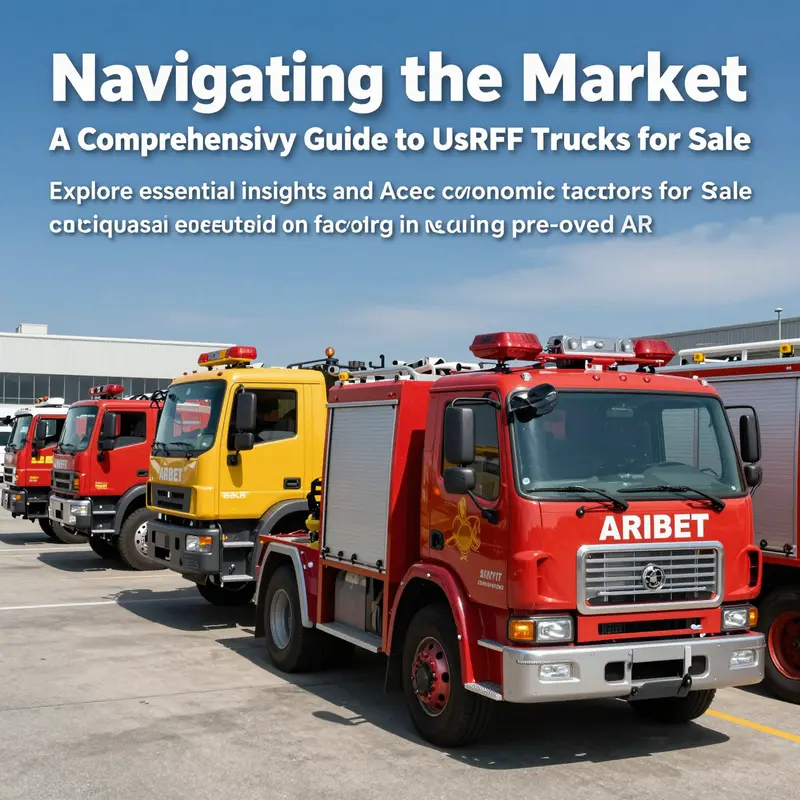
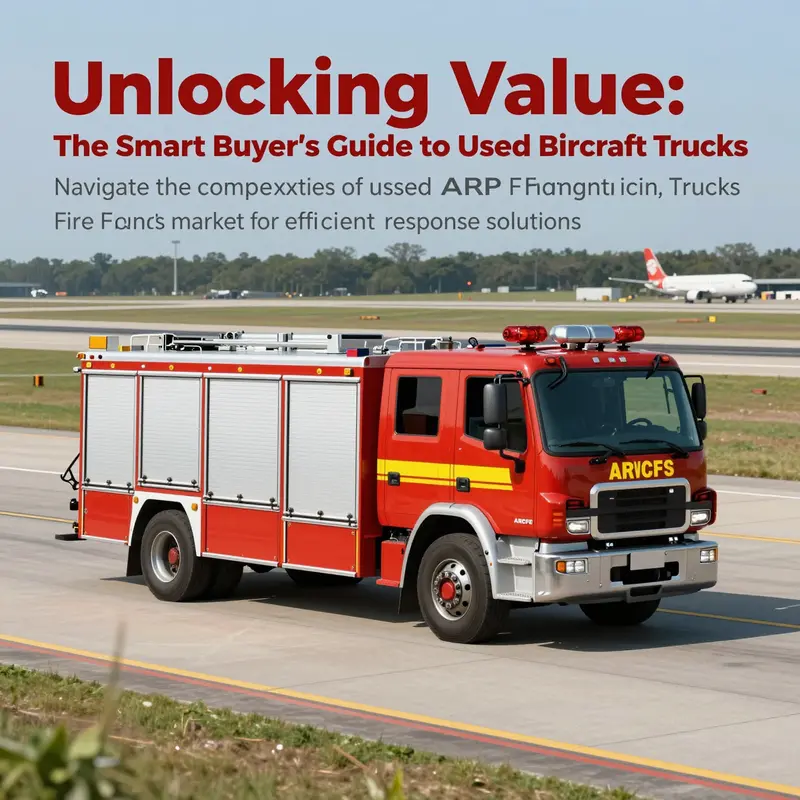
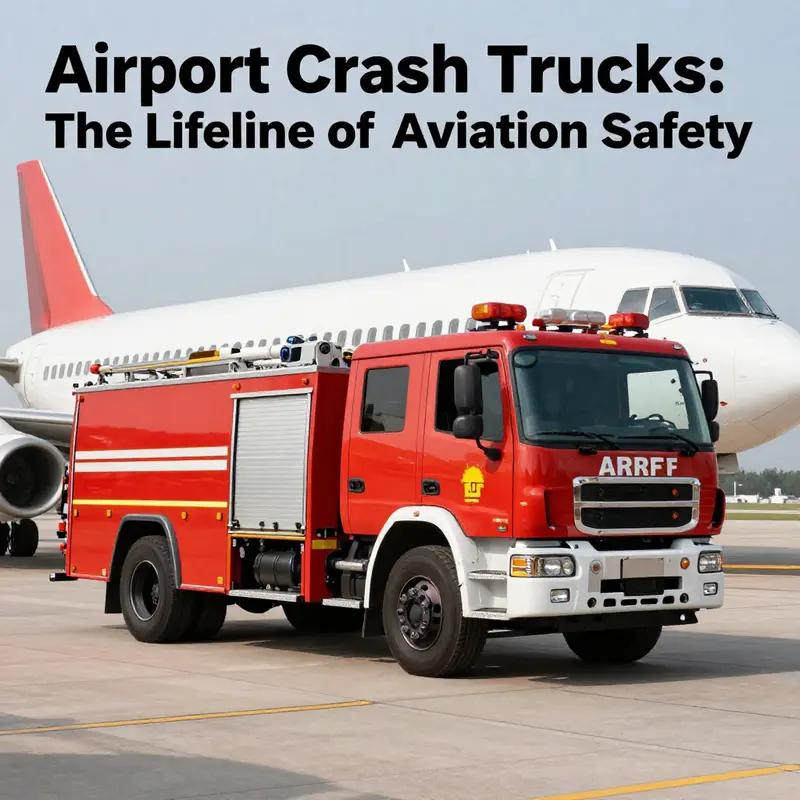
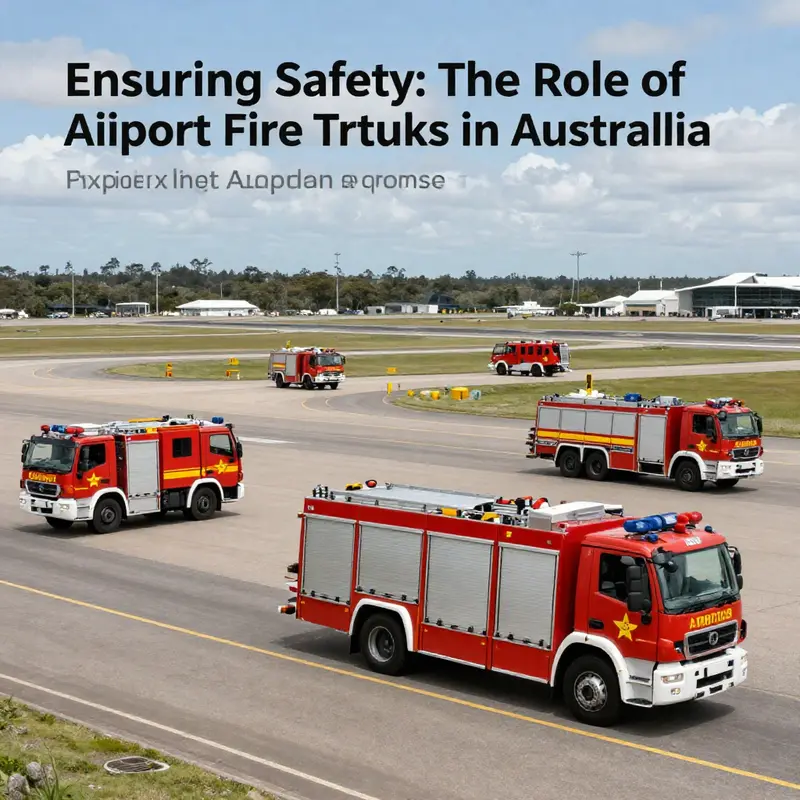
行動準備が整った空港の滑走路に駐車しているARFFトラックの驚くべきビジュアル。.

価値を解放する:スマートバイヤーのための中古航空救助および消防トラックガイド

中古ARFFトラック市場を効果的にナビゲートし、情報に基づいた購入決定を行う方法を探ります。.

価値を解放する:スマートバイヤーのための中古航空救助および消防トラックガイド 続きを読む »