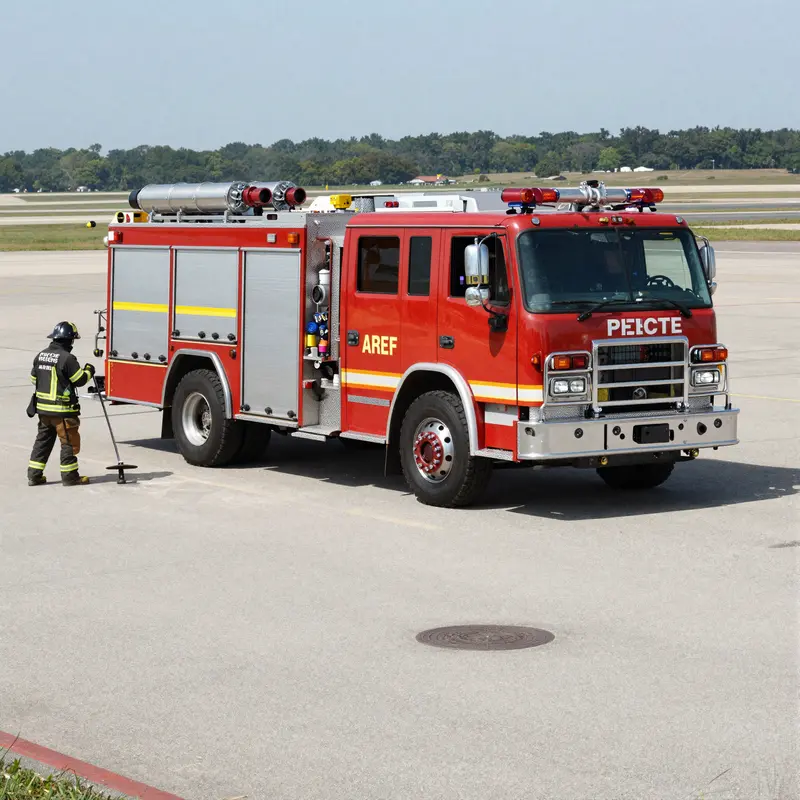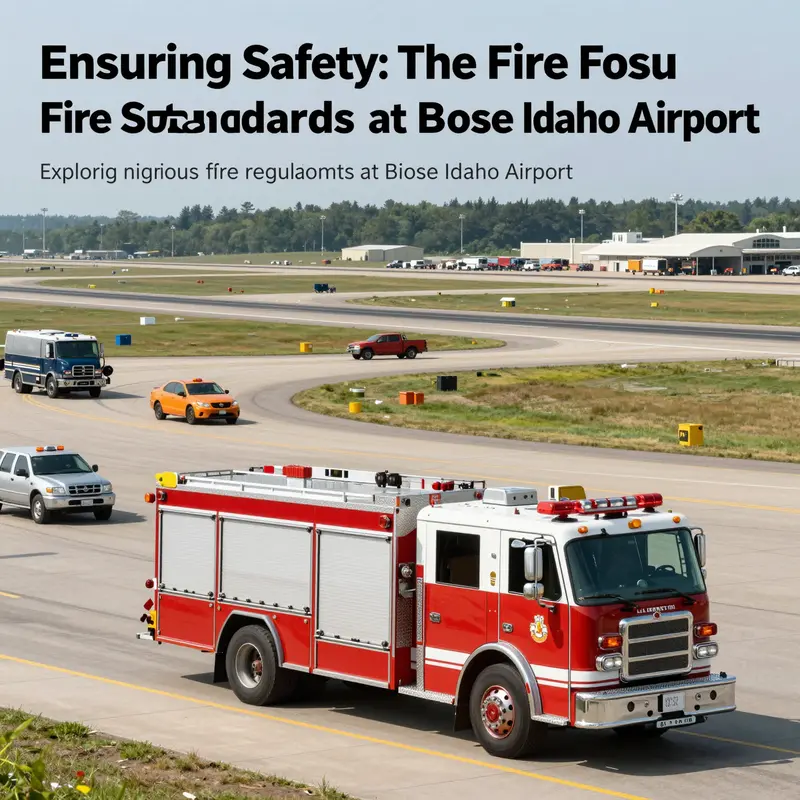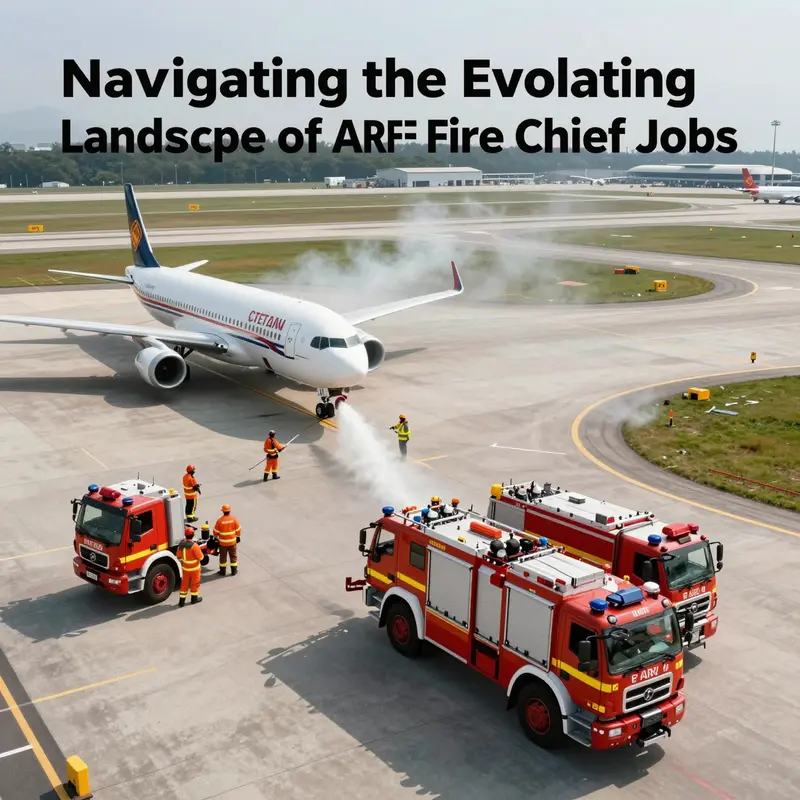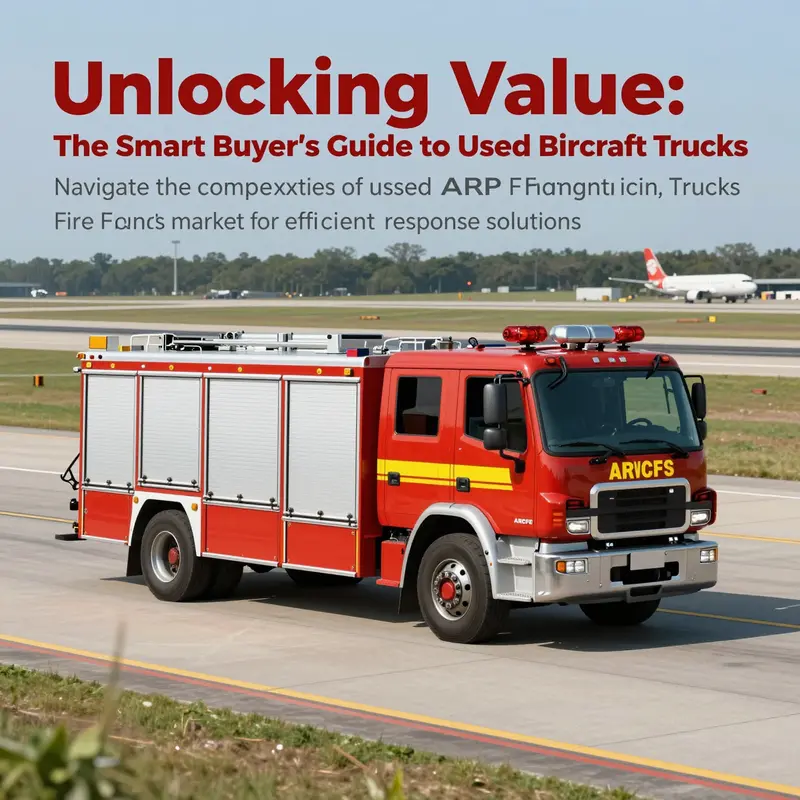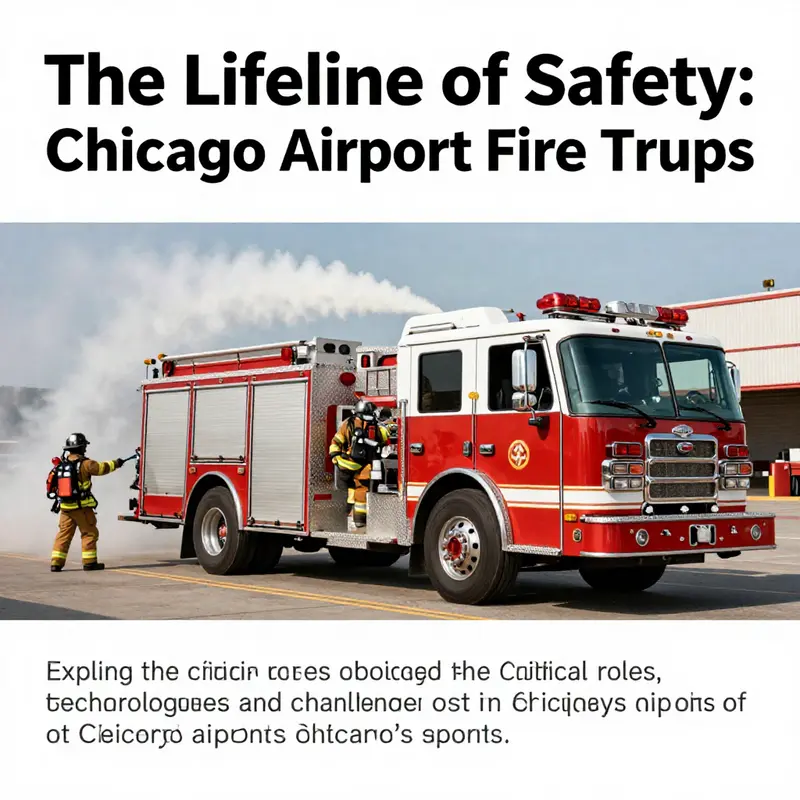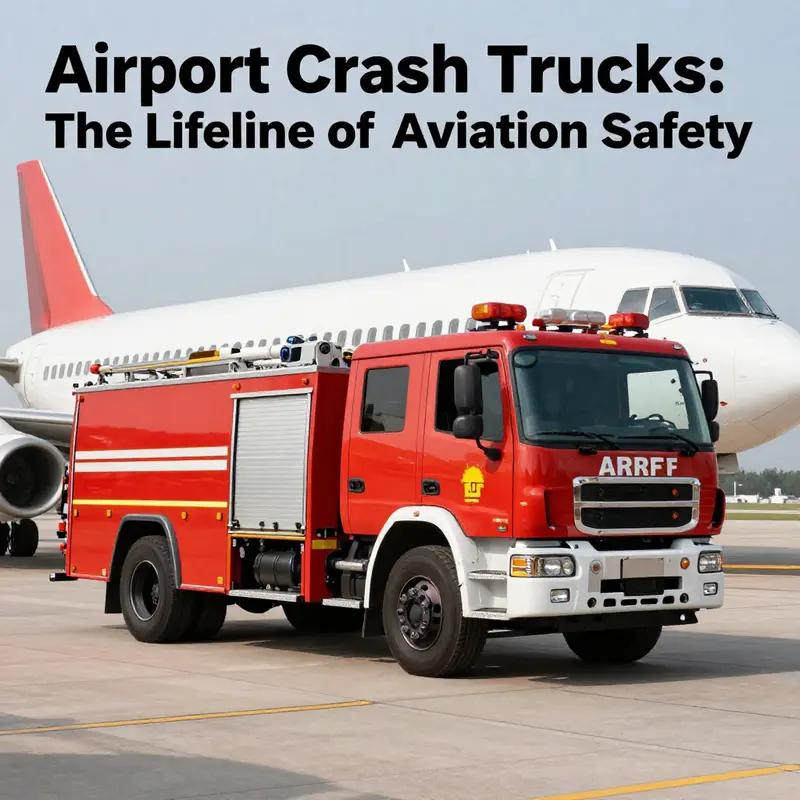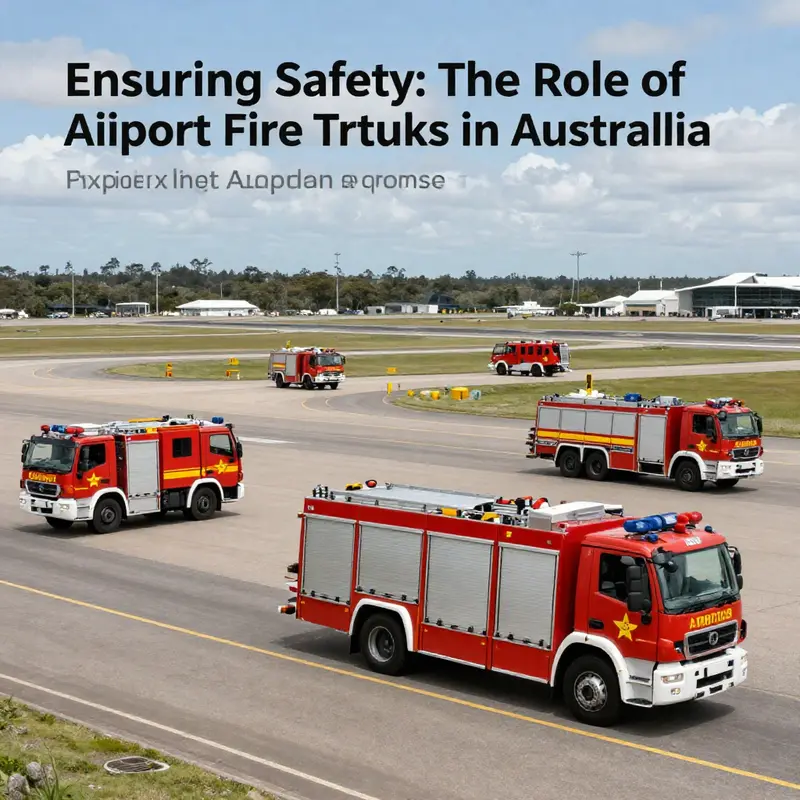















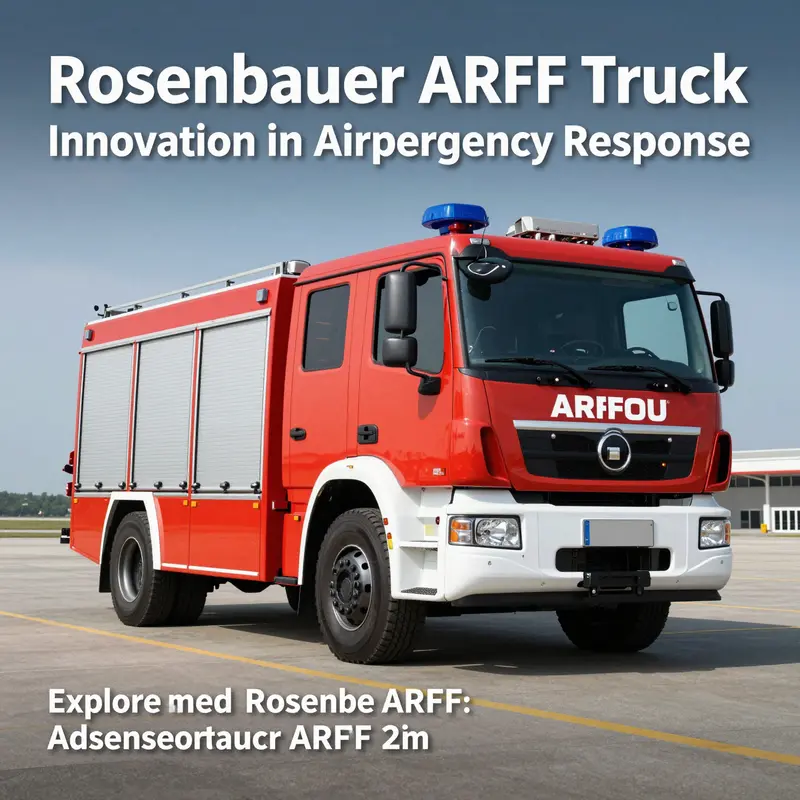
Pist operasyonlarını ve bir itfaiye aracını gösteren Boise Idaho Havaalanı'nın panoramik görünümü.

Boise, Idaho, sits at a crossroads of engineering precision and frontline readiness when it comes to airport safety. The Boise Airport, known by its IATA code BOI, operates with the gravity of a regional hub that still questions every minute before it becomes a crisis. Its three runways, including the lengthy 10L/28R at about 3,048 meters, underscore a capacity to handle large commercial aircraft under diverse weather and traffic conditions. It is in this daily context that the evolution of the airport fire protection fleet moves beyond sheer horsepower and water capacity toward an integrated system of speed, data, and sustainable propulsion. While the specifics of individual apparatus at BOI are not published in the public knowledge base, the regulatory framework that governs every mile of tarmac makes one thing clear: the fire rescue service at Boise must meet or exceed Category 8 standards in terms of reach, firefighting capacity, and resilience. Those standards, anchored in FAA design guidance and the broader ICAO safety framework, translate into concrete, measurable expectations. A fire truck network must arrive at any point on the airfield within ten minutes, carry a minimum water supply that can sustain sustained suppression, and be ready to deal with complex fuel and structural fires, all while coordinating seamlessly with other responders and with air traffic control. The operational philosophy that emerges from these constraints is not merely about pumping more water or driving faster. It is about building a holistic firefighting ecosystem that can anticipate, detect, and neutralize threats through rapid mobilization, intelligent equipment, and interoperable communications.

Boise Idaho Havaalanı'ndaki kritik itfaiye aracı standartlarını ve gelecekteki teknolojileri keşfedin, güvenliği ve operasyonel verimliliği sağlamak için.

Boise, Idaho, sits at a crossroads of engineering precision and frontline readiness when it comes to airport safety. The Boise Airport, known by its IATA code BOI, operates with the gravity of a regional hub that still questions every minute before it becomes a crisis. Its three runways, including the lengthy 10L/28R at about 3,048 meters, underscore a capacity to handle large commercial aircraft under diverse weather and traffic conditions. It is in this daily context that the evolution of the airport fire protection fleet moves beyond sheer horsepower and water capacity toward an integrated system of speed, data, and sustainable propulsion. While the specifics of individual apparatus at BOI are not published in the public knowledge base, the regulatory framework that governs every mile of tarmac makes one thing clear: the fire rescue service at Boise must meet or exceed Category 8 standards in terms of reach, firefighting capacity, and resilience. Those standards, anchored in FAA design guidance and the broader ICAO safety framework, translate into concrete, measurable expectations. A fire truck network must arrive at any point on the airfield within ten minutes, carry a minimum water supply that can sustain sustained suppression, and be ready to deal with complex fuel and structural fires, all while coordinating seamlessly with other responders and with air traffic control. The operational philosophy that emerges from these constraints is not merely about pumping more water or driving faster. It is about building a holistic firefighting ecosystem that can anticipate, detect, and neutralize threats through rapid mobilization, intelligent equipment, and interoperable communications. Read More »