
















Understanding the fire risks associated with semi trucks is crucial for business owners who rely on these vehicles for operations. Whether it’s conventional diesel models or innovative electric alternatives like the Tesla Semi, each category presents unique hazards. From the catastrophic potential of battery thermal runaway to mechanical failures, cargo risks, and external factors, recognizing how fires start can empower businesses to implement proactive measures. This article will dissect these interactions, providing insights crucial for safeguarding investment and ensuring operational efficiency.
When Cells Turn Violent: Battery Thermal Runaway as the Core Driver of Semi-Truck Fires
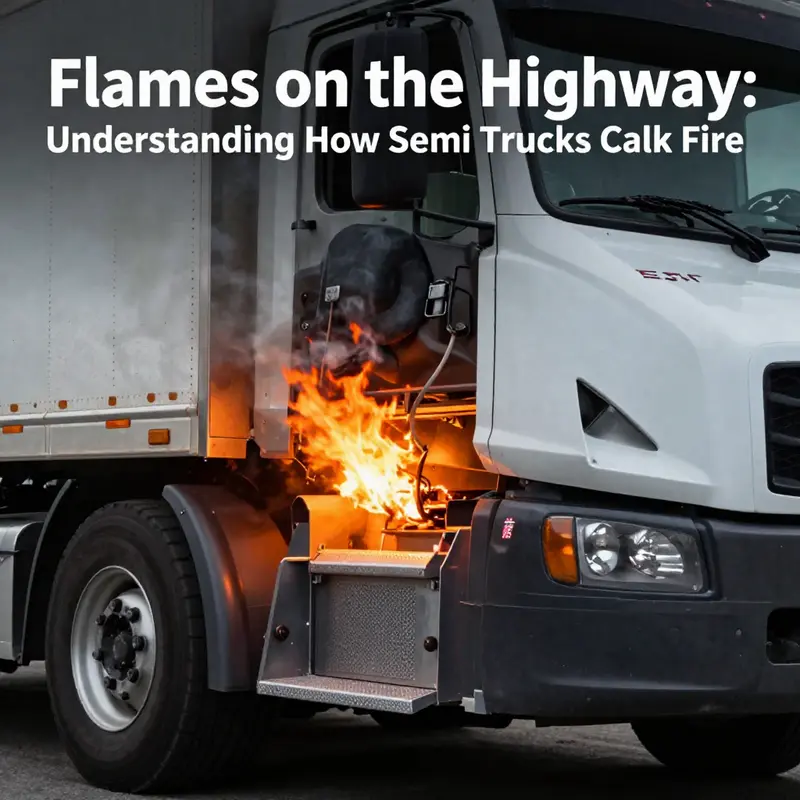
Battery thermal runaway is no abstract laboratory phenomenon; it is the central safety challenge behind how electric semi-trucks can ignite on the road. The trucks we rely on to haul freight across continents carry a remarkable amount of energy in compact, intricate packs. That energy is a boon for efficiency and performance, but it also creates a single, stubborn risk: once a cell within a large lithium-ion pack breaches its calm, the cascade can move swiftly from a spark to a full-blown blaze. Understanding this risk demands a clear picture of how thermal runaway starts, how it propagates, and why semi-trucks behave differently from other vehicles when a battery fires begins. It also requires attention to the safety technologies and regulatory guardrails that are now shaping the design and operation of electric heavy-duty vehicles as their presence grows across the freight landscape.
At the most fundamental level, battery thermal runaway begins when a lithium-ion cell experiences an internal fault or external insult that sets off an exothermic reaction inside the cell. This reaction is not a single event but a chain of events that can self-accelerate. Internal short circuits, mechanical damage from a collision, overcharging, or external heat exposure can all push a cell past its thermal tolerance. Once the cell temperature climbs enough, the electrolyte and other materials can decompose and release flammable gases. The released heat then affects neighboring cells, elevating their temperatures and potentially triggering a domino effect—thermal runaway propagation—that can engulf an entire battery module and then, if the system is not contained, the entire pack. In practical terms, this means that a fire can begin as a localized, almost quiet event and then transform into a long-lasting, heat-dense blaze that resists straightforward extinguishment.
The heat profile of a battery fire in an electric semi-truck is extreme. Temperatures can exceed several hundred degrees Celsius, and in the worst cases, the heat flux and gas production from a runaway event can drive temperatures well past 800°C. The extreme heat is not the only hazard; the gases released during thermal runaway can be highly flammable and may include volatile byproducts from electrolyte decomposition. The combination of heat, gas buildup, and high energy density makes a runaway event particularly dangerous in the semi-truck’s cab and undercarriage, where components are closely packed and heat has fewer paths to escape. The dense packaging that favors protection, efficiency, and compact design also creates a trap: heat cannot dissipate as readily as in a more open layout, and pressure can build inside the battery enclosure as gases accumulate. These factors, taken together, explain why a single initiated cell can evolve into a vehicle fire that is difficult to suppress and persistent once ignition has occurred.
The dangers do not exist in a vacuum. The geometry of electric powertrains in heavy-duty trucks—where multi-kilowatt-hour packs are arranged in long, modular strings, sometimes housed in tight cells adjacent to the vehicle frame—can amplify the consequences of runaway. Large packs offer immense energy reserves that, if released abruptly, supply fuel for a significant fire. At the same time, the close confinement of the battery modules impedes natural convection. The truck’s structural components and the surrounding cargo space limit the pathways for heat to escape, which means more heat percolates within the pack and the surrounding materials. The interplay of high energy density and restricted heat dissipation creates a more intense, longer-lasting fire than might be seen in smaller devices or in hulking but differently configured powertrains.
In safety analyses, confinement is a recurring theme. Experimental studies that simulate runaway events in confined environments consistently show two troubling patterns: responders have less time to intervene, and the resulting fire is more intense. The five-minute interval that some regulatory bodies demand as a hard constraint—where the entire battery system must remain fire- and explosion-free after a single cell goes runaway—speaks to a desire to buy critical seconds for containment and cooling. These constraints reflect a harsh reality: once thermal runaway starts in a large pack, the method of cooling and the scale of resources required to prevent reignition become central to the safety challenge. The practical implication is not just about averting a car crash scene; it is about maintaining public safety and ensuring that the incident does not escalate into a broader hazard in transit corridors, loading yards, or highway ramps.
The safety design philosophy around electric heavy trucks has evolved in response to these realities. Battery management systems, the armor against runaway, monitor every cell’s temperature, voltage, and current in real time. The BMS serves as a gatekeeper, attempting to prevent conditions that could lead to runaway—overheating, overcharging, unequal cell aging, or rapid state-of-charge changes across modules. When a fault is detected, the BMS can take protective actions such as isolating certain cells, reducing power output, or triggering protective disconnection. Yet a BMS is only part of the shield. The physical design of the pack matters just as much. Passive fire barriers and robust enclosure integrity help contain a fire once it starts, potentially limiting heat transfer to adjacent modules and preventing the flames from breaching into the vehicle interior or the cargo space.
Active cooling systems, too, are being refined. Some designs prioritize aggressive heat removal during high-load operation to keep the pack within safe temperature bounds, especially in the northern climates and summer heat waves where ambient temperatures challenge cooling capacity. The logic is straightforward: if you can pull heat away from the cells quickly enough, you reduce the chance of a runaway igniting in the first place. But cooling systems themselves introduce new engineering complexities. They must be resilient to mechanical shocks, leaks, and power demands in empty or fully loaded conditions. If cooling fails at a critical moment, the risk of runaway can accelerate. In other words, the safety ecosystem for electric semi-trucks must be layered and redundant, with thermally aware design, intelligent software, and failsafe hardware all contributing to a safer overall system.
Another frontier in safety is the evolution of materials science. Solid-state electrolytes and other advanced chemistries promise lower flammability and higher thermal stability than conventional liquid electrolytes. While no technology is a panacea, the pursuit of safer chemistries, coupled with modular pack architectures, can help decouple runaway risk from the absolute energy density that powers range and payload. The broader trend toward modular packs means that a single failing module could, in theory, be isolated with minimal impact on the rest of the system, potentially slowing or preventing catastrophic propagation. Still, the real-world impact of these innovations will hinge on rigorous testing, standardized safety benchmarks, and robust manufacturing quality controls that minimize the probability of defects that could trigger runaway in the first place.
The discussion of safety cannot ignore the social and regulatory dimensions. In 2024, the industry faced several incidents that underscored battery thermal runaway as a leading cause of electric truck fires. While the specifics of any one incident vary, the pattern is clear: a runaway event highlights the importance of balanced design choices that prioritize safety without sacrificing the efficiency and reliability that fleets rely on. This entire landscape has driven regulators to articulate clearer safety standards and has pushed manufacturers to adopt more conservative safety margins in pack design and thermal management. A notable part of this regulatory environment is the insistence on fire containment capabilities that can withstand the ignition of even a worst-case cell scenario for a mandated period. The aim is not to eliminate fires entirely—which remains an elusive goal in any high-energy system—but to ensure that when a runaway begins, it does not immediately overwhelm the vehicle and its surroundings.
Against this backdrop, the role of human factors is also critical. The dynamic of an on-road incident is a test of preparedness, training, and response strategy. Firefighters and emergency responders must grapple with a different kind of challenge when dealing with electric heavy trucks. The chemistry of the battery and the persistence of a thermal runaway fire mean that responders may need to switch from traditional extinguishment methods to prolonged cooling and containment strategies. The water needs in such scenarios can be immense. Reports from serious incidents have revealed the scale of water and other extinguishing agents required to cool the battery packs and prevent reignition. These realities drive equipment and training priorities for emergency services alike. In turn, that influences what fleets demand from their maintenance and operations teams: components, inspections, and response protocols that reduce the chance of fault initiation, or at least detect indicators before a fault becomes a fire.
The practical takeaway is straightforward and sobering. Electric heavy-duty trucks bring enormous benefits in terms of efficiency, emissions, and operational cost, but their fires are governed by a distinctive physics that centers on battery thermal runaway. The phenomenon demands an integrated safety posture: smart battery management, robust physical barriers, active cooling, advanced materials, and a well-prepared response ecosystem. The intertwined challenges of heat, gas, and confinement explain why engineers pursue multiple lines of defense, and why the industry continues to refine the standards that govern how these vehicles are designed, tested, and operated on the road.
In discussing response and safety design, it is helpful to consider how the industry views the relationship between fire risk and energy storage. The energy stored in a heavy-duty lithium-ion pack scales with capacity and range requirements. That energy is necessary for long-haul operations and for meeting the demands of modern freight networks. But as energy density grows, the incentives to optimize heat management, modularization, and fault tolerance intensify. The evolving safety landscape is not simply about adding new components; it is about rethinking how a pack behaves under fault conditions, what constitutes a safe response, and how to design ecosystems that can intervene quickly enough to prevent escalation. It is this reimagining of safety as a system property—not a single device—that will shape the next generation of electric semis and their integration into the broader transportation network.
For readers seeking a deeper technical thread, the body of academic work on battery thermal runaway offers a wealth of insights into hazard characteristics and fire dynamics. A peer-reviewed study provides detailed analyses of how confinement affects the evolution of fires and the time available for intervention, reinforcing the real-world observations that guided regulatory and industry responses. The study underscores the importance of understanding heat propagation through dense pack configurations and the negotiation between thermal runaway thresholds and protective design features. The research also points to the value of cross-disciplinary collaboration among chemists, material scientists, mechanical engineers, and firefighting professionals to craft solutions that are practical to implement, verifiable in testing, and protective in real-world use. For more technical details, see the MDPI study: https://www.mdpi.com/2313-7673/9/1/5.
As the market for electric heavy-duty vehicles expands—driven by demand for lower operating costs and reduced emissions—the importance of addressing battery thermal runaway grows in tandem. The industry is learning, often in hard lessons from incidents and field data, that batteries are not a simple replace-and-forget component. They are core energy systems whose behavior under fault conditions dictates the safety of drivers, passengers, and nearby communities. The path forward lies in an approach that blends engineering rigor with practical considerations: designing packs that minimize the likelihood of a runaway starting point, improving sensing and control so faults are caught early, implementing containment strategies that slow or halt propagation, and equipping responders with the tools and training to manage prolonged cooling operations when needed. The narrative, then, centers on resilience—resilience in design, resilience in safety culture, and resilience in emergency response.
In this context, a real-world reference point sits in the realm of emergency equipment and response planning. As fleets seek to balance safety and uptime, they increasingly consider the role of specialized response assets that can address unique fire dynamics associated with large battery packs. The availability of dedicated response resources—ranging from heavy-duty fire apparatus to portable cooling and extinguishing systems—helps bridge the gap between triggering a protective response and containing a runaway before it reignites hours later. Such equipment is not a cure-all; rather, it is part of a broader ecosystem designed to manage a high-energy, complex hazard. The integration of effective training, manufacturer safety features, and capable response assets creates a safety net that can reduce consequences when a failure occurs.
The overarching lesson is clear: the core risk behind how semi-trucks catch on fire centers on battery thermal runaway, but the severity and duration of a fire depend on a chain of interrelated factors—cell-level faults, pack geometry, thermal management, enclosure integrity, and the environment in which the vehicle operates. Addressing this risk requires a layered approach to safety, one that aligns design, regulation, and emergency response with the realities of high-energy storage in road-going freight vehicles. It also calls for ongoing, rigorous research that translates laboratory findings into practical guidelines for engineers and operators alike. As the vehicle architectures evolve and energy storage technologies mature, the shared goal remains the same: to unlock the benefits of electric propulsion while safeguarding lives and property from the most stubborn and dangerous failure mode that accompanies high-energy automotive systems.
For readers seeking further exploration of this topic, see the MDPI study linked above for in-depth hazard characteristics and fire dynamics. And for a sense of how industry responders are approaching the practicalities of on-the-ground incidents, consider examining the available product-category resources on industrial response capabilities, including dedicated equipment and vehicles designed to support fire and rescue operations in industrial settings. The path forward is collaborative and multi-faceted, blending chemistry, materials science, mechanical design, fire engineering, and tactical response to ensure safer, more reliable electric heavy-duty transportation. External reference: https://www.mdpi.com/2313-7673/9/1/5.
Under the Hood: Mechanical Failures as the Silent Spark in Semi-Truck Fires
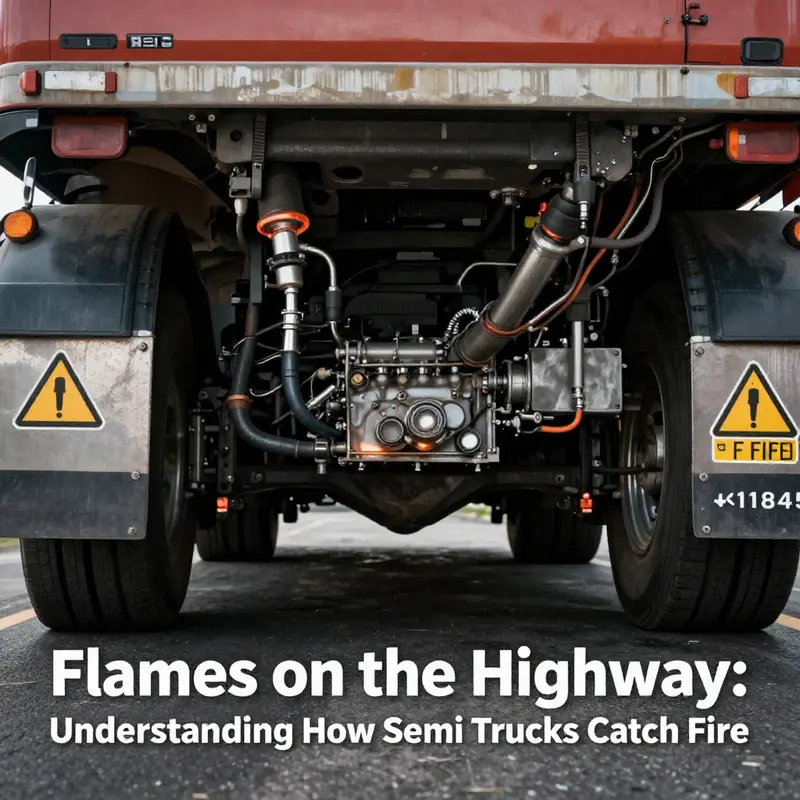
Fires in semi trucks rarely begin with drama at the dealership or in the glare of a media spotlight. More often, they smolder from the quiet, stubborn faults that accumulate over miles, hours, and a calendar of maintenance checks. While electric powertrains and battery packs draw headlines when they ignite, the traditional, relentless culprits of fire live in the engine bay, the transmission, and the heat of heavy hauling. Mechanical failures are not just mishaps; they are warning signs that, if left unaddressed, turn into fuel for a flame. The narrative of how a semi truck catches fire is not one single fault line but a constellation of vulnerabilities that, taken together, raise the risk dramatically. A cracked engine block, leaking fluids, timing misfires, worn belts, and compromised cooling systems each contribute a layer of danger that can culminate in ignition under the right conditions. Understanding these pathways helps explain not only how fires start but also how fleets can intervene before a spark becomes a blaze.
The most intuitive starting point is the engine itself. The powertrain in a heavy-duty semi is a fortress of metal and chemistry, designed to extract every last drop of energy from fuel or electricity. When an engine block develops a crack, the consequences ripple outward in several dangerous ways. A crack can allow oil or coolant to escape onto hot surfaces, turning what would otherwise be a slow leak into an active flame risk. Oil on a hot exhaust manifold is not a mere nuisance; it is a potent fuel source that can ignite with a simple spark, a momentary misalignment of components, or even a heat-soaked misfire. In practice, such cracks are not just about structural integrity—they are about fluid control. Leaks produce vapor, vapor finds a flame, and a single flame can feed a chain reaction if nearby ignition sources—hot surfaces, electrical arcing, or hot exhaust components—are present.
Equally consequential is the role of heat buildup driven by friction and mechanical wear. The balance of a crankshaft is precise; when it is misbalanced or worn, the result is more than rough running or reduced efficiency. Excessive friction translates into sustained heat in the bearings and connecting rods. Heat is a natural enemy of fluids in a mechanical system; it accelerates oil oxidation, degrades lubricants, and increases the viscosity of coolants in a way that impairs their ability to carry heat away from critical joints. The combination of high ambient temperatures inside a crowded engine bay, heavy load demands, and suboptimal lubrication creates a fertile ground for combustion events. This is not speculation but a pattern observed in fleets that track performance metrics across miles of operation. When heat exceeds what the design anticipated, small anomalies become preconditions for bigger failures, including ignition events.
Timing and combustion present another subtle but dangerous route to fire. Camshaft timing errors, if they go unchecked, can disrupt the carefully tuned choreography of fuel and air entering the cylinders. In a mis-timed or mis-synchronized engine, unburned fuel can accumulate in the exhaust system. The exhaust becomes a reservoir of combustible material that can ignite when a hot surface or a catalytic converter—the latter often runs hotter during high-demand phases of a trip—reaches ignition temperature. The ignition event may originate from a momentary detonation, a spark from a maladjusted ignition system, or simply a temperature spike in a component that has been operating near its design limits for too long. The presence of unburned fuel in the exhaust is a red flag; it signals that the system is not completing combustion efficiently, and the leftover fuel becomes a ready fuel source for fire when mingled with hot metals in the exhaust path.
Compounding timing concerns are the wear and failure of belts and chains that drive essential engine functions. A timing belt or chain that wears or stretches can slip, jump, or fail catastrophically. When such a failure occurs, the engine can experience sudden internal damage, with metal-on-metal contact and the potential for sparks. Even a partial timing error can cause misfires and backfires that ignite oil or fuel residues in the engine compartment or exhaust, especially in environments where heat is high and ventilation is limited. The end result is a cascade: mechanical failure propagates heat and sparks, which interact with any nearby flammable fluids or residues—such as lubricants, fuel, or coolant—creating an ignition opportunity that could have been mitigated with timely maintenance.
These pathways to ignition are not isolated incidents but rather a system-level risk that fleets must manage through disciplined upkeep. The logic of prevention hinges on two axes: ensuring clean, well-maintained mechanical interfaces and maintaining robust barriers against heat and ignition sources. A key element of this prevention is the careful, scheduled replacement of vulnerable components. High-quality, properly installed wholesale semi truck parts play a central role here. When components like belts, chains, gaskets, seals, and bearing surfaces are chosen for durability and installed by technicians who adhere to precise torque, alignment, and spec tolerances, the odds of a latent fault becoming a fire hazard are markedly reduced. The maintenance philosophy becomes less about reacting to a problem and more about preserving the integrity of the powertrain as a cohesive system that can withstand the stresses of long-haul operation.
The maintenance imperative is not merely a matter of cost or downtime. It is a matter of safety that impacts drivers, fleets, and road users. Oil leaks, for instance, not only threaten the engine’s longevity but also create slick surfaces around hot components that can ignite with even a modest spark from an electrical fault or short circuit. The same logic applies to coolant leaks. Coolant on a hot engine can flash into steam, but under pressure and heat, it can contribute to a dangerous mixture that intensifies heat transfer to nearby combustibles. In addition, overheating—whether from cooling system failure, clogged passages, or too aggressive a driving schedule—can push lubricants and fuels toward their flammable thresholds and simultaneously degrade the containment capacity of the system. The cumulative effect of these failures is a higher probability that a spark will meet fuel or oil in a way that starts a fire.
Cargo and environmental factors deserve mention in this narrative because even a mechanically healthy engine can become involved in a fire if exterior conditions align poorly. A leak in the fuel line, a spilled lubricant during refueling, or a cracked housing near a hot exhaust can all turn a routine fault into a fire hazard once the truck is in motion. The hazard is not only from the fuel itself but from the concentration of heat in the engine bay during heavy-duty operation. In practice, fleets that operate across varying climates must balance the demands of heat dissipation with the need for robust sealing, ample ventilation, and accessible shutoffs that can minimize the amount of combustible material in the wrong place at the wrong time.
The interplay between mechanical integrity and fire risk intersects with evolving regulatory and safety frameworks. The National Highway Traffic Safety Administration maintains a recalls database that serves as a barometer for mechanical vulnerabilities across the trucking fleet. Recalls can illuminate recurring failure modes—such as ignition-related issues associated with specific components, configurations, or manufacturing flaws—that demand attention from operators and repair networks. The inclusion of recalls in risk assessment underscores a broader point: fire safety is inseparable from maintenance, inspection, and timely replacement of aging equipment. Active recall information—paired with a rigorous preventive maintenance program—creates a dynamic where known mechanical vulnerabilities are addressed before they can become a catalyst for ignition.
Within the maintenance ecosystem, the reliability of parts emerges as a central factor. Fleets that prioritize proactive replacement of aging components and that maintain a steady supply of high-quality items reduce the chance that a small fault snowballs into a fire event. The decision to invest in reliable, tested components is not merely an economic calculation; it is a risk-reduction strategy. The role of maintenance schedules, inspection intervals, and operator training in recognizing signs of impending failure cannot be overstated. A small, seemingly inconsequential symptom—such as a faint knock, a slight oil seep, or a marginal change in timing—may be the first signal that the engine is approaching a threshold beyond which a safe operation becomes precarious. When these signals are heeded promptly, the path from fault to ignition can be interrupted.
In the broader context of a chapter focused on the mechanics behind fires, it is essential to acknowledge that prevention also includes organizational and logistical steps. The maintenance philosophy must be embedded into daily operations, with clear accountability for records, part provenance, and the calibration of diagnostic tools. The ongoing task of maintaining a heavy-duty engine bay is not glamorous, but it is foundational. It is the quiet work that lowers the probability of survival for a spark. The idea is not simply to fix what is visibly broken but to sustain a margin of safety around every bolt, bearing, and valve. That margin depends on the right combination of skilled technicians, reliable parts, and an environment that encourages timely intervention rather than reactive firefighting.
Evidence from the field reinforces this perspective. When mechanical failures are diagnosed early—before they escalate into oil leaks, overheating, or mis-timed fuel injection—the risk of ignition drops sharply. In contrast, delayed responses widen the window during which a small issue can evolve into a fire. The maintenance culture that prioritizes early detection hinges on precise inspections, meticulous record-keeping, and a willingness to act on marginal data. The reward is not only fewer fires but also longer engine life, steadier performance, and enhanced safety for drivers who spend long hours behind the wheel. This is where the link between mechanics and fire outcomes becomes most tangible: robust mechanical integrity, fueled by disciplined maintenance, translates directly into safer roads and lower incident rates for large trucks.
The discussion here is intentionally anchored in practical implications. A cracked engine block, a leak that allows oil to commingle with exhaust heat, timing engine misfires, or a belated belt change are not abstract concerns; they are the kinds of conditions that, in a real-world setting, can ignite a fire under highway speeds or in a quiet yard between runs. The remedy is equally concrete: implement rigorous maintenance, insist on certified parts, and maintain a culture that treats every irregular sound, leak, or heat anomaly as a signal to pull over for diagnostic work. In that sense, prevention becomes a routine practice rather than an emergency response. For operators and technicians, the aim is to keep the engine bay clean, to minimize exposure of fuels and oils to hot surfaces, and to ensure that any potential ignition sources—sparks from electrical faults, overheating, or exposed hot components—are shielded by design, properly engineered cooling paths, and reliable seals.
This cohesive narrative is not meant to dismiss the importance of newer technologies such as electric powertrains, but rather to place the risk in a full lifecycle context. Electric semi trucks bring a new flavor of fire risk, namely battery thermal runaway, which demands specialized cooling strategies and rapid, large-scale cooling resources. Yet even in the electric domain, the mechanical backbone—the supports, connections, and thermal pathways that regulate energy flow—remains a determinant of whether a fire will ignite and how stubbornly it will burn. The underlying principle endures: a well-maintained machine that respects its thermal and fluid boundaries is less likely to become a source of ignition, and more likely to be a reliable partner on long hauls. The maintenance and part-supply ecosystems—where wholesale parts, proper torque specs, and precise alignments are the norm—help keep the odds tilted away from fire.
For readers who want to connect this discussion to broader safety channels, the NHTSA recalls database offers a public lens on mechanical issues that have historically contributed to safety hazards, including fires. Keeping abreast of recalls and ensuring timely service can mitigate recurring failure modes before they become incidents on the road. Moreover, the practical steps—rigorous inspection, timely replacement of belts and chains, ensuring proper camshaft timing, and guaranteeing clean lubricants and sealed systems—form a coherent approach to fire prevention that any fleet can implement without waiting for a catastrophe to reveal weaknesses. The road to safer heavy transport runs through careful maintenance, reliable parts, and a culture that treats potential failures as signals rather than excuses to push through another mile.
To anchor this discussion with a concrete example of proactive sourcing and maintenance practice, fleets often turn to trusted suppliers for essential components. Using high-quality wholesale semi truck parts reduces the risk of premature failure due to substandard materials or poor fit. It also helps to ensure that when a technician replaces a timing belt, an oil seal, or a bearing, the part will perform as intended under the engine’s demanding cycles. This is a practical dimension of the prevention strategy: reliability is bolstered by the integrity of the parts themselves, which in turn supports consistent maintenance outcomes and lowers fire risk over time. For readers seeking a tangible reference to a broader equipment ecosystem, exploring specialist catalogs and part categories can be enlightening, such as dedicated sections that focus on vehicle maintenance inputs and spare components that are routinely inspected during service.
The synthesis of these ideas—engine integrity, controlled heat, precise timing, and quality parts—creates a coherent framework for understanding how mechanical failures become ignition events in semi trucks. It is not a single point of failure but a cascade that begins with prevention, detection, and timely intervention. The engine bay is a crowded space, and in that crowd, small problems can hide in plain sight until a combination of heat, fuel, and sparks aligns. By recognizing the early signs of trouble, by adhering to disciplined maintenance cycles, and by selecting reliable parts, operators can reduce the odds that a mechanical hiccup turns into a roadside blaze. In short, the path away from fires runs through attention to mechanical detail, a culture of safety, and a maintenance infrastructure that supports proactive care rather than reactive firefighting.
External reference: https://www.nhtsa.gov/recalls
Carrying Danger: How Cargo Hazards Shape Fire Risk in Semi Trucks
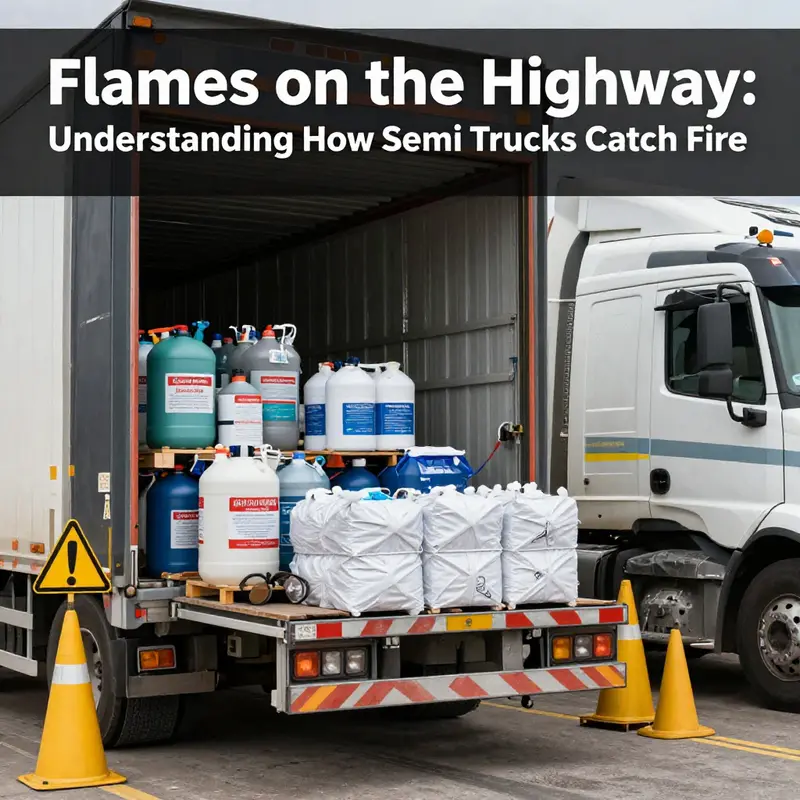
Every mile a semi travels is a moving balance between efficiency, regulation, and risk management. When we discuss why semi trucks catch fire, the conversation often centers on engines, batteries, or mechanical faults. But the cargo itself is a potent, sometimes silent, catalyst. The cargo loaded into a trailer does not just occupy space; it can drive the behavior of a fire, accelerate its spread, complicate suppression, and impose environmental and public-safety consequences that ripple far beyond the vehicle itself. Understanding why cargo matters helps explain why some fires burn fast, others smolder, and why responders must tailor their approach to what the truck is carrying as much as to what is in the truck’s powertrain.
At the heart of cargo-related fire risk is diversity. Some loads are classified as hazardous materials for good reason: flammable liquids, compressed gases, and reactive chemicals can release energy, vapors, or heat in ways that are unpredictable when something goes wrong on the road. A single trailer can carry a mix of hazardous materials, a blend of nonhazardous goods, and, in some cases, specialized equipment or electronics that introduce their own ignition sources. The danger is not simply the presence of a combustible material; it is the interaction between that material, the vehicle’s systems, and the environment in which the truck operates. Consider the scenario of a heavy semi hauling a load that includes flammable liquids alongside a high-energy battery pack in an electric powertrain. If a puncture or a collision compromises the battery and simultaneously breaches a fuel line or a container of flammable liquid, the resulting heat, vapors, and ignition sources can combine in unpredictable ways. Fire behavior becomes a function of both the fuel available and the pathways through which energy can be released in the moment of crisis.
Hazardous materials elevate risk in very specific ways. Flammable liquids, including fuels and solvents, pose an immediate ignition hazard when a leak intersects with hot surfaces, sparks, or friction-induced heat. The vapor space around a leaking container can mix with air to create an explosive atmosphere under certain conditions. The presence of compressed gases turns the inside of a trailer into a potential pressure hazard as well; refrigerants, propane, ammonia, and other gases can contribute to rapid flame spread or pose explosion risks if confinement is breached. Reactive chemicals add another layer of complexity. Substances that react violently to heat, friction, or contact with water might not ignite under normal conditions, but a disturbed state—such as a crash or a shift in the cargo—can trigger an energetic reaction. In the event of a large fire, these materials can generate toxic fumes, highly reactive byproducts, and sudden pressure surges that complicate evacuation and suppression.
Nonhazardous cargo may still contribute to catastrophic outcomes. Organic materials like hay, cotton, or other plant-based products can undergo spontaneous or rapid combustion when exposed to heat or friction, especially if moisture and microbial activity create hotspots within a pile. Improperly packed electronics or accumulations of electronic waste can lead to electrical shorts or overheating, which become ignition points in a moving compartment that is already stressed by a fire. Even seemingly benign items—textiles, paper, or plastics—can feed a fire once it starts, and the presence of multiple material types in a single trailer can create a layered burn with varying heat release rates. The result is not a single flame but a symphony of burning processes that challenge suppression efforts and require adaptable tactics.
Loading and securing practices magnify or mitigate these risks. When cargo shifts in transit, valuable parts of the truck’s critical systems—fuel lines, brake components, or electrical harnesses—are placed under abnormal stress. A shifted load can abrade hoses, puncture lines, or corrode connections, creating ignition sources where none existed before. Improper stacking can trap heat against vulnerable areas of the trailer or vehicle frame, accelerating thermal buildup in the event of a fire. On the other hand, meticulous loading can create space for heat to dissipate and reduce the likelihood that a spark or heat source will encounter flammable vapors in a confined space. It is not enough to know what is being hauled; the way it is secured, segregated, and monitored during transport can determine whether a fire remains contained or escalates into a full-blown emergency.
The fire itself behaves differently depending on cargo composition, but the consequences are consistently severe. A fire fueled by flammable liquids produces vigorous flames, rapid heat release, and the potential for vapor-driven ignition that radiates heat into surrounding areas. If a high-energy battery is involved, the scenario changes markedly. Battery thermal runaway generates intense heat, volatile gases, and, in some cases, the potential for reignition long after initial suppression. When such a battery fire intersects with a cargo fire, the suppression challenge multiplies. Water, often the first line of defense for battery fires, must be used in substantial volumes to cool the packs and prevent re-ignition, a process that can require hundreds of thousands of liters under extreme conditions. The combination of liquid fuels and battery heat can produce a layered fire where different materials burn at different rates, creating complex plumes of smoke and a spectrum of toxic byproducts that pose risks to responders and nearby communities alike. Moreover, the presence of reactive or pressurized cargo adds shock and fragmentation hazards that can threaten structural integrity or drive secondary explosions if containers rupture under heat.
The road itself becomes a hazard when cargo is involved. A crash at highway speeds can rupture tanks, rupture hoses, or compromise seals that keep vapors contained. The immediate aftermath often includes fuel leaks and vapor clouds spreading along the roadside, with the added complexity of a nearby battery fire if the vehicle carries an electric powertrain. The risk to bystanders, other motorists, and first responders escalates as a plume of toxic fumes from certain chemicals mixes with heat and combustion products. Even when a fire is controlled, the site may remain hazardous for hours. Spilled or burned chemicals can contaminate soil and water, creating long-term environmental concerns that extend beyond the incident itself. Road closures become a public-safety measure, sometimes lasting longer than the fire, as cleanup crews remove debris and neutralize hazardous residues. The social and economic costs of cargo-related fires therefore extend far beyond the immediate flames.
In talking about prevention, the answer lies not only in policing or policing the roads. It rests in the collaboration among shippers, carriers, drivers, and regulators to implement robust systems for cargo segmentation, packaging, and inspection. Safety regulations and guidelines matter because they codify the best practices that reduce risk. Proper segregation is critical: hazardous materials should be kept separate from incompatible cargo to minimize the chance of cross-contamination or unintended reactions. Secure packaging and correct labeling help ensure that even in a collision, cargo remains contained or that ignition sources are kept away from vapors. Regular inspections—of cargo integrity, securing devices, and the vehicle’s own critical systems—can reveal weaknesses before a crisis occurs. If a trailer carries multiple cargo types, awareness of their potential interactions becomes essential for decision-makers in transit operations and during emergency response planning. This is why many fleets emphasize rigorous pre-trip and en route checks, especially when hazardous materials are involved, and why drivers and dispatchers alike invest in updated routing information that reduces exposure to high-risk areas or weather conditions that could aggravate a fire.
The evolving landscape of propulsion adds another layer of complexity. Electric semi trucks, with their large lithium-ion battery packs, introduce a distinct set of hazards that interact with cargo risks in new ways. Battery fires require sustained cooling, often with extensive water application to avoid reignition. When a battery is compromised in a crash or due to mechanical failure, the resulting thermal runaway can propel a fire that continues even after the visible flames are suppressed. The presence of flammable cargo compounds the challenge: vapors can collect within the trailer or in adjacent compartments, and the heat from a battery can energize a nearby flammable liquid, potentially triggering a rapid, high-energy flash. Firefighting strategies must account for both the battery fire and the cargo fire as a single, interlinked event, with a focus on preventing reignition and protecting nearby exposures, including other vehicles and roadside infrastructure. The combined hazard demands specialized training, equipment, and coordination among fire units, hazardous materials teams, and incident command, underscoring why cargo risk is inseparable from fire risk in modern trucking.
To connect these observations with practical action, it helps to frame prevention and response as an integrated system rather than a checklist. The science of fire behavior indicates that when fuels are stratified—fuel in a container, fuel in the cargo, and fuel in the vehicle’s own systems—the potential pathways for heat transfer multiply. For drivers, this means more than learning the correct response to a fire; it means understanding how the cargo itself can influence ignition sources, how heat can migrate between compartments, and how external factors like weather and road conditions can magnify risk. For fleet managers, it means investing in robust training that covers placarding, routing, and emergency response planning, as well as ensuring that cargo is appropriately secured and segregated, with contingency plans for incidents along the route. For responders, it means approaching a scene with a dynamic model of risk—recognizing that a single trailer can present a spectrum of hazards, each with its own ignition, ignition source, and suppression strategy. This is where the social contract among industry, government, and the public manifests: prevention and preparedness are collective responsibilities, and the cargo that a truck carries is a defining factor in the shape of fire risk.
In the midst of this, the connection to the broader infrastructure of firefighting resources remains important. Emergency responders often rely on a broad ecosystem of equipment and expertise, including industrial-grade vehicles and specialized tools designed to tackle cargo fires and battery-related incidents. The role of knowledge—not only about how to fight a fire but also about what fuels are involved and how they interact with the vehicle’s systems—cannot be overstated. For responders, this means preplanning with an eye toward cargo types, understanding placards, and maintaining readiness for complex scenes where multiple hazard types intersect. For drivers, it means carrying the right information about cargo types, ensuring accurate documentation, and maintaining open lines of communication with dispatch and first responders so that crews can anticipate potential hazards before they reach a crash site.
The cross-cutting message here is that cargo hazards are not a peripheral concern in the story of why semi trucks catch fire. They are central to the fire’s ignition, pace, and trajectory, and they shape every decision from the moment a trailer is loaded to the final scene of a blaze being brought under control. This is why regulatory guidance, risk assessment, and continuous improvement in loading practices matter just as much as improving battery safety and engine design. The road is a dynamic test-bed where cargo, vehicle, and environment interact in real time, and understanding those interactions is essential for reducing the frequency and severity of fires on our highways.
For readers who want to explore more about how to connect cargo safety with broader firefighting capabilities, practical resources exist that address the equipment and strategies used to manage these high-stakes incidents. See the industrial-fire-truck category for equipment considerations that support emergency response in cargo-fire scenarios. For a regulatory framework that underpins safe handling of dangerous goods, the U.S. Department of Transportation’s Hazardous Materials Regulations provide essential guidance on packaging, segregation, labeling, and transport conditions. These elements together form the backbone of a safer roadway environment, where the risk of fire is mitigated not only by better vehicle design but also by smarter cargo practices and coordinated, well-resourced response.
External resource: For more on regulatory context and best practices, consult the PHMSA Hazardous Materials Regulations at https://www.phmsa.dot.gov/hazmat/regulations. This resource helps illuminate the standards that govern how cargo is packaged, labeled, and transported and why those standards matter when a fire starts on a trailer carrying hazardous or reactive materials.
Beyond the Spark: External Triggers That Ignite Semi-Truck Fires
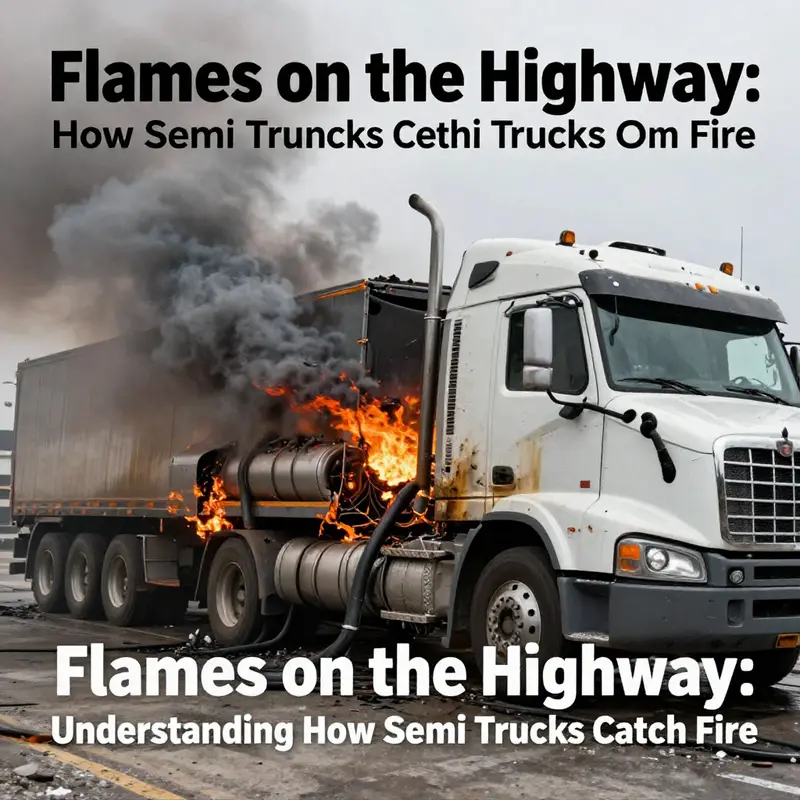
Fires involving semi trucks rarely begin with a single, isolated failure inside the cab or beneath the hood. More often, ignition starts outside the vehicle’s immediate mechanical system—driven by the weather, the cargo, human actions, or the way a unit is parked and stored. This chapter examines how external factors contribute to semi-truck fires, why those factors demand the same vigilance as internal mechanical issues, and what drivers, fleet operators, and stakeholders can do to interrupt the sequence before a small incident becomes a dangerous blaze. The story of ignition in semi trucks is rarely simple. It is a complex choreography where heat, flammable substances, air, and an ignition source converge in dynamic environments—on the open road, at loading docks, or in crowded lots—often amplified by the energy and volume these vehicles carry. In that sense, external factors do not merely precede a fire; they can set the stage for it, influence its trajectory, and determine how difficult it will be to control once it starts. The discussion that follows keeps navigation through these hazards central: understanding where the risk originates helps illuminate practical safeguards that can bend outcomes toward safer, cooler responses rather than destructive conflagrations that burn through hours, not minutes.
One of the most consequential external sources of ignition is the presence of nearby fires that radiate heat and shed embers toward a truck long before any internal fault becomes apparent. A wildfire, an industrial flare, or a small exterior fire in a nearby facility can heat the pavement, melt or degrade elastomer seals, ignite exposed fluids, and create a shared hot environment around the vehicle. Radiant heat can compromise tires, fuel lines, or battery casings in electric models if the truck sits too close to the ignition source, or if barriers fail to shield sensitive components. Even when a truck is idling quietly in a rest area, the external heat signature from a distant blaze can push surrounding fluids toward higher vapor pressures, increasing the likelihood that a minor leak becomes an ignition event. In environments where dry brush, leaf litter, or industrial residues collect near parking spots or along routes, a spark—or even a hot exhaust component—can ignite vapors that drift toward the vehicle. These scenarios underscore a key point: external fires do not need to originate on the truck itself to become catastrophic. They can transfer heat, ignite vulnerable elements, and prime the truck for an internal fire that then takes hold with greater ease and speed.
A second major external influence concerns cargo handling. The way goods are packed, labeled, and separated can make the difference between a stable load and a rolling tinderbox. Improper cargo handling—such as storing incompatible materials in proximity, inadvertently mixing reactive substances, or failing to secure hazardous contents properly—creates pockets of danger that can erupt with surprising speed if a container is breached, a seal fails, or an accidental spill occurs during transit. If a spill happens and flammable vapors accumulate in the cargo area or around the chassis, a single spark can ignite those vapors, triggering a rapid, self-propagating fire. This risk is amplified when drivers or logistics staff underestimate the potential for small leaks to evolve into large-scale hazards, especially in high-traffic ports, distribution hubs, or rural routes where emergency response may be delayed because of distance or terrain. Even routine loading and unloading can become ignition events if the procedures are lax, if incompatible materials are used as accidental packaging substitutes, or if containers are damaged during handling. The practical takeaway is clear: strong cargo handling standards are not simply about compliance; they are about preemptive defense against an external trigger turning into a fire with devastating consequences.
Human error and unsafe practices form a third critical axis of external-driven ignition risk. People on and around trucks—drivers, dock workers, maintenance crews, and bystanders—introduce ignition sources directly or indirectly. A driver may unknowingly leave easily ignitable items in the cab on hot days, such as lighters, lithium-ion portable devices, or aerosol sprays. Heat can damage or puncture these items, causing them to vent, ignite, or even explode. A spark from a tool, a stray hot surface from fatigue-worn components, or a loose electrical contact can light up a flammable environment in an instant if it is near oil, grease, or fuel vapors. The presence of aerosols, solvents, or fragrances in the cab adds additional fuel to the fire load, raising the chance that even a modest ignition becomes a large blaze. Bystanders may attempt to assist with improvised or inappropriate actions—welding or cutting near the vehicle, or using incompatible tools—introducing sparks in places where flammable vapors linger. Training and safety culture are not mere formalities here; they are practical, life-saving imperatives. A driver who conducts a careful pre-trip check, removes unnecessary items from the cab, and understands how to recognize a potential ignition source can break the chain before it starts. Fleet operators who emphasize safe work practices, reinforce the separation of ignition sources from fuel-rich spaces, and discipline unsafe activities reduce the likelihood that external actions will escalate into fire.
Environmental conditions, too, exert a powerful and sometimes underappreciated influence on fire risk. In extreme heat, components exposed to sun, road heat, or radiant heaters within the engine bay can degrade hoses, seals, and electrical insulation faster than standard operating conditions would suggest. High ambient temperatures raise evaporative losses and increase the velocity with which vapors accumulate near leaks or vents. Dry, windy conditions add another layer of hazard by dispersing vapors more quickly and spreading embers or flames across greater distances. In dry climates, static electricity becomes a more credible ignition mechanism, particularly in the engine compartment where dust and sparkling particles can collect. Static discharges can ignite flammable vapors if there is a proximate ignition source, and windy days can carry sparks or embers into a nearby fuel tank or tire assembly. Environmental conditions also influence road dust and debris that can cling to hot surfaces or become lodged in engine bays, where they may smolder and ignite later when heat, air, and fuel converge. The interplay between weather, geography, and the truck’s operating profile means that a route through a dry, windy basin on a hot afternoon can present a different hazard profile than a night-time trek through a humid urban corridor. Recognizing this dynamic is essential for making informed decisions about when and where to park, how to stage a load, and how to time maintenance activities that can be sensitive to external heat and dust.
Parking and storage hazards constitute a fourth significant external vector. The layout of a truck yard, the distance between vehicles, and the presence of nearby combustibles can all tip the balance toward ignition. Parking a vehicle in close proximity to other trucks or near piles of wood, paper, solvents, or oily rags can allow a small exhaust flame or a radiant heat source to transfer to adjacent equipment. A vehicle parked on a surface with flammable debris or a stack of pallets increases the chance that a tiny, localized heat source will find fuel. The risk multiplies in busy facilities where multiple trucks share a limited footprint, as heat from one vehicle can radiate toward a neighboring unit already compromised by a small leak or a stressed component. In such environments, simple decisions—whether to leave a truck in a high-fire-risk location, how to orient the vehicle to minimize heat exposure, or how to segregate vehicles carrying hazardous cargo—can dramatically influence the probability and speed of a fire developing.
The common thread across these external factors is that fires rarely arise from a single fault visible on a diagnostic panel. Instead, fires often result from a cascade: heat and fuel are brought into proximity by the environment, an ignition source is introduced by human action or by nearby activity, and a critical moment is reached where the ignition event gains momentum. In electric semi trucks, this cascade may begin with a battery-related condition, but it is the external context—heat, vapors, mechanical stresses from the environment, and vulnerable surroundings—that determines whether a battery fault will become a blaze that is hard to suppress. The practical implications are not purely technical; they reach into policy, maintenance routines, and daily habits. Fleet managers who implement robust cargo-handling protocols, invest in driver training about ignition risks, design parking rules that maintain safe clearances and exposure, and ensure that environmental conditions are considered in route planning, all contribute to a layered defense against external ignition.
From a safety standpoint, one actionable way to address the external-fire risk is to empower crews with equipment and procedures that can act as the first line of defense. Having ready access to portable fire-fighting equipment can make a critical difference in the earliest moments of a fire, when suppression efforts are most effective and before flames gain unstoppable momentum. This capacity matters not only in a firefighting sense but also for preventing a minor incident from escalating into a major event. Practically, it means integrating the right tools into the vehicle and the yard: extinguishers that are appropriate for the range of potential external and internal fuels, accessible blanket fires, and simple systems that can dampen vapors and heat while crews evaluate the next steps. The emphasis is on early intervention—recognizing an external cue, initiating a cautious response, and calling for professional assistance before conditions deteriorate beyond control. The linked resource on portable fire-fighting equipment provides a concrete starting point for fleets looking to bolster this frontline capability, ensuring that a truck and its operators have practical means to act swiftly when an external spark threatens.
While the specifics of each incident will differ, the overarching lesson is consistent: prevention hinges on reducing opportunities for ignition in the first place and ensuring that when ignition does occur, the response is timely and effective. The cross-cutting nature of external factors means they interact with internal systems, road conditions, and human factors in ways that can either dampen or amplify risk. A dry hillside next to a highway, a dock where incompatible materials are stored in close proximity, or a parking area where a single unmonitored item sits in the cab on a hot afternoon—all of these can contribute to a scenario where a fire begins outside the vehicle and then finds a path into the truck’s interior. In the end, the goal is not to eliminate all risk—some external exposure is inevitable in a demanding, global transportation network—but to systematically reduce the ignition window and to strengthen the capacity to prevent, detect, and suppress fires before they threaten lives and livelihoods.
Taken together, these external factors form a mosaic of risk that complements the internal mechanics of any semi truck. Recognizing their role helps shift safety conversations from a purely mechanical checklist to a holistic program that includes cargo integrity, environmental awareness, parking discipline, and rapid, practical fire-suppression readiness. The chapter thus points toward a more resilient operational approach: reduce the external ignition opportunities, improve handling around hazardous materials, train and empower people to act prudently under pressure, adapt to environmental realities, and maintain a disciplined approach to parking and staging. When these elements align, the likelihood of a small external spark turning into a dangerous, sprawling fire is significantly diminished, and the road remains safer for drivers, bystanders, and the communities that support the transportation network.
For readers seeking practical resources in line with these concepts, consider integrating portable fire-fighting equipment into fleet and roadside operations. The compact, purpose-built tools you keep within reach can bridge the gap between a spark and suppression, especially in the crucial minutes before professional firefighters arrive. The goal is not to replace professional response but to provide a robust, immediate defense that buys time for safer, more controlled action. In the broader context of the article, this chapter reinforces the idea that while electrical and mechanical factors get a lot of attention, the external environment often sets the stage for fires in semi trucks—and understanding that stage is essential to preventing tragedies on the road.
Internal links: portable fire-fighting equipment
community safety
Fire safety in the trucking industry should be a top priority for business owners. The risks associated with both electric and diesel semi trucks vary but understanding the common causes—be it battery thermal runaway, mechanical failures, cargo hazards, or external factors—can help fleet operators mitigate these dangers effectively. Implementing regular maintenance, adhering to safety protocols, and training drivers on fire prevention tactics can save lives and protect assets. Investing in robust fire safety measures today will ensure safer operations for tomorrow.

