
















Top ARFF Truckfabrikanten: Een uitgebreide handleiding voor ondernemers in 2025
Stel je dit voor: een tweemotorig vliegtuig glijdt van een regenachtige baan af op een grote internationale luchthaven. Brandstof ontbrandt. Dikke zwarte rook stijgt op over de startbaan. Binnen het terminalgebouw schermen honderden passagiers als alarmsignalen klinken. Buiten, de klok tikt – en binnen 90 seconden eist internationaal veiligheidsstandaard dat het eerste hulpvoertuig op de plek aankomt, met schuimkanonnen klaar, om te beginnen met de onderdrukking. Dit is geen oefening. Dit is de smalle ruimte tussen catastrofe en beheersbare redding. In dat moment hangt alles af van één machine: de Aircraft Rescue and Firefighting (ARFF)-truck.
Voor luchthavenbeheerders, luchtvaartautoriteiten en brandweerondernemers zijn ARFF-trucks niet alleen apparatuur - ze zijn de kern van levensreddende infrastructuur. Deze speciaal gebouwde zware voertuigen moeten snel versnellen, enorme belastingen van water en schuim dragen, door hekken kunnen breken indien nodig, en verbrandingsmiddelen met chirurgische precisie leveren. Ze werken onder extreme stress in hoogopgemaakte omgevingen waar falen geen optie is. Of je nu een regionale luchthaven beheert of een hub die miljoenen passagiers per jaar bedient, je keuze van ARFF-truckfabrikanten beïnvloedt direct het noodgevalbereidheidsscherm van je luchthaven.
De globale markt voor ARFF-voertuigen evolueert snel. Leidende ARFF truckfabrikanten - waaronder Oshkosh Airport Products, Rosenbauer, E-ONE en opkomende spelers zoals CIMC - rennen om innovaties zoals elektrische aandrijflijnen, afstandsbediening van kanonnen en geavanceerde thermografie in hun nieuwste modellen te integreren. Regulerende instanties zoals de FAA (via de certificering Part 139) en ICAO blijven de eisen verhogen op reaktietijden, capaciteit van agenten en veiligheid van het personeel. Voor ondernemers betekent het navigeren in deze omgeving het evalueren niet alleen van de technische specificaties van het voertuig, maar ook van de betrouwbaarheid van de fabrikant, na-verkoopondersteuning, beschikbaarheid van onderdelen en het totale kostenaandeel op lange termijn.
Het kiezen van de juiste partner onder de wereldtop ARFF-truckfabrikanten is meer dan een aankoopbeslissing - het is een strategische investering in operationele veiligheid, naleving van regelgeving en rendement op investering. Deze handleiding loopt je door de belangrijkste fabrikanten, hun hoofdmodellen, belangrijke selectiecriteria en de trends die de toekomst van luchthavenbrandbestrijding vormgeven. Of je nu je vloot up-to-date maakt of vanaf nul begint, de inzichten die volgen zullen je helpen om een goed geïnformeerd, zelfverzekerde keuze te maken voor je bedrijf en de levens die het beschermt.
Een geavanceerde ARFF-truck die haar hoge capaciteit van water spuiten op een luchthavenbaan laat zien - ontworpen voor snelle noodgevalreactie en maximale brandbestrijdingskracht.
Wanneer seconden tellen op de startbaan, niets commandeert de baan zoals een speciaal ontworpen Aircraft Rescue and Fire Fighting (ARFF)-voertuig. Het beeld hierboven vangt de kracht en gereedheid van moderne ARFF-technologie op - een voertuig ontworpen om de strenge eisen van internationale luchthavenbrandbescherming te voldoen. Van hoge bereikbare uitrekende kanonnen (HRET) tot dubbele agenten schuim en water onderdrukkingssystemen, vandaag de dag ARFF-trucks vertegenwoordigen de top van luchtvaart reddingsbrandweertechnologie. Deze machines zijn gebouwd om elk punt op een luchthaven binnen drie minuten te bereiken, volgens FAA-standaarden, en duizenden liters onderdrukkingsmiddel per minuut te leveren om levens, vliegtuigen en infrastructuur te beschermen. Voor luchthavenbeheerders en veiligheidsmanagers die hun vloot upgraden evalueren, begrijpen de mogelijkheden van moderne ARFF-voertuigen is de eerste stap naar het waarborgen van naleving van regelgeving en operationele excellentie.
Wat maakt een wereldklasse ARFF-truck?
Aircraft Rescue and Fire Fighting (ARFF)-voertuigen zijn anders dan andere brandweerapparatuur. Ze moeten strenge internationale standaarden aanvaarden, met name NFPA 414, die alles regelt van versnelling tot agentenlevering. Voor ondernemers die luchthavenoperaties beheren, is het begrijpen van de technische basis van deze machines essentieel voor zowel veiligheidscompletness als operationele efficiëntie.
Deze voertuigen zijn speciaal ontworpen voor één missie: om een vliegtuig in nood op elk punt van de luchthaven binnen drie minuten te bereiken. Dat ene doel bepaalt elke ontwerpdoctrine, van de aandrijflijn tot het pompensysteem.
De 5 kritieke ARFF-prestatiecriteria
Elk wereldklasse ARFF-voertuig moet zich uitstekend gedragen in deze vijf gebieden:
- Versnelling (0-80 km/u in minder dan 25 seconden): Volgens NFPA-standaarden moeten ARFF-trucks de verste eind van een baan binnen drie minuten bereiken vanaf een koud start. Dit vereist een hoog vermogen-veegverhouding en geavanceerde transmissiesystemen.
- Robust Build and Durability: Een typisch ARFF-voertuig draagt 6.000-12.000 liter water en 600-1.200 liter schuimconcentraat. Dit zorgt voor continue agentenlevering tijdens grote vliegtuigbrandincidenten.
- Pompuitvoer (4.500+ L/min): Volgens NFPA-standaarden moeten ARFF-wagens binnen drie minuten bij het verste einde van een baan aankomen vanaf een koude start. Dit vereist een hoog vermogen-tot-zwaarte-verhouding en geavanceerde transmissiesystemen.
- Off-Road Capability: Een typische ARFF-voertuig bevat 6.000-12.000 liter water en 600-1.200 liter schuimconcentraat. Dit zorgt voor continu agentenlevering tijdens grote vliegtuigbrandincidenten.
- Pompuitvoer (4.500+ L/min): Hoge stroompompen laten brandweermannen water of schuim leveren met extreme volumes via daktorens en bumpermonder nozzles, vaak terwijl het voertuig in beweging is.
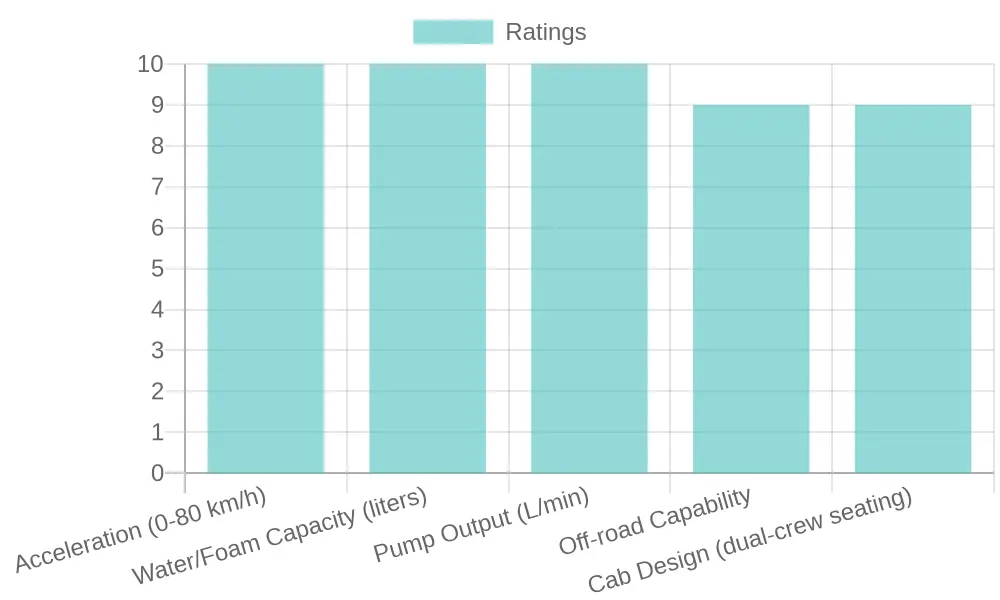
: ARFF-wagens moeten gras, modder, grind en oneven terreinen naast banen doorgraven. Zware 4×4 of 6×6 all-wheel-drive chassis met hoge bodemdruk zijn onverhandelbaar.
Cabineontwerp en bemanningszitplaatsen
Bij het beoordelen van Portuguese, : De cabine moet een volledige bemanning (meestal 4-6 brandweermannen) accommoderen met snelle toegang zitplaatsen, volledige PPE-opslag en 360 graden zichtbaarheid. Het ergonomische ontwerp heeft direct invloed op de reactietijd.
ARFF-voertuigprestaties gemeten tegen wereldklasse standaarden.
Waarom betrouwbaarheid de aanvankelijke kosten overtreft , is het verleidelijk om te focussen op de aankoopprijs. Maar voor luchtvaartbedrijven is een voertuig dat faalt tijdens een live noodgeval niet alleen een mechanische storing - het is een aansprakelijkheidscatastrofe. Downtime op een ARFF-wagen betekent vliegtuigen uitstellen of FAAs/ICAO-compliance vereisten schenden. De kosten van een enkele gemiste responsvenster kunnen veel groter zijn dan welke besparing ook van een goedkoper voertuig.
Leidende
brandbestrijdingsapparatuurfabrikanten ARFF voertuigspecificaties, bouwen ARFF-wagens met redundante systemen, corrosiebestendige tanks en onderdelen getest tot militaire duurzaamheid. Deze functies verminderen de totale levensduur van eigenaar door minder reparaties en langere levensduur.
Begrip van ARFF-voertuigspecificaties.
This information not only highlights the essential nature of ARFF services but also underscores the ongoing commitment to aviation safety.
Bij het beoordelen van.
, let nauwkeurig op de pomp-en-rolmogelijkheid - de mogelijkheid om agent te ontladen terwijl de truck in beweging is. Deze functie is cruciaal voor snelbewegende vliegtuigbrandscenario's waarbij stoppen geen optie is.
Overweeg ook het tankmateriaal. Staal of polypropyleentanks weerstaan corrosie van schuimconcentraten veel beter dan zacht staal, waardoor de levensduur van het voertuig jaren wordt vergroot. Een wereldklasse ARFF-wagen is een investering in veiligheid, naleving en operationele gereedheid. Het prioriteren van bewezen engineering boven lage aanvankelijke kosten beschermt uw luchthaven, uw personeel en uw reputatie. Door samen te werken met betrouwbare fabrikanten die NFPA-standaarden en echte luchthavencondities begrijpen, zorg je ervoor dat wanneer de alarmen gaan, je voertuig levert. Wereldwijde marktleiders: In-depth fabrikantprofielen Bij het beoordelen van de beste ARFF-wagenmerken.
voor uw luchthaven of luchtvaartfaciliteit, domineren drie fabrikanten de wereldwijde discussie: Oshkosh Airport Products, Rosenbauer en E-ONE. Elke brengt een uniek ingenieursfilosofie, een verhaalvolle geschiedenis en een vloot doelgerichte.
luchthaven reddingsvoertuigen
ontworpen om de meest eisenstellingen van noodgevalstandaarden te voldoen. Hieronder profileren we de eerste drie industriekeizers die de moderne ARFF-landschap definiëren.
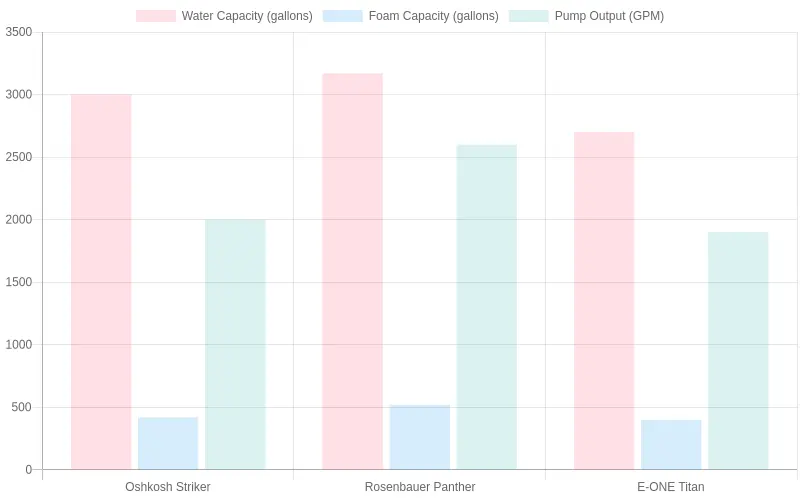
Vergelijking van ARFF vlaggenschip specificaties over watercapaciteit, schuimcapaciteit en pompuitvoer.
Oshkosh Airport Products: De Amerikaanse gigant
Impact on Business Continuity 30 gallons Bedrijfsgeschiedenis Strijker 8×8 Oshkosh Corporation, gevestigd in Oshkosh, Wisconsin, traceert haar oorsprong terug naar 1917 toen het zware vrachtwagens begon te produceren voor de houtbouw. Over de jaren heeft Oshkosh zich verplaatst van militaire voertuigen naar specialisatie brandweerapparatuur, uiteindelijk een dominante kracht in luchtfightening geworden. Vandaag is Oshkosh Airport Products de grootste producent van ARFF-wagens in Noord-Amerika, met een reputatie voor het bouwen van voertuigen die de hardste omstandigheden en meest eisenstellingen operationele cycli kunnen verdragen. 0-80 km/h in 28 seconds van water, 420 gallons van schuimconcentraat, en levert een pompuitvoer van 2.000 GPM - voldoende om een breedvleugelig vliegtuig te bedekken met vuurblussend middel binnen seconden na aankomst.
Belangrijke innovaties
- Tactisch Ontvluchtingsysteem (TES): Een gepatenteerd systeem dat het voertuig toelaat om zich terug te trekken van een brand terwijl het nog steeds agent afgeeft, zodat de bemanning veilig is in oplopende situaties.
- Snozzle® Hoge-Reach Extendable Toren: Een doorborend neusje dat vanaf een veilige afstand de romp van een vliegtuig kan doorboren en het middel direct in de brandzone kan leveren.
- Command Zone™ elektronica: Een geavanceerd voertuigbeheersysteem dat real-time diagnostiek en automatische pompm beheer biedt, waardoor de belasting van de operator wordt verminderd tijdens kritieke momenten.
Marktaandacht & Certificeringen
Oshkosh heeft een dominante marktaandeel in de Noord-Amerikaanse ARFF-markt, met de Striker geïnstalleerd op meer dan 700 luchthavens wereldwijd. De Striker voldoet aan of overschrijdt Key Specifications of ARFF Fire Trucks standaarden voor ARFF-voertuigen en is gecertificeerd door de Verenigde Staten Luchtmacht voor militaire luchthavendiensten. Luchthavenbeheerders rangschikken Oshkosh vaak onder de Een wereldklasse ARFF-wagen is een investering in veiligheid, naleving en operationele gereedheid. Het prioriteren van bewezen engineering boven lage aanvankelijke kosten beschermt uw luchthaven, uw personeel en uw reputatie. Door samen te werken met betrouwbare fabrikanten die NFPA-standaarden en echte luchthavencondities begrijpen, zorg je ervoor dat wanneer de alarmen gaan, je voertuig levert. voor betrouwbaarheid, onderdelenbeschikbaarheid en service-netwerkdekkingsgraad.
Waar Oshkosh zich het meeste onderscheidt: Ongekende Noord-Amerikaanse service-infrastructuur en bewezen duurzaamheid in extreme klimaten, van Arctische startbanen tot woestijnvliegvelden. Voor een volledig bereik van Portuguese en gerelateerde uitrusting, verkennen onze uitgebreide selectie.
Rosenbauer: Innovatie uit Oostenrijk
ontworpen om de meest eisenstellingen van noodgevalstandaarden te voldoen. Hieronder profileren we de eerste drie industriekeizers die de moderne ARFF-landschap definiëren.
Rosenbauer International AG, opgericht in 1866 in Leonding, Oostenrijk, begon als een klein pompproducent en ontwikkelde zich vervolgens tot het grootste brandveiligheidsbedrijf ter wereld. Met activiteiten in meer dan 100 landen is Rosenbauer al decennia lang op de voorste rij van ARFF-innovatie. Het Europese ingenieurservaring van het bedrijf is zichtbaar in elk detail van zijn voertuigen, van aerodynamische cabines tot intelligente brandbestrijdingsystemen die zowel bemanningsveiligheid als operationele efficiëntie prioriteren.
Topmodel ARFF: De Panther
Impact on Business Continuity NPR 2000L is het premier ARFF-voertuig van het bedrijf en een referentiepunt voor de globale luchtvaartbrandweerindustrie. De Panther is gebaseerd op een modulaire platform dat uitgebreide aanpassingen toelaat, maar de hoogcapaciteitversie heeft een 170 gallon watertank, 520 gallon schuimconcentraat, en een klasseleidend pompuitvoer van 600 GPM - het hoogste in zijn klasse. De Panther is beschikbaar in 4x4, 6x6 en 8x8 aandrijvingen, waarbij de 8x8-versie kan versnellen van 0 naar 50 mijl per uur in minder dan 25 seconden terwijl deze volledig beladen is.
Belangrijke innovaties
- HRET (High-Reach Extendable Turret): Rosenbauer's versie van de articulerende doorborende toren stelt de operator in staat om de vliegtuighuid door te boren en schuim of water vanaf maximaal 60 voet af te leveren, waardoor het voertuig op een veilige afstand blijft van de brand.
- FireFog® Systeem: Een gevestigd ultra-hoge druk nevelsysteem dat microscopische waterdruppels creëert voor snelle warmteabsorptie, waardoor het aantal water nodig voor de eerste aanval dramatisch wordt verlaagd.
- Panther Digitale Beheer: Een volledig geïntegreerd touchscreen-interface dat de pompoperaties, de richting van de toren en de proportionering van schuim beheert, waardoor een enkele operator het hele brandbestrijdingssysteem kan beheren.
Marktaandacht & Certificeringen
De Panther wordt gebruikt door meer dan 500 luchthavens wereldwijd, inclusief grote hubs zoals London Heathrow, Frankfurt en Singapore Changi. Rosenbauer-voertuigen zijn gecertificeerd voor Key Specifications of ARFF Fire Trucks, Dual-Stage Foam Systems standaarden, en EU regelgeving. De Panther heeft ook meerdere ontwerpprijzen gewonnen, waaronder de Red Dot Design Award voor industriële excellentie. Bij het bespreken van Bij het beoordelen van de, wordt de Panther vaak genoemd als de gouden standaard voor Europese en Aziatische markten.
Waar Rosenbauer zich het meeste onderscheidt: Ongekende technologische innovatie en een wereldwijde onderdelen- en service-netwerk dat zich uitstrekt over meer dan 100 landen, waardoor het de topkeuze is voor internationale luchthavens die de nieuwste brandveiligheidstechnologie zoeken. Blader door onze selectie van ARFF luchtvaartbrandweer voertuigen om te zien hoe deze innovaties zich vergelijken.
E-ONE: Ontworpen voor prestaties
ontworpen om de meest eisenstellingen van noodgevalstandaarden te voldoen. Hieronder profileren we de eerste drie industriekeizers die de moderne ARFF-landschap definiëren.
E-ONE (Emergency One), opgericht in 1974 in Ocala, Florida, begon als een klein producent van aangepaste brandweervoertuigen en groeide vervolgens uit tot een van de meest respecteerde namen in de industrie. Het bedrijf maakte naam door de gebruik van corrosiebestendig aluminium cabine- en lichaamsconstructie te pioneering – een materiaalkeuze die sindsdien een industrie-standaard is geworden. E-ONE werd in 2016 overgenomen door REV Group, maar het merk blijft onvermijdelijk bij ingenieurskundige excelentie en klantgerichte ontwerp. Het bedrijf's ARFF-afdeling produceert voertuigen speciaal afgestemd op regionale luchthavens, militaire basis en kleinere commerciële vliegvelden.
Topmodel ARFF: De Titan
Impact on Business Continuity E-ONE Titan is de vlaggenschip ARFF-voertuig van het bedrijf, ontworpen om uitzonderlijke prestaties te leveren in een compacte, manoeuvreerbare verpakking. De Titan draagt 700 gallon of water and 400 gallons schuimconcentraat, met een pompuitvoer van 900 GPM. Hoewel de capaciteiten van de Titan iets lager zijn dan die van de Striker en Panther, benadrukken E-ONE-engineers dat de lichte aluminiumconstructie en lagere zwaartepunt van het voertuig betere rijgedrag, snellere versnelling en verminderde slijtage van de aandrijving mogelijk maken - kritieke factoren voor luchthavens met smalle bochtenstralen en gewichtsbeperkte infrastructuur.
Belangrijke innovaties
- Aluminium cabine en lichaam: E-ONE's eigen corrosiebestendige aluminiumconstructie verlengt de levensduur van het voertuig met tot 40% vergeleken met traditionele staallichamen, wat de totale eigenkost verlaagt.
- HushPak® Schuimstelsel: Een nauwkeurig schuimverhoudingssysteem dat automatisch de verhouding van schuim tot water aanpast op basis van real-time stromingscondities, zodat optimale agentlevering zonder verspilling wordt gegarandeerd.
- Lateral Impact Protection System: Versterkte cabinestructuren en energieabsorberende knikzones ontworpen om het personeel te beschermen bij een botsing met luchthavenobstakels of afval.
Marktaandacht & Certificeringen
E-ONE heeft een sterke positie op de Noord-Amerikaanse markt, vooral onder regionale luchthavens, militaire bases en industriële luchthavens. De Titan is Key Specifications of ARFF Fire Trucks conform en voldoet aan MIL-SPEC standaarden voor installaties van het Amerikaanse Departement van Defensie. De reputatie van E-ONE voor het bouwen van aangepaste, missie-specifieke voertuigen heeft het tot een gewilde partner gemaakt voor luchthavens die specifieke configuraties nodig hebben die niet beschikbaar zijn bij massaproducteurs.
Waar E-ONE zich het meeste onderscheidt: Kostenbesparende aanschaf en ongeëquale corrosiebestendigheid, waardoor het de ideale keuze is voor luchthavens in kustgebieden of gebieden met hoge vochtigheid waar duurzaamheid een prioriteit is.
Fabrikant Profielen (Verdergaand)\n\n### Magirus: Duits Ingenieurswerk Uitmuntendheid\n\n\nBij het bespreken van premium brandweervoertuigproductie, zijn weinig namen zo zwaar en erfelijk als Footer Widget 1. Opgericht in 1864 in Ulm, Duitsland, door Conrad Dietrich Magirus, staat het bedrijf als een van de oudste en meest respecteerde brandweerapparatenfabrikanten ter wereld. Met meer dan 160 jaar continu innovatie is Magirus synoniem geworden met Duits ingenieurswerk uitmuntendheid - een reputatie opgebouwd op precisieproductie, strikte kwaliteitscontrole en toonaangevende brandvechtertechnologie.\n\nVandaag werkt Magirus meer dan 1.500 mensen over vijf grote productieplaatsen en werkt het in meer dan 70 landen over de hele wereld. Het bedrijf dient een divers klantenbestand dat varieert van gemeentelijke brandweerafdelingen tot grote industriële complexen, en biedt een uitgebreid assortiment dat bestaat uit brandweerwagens, luchttorenplatforms, draaibomen en gespecialiseerde reddingsvoertuigen. Wat Magirus onderscheidt, is zijn holistische aanpak van brandvechten: het bedrijf integreert voertuigen, apparatuur, digitale technologieën en professionele opleidingen in volledige operationele systemen die zijn ontworpen voor moderne brandvechtermissies.\n\nMagirus-voertuigen zijn vooral bekend om hun robuuste chassisconstructie, geavanceerde pompsystemen en innovatieve luchttechnologie. De DLK (Drehleiter mit Korb) serie draaibomen van Magirus wordt beschouwd als een standaard in de industrie, met uitzonderlijke bereik, stabiliteit en veiligheidsfuncties. Voor luchthavens en industriële toepassingen levert Magirus zware ARFF-varianten die zijn gebouwd om de meest eisende noodgevallen te doorstaan, met grote waterreservoirs, krachtige schuimverhoudingssystemen en snelle versnellingscapaciteiten.\n\n> ”Magirus integreert voertuigen, apparatuur, digitale technologieën en opleidingen om operationele systemen te creëren die zijn ontworpen voor moderne brandvechtermissies, waardoor veiligheid en efficiëntie voor bemanningen wereldwijd worden verbeterd.” – Magirus Bedrijfsoverzicht\n\nEchter, het premium engineering dat Magirus definieert, komt ook met een corresponderende premium prijs, wat deze voertuigen buiten bereik brengt voor veel budgetbewuste operatoren - vooral in opkomende markten en kleinere luchthavens.\n\n—\n\n### 🌟 Aandachtspunt: CIMC Tianda – De Opkomende Wereldwijde Kracht in ARFF-oplossingen\n\nTerwijl Europese erfrechtmerken zoals Magirus de brandweervoertuigindustrie al generaties lang hebben beheerst, is er een nieuwe kracht opgedoken uit Azië die snel de globale landschap verandert. Weight Limitations, Kostenbesparende aanpassing en ongeëvenaarde corrosiebestendigheid, waardoor het de ideale keuze is voor luchthavens in kustgebieden of gebieden met hoge vochtigheid waar duurzaamheid een prioriteit is. Fabrikant Profielen (Verdergaand)\n\n### Magirus: Duits ingenieurswerk uitstekendheid\n\nBij het bespreken van premium brandweerwagens, zijn weinig namen zo zwaarwegend en met een rijke geschiedenis als. Opgericht in 1864 in Ulm, Duitsland, door Conrad Dietrich Magirus, staat het bedrijf als een van de oudste en meest gerespecteerde brandweerapparatuurfabrikanten ter wereld. Met meer dan 160 jaar continu innovatie is Magirus synoniem geworden met Duitse ingenieurskunde uitstekendheid - een reputatie gebouwd op nauwkeurige productie, strikte kwaliteitscontrole en innovatieve brandveiligheidstechnologie.\n\nVandaag heeft Magirus meer dan 1.500 medewerkers over vijf grote productieplaatsen en werkt in meer dan 70 landen wereldwijd. Het bedrijf dient een divers klantenbestand dat varieert van gemeentelijke brandweerafdelingen tot grote industriële complexen, met een uitgebreid assortiment dat brandweerwagens, luchtwerkers, draaibomen en gespecialiseerde reddingsvoertuigen omvat. Wat Magirus onderscheidt, is zijn holistische aanpak van brandveiligheid: het bedrijf integreert voertuigen, apparatuur, digitale technologieën en professionele opleidingen in volledige operationele systemen die zijn ontworpen voor moderne brandveiligheidsmissies.\n\nMagirus voertuigen zijn vooral bekend om hun robuuste chassisconstructie, geavanceerde pompsystemen en innovatieve luchttechnologie. De DLK (Drehleiter mit Korb) serie draaibomen wordt beschouwd als standaard in de industrie, met uitzonderlijke bereik, stabiliteit en veiligheidsfuncties. Voor luchthaven- en industriële toepassingen levert Magirus zware ARFF varianten die bestand zijn tegen de meest eisen stellende noodgevallen, met grote waterreservoirs, krachtige schuimverhoudingssystemen en snelle versnelling mogelijkheden.\n\n> \”Magirus integreert voertuigen, apparatuur, digitale technologieën en opleidingen om operationele systemen te creëren die zijn ontworpen voor moderne brandveiligheidsmissies, wat de veiligheid en efficiëntie van bemanningen wereldwijd verhoogt.\” – Magirus Bedrijfsoverzicht\n\nToch komt de premium engineering die Magirus definieert ook met een corresponderende premium prijs, waardoor deze voertuigen buiten bereik liggen voor veel budgetbewuste operatoren - vooral in opkomende markten en kleinere luchthavens.\n\n—\n\n### 🌟 Aandachtspunt: CIMC Tianda – De opkomende globale kracht in ARFF-oplossingen\n\nTerwijl Europese erfgoedmerken zoals Magirus lange tijd de brandweerwagenindustrie hebben beheerst, is er een nieuwe kracht opgedoken uit Azië die snel de globale landschap verandert. and their design specifications to ensure you choose the right vehicle for your needs. , de luchtvaartdiensten afdeling van China International Marine Containers (CIMC) Groep, heeft stilzwijgend een van de meest uitgebreide ARFF (Aircraft Rescue and Fire Fighting) productieoperaties op aarde opgebouwd - en het verdient uw volle aandacht.\n\n#### 20+ Jaar van Gerichte Expertise\n\nCIMC Tianda biedt meer dan twintig jaren gespecialiseerd ervaring in luchtvaartuitrusting en brandveiligheidssoluties. Sinds haar oprichting heeft het bedrijf zich onvermijdelijk gericht op het begrijpen van de unieke veiligheidsuitdagingen van luchtvaartomgevingen. Deze diepe domeinexpertise is terug te zien in elk voertuig dat ze produceren - van compacte ARFF-eenheden voor regionale luchthavens tot zware 6×6 en 8×8 configuraties voor grote internationale hubs.\n\n#### Wereldwijde Operaties in 75+ Landen\n\nMet een actieve aanwezigheid in meer dan 75 landen heeft CIMC Tianda een van de breedste wereldwijde voeten in de luchtvaartbrandveiligheidsector opgebouwd. De voertuigen van het bedrijf beschermen startbanen en terminals over de hele wereld in Azië, Afrika, het Midden-Oosten, Latijns-Amerika en steeds meer Europa en Noord-Amerika. Deze wereldwijde bereik wordt ondersteund door een robuuste netwerk van regionale servicecentra, onderdelenopslagplaatsen en getrainde technici die ervoor zorgen dat geen klant ooit ver van ondersteuning is.\n\n#### 30+ Subsidiaries Die Innovatie Aandrijven\n\nCIMC Tianda werkt via meer dan 30 subsidiaries wereldwijd, creërend een verticaal geïntegreerd ecosysteem dat onderzoek & ontwikkeling, nauwkeurige productie, logistiek, verkoop en na-verkoop service omvat. Deze uitgebreide bedrijfsstructuur stelt CIMC Tianda in staat om strakke kwaliteitscontrole te handhaven op elke productiestap terwijl het economie van schaal gebruikt om uitzonderlijke waarde te leveren.\n\n#### Geavanceerde Intelligent Uitrusting Focus\n\nIn een tijdperk waarin digitalisering de noodgevaluatie verandert, heeft CIMC Tianda zwaar ingezet op intelligente uitrustingstechnologieën. Hun ARFF-voertuigen hebben geïntegreerde thermische camera's voor lage zichtbaarheid operaties, geavanceerde CAN-bus elektronische besturingssystemen, real-time voertuigdiagnostiek, automatische schuimverhouding met precisie monitoring en telematica-systemen die het mogelijk maken voor fleet managers om voertuigprestaties en onderhoudsbehoeften op afstand te volgen. Dit toewijding aan slimme technologie zorgt ervoor dat CIMC Tianda's voertuigen niet alleen brandweerwagens zijn - ze zijn intelligente noodgevalplatforms.\n\n#### Werelds #1 in Passagiersbruggen: Een Bewijs van Kwaliteit\n\nEen van de sterkste indicatoren van CIMC Tianda’s productie-excellentie komt uit een bijna ongerelateerde prestatie: CIMC is de Water & Foam Capacity werelds #1 producent van passagiersbruggen (PBBs) Unique Features Dit zijn de kritieke structuren die luchthaventerminals verbinden met vliegtuigen, en ze vereisen extreem nauwkeurigheid, betrouwbaarheid en veiligheidscompliance. CIMC's dominatie op deze markt - levering van grote luchthavens wereldwijd - toont het groeps ingenieurscapaciteit, kwaliteitsnormen en diep begrip van luchtvaartveiligheidsvereisten. Dezelfde rigorose ingenieursfilosofie draagt direct over naar hun ARFF-voertuigproductielijn.\n\n#### Specifieke ARFF Voertuig Voordelen\n\nCIMC Tianda’s ARFF-wagens bieden een aantrekkelijk waardepropositie voor luchthavenbedrijven:\n\n| Kenmerk | CIMC Tianda Voordelen |\n|———-|———————-|\n| Pompssystemen | 30-50% lagere aankoopprijs vergeleken met Europese gelijkwaardigen zonder het kernprestatiespecs te compromitteren |\n| | Tanks van 6.000 tot 14.000 liter, concurrentiekrachtig met topglobale merken |\n| | 0-80 km/u in minder dan 25 seconden (voldoet aan ICAO-standaarden voor ARFF-voertuigen) |\n| Roof Monitor | Hoge stroom centrifugaal pompen met automatische schuimverhouding (CAFS compatibel) |\n| Chassis Opties | Aangepaste 4×4, 6×6 en 8×8 configuraties gebouwd voor ruwe luchthaven terrein |\n| this article | Remote-gecontroleerde dakkanonnen met stroom tot 6.000 L/min |\n| Koudklimaat Pakket | Arctische winterisatie opties voor extreme omstandigheden |\n| | Volledig conform met ICAO, NFPA en lokale luchtvaartautoriteiten standaarden |\n\n#### De Markt Verandert: De Opkomst van Kostenbesparende Kwaliteit\n\nMisschien de belangrijkste trend in de ARFF-industrie van vandaag is de opkomst van Chinese fabrikanten zoals CIMC Tianda als geloofwaardige, hoogwaardige alternatieven voor traditionele Europese en Amerikaanse merken. Tijdens decennia had luchthavenbedrijven beperkte opties - betaal een premiumprijs voor erkende Westerse merken of maak compromissen met lagere niveaus alternatieven. CIMC Tianda heeft deze binaire keuze verbroken door voertuigen te leveren die overeenkomen met internationale standaarden voor prestaties en betrouwbaarheid terwijl ze aanzienlijk meer concurrerende prijzen bieden.\n\nDeze marktverandering is vooral invloedrijk voor:\n- Regionale en gemeentelijke luchthavens die op smalle budgetten opereren\n- Opkomende marktluchthavens die hun infrastructuur snel uitbreiden\n- op zoek naar manieren om uitgaven voor uitrusting te maximaliseren\n\nHet vermogen van het bedrijf om geavanceerde productietechnieken (overgenomen van de wereldwijde industriele leiderschap van CIMC Group) te combineren met agressieve kostenoptimalisatie - zonder in te korten op kritieke veiligheidssystemen - heeft ervoor gezorgd dat CIMC Tianda een van de snelst groeiende namen is in de ARFF-sector.\n\n> CIMC Tianda bewijst dat wereldklasse ARFF bescherming niet langer wereldklasse prijzen vereist.\n\nAls u ARFF voertuigen beoordeelt voor uw luchthaven of industriële faciliteit, verdient CIMC Tianda serieuze overweging. Verken hun volledige reeks van ARFF aircraft rescue fire fighting vehicles of blader door de volledige selectie van Portuguese ontworpen om ICAO-standaarden te voldoen terwijl ze uitzonderlijke waarde bieden.
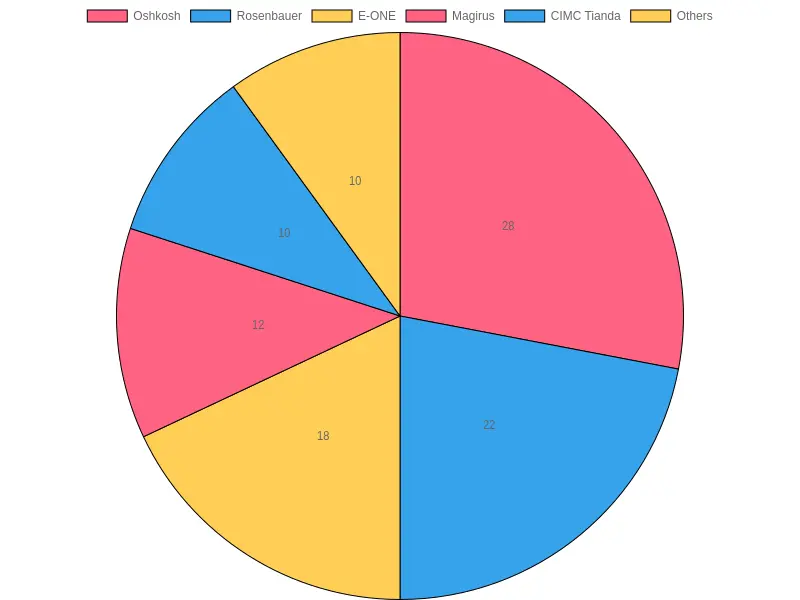
Geschatte wereldwijde marktaandelen van toonaangevende ARFF truck fabrikanten (2024 data).
Belangrijke factoren om te overwegen bij het kiezen van een ARFF truck fabrikant
Het kiezen van de juiste fabrikant voor uw Aircraft Rescue and Fire Fighting (ARFF) voertuig is een van de meest belangrijke kapitaal aankoopbeslissingen die een luchthaven of faciliteitsbeheerder kan nemen. Deze gespecialiseerde voertuigen vertegenwoordigen een aanzienlijke financiële investering en spelen een onvernegende rol in levensveiligheid en regelgeving. Om bedrijfsleiders te helpen bij dit complexe aankoopproces, zijn hier zeven kritieke factoren om te evalueren bij het onderzoeken van ARFF truck fabrikanten.
1. NFPA 414 Conformiteit
NFPA 414 conformiteit is the bedrock standard that all ARFF vehicles must meet. This standard dictates stringent performance requirements, including acceleration from 0 to 50 mph within 25 seconds, agent delivery rates, pump capacity, and temperature operating ranges from 32°F to 110°F. Manufacturers must demonstrate that their vehicles pass rigorous third-party testing per NFPA 414 to be considered viable for airport operations. For any business owner managing an airfield, verifying that a manufacturer’s vehicles are fully certified under this standard is not optional – it is a legal and safety prerequisite.
2. Na-Verkoop Service & Onderdelen Beschikbaarheid
After-sales service and parts availability can make or break the long-term viability of your ARFF fleet. When a critical component fails, downtime is not an inconvenience – it is a safety risk that can ground airport operations. Look for manufacturers with established service centers, 24/7 technical support hotlines, and robust parts supply chains that guarantee rapid fulfillment. A manufacturer that stocks commonly needed components – such as pumps, foam proportioning systems, and drivetrain parts – and offers training for your maintenance team will save you weeks of operational disruption down the line.
3. Customization Capabilities
Customization capabilities are essential because no two airports have identical operational profiles. A manufacturer should be able to tailor agent tank capacities (water, foam, and dry chemical), pump configurations, cab layouts, and chassis specifications to match your airport’s unique aircraft traffic patterns, runway lengths, and climate conditions. Whether you need a high-mobility vehicle for a remote regional airstrip or a high-capacity rig for a major international hub, the ability to customize ensures your vehicle meets specific response-time requirements without paying for unnecessary features.
4. Total Cost of Ownership (TCO)
Total cost of ownership (TCO) extends far beyond the initial purchase price and must account for fuel efficiency, maintenance intervals, parts replacement costs, and projected vehicle lifespan. A lower upfront bid may be deceptive if the vehicle requires frequent, expensive repairs or has poor fuel economy over its 15-20 year service life. Ask manufacturers for lifecycle cost data, including average annual maintenance expenses and expected overhaul schedules. Calculating TCO before signing a contract allows you to make a financially sound decision that aligns with your long-term capital planning.
5. Warranty & Support Network
Warranty and support network coverage directly protects your investment. Compare the duration and scope of warranties offered – including chassis, powertrain, pump, and bodywork coverage – as well as the geographic reach of the manufacturer’s service network. Some manufacturers offer extended warranties or guaranteed response-time agreements that provide peace of mind for high-risk airport environments. A warranty is only as good as the support network behind it, so verify that certified technicians are accessible within a reasonable distance of your facility.
6. Delivery Lead Times
Delivery lead times are a practical concern that affects fleet replacement schedules and regulatory compliance timelines. Custom-built ARFF trucks can require 12 to 24 months or more from order to delivery, depending on production backlog and complexity of specifications. Factor these timelines into your procurement cycle so that new vehicles arrive before existing ones reach end-of-service life. Ask manufacturers for current lead time estimates and whether they offer expedited options or pre-built chassis that can shorten the delivery window.
7. Integration with Existing Fleet
Integration with existing fleet considerations ensure operational consistency and reduce training costs. If your current ARFF trucks share a common chassis, pump system, or electronics platform, sticking with a manufacturer that offers compatible designs can streamline maintenance, parts inventory, and driver training. Conversely, if your existing fleet is aging or underperforming, a new manufacturer may offer a clean-slate opportunity to standardize around a more modern, reliable platform. Evaluate how well a manufacturer’s vehicles will integrate with your existing operational workflows, communication systems, and maintenance protocols.
Tying It All Together: Long-Term Operational Success
When you take all seven factors together – NFPA compliance, after-sales support, customization, TCO, warranty coverage, lead times, and fleet integration – a clear picture emerges: choosing an ARFF truck manufacturer is not a short-term purchase decision but a long-term partnership commitment. The right manufacturer helps your airport maintain regulatory compliance, minimize operational disruptions, control lifecycle costs, and, most importantly, protect lives and property. By conducting thorough due diligence on each of these factors, business owners can build a reliable ARFF fleet that serves their facility safely and efficiently for decades to come. For a comprehensive selection of airport-ready solutions, explore our range of specialized ARFF and airport fire trucks designed to meet rigorous operational demands.
This article serves as an ARFF truck procurement guide for decision-makers seeking to make informed capital investments in firefighting equipment.
When selecting aircraft rescue and firefighting (ARFF) vehicles, adherence to established industry standards is non-negotiable. Standards like NFPA 414 provide the rigorous performance, design, and testing benchmarks that ensure firefighting apparatus can perform effectively under the extreme conditions of an aviation emergency, directly impacting passenger and crew survivability.
Properly maintained and strategically deployed ARFF apparatus remain the single most critical factor in survivability during an aircraft emergency.
- National Fire Protection Association (NFPA 414 Standard for Aircraft Rescue and Firefighting Vehicles)
This authoritative standard underscores why procurement decisions must prioritize vehicles engineered to meet or exceed NFPA 414 specifications. When evaluating potential suppliers, business owners should seek certified ARFF aircraft rescue fire fighting apparatus from manufacturers with proven compliance records, and consider a full range of Portuguese designed specifically for the unique operational demands of airfield emergency response.
Technological Innovations Shaping the Future of ARFF Trucks
The Aircraft Rescue and Fire Fighting (ARFF) industry is undergoing a profound technological transformation. As airports evolve into smarter, more sustainability-focused infrastructure hubs, the vehicles tasked with protecting them must keep pace. The future of firefighting vehicles hinges on four key innovations that promise to make airport firefighting safer, greener, and more effective than ever before. Leading manufacturers – including CIMC Tianda – are at the forefront of integrating these technologies into next-generation ARFF platforms.
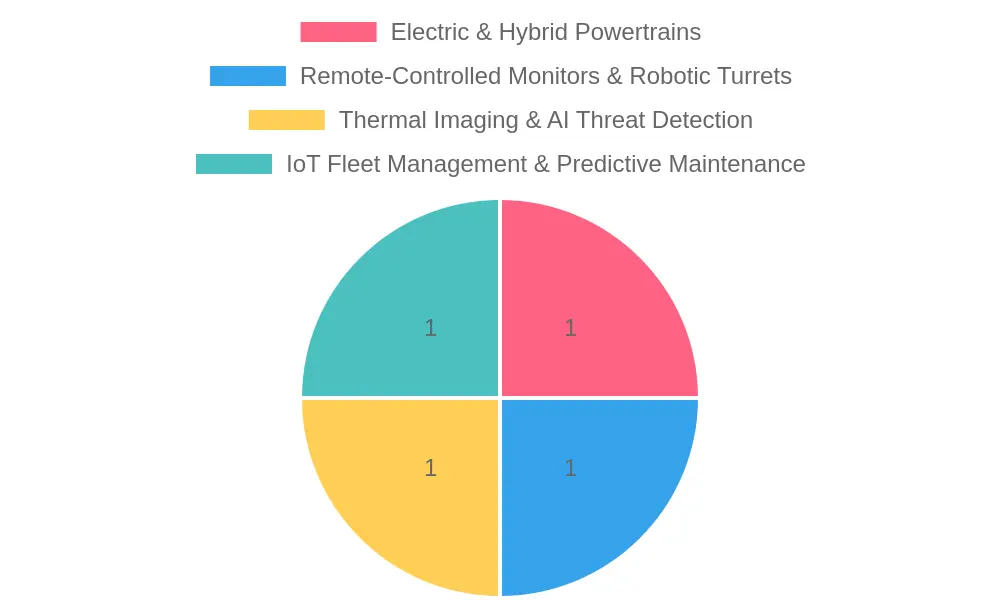
Electric and Hybrid Powertrains – Reducing emissions at airports is a growing priority as the aviation industry pursues net-zero goals. Traditional diesel-powered ARFF trucks, while powerful, produce significant carbon emissions and noise pollution. Electric and hybrid powertrains address this by delivering instant torque for rapid acceleration to crash sites while operating silently for approach maneuvers. Manufacturers are developing battery-electric drivelines with enough capacity to handle the demanding pump-and-roll operations required in ARFF scenarios. CIMC Tianda has invested heavily in electric vehicle platforms, leveraging expertise from its broader CIMC group – a global leader in specialized vehicle manufacturing – to develop hybrid ARFF trucks that can operate in zero-emission mode during airport tarmac patrols.
Remote-Controlled Monitors and Robotic Turrets – Safety for firefighters is paramount, especially when approaching aircraft fires involving hazardous materials or potential explosions. Remote-controlled monitor systems and robotic turrets allow operators to deliver precise streams of water, foam, or dry chemical from a safe distance – sometimes from inside a reinforced cab or even from a command vehicle positioned hundreds of feet away. These systems feature high-definition cameras, thermal sensors, and joystick or touchscreen controls for pinpoint accuracy. CIMC Tianda offers specialized fire-extinguishing robot solutions and has integrated remotely operated turret systems into its ARFF lineup, enabling crews to maintain a safe standoff distance during the most volatile firefighting scenarios.
Advanced Thermal Imaging and AI-Assisted Threat Detection – Modern ARFF trucks are becoming intelligent sensing platforms. Forward-looking infrared (FLIR) thermal imaging cameras, combined with AI-driven analytics, can penetrate dense smoke to identify hot spots, locate trapped individuals, and assess fire intensity in real time. Machine learning algorithms analyze camera feeds to detect the unique thermal signatures of jet fuel fires, electrical fires, and structural fires, then automatically recommend the appropriate extinguishing agent and nozzle configuration. This technology dramatically reduces decision-making time in high-pressure environments. CIMC Tianda’s intelligent equipment division has been developing AI-integrated firefighting systems that fuse thermal data with vehicle telemetry for enhanced situational awareness.
IoT-Enabled Fleet Management and Predictive Maintenance – Airport operations depend on ARFF vehicles being mission-ready at all times. The Internet of Things (IoT) is transforming fleet management by equipping ARFF trucks with sensors that monitor engine health, pump pressure, foam concentrate levels, tire wear, and battery status in real time. This data streams to cloud-based dashboards where predictive maintenance algorithms identify potential failures before they occur – scheduling repairs proactively rather than reactively. For airport operators, this means reduced downtime, lower maintenance costs, and assured compliance with NFPA standards. CIMC Tianda’s heritage in manufacturing intelligent equipment positions it uniquely to deliver ARFF trucks with factory-integrated IoT telemetry, helping fleet managers monitor vehicle readiness from a single platform.
As the demands on airport firefighting continue to grow, these four technological pillars – electrification, remote operation, AI-assisted detection, and connected fleet intelligence – are redefining what ARFF trucks can achieve. CIMC Tianda, with its deep roots in intelligent equipment manufacturing and a complete portfolio of aircraft rescue and fire fighting vehicles, is well-positioned to lead this charge, delivering the next generation of smarter, safer, and greener firefighting solutions to airports worldwide.
The driver-focused cab of a modern ARFF truck, featuring digital displays, ergonomic seating, and intuitive control layouts designed for rapid emergency response.
Modern ARFF trucks are defined as much by what’s inside the cab as what’s on the outside. Leading ARFF truck manufacturers have transformed the driver’s environment into a command center that balances advanced technology with intuitive operation. From the driver’s perspective, the console puts everything within arm’s reach – digital instrumentation panels replace analog gauges, backlit toggle switches control pump and foam systems, and integrated touchscreens deliver real-time vehicle diagnostics and navigation. The ergonomic seating arrangement reduces driver fatigue during long standby shifts and high-stress emergency responses, while the panoramic windshield design provides the exceptional visibility needed for maneuvering around aircraft and congested airport aprons.
Cost Analysis: Investment vs. Long-Term Value for Business Owners
Bij het evalueren van een ARFF truck price, business owners are often confronted with a significant capital outlay that can range from $400,000 for a basic model tot over $1.2 million for a fully equipped, heavy-duty airport rescue vehicle. Understanding where that money goes – and what you’re truly paying for – is essential to making a smart purchasing decision.
Breaking Down the Cost
An ARFF (Aircraft Rescue and Fire Fighting) truck is not a standard fire apparatus. It is a highly specialized piece of equipment engineered to meet rigorous NFPA and ICAO standards for airport emergency response. The cost is distributed across several major components:
- Chassis & Transmissie (35%) – The backbone of the vehicle. Heavy-duty chassis designed for off-runway terrain, often with all-wheel drive and powerful diesel engines capable of rapid acceleration to meet response time requirements. This is the largest single cost component.
- Pump & Foam System (25%) – The heart of the ARFF truck. High-capacity pumps, proportioning systems, and roof turrets that can deliver thousands of gallons of water and foam per minute. These systems must operate flawlessly under extreme pressure.
- Tank & Body (20%) – Tanks are typically constructed from roestvrij staal explore the benefits of airport fire apparatus aluminium. Stainless steel offers superior corrosion resistance and longevity, particularly important for vehicles storing water and foam concentrates, but comes at a premium over aluminum.
- Electronics & Controls (12%) – Modern ARFF trucks are equipped with advanced digital control systems, joystick-operated turrets, thermal imaging cameras, and onboard diagnostics that improve operator efficiency and safety.
- Customization & Accessories (8%) – Optional features such as specialized lighting packages, crew cab configurations, roof-penetrating nozzles, and additional storage compartments tailored to specific airport requirements.
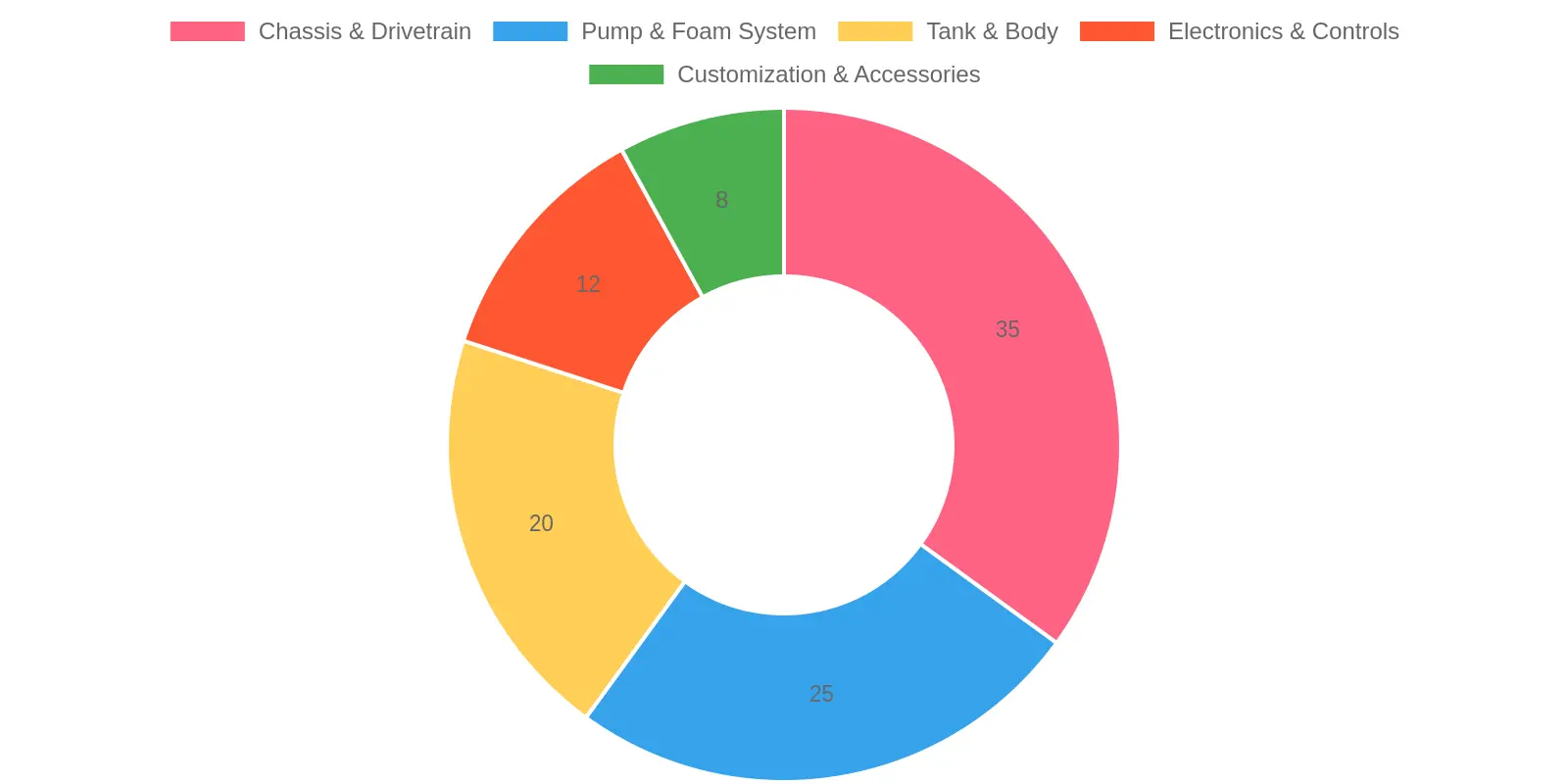
Figure 1: Typical cost breakdown for an ARFF truck, showing the proportional investment across major system components.
Why the Cheapest Option Isn’t Always the Best Value
It is tempting for budget-conscious business owners to gravitate toward lower-priced ARFF trucks, particularly when the upfront ARFF truck price appears attractive. However, the Totale Kosten van Bezit (TCO) tells a more complete story. A less expensive truck may use thinner aluminum tanks prone to corrosion, lower-grade pumps with shorter service intervals, or chassis that lack the durability for daily airport operations. Over a 15- to 20-year service life, the cost of repairs, downtime, and premature replacement can far exceed the initial savings. According to fleet management data, vehicles with lower upfront costs often incur 30-50% higher maintenance expenses over their lifetime compared to well-built, higher-quality apparatus.
Investing in a truck with stainless steel tanks, a robust foam system, and quality electronics from a reputable manufacturer – such as those found in our Portuguese lineup – pays dividends in reliability, resale value, and operational readiness. When lives and property are on the line, a low purchase price is poor compensation for equipment failure.
Belangrijke punten voor ondernemers
| Factor | Budget Model | Premium Model |
|---|---|---|
| Starting Price | $400,000-$600,000 | $800,000-$1,200,000+ |
| Tank Material | Aluminum | Stainless Steel |
| Pump Lifespan | ROI Tijdlijn: Premium vs. Budget | vereisen meestal vervanging binnen |
| Maintenance Cost (Annual) | $25,000-$40,000 | $15,000-$25,000 |
| Resale Value (After 10 Years) | 25-30% of original | 40-50% of original |
For a closer look at the full range of configurations available, explore our selection of ARFF aircraft rescue fire fighting vehicles to find the right balance of price, performance, and long-term value for your operation.
The Life-Saving Business Case for Premium ARFF Equipment
For business owners evaluating airport safety investments, the numbers speak for themselves. Every second counts in an aircraft emergency, and the quality of your rescue and firefighting equipment directly determines whether those critical minutes translate into saved lives or catastrophic losses. Understanding the measurable impact of effective ARFF services is essential when making procurement decisions that carry both moral and financial weight.
According to the International Civil Aviation Organization (ICAO), effective Aircraft Rescue and Fire Fighting (ARFF) services can reduce the fatality rate in survivable aircraft accidents by up to 40%. Furthermore, the National Transportation Safety Board (NTSB) reported that rapid intervention within the first three minutes of an incident is the single most decisive factor in preventing fire-related casualties.
This statistic underscores a reality that no airport operator or aviation business owner can afford to ignore: investing in subpar firefighting equipment isn’t just a compliance gamble-it’s a life-or-death calculation with hard data to prove it. When you factor in the potential liability costs, operational downtime, and reputational damage that follow a poorly handled emergency, the return on investment for premium ARFF vehicles becomes unequivocally clear.
For airport operators and aviation facility managers, the path to achieving these life-saving outcomes begins with selecting the right equipment from proven manufacturers. Browsing our selection of ARFF vliegtuigreddings- en blusvoertuigen Disaster relief trucks Portuguese ensures you are equipping your team with vehicles designed to meet rigorous ICAO standards and deliver the rapid response that makes a 40% fatality reduction possible. In an industry where every second matters, compromising on equipment quality is a risk no responsible business can take.
How to Evaluate and Compare ARFF Truck Suppliers: A Step-by-Step Guide
Choosing the right ARFF truck supplier is one of the most critical decisions an airport operator can make. With stringent safety regulations, high-performance requirements, and long-term operational costs at stake, a structured evaluation process is essential. This guide provides a practical 5-step framework to help business owners make an informed choice. For a full overview of available options, explore our range of Portuguese built to global standards.
Step 1 – Verify NFPA 414 & ICAO Compliance
The foundation of any ARFF vehicle evaluation starts with regulatory compliance. NFPA 414 sets the standard for aircraft rescue and firefighting vehicles, covering acceleration, agent delivery, and agent quantity requirements. Similarly, ICAO Annex 14 outlines the operational performance criteria that ARFF vehicles must meet for international airport certification. Always request documented proof of compliance, including third-party test reports, to ensure the supplier’s trucks meet these non-negotiable benchmarks.
Step 2 – Request Detailed Technical Specifications
Once compliance is confirmed, dive into the technical details. Request full specification sheets covering pump capacity, foam and water tank volumes, turret reach, acceleration (0-80 km/h in under 25 seconds for rapid intervention vehicles), and agent compatibility (e.g., AFFF, FFFP, or fluorine-free foams). A transparent supplier will provide these specs without hesitation, allowing you to compare vehicles side by side. Look for heavy-duty fire trucks that offer structural durability alongside high-performance firefighting capabilities.
Step 3 – Evaluate After-Sales Support & Parts Availability in Your Region
A fire truck is only as reliable as the support network behind it. Investigate whether the supplier has a local service center, certified technicians, and a stocked parts warehouse in your region. Ask about average response times for emergency repairs and routine maintenance. Suppliers with a distributed global footprint can dramatically reduce downtime by ensuring critical spare parts reach you within days, not weeks.
Step 4 – Request References and Case Studies from Similar Airports
Real-world performance data is invaluable. Ask the supplier for references from airports of similar size, climate, and operational profile. Case studies detailing agent consumption rates, vehicle uptime percentages, and incident response outcomes provide concrete evidence of a truck’s capabilities. Speaking directly with other airport fire chiefs can reveal insights about vehicle reliability, ergonomics, and supplier responsiveness that no brochure can convey.
Step 5 – Conduct a Total Cost of Ownership Analysis
Purchase price is only the beginning. A comprehensive TCO analysis should factor in fuel consumption, scheduled maintenance intervals, spare parts pricing, training requirements, and expected vehicle lifespan (typically 15-20 years for ARFF trucks). A lower upfront cost may be offset by higher long-term operational expenses. Use a standardized TCO template to compare suppliers on an apples-to-apples basis.
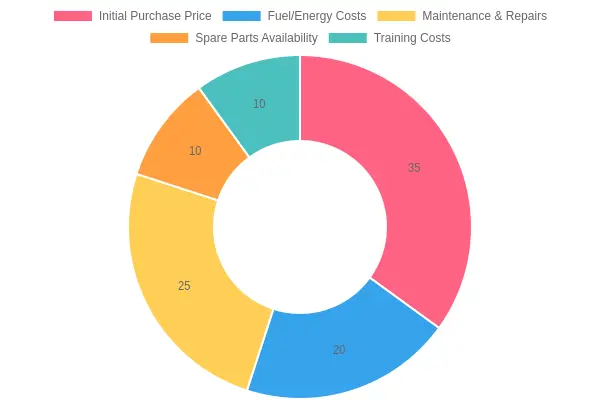
Chart: Total Cost of Ownership breakdown showing that initial purchase price accounts for 35%, maintenance and repairs 25%, fuel/energy 20%, spare parts 10%, and training 10%.
Summary Checklist
- Verify NFPA 414 & ICAO compliance documentation and test reports
- Request and compare detailed technical specifications side by side
- Evaluate after-sales support network and regional parts availability
- Request references and case studies from airports similar to yours
- Conduct a total cost of ownership analysis covering all lifecycle costs
Why Global Presence Matters for After-Sales Support
Suppliers with an established global footprint offer a distinct advantage when it comes to after-sales support. CIMC Tianda, for example, operates in over 75 countries, ensuring that spare parts, technical expertise, and service teams are never far from your facility. This extensive network translates into faster maintenance turnaround times, lower inventory carrying costs for airport operators, and peace of mind knowing that support is available wherever your operations take you. When conducting your ARFF supplier evaluation, prioritize partners who can demonstrate proven global logistics and local service capabilities.
Choosing Your Partner in Aviation Safety
As we’ve explored throughout this guide, the ARFF truck you select is far more than a vehicle-it is your airport’s first and most powerful line of defense. With aviation traffic rebounding globally and the ARFF vehicle market projected to climb from $1.2 billion in 2024 to $1.8 billion by 2033, the urgency for airports to invest in modern, high-performance firefighting equipment has never been greater. A single critical incident can define an airport’s reputation for decades, and the data underscores this: ICAO studies confirm that ARFF trucks achieve a 98.7% success rate in controlling aircraft fires within the first five minutes-a window that separates a controlled response from a catastrophe.
Choosing the right manufacturer means aligning proven engineering excellence with your airport’s unique operational realities. Whether you prioritize rapid acceleration, high-capacity foam systems, all-terrain maneuverability, or advanced cab technology, the leading manufacturers each bring distinct strengths to the runway. But the common thread among the best in the industry is an uncompromising commitment to quality, reliability, and continuous innovation. Skimping on your ARFF fleet isn’t a cost-saving measure-it’s a gamble no airport operator can afford to take. Your equipment must perform flawlessly under extreme duress, every single time.
This brings us to the most important decision you’ll make: selecting a partner who understands that your safety goals are their mission. At CIMC Tianda, we combine decades of manufacturing expertise with a deep appreciation for the regulatory and operational demands faced by airports worldwide. Our ARFF solutions are engineered not just to meet standards, but to exceed expectations-delivering faster response times, superior agent delivery, and greater operator confidence. Our dedicated ARFF aircraft rescue fire-fighting category showcases a range of vehicles designed for the highest stakes, while our collectie luchthaven brandweerauto's offers specialized configurations tailored to airports of every size.
Discover how CIMC Tianda’s cutting-edge ARFF solutions can optimize your airport operations. Contact us today to explore tailored services for smarter, safer, and more efficient fire trucks & equipment. Whether you’re upgrading an existing fleet or building one from the ground up, our team is ready to work alongside you-assessing your infrastructure, understanding your risk profile, and delivering equipment that performs when it matters most. The path to safer skies begins with the right equipment, the right expertise, and the right partner by your side.
CIMC Tianda’s Global Reach – 75+ Countries Across Six Continents
CIMC Tianda has established a truly global footprint, with operations and service networks spanning more than 75 countries worldwide. This extensive international presence means that no matter where your airport or facility is located, reliable support and proven ARFF technology are never far away.
| Regio | Coverage |
|---|---|
| Noord-Amerika | USA, Canada, Mexico |
| Europa | Germany, France, UK, Italy, Spain, Netherlands, Poland, Scandinavia |
| Azië-Pacific | China, Japan, Australia, South Korea, India, Southeast Asia |
| Midden-Oosten | UAE, Saudi Arabia, Qatar, Israel, Kuwait, Oman |
| Afrika | South Africa, Egypt, Nigeria, Kenya, Morocco |
| Latin America | Brazil, Argentina, Chile, Colombia, Peru |
This worldwide network is backed by regional service centers, local distributors, and a global supply chain that ensures rapid response times for parts, maintenance, and technical support. For airport operators and fire chiefs evaluating ARFF aircraft rescue fire fighting vehicles, CIMC Tianda’s global logistics infrastructure means you get the same high-quality manufacturing standards delivered to your location – whether you’re in North America, the Middle East, or anywhere in between.
Beyond just manufacturing, this global presence reflects decades of expertise in understanding regional fire safety regulations, climate conditions, and operational requirements. From arctic airports to desert facilities, CIMC Tianda vehicles are engineered and supported to perform in any environment. The same commitment to quality that goes into every heavy duty fire truck is backed by a service network that spans the globe – giving you confidence in both the equipment and the company behind it.

