
















ผู้ผลิตรถ ARFF ชั้นนำ: คู่มือที่ครอบคลุมสำหรับเจ้าของธุรกิจในปี 2025
จินตนาการว่า: เครื่องบินสองเครื่องบินลื่นไถลออกจากทางวิ่งที่เปียกฝนที่สนามบินนานาชาติขนาดใหญ่ น้ำมันเชื้อเพลิงระเบิดขึ้น มีควันดำหนาลอยไปทั่วพื้นที่จอดเครื่องบิน ภายในห้องโดยสาร ผู้โดยสารร้อยคนเร่งรีบขณะที่เสียงเตือนภัยดังขึ้น ภายนอก นาฬิกาเดินเร็ว - และภายใน 90 วินาที ข้อกำหนดความปลอดภัยระหว่างประเทศระบุว่ายานพาหนะผู้ตอบสนองแรกต้องมาถึงที่เกิดเหตุพร้อมหัวฉีดโฟม นี่ไม่ใช่การฝึกซ้อม นี่คือช่วงเวลาที่แคบมากระหว่างภัยพิบัติและปฏิบัติการช่วยเหลือที่ควบคุมได้ ในช่วงเวลานั้น ทุกอย่างขึ้นอยู่กับหนึ่งเครื่องมือ: รถ ARFF สำหรับการช่วยชีวิตและดับเพลิงเครื่องบิน.
สำหรับผู้ดำเนินการสนามบิน หน่วยงานกำกับดูแลการบิน และเจ้าของธุรกิจดับเพลิง รถ ARFF ไม่ใช่เพียงอุปกรณ์เท่านั้น แต่เป็นโครงสร้างพื้นฐานที่ช่วยชีวิต ยานพาหนะที่ออกแบบมาเฉพาะนี้ต้องเร่งความเร็วได้อย่างรวดเร็ว บรรทุกปริมาณน้ำและโฟมจำนวนมาก สามารถทะลุรั้วหากจำเป็น และส่งสารดับเพลิงด้วยความแม่นยำแบบศัลยแพทย์ พวกเขาทำงานภายใต้ความเครียดสูงในสภาพแวดล้อมที่มีความเสี่ยงสูง ที่นี่ ความล้มเหลวไม่ใช่ทางเลือก ไม่ว่าคุณจะบริหารสนามบินระดับภูมิภาคหรือสนามบินที่ให้บริการผู้โดยสารหลายล้านคนต่อปี ความเลือกของผู้ผลิตรถ ARFF ของคุณมีผลโดยตรงต่อโปรไฟล์การเตรียมพร้อมด้านความปลอดภัยของสนามบินของคุณ.
ตลาดโลกสำหรับยานพาหนะ ARFF พัฒนาอย่างรวดเร็ว ผู้ผลิต รถ ARFF ผู้ผลิต - รวมถึง Oshkosh Airport Products, Rosenbauer, E-ONE และผู้เล่นใหม่ๆ เช่น CIMC - กำลังแข่งขันเพื่อผสานนวัตกรรมเช่นระบบขับเคลื่อนไฟฟ้า ระบบควบคุมหัวฉีดจากระยะไกล และการถ่ายภาพความร้อนขั้นสูงเข้ากับโมเดลล่าสุดของพวกเขา หน่วยงานกำกับดูแลเช่น FAA (ผ่านการรับรองตามข้อกำหนด Part 139) และ ICAO ยังคงเพิ่มมาตรฐานในด้านเวลาตอบสนอง ปริมาณสารดับเพลิง และความปลอดภัยของลูกเรือ สำหรับเจ้าของธุรกิจ การสำรวจสถานการณ์นี้หมายถึงการประเมินไม่เพียงแค่สเปกของยานพาหนะ แต่ยังรวมถึงความน่าเชื่อถือของผู้ผลิต บริการหลังการขาย ความพร้อมของอะไหล่ และต้นทุนตลอดอายุการใช้งานระยะยาว.
การเลือกพาร์ทเนอร์ที่เหมาะสมจากผู้ผลิตรถ ARFF ชั้นนำของโลก ไม่ใช่เพียงการตัดสินใจในการซื้อ แต่เป็นการลงทุนเชิงกลยุทธ์ในความปลอดภัยในการดำเนินงาน ความสอดคล้องกับกฎหมาย และผลตอบแทนจากการลงทุน คู่มือนี้จะพาคุณผ่านผู้ผลิตชั้นนำ โมเดลหลักของพวกเขา วิธีการเลือกที่สำคัญ และแนวโน้มที่กำหนดอนาคตของการดับเพลิงสนามบิน ไม่ว่าคุณจะอัปเกรดยานพาหนะของคุณหรือเริ่มต้นจากศูนย์ ข้อมูลที่ตามมาจะช่วยให้คุณตัดสินใจอย่างมีข้อมูลและมั่นใจสำหรับธุรกิจของคุณและชีวิตที่คุณปกป้อง.
รถ ARFF ขั้นสูงแสดงความสามารถในการฉีดน้ำที่มีความจุสูงบนทางวิ่งสนามบิน - ออกแบบมาเพื่อการตอบสนองฉุกเฉินอย่างรวดเร็วและพลังดับเพลิงสูงสุด.
เมื่อวินาทีมีความสำคัญบนพื้นที่จอดเครื่องบิน ไม่มีอะไรที่โดดเด่นไปกว่ายานพาหนะ Aircraft Rescue and Fire Fighting (ARFF) ที่ออกแบบมาเฉพาะ รูปภาพด้านบนจับภาพความแข็งแกร่งและความพร้อมของเทคโนโลยี ARFF สมัยใหม่ - ยานพาหนะที่ออกแบบมาเพื่อตอบสนองความต้องการที่เข้มงวดของความปลอดภัยสนามบินนานาชาติ จากหัวฉีดขยายความสูง (HRET) ไปจนถึงระบบดับเพลิงโฟมและน้ำแบบสองตัว ยานพาหนะ ARFF สมัยใหม่แสดงถึงจุดสูงสุดของ เทคโนโลยีการช่วยชีวิตและดับเพลิงเครื่องบิน. ยานพาหนะเหล่านี้ถูกสร้างขึ้นเพื่อไปถึงทุกจุดบนสนามบินภายในสามนาที ตามมาตรฐาน FAA มอบน้ำหรือโฟมหลายพันแกลลอนต่อนาทีเพื่อปกป้องชีวิต เครื่องบิน และโครงสร้างพื้นฐาน สำหรับผู้ดำเนินการสนามบินและผู้จัดการด้านความปลอดภัยที่พิจารณาอัปเกรดยานพาหนะ ความเข้าใจในศักยภาพของยานพาหนะ ARFF สมัยใหม่คือขั้นตอนแรกในการรับรองความสอดคล้องกับกฎหมายและประสิทธิภาพในการดำเนินงาน.
สิ่งที่ทำให้รถ ARFF ชั้นนำเป็นอย่างไร?
ยานพาหนะ Aircraft Rescue and Fire Fighting (ARFF) ไม่เหมือนอุปกรณ์ดับเพลิงใด ๆ ที่เคยมี พวกเขาต้องปฏิบัติตามมาตรฐานระหว่างประเทศที่เข้มงวด โดยเฉพาะ NFPA 414 ซึ่งควบคุมทุกอย่างตั้งแต่การเร่งความเร็วไปจนถึงการส่งสารดับเพลิง สำหรับเจ้าของธุรกิจที่จัดการการดำเนินงานสนามบิน การเข้าใจโครงสร้างพื้นฐานทางเทคนิคของยานพาหนะเหล่านี้มีความสำคัญต่อความปลอดภัยและการปฏิบัติตามข้อกำหนด.
ยานพาหนะเหล่านี้ถูกออกแบบมาเฉพาะสำหรับภารกิจเดียว: ไปถึงเครื่องบินที่มีปัญหาที่ใดก็ได้บนสนามบินภายในสามนาที วัตถุประสงค์เดียวของภารกิจนี้เป็นแรงผลักดันทุกการตัดสินใจในการออกแบบ ตั้งแต่ระบบขับเคลื่อนไปจนถึงระบบปั๊ม.
5 มาตรฐานประสิทธิภาพ ARFF ที่สำคัญ
ยานพาหนะ ARFF ชั้นนำทุกคันต้องมีความสามารถในห้าด้านนี้:
- การเร่งความเร็ว (0-80 กม./ชม. ภายใน 25 วินาที): ตามมาตรฐาน NFPA รถ ARFF ต้องไปถึงปลายทางของทางวิ่งภายในสามนาทีจากสถานะเริ่มต้นเย็น นี่ต้องการอัตราส่วนกำลังต่อความหนักสูงและระบบการส่งกำลังขั้นสูง.
- ความจุน้ำและโฟม: ยานพาหนะ ARFF ทั่วไปมีน้ำหนัก 6,000-12,000 ลิตรและโฟม 600-1,200 ลิตร นี่ทำให้สามารถส่งสารดับเพลิงอย่างต่อเนื่องในเหตุการณ์ไฟไหม้เครื่องบินขนาดใหญ่.
- กำลังปั๊ม (มากกว่า 4,500 ลิตร/นาที): ตามมาตรฐาน NFPA รถ ARFF ต้องสามารถไปถึงปลายทางของทางวิ่งภายในสามนาทีจากสถานะเริ่มต้นเย็น นี่หมายถึงอัตราส่วนพลังงานต่อน้ำหนักที่สูงและระบบส่งกำลังขั้นสูง.
- ความสามารถในการขับขี่นอกถนน: รถ ARFF ทั่วไปมีน้ำหนัก 6,000-12,000 ลิตรและโฟม 600-1,200 ลิตร ซึ่งช่วยให้มีการส่งสารเคมีอย่างต่อเนื่องในเหตุเพลิงไหม้เครื่องบินขนาดใหญ่.
- ความสามารถในการสูบ (มากกว่า 4,500 ลิตร/นาที): ปั๊มน้ำที่มีอัตราการไหลสูงช่วยให้เจ้าหน้าที่ดับเพลิงสามารถส่งน้ำหรือโฟมในปริมาณมากผ่านหัวฉีดบนหลังคาและหัวฉีดที่ติดตั้งท้ายรถ แม้ขณะที่รถเคลื่อนที่.
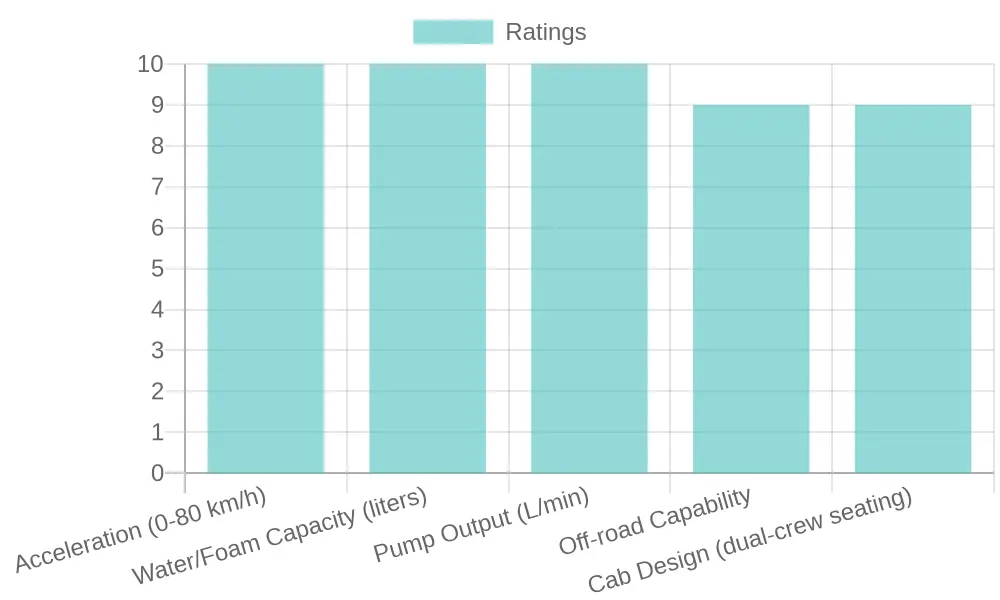
: รถ ARFF ต้องเคลื่อนผ่านหญ้า โคลน หิน และพื้นที่ไม่เรียบใกล้ทางวิ่ง โครงรถ 4×4 หรือ 6×6 แบบ 4 ล้อขับเคลื่อนทั้งหมดพร้อมความสูงจากพื้นที่สูงเป็นสิ่งจำเป็น.
ออกแบบห้องโดยสารและที่นั่งสำหรับลูกเรือ
When evaluating รถดับเพลิงสนามบิน, : ห้องโดยสารต้องรองรับลูกเรือเต็มจำนวน (ปกติ 4-6 คน) พร้อมที่นั่งเข้าออกได้รวดเร็ว ที่เก็บอุปกรณ์ป้องกันตนเองครบถ้วน และมุมมอง 360 องศา โครงสร้างที่เหมาะสมส่งผลโดยตรงต่อความเร็วในการตอบสนอง.
มาตรฐานประสิทธิภาพของรถ ARFF วัดตามมาตรฐานระดับโลก.
ทำไมความน่าเชื่อถือจึงสำคัญกว่าราคาเริ่มต้น , มันน่าดึงดูดที่จะโฟกัสที่ราคาซื้อ แต่สำหรับผู้ดำเนินการสนามบิน ยานพาหนะที่ล้มเหลวระหว่างเหตุฉุกเฉินจริงไม่ใช่แค่ความล้มเหลวทางกล – มันคือภัยพิบัติทางกฎหมาย ระยะเวลาหยุดทำงานของรถ ARFF หมายถึงการยกเลิกเที่ยวบินหรือละเมิดข้อกำหนด FAA/ICAO การสูญเสียโอกาสในการตอบสนองเพียงครั้งเดียวอาจมีค่าใช้จ่ายสูงกว่าการประหยัดจากยานพาหนะที่ถูกกว่า.
ผู้ผลิตอุปกรณ์ดับเพลิงชั้นนำ
สร้างรถ ARFF ด้วยระบบที่ซ้ำซ้อน ถังทนการกัดกร่อน และชิ้นส่วนที่ทดสอบความทนทานตามมาตรฐานทหาร คุณสมบัติเหล่านี้ลดต้นทุนรวมในระยะยาวด้วยการซ่อมแซมน้อยลงและอายุการใช้งานที่ยาวนานขึ้น การเข้าใจข้อกำหนดของรถ ARFF, เมื่อตรวจสอบ.
ข้อกำหนดของรถ ARFF.
สรุป
ให้จดจ่ออย่างใกล้ชิดกับความสามารถในการสูบและเคลื่อนที่ – ความสามารถในการปล่อยสารเคมีขณะที่รถเคลื่อนที่ คุณสมบัตินี้สำคัญสำหรับสถานการณ์เพลิงไหม้เครื่องบินที่เคลื่อนที่เร็ว ซึ่งการหยุดรถไม่ใช่ทางเลือก.
ยังพิจารณาวัสดุของถัง ถังสแตนเลสสตีลหรือโพลีโพรพิลีนทนการกัดกร่อนจากโฟมได้ดีกว่าเหล็กกล้าธรรมดา ทำให้ยืดอายุการใช้งานของรถได้หลายปี
รถ ARFF ระดับโลกคือการลงทุนในความปลอดภัย ความสอดคล้อง และความพร้อมในการปฏิบัติงาน ให้ความสำคัญกับวิศวกรรมที่พิสูจน์แล้วมากกว่าราคาเริ่มต้นต่ำ เพื่อรักษาสนามบิน บุคลากร และชื่อเสียงของคุณ ด้วยการร่วมมือกับผู้ผลิตที่น่าเชื่อถือซึ่งเข้าใจมาตรฐาน NFPA และสภาพแวดล้อมสนามบินจริง คุณจะแน่ใจว่าเมื่อสัญญาณเตือนดังขึ้น ยานพาหนะของคุณจะทำงานได้ ผู้นำตลาดโลก: โปรไฟล์ผู้ผลิตรายใหญ่ เมื่อประเมิน แบรนด์รถ ARFF ที่ดีที่สุด สำหรับสนามบินหรือสถานที่บินของคุณ ผู้ผลิตสามรายมักจะโดดเด่นในวงการโลก: Oshkosh Airport Products, Rosenbauer และ E-ONE แต่ละรายมีแนวคิดวิศวกรรมที่แตกต่าง ประวัติศาสตร์ที่มีชื่อเสียง และยานพาหนะดับสนามบินที่ออกแบบมาเพื่อตอบสนองความต้องการด้านฉุกเฉินที่เข้มงวดที่สุด ด้านล่างนี้ เราได้ทำการสำรวจผู้นำอุตสาหกรรมสามคนที่กำหนดทิศทางของ ARFF ในปัจจุบัน.
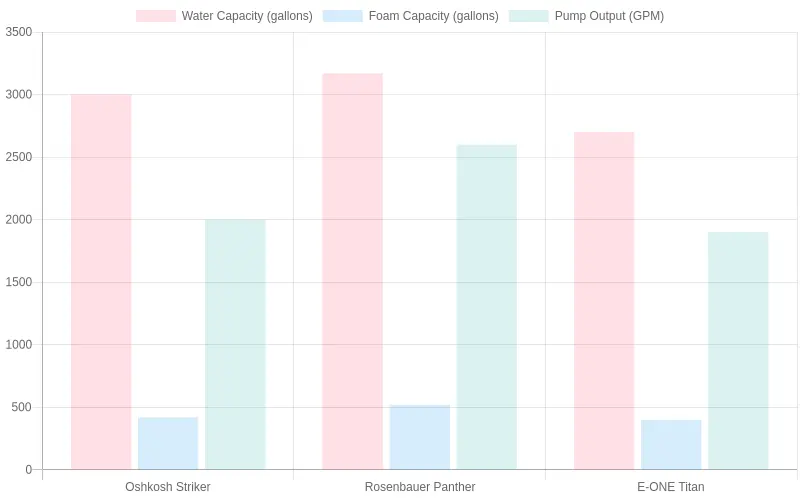
ข้อมูลเฉพาะของโมเดล ARFF หลักเปรียบเทียบตามความจุน้ำ ความจุโฟม และความสามารถในการสูบ.
Oshkosh Airport Products: ผู้ยักษ์อเมริกัน
ประวัติบริษัท
Oshkosh Corporation ซึ่งตั้งอยู่ที่ Oshkosh รัฐวิสคอนซิน ย้อนกลับไปถึงปี 1917 เมื่อเริ่มผลิตรถบรรทุกหนักสำหรับอุตสาหกรรมไม้ ตลอดหลายทศวรรษ Oshkosh ได้เปลี่ยนจากการผลิตรถยนต์ทางทหารไปสู่อุปกรณ์ดับเพลิงเฉพาะ จนกลายเป็นผู้นำในด้านการดับเพลิงสนามบิน ปัจจุบัน Oshkosh Airport Products เป็นผู้ผลิตรถ ARFF รายใหญ่ที่สุดในทวีปอเมริกาเหนือ ด้วยชื่อเสียงในการผลิตรถที่ทนต่อสภาพแวดล้อมที่รุนแรงและวัฏจักรการทำงานที่เข้มงวด.
โมเดล ARFF หลัก: Striker
are notable too, particularly with evolving standards regarding PFAS-containing foams. This necessitates investing in compliant equipment, which can add to the financial load. Oshkosh Striker คือยานพาหนะ ARFF หลักของบริษัทและน่าจะเป็นรถดับเพลิงสำหรับการช่วยเหลือเครื่องบินที่มีชื่อเสียงที่สุดในตลาด พร้อมตัวเลือก 4×4, 6×6 และ 8×8 รถ Striker ถูกออกแบบมาสำหรับพื้นที่นอกทางวิ่งที่รุนแรงและเวลาตอบสนองที่รวดเร็ว รุ่นระดับสูง สตรایเคอร์ 8x8 สามารถบรรทุกได้สูงสุด 3,000 แกลลอน ของน้ำ, 420 gallons ของสารโฟม และส่งออกปั๊มของ 2,000 GPM – เพียงพอที่จะปกคลุมเครื่องบินขนาดใหญ่ด้วยสารดับเพลิงภายในไม่กี่วินาทีหลังจากมาถึง.
นวัตกรรมหลัก
- ระบบหนีฉุกเฉินเชิงกล (TES): ระบบที่ได้รับการจดทะเบียนสิทธิบัตรที่ช่วยให้ยานพาหนะถอยออกจากไฟขณะยังคงปล่อยสารดับเพลิง ทำให้ความปลอดภัยของลูกเรือในสถานการณ์ที่เลวร้ายขึ้น.
- หัวฉีด Snozzle® ที่สามารถยืดต่อได้สูง: หัวฉีดที่สามารถเจาะเข้าไปในโครงสร้างของเครื่องบินจากระยะปลอดภัย มอบสารดับเพลิงตรงเข้าสู่พื้นที่เกิดไฟ.
- ระบบอิเล็กทรอนิกส์ Command Zone™: ระบบควบคุมยานพาหนะขั้นสูงที่ให้การตรวจสอบแบบเรียลไทม์และจัดการปั๊มอัตโนมัติ ลดภาระงานของผู้ปฏิบัติงานในช่วงสำคัญ.
ชื่อเสียงในตลาดและใบรับรอง
Oshkosh มีส่วนแบ่งตลาด ARFF ในอเมริกาเหนืออย่างเด่นชัด โดย Striker ถูกใช้งานที่สนามบินมากกว่า 700 สนามบินทั่วโลก. Striker ตรงตามหรือเกินมาตรฐานสำหรับยานพาหนะ ARFF และได้รับการรับรองจาก NFPA 414 กองทัพอากาศสหรัฐอเมริกา สำหรับการดำเนินงานสนามบินทางทหาร ผู้ดำเนินการสนามบินมักจัดอันดับ Oshkosh อยู่ใน สำหรับความน่าเชื่อถือ ความพร้อมของอะไหล่ และการครอบคลุมเครือข่ายบริการ ผู้นำตลาดโลก: โปรไฟล์ผู้ผลิตรายใหญ่ จุดที่ Oshkosh โดดเด่นที่สุด:.
โครงสร้างบริการในอเมริกาเหนือที่ไม่มีใครเทียบได้ และความทนทานที่พิสูจน์แล้วในสภาพอากาศที่รุนแรง ตั้งแต่สนามบินในเขตอาร์กติกไปจนถึงสนามบินในทะเลทราย สำหรับช่วงผลิตภัณฑ์ทั้งหมด และอุปกรณ์ที่เกี่ยวข้อง สำรวจการเลือกของเรา รถดับเพลิงสนามบิน ที่สมบูรณ์.
Rosenbauer: นวัตกรรมจากออสเตรีย
ประวัติบริษัท
Rosenbauer International AG ก่อตั้งขึ้นในปี 1866 ที่ Leonding, ออสเตรีย เริ่มต้นจากการผลิตปั๊มขนาดเล็ก ก่อนจะพัฒนาเป็นบริษัทอุปกรณ์ดับเพลิงที่ใหญ่ที่สุดในโลก ด้วยการดำเนินงานในกว่า 100 ประเทศ Rosenbauer ได้เป็นผู้นำในการนวัตกรรม ARFF มาหลายทศวรรษ ความเป็นมาด้านวิศวกรรมของยุโรปแสดงออกในทุกรายละเอียดของยานพาหนะของบริษัท ตั้งแต่การออกแบบห้องโดยสารที่มีลักษณะอากาศพลศาสตร์ ไปจนถึงระบบดับเพลิงอัจฉริยะที่เน้นความปลอดภัยของลูกเรือและความคุ้มค่าในการดำเนินงาน.
โมเดล ARFF หลัก: Panther
are notable too, particularly with evolving standards regarding PFAS-containing foams. This necessitates investing in compliant equipment, which can add to the financial load. Rosenbauer Panther เป็นรถบรรทุก ARFF ระดับพรีเมียมของบริษัท และเป็นมาตรฐานสำหรับอุตสาหกรรมดับเพลิงสนามบินทั่วโลก Panther ถูกสร้างบนแพลตฟอร์มแบบโมดูลาร์ที่ช่วยให้ปรับแต่งได้อย่างกว้างขวาง แต่เวอร์ชันที่มีความจุสูงมีถังน้ำ 3,170 แกลลอน ถังน้ำ, 520 แกลลอน ของสารโฟม และมีกำลังปั๊มที่โดดเด่น 2,600 GPM – สูงสุดในประเภทของมัน Panther พร้อมใช้งานในระบบขับเคลื่อน 4×4, 6×6 และ 8×8 โดยเวอร์ชัน 8×8 สามารถเร่งความเร็วจาก 0 ถึง 50 ไมล์ต่อชั่วโมงภายใน 25 วินาทีขณะบรรทุกเต็ม.
นวัตกรรมหลัก
- HRET (High-Reach Extendable Turret): เวอร์ชันของ Rosenbauer สำหรับหัวฉีดที่สามารถยืดต่อได้ ช่วยให้ผู้ปฏิบัติงานเจาะผนังเครื่องบินและส่งโฟมหรือน้ำจากระยะไกลถึง 60 ฟุต ทำให้ยานพาหนะอยู่ในระยะปลอดภัยจากไฟ.
- ระบบ FireFog®: ระบบฝอยแรงดันสูงที่ได้รับการจดทะเบียนสิทธิบัตร ซึ่งสร้างหยดน้ำขนาดเล็กมากเพื่อดูดซับความร้อนอย่างรวดเร็ว ลดปริมาณน้ำที่จำเป็นสำหรับการโจมตีครั้งแรกอย่างมาก.
- Panther Digital Control: หน้าจอสัมผัสที่เชื่อมต่อครบวงจรที่ควบคุมการทำงานของปั๊ม ทิศทางหัวฉีด และอัตราส่วนโฟม ทำให้ผู้ปฏิบัติงานคนเดียวสามารถจัดการระบบดับเพลิงทั้งหมดได้.
ชื่อเสียงในตลาดและใบรับรอง
Panther ถูกใช้งานที่สนามบินมากกว่า 500 สนามบินทั่วโลก, รวมถึงสนามบินหลัก เช่น London Heathrow, Frankfurt และ Singapore Changi ยานพาหนะของ Rosenbauer ได้รับการรับรองตาม NFPA 414, ICAO มาตรฐาน และ EU ข้อบังคับ Panther ยังได้รับรางวัลการออกแบบหลายรางวัล รวมถึงรางวัล Red Dot Design Award สำหรับความยอดเยี่ยมด้านอุตสาหกรรม เมื่อพูดถึง แบรนด์รถ ARFF ที่ดีที่สุด, Panther มักถูกอ้างอิงว่าเป็นมาตรฐานทองสำหรับตลาดยุโรปและเอเชีย.
จุดที่ Rosenbauer โดดเด่นที่สุด: นวัตกรรมทางเทคโนโลยีที่ไม่มีใครเทียบได้ และเครือข่ายอะไหล่และบริการทั่วโลกที่ครอบคลุมกว่า 100 ประเทศ ทำให้เป็นตัวเลือกอันดับหนึ่งสำหรับสนามบินระหว่างประเทศที่ต้องการเทคโนโลยีดับเพลิงล่าสุด สำรวจการเลือกของเราของ ยานพาหนะดับขั้น ARFF สำหรับการช่วยชีวิตและดับเพลิงเครื่องบิน เพื่อดูว่าเทคโนโลยีเหล่านี้เปรียบเทียบกันอย่างไร.
E-ONE: ออกแบบมาเพื่อประสิทธิภาพ
ประวัติบริษัท
E-ONE (Emergency One) ก่อตั้งขึ้นในปี 1974 ที่ Ocala, รัฐฟลอริดา เริ่มต้นจากการผลิตอุปกรณ์ดับเพลิงเฉพาะ จนกลายเป็นชื่อที่ได้รับการยอมรับอย่างมากในอุตสาหกรรม บริษัทสร้างชื่อเสียงจากการนำเอาการใช้งานโครงสร้างห้องโดยสารและตัวถังที่ทนต่อการกัดกร่อนจากอลูมิเนียม – การเลือกวัสดุที่กลายเป็นมาตรฐานอุตสาหกรรมในเวลาต่อมา E-ONE ถูกซื้อกิจการโดย REV Group ในปี 2016 แต่ความมุ่งมั่นของแบรนด์ต่อความเป็นเลิศด้านวิศวกรรมและการออกแบบที่เน้นลูกค้ายังคงไม่เปลี่ยนแปลง แผนก ARFF ของบริษัทผลิตรถบรรทุกที่ออกแบบมาเฉพาะสำหรับสนามบินขนาดเล็ก ฐานทัพทหาร และสนามบินพาณิชย์ขนาดเล็ก.
[PAGE CONTEXT]
are notable too, particularly with evolving standards regarding PFAS-containing foams. This necessitates investing in compliant equipment, which can add to the financial load. หน้าเว็บนี้เกี่ยวกับ: "โมเดล ARFF รุ่นหลัก: Titan" | "E-ONE Titan" | "คือรถ ARFF รุ่นหลักของบริษัท ออกแบบมาเพื่อให้ประสิทธิภาพที่ยอดเยี่ยมในรูปแบบที่เล็กและจัดการได้ง่าย Titan บรรจุ" 2,700 แกลลอน ของสารโฟม พร้อมอัตราการส่งออกของปั๊ม ของน้ำและ 400 แกลลอน 1,900 GPM . แม้ว่าความสามารถของ Titan จะต่ำกว่า Striker และ Panther อยู่บ้าง แต่วิศวกรของ E-ONE ชี้ให้เห็นว่าโครงสร้างอลูมิเนียมที่เบาและจุดศูนย์ถ่วงต่ำของรถทำให้มีการควบคุมที่ดีขึ้น เร่งความเร็วได้เร็วขึ้น และลดการเสื่อมสภาพของระบบขับเคลื่อน - ปัจจัยสำคัญสำหรับสนามบินที่มีรัศมีการหมุนแคบและโครงสร้างที่จำกัดด้านน้ำหนัก. All-Aluminum cab and body:.
นวัตกรรมหลัก
- โครงสร้างอลูมิเนียมที่ทนต่อการกัดกร่อนเฉพาะของ E-ONE ยืดอายุการใช้งานของรถได้สูงสุด เมื่อเทียบกับโครงสร้างเหล็กแบบดั้งเดิม ลดต้นทุนรวมในการเป็นเจ้าของ 40% HushPak® Foam System:.
- ระบบปริมาณโฟมที่แม่นยำซึ่งปรับอัตราส่วนโฟมต่อสายน้ำโดยอัตโนมัติตามเงื่อนไขการไหลแบบเรียลไทม์ ทำให้การส่งมอบสารเคมีมีประสิทธิภาพโดยไม่มีการสูญเสีย Side-Impact Protection System:.
- โครงสร้างห้องคนขับที่เสริมแรงและโซนดูดซับพลังงานที่ออกแบบมาเพื่อปกป้องลูกเรือในกรณีที่เกิดการชนกับสิ่งกีดขวางหรือเศษขยะในสนามบิน E-ONE มีตำแหน่งที่แข็งแกร่งในตลาดอเมริกาเหนือ โดยเฉพาะใน.
ชื่อเสียงในตลาดและใบรับรอง
สนามบินระดับภูมิภาค ฐานทัพทหาร และสนามบินอุตสาหกรรม . Titan เป็น. ตรงตามข้อกำหนดและเป็นไปตาม NFPA 414 MIL-SPEC มาตรฐานสำหรับสถานที่ของกระทรวงกลาโหมสหรัฐฯ E-ONE ชื่อเสียงในการผลิตรถยนต์เฉพาะทางที่ออกแบบมาเพื่อภารกิจเฉพาะ ทำให้เป็นคู่ค้าที่ได้รับความนิยมสำหรับสนามบินที่ต้องการการตั้งค่าเฉพาะที่ไม่สามารถหาได้จากผู้ผลิตขนาดใหญ่ Where E-ONE excels most:.
การปรับแต่งที่มีต้นทุนต่ำและทนต่อการกัดกร่อนที่ไม่มีใครเทียบได้ ทำให้เป็นตัวเลือกที่เหมาะสมสำหรับสนามบินในพื้นที่ชายฝั่งหรือที่มีความชื้นสูง ซึ่งอายุการใช้งานของรถเป็นสิ่งสำคัญอันดับหนึ่ง โปรไฟล์ผู้ผลิต (ต่อเนื่อง).
### Magirus: ความยอดเยี่ยมของวิศวกรรมเยอรมัน Magirus. เมื่อพูดถึงการผลิตรถดับเพลิงระดับพรีเมียม ไม่มีชื่อใดที่มีน้ำหนักและความเชื่อถือได้มากเท่ากับ. CIMC Tianda, โลก ผู้ผลิตสะพานขึ้นเครื่องบิน (PBBs). | ราคาซื้อต่ำกว่า 30-50% เมื่อเทียบกับรุ่นยุโรป โดยไม่ลดทอนคุณสมบัติพื้นฐาน | ประสิทธิภาพด้านต้นทุน | ถังน้ำขนาด 6,000 ถึง 14,000 ลิตร ซึ่งเทียบเท่ากับแบรนด์ระดับโลก | Water & Foam Capacity | ความเร็ว 0-80 กม./ชม. ภายใน 25 วินาที (ตรงตามมาตรฐาน ICAO สำหรับยานพาหนะ ARFF) | การเร่งความเร็ว | ปั๊มน้ำแบบแรงเหวี่ยงที่มีการสัดส่วนโฟมอัตโนมัติ (รองรับ CAFS) | ระบบปั๊ม ตัวถังทางเลือก | รุ่น 4×4, 6×6 และ 8×8 ที่ออกแบบมาสำหรับพื้นที่สนามบินที่ยากลำบาก | | หอคอยบนหลังคาที่ควบคุมจากระยะไกล พร้อมอัตราการไหลสูงสุด 6,000 ลิตร/นาที | มอนิเตอร์หลังคา ตัวเลือกสำหรับสภาพอากาศหนาวเย็น | ตัวเลือกการป้องกันความหนาวเย็นระดับอาร์กติกสำหรับสภาพแวดล้อมที่รุนแรง | | ปฏิบัติตามมาตรฐาน ICAO, NFPA และหน่วยงานกำกับดูแลการบินท้องถิ่น | การปฏิบัติตาม สนามบินระดับภูมิภาคและเทศบาล ที่ดำเนินการภายใต้งบประมาณจำกัด สนามบินในตลาดใหม่ ที่ขยายโครงสร้างพื้นฐานอย่างรวดเร็ว สถานีบินเอกชน ที่ต้องการทางเลือกที่ประหยัดแต่ยังคงปฏิบัติตามข้อกำหนด ยานพาหนะของรัฐบาล ที่ต้องการเพิ่มประสิทธิภาพการจัดซื้ออุปกรณ์ กำลังมองหาการใช้จ่ายงบประมาณซื้ออุปกรณ์ให้คุ้มค่าที่สุด\n\nความสามารถของบริษัทในการรวมเทคนิคการผลิตขั้นสูง (ที่ได้รับจากผู้นำด้านอุตสาหกรรมระดับโลกของกลุ่ม CIMC) กับการลดต้นทุนอย่างเข้มงวด โดยไม่ลดทอนระบบความปลอดภัยที่สำคัญ ทำให้ CIMC Tianda เป็นหนึ่งในชื่อที่เติบโตเร็วที่สุดในภาคส่วน ARFF\n\n> CIMC Tianda พิสูจน์ให้เห็นแล้วว่า การปกป้องด้าน ARFF ระดับโลกไม่จำเป็นต้องมีราคาที่ระดับโลกอีกต่อไป\n\nหากคุณกำลังพิจารณารถ ARFF สำหรับสนามบินหรือสถานที่อุตสาหกรรมของคุณ CIMC Tianda ควรได้รับการพิจารณาอย่างจริงจัง สำรวจช่วงสินค้าทั้งหมดของพวกเขา ARFF aircraft rescue fire fighting vehicles หรือเลือกจากรายการทั้งหมดของ รถดับเพลิงสนามบิน ที่ออกแบบมาเพื่อตอบสนองมาตรฐาน ICAO พร้อมทั้งมอบคุณค่าที่ยอดเยี่ยม.
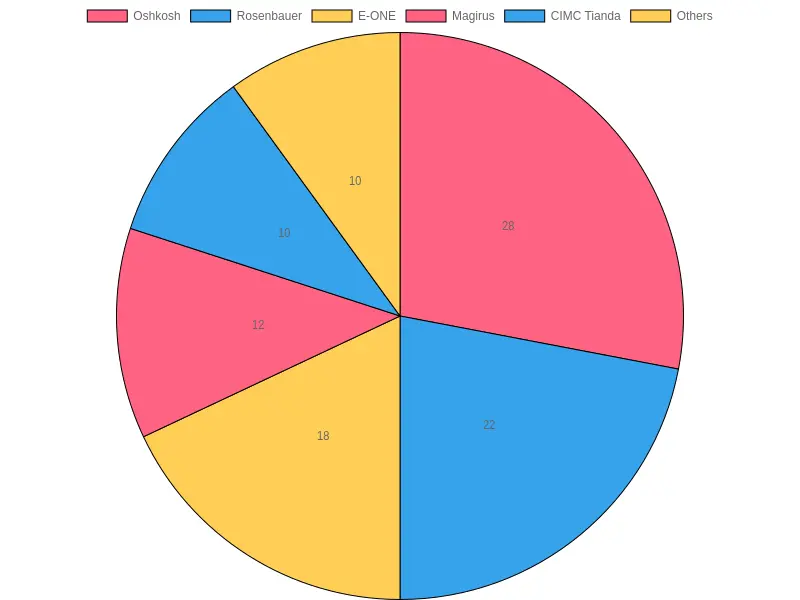
ส่วนแบ่งตลาดโลกโดยประมาณของผู้ผลิตรถ ARFF รายใหญ่ (ข้อมูลปี 2024).
ปัจจัยสำคัญที่ต้องพิจารณาเมื่อเลือกผู้ผลิตรถ ARFF
การเลือกผู้ผลิตที่เหมาะสมสำหรับรถ Aircraft Rescue and Fire Fighting (ARFF) ของคุณ เป็นการตัดสินใจซื้อครั้งสำคัญที่สุดที่ผู้ดำเนินการสนามบินหรือสถานที่สามารถทำได้ รถเหล่านี้เป็นอุปกรณ์เฉพาะที่มีการลงทุนทางการเงินอย่างมาก และมีบทบาทที่ไม่สามารถปฏิเสธได้ในเรื่องความปลอดภัยของชีวิตและกฎหมาย ในการช่วยให้เจ้าของธุรกิจผ่านกระบวนการซื้อที่ซับซ้อนนี้ นี่คือ 7 ปัจจัยสำคัญที่ควรพิจารณาเมื่อตรวจสอบผู้ผลิตรถ ARFF.
การปฏิบัติตามมาตรฐาน NFPA 414
NFPA 414 compliance is the bedrock standard that all ARFF vehicles must meet. This standard dictates stringent performance requirements, including acceleration from 0 to 50 mph within 25 seconds, agent delivery rates, pump capacity, and temperature operating ranges from 32°F to 110°F. Manufacturers must demonstrate that their vehicles pass rigorous third-party testing per NFPA 414 to be considered viable for airport operations. For any business owner managing an airfield, verifying that a manufacturer’s vehicles are fully certified under this standard is not optional – it is a legal and safety prerequisite.
บริการหลังการขายและการจัดหาชิ้นส่วน
After-sales service and parts availability can make or break the long-term viability of your ARFF fleet. When a critical component fails, downtime is not an inconvenience – it is a safety risk that can ground airport operations. Look for manufacturers with established service centers, 24/7 technical support hotlines, and robust parts supply chains that guarantee rapid fulfillment. A manufacturer that stocks commonly needed components – such as pumps, foam proportioning systems, and drivetrain parts – and offers training for your maintenance team will save you weeks of operational disruption down the line.
3. Customization Capabilities
Customization capabilities are essential because no two airports have identical operational profiles. A manufacturer should be able to tailor agent tank capacities (water, foam, and dry chemical), pump configurations, cab layouts, and chassis specifications to match your airport’s unique aircraft traffic patterns, runway lengths, and climate conditions. Whether you need a high-mobility vehicle for a remote regional airstrip or a high-capacity rig for a major international hub, the ability to customize ensures your vehicle meets specific response-time requirements without paying for unnecessary features.
4. Total Cost of Ownership (TCO)
Total cost of ownership (TCO) extends far beyond the initial purchase price and must account for fuel efficiency, maintenance intervals, parts replacement costs, and projected vehicle lifespan. A lower upfront bid may be deceptive if the vehicle requires frequent, expensive repairs or has poor fuel economy over its 15-20 year service life. Ask manufacturers for lifecycle cost data, including average annual maintenance expenses and expected overhaul schedules. Calculating TCO before signing a contract allows you to make a financially sound decision that aligns with your long-term capital planning.
5. Warranty & Support Network
Warranty and support network coverage directly protects your investment. Compare the duration and scope of warranties offered – including chassis, powertrain, pump, and bodywork coverage – as well as the geographic reach of the manufacturer’s service network. Some manufacturers offer extended warranties or guaranteed response-time agreements that provide peace of mind for high-risk airport environments. A warranty is only as good as the support network behind it, so verify that certified technicians are accessible within a reasonable distance of your facility.
6. Delivery Lead Times
Delivery lead times are a practical concern that affects fleet replacement schedules and regulatory compliance timelines. Custom-built ARFF trucks can require 12 to 24 months or more from order to delivery, depending on production backlog and complexity of specifications. Factor these timelines into your procurement cycle so that new vehicles arrive before existing ones reach end-of-service life. Ask manufacturers for current lead time estimates and whether they offer expedited options or pre-built chassis that can shorten the delivery window.
7. Integration with Existing Fleet
Integration with existing fleet considerations ensure operational consistency and reduce training costs. If your current ARFF trucks share a common chassis, pump system, or electronics platform, sticking with a manufacturer that offers compatible designs can streamline maintenance, parts inventory, and driver training. Conversely, if your existing fleet is aging or underperforming, a new manufacturer may offer a clean-slate opportunity to standardize around a more modern, reliable platform. Evaluate how well a manufacturer’s vehicles will integrate with your existing operational workflows, communication systems, and maintenance protocols.
Tying It All Together: Long-Term Operational Success
When you take all seven factors together – NFPA compliance, after-sales support, customization, TCO, warranty coverage, lead times, and fleet integration – a clear picture emerges: choosing an ARFF truck manufacturer is not a short-term purchase decision but a long-term partnership commitment. The right manufacturer helps your airport maintain regulatory compliance, minimize operational disruptions, control lifecycle costs, and, most importantly, protect lives and property. By conducting thorough due diligence on each of these factors, business owners can build a reliable ARFF fleet that serves their facility safely and efficiently for decades to come. For a comprehensive selection of airport-ready solutions, explore our range of specialized ARFF and airport fire trucks designed to meet rigorous operational demands.
This article serves as an ARFF truck procurement guide for decision-makers seeking to make informed capital investments in firefighting equipment.
When selecting aircraft rescue and firefighting (ARFF) vehicles, adherence to established industry standards is non-negotiable. Standards like NFPA 414 provide the rigorous performance, design, and testing benchmarks that ensure firefighting apparatus can perform effectively under the extreme conditions of an aviation emergency, directly impacting passenger and crew survivability.
Properly maintained and strategically deployed ARFF apparatus remain the single most critical factor in survivability during an aircraft emergency.
- National Fire Protection Association (NFPA 414 Standard for Aircraft Rescue and Firefighting Vehicles)
This authoritative standard underscores why procurement decisions must prioritize vehicles engineered to meet or exceed NFPA 414 specifications. When evaluating potential suppliers, business owners should seek certified ARFF aircraft rescue fire fighting apparatus from manufacturers with proven compliance records, and consider a full range of รถดับเพลิงสนามบิน designed specifically for the unique operational demands of airfield emergency response.
Technological Innovations Shaping the Future of ARFF Trucks
The Aircraft Rescue and Fire Fighting (ARFF) industry is undergoing a profound technological transformation. As airports evolve into smarter, more sustainability-focused infrastructure hubs, the vehicles tasked with protecting them must keep pace. The future of firefighting vehicles hinges on four key innovations that promise to make airport firefighting safer, greener, and more effective than ever before. Leading manufacturers – including CIMC Tianda – are at the forefront of integrating these technologies into next-generation ARFF platforms.
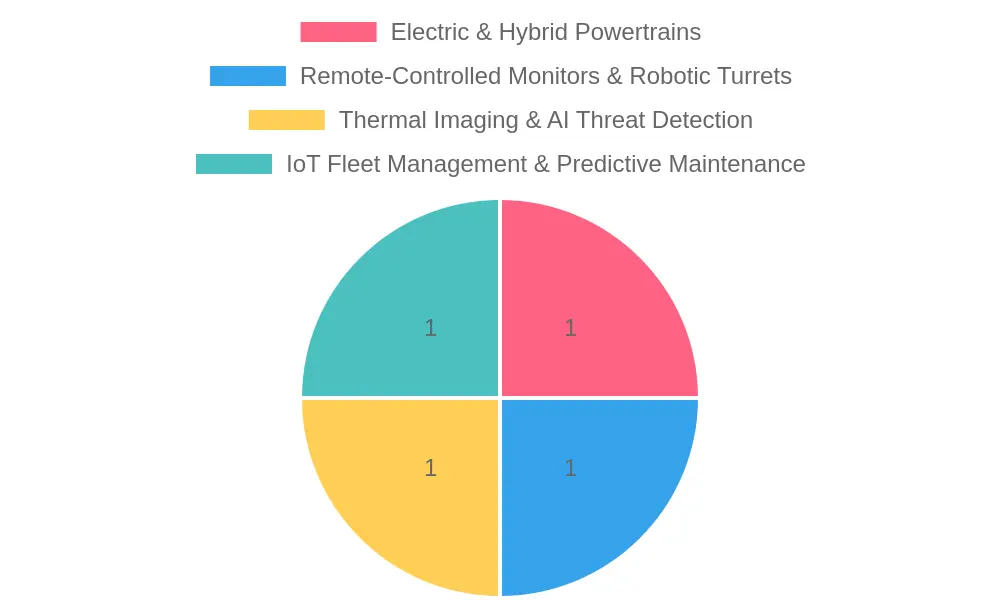
Electric and Hybrid Powertrains – Reducing emissions at airports is a growing priority as the aviation industry pursues net-zero goals. Traditional diesel-powered ARFF trucks, while powerful, produce significant carbon emissions and noise pollution. Electric and hybrid powertrains address this by delivering instant torque for rapid acceleration to crash sites while operating silently for approach maneuvers. Manufacturers are developing battery-electric drivelines with enough capacity to handle the demanding pump-and-roll operations required in ARFF scenarios. CIMC Tianda has invested heavily in electric vehicle platforms, leveraging expertise from its broader CIMC group – a global leader in specialized vehicle manufacturing – to develop hybrid ARFF trucks that can operate in zero-emission mode during airport tarmac patrols.
Remote-Controlled Monitors and Robotic Turrets – Safety for firefighters is paramount, especially when approaching aircraft fires involving hazardous materials or potential explosions. Remote-controlled monitor systems and robotic turrets allow operators to deliver precise streams of water, foam, or dry chemical from a safe distance – sometimes from inside a reinforced cab or even from a command vehicle positioned hundreds of feet away. These systems feature high-definition cameras, thermal sensors, and joystick or touchscreen controls for pinpoint accuracy. CIMC Tianda offers specialized fire-extinguishing robot solutions and has integrated remotely operated turret systems into its ARFF lineup, enabling crews to maintain a safe standoff distance during the most volatile firefighting scenarios.
Advanced Thermal Imaging and AI-Assisted Threat Detection – Modern ARFF trucks are becoming intelligent sensing platforms. Forward-looking infrared (FLIR) thermal imaging cameras, combined with AI-driven analytics, can penetrate dense smoke to identify hot spots, locate trapped individuals, and assess fire intensity in real time. Machine learning algorithms analyze camera feeds to detect the unique thermal signatures of jet fuel fires, electrical fires, and structural fires, then automatically recommend the appropriate extinguishing agent and nozzle configuration. This technology dramatically reduces decision-making time in high-pressure environments. CIMC Tianda’s intelligent equipment division has been developing AI-integrated firefighting systems that fuse thermal data with vehicle telemetry for enhanced situational awareness.
IoT-Enabled Fleet Management and Predictive Maintenance – Airport operations depend on ARFF vehicles being mission-ready at all times. The Internet of Things (IoT) is transforming fleet management by equipping ARFF trucks with sensors that monitor engine health, pump pressure, foam concentrate levels, tire wear, and battery status in real time. This data streams to cloud-based dashboards where predictive maintenance algorithms identify potential failures before they occur – scheduling repairs proactively rather than reactively. For airport operators, this means reduced downtime, lower maintenance costs, and assured compliance with NFPA standards. CIMC Tianda’s heritage in manufacturing intelligent equipment positions it uniquely to deliver ARFF trucks with factory-integrated IoT telemetry, helping fleet managers monitor vehicle readiness from a single platform.
As the demands on airport firefighting continue to grow, these four technological pillars – electrification, remote operation, AI-assisted detection, and connected fleet intelligence – are redefining what ARFF trucks can achieve. CIMC Tianda, with its deep roots in intelligent equipment manufacturing and a complete portfolio of aircraft rescue and fire fighting vehicles, is well-positioned to lead this charge, delivering the next generation of smarter, safer, and greener firefighting solutions to airports worldwide.
The driver-focused cab of a modern ARFF truck, featuring digital displays, ergonomic seating, and intuitive control layouts designed for rapid emergency response.
Modern ARFF trucks are defined as much by what’s inside the cab as what’s on the outside. Leading ARFF truck manufacturers have transformed the driver’s environment into a command center that balances advanced technology with intuitive operation. From the driver’s perspective, the console puts everything within arm’s reach – digital instrumentation panels replace analog gauges, backlit toggle switches control pump and foam systems, and integrated touchscreens deliver real-time vehicle diagnostics and navigation. The ergonomic seating arrangement reduces driver fatigue during long standby shifts and high-stress emergency responses, while the panoramic windshield design provides the exceptional visibility needed for maneuvering around aircraft and congested airport aprons.
Cost Analysis: Investment vs. Long-Term Value for Business Owners
เมื่อประเมิน ARFF truck price, business owners are often confronted with a significant capital outlay that can range from $400,000 for a basic model ถึง over $1.2 million for a fully equipped, heavy-duty airport rescue vehicle. Understanding where that money goes – and what you’re truly paying for – is essential to making a smart purchasing decision.
Breaking Down the Cost
An ARFF (Aircraft Rescue and Fire Fighting) truck is not a standard fire apparatus. It is a highly specialized piece of equipment engineered to meet rigorous NFPA and ICAO standards for airport emergency response. The cost is distributed across several major components:
- โครงรถและระบบขับเคลื่อน (35%) – The backbone of the vehicle. Heavy-duty chassis designed for off-runway terrain, often with all-wheel drive and powerful diesel engines capable of rapid acceleration to meet response time requirements. This is the largest single cost component.
- Pump & Foam System (25%) – The heart of the ARFF truck. High-capacity pumps, proportioning systems, and roof turrets that can deliver thousands of gallons of water and foam per minute. These systems must operate flawlessly under extreme pressure.
- Tank & Body (20%) – Tanks are typically constructed from สแตนเลส หรือ อลูมิเนียม. Stainless steel offers superior corrosion resistance and longevity, particularly important for vehicles storing water and foam concentrates, but comes at a premium over aluminum.
- Electronics & Controls (12%) – Modern ARFF trucks are equipped with advanced digital control systems, joystick-operated turrets, thermal imaging cameras, and onboard diagnostics that improve operator efficiency and safety.
- Customization & Accessories (8%) – Optional features such as specialized lighting packages, crew cab configurations, roof-penetrating nozzles, and additional storage compartments tailored to specific airport requirements.
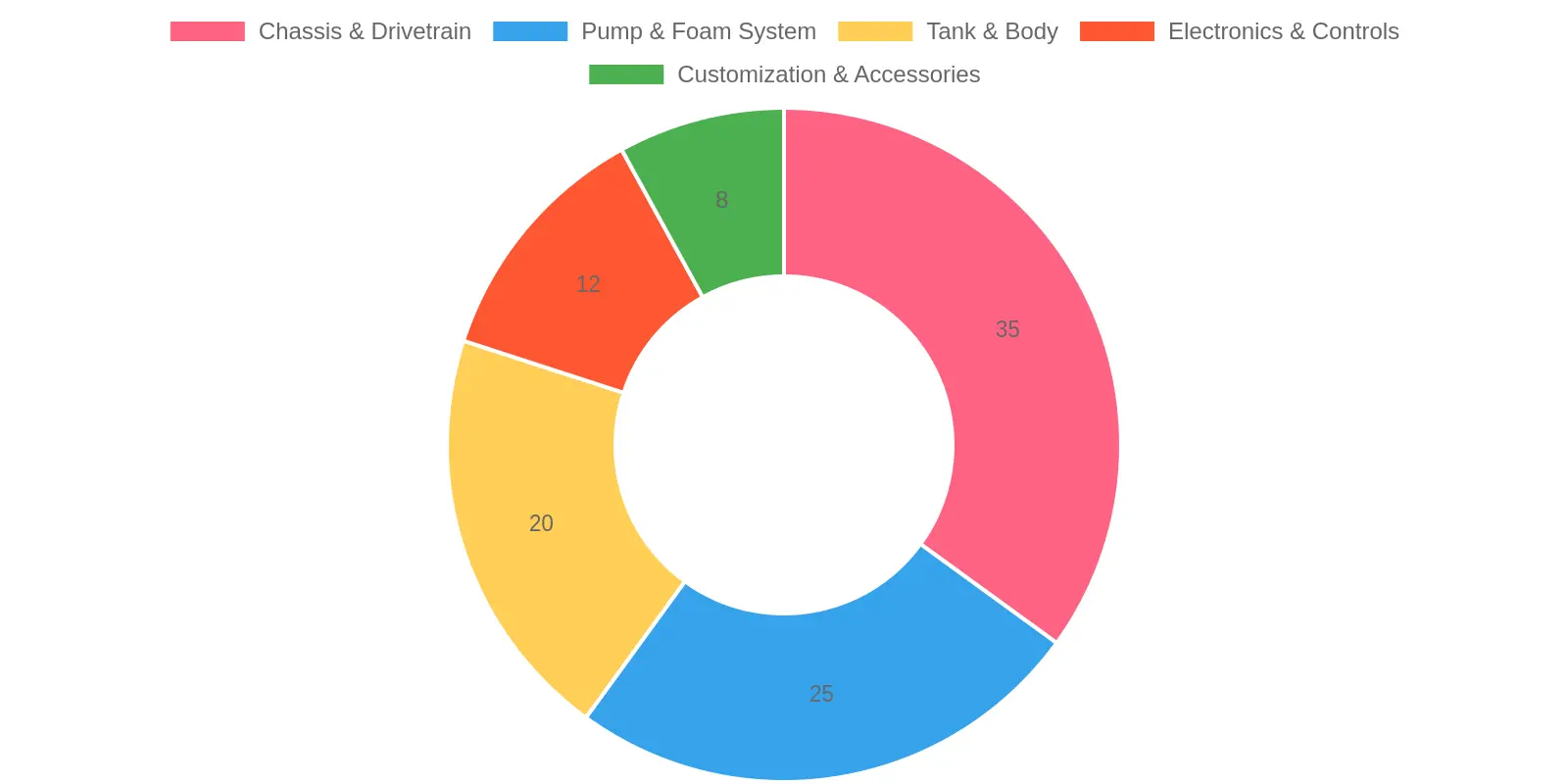
Figure 1: Typical cost breakdown for an ARFF truck, showing the proportional investment across major system components.
Why the Cheapest Option Isn’t Always the Best Value
It is tempting for budget-conscious business owners to gravitate toward lower-priced ARFF trucks, particularly when the upfront ARFF truck price appears attractive. However, the Total Cost of Ownership (TCO) tells a more complete story. A less expensive truck may use thinner aluminum tanks prone to corrosion, lower-grade pumps with shorter service intervals, or chassis that lack the durability for daily airport operations. Over a 15- to 20-year service life, the cost of repairs, downtime, and premature replacement can far exceed the initial savings. According to fleet management data, vehicles with lower upfront costs often incur 30-50% higher maintenance expenses over their lifetime compared to well-built, higher-quality apparatus.
Investing in a truck with stainless steel tanks, a robust foam system, and quality electronics from a reputable manufacturer – such as those found in our รถดับเพลิงสนามบิน lineup – pays dividends in reliability, resale value, and operational readiness. When lives and property are on the line, a low purchase price is poor compensation for equipment failure.
ข้อสรุปสำคัญสำหรับเจ้าของธุรกิจ
| ปัจจัย | Budget Model | Premium Model |
|---|---|---|
| Starting Price | $400,000-$600,000 | $800,000-$1,200,000+ |
| Tank Material | อลูมิเนียม | Stainless Steel |
| Pump Lifespan | 8-10 years | 15-20 years |
| Maintenance Cost (Annual) | $25,000-$40,000 | $15,000-$25,000 |
| Resale Value (After 10 Years) | 25-30% of original | 40-50% of original |
For a closer look at the full range of configurations available, explore our selection of ARFF aircraft rescue fire fighting vehicles to find the right balance of price, performance, and long-term value for your operation.
The Life-Saving Business Case for Premium ARFF Equipment
For business owners evaluating airport safety investments, the numbers speak for themselves. Every second counts in an aircraft emergency, and the quality of your rescue and firefighting equipment directly determines whether those critical minutes translate into saved lives or catastrophic losses. Understanding the measurable impact of effective ARFF services is essential when making procurement decisions that carry both moral and financial weight.
According to the International Civil Aviation Organization (ICAO), effective Aircraft Rescue and Fire Fighting (ARFF) services can reduce the fatality rate in survivable aircraft accidents by up to 40%. Furthermore, the National Transportation Safety Board (NTSB) reported that rapid intervention within the first three minutes of an incident is the single most decisive factor in preventing fire-related casualties.
This statistic underscores a reality that no airport operator or aviation business owner can afford to ignore: investing in subpar firefighting equipment isn’t just a compliance gamble-it’s a life-or-death calculation with hard data to prove it. When you factor in the potential liability costs, operational downtime, and reputational damage that follow a poorly handled emergency, the return on investment for premium ARFF vehicles becomes unequivocally clear.
For airport operators and aviation facility managers, the path to achieving these life-saving outcomes begins with selecting the right equipment from proven manufacturers. Browsing our selection of รถดับเพลิง ARFF สำหรับการช่วยเหลือเครื่องบิน News Center รถดับเพลิงสนามบิน ensures you are equipping your team with vehicles designed to meet rigorous ICAO standards and deliver the rapid response that makes a 40% fatality reduction possible. In an industry where every second matters, compromising on equipment quality is a risk no responsible business can take.
How to Evaluate and Compare ARFF Truck Suppliers: A Step-by-Step Guide
Choosing the right ARFF truck supplier is one of the most critical decisions an airport operator can make. With stringent safety regulations, high-performance requirements, and long-term operational costs at stake, a structured evaluation process is essential. This guide provides a practical 5-step framework to help business owners make an informed choice. For a full overview of available options, explore our range of รถดับเพลิงสนามบิน built to global standards.
Step 1 – Verify NFPA 414 & ICAO Compliance
The foundation of any ARFF vehicle evaluation starts with regulatory compliance. NFPA 414 sets the standard for aircraft rescue and firefighting vehicles, covering acceleration, agent delivery, and agent quantity requirements. Similarly, ICAO Annex 14 outlines the operational performance criteria that ARFF vehicles must meet for international airport certification. Always request documented proof of compliance, including third-party test reports, to ensure the supplier’s trucks meet these non-negotiable benchmarks.
Step 2 – Request Detailed Technical Specifications
Once compliance is confirmed, dive into the technical details. Request full specification sheets covering pump capacity, foam and water tank volumes, turret reach, acceleration (0-80 km/h in under 25 seconds for rapid intervention vehicles), and agent compatibility (e.g., AFFF, FFFP, or fluorine-free foams). A transparent supplier will provide these specs without hesitation, allowing you to compare vehicles side by side. Look for heavy-duty fire trucks that offer structural durability alongside high-performance firefighting capabilities.
Step 3 – Evaluate After-Sales Support & Parts Availability in Your Region
A fire truck is only as reliable as the support network behind it. Investigate whether the supplier has a local service center, certified technicians, and a stocked parts warehouse in your region. Ask about average response times for emergency repairs and routine maintenance. Suppliers with a distributed global footprint can dramatically reduce downtime by ensuring critical spare parts reach you within days, not weeks.
Step 4 – Request References and Case Studies from Similar Airports
Real-world performance data is invaluable. Ask the supplier for references from airports of similar size, climate, and operational profile. Case studies detailing agent consumption rates, vehicle uptime percentages, and incident response outcomes provide concrete evidence of a truck’s capabilities. Speaking directly with other airport fire chiefs can reveal insights about vehicle reliability, ergonomics, and supplier responsiveness that no brochure can convey.
Step 5 – Conduct a Total Cost of Ownership Analysis
Purchase price is only the beginning. A comprehensive TCO analysis should factor in fuel consumption, scheduled maintenance intervals, spare parts pricing, training requirements, and expected vehicle lifespan (typically 15-20 years for ARFF trucks). A lower upfront cost may be offset by higher long-term operational expenses. Use a standardized TCO template to compare suppliers on an apples-to-apples basis.
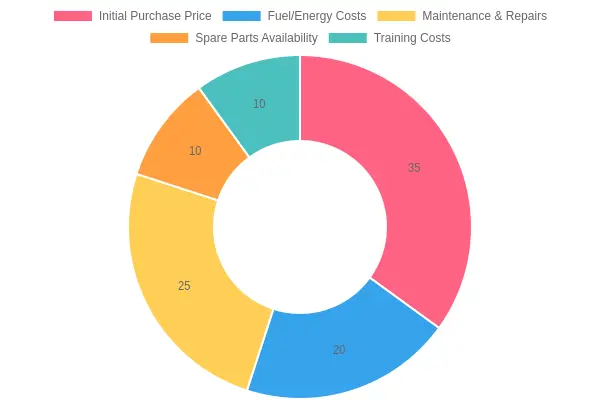
Chart: Total Cost of Ownership breakdown showing that initial purchase price accounts for 35%, maintenance and repairs 25%, fuel/energy 20%, spare parts 10%, and training 10%.
Summary Checklist
- Verify NFPA 414 & ICAO compliance documentation and test reports
- Request and compare detailed technical specifications side by side
- Evaluate after-sales support network and regional parts availability
- Request references and case studies from airports similar to yours
- Conduct a total cost of ownership analysis covering all lifecycle costs
Why Global Presence Matters for After-Sales Support
Suppliers with an established global footprint offer a distinct advantage when it comes to after-sales support. CIMC Tianda, for example, operates in over 75 countries, ensuring that spare parts, technical expertise, and service teams are never far from your facility. This extensive network translates into faster maintenance turnaround times, lower inventory carrying costs for airport operators, and peace of mind knowing that support is available wherever your operations take you. When conducting your ARFF supplier evaluation, prioritize partners who can demonstrate proven global logistics and local service capabilities.
Choosing Your Partner in Aviation Safety
As we’ve explored throughout this guide, the ARFF truck you select is far more than a vehicle-it is your airport’s first and most powerful line of defense. With aviation traffic rebounding globally and the ARFF vehicle market projected to climb from $1.2 billion in 2024 to $1.8 billion by 2033, the urgency for airports to invest in modern, high-performance firefighting equipment has never been greater. A single critical incident can define an airport’s reputation for decades, and the data underscores this: ICAO studies confirm that ARFF trucks achieve a 98.7% success rate in controlling aircraft fires within the first five minutes-a window that separates a controlled response from a catastrophe.
Choosing the right manufacturer means aligning proven engineering excellence with your airport’s unique operational realities. Whether you prioritize rapid acceleration, high-capacity foam systems, all-terrain maneuverability, or advanced cab technology, the leading manufacturers each bring distinct strengths to the runway. But the common thread among the best in the industry is an uncompromising commitment to quality, reliability, and continuous innovation. Skimping on your ARFF fleet isn’t a cost-saving measure-it’s a gamble no airport operator can afford to take. Your equipment must perform flawlessly under extreme duress, every single time.
This brings us to the most important decision you’ll make: selecting a partner who understands that your safety goals are their mission. At CIMC Tianda, we combine decades of manufacturing expertise with a deep appreciation for the regulatory and operational demands faced by airports worldwide. Our ARFF solutions are engineered not just to meet standards, but to exceed expectations-delivering faster response times, superior agent delivery, and greater operator confidence. Our dedicated ARFF aircraft rescue fire-fighting category showcases a range of vehicles designed for the highest stakes, while our ชุดรถดับเพลิงที่สนามบิน offers specialized configurations tailored to airports of every size.
Discover how CIMC Tianda’s cutting-edge ARFF solutions can optimize your airport operations. Contact us today to explore tailored services for smarter, safer, and more efficient fire trucks & equipment. Whether you’re upgrading an existing fleet or building one from the ground up, our team is ready to work alongside you-assessing your infrastructure, understanding your risk profile, and delivering equipment that performs when it matters most. The path to safer skies begins with the right equipment, the right expertise, and the right partner by your side.
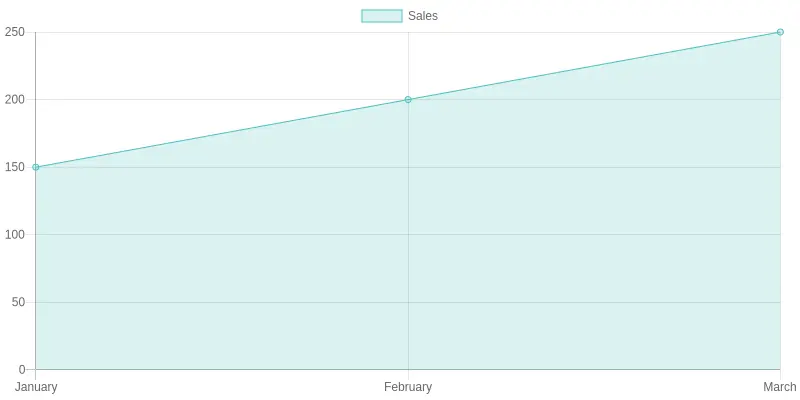
CIMC Tianda’s Global Reach – 75+ Countries Across Six Continents
CIMC Tianda has established a truly global footprint, with operations and service networks spanning more than 75 countries worldwide. This extensive international presence means that no matter where your airport or facility is located, reliable support and proven ARFF technology are never far away.
| อัตราอุบัติเหตุของรถดับเพลิงที่สนามบินในช่วงสิบปีที่ผ่านมา | Coverage |
|---|---|
| อเมริกาเหนือ | USA, Canada, Mexico |
| Europe | Germany, France, UK, Italy, Spain, Netherlands, Poland, Scandinavia |
| ภูมิภาคแปซิฟิกตะวันออก | China, Japan, Australia, South Korea, India, Southeast Asia |
| Middle East | UAE, Saudi Arabia, Qatar, Israel, Kuwait, Oman |
| Africa | South Africa, Egypt, Nigeria, Kenya, Morocco |
| Latin America | Brazil, Argentina, Chile, Colombia, Peru |
This worldwide network is backed by regional service centers, local distributors, and a global supply chain that ensures rapid response times for parts, maintenance, and technical support. For airport operators and fire chiefs evaluating ARFF aircraft rescue fire fighting vehicles, CIMC Tianda’s global logistics infrastructure means you get the same high-quality manufacturing standards delivered to your location – whether you’re in North America, the Middle East, or anywhere in between.
Beyond just manufacturing, this global presence reflects decades of expertise in understanding regional fire safety regulations, climate conditions, and operational requirements. From arctic airports to desert facilities, CIMC Tianda vehicles are engineered and supported to perform in any environment. The same commitment to quality that goes into every heavy duty fire truck is backed by a service network that spans the globe – giving you confidence in both the equipment and the company behind it.

