
















Fire trucks are essential in the battle against flames, with their ability to transport vital resources directly to the scene of an emergency. One of the most crucial components of a fire truck is its water tank, which enables immediate access to water for suppression efforts. Understanding the specifications, various types, and the efficiency brought by these tanks can significantly aid business owners in appreciating their role in community safety. This article will explore the specifications of fire truck water tanks, the different types of fire trucks that exist, and how these tanks contribute to effective firefighting operations.
Inside the Heart of the Engine: Unraveling the Role and Design of Fire Truck Water Tanks
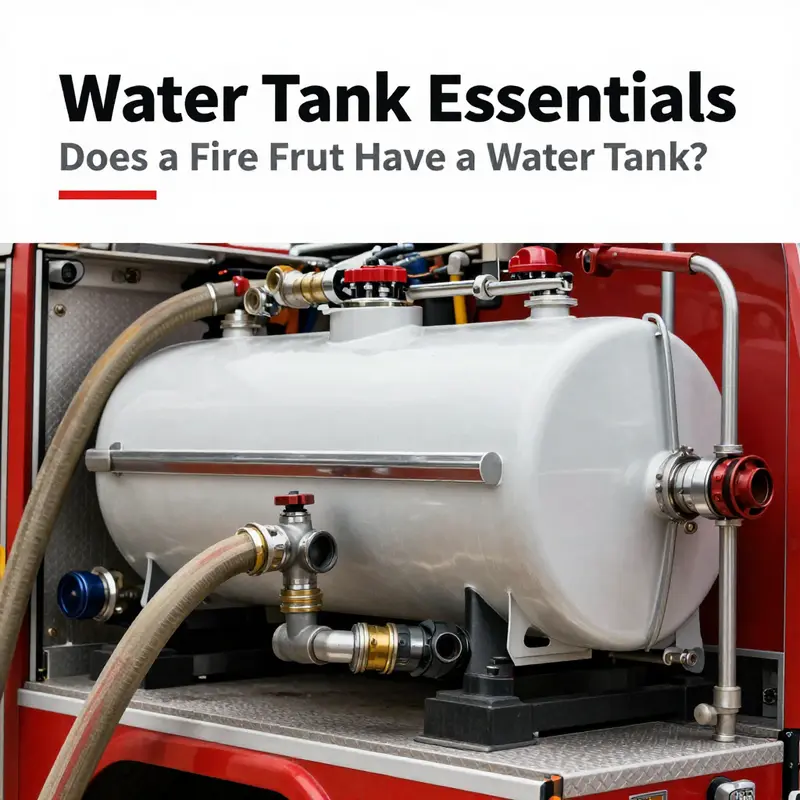
Fire trucks are more than just vehicles rushing to the blaze—they are complex machines engineered to offer immediate support in critical and time-sensitive situations. At the core of their firefighting capabilities lies one of its most essential components: the water tank. Understanding the water tank is crucial to appreciating how fire trucks operate during emergencies and why different types of fire trucks are equipped with tanks that vary in capacity, design, and purpose.
Long before a fire truck can be connected to external water sources such as hydrants, they rely on the water stored within these tanks to begin fighting the fire. A water tank does not merely serve as storage; it is a lifeline that provides rapid access to water in the initial moments of a crisis. From battling warehouse blazes and industrial fires to curbing large-scale wildfires and hazardous material situations, the water tank’s role cannot be understated. Delving into the design, capacity, and customization features of these tanks reveals the meticulous thought that goes into creating a machine capable of combating some of the most intense and unpredictable disasters.
One of the first aspects to consider is the wide variability in tank capacities. Different fire trucks have water tanks that range from modest volumes designed for initial strikes in densely populated urban environments to enormous reservoirs that supply water during widespread, larger-scale emergencies. For instance, smaller fire trucks that are often tasked with urban first response typically carry water tanks of between 2,000 and 5,000 liters, roughly equating to 2 to 5 tons of water. These smaller tanks are engineered for rapid deployment and agile maneuvering through crowded city streets. Their size is optimized for speed and flexibility rather than the sheer volume of water, which is often less critical during the initial phase of firefighting when obtaining water from hydrants or other resources is still possible.
In contrast, medium-sized fire trucks, which are designed to tackle more intense incidents, feature larger water tanks with capacities measured around 6,000 to 10,000 liters. This increased capacity allows firefighters to engage with larger blazes for longer durations before needing to refill. There is a balance between the needs of high performance and practicality: a tank that is too large might compromise maneuverability, while one that is too small may not provide enough water to suppress a fire effectively. This careful calibration between size, capacity, and operational efficiency is a hallmark of fire truck design, ensuring that each truck is well-suited for its specific operational environment.
When it comes to large-scale fire emergencies, such as those encountered during major industrial accidents, large building fires, or extensive wildfire incidents, fire trucks are outfitted with exceptionally large water tanks. These vehicles can carry between 4,000 liters to upwards of 20,000 liters, and some specialized tanker trucks are capable of holding even over 25 tons of water. Such enormous volumes are indispensable when an incident requires sustained antibiotic operations where water must be delivered over an extended period and across wide areas. The sheer capacity underscores the importance of power and endurance, ensuring that first responders can continue fighting the fire until reinforcements or alternative water supply sources arrive.
Equally important in the landscape of water tank configurations is the development of fire trucks equipped for specialized tasks. Foam fire trucks, for instance, are a prime example of how water tanks evolve to meet specific types of firefighting challenges. These vehicles are tailored to combat fires fueled by flammable liquids such as oil or gasoline. In these vehicles, the water tank is complemented by a dedicated foam concentrate tank, enabling firefighters to mix the two substances effectively. The crafted balance between water and foam helps in smothering the flames by cutting off the oxygen supply and reducing the flammability of the burning material. The capacity of the water tanks in foam trucks also varies considerably, typically ranging from 2,000 liters to 15,000 liters. This flexibility ensures that the tank not only supports the necessary foam mixture but also provides sufficient water volume to cool and control the spread of fire.
The design and customization of fire truck water tanks extend beyond mere capacity. Their placement, reinforcement, and integration with other firefighting systems are driven by the practical challenges faced on the ground. The tanks are often constructed from robust materials that can withstand the high stresses of emergency maneuvers and sudden impacts. They are integrated into the overall architecture of the truck in a way that protects them from external damage while also ensuring that water can be quickly and reliably pumped out at high pressures. Powerful pumps and a network of hoses and nozzles work in tandem with these tanks to deliver jets of water to precisely targeted areas of a fire.
Furthermore, the customization features of fire trucks contribute greatly to the overall efficacy of their water tanks. For example, the drive type—whether it be 4X2, 6X4, or 8X4—is carefully chosen to ensure that the heavy load of water does not impede the truck’s mobility or response time. Similarly, considerations such as whether the vehicle is left-hand drive (LHD) or right-hand drive (RHD) are determined based on regional traffic norms and the specific demands of the operating environment. These factors, although seemingly minor, have a profound impact on the vehicle’s performance and safety, particularly during high-stress emergencies where every second counts.
Beyond the physical attributes, the operational strategy behind water tanks in fire trucks is equally significant. Firefighters must often deploy from the moving vehicle, setting up hoses and managing the safe delivery of water under extreme conditions. The water tank supplies the initial burst of water needed to suppress the fire until other sources, such as external hydrants or water supply systems, can be accessed. The design of the tank is shaped by scenarios where initial minutes of active firefighting are critically important for preventing the fire from growing uncontrollably. Thus, the tank is engineered for rapid water release, enabling a surge that is both powerful and precise.
In many ways, these tanks represent a marriage between engineering precision and rugged reliability. Integrated with other advanced components like hydraulic systems and computerized pump controls, they are built to adapt to a wide range of emergencies. When a fire starts, the first impulse is to control the fire’s spread—a feat that is accomplished by a swift and robust supply of water that is readily available in the truck. The water tank’s capacity, therefore, must be sufficient not only for its immediate function but also flexible enough to allow for variations in operating conditions. For example, in terrains where establishing a connection to an existing water source is challenging due to structural or environmental obstacles, the water tank’s onboard water supply serves as an indispensable tool that can mean the difference between containment and escalation.
Moreover, modern fire truck designs have benefited immensely from decades of innovation and operational feedback. Manufacturers and fire departments work closely to refine the water storage systems, ensuring these tanks remain adaptable and effective. Improvements in material science have led to the use of lighter yet stronger polymers and metals that maximize both durability and capacity. Designs now often include safety features that protect the water from overheating or contamination during long periods of deployment, especially in harsh climates or in situations where chemicals might be present. In this manner, the water tank evolves from a mere container into a sophisticated system integral to the survival strategy on the scene of a fire.
Additionally, there is an evident trend towards enhanced integration between water tanks and other firefighting technologies. Fire trucks may now be equipped with remote water supply systems that can extend the reach of the water tank even further. These systems allow water to be transported over significant distances without the need for cumbersome hoses, thus increasing the adaptability of firefighting operations in challenging and hazardous environments. This integration highlights an important shift: water tanks are no longer simply passive reservoirs but dynamic components that interact seamlessly with a host of other tools and systems, including advanced sensor networks and automated pump controls.
The story of the water tank in fire trucks does not end at its raw technical specifications. There is also a human element involved—a deep understanding by the firefighters who operate these vehicles. Training programs emphasize not only the tactical use of water but also the nuances of handling the heavy, water-laden vehicle. The design of the water tank, therefore, takes into consideration the ergonomics of setting up a fire line and ensuring that equipment is accessible even in the midst of chaos. Firefighters are trained to quickly transition from relying on the water tank to connecting with external sources of water, a process that is critical for maintaining a consistent supply during prolonged firefighting efforts.
In urban environments, small and agile fire trucks are often the first line of defense. These vehicles, equipped with moderately sized water tanks, are specifically designed to navigate through congested streets and rapidly reach the epicenter of the fire. The water available in these tanks provides a crucial bridge between the moment of arrival and the further logistical support needed to quench the incident. They are a perfect example of tactical design meeting operational necessity. While their load may be less than that of larger trucks, every liter of water is optimized for immediate impact, employing high-pressure pumps and precise nozzle techniques that target the heart of the flames.
In rural or less densely populated areas, the design principles differ. Fire trucks designed for these environments are tasked with operating in regions where external water sources such as hydrants may be scarce or located far from the incident. In these cases, a larger water tank is not a luxury but an absolute requirement. The vehicles are built to carry extra water, ensuring that even remote communities are afforded the level of protection necessary during wildfires or extensive brush fires. The design incorporates features that allow the truck to make longer runs without compromising the volume or pressure needed to combat a fire. The emphasis is on sustainability and long-duration water supply, which in turn influences the overall layout and capacity of the tank.
Furthermore, industrial fire trucks present another level of complexity. These vehicles are often customized to manage the unique hazards associated with large industrial complexes, including chemical fires where both water and specialized suppressants might be required. Here, the water tank is part of a dual-system approach on vehicles that also carry foam concentrates. The dual-tank configuration must be carefully calibrated: the water tank must supply a sufficient amount for immediate cooling and suppression, while the foam tank is reserved for situations where standard water is not enough to neutralize the chemically driven flames. The interplay between these two tanks is a masterclass in modern firefighting strategy, where each component is designed to complement the other, ensuring maximum efficiency and effectiveness at the scene of a fire.
Alongside these considerations, the flexibility of customization extends to the overall vehicle design. Modern fire trucks are not built as one-size-fits-all solutions; instead, they are meticulously configured to suit the operational parameters of the respective fire service. This aspect means that the water tank’s design can be tailored, not only in terms of size and capability but also in how it integrates into the truck’s entire network of firefighting tools. For example, some vehicles offer modular designs, where the water tank can be quickly swapped or reconfigured depending on the anticipated needs of a particular mission. The inherent flexibility in modern fire truck design is a direct response to the unpredictable nature of emergencies, ensuring that each vehicle offers a unique set of features that can be altered to best meet the challenges at hand.
A further point of interest is the evolution of water tank safety features. In high-stress emergency operations, safety is paramount, and every feature is scrutinized to prevent malfunctions that could lead to catastrophic failures. Modern water tanks are equipped with advanced pressure sensors and automated controls that constantly monitor the system’s integrity. These measures help to prevent issues such as over-pressurization, which not only could hamper the performance of the pump systems but also pose a risk to the structural integrity of the tank. In addition, many water tanks now incorporate smart technology that can alert the fire crew to potential faults before they escalate, ensuring that every component of the firefighting system is operating as expected. This smart integration exemplifies how cutting-edge technology is enhancing even the most traditional aspects of fire service equipment.
Despite the impressive array of modern advancements, the fundamental principle remains unchanged: a fire truck must be ready to deliver water at a moment’s notice. What might seem like a singular, isolated component—the water tank—is in fact a testament to the entire evolution of firefighting technology. It captures the essence of preparation, resilience, and rapid response. The ability of firefighters to control a blaze often hinges on this onboard reservoir, which can be the decisive factor in mitigating damage and saving lives.
The evolution of water tank technology in fire trucks also reflects broader trends in emergency vehicle design. Increasingly, manufacturers are emphasizing reliability and redundancy. This means that even if a primary water supply line were to fail, the water tank is built with backup systems that allow it to maintain pressure and supply. In many ways, the water tank is at the heart of a networked system of safety features that together form an unbroken chain of defense against the unpredictable nature of fire emergencies. These advancements ensure that the vehicle can continue to operate under adverse conditions, providing a level of operational security that is vital in high-risk scenarios.
Moreover, the integration of customizable and modular water tanks underscores the adaptability of modern fire trucks to different environments and scales of operation. In some instances, specialized departments have designed their fleets with interchangeable water supply systems that cater to seasonal or locale-specific challenges. For example, in wildfire-prone regions, the water tank might be integrated with systems designed to rapidly deploy water over expansive areas, while in dense urban settings, the focus might be on compactness and high-pressure discharge. It is a vivid illustration of how an understanding of local fire risks directly translates into the engineering design choices made in the creation of these vehicles.
The possibilities for future innovation in water tank design are as boundless as the challenges faced on the firefighting front. With emerging materials and sensor technologies, it is conceivable that future fire trucks will feature water tanks that self-report their status in real time, communicate directly with command centers, and even adjust their internal pressure dynamically based on the water flow requirements. Such improvements would not only enhance operational effectiveness but also greatly improve the safety margins for the crew. The path forward is paved with the promise of technology that seamlessly blends with robust engineering, ensuring that every liter of water carried is optimized for maximum impact.
For interested readers who wish to delve deeper into the diverse range of fire truck configurations and the various models available, information on specialized models can be found by exploring resources on available water tanker fire truck models. This internal link, which offers a visual and technical exploration of different configurations, is a gateway to understanding the diversity and innovation embedded in modern firefighting vehicles.
As we examine the intricate design and versatile functionality of fire truck water tanks, we come to appreciate the blend of art and science involved in their creation. These water tanks, with their precise measurements in liters and tons, represent the culmination of years of research, field experience, and technological advancement. Designed to serve in the most perilous situations, they stand as a testament to human ingenuity and our relentless pursuit to create machines that can combat nature’s most devastating forces.
Every component of a fire truck, from its robust chassis to its integrated water tank, is a crucial link in a chain of rapid response that has been refined over decades of firefighting experience. The water tank remains central to this chain—providing the essential resource that fuels the first line of defense against fires. As technology continues to evolve, so too will the design of these tanks, incorporating new materials, safety features, and capabilities that promise to further empower the brave individuals who operate these incredible machines.
In conclusion, the water tank in a fire truck is far more than a simple reservoir—it is an engineered marvel that encapsulates the essence of emergency response. Its varying capacities, tailored configurations, and integrated safety systems reflect a deep understanding of the diverse challenges faced in firefighting. Whether in a small urban engine, a sprawling medium-duty truck, or a massive industrial firefighting apparatus, the water tank plays an indispensable role in saving lives and protecting property. For those looking to comprehend the full spectrum of innovations in this arena, further insights and detailed specifications can be explored at the official resource Fire Truck World.
This detailed exploration affords a comprehensive look into how fire truck water tanks are not merely storage containers but dynamic, carefully engineered systems that lie at the heart of modern firefighting. Their evolution represents a continuous journey towards more efficient, safer, and more adaptable emergency response capabilities, ensuring that when the heat is on, every drop of water counts.
Diverse Firefighting Machines: Unraveling the Role of Water Tanks in Every Fire Truck Design
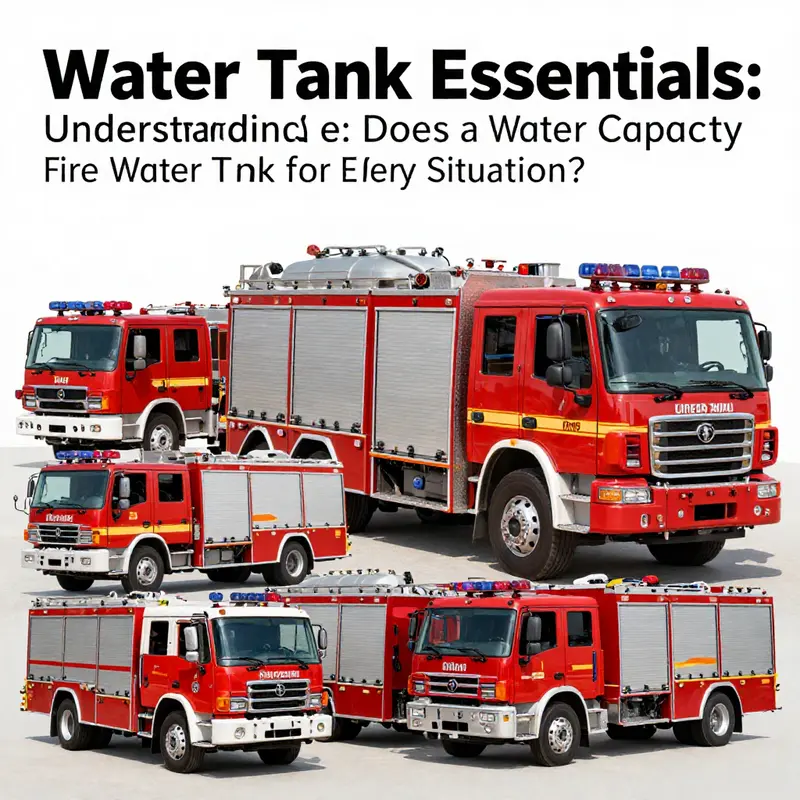
In the world of firefighting, the difference between rapid success and catastrophic delay can be measured in seconds, and much of this speed depends on the equipment at the firefighters’ disposal. Among these crucial tools, the water tank plays a central role in empowering fire engines to deliver swift and potent responses to emergencies. However, when one delves into the myriad designs of fire trucks, a fascinating picture emerges: not every fire truck carries a water tank, and those that do are engineered with a level of specialization that reflects the diverse scenarios they are built to combat.
The narrative of firefighting is one of adaptability and precision. Every fire truck is crafted with a clear purpose and a set of capabilities that address specific dangers. For many years, emergency response strategies have evolved in tandem with advances in truck design. For example, traditional engine or pumper trucks have long been recognized for their indispensable water tanks, which typically range from 500 to 1,000 gallons in capacity. These tanks are not merely storage spaces but are designed to support an immediate water supply before external hydrants or supplementary resources can be connected. In urban environments, where structural fires often transpire in densely built-up areas, these trucks become the frontline, providing a crucial burst of water flow that buys time for more extensive firefighting efforts.
Yet the landscape of firefighting vehicles is broad and varied. As cities expand and the nature of fire incidents becomes more complex, so does the design of the trucks themselves. Ladder trucks, for instance, are primarily conceived to bridge heights and offer access to elevated structures. Their iconic extendable ladders capture public attention, but behind this dramatic display lies a more subtle mechanical nuance: many of these ladder trucks are fitted with a smaller water tank, often around 250 to 300 gallons, to support immediate attack operations, particularly in high-rise structures where a quick burst of water can suppress flame spread until larger support arrives. These tanks, though modest in capacity compared to pumper trucks, serve a critical dual function—they provide water not only for initial firefighting maneuvers but also for enhancing aerial operations from which firefighters might combat fire from above.
The conversation about water tanks does not end with the conventional city response vehicles. In scenarios that extend beyond urban boundaries, such as rural emergencies and forest fires, specialized fire trucks are tasked with confronting unpredictable flammable landscapes. Wildland fire engines, built for rugged terrains and off-road capabilities, are often equipped with water tanks designed to comport with the challenges of wildfires. While these tanks may hold a similar volume as their urban counterparts, their construction is optimized for mobility and resilience, ensuring that even in the heat of a forest fire, where access to hydrants is non-existent, firefighters have a robust initial water supply.
In an equally diverse vein, rescue trucks illustrate that not all emergency vehicles share a unified blueprint regarding water storage. These vehicles are engineered primarily for technical rescues, such as extrications and confined space operations. As a result, rescue trucks generally omit large water tanks to allocate more space and weight capacity for hydraulic tools, extrication equipment, and medical supplies. Their design underscores a broader understanding within fire departments: while water is essential in many firefighting situations, the imperative need for rapid rescue and stabilization in certain emergencies sometimes outweighs the need for onboard water stores. These trucks remind us that firefighting is not solely about confronting flames but also about saving lives, often in environments where every second—and every piece of equipment—counts.
Beyond urban center responses and technical rescue missions, fire truck design reflects a dynamic balance between specialized functions and all-around responsiveness. In situations where external water sources are unreliable or distant, tankers (or water tenders) step into their prominent roles. These vehicles are specifically optimized to carry massive quantities of water—sometimes several thousand gallons in a single trip—and deliver that precious resource to remote locations. For these trucks, the water tank is not a mere accessory; it is the fundamental operating component. Equipped with baffles that reduce water sloshing during transit and onboard pumps that facilitate controlled release, these tankers are a lifeline in rural and industrial settings where fixed hydrants are scarce or non-existent. To see an impressive array of these specialized vehicles, one might consult the range of options available under the banner of a well-designed water tanker fire truck, which underscores the incredible design advancements tailored to demanding scenarios.
In the spectrum of firefighting vehicles, industrial and airport response trucks (often denoted as ARFF trucks) hence stand out for their unique dual requirements. Designed primarily to combat hazardous material incidents, fuel fires, and other emergencies peculiar to industrial or airfield environments, these trucks often integrate large water or foam tanks. The incorporation of foam tanks is a distinct characteristic of this vehicle type. Foam, when mixed with water at the right ratio, forms a substance capable of suppressing intense fires, particularly those involving flammable liquids or chemical compounds. The design of these trucks speaks to a high level of engineering finesse: they must balance their need to store a large volume of water or foam concentrate with the need to maintain maneuverability in often complex industrial layouts.
The different capacities and features of water tanks across fire trucks are a testament to the tailored planning that fire departments must undertake. When deciding which types of trucks to deploy, emergency services weigh the likelihood of various incidents. For instance, a department serving a dense urban environment may favor engine trucks with moderately sized onboard tanks, while a region prone to wildfires might invest more in rugged wildland engines and dedicated water tenders. This strategic allocation of resources ensures that irrespective of the incident—be it the blaze of a high-rise building or a rapidly spreading forest fire—the fire brigade can rely on a vehicle specially equipped for that distinct task.
Innovation in fire truck design has not only been about enhancing water storage capability but also about integration and operational synergy. Modern fire trucks are now crafted to include integrated pumping systems that can draw from both onboard tanks and external sources efficiently and quickly. The evolution of pump technology over recent decades has meant that even relatively small tanks can be forced to produce high water pressure, enabling firefighters to reach challenging locations. Moreover, contemporary designs are increasingly focusing on modular configurations that allow water tanks or foam containers to be adjusted or swapped based on the specific needs of the operation. Such flexibility ensures that the firefighting response is not static but dynamically adaptable to changing on-scene conditions.
Notably, some fire trucks are purpose-built for dual or even multiple roles, embodying a hybrid approach that can cater to a spectrum of emergencies. These multifunctional vehicles combine elements of pumper trucks, ladder trucks, and sometimes even rescue trucks in a single integrated system. In scenarios where every minute is vital, a hybrid fire truck may carry a reasonably sized water tank while also accommodating an extendable aerial ladder, providing both immediate water supply and the ability to access high-occupancy buildings. The ingenuity of these designs lies in their ability to offer diverse capabilities in a single platform, reducing the need for multiple vehicles to arrive simultaneously and ensuring that the firefighting response is as nimble as it is comprehensive.
A closer look at operational practices reveals the thought process behind the allocation of truck types. In many municipalities, the decision about which trucks to include in the fleet revolves around a careful study of historical incident data and risk assessment analysis. Urban areas might have a higher incidence of structural fires, prompting the purchase of more engine trucks with moderate water tanks and rapid-fire pumps. Conversely, areas that lie on the edges of wildlands yet also support urban infrastructures may favor a mixed fleet that includes both specialized wildland engines and traditional urban response vehicles. This nuanced approach not only maximizes cost efficiency but also ensures that when an incident occurs, the fire trucks dispatched are optimally suited to the conditions they will encounter.
The relationship between water tank capacity and the operational capabilities of a fire truck is further illuminated by training practices. Firefighters are routinely trained to understand the limitations and strengths of their equipment. When operating a truck with a smaller tank, the emphasis is placed on rapid deployment strategies where the truck is expected to use its onboard resources to suppress the initial spread of fire until external sources can be connected. On the other hand, operators of tankers practice extended deployment techniques, where the sheer volume of water they carry serves as the primary means of sustaining prolonged firefighting efforts in areas without a nearby hydrant. This practical understanding reinforces the notion that the presence or absence of a water tank—and its capacity—directly impacts how a fire-fighting operation is executed on the ground.
Technology and engineering in today’s firefighting vehicles continue to evolve as much as the challenges they are built to overcome. Advanced fire trucks now incorporate state-of-the-art sensors and integrated communication systems that monitor the status of onboard water tanks in real time. In this way, commanders can remotely verify water pressure, volume, and delivery efficiency even before arriving on scene. Such innovations underscore an era where data and technology merge with traditional firefighting methodologies to create a more effective and responsive emergency management system. The ability to make informed decisions based on real-time data not only increases the safety of firefighters but also ensures that water resources are deployed judiciously, maximizing the impact of every gallon used.
The design philosophy underlying every fire truck type is influenced by the environments they are expected to operate in and the types of emergencies they are likely to confront. In environments characterized by high-rise structures, the necessity of a water tank is often balanced with additional equipment to assist with vertical access and fire suppression from above. This often results in a trade-off where weight restrictions necessitate a smaller water tank, but the sophisticated pump systems and high-pressure hoses compensate for the reduced volume by delivering water with exceptional force and precision. In contrast, in more rural or industrial environments, the strategic emphasis shifts to volume over mobility. Here, tankers with large water tanks become critical because they provide the sustained water supply needed for long-duration firefighting efforts.
This comprehensive understanding of fire truck design further illustrates that the incorporation of water tanks is not a one-size-fits-all solution but rather a deliberate adaptation designed to meet diverse needs. The arrangement and capacity of a water tank are influenced by considerations of weight distribution, response time, and operational flexibility. Engineers are continually challenged to balance the competing demands of carrying capacity, mobility, and specialized equipment. Each design choice is a conversation between necessity and innovation, reflecting an intricate understanding of both the science and art of firefighting.
Moreover, environmental factors play a critical role in shaping fire truck configurations. In regions where water scarcity is a concern, the design of water tanks might incorporate features to optimize the use of every drop. Some modern fire trucks integrate advanced filtration and water recycling systems that enable a truck to reuse water when possible, offering a more sustainable approach to prolonged firefighting engagements. These innovations are a response to the dual pressures of environmental stewardship and the need for effective emergency response, demonstrating that even in the realm of life-saving equipment, sustainability is a growing priority.
In terms of practical deployment, the choice of vehicle is often dictated by the specific risks present at the time of an emergency. For instance, if an industrial accident involving flammable liquids is reported at a manufacturing site, the on-scene response may include industrial fire trucks that escalate the use of both water and foam. The foam acts as a suppressant, minimizing the risk of immediate explosion or runaway fire, while the onboard water tank provides an additional means to cool down affected areas. This dual approach highlights the flexibility inherent in modern firefighting tactics—the capabilities of a vehicle are not just a matter of design, but of how that design interacts with the real-world environment in which it is deployed.
Operational protocols emphasize that the right equipment on the right scene can be the determining factor between a controlled incident and a catastrophic event. This is why extensive planning and regular training sessions are critical components in the field of emergency response. Fire departments invest heavily in simulation exercises that replicate a variety of scenarios—from urban blazes in dense neighborhoods to sprawling wildfires that threaten entire communities. During these exercises, firefighters learn to leverage the strengths and address the limitations of each type of fire truck. They practice moving seamlessly from one mode of operation to another, whether it involves an immediate burst of water from a pumper truck or a prolonged firefighting effort led by a water tanker. This hands-on approach to training ensures that, irrespective of the specific water tank configuration, every member on the team understands their role in the collective mission.
History, too, has its share of lessons when it comes to fire truck design. Early firefighting vehicles had limited capabilities, and the technology of water storage and delivery was rudimentary by today’s standards. Over the years, advancements in metallurgy, engine design, and fluid dynamics have all contributed to the increasingly sophisticated water tanks seen on modern fire trucks. The evolution of these tanks is a chronicle of continuous improvement—a journey from basic water reservoirs to the finely tuned, high-pressure systems that characterize today’s emergency response vehicles. Each iteration in design reflects an accumulation of knowledge gleaned from past experiences, constantly refining the interplay between water storage, pump technology, and vehicular agility.
Beyond the technological marvels, what remains constant in all these developments is the unwavering commitment to saving lives and minimizing property damage. The decision to include a water tank on a fire truck is ultimately rooted in the imperative to provide immediate, reliable access to water—the lifeblood of fire suppression. Whether through a modest onboard reservoir that supplies an urban pumper truck with enough water for a crucial initial attack or through colossal water tanks on specialized tankers that sustain firefighting operations in remote areas, the core mission is evident: to equip firefighters with the best possible tools to fight the blaze and secure their communities.
What is equally remarkable is the degree of versatility integrated into the design of fire trucks, which often means that a single response vehicle can play multiple roles depending on the unfolding situation at an emergency scene. Hybrid designs, for instance, blend features from engine trucks, ladder trucks, and rescue vehicles. In these instances, while the water tank may not be as large as that found on a dedicated tanker, its integration with high-performance pumps and flexible hose systems means that it can still deliver an effective initial water load that makes a critical difference in suppressing flames. This adaptability has been a hallmark of modern fire service, reflecting the nuanced understanding that every situation is unique and no single solution can be universally effective.
From the perspective of cost efficiency and logistics, the deployment of various fire trucks with different water tank capacities also represents a strategic balancing act. Fire departments operate under tight budgetary constraints and operational demands, and the decision regarding which type of truck to invest in is often based on a meticulous analysis of historical fire incident trends and the geographic demands of the community. Urban centers, with their high density of buildings and complex infrastructure, may benefit from a fleet dominated by engine trucks with moderate water tanks. In contrast, suburban or rural areas might lean towards the integration of both specialized wildland fire engines and high-capacity water tankers, ensuring that water is available even when fixed infrastructure such as hydrants is not within reach.
Ultimately, the details of tank capacity and fire truck design underscore the principle that in firefighting, one size does not fit all. Instead, each truck is purpose-built to offer a tailored response, meticulously designed to meet the specific challenges of its intended operating environment. This is why, for many communities, the very choice of investing in certain types of fire apparatus is a reflection of their understanding of local risk profiles and response needs. The engineering behind fire trucks is, in a sense, a dialogue between the realities of fire behavior and the proactive measures taken to combat it—a dialogue that continues to evolve as innovations in technology and strategy emerge.
In summary, the discussion around whether a fire truck possesses a water tank unravels into a broader conversation about specialization, versatility, and the complexities of emergency response design. Each type of fire truck, whether it is an engine truck, ladder truck, rescue vehicle, wildland fire engine, or a dedicated water tanker, is configured with features that reflect an in-depth understanding of the fire emergencies it is expected to confront. The water tank, whether prominently featured or minimally present, represents just one component in a complex matrix of design choices aimed at optimizing response times and maximizing firefighting efficacy. For every scenario, from the towering infernos of city skyscrapers to the sprawling wildfires in remote regions, the design of the truck encapsulates decades of learning, refinement, and a steadfast commitment to safeguarding lives and property.
As the technology of firefighting continues to advance, it is clear that water tanks will remain a central focus of innovation and design. Their integration with modern pump systems, real-time monitoring systems, and adaptable configurations only reinforces their critical role on the frontline of emergency response. Firefighters across the globe rely on these sophisticated systems to bridge the gap between the immediate needs of a fire outbreak and the long-term efforts required to bring it under control. The future promises not only further enhancements in water storage and delivery but also more intelligent interfaces that ensure every drop counts in the battle against flame.
For those interested in exploring the intricate details of vehicle configurations devoted entirely to water transport, a closer look at modern concepts in specialized vehicles, such as a well-engineered water tanker fire truck, offers valuable insights into design principles and field performance. The continuous evolution and diversification of fire truck designs illustrate a broader narrative of human ingenuity, where every innovation is a step towards a safer, more prepared society.
For more information on the ongoing evolution of fire truck design and the role that water tanks play in event-specific firefighting strategies, readers can refer to this comprehensive external source: Guide to Choosing the Best Fire Truck Model for Every Need.
Expanding the Lifeline: How Water Tanks Empower Fire Truck Performance
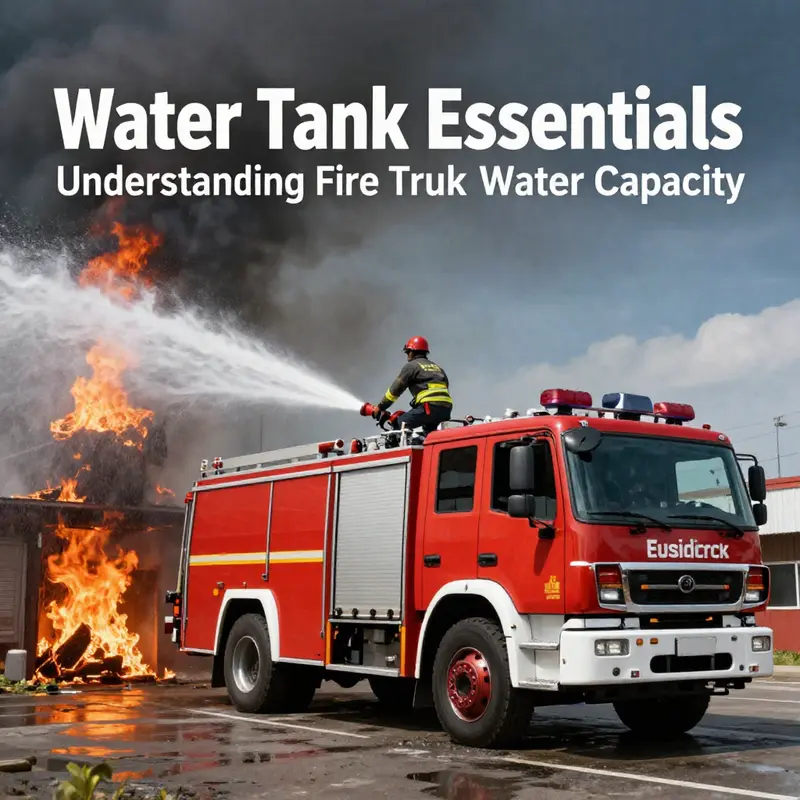
The heartbeat of every successful firefighting operation lies not only in the skill and bravery of the firefighters but also in the meticulous design and engineering of their equipment. Among the many components that define a fire truck’s capability, the water tank stands out as a vital lifeline. It is the element that empowers fire trucks to respond effectively in the face of blazing infernos, offering an immediate source of water to dampen and extinguish flames. This chapter takes a deep look at how water tanks have evolved into indispensable reservoirs that ensure rapid intervention. Their role is especially critical in circumstances where ready access to municipal hydrants is unavailable or when every second counts in high-stakes emergency scenarios. The water tank, functioning as both a storage unit and a dynamic operative system in synergy with high-powered pumps, enables fire trucks to initiate aggressive firefighting actions without delay.
An essential facet of the water tank’s importance is its design, which intricately combines capacity, durability, and reliability. Fire trucks are outfitted with tanks that vary tremendously in size, depending on operational demands. Smaller urban fire trucks generally possess tanks that hold between 2,000 and 5,000 liters, ensuring that they can quickly engage in preliminary suppression efforts in densely populated areas. In contrast, medium-sized vehicles designed for more expansive operations may carry between 6,000 and 10,000 liters. This scaling up of capacity continues with large fire trucks and specialized tankers, which may be equipped with reservoirs that store over 20,000 liters of water, and in some cases, even exceed 25 tons of water. The engineering behind these tanks involves precise calculations for weight distribution, structural integrity, and material resilience. Built with materials such as stainless steel or high-grade fiberglass, these tanks are tailored to endure harsh conditions, from corrosive elements encountered at industrial sites to the mechanical stresses that arise during rapid deployment and maneuvering.
The integration of advanced pumping systems further enhances the efficacy of a fire truck’s water tank. Modern fire trucks do not rely solely on the volume of stored water; they incorporate powerful centrifugal pumps capable of generating high-pressure streams that can reach over 100 psi. This performance is crucial when water must be projected over long distances or to elevated platforms during high-rise rescues. The symbiotic relationship between the tank’s storage capacity and the pump’s force means that as soon as the vehicle arrives at the incident scene, firefighters can utilize substantial water flows to combat even fast-spreading fires. The design philosophy centers on immediacy and robustness—allowing firefighters to begin an attack before external water sources, such as municipal hydrants, are connected. In many urban and rural settings, where infrastructural challenges persist, the onboard water supply ensures that the fire truck does not lose momentum in its battle against the blaze.
The operational scenarios in which fire trucks and their water tanks perform are as diverse as the emergencies they are designed to counter. In densely built urban centers, time is of the essence, and the short distance between the incident and water supply sources is not always guaranteed, making a self-reliant water tank essential. When a fire erupts in a high-rise or within a congested neighborhood, every minute that passes can result in exponential damage. The onboard water reserves shore up the initial attack, granting firefighters precious time until external hydrants or supplementary water tenders can be connected to the network. Equally, in rural or remote regions where fixed water infrastructure may be sparse or absent altogether, water tanker trucks play a crucial role. These specialized vehicles are designed to transport thousands of gallons over long stretches of road, serving as mobile water sources that support a coordinated firefighting effort. Their capacity and adaptability underscore the principle that in firefighting, reliability and promptness are as crucial as the size of the water reserve itself.
Technological advancements have not only bolstered the raw performance of these water tanks but have also enhanced the operational safety and maintenance protocols associated with them. Modern fire trucks are increasingly equipped with sensors and automated monitoring systems that track water levels in real time. These sensors provide instantaneous feedback to the crew, ensuring that any reduction in water supply is immediately accounted for and that the tank remains within optimal operating levels. Routine inspections, guided by stringent maintenance protocols, help in preempting issues such as contamination or structural degradation. In many models, enhanced filtration systems are integrated to guarantee that the stored water remains free of debris and safe for contact with firefighting chemicals. This level of integrated technology means that fire trucks are not just carrying water, but a dynamically managed resource that is maintained in peak condition, ready for action at any moment.
In real-world firefighting events, the importance of the water tank becomes palpably clear. Picture a scenario where a major fire breaks out in an industrial complex. The immediate challenge is not merely the intensity of the flames, but the unpredictability of hydrant locations amid a maze of structures and machinery. In such cases, fire trucks arrive with their own water reserve, allowing firefighters to launch an aggressive water jet attack from the moment they step into the danger zone. This immediate response, made possible by the robust water tank, can be the deciding factor between a controlled fire incident and a catastrophic blaze. Additionally, in large-scale emergencies, fire trucks often work in tandem with additional apparatus that may include vehicles like water tanker fire trucks, which can supplement the initial water supply and maintain the momentum of the firefighting effort. The layered approach, which leverages both onboard reserves and supplementary external supplies, illustrates the strategic importance of water tanks in ensuring that firefighting operations maintain the necessary water pressure and volume throughout the event.
One of the most remarkable features of modern water tanks is their engineered resilience in harsh and variable conditions. The physical construction of these tanks demands that they be both lightweight for ease of mobility and robust enough to withstand high-impact forces, extreme temperatures, and the constant stress of rapid filling and emptying cycles. Engineers often rely on materials that are resistant to corrosion, fatigue, and thermal stress, thereby extending the operational lifespan of the tank and reducing the likelihood of failures during critical moments. Regular maintenance routines involve detailed inspections that check for any signs of wear, minute leaks, or structural impairments. This scientific approach to maintenance is vital because any compromise in the tank’s integrity could have dire consequences during firefighting operations. By adhering to rigorous safety standards and design protocols, fire departments ensure that their water tanks are as reliable as the trained personnel who operate the fire trucks.
The structure of the water tank is not merely a static container; it evolves with the demands of modern firefighting technology. In addition to serving as a passive reservoir, it is now integrated with a suite of technological sensors and controls that maintain operational efficiency. These modern adaptations include automatic level detection systems and alarms that alert operators when water levels fall beneath a predefined threshold. In a firefighting context, this automation minimizes the risk of unexpected shortages in the middle of an emergency. Moreover, digital interfaces linked to the water tank’s monitoring systems can provide data analytics and performance reports, which inform maintenance schedules and potential design improvements. This integration of technology into a traditionally mechanical system represents a fusion of old-world reliability with new-age efficiency—a crucial partnership that enhances the overall safety and responsiveness of fire trucks in dynamic and unpredictable environments.
The evolution of fire truck water tanks has always been aligned with evolving firefighting tactics and the increasing complexity of incidents. In modern firefighting, there is a clear trend toward multipurpose vehicles that not only house larger water capacities but also incorporate additional features such as foam concentrate storage. Foam fire trucks, for example, are designed to combat fires involving flammable liquids and dangerous chemicals. These specialized vehicles have dual tank setups, one for water and the other for foam, and the separate storage allows for tailored responses depending on the type of fire being fought. The dual-system enhances operational flexibility by enabling firefighters to either use water for immediate suppression or to mix water with foam concentrate to create a more effective extinguishing agent for specific fire types. This innovation demonstrates that the design of water tanks is not a fixed parameter; it continuously adapts to incorporate new technologies and firefighting methodologies, further underlining their critical role in modern emergency responses.
It is not an exaggeration to assert that reliable water tanks have often been the unseen heroes behind many successful firefighting operations. The moment a fire truck arrives at a scene, the availability of a large volume of water stored onboard provides both a tactical and psychological advantage. Firefighters are better equipped to launch immediate offensive measures against flames rather than waiting for external water connections, which may involve delays in urban areas with congested infrastructure or rural regions with limited hydrant availability. The volume of stored water directly correlates with the capacity to sustain prolonged attack lines, ensuring that pressure does not drop during critical phases of the operation. This assurance of a contained and steady water supply can be the decisive factor between a contained fire and one that spirals out of control. By serving as an integrated reservoir and distribution system, water tanks safeguard not only physical assets but also human lives during emergency rescues.
Furthermore, the continuous evolution of water tank designs reflects an enduring push towards greater efficiency, durability, and operational flexibility. Collaborative efforts between engineers, firefighting professionals, and safety regulators have led to the development of tanks that accommodate diverse operational needs while adhering to stringent safety standards. The National Fire Protection Association (NFPA) plays a critical role in this process by providing detailed guidelines on the construction, capacity, and testing of water tanks for fire apparatus. These NFPA standards influence every facet of the engineering process and ensure that the water tanks meet all necessary performance criteria under extreme conditions. For those interested in the technical specifications and design philosophies behind these tanks, the NFPA documentation offers a comprehensive overview of how industry standards are continuously updated to reflect the latest innovations and lessons learned from real-world firefighting scenarios. For further insights, please refer to the NFPA guidelines at https://www.nfpa.org/codes-and-standards/all-codes-and-standards/list-of-codes-and-standards/detail?code=1917.
The narrative of water tanks in fire trucks is one of constant advancement, embodying the broader evolution of firefighting technology over the decades. Early models of fire apparatus relied on relatively simple, mechanically simple tanks with limited capacity. However, over time, as urban landscapes expanded and the demands on emergency response systems grew more complex, water storage systems were re-engineered to overcome new challenges. Modern water tanks are not only larger in capacity but are also fitted with integrated safety features, digital monitoring, and highly efficient pumping systems. This transformation has been influenced by lessons learned in the field—where every second matters, and every technological enhancement can result in lives saved. The continuous drive to improve ensures that fire truck water tanks remain a cornerstone of emergency service, an ever-evolving technology that bridges the gap between capability and urgency in the face of disaster.
Emphasizing the importance of reliability in times of crisis, contemporary water tank designs also take into account environmental and logistical challenges. In scenarios where fire trucks are called to remote or hazardous locations, the water tank must function flawlessly in conditions that may include extreme temperatures, rough terrain, and prolonged operational periods without replenishment. Engineers have refined the insulation and structural features of these tanks so that they perform optimally even when subjected to dramatic shifts in ambient temperature or the rapid acceleration and deceleration common during emergency maneuvers. Such innovations ensure that the water supply is never compromised, regardless of environmental factors. This level of engineering excellence enables fire departments to be versatile and adaptive, capable of deploying vehicles that operate at peak performance in any setting—from the core of a bustling city to the fringes of isolated rural communities.
In sum, the journey of fire truck water tanks from rudimentary storage units to sophisticated, technology-integrated systems encapsulates the relentless spirit of innovation that characterizes modern emergency services. The evolution has been driven by the imperative to save lives and protect property under the most challenging conditions. By combining large storage capacities, robust construction, advanced pumping capabilities, and real-time monitoring systems, water tanks empower fire trucks to combat fires immediately and efficiently. From small urban engines to sprawling water tanker trucks, this component is a linchpin in ensuring that every firefighting operation can begin with the assurance of an immediate and reliable water source. The narrative of water tanks is thus a story of resilience, ingenuity, and an unwavering commitment to safety—a story that continues to evolve as new challenges and opportunities emerge in the world of fire protection.
Final thoughts
The presence of a water tank on a fire truck is not merely a feature; it is an essential element that enhances operational efficiency during firefighting efforts. With varying sizes accommodating different emergency situations, these tanks ensure that firefighters have an immediate water source when every second counts. Understanding the specifications, types, and impacts of water tanks in fire trucks is crucial for business owners, especially those involved in safety and emergency management. This knowledge can cultivate partnerships with local fire departments and promote investment in advanced firefighting systems.

