
















Access to water is vital for effective firefighting operations, especially in urgent scenarios where every second counts. For business owners, understanding how fire trucks source their water can highlight the importance of infrastructure and emergency preparedness in their communities. This article delves into three primary methods employed by fire trucks to access water: through hydrants, onboard tanks, and natural water sources. Each chapter not only details these methods but also emphasizes their significance in ensuring public safety and the efficiency of fire response teams.
Harnessing the City’s Lifeline: The Intricate Process of Connecting Fire Trucks to Hydrants
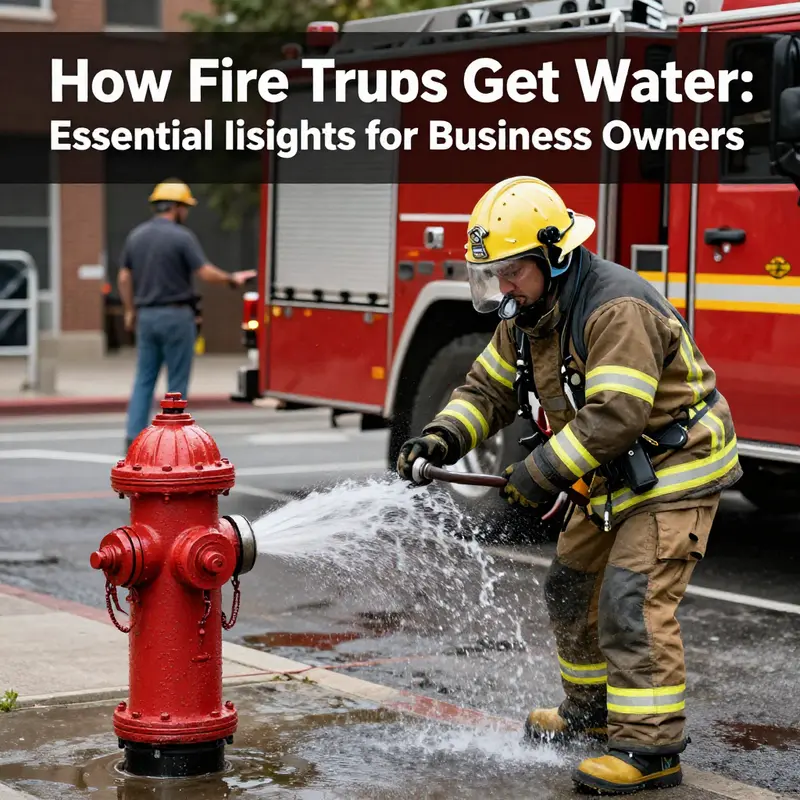
Firefighting is a battle fought on many fronts, and among the most critical of these is the ability to quickly access a reliable water source. When seconds count and every decision could mean the difference between containment and catastrophe, fire trucks depend heavily on municipal water hydrants. The connection of a fire truck to a hydrant is a complex yet brilliantly engineered process that transforms the city’s static water supply into a dynamic lifeline for firefighters on the front lines.
At the moment a fire breaks out, every second is precious. Firefighters jump into action and, as part of their pre-arranged plan, rapidly locate the nearest hydrant. This search is not random; modern firefighting units are well-versed in the locations of hydrants in their operating area, often supported by digital mapping systems that pinpoint the nearest access points. Once the hydrant is located, the next step is to establish a connection between the truck and the hydrant. The process begins with the careful attachment of a specialized fire hose crafted from reinforced rubber or advanced synthetic materials designed to withstand high pressures and extended use under harsh conditions.
The connection itself is a testament to the precision and expertise of the firefighting crew. Using a hydrant wrench or a similar specialized tool, firefighters secure the hose fitting to the hydrant’s outlet. This critical step ensures that when the valve is opened, water will flow seamlessly from the public water main into the fire truck’s system without any leaks. The engineered design of both the hydrant and the hose coupling is such that even under immense pressure, the connection remains secure, allowing water to surge into the truck’s onboard tank or directly feed into the pump system. Once the connection is established, the hydrant’s valve is turned, and water – pressurized by the municipal supply – quickly fills the connection line.
The water that rushes from the hydrant is not simply a passive stream. It is pressurized to levels that allow the fire truck’s pump to enhance this pressure further. By using its built-in pump, the fire truck converts the available municipal water pressure into a robust, high-speed stream that is then channeled through attack hoses aimed at the flames. This intricate process transforms the hydrant from a static, fixed water source into a dynamic, flowing supply that is critical for tactical firefighting maneuvers. The chain of events, from locating the hydrant to the first burst of water on the fire, is a remarkable blend of engineering and human skill.
Historically, the reliance on hydrants has driven the evolution of fire truck design and municipal water systems alike. Municipalities have long understood that the effectiveness of local fire services is linked directly to the accessibility and reliability of hydrants. Upgrades in both water supply infrastructure and firefighting equipment continue to echo the demands of modern firefighting. Cities invest in high-performance hydrants equipped with features that minimize water loss and maximize the efficiency of water flow, ensuring that even the most challenging fire incidents can be managed with confidence.
The technical details of connecting to a hydrant reveal layers of innovation. For instance, the design of the hydrant’s outlet and the hose coupling are both standardized to ensure compatibility across different regions and manufacturers. This standardization means that a hose from one fire truck can connect with a hydrant in an entirely different jurisdiction without complications. When firefighters swing out that heavy, reinforced hose and secure it at the hydrant fitting, they are participating in a long-running tradition of inter-operability and reliability that is built into the very infrastructure of urban life.
A key aspect of the operation is maintaining the integrity of the connection under tremendous pressure. Any breach in the connection could lead to water loss and reduce the efficiency of the firefighting efforts. To prevent this, regular training and maintenance protocols are in place. Fire departments routinely train their personnel to master the delicate art of hydrant connection, ensuring that every twist of the wrench results in a secure and leak-proof joint. This proficiency is not merely learned in classrooms; it is honed through countless drills and real-life experiences on the fireground, where the stakes are nothing short of life and death.
In modern firefighting vehicles, engineers have gone a step further by incorporating advanced onboard technology that monitors the pressure and flow rate from the hydrant connection. These systems provide real-time data to a central control unit in the truck, enabling the pump operator to adjust engine output and water pressure dynamically. This integration of technology minimizes guesswork and ensures that the water stream directed at the flames is perfectly calibrated to the conditions of the fire. The controlled transfer from hydrant to pump and then to the fire area is a true technological marvel that blends mechanical precision with real-world exigencies.
While hydrants are the primary water source in urban environments, their reliability is underpinned by a vast network of water mains and pressure systems maintained by municipal authorities. This interconnected network is designed to meet unanticipated demands. When a fire truck connects to a hydrant, it briefly places a significant, almost unplanned, demand on local water supplies. In many cases, water companies have redundancy measures that ramp up water delivery over short durations to support these emergency surges. It is a collaborative system – one that relies on the engineering foresight of municipal planners and the disciplined demands of fire service operations.
The careful choreography between the city’s infrastructure and the fire department is impressive. As water courses through the hose, every component of the system is put to the test, from the durability of the hose material to the rapid-response design of the hydrant valves. Extensive research and continuous improvements in materials science have allowed the development of hoses that are flexible yet extraordinarily robust, capable of containing pressurized water flows that can exceed hundreds of gallons per minute. This robust construction is critical when the pump starts to boost the water flow, momentarily subjecting the hose to pressures well above those in the municipal supply.
An important note in this process is the dual function of the water supply. Many fire trucks are equipped with onboard water tanks that offer immediate water reserves in case the hydrant connection is delayed or insufficient for the developing fire. While the primary task is to harvest water directly from hydrants for sustained operations, the onboard tanks offer flexibility. They are especially vital when the conditions at the fire scene require rapid mobility or if the response necessitates simultaneous multi-angle attacks. By combining the hydrant water with onboard reserves, firefighters achieve a level of operational resilience that is critical in unpredictable and dangerous situations.
No matter the scale of the emergency, the integrity of the hydrant connection remains a decisive factor in the overall success of firefighting efforts. Every aspect of the process – from the skillful handling of hoses to the precise calibration of the truck’s pump – is part of a larger system that has evolved over decades. Firefighters understand intuitively that the moment the hydrant is opened, a surge of life-sustaining water begins its journey from a city’s infrastructure directly into their battle against flames. This understanding has been built on years of experience, technological innovation, and rigorous training.
The environmental aspects of using hydrants also play an influential role. Urban planning and fire strategy are deeply intertwined. During the strategic planning stages of a city’s development, the placement of hydrants is considered alongside building codes and emergency service routes. This close correlation ensures that hydrants are distributed in a manner that guarantees adequate water coverage across all neighborhoods. Advances in geographic information systems (GIS) now allow fire departments to quickly access detailed maps that not only mark the location of hydrants but also indicate their pressure ratings, operational condition, and proximity to high-risk zones. These systems provide a backbone that supports the rapid deployment of fire engines in emergencies.
In addition to urban systems, there is a realm of innovation continually unfolding around firefighting techniques and equipment. For example, many modern fire apparatus are designed with the flexibility to operate in various water supply scenarios. In some configurations, the truck can alternate between using the hydrant connection and other water sources, such as mobile water supply units. These multi-functional approaches underscore the importance of having redundant strategies in place. Nonetheless, in the heart of bustling cities where hydrants are plentiful, their role remains predominant while remaining complemented by a host of advanced firefighting equipment, such as those linking to a comprehensive remote water supply system. More details of such systems can be found by researching remote water supply solutions for fire trucks.
The synergy between the mechanical, technical, and human elements in the hydrant connection process is unmistakable. It all begins with the careful design and engineering of hydrants that meet stringent performance standards. Manufacturers invest significant resources in ensuring that every component – from the valve mechanisms to the coupling threads – abides by international standards. These features ensure that when a hose is hooked up, the system can handle the sudden influx of water pressure without failure. Firefighters and engineers alike recognize that the safety valve mechanisms built into hydrants and water mains are critical not only for maintaining a controlled water supply but also for protecting the overall infrastructure from damage during emergency use.
Once the hydrant is fully engaged and the water begins its journey through the hose, the fire truck’s pump takes over with practiced precision. The pump is designed to instantly elevate the water pressure, turning a steady stream into a forceful, concentrated jet that is capable of quelling flames and cooling hot spots on structures. The pump’s operation requires careful coordination between the crew members, who must constantly monitor gauges and adjust the water flow as conditions change with the dynamics of the fire. Every adjustment made by the pump operator has both immediate and far-reaching impacts on the effectiveness of the firefighting operation, underscoring the reliance on both technical skill and real-time decision-making.
The experience and expertise cultivated through years of service imbue firefighters with an almost intuitive understanding of these processes. They know, for instance, that even a momentary lapse in the connection between the hydrant and the hose can compromise the water supply, potentially allowing a fire to surge out of control. This is why regular drills are not a luxury but a necessity. Training sessions often simulate the high-pressure environment of an actual fire event, with firefighters practicing every step from the rapid location of a hydrant to the meticulous execution of a secure hose connection. They learn to work with precision and urgency, ensuring that when an incident occurs, their actions are second nature.
Technological advances have further enhanced these operations. Modern fire trucks are now equipped with digital flow meters and pressure sensors that provide real-time feedback to the crew. These systems display precise figures, enabling the pump operator to fine-tune the water output with a high degree of accuracy. In many cases, the technology also includes diagnostic tools that can alert the crew to potential problems with the hydrant system, such as air leaks or blockages in the hose. The use of such advanced monitoring systems not only improves the efficiency of the water transfer process but also significantly enhances the safety of the operation. In the event of a malfunction, immediate corrective action can be taken before the performance of the firefighting team is affected.
The importance of these technological enhancements cannot be overstated, as they serve to reinforce the entire chain of firefighting operations. While the human element remains at the core of any emergency response, technology assists in mitigating human error and ensuring that the sophisticated mechanics behind hydrant connections operate within their designed parameters. It is this blending of human skill with technological innovation that forms the backbone of modern firefighting. This practice ensures that fire departments are prepared to face the unexpected and can adapt their tactics in real time, a flexibility that is crucial during emergencies when every second matters.
Efficient water transfer from hydrants is also vital because it directly affects the logistics of fireground operations. In scenarios where multiple fire engines converge on a single site, the demand for water can spike dramatically. The ability to quickly replenish water supplies from hydrants helps maintain a steady operational tempo. In these instances, crews often work in tandem, coordinating the distribution of water among several trucks. The logistical challenge is managed through precise communication and adherence to well-practiced protocols. The seamless hand-off of water between trucks ensures that the water supply is never interrupted, even though the demands may be increasing as the fire progresses. It is a well-rehearsed dance that requires close cooperation among different units and is a key reason why urban firefighting is so effective.
Moreover, the design of hydrants and the overall water distribution infrastructure have evolved over many years to meet the demands of modern urban environments. In dense metropolitan areas, hydrants are engineered to function in conditions far more rigorous than those initially envisaged. They must supply water at pressures that are sufficient to overcome not only the resistance in fire hoses but also the friction losses that accumulate over long distances as water travels through complex urban networks. The resilience and robustness of hydrant systems are the product of continuous refinement, informed by decades of firefighting experience and ongoing technological development.
Yet, all of these technical innovations and operational strategies are ultimately in service of one primary goal: to protect lives and property. The efficient use of hydrants in firefighting operations is a reminder that even in our modern society, where technology reigns supreme, some of the oldest and most reliable community resources still play a pivotal role. Hydrants, located strategically throughout the city, represent an unwavering commitment from municipalities and communities to support their emergency services. They are an essential part of the urban landscape, quietly standing guard while available to burst into action at a moment’s notice when they are needed most.
The story of fire trucks connecting to hydrants is one of collaboration between many different systems – human, mechanical, and infrastructural. Firefighters, with their honed instincts and relentless training, work in sync with meticulously maintained water lines and high-performance equipment. Every element of the process is designed to maximize efficiency and ensure that no time is wasted. The connection between a fire truck and a hydrant is not just a technical procedure; it is a vital cog in the machinery of emergency response, one that encapsulates the dedication of countless individuals and organizations.
From the quiet determination of the first responder arriving on the scene to the meticulously calibrated gauges on a modern fire truck, the hydrant connection is an exemplar of how technology and human courage come together in moments of crisis. The collaboration between the fire service and municipal water providers highlights the importance of coordinated planning and proactive investment in community infrastructure. This partnership, built over many years, ensures that when emergencies arise, water is available where it is needed most, at the exact moment it is required.
In essence, the process of connecting a fire truck to a hydrant is a brilliant confluence of urban design, technical innovation, and the heroic resolve of emergency responders. It is a visible manifestation of a city’s preparedness to face disaster, a constant reminder that the infrastructure built into our streets is not static but a dynamic part of the community’s safety plan. Every time a hydrant is activated, it symbolizes the collective effort of city planners, engineers, fire service personnel, and municipal workers working together to safeguard lives.
For those who wish to explore further the systems that enable such life-saving operations, detailed information on the technical standards and equipment is available from professional organizations. A look into the standards developed by the National Fire Protection Association can offer more insights into how these systems are certified and maintained NFPA’s Code Development Document.
In conclusion, the ability of fire trucks to quickly secure water from hydrants is not simply a matter of plugging in a hose to a pipe; it is an orchestrated operation that requires expertise, state-of-the-art equipment, and a solid, reliable water infrastructure. As technology continues to evolve, so too do the methods and tools at the disposal of firefighters, yet the fundamental reliance on hydrants as an immediate and effective water source remains unchanged. This enduring reliance underscores a timeless truth: in the realm of firefighting, every drop of water counts, and every connection made from a hydrant to a fire truck is a direct link in the chain of survival.
It is both humbling and inspiring to consider how a simple yet expertly managed connection can transform municipal water into a powerful tool in the battle against fire. The hydrant serves as the gateway to a resource that has saved countless lives and protected innumerable structures over the decades. The careful design and rigorous protocols governing this process ensure that, even in moments of extreme crisis, no fire is left without water. This synergy between public infrastructure and emergency response capabilities exemplifies the best of what our communities offer—a deep-seated commitment to collective safety.
For those interested in learning more about the broader water supply systems utilized by fire services, additional insights can be explored through resources such as the discussion on remote water supply systems provided by specialized platforms. One can find extensive details on how these systems integrate with conventional hydrant operations here. The evolution of water supply techniques in firefighting represents a continuous pursuit of efficiency and reliability, a pursuit that not only addresses the demands of modern urban emergencies but also pays homage to the historical roots of firefighting.
In the final analysis, every hydrant connection is a story of preparedness, precision, and perseverance. It is a silent yet potent reminder of the network of support that ensures our cities are ready to respond when disaster strikes. The lifeline formed by hydrants and the innovations built around them remain cornerstones of urban safety, exemplifying how engineering, community planning, and brave individuals come together to forge an unbreakable bond in the face of adversity.
The process of connecting a fire truck to a hydrant encapsulates the essence of firefighting—a seamless blend of technology, training, and an unwavering commitment to protect life and property. It is a procedure that, while often executed in moments of urgency, is underpinned by decades of research, standardized protocols, and a collaborative spirit that spans multiple facets of community support systems. This interconnectedness reinforces the value of maintaining robust public utilities and highlights the critical role they play when seconds matter most. As cities continue to grow and the demands on emergency services evolve, the foundational practice of hydrant connection will undoubtedly adapt and improve, ensuring that firefighters remain empowered with the water they need to combat fires and secure a safer future for all.
Harnessing Critical Reserves: How Onboard Water Tanks Empower Fire Truck Response
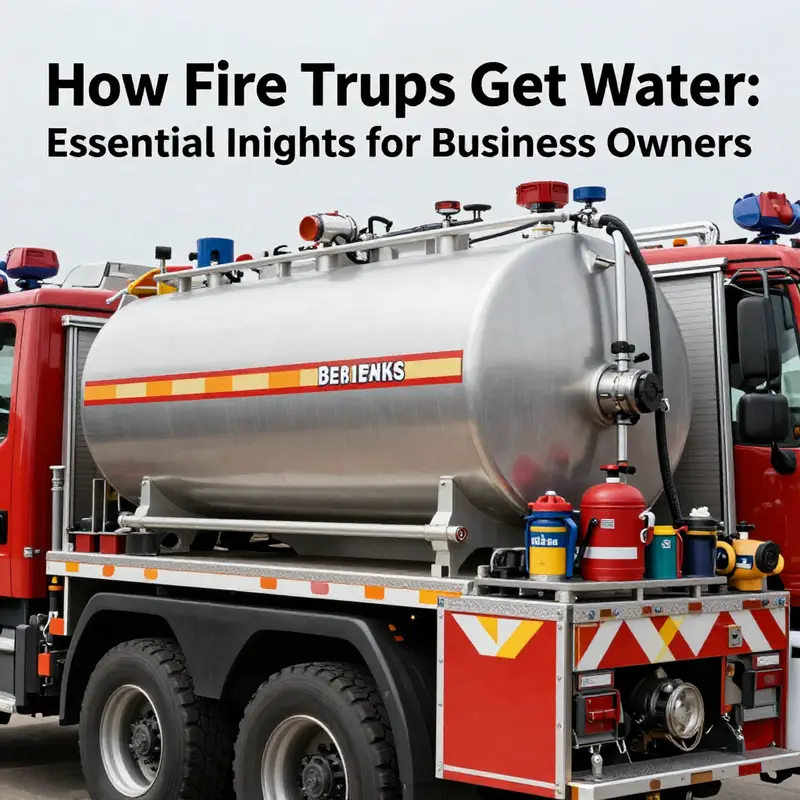
Firefighting is a race against time. In every second that passes during an emergency, a well-coordinated strategy and immediate access to vital resources can mean the difference between damage containment and catastrophic loss. Among the many technological advances that support rapid response in emergencies, the onboard water tank systems of fire trucks are perhaps some of the most critical. In this chapter, we delve into the intricacies of how these tanks are built, how they function under pressure, and why their design is so crucial to effective firefighting.
At the heart of every modern fire truck is its onboard water tank – a reserve engineered to deliver water instantly when the alarm sounds. Typically ranging between 500 and 1,000 gallons, these tanks bridge the crucial gap that exists before a fire truck can tap into external sources, such as municipal hydrants or natural bodies of water. In urban settings, hydrants are the lifeline that allow firefighters to refill their equipment quickly. However, even in cities, there are countless situations in which hydrants are not immediately available or where connection delays could prove fatal. Rural emergencies or unforeseen infrastructural limitations further emphasize the importance of an onboard reserve that is always ready to deploy.
The process begins the moment an emergency call is received. As the fire truck speeds towards the scene, its onboard pump system is primed and ready to operate. This pump, an engineering marvel in its own right, is connected directly to the water tank via a series of robust valves and intake lines that are designed to handle high pressure with ease. When firefighters reach the fire ground, they can engage the pump almost instantly, drawing water from the tank through meticulously engineered intake valves. These valves ensure a smooth flow, maintaining a pressure that is sufficient to power a continuous water stream through the hose lines.
The mechanics behind the fuel that quenches flames is both simple and elegantly complex. When the pump is activated, a precise and carefully regulated process begins. A combination of centrifugal action and hydraulic pressure pushes water out of the tank and into an interconnected network of hoses and valves. The water is then channeled through an internal pipe system that ultimately feeds the external hose line, terminating at a powerful nozzle. This nozzle is the firefighter’s extension, capable of directing a high-velocity stream of water to target the base of a fire with pinpoint accuracy. The system is engineered to operate under extreme conditions, ensuring that even when the engines of a fire truck are working overtime, the water delivery remains consistent and reliable.
One of the most remarkable features of onboard water tanks is their ability to guarantee what is known as a “quick attack.” This concept is crucial to minimizing fire spread in its earliest stages. By relying on an onboard water supply, firefighters can begin suppressing flames the moment they arrive on scene, eliminating the delay that would occur if they had to wait for an external water supply connection. In many scenarios, this immediate response is vital. For example, in structural fires where the early containment of flames can prevent the rapid escalation of fire damage, the onboard water tank’s ability to deliver a rapid, sustained flow of water is indispensable.
Beyond the immediacy of water supply, the reliability of onboard tanks plays a significant role in overall firefighting strategy. Fire trucks are often required to operate in environments where external water sources are either unavailable or compromised by damage. In these situations, the onboard water supply is not just a backup – it becomes the primary source of water. The design specifications of these tanks account for various emergencies. Engineers and firefighting professionals work hand in hand to ensure that every component in the onboard water system—from the materials used in the tank construction to the precision of the pump mechanism—is optimized for reliability and performance under pressure.
Regular maintenance of onboard tanks is of paramount importance. Much like the extinguishers or breathing apparatuses carried by firefighters, these tanks must be inspected and maintained to ensure peak performance when needed. Specialized training ensures that operators understand the intricate workings of these systems. Firefighters are well-versed in the process of checking the integrity of tanks, hoses, valves, and pumps. They routinely conduct on-site drills to simulate various scenarios where every second counts. This ensures that not only are the mechanical components in top condition, but the users are also proficient in responding to any minor malfunctions before they escalate into more significant issues during an actual emergency.
In addition to the standard onboard water tanks, many modern fire trucks incorporate supplementary capabilities that further enhance their role during firefighting operations. Some units are designed with dual-purpose tanks that can hold both water and fire suppressing foams. These dual-reservoir systems offer the flexibility required to deal with different types of fires. Foam, for instance, is particularly effective in scenarios where a rapid film formation is essential to smother combustible materials, such as during chemical or fuel-related fires. The integration of foam into the water supply system does not complicate its operation; rather, it adds a layer of versatility, ensuring that responders can adapt to the unique demands of each situation without losing precious seconds.
While many might focus on the immediate firefighting capabilities provided by these systems, there is also a profound engineering challenge behind their design. Onboard water tanks must be robust enough to handle the turbulence and movement of a speeding fire truck over uneven terrain, yet sufficiently lightweight to maintain the overall mobility of the vehicle. The materials chosen for tank construction are typically advanced polymers or reinforced steel alloys that can withstand significant pressure fluctuations without fracturing. The tank’s structural integrity is critical not only for maintaining water supply but also for ensuring the safety of the crew operating the truck.
In the broader scheme of firefighting, onboard water tanks are part of a multi-layered approach to water management. While hydrants remain a primary resource in urban firefighting, the onboard tank fills the critical void during transition moments—those moments between dispatch and the establishment of a reliable external water supply. Moreover, in rural and remote areas where municipal hydrants are scarce, these tanks are essential. In such instances, the fire truck’s ability to initiate a draft from natural sources is often combined with the onboard supply to maintain a continuous flow of water. This dual strategy not only provides the necessary water volume but also ensures that water pressure is maintained consistently, allowing the fire hose to reach over long distances or to navigate complex firefighting scenarios.
The onboard water tank system also plays a significant role in a wider strategic framework—namely, the water shuttle or water relay operations that are sometimes necessary in large-scale emergencies. In these operations, a dedicated tanker truck or a support vehicle travels to a distant water source, fills its store, and then returns to the incident with the intention of replenishing frontline fire trucks. While the main role of these tanker trucks is to ensure a steady supply of water over extended periods, the onboard water tanks in fire engines ensure that there is no interruption in the initial aggressive attack on the blaze. This impedance bypass allows firefighters to launch an immediate response and then integrate the water drawn from these external sources seamlessly as they become available.
Furthermore, the seamless integration of the onboard tank system with the vehicle’s overall design elevates its importance. Modern fire trucks are designed as self-contained firefighting platforms where every component is interlinked. The water tank is not an isolated element; it works in tandem with the truck’s pump, engine, and electrical systems. For instance, if the pump experiences a sudden power surge due to the demands of drawing water rapidly during an intense operational period, the truck’s engine management system automatically adjusts fuel and voltage outputs to maintain performance. This built-in self-regulation ensures that each component is working at its best, reducing the likelihood of system failures at critical moments.
The evolution of onboard water tanks is a testament to the constant innovation within the field of firefighting. Early fire trucks relied on simpler, less efficient water storage systems that could not sustain a prolonged firefight. Over the decades, advances in material science and hydraulic engineering have culminated in sophisticated onboard systems that not only store greater volumes of water but also deliver it with unprecedented precision. Fire departments have gradually shifted toward these advanced systems, recognizing that in modern firefighting, every drop of water counts. Innovations such as improved valve designs, corrosion-resistant materials, and digital monitoring systems have all contributed to making today’s onboard water tanks more reliable than ever before.
An important aspect of this technology is its adaptability. In many cases, the onboard water tank system is customized to meet the specific needs of the region or the type of fires that are most common in a given area. In regions where wildfires are prevalent, for instance, fire trucks might integrate larger tanks to support longer-duration incidents, along with additional systems to handle the thicker, more volatile water-foam mixtures. In urban areas, the tanks might be optimized for speed, ensuring that every second after arrival counts in the race to suppress emerging flames. This level of customization ensures that the onboard system is always aligned with the unique challenges faced by firefighters in high-risk environments.
Beyond the technical mechanics, it is worth considering the human element inherent in the operation of these onboard systems. The training that firefighters undergo includes a detailed understanding of the water management systems on their trucks. This training extends from routine checks and maintenance to rapid problem-solving in the face of unexpected malfunctions. Firefighters learn to perform quick diagnostics to identify any issues with their pumps, hoses, or tank integrity under pressure. Their intimate understanding of these components not only instills confidence but also reinforces the reliability of the onboard water reserves during high-stress situations.
Moreover, the philosophical approach behind adopting such resilient tank systems is rooted in the broader principle of redundancy in emergency services. Fire departments invest heavily in ensuring that there are multiple, overlapping layers of safety. An onboard water tank acts as the first line of defense. Even if a primary external water source is compromised or delayed, this secondary measure ensures that life-saving operations can continue unabated. In many ways, the onboard water reserve symbolizes the preparedness and ingenuity that define modern firefighting. It is a safeguard, a promise that help will arrive instantly and that every technical solution has been explored to protect lives and property.
As technology continues to evolve, the integration between the onboard water tank systems and external water fetching techniques is set to become even more seamless. Emerging trends in firefighting technology indicate a future where digital management systems and real-time diagnostics will further enhance the reliability and efficiency of water delivery. Sensors embedded within the tanks monitor water levels, temperature, and pressure, transmitting this data to the control panels inside the fire truck. This real-time feedback allows the crew to make immediate adjustments, ensuring that the water flow remains optimal no matter how the conditions on the ground change. In such a scenario, the onboard water system becomes not only a reservoir but an intelligent partner in firefighting operations.
In some modern vehicles, integration extends to the driver’s interface. The dashboard may display critical information about the water tank’s status, including the rate at which water is being drawn, current pressure readings, and estimated reserve levels. This user-friendly interface serves as a constant reminder of the system’s vital role and ensures that any deviations from the norm are corrected immediately. The convergence of technology and practicality in these systems reflects an industry-wide commitment to maximizing efficiency while prioritizing the safety of both the crew and the public.
Understanding the role and operation of onboard water tanks in fire trucks provides broader insights into the complex logistics of fire suppression. While the presence of municipal hydrants and natural water sources forms a significant part of the strategy to maintain a continuous water supply, the onboard system is indispensable in bridging any gaps. It not only powers the immediate response but also supports sustained firefighting efforts during larger incidents. For those interested in exploring more about the technical dimensions of firefighting vehicles, detailed guides based on rigorous performance metrics and structural analysis provide an in-depth look at how the integration of various systems—including onboard tanks—shapes the response capabilities of fire engines. More detailed technical insights can be found in resources such as the official Fire Truck Apparatus Guide.
The greater emphasis on onboard water tank reliability is a reflection of a broader commitment within emergency services: every minute saved, every drop of water utilized efficiently, contributes to a larger battle against fire. With each technological enhancement, from the precision of the pump system to the engineering of the valves and hoses, the industry continues to build a robust safety net that supports those who risk their lives to protect others. This steadfast focus on maximizing the efficacy of onboard water systems is at the core of what makes modern firefighting both innovative and profoundly human.
In addition to the critical function of rapid water delivery, onboard tanks serve as a model for efficient design and robust engineering. Fire trucks, especially those designed for intense, heavy-duty operations, incorporate these systems in a way that complements other advanced features. For instance, many heavy-duty fire trucks blend the convenience of onboard storage with cutting-edge water tanker technology. These vehicles are capable of drawing from diversified water sources, including dedicated water tanker units which can travel considerable distances to refuel frontline engines. The synergy between these different components ensures that even when every external factor is less than ideal, the fire truck remains a formidable tool in containing a blaze. For additional insights into specialized firefighting vehicles, one can explore the role of water tanker fire trucks in broader emergency response strategies.
The evolution and sophistication of onboard water tank systems underscore a central tenet of modern firefighting: preparedness is non-negotiable. When a fire erupts, especially in chaotic and unpredictable urban environments or remote locations, the immediacy of water delivery is paramount. The onboard water tank is a critical asset that speaks not only to the technological ingenuity behind fire trucks but also to the unwavering commitment to saving lives. It is a testament to the fact that while external sources such as hydrants play a significant role in a firefighting operation, the success of a mission often depends on the resources that are carried along for the ride.
This chapter has explored how onboard water tanks work as the lifeblood of fire trucks during emergencies. By examining the pump mechanisms, the design of intake valves, and the seamless integration of the water delivery system within the overall structure of the truck, we have seen how these tanks transform theoretical potential into practical, life-saving action. The sophistication of these systems illustrates that every drop matters; and when minutes tick away, onboard water reserves ensure that firefighters have the power to act decisively.
In a world where every second counts, the integration of dependable onboard water tank systems reflects the relentless dedication of engineering and human expertise. The commitment to excellence in design and the continuous drive for innovation have equipped fire departments with tools that maximize operational efficiency. As firefighting continues to evolve, the synergy between technology and human skill will undoubtedly lead to even more advanced water management systems, ensuring that when disaster strikes, the response is immediate, effective, and reliable.
The journey from conceptual design to the practical realities of a pumping system embedded within a fire truck is one filled with challenges and triumphs. From material breakthroughs to digital monitoring advancements, the evolution of onboard water tanks is a narrative of continuous progress in safeguarding communities from the unpredictable wrath of fire. This narrative goes beyond the technical specifications; it represents a collective commitment to preparedness and resilience, empowering firefighters to meet emergencies with unwavering resolve.
Ultimately, understanding the critical role played by onboard water tanks provides a lens through which the broader strategies of modern firefighting can be appreciated. These systems, meticulously engineered and rigorously maintained, are emblematic of a broader philosophy: that readiness and adaptability are the cornerstones of effective emergency response. Through integrated design, advanced operational techniques, and constant innovation, onboard water tanks ensure that every fire truck is ready to face its greatest challenge – turning crisis into control, and danger into a rousing testament of human ingenuity.
The enduring success of modern fire response lies in the balance of speed, technology, and preparedness—a balance that onboard water tank systems embody with exceptional clarity. As each element of the system operates in harmony, it reiterates the message that in the fight against fire, every drop is essential and every second counts. Firefighters, backed by these robust systems, continue to push the boundaries of what is possible in emergency response, inspiring confidence and hope, even in the most dire circumstances.
Drawing Life from Nature: The Art and Science of Drafting Water in Firefighting

In the realm of firefighting, every second counts and every drop of water can make a significant difference between containment and escalation. When municipal hydrants are out of range or inoperative, firefighters rely on the meticulous technique known as drafting to secure water from natural sources such as rivers, lakes, ponds, and even swimming pools. This chapter delves into the sophisticated process of drafting water, examining its critical importance in rural fire responses, its technical underpinnings, and the rigorous coordination that underwrites its successful execution.
Drafting water from natural reservoirs is far more than simply siphoning water from one place to another. It is an orchestrated operation where precision, technical know-how, and an intimate understanding of local conditions converge. Firefighters must first locate an appropriate body of water that offers sufficient volume and accessibility to support the demands of their equipment. The selection process involves a swift yet careful evaluation of the water body’s depth, flow characteristics, and potential obstructions. In rural and remote areas, where conventional hydrants are non-existent, natural sources become the lifeline of the firefighting apparatus.
Once a suitable source is identified, the fire truck maneuvers into position as close as safely possible to the water. This positioning is a critical part of the operation, as any inadequacy in the approach could compromise the integrity of the connection between the water source and the truck’s pump. Firefighters assess the terrain to ensure that the truck can stabilize itself and that the access route remains free from debris and obstructions, ensuring smooth ingress and egress. Modern fire engines are engineered to navigate uneven surfaces, and their designs incorporate features that facilitate swift positioning near natural water bodies without significant repositioning delays.
The drafting process begins with the careful lowering of a specialized suction hose into the water. This hose is often equipped with a strainer or intake cover, which serves to filter out debris, sediment, and unwanted particulate matter that might otherwise impair the pump’s performance. The strainer is essential; without it, the pump might get clogged by leaves, mud, or even small twigs that reside in the water. Firefighters are trained to inspect the integrity of the hose and the strainer regularly, ensuring that no blockages or damages exist that could interrupt the flow of water. The process demands both speed and precision, as the longer the hose remains submerged without a proper connection, the greater the risk of drawing in contaminants or even air, which could lead to cavitation in the pump engine—a dangerous phenomenon that results in erratic pump performance.
Once the hose is in place and the equipment setup is complete, the focus shifts to the intensive operation of the fire truck’s pump. This pump is a marvel of modern firefighting technology, designed to create a strong vacuum that initiates the flow of water from the natural source into the truck’s onboard storage tank. The process, aptly named drafting, relies on this vacuum effect to overcome the natural resistance of the water, drawing it through the hose. The pump must achieve a delicate balance: it needs to be powerful enough to break the atmospheric pressure at the water’s surface, yet sensitive enough to maintain a steady flow once the drafting begins. This engineering feat is a testament to decades of innovation in pump design, resulting in machines that can deliver water at rates sufficient to feed multiple hoses and attack fires even when the water is drawn from a draft.
At the heart of the drafting operation is the concept of a continuous water relay. In many firefighting scenarios, especially wildfires or large-scale structural fires in isolated locations, the onboard water supply is quickly depleted. In such instances, drafting is not a one-time operation but a continuous necessity. After the initial fill, the crew must monitor water levels closely and manage the transfer while keeping the pump running at optimum efficiency. The skill and coordination required here extend beyond technical expertise; they demand a high level of situational awareness and teamwork under pressure. The firefighters work in unison, with each member aware of their role—from managing the hose to operating the pump—to ensure that the system does not falter.
An important, often underestimated aspect of drafting is the preparation and maintenance of the equipment. When anticipating operations in natural environments, firefighters perform pre-incident checks on hoses, strainers, and pumps to guarantee their readiness. These checks include ensuring that the suction hose is free of leaks, that the valves are functioning correctly, and that the pump’s mechanical components have been calibrated to the proper specifications. Such diligence is not merely procedural; it is lifesaving. A minor malfunction in this context can lead to significant delays, compromising the effectiveness of the firefighting response and potentially endangering lives and property.
While drafting from static bodies of water such as lakes and ponds tends to be relatively straightforward, drafting from rivers introduces additional challenges. The dynamic nature of river currents means that the water is in constant motion, which can complicate the hose positioning and increase the risk of the intake being overwhelmed by debris or even submerged air pockets. Rivers may also vary in depth and have variable flow rates depending on the location and time of year, requiring firefighters to assess conditions with acute judgment. In these scenarios, a delicate balance must be achieved between harnessing the natural flow to assist in water intake and mitigating the risks associated with moving water. Modern pump systems are designed to adapt to these fluctuations, dynamically adjusting pressure to ensure that these challenges do not interrupt the smooth relay of water.
Environmental factors also play a significant role in the drafting process. Temperature, weather conditions, and water quality can all impact the efficiency of drafting. Cold water temperatures might affect the viscosity of the water, while high sediment loads, often the result of post-storm runoff, can complicate the filtration process through the hose strainer. Firefighters must continuously assess these factors as they work, using both on-board diagnostic tools and personal observational skills honed over years of experience. In some cases, environmental conditions require the use of alternative equipment or adjustments in the drafting method. For instance, if a natural water source contains excessive sediment, firefighters might employ additional filtration devices or even modify the angle at which the hose enters the water to reduce sediment draw.
The drafting process also intersects with other aspects of firefighting strategy. In many rural scenarios, fire trucks are part of a larger, coordinated response team that may include multiple vehicles and support units. In such operations, one vehicle may serve as a dedicated water tanker, drawing water from a natural source and then shuttling it back to other firefighting units positioned nearer to the blaze. This strategy, commonly known as a water shuttle or water relay, extends the operational range of firefighting efforts and ensures a continuous feed of water, even in areas where access to natural water is challenging or where the fire is spreading faster than a single unit can manage. The efficiency of such an operation relies heavily on the precise execution of drafting techniques by each unit, highlighting the interconnected nature of the firefighting response.
Historical accounts of firefighting are replete with instances where drafting proved to be a critical factor in the success of an operation. Early firefighting techniques often depended on makeshift systems that attempted to mimic the efficiency of modern drafting equipment. Over time, as the science of pump dynamics advanced and specialized equipment was developed, the drafting method evolved into a standardized and highly effective technique. Today, the success of many rural and large-scale firefighting operations hinges on the ability of crews to adapt quickly to the natural environment and to extract water with minimal delay.
Modern advancements have further refined the drafting process. Innovations in materials science have led to the development of hoses that are lighter, more durable, and better able to handle the intense pressures generated during a drafting operation. These hoses often feature enhanced flexibility and improved resistance to kinking or abrasion, factors that are crucial when operating in rugged terrains or under adverse weather conditions. Additionally, improvements in pump technology have resulted in systems that are more energy efficient and capable of drawing water from sources with lower pressure differentials. These technological enhancements have not only increased the overall reliability of the drafting process but have also enabled firefighting teams to operate more safely and efficiently in environments that were once considered too difficult or hazardous.
The human element in the drafting process cannot be overstated. Firefighters undergo extensive training that includes simulated drafts and live exercises in natural water settings. This rigorous training prepares them to manage the inherent challenges of drafting, from aligning the hose correctly to adjusting pump pressures on the fly. Experience teaches firefighters the nuances of how water behaves in varied environments and under different conditions, and it instills a sense of anticipation for potential complications. This hands-on knowledge is critical when every second of the operation counts. Moreover, the camaraderie and seamless coordination who work together during drafting operations underscore the trust and reliance that are integral to successful firefighting teams.
In situations where natural drafting becomes the sole viable option, the interplay between technology and technique is most evident. Fire trucks often feature onboard water tanks that, while designed for quick response and initial firefighting needs, are relatively modest in capacity compared to the demands of prolonged operations. In these instances, drafting acts as the essential mechanism for sustaining the firefighting effort. Once the onboard tank is nearly empty, the drafting process takes center stage, ensuring that fresh water continuously flows into the system. The transition between relying on onboard supplies and engaging in active drafting is seamless; it is a carefully choreographed shift that keeps the firefighting efforts uninterrupted.
One cannot ignore the importance of safety protocols during drafting operations. Given that these procedures are often conducted near natural water sources which may have unpredictable characteristics, firefighters adhere to stringent safety guidelines. Every member of the team is aware of the potential hazards—from swift currents to hidden obstacles beneath the water’s surface—and measures are taken to mitigate these risks. Safety checklists, briefings on environmental conditions, and communication protocols between units are integral components of the operation. This systematic approach ensures that while the draft is being set up and maintained, the risk of accidents is minimized.
In recent years, the evolution of remote control and monitoring technologies has also enhanced the drafting process. Modern fire trucks can be equipped with sensors and digital gauges that provide real-time data on water pressure, flow rate, and hose integrity. These innovations mean that the operators can make minute adjustments based on precise measurements rather than relying solely on visual cues or manual estimations. The integration of such technology not only improves the overall efficiency of the drafting process but also contributes to a safer working environment for the crew. By constantly monitoring key performance indicators, firefighters are better equipped to anticipate and address issues before they evolve into critical failures.
It is worth noting that the drafting process, while highly efficient, is not without its limitations. There are inherent challenges related to the distance between the fire scene and the water source, unexpected changes in water quality, or even mechanical issues with the pump. In circumstances where the natural water source is located at a significant distance from the fire, additional measures such as water relay operations may be initiated. In these scenarios, a dedicated water tanker performs an iterative journey, shuttling water back and forth between the natural source and the active fire zone. This approach ensures that the forward-operating units remain supplied continuously. The reliability of these interconnected systems highlights the importance of maintaining high standards of equipment performance and meticulous operational coordination.
Furthermore, the drafting method underscores the dynamic interplay between innovation and tradition in firefighting. While the concept of drawing water from natural bodies dates back centuries, modern technology has refined and transformed this fundamental approach into an exact science. The process now involves a complex synergy of advanced pumps, precision-engineered hoses, and the split-second decision-making capabilities of highly trained professionals. Each instance of drafting not only supplies water but also exemplifies the evolution of fire suppression techniques—from rudimentary methods to sophisticated, technology-driven processes that save lives and property.
Integrating the drafting process into the overall firefighting strategy demonstrates an unwavering commitment to adaptability and resourcefulness. In remote areas where urban infrastructure may be lacking, the ability to secure water from natural sources ensures that communities remain protected, even in the most challenging circumstances. Rural firefighting teams are particularly reliant on drafting, as their operations often take place in environments where conventional water networks are sparse or non-existent. In these contexts, drafting transforms natural resources into a critical tactical asset—a lifeline that can decisively influence the outcome of a firefighting deployment.
Moreover, the success of drafting operations has led to continuous improvements in firefighting protocols and equipment design. Engineers and manufacturers work hand-in-hand with firefighting professionals to develop systems that not only meet the rigorous demands of real-world operations but also anticipate potential complications. The feedback loop between field experience and technical innovation is a driving force behind many recent advancements in fire truck design, resulting in equipment that is more robust, adaptable, and efficient in water retrieval operations. The development of remote water supply systems, for instance, represents a significant leap forward. These systems integrate various components of the drafting process and enable a coordinated approach that enhances the overall effectiveness of the firefighting response. For a detailed look at some of these innovations, consider exploring the information available on remote water supply systems in firefighting operations through resources like the remote water supply systems section.
In essence, drafting represents the convergence of nature, technology, and human ingenuity. Firefighters use this vital technique not only as a means of water acquisition but also as a testament to the adaptability and resilience that defines the firefighting profession. Each time a fire truck extends its hose into a river or lake, it encapsulates a legacy of knowledge and an ongoing commitment to innovation in the face of adversity. Evidence of this commitment is visible in every meticulously executed draft, where every element—from the positioning of the truck to the minute adjustments of pump pressure—plays a role in ensuring the effectiveness of the firefighting operation.
This sophisticated interplay of factors ensures that, even in the absence of urban infrastructure, the fires that threaten communities can be met with a robust and unwavering response. As natural disasters and climate-related challenges continue to complicate fire scenarios across the globe, the role of drafting from natural sources has never been more important. Firefighting teams are often required to rapidly adapt to their environments, making the drafting process a critical component of their response strategy. The technique not only ensures a steady water supply but also facilitates longer operational windows, creating opportunities for a more calculated and coordinated approach to fire suppression.
The integration of technology, training, and operational strategy in drafting is a vivid illustration of how modern firefighting has transcended its historical roots. This process, born from necessity in times past, has now evolved into a sophisticated operation that stands at the forefront of fire suppression methodologies. The success of drafting is a clear example of how technological advances can be seamlessly blended with traditional techniques to overcome significant challenges, thereby ensuring that water—a resource so fundamental to firefighting—remains accessible even in the most adverse conditions.
As the landscape of firefighting continues to evolve, the principles behind drafting remain a constant reminder of the profession’s innovative spirit and steadfast determination. The ability to harness nature itself to combat fire not only reflects practical expertise but also symbolizes the enduring human resolve to protect life and property in the face of overwhelming odds. With each draft, firefighters reaffirm their commitment to innovation and resourcefulness, turning natural obstacles into strategic advantages.
For those interested in further exploring the technical intricacies and field applications of these advanced water retrieval methods, additional insights can be found in detailed guides offered by industry-leading authorities. Aspiring fire professionals and seasoned veterans alike benefit from understanding both the theoretical and practical dimensions of drafting. By examining case studies, technological innovations, and the evolving nature of firefighting equipment, one can appreciate the complexity and precision that underpin this vital process.
In conclusion, the art and science of drafting water from natural sources underscore a central tenet of firefighting: adaptability. Whether facing the unpredictable currents of a river or the still depths of a lake, fire crews demonstrate ingenuity by transforming available resources into a continuous lifeline. The drafting process, with its seamless integration of human skill, advanced technology, and environmental awareness, remains fundamental to effective fire management in both rural and large-scale incidents. As we continue to push the boundaries of what is possible in emergency response, the enduring legacy of drafting serves as both a challenge and an inspiration for future innovations in fire suppression.
For more detailed technical guidelines and insights into the drafting process, please refer to the NFPA drafting water guidelines.
Final thoughts
Understanding the diverse methods fire trucks use to secure water for emergency situations is crucial for business owners. Hydrants provide quick access in urban environments, onboard tanks serve as immediate reserves, and natural water sources are indispensable in rural areas. By recognizing these systems, business owners can appreciate the infrastructure that supports public safety and consider their role in community preparedness planning. We must advocate for strong, reliable water access as a critical element of emergency response strategies.

