
















In a global marketplace, understanding the nuances of language is crucial for business owners, especially when engaging with French-speaking regions. The term for ‘fire truck’ in French, camion de pompiers, provides not only a direct translation but also reflects cultural values associated with emergency services and public safety. This article delves deep into the significance of this term, its usage across different contexts, and its cultural importance, providing you with a comprehensive understanding that can aid in your business communications and marketing strategies.
Exploring the Depth and Nuance of ‘Camion de Pompiers’: The French Expression for Fire Truck
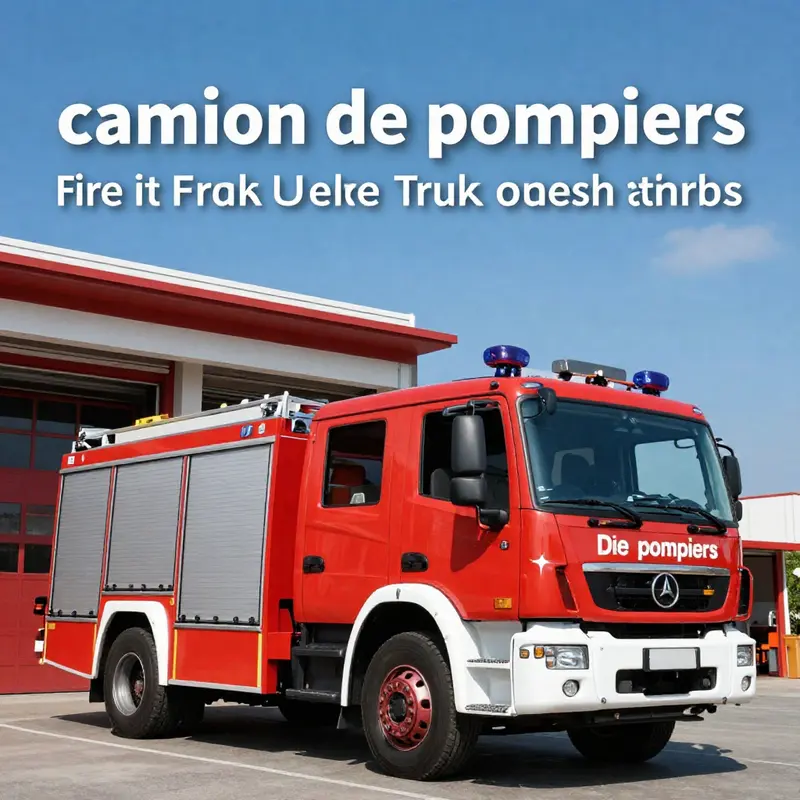
The French language, with its rich history and precise expressions, has a way of capturing the essence of objects and roles in society with just a few words. One of the most evocative examples of this is the term “camion de pompiers,” which directly translates as “firefighter’s truck.” This phrase is far from merely a translation of the English term “fire truck.” Instead, it encapsulates the cultural and practical importance of the vehicle that often stands as a symbol of safety, urgency, and community commitment in French-speaking countries.
At its very core, the phrase is composed of two distinct parts. The word “camion” refers to what one might call a truck or lorry, a vehicle robust enough to carry the heavy equipment and life-saving materials required in the line of duty. Meanwhile, “de pompiers” literally means “of firefighters,” which immediately situates the vehicle in the realm of emergency and rescue services. The combination of these words creates a term that is both functional and vivid, instantly conveying the image of a specialized vehicle designed for combating fires and assisting in rescue operations.
This particular linguistic construction not only provides clarity in everyday conversation but also finds its use in official and legal contexts. In France and other French-speaking regions, emergency services, municipal regulations, and even media reports rely on the term “camion de pompiers” to accurately denote the vehicles operating in emergency situations. Its specificity is crucial in moments where miscommunication can have serious consequences. The term has also evolved to embody a sense of reliability and immediate action, qualities that are indispensable when lives are threatened by fire or other emergencies.
Delving deeper into the cultural implications, it is interesting to observe how the term mirrors the values and operational realities of French emergency services. French firefighters are highly respected professionals, and their vehicles, distinctively designed and efficiently operated, represent the professionalism and dedication of these everyday heroes. The design and functionality of a “camion de pompiers” are tailored to the demands of firefighting and rescue, integrating advanced technology with traditional practices. The vehicle is often equipped with powerful water pumps, ladders, and specialized equipment to confront various emergency situations. Each part of the truck is carefully cataloged and maintained, reflecting the seriousness with which fire safety is treated in French society.
Historically, the evolution of the fire truck in France is closely linked with the development of urban infrastructure and the increasing complexity of fire emergencies. Early firefighting efforts relied on simple apparatuses and community mobilization. Over time, as cities expanded and industrial activities increased, the need for more sophisticated vehicles became apparent. The term “camion de pompiers” emerged as a clear and precise way to distinguish these modern, mechanized fire-fighting vehicles from earlier, less formalized methods of fire control. The refinement of language alongside technological progress allowed the French to effectively communicate urgency, preparedness, and a commitment to safety.
The construction of the term also invites comparison with similar expressions in other languages. While English readily uses the compound term “fire truck,” other languages may adopt different structures or additional descriptors. In French, the precise nature of the phrase underscores the distinct functional role of the vehicle. It is not merely a truck that fights fire, but a truck that belongs to the firefighters. This subtle yet significant nuance in wording emphasizes the communal and professional identity of those who operate these vehicles. The word order and the choice of prepositions in “camion de pompiers” are deliberate; they convey a relationship of belonging and responsibility—a truck that is an extension of the firefighters themselves.
Understanding linguistic choices in such technical domains offers valuable insights into how language molds our understanding of everyday objects. When a French speaker uses the term “camion de pompiers,” there is an immediate recognition of the vehicle’s purpose and design. There is no ambiguity; the terminology is embedded with the responsibilities, training, and expertise associated with being a firefighter. The phrase becomes a compact repository of meaning, packing history, function, and cultural values into just three words. In this way, language acts as a bridge between technical specificity and collective societal memory.
Moreover, the precision of the language in emergency services contexts extends to training, policy documents, and public communications. For instance, a fire department’s operational manual will often refer to various apparatuses using this standardized terminology, ensuring that every team member understands exactly which vehicle is being dispatched or discussed. The term “camion de pompiers” therefore reinforces consistency and discipline, both essential in high-pressure environments where seconds count. The functional reliability of this term has been underpinned by decades of use and standardization, becoming a cornerstone in the communication strategies of emergency service providers.
In addition to its use in public administration and everyday language, “camion de pompiers” also finds a place in the cultural and artistic realms. French films, literature, and even children’s stories often depict these vehicles as heroic symbols. They are frequently rendered with dramatic flair, capturing the imagination of audiences while simultaneously conveying the vital role these machines play in safeguarding communities. This dual function—being both a practical tool and a cultural icon—elevates the term beyond its purely utilitarian roots. It also creates opportunities for rich, multi-layered storytelling where the vehicle stands as a metaphor for order, resilience, and hope in the face of disasters.
The practical aspects of these vehicles are no less fascinating. The design of a “camion de pompiers” is the result of continuous innovation and adaptation to modern challenges. Engineers and designers work together to ensure that every component of the fire truck meets rigorous safety and performance standards. From the hydraulic systems that power the ladders to the robust chassis that carries heavy loads, each element is optimized for rapid response and operational efficiency. Innovation in fire safety technology is a world in itself, reflecting the broader trends in automotive design, emergency response protocols, and public safety infrastructure. There is even a category dedicated to fire-fighting vehicles that can be explored further here, which illustrates the range and diversity of equipment available today.
Technology in firefighting has also seen significant advancements, with modern “camion de pompiers” incorporating state-of-the-art features such as onboard communication systems, advanced navigation tools, and computer-assisted diagnostics. These innovations enable a faster and more coordinated response to emergencies. The integration of technology with traditional firefighting methods has greatly enhanced the effectiveness of emergency services in French-speaking communities. Even as new challenges emerge—be it in the form of urban density or complex industrial setups—the design and deployment of these vehicles continue to evolve. This dynamic interplay between tradition and modernity serves as a reminder that even everyday language, such as “camion de pompiers,” is not static but rather an evolving document of technological and social progress.
Furthermore, the global exchange of ideas in the realm of emergency response has enriched the French approach to firefighting. International standards and best practices have had a direct influence on the design and functionality of French fire trucks. French engineers frequently collaborate with experts from around the world, borrowing insights and refining systems that meet the highest international criteria. This exchange ensures that the term “camion de pompiers” is not just a static expression bound by local tradition but also a representation of global progress in emergency response technologies. The interplay between linguistic precision and technological advancement is palpable in every aspect of its usage, underscoring a commitment to excellence and continuous improvement.
The historical trajectory of the term is deeply intertwined with major milestones in French public safety. Over the decades, as cities grew and industrialization accelerated, the risks associated with fire hazards became more pronounced and complex. The evolution from simple, manually operated vehicles to sophisticated mechanized units marked a turning point in the way societies approached fire safety. As a result, language too had to adapt. The term “camion de pompiers” emerged as a necessary evolution—a linguistic response to a changing world. It served as a signal to the public that the challenges of modern urban life were being met with equally modern solutions. In this sense, the language itself became safer and more reliable, mirroring the tangible improvements made in emergency services.
Beyond technical and historical considerations, the term also serves as a window into the psychological and emotional landscape of emergency response. In moments of crisis, precise language can provide comfort and reassurance. Witnessing a “camion de pompiers” arriving at the scene of a fire is a powerful visual cue that help is at hand. The sound of its sirens, coupled with the visible display of advanced firefighting equipment, speaks directly to the human need for security during emergencies. This linguistic marker reassures citizens that professionals, trained and dedicated, are on hand to manage the situation effectively. Thus, the term carries with it not just functional significance but also emotional weight, reinforcing the bond between the community and the guardians of public safety.
The influence of the term further extends into educational contexts. In many French schools, the vocabulary related to emergency services is taught as part of civic education or language classes. Children learn about the roles of different emergency vehicles, often encountering the term “camion de pompiers” early in their schooling. Such early exposure instills a sense of civic responsibility and respect for the work that firefighters do. Over time, this shared language of safety becomes a foundational part of the community’s fabric, contributing to a culture where public welfare is both valued and protected. The language educates not only in terms of vocabulary but also in terms of respect for those who risk their lives to keep others safe.
In professional settings, the term fosters clear communication among colleagues in high-stress environments. When dispatch centers coordinate responses across multiple regions or agencies, the use of standardized language such as “camion de pompiers” ensures that everyone involved understands exactly what is being referenced. This can mean the difference between a successful resolution and a potentially catastrophic miscommunication. Such clarity is essential because it minimizes the room for error and allows for swift, coordinated efforts. The technical precision of the term thus reinforces operational discipline and helps create a shared understanding of roles and responsibilities in critical moments.
Moreover, the term “camion de pompiers” can be seen as a reflection of the broader French commitment to public service. Firefighting, as a vocation, is steeped in tradition, rigorous training, and a deep sense of duty. The language used to describe its tools is naturally imbued with these values. Whether in emergency response drills, official communications, or media portrayals, the vehicle is repeatedly invoked as an allegory of bravery and technical expertise. The truck’s prominent role in public demonstrations of safety procedures further cements its place in the collective imagination. Here, the term not only identifies a machine but also commemorates the spirit of community resilience and mutual aid.
As society evolves, so too does the interpretation and usage of its language. The phrase “camion de pompiers” continues to evolve, adapting to new circumstances and technologies. However, despite these changes, it remains anchored in its original purpose—to denote a vehicle that is critical for survival and protection during emergencies. In doing so, it maintains its relevance in a rapidly changing world while honoring the traditions of safety and public duty. The consistency of the term, even as the technology it describes advances, is a testament to its strength and precision. It becomes a fixed point of reference, a reliable term in a world where parlance can often change as fast as technology does.
One of the most fascinating aspects of this term is its role as a cultural ambassador. For learners of French, encountering the term “camion de pompiers” opens a window into the broader aspects of French society—its values, history, and the high esteem in which public services are held. The term is frequently used as an example in language textbooks to demonstrate how compound nouns in French can convey complex ideas succinctly. This educational function not only aids in language acquisition but also helps to transmit cultural heritage. As students learn to say “fire truck” in French, they are simultaneously learning about the societal structures that have shaped modern emergency services.
Furthermore, this elegant linguistic construction illustrates the beauty of the French language itself: its ability to merge utility with artful expression. French is celebrated for its clarity, precision, and indelible cultural markers, and the phrase “camion de pompiers” is no exception. Every time it is spoken or written, it serves as a reminder of the importance of language in framing our understanding of the world. It teaches that a well-chosen phrase can encapsulate decades of historical development and communal effort. Instead of a generic label, “camion de pompiers” emerges as a carefully honed term that reflects both the technical aspects of the vehicle and the virtues of those who operate it.
The continuous evolution of this term also offers an intriguing case study for linguistic scholars. It highlights how vocabulary evolves in response to societal changes and technical advancements. The term is continuously reinforced by government policies, public service announcements, and media coverage, ensuring that its usage remains consistent over generations. In this way, the language acts as a living record of societal priorities and challenges. Each utterance of “camion de pompiers” reinforces the collective memory of communities that have witnessed, and benefited from, the dedicated service of firefighters. It is a small but potent example of how language can encapsulate both the practical and spiritual dimensions of public life.
Many observers note that the aesthetics of language play a role in shaping public perceptions. A term like “camion de pompiers,” with its rhythmic sound and logical construction, carries an inherent sense of reliability and competence. This is not a random occurrence but a deliberate outcome of centuries of linguistic evolution, where words have been refined to communicate critical concepts efficiently. In the context of emergency services, where speed and clarity are paramount, the robustness of the term provides both professional and psychological assurance. It stands as a reminder that even in moments of crisis, clear communication can be a vital tool for saving lives.
Embedding technology and modern advancements into context, the world of emergency response is continuously transforming. Digitalization, enhanced logistics, and innovative safety technologies are all being integrated into the operations of fire services. Despite these changes, the phrase “camion de pompiers” continues to be the definitive term used by professionals and the community alike. The reliability of the language remains unshaken even as the vehicles themselves undergo significant modifications to keep pace with challenges. This continuity between tradition and innovation is emblematic of the enduring nature of the French language. It underscores the concept that while the tools may evolve, the underlying values of duty, precision, and public service remain consistent.
For those embarking on learning French or exploring how languages capture complex societal roles, “camion de pompiers” is an exceptional example of linguistic precision. It invites learners to appreciate not only the mechanics of translation but also the cultural context behind the language. The term functions as a cultural artifact—an anchor point that connects the technical world of emergency response with the rich tapestry of French history and civic pride. For anyone curious about the interdependencies between language, history, and society, the phrase offers abundant insights and serves as a model of effective communication.
Ultimately, the translation of “fire truck” to “camion de pompiers” is about more than converting words from one language to another. It is about conveying meaning in a manner that is comprehensive, culturally laden, and functionally precise. The term encapsulates the dual essence of the vehicle itself: a state-of-the-art machine engineered to combat fires and a symbol of community solidarity and valor. In moments when every second matters, the clarity with which firefighters communicate through their established terminology can mean the difference between disaster and safety. This delicate interplay between language and function is a testament to the power of words to influence reality.
To understand this further, one might explore the detailed descriptions and technical specifications of advanced emergency vehicles. For enthusiasts and professionals alike, the category of fire fighting trucks offers a fascinating insight into the mechanical and technological achievements that underpin contemporary fire protection systems. Resources detailing different models and configurations of these vehicles provide a broader perspective on just how varied and adaptable modern fire safety solutions have become. For an in-depth look at this diversity, one can browse through information on various models, including those focused on specialized functions, showcasing how modern design meets unique emergency needs.
In revisiting the significance of this term within everyday discourse, it becomes evident that language continues to adapt and serve as both a cultural mirror and a tool of precision. The enduring use of “camion de pompiers” underscores how a carefully selected term can unite technical functionality with deep-rooted cultural values. It stands as a living document, preserved through consistent use in education, policy, media, and casual conversation. Even as contemporary society grapples with new challenges, the underlying need for clear, immediate, and reliable communication remains unchanged.
In conclusion, while the phrase “camion de pompiers” might appear as just another translation at first glance, it is in fact a rich tapestry of history, technology, and cultural ethos. It is a term that carries with it the weight of societal responsibility and the art of efficient communication. As the French language continues to evolve, this phrase remains a fundamental pillar in the lexicon of emergency services—a testament to the enduring legacy of public safety and community resilience. For additional context and usage examples that further enrich the understanding of this term, interested readers can refer to the authoritative Collins English-French Dictionary (https://www.collinsdictionary.com/dictionary/english-french/fire-truck).
Navigating the Linguistic and Cultural Landscape of ‘Camion de Pompiers’ in French
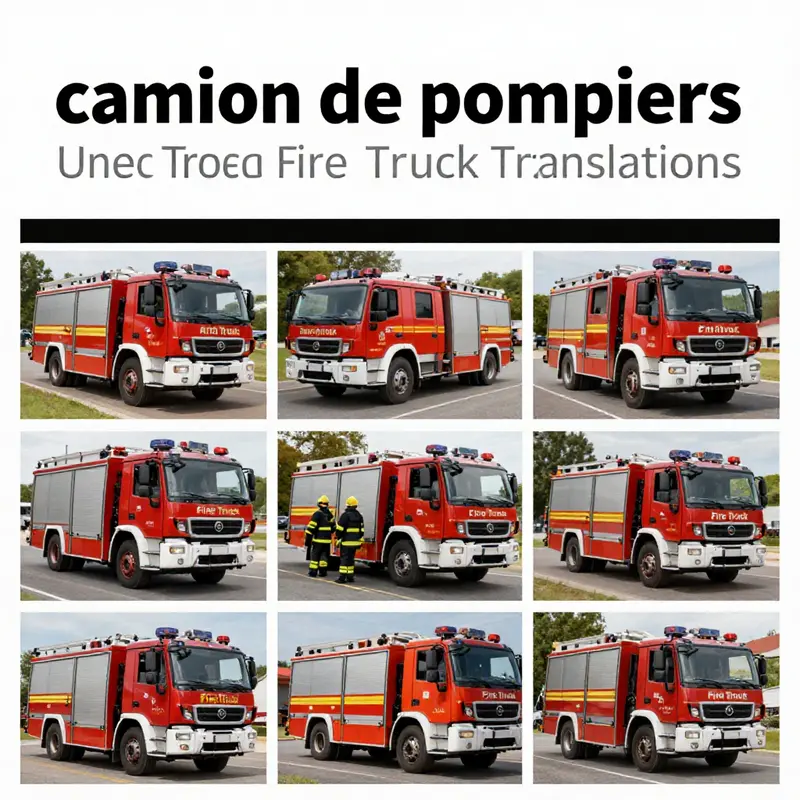
In the French language, the term “camion de pompiers” carries with it not only the functional meaning of a fire truck but also a rich tapestry of linguistic precision, cultural connotation, and historical evolution that reflects the role of public safety in society. The phrase breaks down into its essential components: “camion,” meaning truck or lorry, and “de pompiers,” literally translating to “of firefighters.” This compound construction is typical in French when specifying vehicles linked to professional services, creating an intuitive and easily understood label that resonates in everyday conversation as well as in formal documentation. The use of “camion de pompiers” is universally recognized across Francophone regions, and it has evolved not only as nomenclature for an emergency response vehicle but also as a symbol of communal safety and the valor of those who step forward in dangerous situations.
The origins of the phrase are deeply intertwined with the evolution of firefighting services in France, a country that has long placed great emphasis on public welfare and community response. As urbanization increased and the spectrum of public emergencies broadened, linguistic clarity became paramount. The construction of the term ensured that any listener or reader would immediately associate the vehicle with its intended use and the heroic professionals who operate it. In daily language, the phrase transcends its literal meaning: it evokes images of bravery, rapid response, and a commitment to safeguarding lives and property. For instance, when news reports state, “Un camion de pompiers est arrivé rapidement sur les lieux de l’incendie,” the sentence communicates not just logistical information but also the mobilization of community protectors. This vivid descriptive power of the phrase underscores its status as more than just a functional label; it represents a vital link between language and societal values.
Throughout the years, the phrase “camion de pompiers” has become embedded in various layers of French discourse. In everyday conversation, its usage remains both clear and adaptable. Whether in casual exchanges or in more structured broadcasts, the phrase is consistently employed to describe a fire truck in ways that are instantaneously recognizable to a wide audience. This ubiquity is not accidental; it reflects a deliberate standardization within the language. Recent media references and public signage consistently adopt the full compound form to maintain clarity. However, the rhythm of everyday speech often favors brevity. It is not uncommon to hear speakers refer to the vehicle simply as “camion pompier,” a truncated version that, while less formal, carries the same meaning. This informal abbreviation points to the natural evolution of language, where common usage sometimes streamlines formal expressions without sacrificing their essential referential function.
In technical terms, the term “camion de pompiers” is used with high precision in official documents, government reports, and safety regulations. In these contexts, every nuance counts. Legal and administrative language demands clarity because misinterpretation can lead to critical errors in emergency response or procurement decisions. For example, a government report might state, “L’aéroport a commandé trois nouveaux camions de pompiers pour améliorer sa sécurité.” In such a scenario, the complete and unambiguous nature of the phrase is essential to avoid any misunderstanding over the type of vehicle being referenced. The precision of legal language in documenting safety protocols and operational frameworks ensures that the term, in its full form, remains a cornerstone of emergency services communication. This precise usage in technical contexts not only supports robust administrative processes but also reinforces trust among the public that the safety measures in place are both methodical and effective.
Beyond the realms of government and law, “camion de pompiers” also plays a prominent role in the cultural narrative of France. It is not merely a term confined to the technical jargon of public safety; it permeates the cultural consciousness and reflects broader societal values. The phrase has found its way into idioms and everyday expressions, such as the humorous usage in the expression “fumer comme un pompier.” Although this phrase literally compares heavy smoking to the vigorous nature of the firefighting profession, it symbolically leverages the cultural weight of firefighters as figures of strength and resilience. Such idiomatic expressions highlight the fluidity with which technical terms can evolve into cultural metaphors, bridging the gap between literal and figurative language. In this way, the phrase becomes a cultural touchstone, embodying the spirit of service and the valor of those who risk their lives for the collective good.
The interplay between formal and informal usage of “camion de pompiers” further illustrates how language adapts to the context in which it is spoken. In everyday scenarios, where speed and ease of communication are prized, many native speakers opt for the colloquial “camion pompier.” This version, while slightly less grammatically complete, carries the full meaning and is accepted in casual dialogue. Such linguistic flexibility is a testament to the inherent dynamism of language and underscores the balance between formal precision and practical efficiency. Even in educational settings, where students may learn both variants, the full, rule-abiding expression remains the benchmark, instilling both respect for tradition and an appreciation for linguistic evolution. This dual usage emphasizes that language is not static but rather a living, breathing medium that adapts to the needs of its speakers.
In practical situations, the usage of “camion de pompiers” is critically important. Urban planners, emergency management teams, and public safety officials often rely on the precise terminology to ensure that communication is swift and unambiguous during crisis situations. For example, when coordinating responses in high-pressure moments, every detail matters. Detailed procedural documentation and strategic planning heavily reference the term to categorize vehicles and clarify roles. This systematic approach is evident in scenarios where multiple emergency vehicles are deployed. The exact nature of a “camion de pompiers” differentiates it from other vehicles like ambulances or police cars, streamlining operations and reducing the risk of miscommunication. The clarity provided by the full term becomes invaluable when navigating complex logistical challenges, such as orchestrating large-scale fire-fighting operations in urban environments. This operational clarity not only improves efficiency but also enhances public safety by ensuring that responders have no room for error in identifying the correct vehicle.
Interestingly, the evolution and usage of “camion de pompiers” also provide insight into how professional identity is linguistically represented in French culture. In communities across France, the fire truck is not just a mode of transportation but a visible emblem of communal safety and municipal pride. The term evokes not only the image of a large, powerful machine but also the heroic human element behind its operation. Inside these vehicles, firefighters and emergency responders are often seen as guardians of the community—a role that is continuously reaffirmed every time the phrase is used in both formal announcements and everyday speech. This intersection of language, technology, and human valor creates a resonant narrative that contributes to national identity and builds public trust in emergency services. Thus, the linguistic choice of “camion de pompiers” plays a dual role: it is utilitarian and functional, yet it also carries deep symbolic significance.
Given the nuances of its application, the term has also laid the groundwork for specialized language in related fields. For instance, when discussing the broader spectrum of emergency vehicles, professionals may expand their terminology study by referencing different types of trucks, such as those designed specifically for industrial fires or technical rescues. For readers interested in exploring the various designs and technological advances of these vehicles, more detailed discussions about the components and engineering behind them can be found through resources like an in-depth exploration of different fire fighting truck models fire fighting truck details. This kind of internal linking helps to bridge specialized technical knowledge with everyday language, circulating a more holistic understanding of emergency management systems while remaining rooted in the essential terminology of “camion de pompiers.” The interplay of vocabulary and design emphasizes that every term, while rooted in tradition, can spur new insights into evolving technology and operational strategy.
The sociolinguistic aspects of “camion de pompiers” extend into the realms of media and advertising where the imagery of these vehicles is frequently used. In television commercials, public safety announcements, and even in films, fire trucks are often foregrounded as symbols of urgency and safety, reinforcing the association between the vehicle and the essential service it represents. Journalists, when covering incidents, rely on the conventional and precise wording to avoid any ambiguity, which reinforces the consistency of the term across various platforms. This consistency ensures that audiences are never left guessing as to the type of emergency service being referenced. In short, the established norms of language enforce a kind of cultural continuity, uniting diverse segments of the population around shared symbols of protection and rapid response.
As we delve deeper into the formal contexts of emergency management, it becomes evident that the detailed documentation and classification of emergency vehicles are critical components of national and local safety protocols. Technical manuals, emergency response guides, and procurement documents all standardize the terminology to such an extent that any deviation from the accepted language could lead to confusion. For instance, when evaluations of fire safety equipment are conducted, the clear distinction provided by the term “camion de pompiers” ensures that evaluators, manufacturers, and public safety officials are all on the same page. This standardized terminology is also critical for ensuring that training materials for emergency responders remain consistent and unambiguous. The precise language not only aids in operational success but also in the systematic evolution of firefighting equipment and techniques.
Moreover, the legal implications of this terminology should not be underestimated. In situations where public safety regulations are invoked, or when detailed emergency procedures are formalized, there is no room for colloquial interpretation. Legal texts often reference “camion de pompiers” in mandates that define access, routing, and operational standards during emergencies. This legalistic precision ensures that during high-stress situations, there is no miscommunication between citizens and emergency services, and the responsibilities of each actor are clearly demarcated. In such contexts, every syllable of the term is weighed with the knowledge that lives are at stake. Thus, the term stands as a testament to the rigorous standards that French safety protocols insist upon—standards that have been honed over decades and that continue to evolve with new challenges and technological advancements.
In addition to its technical reliability, the cultural impact of the term resonates on a more intimate level. The sight of a “camion de pompiers” on the street can inspire a deep sense of security among citizens, reminding them that help is readily available in times of crisis. The visual and verbal repetition of the term in various mediums—be it in printed news articles, television broadcasts, or even in casual conversation—serves to reinforce its importance. This omnipresence fosters a societal understanding of the value placed on public safety and the collective trust placed in emergency responders. In many ways, the term becomes emblematic of a society that prioritizes safety, efficiency, and the well-being of its citizens. It is a language marker that signifies not only the presence of technology but also the enduring spirit of human solidarity in the face of emergencies.
As language continues to evolve in the modern era, the future of terms like “camion de pompiers” will likely mirror the technological and cultural shifts that define our times. While the fundamental meaning of the term remains intact, its usage might expand to encompass new innovations and adaptations in firefighting technology. Innovations such as advanced fire extinguishing robots or aerial rescue vehicles may eventually require an extension of the existing vocabulary. However, any such evolution will most certainly root itself in the well-established tradition embodied by “camion de pompiers.” The reliable familiarity of the term provides a linguistic foundation upon which new operational concepts can be built. This ongoing dialogue between past and present ensures that while technology marches forward, the language of public safety remains both a stabilizing force and a dynamic medium of expression.
Undoubtedly, the multifaceted nature of “camion de pompiers” also serves as a case study in how specialized vocabulary can transcend its immediate utility to become integral to the cultural narrative of a community. By bridging everyday language, technical documentation, legal discourse, and cultural expression, the term encapsulates a broad spectrum of societal values. It represents a blend of modern practicality and historical legacy—a synthesis that underlines the importance of precision, innovation, and communal trust. The phrase finds itself at the intersection of practical necessity and cultural identity, continuously evolving in tandem with the technological advancements and societal changes around it. As France continues to innovate in public safety and emergency response, the linguistic tools that have been honed over generations will undoubtedly remain at the forefront, guiding future developments and ensuring that every citizen feels protected.
For those looking to further explore the nuances of this vocabulary within broader emergency management contexts, detailed discussions about various types of emergency vehicles can provide valuable insights. One such discussion is available through an in-depth look at different fire fighting truck models, enabling enthusiasts and professionals alike to appreciate the rich design and engineering behind these vehicles. This comprehensive insight not only enriches one’s understanding of the practical applications of these machines but also ties back to the linguistic roots of the term itself—a reminder that language, technology, and culture are deeply interconnected.
In summary, the journey of “camion de pompiers” from a simple compound noun to a symbol of public safety encapsulates many layers of linguistic, cultural, and technical meaning. Its consistent use across everyday speech, formal documents, technical manuals, and cultural expressions illustrates the delicate balance between tradition and innovation in the French language. This evolution not only symbolizes the changing face of emergency services in modern society but also reflects a broader narrative—a narrative where precise language acts as a safeguard in times of uncertainty and as a herald of communal trust.
For further context and authentic real-life usage examples, readers are encouraged to consult the resources available on Reverso Context. This external resource offers a rich array of examples sourced directly from media, literature, and everyday conversations, thereby cementing the role of “camion de pompiers” as a cornerstone in the language of public safety. Through such explorations, one gains a deeper appreciation of how a term can evolve to mirror both the technological advancements and the enduring cultural values of its society, ensuring that the language of safety remains as robust and dynamic as the services it describes.
The Resilient Camion de Pompiers: Exploring the Heart of French Fire Truck Culture

In French society, the term for a fire truck, or camion de pompiers, carries a legacy that is intertwined with history, urban planning, and cultural identity. Across France and its surrounding French-speaking regions, fire trucks are not simply vehicles designed to combat flames; they are symbols of community solidarity, ingenuity, and a proactive approach to crisis management. The modern French fire truck embodies the spirit of resilience and preparedness, echoing centuries of tradition and innovation in public safety.
The narrative of the camion de pompiers begins with the understanding that the French approach to managing emergencies is as much about tradition as it is about modernity. For centuries, fire brigades in France have evolved from rudimentary communal efforts into highly sophisticated, specialized teams equipped with advanced technology. This evolution is closely reflected in the physical design and deployment strategies of fire trucks that are specially engineered to navigate the intricate urban landscapes of French cities. In cities like Paris, where narrow streets and historic architecture demand special considerations, the fire truck is meticulously designed to be compact and maneuverable without sacrificing operational effectiveness. This attention to detail demonstrates a harmonious balance between preserving cultural heritage and embracing modern engineering advances.
Historically, the emergence of the fire truck in France was not solely a matter of technological progress; it was a communal triumph. The acquisition of these vehicles was seen as a collective achievement, often funded through public bonds, local fairs, or community-driven campaigns. This tradition underscores the role of the fire truck as a public asset – a tangible representation of social cohesion and shared responsibility. Over time, these vehicles have transcended their purely functional role and have come to be celebrated as part of local history. In many towns and cities, the unveiling of a new fire truck would be accompanied by public ceremonies, celebrating not just the advancement in firefighting technology, but also the enduring spirit of community protection.
From an urban planning perspective, fire trucks in French cities illustrate a unique melding of design and practicality. French cities, particularly those in densely populated areas, require vehicles that can both operate in tight spaces and deliver robust emergency responses. The design of these vehicles reflects a broader cultural emphasis on efficiency and compactness. Urban planners and engineers collaborate closely to ensure that fire trucks can access even the most congested parts of the city. The resulting vehicles are a perfect example of how form and function can work in tandem to address public safety challenges. This design philosophy is not only a matter of practicality; it is also a testament to the French commitment to aesthetic excellence and innovation in public infrastructure.
One cannot overstate the role of the natural environment in shaping the French approach to firefighting. Much of France is characterized by a large forest-urban interface, where the proximity of dense urban areas to vast stretches of woodland creates unique challenges. Forest fires pose a significant threat, and as such, fire trucks in these regions are often equipped with specialized features to combat the rapid spread of flames in wooded areas. The increased air and ground patrols during the fire season are reflective of a culture that prioritizes preemptive measures and robust emergency planning. In these regions, the camion de pompiers is not just a fire fighting tool; it is a vital component of the ongoing battle against natural disasters.
Cultural significance is further embedded in the operational strategies of French fire services. The pride that French citizens and local authorities take in their fire trucks is evident in the regular community events and public displays that celebrate the equipment and the heroic efforts of firefighters. Dedicated fire stations, many of which serve as community hubs, often become landmarks in their own right. These stations are more than just functional spaces for housing emergency equipment—they are symbols of communal resilience. Historical instances illustrate how a seemingly simple infrastructure investment in a fire truck or its accompanying station can bolster neighborhood morale and contribute to a sense of identity.
This intertwining of practicality and symbolism is perhaps best exemplified by the story of a notable fire station constructed in the mid-20th century. Originally established to house a single fire truck, this station eventually became a multifaceted community center, repurposed over the years to host local gatherings, cultural exhibitions, and even temporary libraries. This transformation represents a broader trend in French community planning, where spaces initially built for emergency response are repurposed to foster social cohesion. The evolution of these stations signifies that while technology and infrastructure are essential, the human element remains central—a principle that underpins the nation’s approach to civic responsibility.
In daily life, the presence of the camion de pompiers sends a reassuring message to residents. It stands as a visible reminder that the welfare of the community is safeguarded by institutions that combine heritage with state-of-the-art technology. It is common in many French towns to see the fire truck parked in strategic locations, its polished exterior reflecting not only the light of early morning but also the long history of community service to which it belongs. The fire truck, therefore, functions on multiple levels: as a practical tool for emergency response, as an emblem of cultural continuity, and as a landmark of civic pride.
The evolution of the fire truck in France is also reflected in the advancements in firefighting techniques and equipment. Over time, technological improvements have enabled even greater efficiencies in emergency response. Newer models of fire trucks now integrate a variety of features including specialized water and foam extinguishing systems, modern ventilation techniques, and ergonomically designed interiors to support the safety and efficiency of firefighters. These advancements have been driven by ongoing research into fire behavior, urban dynamics, and environmental sustainability. It is through this relentless pursuit of improvement that the French have maintained a reputation for excellence in emergency response services.
In addition to technological upgrades, the infusion of art and design into the aesthetics of fire trucks plays a noteworthy role in their cultural significance. Many French fire trucks feature distinctive liveries that not only serve identification purposes during emergencies but also enhance the visual landscape of the city. The use of vibrant colors, reflective materials, and even custom artwork on these vehicles are expressions of local pride and an acknowledgment of the truck’s role as a community ambassador. This artistic element reinforces the message that public safety is a shared commitment—a melding of civic duty and creative prowess.
The symbolism of the camion de pompiers extends beyond the operational realm. It carries with it narratives of bravery and sacrifice that are interwoven into the national consciousness. In literature, film, and local folklore, fire trucks have been depicted as guardians of the community, repeatedly called upon in times of crisis to restore order and bring hope. These representations contribute to a collective memory that prizes readiness and valor. The truck is, in many respects, a mobile monument to the heroes who risk their lives to protect others, constantly reminding citizens of the importance of vigilance and robust community support.
Moreover, the economic and logistical aspects of firefighting in France reveal a deep-seated respect for sustainable practices. French fire services have embraced resource efficiency by transitioning to multi-use vehicles that can perform a variety of functions. This includes vehicles designed specifically for urban rescue scenarios, industrial emergencies, and even specialized operations such as aircraft rescue. The focus on multifunctionality highlights a pragmatic approach that is in tune with modern economic realities. For instance, the conceptualization of the fire fighting truck has spurred innovation in design and operational flexibility, ensuring that emergency services remain agile and well-equipped to handle diverse challenges with minimal resource wastage.
Emphasizing sustainability, French firefighting departments also invest in training and community education programs. These initiatives often focus on the dual importance of preventative action and rapid response. Residents are encouraged to participate in drills, simulations, and public workshops that demystify aspects of fire prevention. Such educational endeavors not only enhance public safety but also reinforce the idea that protecting a community is a shared responsibility. Through these programs, the camion de pompiers transcends its role as a solitary vehicle and becomes part of a broader educational tapestry that includes modern training techniques, environmental awareness, and civic preparedness.
The synergy between historical tradition and modern capability is nowhere more evident than in the annual commemorations that celebrate significant milestones in firefighting history. During these events, communities across French-speaking regions gather to honor their firefighting heritage, sharing stories and experiences that date back generations. Many such commemorations serve as a reminder of the continuous evolution of public service—from quaint, community-funded initiatives to the high-tech, professionally managed operations of today. These gatherings are often punctuated by displays of fire trucks that have been retired from active service, now preserved as historical artifacts that tell the story of progress and perseverance.
What stands out in these commemorations is the palpable sense of unity. Citizens from all walks of life, including those who have never had to experience a fire crisis, participate actively. They do so not merely out of formality but because the camion de pompiers has, over time, cemented its status as a guardian of collective memory. The truck symbolizes hope during dark times and is a physical representation of the community’s light against the backdrop of potential disaster. It is a beacon of reliability and readiness that reassures people of the deep-rooted commitment to safety and solidarity that France has maintained through the ages.
In the modern era, the role of the camion de pompiers continues to adapt to challenges posed by urban expansion and climate change. Urban planners, engineers, and emergency services work in tandem to reimagine fire safety infrastructure for a rapidly transforming landscape. New strategies are being developed to account for the increasing frequency of extreme weather events and their potential to spark catastrophic fires. In this context, the fire truck is constantly evolving, integrating cutting-edge technologies such as advanced sensor systems, real-time data analytics, and environmentally friendly propulsion methods. These innovations ensure that French cities remain equipped to manage emergencies with precision and speed.
This dynamic adaptation is also evident in the way French society embraces digital integration. Modern fire stations now incorporate digital control centers that communicate seamlessly with on-field units, ensuring a rapid and coordinated response even in the most challenging scenarios. The blend of digital technology with traditional firefighting techniques epitomizes the evolutionary journey of the camion de pompiers. It portrays the vehicle not merely as a relic of the past but as an ever-evolving platform that is prepared to meet future demands head-on. Such advancements have played a crucial role in enhancing incident management and risk assessment, further solidifying the truck’s role as an indispensable tool in public safety.
Beyond the technical and operational transformations, the emotional and social significance of the camion de pompiers is deeply rooted in the lived experiences of the communities it serves. For many French families, the sight of a fire truck evokes a sense of security and reassurance. The truck is not limited to being a tool for emergency intervention; it also functions as a community emblem that fosters local pride and continuity. As children grow up hearing tales of heroic rescues and community solidarity, the image of the fire truck becomes imprinted in their minds as a symbol of hope and the unyielding will to protect. This intergenerational legacy is vital in sustaining the societal value placed on safety and preparedness.
Furthermore, the impact of the camion de pompiers extends into the realm of local art and popular culture. Murals, sculptures, and public installations celebrating the fire truck can be found in neighborhoods across France. Artists draw inspiration from its bold lines, vibrant colors, and the stories of valiant firefighters who have risked everything in the line of duty. Such artistic representations not only beautify public spaces but also serve as inspirational reminders of the collective commitment to safeguard the community. In many ways, the fire truck is celebrated as a muse—a source of constant creative inspiration that bridges the gap between practicality and artistic expression.
The evolving relationship between the public and their firefighting services is a testament to the enduring nature of French civic values. Local governments and community organizations continue to invest in enhancing public safety, recognizing the fire truck’s role as both a practical resource and a cultural icon. The regular modernization of equipment, persistent community training initiatives, and the ever-present commitment to sustainable practices create a lasting legacy. Each new model, each updated service plan, and every public demonstration of readiness contribute to reinforcing the storied heritage of the camion de pompiers while paving the way for future innovations.
In reflecting on the past, present, and future of fire trucks in French-speaking regions, it becomes evident that these vehicles embody more than just the capacity to extinguish flames; they are vibrant symbols of a nation’s dedication to human life, community values, and responsible progress. The story of the camion de pompiers is one of resilience—a journey from humble beginnings to become an emblem of hope, unity, and technological excellence. It is a narrative that continues to inspire and galvanize both civilian and professional communities alike.
As the French continue to navigate the complexities of modern urban landscapes, the role of the camion de pompiers remains a cornerstone of public safety. With every new innovation and every communal celebration, the tradition of proactive emergency management is reinforced. This enduring commitment not only highlights the ingenuity of French engineering and urban planning but also underscores the fundamental belief that public safety, preparedness, and community spirit are inseparable. For those who have ever witnessed the gleaming lights of a fire truck as it speeds through the streets, there is an unmistakable sense of reassurance—a belief that diligent care and collective vigilance will always prevail.
For more detailed insights into the operational aspects and ongoing innovations in French emergency services, readers are encouraged to explore further information provided by the French Ministry of Ecological Transition at https://www.sauvegarde-des-forets.gouv.fr.
Final thoughts
The term camion de pompiers does more than denote a fire truck in French; it encapsulates a vital aspect of public service and community trust. Understanding this term and its context not only enriches your language skills but also enhances your business outreach and communication in French markets. By grasping the significance behind the words, business owners can foster deeper connections and effectively engage with clients and partners in French-speaking regions.

