
















Fire trucks, vital to emergency response efforts, are complex vehicles operating under strict safety and operational protocols. An often overlooked aspect of these massive machines is the key system they utilize. Just like any vehicle, fire trucks are equipped with ignition keys or key fobs, making it essential for trained personnel to access and operate them during crucial moments. This exploration delves into the basic functionality of fire truck ignition systems, the security mechanisms in place, operational protocols within fire departments, and the implications of keyless technology. Each chapter contributes to a comprehensive understanding of how keys impact the efficiency and safety of emergency services.
Keys and Control: How Fire Truck Ignition Systems Start, Secure, and Coordinate Emergency Response
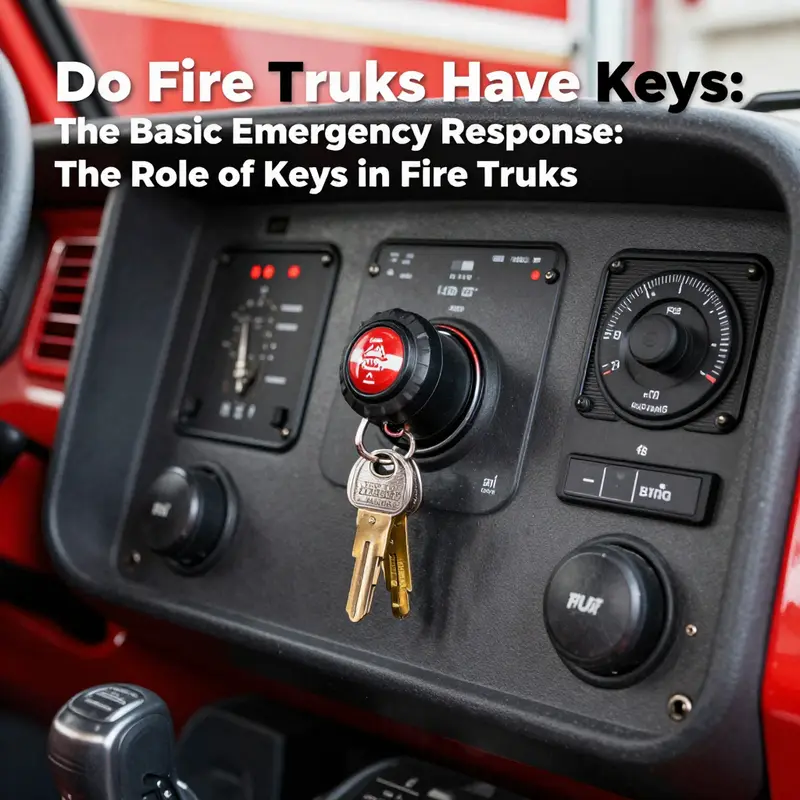
Do fire trucks have keys? Yes — but the answer is more nuanced than a single “yes”. Fire apparatus combine traditional mechanical ignition with modern electronic controls to balance two needs: rapid, reliable response and strict security. The key — whether a metal blade, a fob, or a digital credential — is the first link in a chain that brings a complex machine to life and routes power to mission-critical systems.
At the most basic level, an ignition key performs three functions. First, it prevents unauthorized use. Second, it completes circuits that energize the vehicle’s electrical system. Third, it initiates sequences that ensure onboard firefighting equipment is ready. In many fire departments the physical key still sits in a lock cylinder on the dash or steering column. When turned, it closes the ignition circuit, powers the starter, and starts the engine. Yet for modern apparatus, turning the key often does much more than spin the engine. It signals integrated controllers to bring pumps, radios, lights, and hydraulic systems to a ready state.
Security matters. A fire truck is a heavy, specialized vehicle with tools that can be dangerous in untrained hands. A keyed ignition is a straightforward barrier. Beyond that, departments layer access controls: restricted key distribution, serialized key blanks, and logging of issued keys. Many fleets supplement or replace metal keys with key fobs and transponders. These devices use coded signals to authenticate a user before the vehicle will start. The move toward electronic keys reduces the risk of copied blanks and allows administrators to revoke credentials without physically recovering a key.
Integration is where ignition systems reveal their true role. A fire truck is not just a chassis and an engine; it is an ecosystem. The ignition switch often serves as the master control for that ecosystem. Powering the ignition routes current to the radio, onboard computers, scene lighting, and pump controllers. In newer rigs the ignition sequence triggers self-checks. Electronic control modules poll sensors for fluid levels, pump pressures, ladder hydraulics, and battery state. If a critical fault appears during the power-up sequence, the system can flash warnings, inhibit certain functions, or guide the crew through corrective steps. That early feedback saves precious seconds and avoids surprise failures en route.
Different apparatus types change what the ignition must coordinate. A pumper needs pump priming circuits, automatic throttles, and PTO (power take-off) engagement logic. An aerial requires hydraulic system ready-state checks and stabilizer status. A tender or tanker emphasizes fuel and water-transfer systems. All of these can be wired to the ignition so the operator gains immediate status when starting. For departments that operate specialized vehicles — aerial ladders, water towers, or foam units — the ignition becomes the central nervous system that wakes multiple subsystems simultaneously.
Not all systems rely on a single physical key. Many departments adopt keyless or multi-factor approaches. A badge reader, PIN pad, or smartphone-based credential can unlock and authorize a vehicle. These systems offer audit trails. They tell administrators who drove which apparatus and when. That data aids fleet management and accountability after an incident. It also supports maintenance scheduling by correlating vehicle use with service intervals.
Key control policies are as important as the hardware itself. Fire departments typically maintain strict inventories. Keys are stored in secure locations and issued only to trained drivers and officers. Spare keys are tightly controlled and often serialized. When personnel turnover occurs, procedures demand key return and reissuance. If a key is lost, many departments treat the event like any other security breach: they revoke access and may rekey the vehicle or update electronic credentials. These practices minimize the chance of unauthorized operation.
Maintenance crosses over from keys into the ignition mechanism and connected electronics. Lock cylinders wear with use. Transponders and fobs need battery replacement. Wiring and connectors can corrode, especially on vehicles that see harsh environments. Regular inspection of the ignition switch and its associated wiring is part of apparatus maintenance. Faulty ignition components can cause no-starts or intermittent power loss, which are unacceptable for emergency response. Preventive checks include listening for unusual starter noises, verifying accessory power during key-on, and ensuring that power distribution panels show expected voltages.
Operational considerations also shape ignition design. For instance, scenic placement of the key matters. Operators must access the ignition quickly from a seated position. Controls should be intuitive under stress and low light. Many apparatus use keyed start positions that include accessory and run modes, allowing radios and scene lighting to be powered without engaging the engine. Others incorporate a remote start sequence for warm-up in extreme weather. Where the vehicle uses a power take-off to run pumps, the ignition or an interlock must prevent accidental PTO engagement while driving.
Emergency overrides and fail-safes are in place as well. In rare cases where a key is unavailable but immediate vehicle movement is necessary, departments have defined procedures. These might include supervisory authorization to use spare keys, supervised towing, or specialized tools for limited bypass. Such measures are controlled to avoid abuse and to preserve safety. Technicians also rely on diagnostic ports to bypass immobilizers for maintenance, but these are safeguarded by password-protected systems.
Technology trends are shifting fire truck ignition systems further into the digital realm. Immobilizers, encrypted transponders, and centralized fleet management systems are becoming common. Telemetry can report ignition events in real time to command centers. This capability helps with staging resources, tracking apparatus location, and coordinating multi-agency responses. Digital keys can be time-limited and role-limited. For example, a rookie may be granted driving authorization of certain vehicle classes only after completing required training modules. Electronic keying supports that control without swapping physical locks.
There are trade-offs. Mechanical keys are simple and resilient. They work when batteries die and are easy to replace with proper authorization. Electronic systems offer better control and logging but introduce complexity. Software bugs, power anomalies, or failed sensors could prevent an otherwise mission-ready vehicle from starting. Good design mitigates these risks by providing manual overrides and redundancy. A well-designed apparatus pairs modern access control with proven mechanical reliability.
Training ties the whole system together. Drivers train on ignition sequences, interlock behaviors, and start-up checks. Crews rehearse what to do when a vehicle won’t start at the station or on scene. Simulated failure drills ensure that personnel can switch to backup apparatus or perform authorized, safe workarounds. The human element is the ultimate fail-safe: well-drilled crews recognize a problem quickly and take steps that preserve safety and mission continuity.
Finally, regulatory standards influence ignition behavior. Standards outline requirements for power distribution, emergency lighting controls, and equipment readiness during start-up. Manufacturers and departments reference these standards when configuring ignition-linked systems. They ensure that, for example, emergency lights can be commanded reliably and that pump controls meet performance expectations once the engine runs. These norms help maintain interoperability and predictable behavior across different vehicle types and vendors.
The practical picture is simple: keys remain a fundamental component of fire truck operation. What varies is how those keys connect to a wider control architecture. Whether turned by a metal blade or a coded fob, the ignition unlocks power, safety checks, and communications. It enforces security, schedules readiness checks, and hands crews the information they need before they roll. For anyone interested in parts or replacement components related to ignition and control systems, a resource on fire truck parts can be useful to explore more about the hardware that sits behind the key.
For technical standards and guidance that cover ignition-linked systems and readiness requirements for power-driven fire apparatus, refer to the NFPA standard on the subject: https://www.nfpa.org/Code-Development/All-Codes-and-Standards/NFPA-1917-Standard-for-Power-Driven-Fire.
Keys, Codes, and Controls: How Fire Trucks Balance Security with Instant Access
Keys, Codes, and Controls: How Fire Trucks Balance Security with Instant Access
Fire trucks do have keys, but understanding what that means requires looking beyond a simple lock-and-key image. These vehicles are emergency tools first, and security systems are built around two priorities: immediate readiness and controlled access. The equipment and procedures used by fire departments reflect that dual mandate. They allow trained crews to move at a moment’s notice while protecting apparatus, tools, and sensitive systems from misuse.
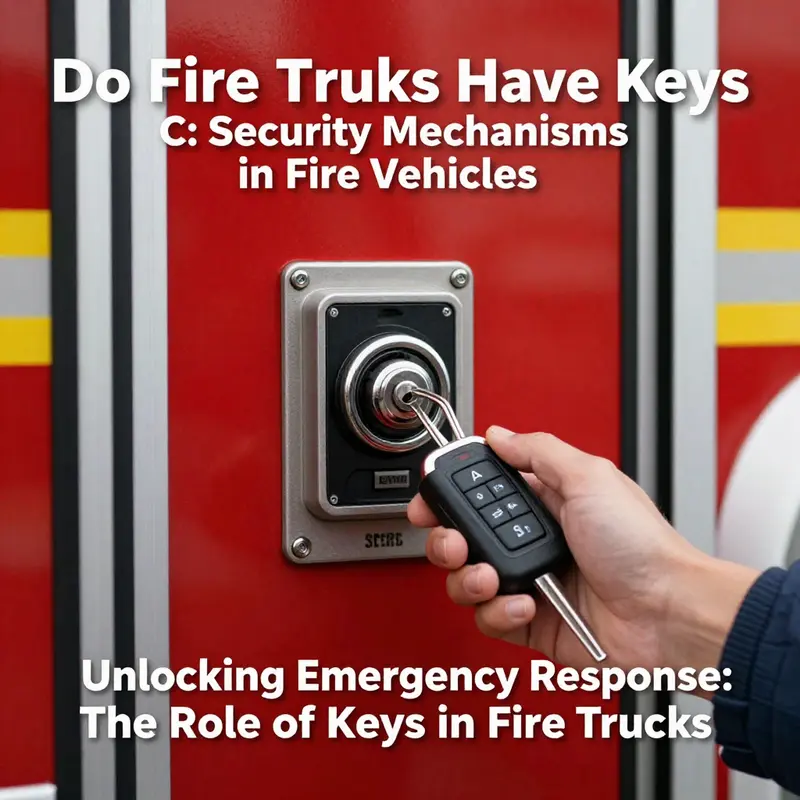
At the simplest level, many modern fire trucks use conventional ignition keys or key switches similar to other heavy vehicles. These keys turn the ignition and allow the engine to start. In some units, the key is a physical metal blade. In others, it is part of an electronic ignition system or a transponder fob. Regardless of type, keys serve as the primary authentication for vehicle operation. They are a basic layer of control that prevents casual or accidental use.
But keys alone do not reflect how fire departments actually manage access. Fire stations operate on routines and schedules, and keys must be available instantly when an alarm sounds. That need changes how keys are stored and tracked. Departments commonly keep vehicle keys on secure rings in locked cabinets, at dispatch desks, or in attended rooms. Some departments assign keys to specific personnel for each shift. Others rely on central key control systems that record who signed keys out and when. The emphasis is on accountability. Logs or sign-out sheets document custody, and supervisors or officers review those records regularly.
Beyond physical keys, many departments have adopted multiple starting methods. Push-button ignitions, remote starters, card readers, and code pads are all in use. These alternatives reduce dependence on a particular key type. A firefighter may carry an access card, or a crew may use a station-wide code to enable ignition. These systems often integrate with alarm systems. When a pager or station alert activates, certain doors and vehicle ignitions unlock automatically. This automation shortens response time and reduces fumbling under stress.
Telematics and GPS add a digital layer to security. Modern apparatus often include tracking systems that monitor location, speed, engine hours, and diagnostic data. Administrators use this data to confirm authorized use and to audit vehicle movement. Geofencing can alert supervisors if an apparatus leaves approved areas. Some systems even report ignition events, creating an electronic trail tied to a key or access credential. That trail helps departments detect anomalies and address unauthorized action quickly.
Security measures extend beyond engine control. Fire trucks carry valuable tools and hazardous materials. Compartments and equipment lockers commonly have locks or latches that secure their contents. While many compartments remain unlocked during a call for speed, departments standardize when and how compartments lock. Sensitive items such as radios, medical supplies, and certain chemicals may have dedicated locks or require a supervisor’s authorization for access.
Redundancy is a consistent theme. Emergency vehicles often include backup methods to ensure operability. If an electronic system fails, a mechanical key override allows manual starting. If a primary key is lost or damaged, spare keys are stored in a secure yet accessible location. Emergency overrides exist to prevent a single point of failure from rendering a vehicle unusable during a crisis. Protocols define who can use overrides and under what circumstances. They balance the need for uninterrupted service with the risk of misuse.
Key management is also a people process. Training emphasizes the chain of custody and the consequences of lax handling. New personnel learn how keys are stored, how to sign them out, and how to respond when access systems fail. Regular drills familiarize crews with card readers, push-button starts, and override procedures. Officers regularly audit key logs and check that spare keys remain accounted for. This human discipline is as important as technological safeguards.
Electronic access brings new advantages and risks. Keyless entry systems reduce metal keys and cut the time needed to access a vehicle. They offer detailed logs that tie access to individual credentials. However, they introduce cyber and technical vulnerabilities. Departments must maintain strong credential policies, change codes after personnel turnover, and ensure firmware updates on electronic locks and telematics modules. Where wireless convenience exists, encryption and authentication protocols should prevent cloning or interception.
The trade-off between security and readiness shapes vehicle design. For example, manufacturers and buyers often prioritize accessible equipment bays, quick-release latches, and automated step systems. These design choices improve response times. At the same time, they necessitate administrative controls to protect equipment. Departments create tiered access levels to match operational needs. Everyday responders have access to hose lines, ladders, and commonly used tools. Supervisors maintain keys or codes for restricted items. That tiering minimizes delays while retaining checks on sensitive gear.
Theft prevention also factors into security planning. While outright theft of an engine is rare, unauthorized use and opportunistic theft of tools are concerns. Departments mitigate risk with visible deterrents and traceability. Marking tools with serial numbers, immobilizing expensive equipment, and mounting GPS tags all reduce the appeal of stealing apparatus assets. Some departments tag high-value items with inventory systems that alert managers to missing gear. These measures complement ignition security and compartment locks.
Communications and dispatch protocols influence access too. In many stations, doors and vehicle systems are tied to dispatch signals. When a call transmits, the bay doors open and certain vehicle systems prepare for departure. Those integrations make keys just one piece of a coordinated access system. They also require secure interfaces between the alarm, door controls, and vehicle electronics. Departments working with third-party vendors must ensure these integrations follow security best practices and avoid exposing controls to unauthenticated users.
Maintenance and parts management create another security angle. Fire trucks require regular servicing. Parts, software updates, and service procedures may affect access controls. For example, a technician performing diagnostics might need temporary access credentials. Departments manage those cases with time-limited credentials and supervised maintenance windows. Keeping strict custody and ensuring technicians log their access prevents accidental compromise of security systems.
Legal and policy frameworks shape how keys and access are handled. Departments adopt written policies that define who may possess keys, who may authorize activations, and how to respond to lost credentials. Insurance considerations, liability concerns, and union agreements sometimes influence those policies. The policies also cover incidents involving unauthorized use. Clear consequences and a documented review process reinforce responsible behavior.
Finally, interoperability and standardization can simplify key and access management across multi-agency responses. When several agencies work together, differences in access protocols can cause confusion. Standardizing basic elements—like common padlock types, interoperable radio access, or shared procedure for command vehicles—reduces friction. For specialized apparatus, such as command vehicles, departments may use centralized credential systems. For example, coordinated access systems for fire command vehicles help ensure team leaders can access critical assets across jurisdictions. More information about these vehicle types can be found at this link to fire command vehicles: fire command vehicles.
Security mechanisms on fire trucks are practical, layered, and people-centered. Physical keys remain widely used, but they are part of a broader ecosystem. Electronic ignition, telematics, compartment locks, and administrative controls all work together. The aim is consistent: enable rapid, reliable response while minimizing opportunities for unauthorized use. Departments achieve that balance through design choices, clear policies, regular training, and the use of technology where it strengthens both access and control.
For standards and guidance related to fire department apparatus and safety, consult the National Fire Protection Association (NFPA): https://www.nfpa.org/
Keys, Codes, and Control: How Fire Departments Manage Access to Their Apparatus
Operational Protocols Around Keys and Access Controls
Fire departments treat keys as more than simple tools. They are control points that protect people, equipment, and the public. Whether a ladder truck, pumper, or command vehicle, getting behind the wheel usually requires authorization. Protocols vary by size, region, and budget, but the goals are the same: safe operation, clear accountability, and readiness for emergencies.
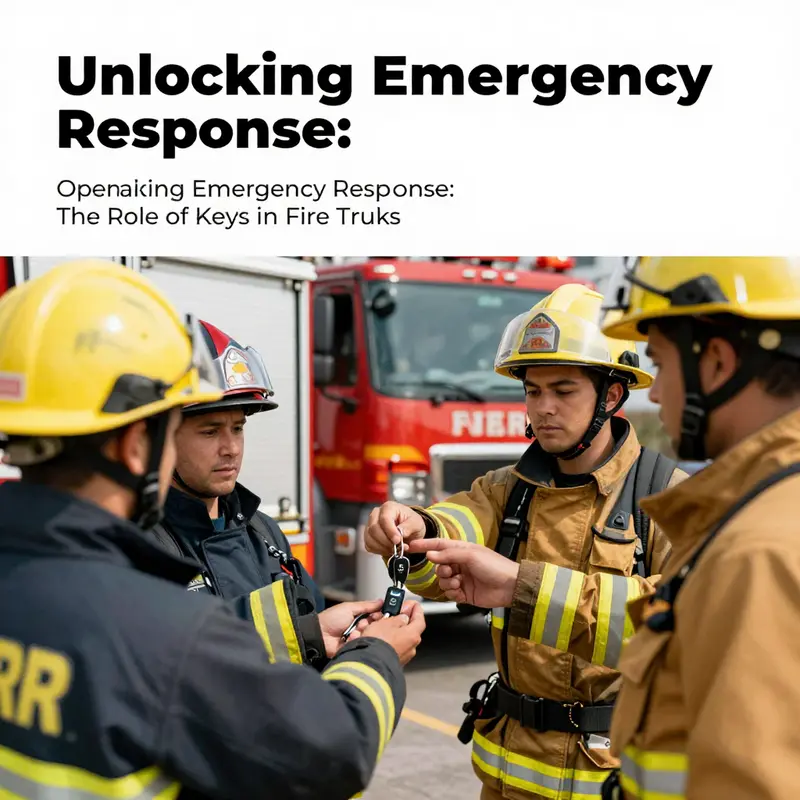
At the most basic level, a fire truck needs a way to start. Many departments use traditional metal ignition keys. These are familiar, reliable, and inexpensive to replace. In smaller or volunteer departments, a set of keys may be stored in the station and handed to whoever is assigned to that apparatus for the shift. This simple approach works when personnel numbers are stable and shifts are well documented. But it also demands disciplined handling, clear assignment, and regular audits to avoid confusion or misuse.
Larger, career departments and modern fleets often layer on technology. Electronic key fobs, PIN pads, and even biometric readers are now common. These systems provide granular control. A fob can be assigned to a specific firefighter and deactivated remotely. A PIN code ties operation to a roster entry. A fingerprint scan ensures the operator is the person on record. These methods reduce the risk of unauthorized use and provide precise digital records of who started an apparatus and when.
Integration with dispatch and personnel systems adds another level of control. Some apparatus refuse to start unless the vehicle is electronically assigned to a crew in the dispatch system. That means a truck cannot be started accidentally by someone not on the response list. It also streamlines incident logging: the dispatch record, the vehicle telemetry, and the crew roster can be linked together automatically. This integration supports investigations, after-action reviews, and billing if the department charges for certain services.
Transmission and drivetrain design influence how keys are used. Most heavy apparatus feature automatic transmissions. The vehicle must be started, then shifted into gear using the proper interlocks and controls. Departments enforce training requirements so only certified drivers move fire trucks. Keys become part of a larger qualification system: possession of the key alone does not grant permission to operate. The driver must hold the required endorsements and complete department checks.
Accountability is central. Departments maintain key logs, sign-out sheets, or digital tracking. Modern electronic systems log the identity of the operator with timestamps. Even when traditional keys are in play, policies typically require an officer to assign an apparatus for a shift and record that assignment. When keys go missing, immediate notification and a documented search procedure are standard. These practices limit liability and protect the community.
Maintenance and service access introduce additional key considerations. Technicians and outside vendors may need temporary access to apparatus. Departments use service keys or override codes that differ from operational keys. These are often time-limited or controlled through the fleet office. Separate access prevents accidental activation during maintenance and keeps sensitive controls protected.
Volunteer departments pose distinct challenges. Volunteers often respond from varied locations and arrive at random times. To support quick response, some departments place lockboxes with keys at stations, or use sealed cabinets that open with a code known to authorized volunteers. Others rely on vehicle-based key retention systems so a specific key stays with the apparatus. Training and clear policies remain essential to prevent misuse.
Mutual aid and interagency responses complicate key protocols further. When a neighboring department arrives to provide support, they may not carry the right key or credentials. Preplanned procedures help here. Many departments equip vehicles with universal access points, prearranged overrides, or keep a roster of contact points who can authorize cross-jurisdictional use. Interagency exercises often test these procedures so real incidents run smoothly.
Security and theft prevention are practical concerns. Fire trucks are high-value assets with visible equipment. Keys left unsecured invite theft, vandalism, or unauthorized use. Departments use lockable key cabinets, tamper-evident tags, and restricted access rooms to minimize risk. Electronic systems add value by allowing administrators to deactivate a lost fob instantly, preventing misuse without changing the physical lock.
Policy design balances readiness with control. Overly restrictive systems can slow response times during critical moments. If a truck will not start because a roster entry failed to sync, that delay can be costly. Departments mitigate this with redundancy: backup physical keys, emergency access codes, or a designated officer authorized to override systems during declared emergencies. These fail-safes are carefully documented and exercised to avoid accidental use.
Training and culture reinforce the rules. Firefighters are trained to follow checklists when taking an apparatus in service. These checklists often include key custody steps, equipment checks, and roster verification. Crew leaders are accountable for ensuring keys are returned and logged. New systems require training on electronic fobs, PIN processes, and any integration with dispatch platforms. Ongoing refreshers keep procedures effective and reduce human error.
Recordkeeping supports transparency and continuous improvement. Departments review start logs, fleet diagnostics, and incident reports to assess how keys and access systems function in practice. Patterns—such as repeated overrides, lost keys, or delayed starts—trigger policy revisions. This feedback loop helps refine authorization levels and determines when investment in more advanced access control is warranted.
Legal and regulatory frameworks shape practices as well. Standards and recommendations guide apparatus design and operational limits. For example, the national standards for automotive fire apparatus address design considerations that affect how drivers and crew interact with vehicles. Departments align their policies with these standards and local regulations to maintain compliance and safety.
Cost and procurement decisions influence the chosen approach. Biometric systems and integrated fleet management solutions cost more upfront. Departments weigh those costs against benefits like improved accountability, reduced theft risk, and lower administrative burden. Grants, capital budgets, and lifecycle cost analyses often determine whether a department keeps traditional keys or moves to a fully electronic access suite.
Retrofitting older apparatus is common. Departments often add aftermarket tracking modules or retrofit ignition interlocks to link a vehicle to roster systems. These upgrades allow legacy vehicles to participate in a modern access ecosystem without complete replacement. Fleet managers plan upgrades in stages, prioritizing vehicles with the highest call volume or risk profile.
Privacy and security considerations accompany more advanced controls. Biometric data and identity logs must be protected under applicable data-handling policies. Departments implement retention schedules, encryption, and strict access controls for digital logs. Clear policies explain who may view logs and under what circumstances, maintaining transparency while protecting individual privacy.
Ultimately, keys are a small but critical component of a larger operational framework. They intersect with training, technology, maintenance, interagency coordination, and legal compliance. Effective protocols align people, processes, and technology so that when an alarm sounds, authorized personnel can move safely and predictably. For departments considering changes, reviewing fleet options such as dedicated command vehicles can clarify requirements. See resources on specialized options for fire command vehicles.
For technical standards that inform many of these policies, reference the national guidance on automotive fire apparatus. The NFPA 1917 standard provides detailed requirements relevant to vehicle operation and design: https://www.nfpa.org/codes-and-standards/document-information?code=1917
When Fire Trucks Go Keyless: Security, Speed, and the Need for Redundancy
When Fire Trucks Go Keyless: Security, Speed, and the Need for Redundancy
Fire departments face a simple question with complex consequences: do fire trucks have keys? The short answer has historically been yes. Fire apparatus were built like other vehicles, with physical ignition keys and locks. Yet the answer is shifting. Modern fire trucks increasingly adopt keyless systems, from proximity fobs to push-button starts and biometric access. This change promises faster response times and tighter security. It also introduces new failure modes, training needs, and policy questions that every department must weigh.
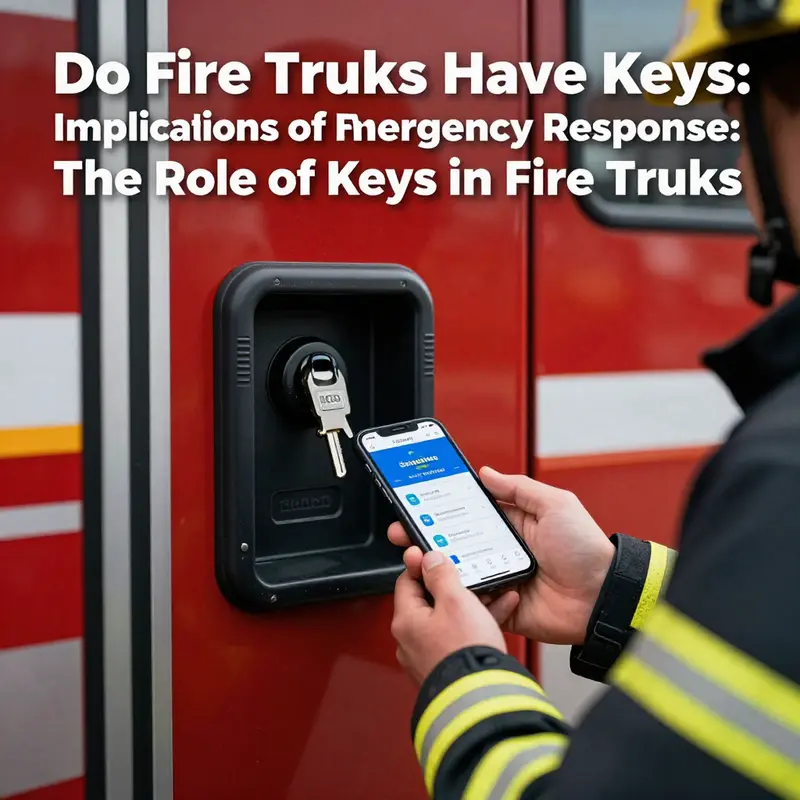
The drive to remove physical keys stems from two practical goals: shave seconds off departures and reduce unauthorized use. In emergencies, every second matters. A firefighter who does not have to fumble for a key saves time. Automating vehicle readiness can also streamline shifts. For example, badge-based systems unlock and configure vehicles as crews assemble. Keyless ignition reduces one friction point between turnout and departure. It also integrates with fleet software, tracking which crew used which vehicle and when.
Security gains are compelling. Traditional keys can be lost, duplicated, or stolen. Keyless systems can require multi-factor authentication and offer audit trails. Fleet managers can pair vehicle immobilization with GPS tracking. If a vehicle leaves its expected area or shows suspicious movement, it can be remotely disabled or flagged. In theory, this reduces theft risk and deters unauthorized use. For large cities or agencies with many specialized units, these features protect high-value equipment and sensitive tools housed on the apparatus.
Despite clear upsides, keyless systems create dependencies on electronics, software, and communications. These dependencies become liabilities in certain scenarios. Power outages, electromagnetic interference, or simple battery failure can render a keyless system inoperable. Even a software bug or an expired credential can prevent a truck from starting. For fire departments, the cost of a single fail-to-start event can be measured in delayed rescues or lost assets. That is why most departments embrace hybrid approaches. A truck may accept smart access but still retain a mechanical override or a hidden master key. Redundancy is not optional; it is required.
Reliability also demands environmental hardening. Fire trucks operate in extremes: smoke, heat, water, corrosive chemicals, and physical impacts. Keyless hardware must meet those conditions. A proximity sensor that works in a suburban parking lot may fail near a wildfire front. Designers must use rugged connectors, sealed enclosures, and components rated for broad temperature ranges. Even with robust hardware, regular maintenance cycles and battery checks become part of apparatus readiness. A preventive maintenance plan must include software updates and credential audits alongside pump testing and ladder inspections.
The human factor cannot be overlooked. Keyless systems change who does what and when. Crews must be trained to use multiple authentication methods. Mutual aid responses may require cross-department interoperability. If one agency uses a badge system and a neighboring fire department uses a different fob protocol, shared responses can stall. Standardization across regions is hard but valuable. Some agencies solve this with universal physical keys for mutual aid, carried by chiefs and incident commanders. Others invest in common credentialing platforms for entire districts. Either way, change management is essential. New systems demand new checklists, drills, and contingency plans.
A thoughtful transition plan addresses both daily use and edge cases. On a regular shift, keyless convenience will prove its worth. Crews arrive, badges authenticate, radios and vehicle systems configure, and the truck is ready. In edge cases, fallback procedures kick in. Departments often maintain physical master keys in tamper-evident pouches. They retain manual ignition switches or mechanical steering locks to force an electronic override into a safe state. Protocols define who carries backups and where they are kept. These redundant measures preserve mission continuity when technology fails.
Integration with broader incident systems amplifies both benefits and risks. Keyless fire trucks often link to fleet management and CAD (computer-aided dispatch) systems. When an alarm drops, the nearest truck may receive an automatic unlock and route instructions. The vehicle’s status and location update in real time for command staff. This streamlines coordination and shortens response loops. But it also expands the attack surface. A compromised network account or weak authentication on a sensor could cascade, affecting multiple vehicles. Cybersecurity practices must be as strong as mechanical safeguards. That means role-based access, encrypted communications, and regular penetration testing.
Cost considerations are practical. Retrofitting legacy apparatus with keyless systems requires up-front investment. Departments weigh that against reduced key management overhead and improved accountability. New trucks can be spec’d with keyless options and redundancy baked in. Procurement that includes clear reliability metrics and vendor support reduces long-term risk. The decision matrix should include lifecycle costs: maintenance, spare parts, software updates, and staff training. Often the most cost-effective approach is a phased rollout, starting with non-critical units and evaluating performance under real-world conditions.
Policy and legal frameworks also evolve with keyless adoption. Who may access a vehicle, and under what conditions? Policies must define access protocols for off-duty personnel, volunteers, and mutual aid partners. Chain-of-custody documentation for master keys and administrative credentials reduces misuse. In some jurisdictions, regulations may require mechanical overrides or prohibit remote immobilization that could endanger ongoing responses. Legal counsel should review any remote disablement feature to ensure it does not create liability.
Public perception matters too. Communities trust their fire departments to be ready and responsive. Visible steps to modernize equipment can build confidence. At the same time, high-profile failures will erode that trust quickly. Transparent communication about redundancy measures helps. When departments highlight that keyless trucks have physical backups, hardened systems, and robust training, the public hears a narrative of prudent modernization rather than risky experimentation.
Finally, practical examples show how hybrid solutions work. A keyless cab can unlock for badge holders while retaining a guarded mechanical ignition for rare overrides. Vehicle electronic control units can require local presence plus an unlocked badge, making remote hijack attempts harder. Fleet software can alert supervisors to failed starts without revealing detailed diagnostics to non-technical users. These layered safeguards respect operational reality: technology should remove friction, not create single points of failure.
A single line answers the initial question—for now: yes, many fire trucks still have keys, but keyless options are increasing. The important nuance is not the presence or absence of a key. It is the system design that follows. Departments that prioritize redundancy, environmental resilience, interoperability, and cybersecurity will capture the benefits of keyless systems. Those that treat keys or keyless systems as a checkbox will find themselves rewriting procedures after a failure. The right approach balances speed and security with fail-safe backups, ensuring the apparatus starts when it must.
For an example of the industry conversation surrounding this shift, see the NBC News piece linked below.
For information on vehicles built with command and control considerations in mind, see fire command vehicles: https://cimcfiretruck.com/product-category/fire-command-vehicles/
External reporting and analysis: https://www.nbcnews.com/tech/tech-news/fire-trucks-are-going-keyless-heres-why-1234567890
Final thoughts
The integration of keys in fire trucks plays a crucial role in ensuring reliable and secure access to these lifelines during emergencies. The varying types of key systems, from traditional ignition keys to advanced keyless technologies, not only enhance safety measures but also streamline processes within fire departments. Understanding these systems is vital for business owners involved in fire safety and emergency response, as they directly relate to efficiency, security, and operational success. Stay informed on these developments to ensure your services remain at the forefront of safety and innovation.

