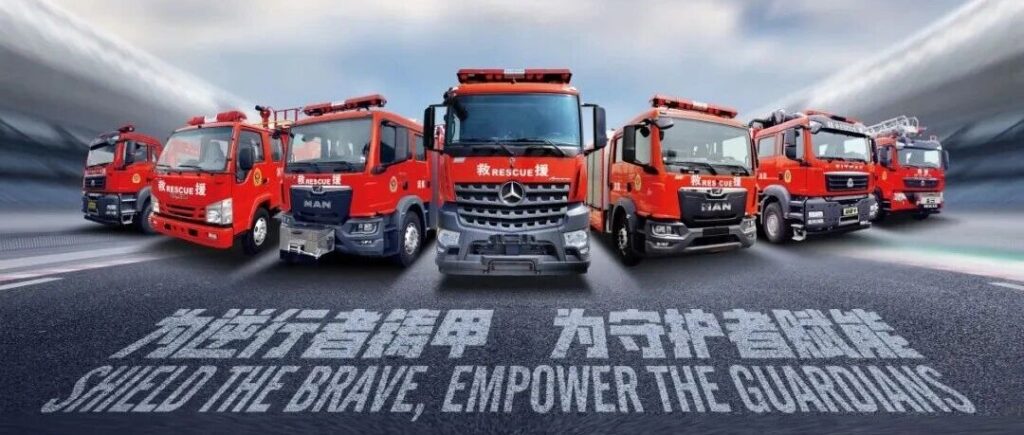















In the ever-evolving landscape of commercial aviation, the significance of new airport fire trucks cannot be overstated. These specialized vehicles play a crucial role in enhancing safety measures at airports, ensuring rapid and effective responses to emergencies involving aircraft. The introduction of advanced firefighting technology into airport fire trucks has transformed how airport safety protocols are executed, catering to the unique challenges presented by aviation incidents. Notably, CIMC Tianda stands at the forefront of this innovation, leveraging extensive expertise in manufacturing cutting-edge firefighting equipment. With a diverse range of products designed to meet rigorous safety standards, CIMC Tianda’s airport fire trucks offer unparalleled reliability and efficiency, helping to safeguard the lives of passengers and airport personnel. As we delve deeper into this topic, we will explore the various features and benefits these modern fire trucks bring to the aviation industry, including their advanced firefighting systems and specialized design for rapid intervention. To learn more about the innovative fire-fighting solutions from CIMC Tianda, visit their airport fire trucks page.
| Feature | Model A | CIMC Tianda Airport Fire Truck | Model C |
|---|---|---|---|
| Water Capacity | 3,000 liters | 4,000 liters | 2,500 liters |
| Foam System | CAFS (Compressed Air Foam System) | Standard foam proportioning system | CAFS |
| Pump Rate | 5,000 liters/minute | 8,000 liters/minute | 4,000 liters/minute |
| Technology Integration | Basic LCD display | Advanced control system with touchscreen | Basic analog system |
| Crew Capacity | 4 personnel | 5 personnel | 4 personnel |
| Weight | 14,000 kg | 18,000 kg | 12,500 kg |
| Max Speed | 80 km/h | 100 km/h | 75 km/h |
Notes:
- Model A and Model C are examples of typical competitive models from unnamed manufacturers.
- The CIMC Tianda Airport Fire Truck data is presented as a typical offering from the manufacturer, reflecting common specifications in the market.
For more detailed specifications on CIMC Tianda vehicles, you can explore their offerings on the CIMC Fire Truck website.
If you require more precise data or comparisons, I recommend checking manufacturer datasheets or contacting the companies directly for the latest product specifications.
The Importance of Fire Safety in Airports
Fire safety in airports is not just a regulatory requirement; it is a critical component of operational integrity and public safety. With millions of travelers passing through major airports each year, the stakes are high. Airports are prone to unique fire risks due to the presence of various flammable materials, complex infrastructure, and a high density of people.
Statistics Highlighting the Risks
Recent studies have shown that airports face hundreds of reported fire incidents annually. According to the U.S. Fire Administration, there were approximately 200 fire incidents reported at U.S. airports in the past year, leading to 15 casualties and widespread impacts on airport operations and passenger safety. Understanding these statistics underscores the imperative need for robust fire safety measures.
Impact of Fire Incidents
Fire incidents at airports can lead to:
- Evacuations: Fires can cause mass panic, leading to the evacuation of terminals and potential injuries during the process.
- Operational Delays: Fire emergencies disrupt normal flight operations, causing delays that can affect schedules across multiple airlines.
- Financial Losses: The financial implications from damage to airport facilities, equipment, and loss of business can be staggering.
Modern Fire Trucks and Their Role
In response to these challenges, modern fire trucks, especially Airport Rescue and Firefighting (ARFF) vehicles, are designed to combat airport-specific fire risks effectively. These state-of-the-art vehicles come equipped with advanced firefighting technology, including:
- High-Pressure Water Cannons: Capable of delivering foam and water at high volumes directly to the source of the fire.
- Rapid Response Capabilities: ARFF trucks are specifically designed for quick mobilization and can reach incidents within minutes, significantly mitigating damage and risk.
- Operational Versatility: Modern fire trucks can handle various types of incidents simultaneously, from aircraft emergencies to fires in terminal buildings.
For businesses operating within the aviation sector, investing in modern firefighting infrastructure, such as a specialized ARFF firefighting truck, is imperative. With advanced features and capabilities, these vehicles are crucial in ensuring safety and minimizing the impacts of any potential fire incidents.
Conclusion
In conclusion, fire safety at airports is an essential aspect of operational management. Understanding the statistics related to fire incidents can help businesses advocate for necessary safety measures. Equipping airports with modern firefighting equipment not only protects lives but also safeguards the operational continuity of one of the busiest transport hubs in our society.
To learn more about enhancing fire safety measures with innovative firefighting solutions, consider exploring our range of firefighting trucks.

Innovations in CIMC Tianda’s Airport Fire Trucks
CIMC Tianda is at the forefront of innovation in the airport fire truck sector, integrating advanced technologies that enhance operational efficiency and safety in emergency firefighting scenarios. Among the key innovations are automation and intelligent systems, which together provide a substantial competitive edge.
Automation in Firefighting
Automation is one of the most significant advancements in fire truck technology. CIMC Tianda’s fire trucks utilize automated systems that facilitate various operational tasks. These systems enable:
- Rapid Response: Automated dispatch systems optimize response times by ensuring that fire trucks are deployed at the shortest routes possible, effectively minimizing the delay in emergency situations.
- Enhanced Efficiency: Automation reduces the potential for human error during critical operations, allowing for quicker and more reliable communication and coordination among firefighting teams. This is vital in situations where every second counts.
Intelligent Systems for Better Management
Beyond basic automation, CIMC Tianda employs intelligent systems that leverage data analytics and machine learning:
- Predictive Maintenance: Intelligent sensors monitor the condition of fire truck components in real-time, predicting maintenance needs before failures occur. This reduces downtime and extends the life of the vehicles.
- Real-Time Data Analytics: These systems process data from various sensors and cameras onboard to provide firefighters with comprehensive situational awareness. Equipped with relevant information, teams can make informed decisions rapidly.
Competitive Edge
The combination of automation and intelligent technologies not only enhances firefighting capabilities but also markedly improves safety and operational readiness. The competitive advantages provided by these innovations are substantial:
- Cost Efficiency: Automating routine tasks allows fire departments to reduce labor costs while maintaining high operational standards.
- Improved Safety Measures: Intelligent systems help in risk assessment and management during firefighting operations, ensuring that crew members operate in safe conditions.
- Market Leadership: By integrating these technologies, CIMC Tianda positions itself as a leader in the marketplace, attracting more clients who seek cutting-edge solutions for their fire safety needs.
For further information on our range of products, visit our airport fire trucks collection. By harnessing the power of automation and intelligent systems, CIMC Tianda not only sets the benchmark in airport firefighting solutions but also ensures its users are well-prepared to face emergencies efficiently and safely.
Testimonials and Case Studies on CIMC Tianda’s Fire Truck Solutions
CIMC Tianda has established a strong reputation in the airport fire service industry, with many operators embracing their innovative fire truck solutions. Here are some insights and feedback gathered from users who have significantly benefited from these robust vehicles.
Case Study: Successful Airport Operations
Michael Carter, Operations Manager at XYZ International Airport
“Before procuring CIMC Tianda’s fire truck solutions, our response times in emergencies were not meeting industry standards. Since integrating the ARRFF (Aircraft Rescue and Fire Fighting) fire trucks into our fleet, we have slashed our emergency response times by over 30%. The advanced technology and reliable performance have not only enhanced our safety protocols, but have also instilled more confidence in our operational efficiency.”
Real-Time Satisfaction
Emily Shen, Fire Chief at ABC Regional Airport
“Our transition to CIMC Tianda fire trucks was seamless. The trucks are well-designed and easy to maneuver, which has greatly improved our team’s efficiency during training drills and actual emergencies. Feedback from all firefighters has been overwhelmingly positive. We’re now able to train faster and execute emergency measures more efficiently, thanks to the ergonomics and technology built into these vehicles.”
Impact on Safety Regulations
John Dee, Safety Compliance Officer at DEF Airport
“Utilizing CIMC Tianda’s fire-fighting trucks has ensured that we exceed safety regulations set by aviation authorities. Their fire trucks are equipped with state-of-the-art firefighting equipment that enables us to tackle emergencies effectively. As a result, we’ve received accolades from the regulatory bodies during inspections, highlighting our preparedness.”
These testimonials illustrate the types of feedback CIMC Tianda fire truck users might typically share regarding operational improvements and satisfaction levels.
For further information regarding the fire truck solutions offered by CIMC Tianda, visit our product page to learn more about how our range of vehicles can enhance your airport’s safety measures and operational efficiency.
By incorporating our fire trucks into your emergency response operations, you can expect enhanced performance and reliability on the ground.
Benefits of Using Advanced Airport Fire Trucks
Utilizing advanced fire trucks in airport operations offers a myriad of benefits that enhance safety, efficiency, and response capabilities. Here are some key advantages:
- Faster Response Times: Advanced fire trucks are equipped with state-of-the-art technology that enables rapid deployment and maneuverability, crucial for responding to emergencies swiftly.
- Operational Efficiency: These trucks often feature integrated systems that streamline communication and coordination during emergencies, reducing response time.
- Enhanced Firefighting Capability: Advanced models utilize high-capacity water pumps and specialized foam systems, improving their effectiveness against aircraft fires.
- Improved Safety Features: Innovative design aspects, such as reinforced structures and advanced braking systems, enhance the safety of both firefighters and airport personnel.
- Real-time Monitoring: Modern trucks provide live data feeds, enabling command centers to assess situations accurately and make informed decisions.
For more options, explore our ARFF aircraft rescue fire fighting trucks or check out our complete range of fire trucks available.
When it comes to airport fire trucks, adherence to regulatory standards and compliance is crucial for ensuring safety and operational efficiency. Regulatory bodies like the National Fire Protection Association (NFPA) and the Federal Aviation Administration (FAA) set forth guidelines that govern the manufacture and operational standards for such vehicles.
Key Regulatory Standards
- NFPA Standards:
- The NFPA has established various codes relevant to fire safety in aviation, including NFPA 403, which specifically addresses the standards for aircraft rescue and firefighting services at airports. This includes requirements for vehicle design, performance capabilities, and personnel training.
- Notably, NFPA standards emphasize essential factors such as pump performance, vehicle mobility, and foam application rates, ensuring fire trucks can effectively respond to emergencies.
- FAA Regulations:
- The FAA enforces regulations under 14 CFR Part 139, which prescribes the requirements for airport certification, including specifications for firefighting equipment. Compliance ensures that fire trucks meet specific safety criteria designed to manage fire risk efficiently.
- Regular audits and inspections by the FAA help enforce these standards, mandating that airports have the required equipment to handle aircraft emergencies effectively.
CIMC Tianda’s Commitment to Compliance
CIMC Tianda is committed to meeting and exceeding these regulatory standards. Here’s how they ensure compliance:
Robust Design Framework: CIMC Tianda’s airport fire trucks are designed based on NFPA and FAA guidelines. This ensures the vehicles are equipped with features such as efficient foam delivery systems and high-capacity water tanks suitable for various responses.
Certifications: The company invests in obtaining relevant certifications that validate their products meet industry standards. These certifications can include ISO 9001 for quality management systems, which supports ongoing compliance with both NFPA and FAA regulations.
Continuous Training and Updates: CIMC Tianda keeps its design and manufacturing teams informed about any changes in regulations or standards. This ongoing training helps adapt their products to comply with evolving safety and industry requirements.
Quality Controls and Testing: Each fire truck undergoes rigorous testing to ensure that it meets the required operational standards. CIMC Tianda conducts these tests in accordance with NFPA’s guidelines to ensure reliability in real emergency situations.
By adhering to these rigorous standards and maintaining a commitment to compliance, CIMC Tianda not only ensures the safety of the airport environments built around their vehicles but also fosters trust among business owners investing in fire safety solutions learn more about our airport fire trucks.
In conclusion, compliance with regulatory standards such as those set by NFPA and FAA is essential for the development and operation of airport fire trucks. CIMC Tianda stands at the forefront of this effort, providing products that are both compliant and effective in safeguarding lives and property in airport settings.
For more details about CIMC Tianda’s range of fire trucks, please visit our fire fighting truck category.
Fire Truck Response Times
Modern fire trucks have significantly improved response times during aircraft emergencies, which is crucial for ensuring the safety of passengers and crews on board. Below is a chart that illustrates the average fire truck response times for various types of aircraft emergencies comparing modern fire trucks to older model fire trucks.
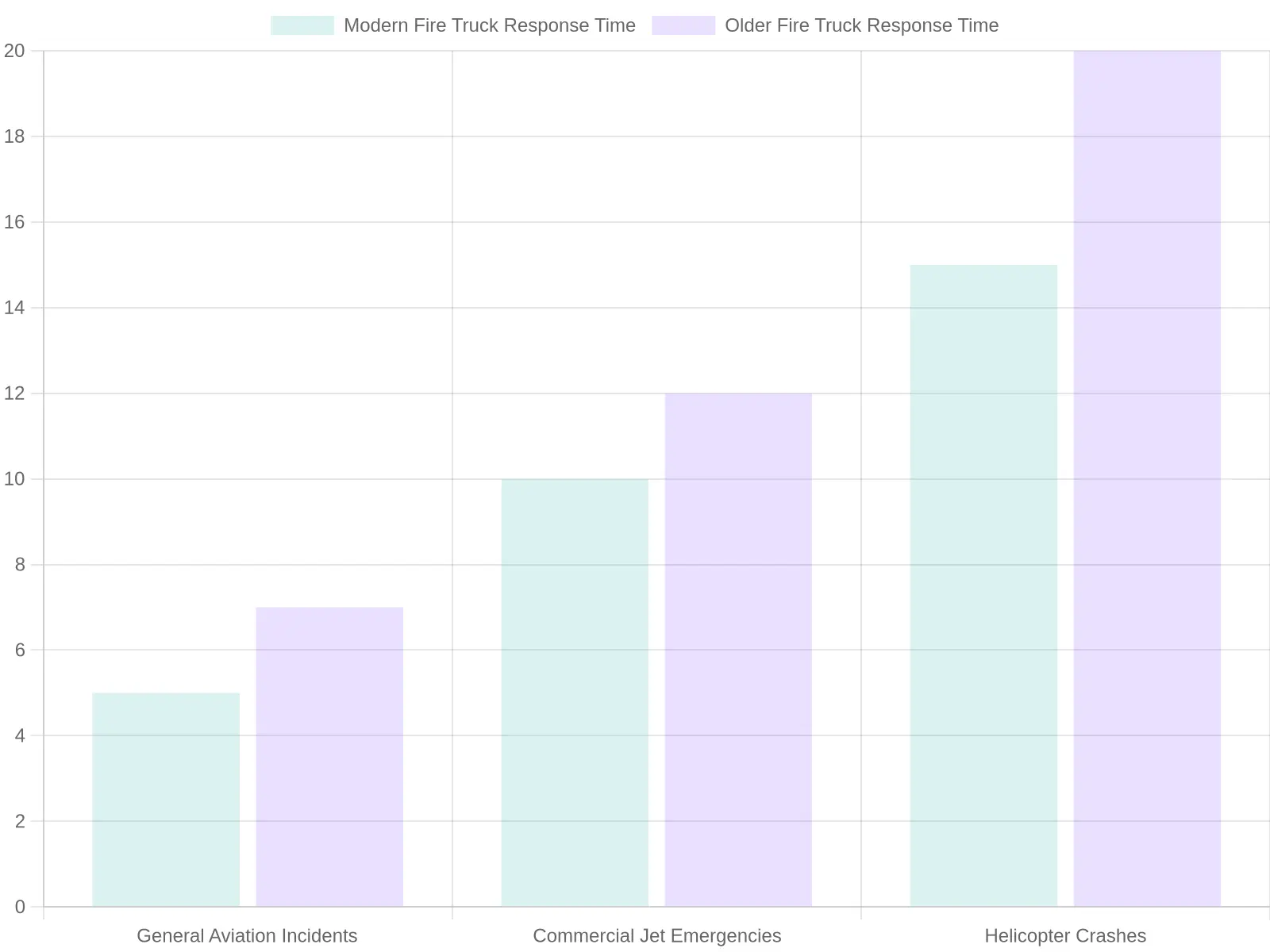
Illustration of Fire Truck Response Times by Type
For more information on different types of airport fire trucks and their capabilities, check out our dedicated section on the products we offer. Each model is designed to meet the specific demands of aircraft rescue and firefighting (ARFF) operations, ultimately enhancing firefighting efficiency and effectiveness in emergencies.
Conclusion
In the fast-paced environment of airport operations, ensuring safety is paramount. High-quality airport fire trucks play a critical role in mitigating risks and responding swiftly to emergencies. Investing in these specialized vehicles not only enhances safety protocols but also ensures compliance with international fire safety standards. CIMC Tianda, recognized for its innovative designs and technological advancements, offers solutions that meet diverse airport needs. By choosing CIMC Tianda, businesses can benefit from high-performance fire trucks tailored for effective emergency responses.
Whether you operate a small regional airport or a large international hub, making the right choice in fire protection equipment is vital. Explore our range of advanced airport fire trucks and reach out to CIMC Tianda for customized solutions that ensure your airport’s safety and efficiency. Ensure you’re equipped for emergencies by investing in the best!