
















Traffic management and emergency response are crucial components of urban infrastructure, and understanding how fire trucks can navigate traffic signals is key for business owners. When seconds count during emergencies, fire trucks rely on sophisticated systems to safely and efficiently traverse city streets. This article explores traffic signal preemption systems, the role of emergency lights and sirens, the technologies behind the signals, regional variations, and the challenges that arise in areas lacking these systems. The goal is to shed light on how these systems work, how they can impact business, and the safety benefits they provide to communities.
Navigating the Intersection: The Intricate Technology Behind Emergency Vehicle Traffic Signal Preemption
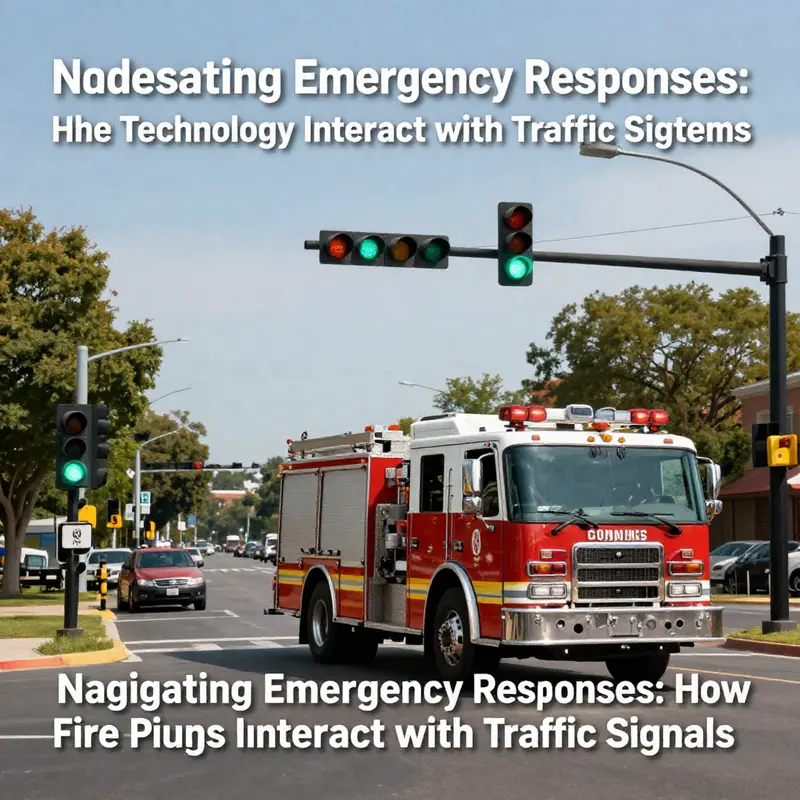
When most people see a fire truck barreling down the street with its lights flashing and sirens wailing, there is a well-orchestrated technology working behind the scenes to ensure that the vehicle reaches its destination without delay. Although it might appear as if the fire truck is directly changing the traffic lights, the reality is far more sophisticated. Emergency vehicles, including fire trucks, benefit from Traffic Signal Preemption (TSP) systems – a set of advanced technologies that interact with traffic lights to create an advantageous signal pattern, thereby clearing the path for quick and safe passage through intersections. This chapter delves into the intricate technology behind TSP systems and explains how these systems work seamlessly to reduce response times during critical emergencies.
At its core, the technology used in TSP systems is built on a series of detection and communication methods designed specifically to grant a green light to an approaching emergency vehicle. Several techniques play vital roles in these systems, and each of them works in concert with intelligent traffic signal controllers that manage the cycle of the lights. One of the primary mechanisms is the use of infrared (IR) beacons. Mounted prominently on the roofs of fire trucks and other emergency vehicles, these IR beacons emit a distinct signal that is easily detected by sensitive receivers installed at intersections. Once the beacon’s signal is captured by the receiver embedded in the traffic light control box, a pre-programmed response is initiated that results in the traffic light changing to green in the direction of the fire truck’s travel. This process not only clears a safe path for the emergency vehicle but also minimizes the potential for accidents at intersections that can occur when the vehicle has to navigate through regular traffic.
Complementing IR technology is the utilization of radio frequency (RF) signals. RF signals are equipped with the ability to transmit detailed information such as the emergency vehicle’s speed and location. This additional data is then processed by an intelligent traffic signal controller that can fine-tune the timing of the signal change to ensure that the vehicle experiences the least possible delay. The RF method is particularly useful in urban areas where the density of traffic and the frequency of intersections demand precise and instantaneous communication between the emergency vehicle and the traffic management system. Additionally, some of the more modern systems have enhanced their capabilities with GPS-based tracking. By continuously sending GPS coordinates to a central traffic management center, these systems can predict the arrival of an emergency vehicle at an intersection well in advance, ensuring that the signal preemption is triggered at the optimal moment. Such integration of multiple detection methods only underscores the sophistication behind TSP technology.
The transition from regular traffic flow to an emergency response mode involves complex communication between the vehicle, the sensor, and the traffic light controller. Upon activation of an emergency vehicle’s sirens and lights, the IR beacon or RF transmitter sends out a signal that is coded to be recognized by the receiver. The receiver is specifically designed to ignore the regular background signals of everyday traffic and only respond to the unique frequency or modulation patterns associated with emergency vehicles. This selective sensitivity is crucial, as it prevents false triggers and ensures that TSP is activated only during genuine emergencies. Once the signal is registered, the controller adjusts the intersection’s timing plan to bring the green phase into effect along the fire truck’s path while turning red for cross traffic. This strategy reduces any potential conflicts at the intersection, clearing the way for the emergency vehicle to continue its journey without the need for a prolonged stop.
Central to this entire process is the intelligent traffic signal controller, a device that embodies the fusion of traditional traffic management with modern digital technology. These controllers are programmed with algorithms that take into account the usual traffic flows, pedestrian crossing cycles, and even the likelihood of conflicting vehicle movements. When a preemption request comes through, the controller dynamically recalculates the signal timing to minimize disruption to overall traffic while ensuring that the emergency vehicle is given priority. The notion behind these controllers is to create a system that is not only responsive to emergency signals but is also adaptive to unpredictable conditions at busy intersections. In many metropolitan areas, these systems have been installed as part of a broader effort to create smart city infrastructures—a network in which all elements of the municipal environment communicate seamlessly to optimize efficiency and safety.
While TSP systems are designed with emergency response in mind, the underlying technology offers benefits that extend to everyday traffic management as well. By reducing the number of stops for emergency vehicles, these systems help improve response times, potentially saving lives and limiting the extent of property damage during fires and other emergencies. Furthermore, because the technology minimizes the period of disruption at intersections, it also contributes to smoother overall traffic flow. In practice, this means that even drivers who are not involved in the emergency may experience fewer delays, thereby enhancing the efficiency of the urban transportation network as a whole.
The implementation of Traffic Signal Preemption is a prime example of the convergence of technology and public service. In implementing these systems, municipalities must coordinate with multiple stakeholders, including local government agencies, traffic management authorities, and emergency response teams. The strategic planning required for successful implementation involves installing the necessary physical hardware—sensors, receivers, and controllers—alongside the integration of advanced software systems capable of managing the interplay between normal and emergency traffic conditions. Agencies like the U.S. Department of Transportation have established guidelines and best practices to ensure that these systems are reliable, responsive, and compatible with existing urban infrastructures. For those looking for technical details on how these systems are deployed and the standards that govern them, further authoritative insight is provided by resources such as the U.S. Department of Transportation’s dedicated page on emergency vehicle preemption available here: Emergency Vehicle Preemption Factsheet.
On a practical level, the positive impact of TSP systems is visible in the increased efficiency of emergency response services. Fire trucks, equipped with traffic signal preemption devices, no longer need to slow down significantly as they approach intersections. This rapid and efficient modulation of traffic lights is instrumental in reducing response times, a factor that could be critical during life-threatening situations. Many cities, especially in the United States, have prioritized the installation of these systems in high-density and high-risk zones, ensuring that routes frequently used by emergency vehicles are optimized for speed and safety. The overall reduction in response time not only improves the operational readiness of fire departments but also contributes to public confidence in emergency services.
One of the subtler benefits associated with the integration of TSP technology in urban areas is the enhancement of inter-agency communication. When the preemption system activates, it often triggers a cascade of notifications across various central traffic management centers and law enforcement agencies. This real-time sharing of information allows for better-coordinated responses to emergencies, where police can be dispatched to manage other parts of the traffic network and provide supplemental support if necessary. The system thereby functions as a central node of information in emergency response scenarios, ensuring that every involved agency is on the same page with respect to the evolving situation on the ground. It is this level of integration that truly highlights the sophistication of modern urban emergency management.
Beyond the immediate functionality, TSP systems also serve as a stepping stone in the evolution of smart city technologies. As urban infrastructures become increasingly connected, the potential for these systems to integrate with other intelligent transportation systems grows considerably. For instance, in some cities, traffic controllers that manage emergency preemption functions are now part of a larger municipal network that monitors everything from public transit operations to environmental sensors. The convergence of these systems can lead to unprecedented improvements in traffic management, energy use, and urban planning. As technological advancements continue to roll out, the lessons learned from TSP implementations will likely influence the design of future smart city frameworks that are more resilient, efficient, and responsive to the needs of all constituents.
There are notable challenges in ensuring the reliability and safety of TSP systems, and city planners must navigate several technical and logistical considerations. One key challenge is ensuring that the emergency signals are strong enough to be detected promptly at intersections with high volumes of traffic and complex road geometries. Environmental factors, such as heavy rain or physical obstructions, can sometimes interfere with the transmission of IR or RF signals. To mitigate these challenges, modern systems incorporate backup methods like GPS positioning and redundant detection mechanisms that serve as fail-safes in adverse conditions. Additionally, the transition between normal traffic patterns and emergency preemption must be carefully calibrated to avoid creating dangerous situations during the changeover. In other words, while TSP systems are designed to give priority to emergency vehicles, they are equally committed to ensuring that regular traffic does not face undue hazards as a result of the signal changes.
Another layer of complexity lies in the customization of these systems to fit the unique characteristics of different urban environments. Intersections vary greatly in terms of layout, traffic volume, and surrounding infrastructure. As a result, the preemption technology must be adaptable, with the software algorithms fine-tuned to accommodate the specific timing and sequencing needs of each location. This adaptability makes TSP systems a dynamic technology that can evolve over time as urban landscapes change and new transportation challenges emerge. Although the basic principles remain consistent, the customization process demands a high level of coordination among engineers, city planners, and emergency services personnel.
For those interested in exploring related emergency vehicle equipment, further information on various fire truck technologies can be found by visiting resources such as the detailed overview available on fire fighting truck technology. Such resources provide insight into the broader array of innovations that support emergency response and public safety, further highlighting the interconnected nature of modern firefighting and rescue systems.
In conclusion, while it might seem that fire trucks have the ability to change traffic lights at will, the process is a result of highly integrated Traffic Signal Preemption systems that employ infrared, radio frequency, and GPS technologies. These critical systems ensure that fire trucks can navigate intersections efficiently without compromising the safety or flow of regular traffic. They represent one of the many ways that technology and urban planning are converging to improve emergency response and enhance public safety. The careful synchronization of detection methods, intelligent controllers, and communication networks demonstrates the remarkable level of precision that modern municipalities have achieved in integrating emergency services with smart city technology. As urban centers continue to grow and technology evolves further, the reliance on and the efficiency of these TSP systems are expected to increase, paving the way for even safer, more responsive emergency management strategies for the future.
Illuminating the Path: How Emergency Lights and Sirens Empower Fire Trucks Through Traffic Signal Preemption
The intricate choreography between emergency vehicles and urban traffic control systems is a striking demonstration of modern technology working in harmony with public safety objectives. Fire trucks, while not altering the inherent programming of traffic signals, leverage a sophisticated network of sensors, communication systems, and pre-determined traffic management protocols that allow them to navigate intersections rapidly and safely during emergencies. Emergency lights and sirens are far more than tools to alert nearby drivers; they are key components in an integrated system designed to minimize response times and enhance the safety of everyone on the road.
In cities that have embraced smart technology for urban management, emergency vehicles are equipped with specialized devices that interact with traffic control systems through a process known as signal preemption. When a fire truck nears an intersection, its emergency apparatus, primarily the flashing lights and resounding sirens, sends out a distinct signal. This signal is picked up by receivers embedded in the roadway’s traffic control infrastructure. The signals can be transmitted via infrared beams or radio frequencies, sometimes enhanced by GPS-based systems or radio transponders, which ensures that the signal is transmitted even in complex urban environments. The moment these signals are detected, the traffic management system responds by shifting the traffic lights in a way that clears the path for the fire truck. In most cases, the light facing the direction of the approaching emergency vehicle turns green, while all other directions are set to red. This rapid, automated transition is what is commonly referred to as traffic signal preemption.
The role played by emergency lights in this entire process is twofold. On one hand, the blinding, rotating beacons signal drivers and pedestrians of an approaching threat, encouraging them to yield immediately. On the other hand, these lights are an integral part of the detection system that communicates with the traffic control centers. The visual signals, combined with the audible cues provided by sirens, make the task of clearing intersections more efficient. The siren’s purpose is to further alert any road user who might be outside the direct visual field of the fire truck, ensuring that even in densely populated urban neighborhoods the message is clearly and unambiguously conveyed. As such, the lights and sirens work in tandem as both a communication mechanism and an automated trigger for the preemption system.
Within the framework of traffic signal preemption, the fusion of emergency alerts with digital control systems exemplifies the marriage between safety protocols and advanced technology. The system relies on a robust network of sensor arrays strategically positioned at intersections. These arrays are calibrated to recognize the unique signature of an emergency vehicle. When a fire truck is moving towards an intersection, the combination of its emergency lights flashing and its siren sounding triggers a multi-step process behind the scenes. First, the sensor interprets the signal as an emergency event. Then, after probably a fraction of a second, the system sends a command through a centralized control board to adjust the signal phase. The result is a traffic scenario where the flow is prioritized not for routine vehicles, but for the urgent passage of the emergency vehicle. This greatly reduces the time the fire truck needs to bring its life-saving services to the scene.
While this process might seem instantaneous, a host of protocols and safety measures are built into the system to ensure that normal traffic patterns are disrupted as little as possible. The traffic management systems are designed with algorithms that calculate the optimal moment to trigger the preemption based on the vehicle’s speed, distance from the intersection, and even the patterns of cross-traffic. This ensures that the sudden change in signals does not lead to unexpected road hazards for drivers caught in the reaction, but rather guides them into a safe and predictable state. Through the use of intelligent algorithms, the system can even allow for gradual deceleration of approaching vehicles before the fire truck reaches a critical point, thereby easing the transition from regular traffic to an emergency scenario.
Emergency preemption systems have come a long way since their early conceptualization. Early implementations were rudimentary and often failed to account for the chaotic nature of urban traffic. Over time, as sensor technology advanced and computing power increased, these systems evolved into highly reliable components of the overall urban infrastructure. Today, many cities have invested in the integration of these systems into their traffic control grids. For instance, urban planning now routinely incorporates communication hubs and sensor arrays at critical city intersections, ensuring that emergency vehicles are given unimpeded passage. This technological leap has been instrumental in saving precious minutes during emergencies, which in turn can be the difference between a minor incident and a catastrophic loss.
The advantages of such integrated systems extend beyond mere time savings. They also contribute significantly to overall road safety. When drivers see flashing emergency lights and hear the distinctive sirens, their instincts prompt immediate, cautious responses. The coordinated switching of traffic lights, prompted by these emergency signals, minimizes the risk of accidents at intersections—a frequent target zone for collisions even under normal conditions. Furthermore, the alert provided by these systems is particularly effective in reducing pedestrian-related risks, ensuring that both vehicle and foot traffic are managed safely when a fire truck rushes by.
Communication remains a key aspect of the technology underlying traffic signal preemption. Many modern systems are connected via wireless networks that facilitate real-time updates across multiple intersections. This networked system not only ensures that the approaching emergency vehicle is granted a continuous green corridor, but also allows the central control system to monitor the flow of traffic across a broader urban landscape. In doing so, it helps maintain balance between efficiency in emergency response and the smooth functioning of the overall traffic ecosystem. Technicians continue to refine these networks with the aim of reducing any lag between the detection of an emergency signal and the corresponding change in traffic lights, thereby maximizing the efficacy of the entire system.
These advancements have spurred further research into how similar systems can be adopted or refined in cities that currently lack such technology. Studies continue to explore the optimal integration of emergency vehicle detection with adaptive traffic control systems. One area of particular interest is the development of more sophisticated sensor units capable of differentiating between types and intensities of emergency signals. This could be particularly beneficial in cases where multiple emergency vehicles approach an intersection simultaneously, or where the urgency of the incident demands an even faster response. The technology is evolving, and with each enhancement, the operational synergy between public safety vehicles and traffic management becomes more pronounced.
Another dimension of this sophisticated system involves its reliance on redundancy and security. The communication signals that trigger preemption are designed to be robust against interference from other electronic devices, ensuring that the traffic lights respond only to genuine emergency signals. This is achieved through advanced encryption techniques and verification protocols that prevent false triggers. In addition, backup systems are installed at critical intersections to maintain functionality in the case of hardware malfunctions or power outages. This attention to detail offers an additional layer of safety, ensuring that the system’s reliability remains uncompromised even in adverse conditions.
At its core, the infrastructure supporting emergency vehicle preemption is a blend of hardware precision and intelligent software. The devices mounted on fire trucks—ranging from infrared transmitters to radio frequency emitters—are optimized to emit a unique emergency signature. This signature is recognized automatically by the traffic control system, which has been programmed to respond only when certain pre-set conditions are met. This automatic response eliminates the need for manual human intervention, which can be problematic in fast-moving emergency situations where every second counts.
The integration of these systems into city infrastructure also highlights the importance of continuous maintenance and technological upgrades. Municipal authorities are tasked with regularly checking the health of these devices to ensure that they remain calibrated and fully functional. Scheduled inspections, software updates, and routine tests have become standard practice as cities strive to offer a seamless emergency response system. Moreover, ongoing training ensures that both technical personnel and emergency responders understand the intricacies of the technology at their disposal. For those interested in the broader spectrum of fire truck technology and safety enhancements, additional insights can be gained by exploring resources on the evolving capabilities of modern emergency vehicles, such as those related to the design and utility of a fire-fighting truck.
The human element in this whole process should not be underestimated either. Emergency responders are trained extensively to ensure that they can take full advantage of these preemption systems. Their training includes familiarization with the technology that underpins the interface between their vehicles and traffic control. This dual expertise – both in vehicular operation and in understanding advanced traffic management – contributes greatly to the overall safety and efficiency of emergency responses. Firefighters and other emergency personnel are not merely passive recipients of a green light; they are active participants in a system that prioritizes public safety while demanding strict adherence to response protocols.
Though the technological systems are highly automated, the collaboration between these systems and emergency personnel is essential. There is a mutual reliance where technology provides a smooth passage through intersections, and the responder’s alertness ensures that the vehicle’s momentum is maintained safely. Once the preemption has been activated, the fire truck can proceed through multiple intersections without the delays that typically characterize urban traffic, fundamentally altering the equation of time during critical emergencies. While these advancements are significant, they are also part of a wider trend toward smart, connected urban solutions that blend technology with everyday infrastructure.
At the macro level, the implementation of traffic signal preemption has additional benefits for urban planning and traffic management. When traffic engineers design these systems, they take into consideration the overall flow of vehicles, the density of pedestrian activity, and the necessity to preserve emergency corridors at all times. The insights gained from the operational data of these systems have begun to influence broader traffic management strategies, helping cities to reduce congestion overall. The lessons learned from emergency preemption systems are increasingly being applied to other areas of urban mobility, further reflecting the dual nature of technology as both a tool for saving lives during emergencies and an instrument for enhancing everyday commutes.
In summary, the interplay between emergency lights, sirens, and advanced traffic signal preemption systems is a prime example of how technological innovations can be harnessed for public safety. The flashing lights and blaring sirens on a fire truck do far more than command attention; they initiate a chain of events that transforms a chaotic intersection into a safe passageway. The sensors that detect these signals, the algorithms that calculate the optimal timing for traffic light adjustments, and the robust communication networks all work together seamlessly to allow fire trucks to navigate through urban landscapes at critical moments. This synchronization not only ensures swift response times but also reinforces safety for all road users. For those interested in further details about the underlying mechanisms and future research directions, an insightful study is available at ResearchGate.
The future of emergency vehicle preemption is bright, with ongoing research aimed at refining sensor technology, enhancing system reliability, and ensuring that even the most complex urban settings can benefit from these life-saving innovations. As cities continue to evolve into smart, interconnected hubs, the integration of emergency response systems with everyday traffic operations will undoubtedly become more sophisticated and far-reaching. In the coming years, urban planners and emergency services alike will rely increasingly on these seamless interactions, forging an environment where technology and human expertise combine to create safer, more responsive cities.
Thus, the narrative behind fire trucks and changing traffic lights is not one of a simple override mechanism, but rather a carefully calibrated orchestration between detection, communication, and automated systems that all aim to serve the greater good. This integrated approach is a testament to how modern engineering and public safety considerations can work side by side to address critical challenges of urban mobility and emergency response.
Harnessing Invisible Energies: The Role of Infrared and Radio Signals in Clearing the Way for Fire Trucks
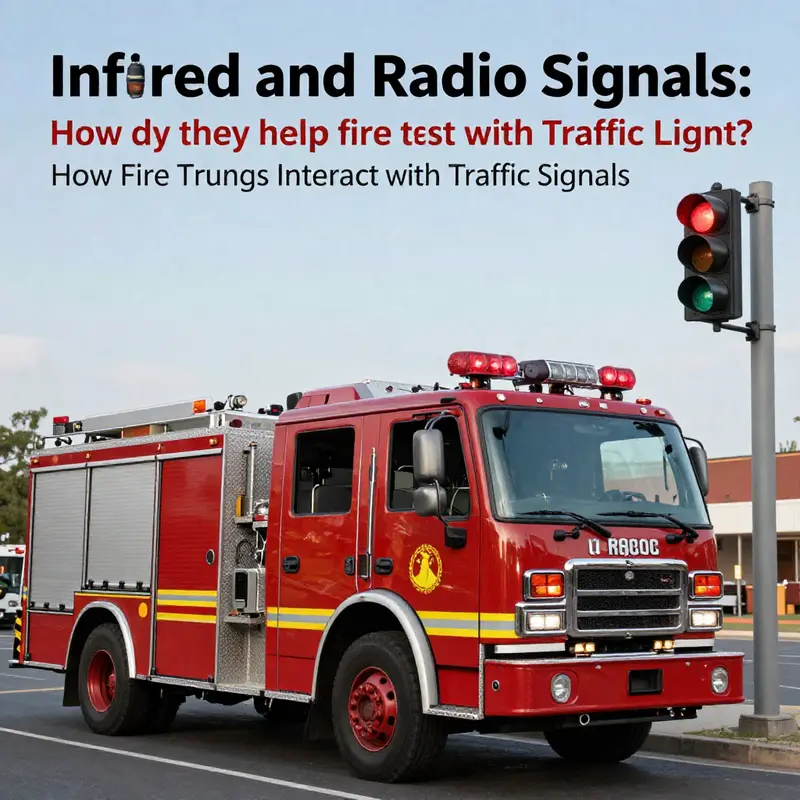
When emergency vehicles speed through city streets, their safe passage is rarely left to chance. Instead, an intricate dance between technology and traffic management systems unfolds, enabling fire trucks and other emergency services to reach their destinations rapidly while minimizing risk. At the heart of this process lie two key kinds of signals – infrared and radio – each with distinct characteristics and benefits that together create a reliable system to change traffic light patterns, clear intersections, and save lives.
In many urban centers, the technology that allows a fire truck to influence a traffic signal is not about changing the programming of a light permanently but triggering a temporary shift in its cycle. This automated system is specifically designed to respond to emergency vehicles. When a fire truck approaches an intersection, its emergency equipment sends out a unique signal. This transmitted signal is picked up by receivers integrated into the traffic light system. The traffic light, in response, is reprogrammed momentarily to provide a clear path by turning green in the direction of the approaching vehicle while corresponding signals for cross-traffic are held at red. In this way, a potentially hazardous situation is transformed into one where the fire truck can navigate a complex urban grid with minimal delay and maximum safety.
The process is underpinned by two main types of communication methods: infrared (IR) signals and radio frequency (RF) signals. Each technology contributes in specific ways based on its properties. Infrared signals are well-known for requiring a direct line-of-sight between the transmitter and the receiver. In this method, a fire truck is equipped with an infrared transmitter often mounted on its roof. As the truck nears an intersection, it emits a well-defined infrared beam that informs the traffic signal control box about the vehicle’s presence. This system is precise and quick in its response; upon detecting the IR signal, the controller can immediately prioritize the fire truck’s path by changing the light to green or by extending the current green phase. Although the simplicity of infrared systems makes them attractive and cost-effective, their limitation lies in their dependency on a clear line-of-sight, meaning that obstacles such as other vehicles, construction, or even certain architectural features may occasionally interfere with the signal path.
Radio frequency systems, on the other hand, provide a robust and flexible alternative to infrared. Using wireless signals in the 400–900 MHz range, RF systems are capable of transmitting signals over longer distances and through various obstacles. This capability makes radio frequency an indispensable tool, particularly in complex urban settings where buildings, trees, and other barriers can block a direct line-of-sight. A fire truck outfitted with an RF transmitter sends a unique identification code along with information about its current location and direction of travel. The traffic signal system, receiving this comprehensive data, can adjust its operations not only at a single intersection but potentially across a network of intersections. This networked approach allows for the creation of a continuous green corridor – a so-called “green wave” – that guides the emergency vehicle along its route in an almost seamless manner. The advantage of radio frequency communication is in its reliability and its capacity to integrate with centralized traffic control centers, making it a key component in modern smart city initiatives.
What sets these systems apart is their capacity to reduce emergency response times, ultimately making a difference between life and death. For fire trucks, split-second decisions and immediate responses are critical. In scenarios where every second counts, the technology that controls traffic signals plays a silent yet pivotal role. Behind the scenes, the integration of these signal systems into the broader traffic management network involves a complex array of pre-programmed responses and backup protocols. These are not arbitrary changes but carefully calibrated responses designed to improve emergency vehicle passage without causing undue disruption to the flow of general traffic more than is absolutely necessary.
The implementation of these technologies is not uniform across all cities. Many metropolitan areas have embraced these systems to varying degrees, recognizing the benefits of reduced intersection delays. In some regions, extensive upgrades to traffic infrastructure have been made to incorporate both infrared and radio systems. It is also worth noting that governmental agencies and city planners constantly review and update these systems to improve their efficiency and address emerging challenges. The goal is always the same: to safely and swiftly clear the way for emergency response vehicles without compromising the safety of other road users.
One of the notable advantages of the dual-system approach is the complementary nature of infrared and radio signals. Infrared technology, with its simplicity and immediacy, works excellently in scenarios where conditions are ideal. However, when a fire truck is approaching an intersection from an angle or if the environmental conditions reduce the effectiveness of infrared, the radio frequency system often provides a backup solution. Radio systems not only bridge the gap but, in many cases, are integrated into a city-wide traffic management system. This integration ensures that even if one technology encounters a limitation, the other can maintain the necessary communication link.
The development and deployment of these preemption systems are not without challenges. Engineers and traffic authorities must balance the need for a rapid response for emergency vehicles with the overall efficiency and safety of the road network. When an emergency vehicle activates a preemption signal, the traffic lights and control systems must recalibrate spontaneously. The algorithms that govern these changes take into account a host of factors, including the current light cycle, the expected delay in adjusting the signals, and the predicted arrival time of the emergency vehicle. These systems must be resilient to error and adaptive in real time, a sophisticated task that requires continuous monitoring and occasional manual override by traffic controllers.
Beyond the technological intricacies, there is also a broader story about how communities adopt and support these innovations. Public safety is a shared responsibility, and the collaboration between emergency services, traffic authorities, and technology providers is essential. Ongoing training, regular system tests, and scheduled maintenance ensure that the preemption systems function as intended at all times. In recent years, efforts to upgrade and modernize traffic control systems have paid attention to these requirements. Cities that invest in smart technologies can benefit from improved traffic flow even outside of emergency situations, as the lessons learned from preemption systems often inform other aspects of urban planning and road safety management.
Eastern and Western cities have, in many cases, taken different approaches to integrating these systems into their traffic networks. While some cities started with rudimentary infrared signaling systems, others opted for early adoption of radio frequency-based solutions due to their greater flexibility. As urban environments continue to grow and become more complex, the importance of these integrated systems becomes even more apparent. In many forward-thinking cities, researchers and engineers work in tandem with emergency personnel to fine-tune protocols and develop new strategies to overcome unique challenges. The result is an evolving ecosystem where technology not only supports immediate life-saving actions but also informs the future design of urban infrastructure.
Furthermore, the reliability of the radio frequency system has encouraged its wide-scale adoption. Cities that have taken the step to incorporate RF-based preemption find that this technology is able to maintain performance even under adverse conditions. Whereas infrared can sometimes be thwarted by weather conditions like heavy rain or fog, radio signals tend to hold steady, ensuring that emergency vehicles have the most reliable communication possible. This reliability extends to the capability of integrating with centralized control systems, which not only monitor the signals at individual intersections but also coordinate responses over broad geographical areas. In doing so, urban areas can create a kind of synchronized rhythm throughout the city that promotes faster emergency response and reduced congestion in critical moments.
Many urban centers now benefit from the advantages offered by radio frequency technology. This implementation goes far beyond the immediate benefits to emergency vehicles. In several cases, integrated systems have demonstrated cost efficiencies by reducing overall traffic delays, lowering the risk of accidents, and minimizing the wear and tear on vehicles caused by stop-and-go traffic. This ripple effect has broader implications for city planning, as more efficient traffic management strategies contribute to a higher quality of life for all citizens. For example, the installation of these systems can be part of a larger investment in smart city solutions, where the benefits of advanced communication networks extend well beyond the emergency response domain.
In terms of technical design, the interplay between signal transmitters and receivers is a marvel of modern engineering. A fire truck’s emitter, whether it relies on infrared or radio frequency, is designed to send out coded pulses or continuous signals that carry a unique set of identifiers. In many cases, these identifiers are not just a means of communication but also a secure code that ensures the signal is recognized by the traffic control infrastructure without interference from non-emergency vehicles. In practice, the fire truck’s signal is processed so swiftly by the control box that the delay between signal emission and the corresponding change in the traffic light is virtually imperceptible on the road. This rapid reaction is crucial because every fraction of a second matters when the vehicle is barreling towards an emergency scene.
Another fascinating aspect of these technologies is their future potential as part of a broader move towards smart transportation systems. As urban centers continue to invest in infrastructure that supports wireless communication and real-time data analysis, the signal preemption systems used by fire trucks might evolve further. Future iterations of these systems may incorporate additional forms of communication such as vehicle-to-infrastructure (V2I) networking and even artificial intelligence. With such advancements, traffic management systems might eventually predict the routes of emergency vehicles and adjust the overall traffic flow proactively. This would further cement the role of technology in reducing response times and enhancing public safety.
The story of how fire trucks interact with traffic signals is as much about the evolution of urban technology as it is about the immediate benefits seen on a busy city street. Integrating infrared and radio systems into traffic control is a perfect example of technology that works quietly in the background to support urgent missions. It is a field where engineering, public policy, and emergency management meet, resulting in innovations that not only save lives but also pave the way for more resilient urban landscapes. The interplay between precision automation and responsive signal alterations is a reminder of how modern cities are built on layers of interconnected systems, each designed with one goal in mind: to safeguard human life and promote efficient mobility.
In practice, the successful implementation of these systems requires careful planning and ongoing collaboration between various stakeholders. Emergency vehicle manufacturers, communication technology companies, city traffic planners, and public safety officials must all coordinate to ensure that the signals work seamlessly. It is not merely a case of installing hardware and hoping for the best. Instead, it involves continuous training, system testing, and iterative improvements informed by real world data.
A practical example can be seen in the way fire trucks equipped with these advanced signal preemption systems navigate congested urban intersections. As the vehicle approaches an intersection, its built-in transmitter – whether utilizing infrared technology or more robust radio frequencies – sends out its unique identifier. The traffic control box embedded in the intersection receives the signal and consults its pre-programmed instructions. If all conditions are met, the control box swings the traffic light to green on the emergency vehicle’s side, ensuring that the path is clear. In a few cases, the system may even extend the green phase, providing an extra margin of safety as the vehicle powers through. This fluid communication between the fire truck and the traffic system is what distinguishes modern emergency response operations from those of the past, where delays and misunderstandings could cost precious time.
Beyond the technical details, it is necessary to appreciate the human element inherent in these systems. Emergency responders are trained to work with these technologies, and they understand that the signals they rely on are part of a larger network that has been meticulously engineered for reliability. The confidence that comes from knowing the traffic will be cleared in time enables them to focus on the most critical task at hand – saving lives and protecting property. The technology, while advanced, serves a fundamentally human purpose: to transform potential chaos into order during moments of crisis.
For those interested in deeper insights into the specialized equipment used in emergency operations, examining various categories of emergency vehicles like heavy-duty fire trucks can offer a window into how such technology is integrated and continually improved. Each vehicle is a complex assembly of communication devices, safety systems, and cutting-edge engineering, all meticulously designed to support rapid response in high-pressure environments.
As cities continue to evolve with technological innovation, the integration of infrared and radio signal systems into traffic management is likely to expand further. The future holds the promise of even more refined systems that offer greater reliability, efficiency, and adaptability to different urban conditions. As research progresses and as smart city initiatives gain steam, the intersection of advanced communication technology and public safety will remain a critical area for innovation. These advancements will not only optimize the way emergency vehicles are served by traffic systems but also contribute to a broader vision of urban resilience and improved quality of life.
In summary, the interplay between infrared and radio signals provides fire trucks with an invaluable tool to help clear their path through congested streets. The combined use of line-of-sight infrared communication and robust radio frequency transmissions creates a system that is both immediate and flexible. This synergy enhances the ability of emergency vehicles to navigate intersections safely, minimizes delays, and ultimately supports the broader mission of public safety. The ongoing evolution of these systems reflects the way modern technology can be harnessed to protect communities and improve urban mobility. For more detailed information on how these ingenious systems operate in practice, please refer to the comprehensive resource available at FHWA Emergency Vehicle Preemption Factsheet.
Navigating Intersection Dynamics: Regional Approaches to Emergency Vehicle Traffic Signal Control
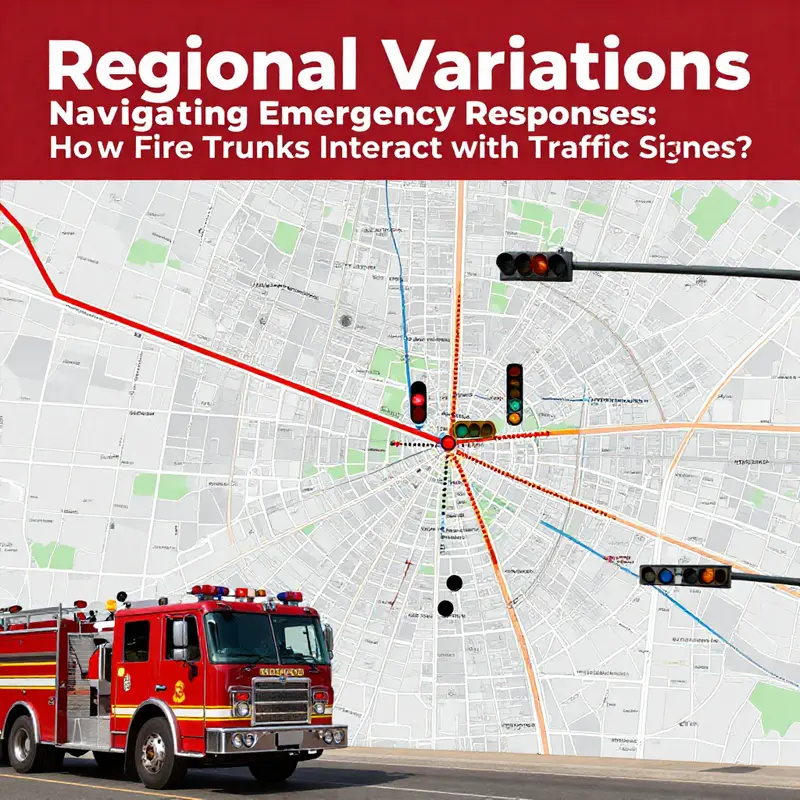
In cities and towns around the country, the sight and sound of an emergency vehicle racing through an intersection is both a testament to advanced engineering and a critical demonstration of public safety in action. Fire trucks, in particular, rely on a sophisticated network of sensors, signals, and communications that can alter the flow of traffic in moments of crisis. Although these vehicles do not change traffic lights in the traditional sense of manual intervention or direct programming changes, the technology behind what is known as traffic signal preemption plays a vital role in ensuring rapid response times. This chapter explores how diverse regions implement and manage these systems, how the technology functions in different urban and rural environments, and how varying infrastructural investments and regional priorities shape the way fire trucks and other emergency vehicles interact with traffic signals.
At the core of this discussion is the concept of traffic signal preemption, a system that temporarily grants an unobstructed passage to emergency vehicles by altering the phase of the traffic lights. In many urban centers, preemption systems are installed at critical intersections as a matter of public safety, responding almost instantaneously when a fire truck—equipped with either an infrared transmitter or a radio frequency emitter—approaches. The sensors embedded in the intersection’s control boxes detect these signals, prompting a brief pause in the normal cycle that gives the approaching fire truck a clear path. Although the fire truck does not manually press a button to force a switch in the lights, the underlying design is meant to ensure that all emergency vehicles can navigate a challenging urban landscape without delay.
The technology behind preemption is not uniform, reflecting the technological and infrastructural diversity seen across different regions. In major metropolitan areas like New York, Los Angeles, and Chicago, the integration of advanced communication systems and state-of-the-art traffic management centers has led to highly responsive preemption technology. These cities have invested significant resources in ensuring that the emergency vehicles, including various models of fire trucks such as the standard fire fighting truck, can travel without interference. In these urban settings, the control systems are often synchronized with a central management network, allowing city officials to monitor, adjust, and evaluate the performance of the preemption systems routinely.
Conversely, in rural areas or smaller municipalities where budgetary constraints and lower traffic volumes may not justify the high cost of advanced technology, traffic signals often rely on traditional systems. In these regions, fire trucks usually depend on the combination of loud sirens and flashing lights in order to alert drivers and manually negotiate through busy intersections. The disparity between rural and urban implementations often stems from differing priorities in public safety spending. Urban areas typically view the high cost of preemption systems as a necessary investment to counterbalance traffic congestion and the potential delay caused by busy urban infrastructures, while rural areas calculate that the risks under lower traffic densities do not justify such expenditures.
One of the interesting aspects of this technology is its adaptability and scalability. For instance, some cities have implemented hybrid systems where, depending on the time of day or the specific intersection, the infrastructure can dynamically switch between regular traffic management and emergency preemption mode. As city planners seek to integrate smart city proposals into existing road networks, the trend towards implementing variable traffic management and advanced preemption systems is likely to expand. The underlying principle remains the same: providing a safer, more efficient route for emergency vehicles during crises, irrespective of the underlying technology.
While the systems have a common goal, the specific methodologies differ. In some cases, the approach is based on infrared signals. A sensor mounted on the fire truck emits a beam that is picked up by receivers at intersections, causing the traffic control system to shift the light pattern accordingly. In other cases, the vehicles utilize radio frequency communications that send encoded messages directly to the intersection’s control box. Each method has its own advantages and potential limitations. Infrared signals, for example, depend heavily on the line-of-sight between the transmitter and the sensor, which could be hindered by visual obstructions or adverse weather conditions. Radio-frequency systems, on the other hand, benefit from a broader range of communication, but they can be susceptible to interference from other devices operating on similar frequencies.
This technological variability is compounded by regional policy decisions and the evolution of safety standards over time. Many cities, particularly those with a high volume of vehicular traffic, have instituted detailed protocols to ensure that preemption systems do not create new hazards. The coordination between emergency services and traffic control centers is critical—if a fire truck is granted an uninterrupted green light, cross traffic must be convincingly halted, and any lag in response times can pose serious risks. Such intricacies require constant monitoring and regular system updates, ensuring that the hardware and software governing these intersections remain robust in the face of to evolving communication standards.
As public expectations for rapid emergency response grow, so too does the emphasis on precision in traffic signal preemption. This evolution is further underscored by various compliance regulations and testing protocols imposed at national and state levels. Regulatory bodies conduct frequent assessments to gauge the reliability and timeliness of preemption responses. Investments in remote monitoring systems and real-time data analysis are helping city officials determine where system upgrades are necessary and where they have already succeeded in reducing delays during emergencies. Public safety officials, in tandem with local government and technology vendors, focus on the careful calibration of these systems so that even during peak traffic hours, the lights can switch to clear passage for emergency vehicles while minimizing the disruption to other road users.
Beyond the signal preemption system itself, the broader landscape of traffic management is undergoing transformation. With the advent of smart vehicles and synchronized urban grids, the future of emergency response may well lie in systems that integrate not only traffic signals but also the movement patterns and real-time decisions of all vehicles on the road. In such an environment, fire trucks and other emergency vehicles might soon communicate with smart traffic nodes, enabling an even more coordinated approach to navigating busy intersections. These developments will likely include the integration of vehicle-to-infrastructure (V2I) communication protocols, where automated systems further reduce the reliance on manual or semi-automated preemption. While such systems are still largely in the experimental phase, early implementations in certain metropolitan areas indicate promising results in efficiency and safety.
Undoubtedly, regional variation in these technologies is inevitable, given the disparate financial and logistical capabilities across jurisdictions. In certain suburbs or remote regions, roads and intersections may only be equipped with basic sensors, still heavily reliant on traditional visual and auditory signals such as sirens and flashing lights. Here, the human element remains critical. Experienced drivers, both of emergency vehicles and standard traffic, must rely on their instincts and community norms developed over decades of manual navigation through intersections. In many respects, the differences between the most advanced urban centers and less-equipped rural areas highlight a broader conversation about equity in public safety infrastructure. Community leaders, emergency responders, and local governments continue to debate the merits of spending on cutting-edge preemption technologies versus reinforcing tried and tested manual intersection navigation and driver education.
Some regions have recognized the need for a balanced approach and have begun pilot programs designed to bridge the gap between modern preemption technology and conventional methods. Such initiatives often involve incremental upgrades, where legacy systems are retrofitted with digital communication modules that can eventually be integrated with smart traffic grids. These programs have also aimed at building redundancy into the system, where traditional siren-based alerts still serve as a critical backup in case of technological failure or system malfunctions. This layered strategy not only provides safety nets for emergency operations but also allows municipalities to gradually adjust to the rapid pace of technological advancement without the need for disruptive large-scale overhauls.
In exploring the interplay between technology, regional infrastructure, and emergency safety protocols, it becomes clear that the success of preemption systems is not solely dependent on technology. Staffing, training, community awareness, and cross-agency coordination all assume vital roles. Firefighters and drivers alike receive extensive training on how to operate safely under these ever-changing conditions. For instance, many urban fire departments hold regular drills that simulate preemption scenarios, ensuring that both the emergency response teams and the traffic control centers are operating in sync. These drills underscore not only the importance of modern preemption technology but also the enduring necessity for human vigilance and collaboration during crisis situations.
Moreover, the strategic deployment of such systems often leads to a broader rethinking of urban design. Some cities have begun installing dedicated emergency lanes or redesigning intersections to minimize the complexity of vehicular interactions during emergencies. Although these adaptations come at a significant cost, the long-term benefits in saving lives and reducing property damage during critical incidents are seen as worthwhile investments. The conversation thus evolves to include not only the direct technological benefits of preemption systems but also the policy and planning decisions that underpin future urban resilience.
Even as technology improves and urban planning evolves, critics sometimes point out that preemption systems can create unforeseen challenges. For example, drivers might become overly dependent on the reliability of these systems, leading to a potential lapse in their own driving vigilance. On the other hand, there is the risk of malfunction where a preemption error could lead to accidents if cross traffic fails to stop in time. These criticisms, however, have spurred efforts to improve system redundancies and integrate more robust feedback mechanisms to continually calibrate system performance. In a balancing act, emergency service providers and technology vendors work together to iterate on system designs, incorporating lessons learned from real-world operations and simulation exercises alike.
The gradual convergence of traditional and modern methodologies is evident in many regional studies where emergency vehicle preemption has been implemented. An increasing number of municipalities have taken cues from leading urban centers by not only adopting state-of-the-art technology but also reinforcing community safety practices that emphasize driver awareness and adherence to traffic norms. This combination of technology and human judgment, when executed effectively, forms the backbone of an efficient emergency response system.
The transformative potential of these systems is clear as each region adopts strategies tailored to its own specific needs and challenges. In metropolitan areas with dense traffic networks, the reliance on immediate data exchange and real-time processing is paramount. The precision required in such environments means that even slight improvements in system response can translate into significant time savings, which can be crucial during life-threatening emergencies. Meanwhile, in less densely populated regions where driving speeds may be higher and intersection layouts simpler, the systems are designed with flexibility in mind, ensuring that minimal technological investment does not compromise the safety of emergency responders.
As discussions about future transit and smart city initiatives gather momentum, many city planners and decision-makers are beginning to look at emergency response systems as an integral part of broader traffic management strategies. In this emerging paradigm, preemption is envisioned as one element in a complex mosaic that also includes automated vehicle technology, integrated sensor networks, and real-time data analytics. One emerging concept is the idea of a centralized command system that could manage traffic flows not only for preemption purposes but also to optimize the overall distribution of vehicles in crowded urban environments. Such a holistic approach would allow for better resource allocation during emergencies, helping to ensure that fire trucks, ambulances, and police vehicles can all reach their destinations as quickly and safely as possible.
Continued research and development in this field are essential. Municipalities, in collaboration with federal agencies, are fostering pilots and demonstration projects to further refine these systems. As the technology matures, both urban and rural regions are expected to see improvements in the robustness and reliability of traffic signal preemption. For instance, advances in machine learning and artificial intelligence are being explored as ways to predict traffic patterns and dynamically adjust preemption responses. This forward-thinking research is paving the way for an era where emergency vehicle navigation is not a reactive process but a proactive, intelligent network constantly adapting to situational changes on the ground.
The regional variations in emergency response and traffic signal control ultimately reflect broader societal values and priorities. Urban centers, with their complex layouts and high population densities, have embraced the latest technological advances to create safer roadways and faster emergency response times, while rural areas continue to harness a blend of traditional practices and modern upgrades. As communities across the nation work toward enhancing public safety and ensuring efficient emergency response, it becomes evident that technological innovation, when allied with thoughtful planning and steadfast collaboration, can yield substantial benefits.
For further detailed insights into the implementation and technical specifications of emergency vehicle preemption systems, readers may refer to the resources provided by the National Highway Traffic Safety Administration (NHTSA).
Manual Maneuvers: Overcoming the Limitations of Non-Preemptive Traffic Light Systems in Emergency Response
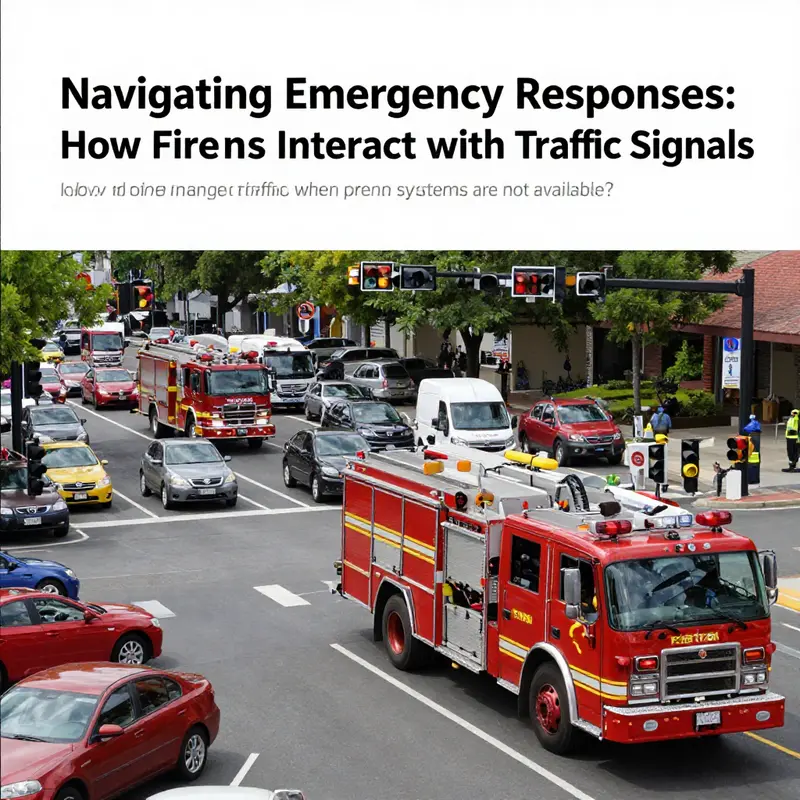
When automated traffic signal preemption systems are not available, fire truck operators face a distinct set of challenges that force them to rely on manual maneuvers and time-tested, non-technological methods in order to reach emergencies quickly. In the absence of pre-programmed aid from roadside technologies, every moment becomes a balancing act between urgency and safety—both for the emergency responders and for the other road users. Fire departments must depend on a combination of flashing lights, deafening sirens, and coordinated efforts with other public safety officers to negotiate intersections that remain locked into fixed or sensor-based cycles not attuned to the unpredictable needs of an emergency response.
The situation is further complicated by the fact that fire trucks are not equipped with any direct mechanism that allows them to interface with traffic signals in a way that forces a change. Instead, they rely on the assumption that their visual and sonic signals capture the attention of drivers and, in many cases, local traffic management personnel. These manual signals serve as a beacon for caution, alerting drivers to slow or halt their progress as an emergency vehicle gains approach. However, such signals can only supplement rather than replace the efficacy of automated preemption systems. Without a dedicated channel to communicate with the traffic light controller, fire trucks depend on the natural progression of the signal cycle or on human intervention at the intersection.
In urban areas where modern preemption technology is present, fire trucks can benefit from sensors that detect infrared or radio signals and shift the light phase to green in their favor. But many intersections around the world are still governed by legacy systems lacking such capabilities, leaving emergency responders with few alternatives but to rely on the established norms of road courtesy and the goodwill of other drivers. The reliance on sirens and flashing lights is a critical temporary mechanism used to alert drivers. Drivers may slow or change lanes when they hear the siren, but this manual approach is often fraught with uncertainty. The timing of a green signal in these cases depends entirely on the pre-set programming of the traffic light, chances, and sometimes even on the presence of a police officer standing by to assist.
The complexity of manual intervention increases markedly during rush hour or in areas with dense traffic, where the typical reaction of motorists may be delayed or confused. In these conditions, fire trucks must carefully maneuver through intersections that have not been modified to accommodate their unique needs. Often, a fire truck will begin its approach with its siren blaring and lights flashing, anticipating that the nearby vehicles and any traffic control personnel will yield. Yet, delays are inevitable when the intersection remains locked into its cycle, forcing the emergency crew to wait until the natural sequence of lights favors their path. In certain cases, responders may even need to interact with local law enforcement stationed at the scene to secure a safe passage through the intersection. This human element introduces additional variables, including the potential for miscommunication and the inherent delay of human reaction time.
Moreover, in older urban environments or in regions where infrastructure investment has lagged behind technological advancements, entire control systems may not be designed with emergency vehicle passage in mind. Here, fire trucks encounter intersections that have no capacity whatsoever to recognize an approaching emergency vehicle. The result is a reliance on pre-determined signal intervals or sensor-based triggers that are oblivious to the urgency of an approaching fleet. The absence of modern technology in these regions makes every fraction of a minute count, and the fire service has had to adapt by training personnel to anticipate traffic flows, time their approaches carefully, and perform complex maneuvers even when the signal phase does not change in their favor.
One often overlooked aspect in this context is the human factor. Traffic engineers design control systems to manage routine flow and optimize commuter travel times. However, these systems are not flexible enough to account for the variability introduced by emergency scenarios. Firefighters and other emergency responders, therefore, must operate with the understanding that the intersection they approach might not provide them with any immediate relief. They are forced to make rapid decisions in real time, evaluating whether to proceed cautiously through an intersection with an amber or red light or to wait until a natural green cycle arrives. Such decisions are made under pressure and can have significant ramifications not only for the favoring emergency vehicle but also for public safety as a whole.
Significantly, this reliance on traditional methods opens up discussions about the limitations and potential risks associated with non-preemptive traffic environments. In the absence of direct communication between the fire truck and the traffic signal infrastructure, the safe passage of the truck is dependent on the responsiveness of other drivers and the coordination of on-scene traffic police. However, even the best-trained drivers may be caught off guard when faced with a vehicle barreling toward an intersection without the benefit of a signal tailored to its approach. Without an instant automated override and in the midst of heavy traffic, a delay of even a few seconds can exacerbate the situation, especially when every second counts in emergency scenarios. The risk of secondary accidents increases when other drivers misinterpret the intentions of the emergency vehicle, underscoring the importance of continuous training and public awareness about yielding to emergency vehicles.
In some instances, fire trucks encounter scenarios where manual coordination with local authorities is necessary. Police officers may be dispatched to busy intersections to facilitate the passage of the emergency vehicle. This temporary human intervention, though effective in the short term, is far from a perfect substitute for a systemic, automated solution. Throughout the urban landscape, reliance on such arrangements varies considerably from one jurisdiction to another. In well-coordinated regions, established protocols can reduce delays and minimize the risks inherent in non-preemptive systems. In contrast, in regions lacking such organizational support, the absence of a synchronized communication method between fire trucks and traffic signals can lead to undue delays and, in worst-case scenarios, jeopardize the safety of both emergency responders and the general public.
The challenges become even more pronounced in scenarios involving heavy traffic, narrow streets, or convoluted intersection geometries. Under these circumstances, manual maneuvers require a heightened level of concentration and exceptional driving skill. Emergency responders must not only contend with the limitations of fixed traffic cycles but also engage in split-second judgments regarding the movement of other vehicles. The urgency to act quickly is counterbalanced by the need to ensure that moving through an intersection does not cause additional hazards or chaos. This delicate balancing act highlights the inherent risk in relying solely on sirens and flashing lights when technology that can automatically secure a green light is absent.
A practical example of such challenges can be drawn from the experiences of firefighters in certain metropolitan areas. In a densely populated urban district, a fire truck may find itself approaching a busy intersection during peak hours. With no automated system in place to preempt the usual cycle of the traffic light, the fire engine must rely on its sirens and flashing lights to alert drivers. However, if other vehicles are slow to react or if drivers are uncertain about the correct action to take, the fire truck might find its progress impeded. In some cases, the delay forces firefighters to wait an extra critical minute or two, time during which every second can have life-altering consequences for those in need of swift assistance. These real-world challenges underscore the limitations of non-preemptive systems and the importance of continued investment in technology that can support emergency response efforts.
The effectiveness of manual intervention is not solely determined by the actions of the fire truck but hinges on a coordinated effort that spans multiple disciplines. Emergency vehicle operators undergo rigorous training to manage these situations, yet they sometimes must make interpretive decisions in unpredictable environments. The interplay between the auditory signals from the siren and the visual cues provided by the flashing lights is central to the manual approach. Fire trucks often adopt a defensive driving stance to compensate for the uncertainty of the traffic signal cycle, using their size and presence to encourage drivers to yield. In parallel, local law enforcement may be alerted through radio communications or dispatched to the scene to help manage the congregation of vehicles. The synergy of these measures is crucial in ensuring that, despite the absence of automatic systems, the emergency response is delivered as safely and swiftly as possible.
Given these persistent challenges, several avenues for improvement have been explored by both transportation engineers and emergency response experts. Retrofitting intersections with even basic forms of communicative technology, or designing systems that can integrate emergency signals more responsively, has been a topic of research in recent years. While fully automated preemption systems offer a promising solution, their implementation is often cost-prohibitive or technically complex in areas with outdated infrastructure. In many cases, incremental upgrades—such as advanced sensor integrations or temporary manual override systems at key intersections—may provide a necessary stopgap. These strategies, while not a complete substitute for modern technology, offer a complement to the existing manual interventions and may mitigate some of the delays and risks currently experienced by emergency responders.
The implications of these challenges extend beyond the immediate concerns of traffic light management. The delay in emergency response times has a direct impact on community safety, a factor that continually drives both public policy and technological investment. The absence of preemption systems not only increases the risk of accidents at intersections but also contributes to a slower overall response that can cost lives. Fire departments, emergency responders, and public authorities must therefore work in tandem to enhance both technology and training. The introduction of pilot programs and research studies, such as those detailed in recent analyses, provides valuable data and insights that inform future improvements. For an in-depth look at these technological challenges and the proposed upgrades, readers may find additional details in studies like the one available through the MDPI article on emergency vehicle preemption here.
Another critical aspect is community awareness and the importance of driver education in the absence of automated systems. When the onus falls on individual motorists to identify and respond to an approaching fire truck, it becomes vitally important that the general public understands both the risks involved and the appropriate measures to take. Educational programs and public service announcements can play an essential role in ensuring that drivers not only recognize the signals but also know how to act promptly and safely. By fostering a culture of mutual respect and responsiveness on the road, communities can help mitigate some of the systemic deficiencies that emerge when technology is not available to override typical traffic operations. For example, municipalities with a strong record of collaboration between emergency services and local drivers report fewer delays and a lower incidence of secondary accidents.
In the evolution of urban infrastructure, the trend is clear: there is a growing recognition of the need to bridge the gap left by areas that lack modern preemption technology. While many large cities have successfully integrated automated systems and continue to expand their capabilities, there remains a significant number of intersections where fire trucks must rely on manual interventions. This legacy of technology—and the vulnerabilities it presents—serves as a constant reminder of the need for investment in infrastructure that can adapt to the unpredictable demands of emergency response. Until infrastructure upgrades become universal, fire trucks and their crews will continue to operate under conditions that require both caution and courage. In some scenarios, this means sacrificing time and risking exposure to hazardous situations simply because the infrastructure cannot yet support their needs seamlessly.
While many may view these manual maneuvers as mere stopgap measures, they represent a critical intersection of technology, human skill, and urban design. The ability of a fire truck to safely and efficiently navigate a non-preemptive traffic environment is a testament to the training, experience, and adaptability of emergency responders. Despite the growing availability of automated systems in newer installations, the challenges in less modernized areas persist and call for a concerted effort by city planners, engineers, and policymakers to renew investment in critical technology. Communities have much to gain from such investments, as improved response times not only save lives but also reduce the economic and social costs associated with delayed emergency responses.
In summary, the absence of automatic traffic signal preemption leaves fire trucks dependent on sirens, flashing lights, and coordinated efforts with law enforcement and local drivers. The challenges associated with such manual methods are manifold, from the unpredictability of fixed cycle signals to the inherent delays in human reaction times. As urban areas continue to develop, accompanied by growing complexities in traffic management, the reliance on these non-technological methods serves as both a reminder and a call to action for improved infrastructure. For additional insights into the evolving design of emergency response vehicles and systems, interested readers might explore resources dedicated to modern fire engine technology, such as information provided on fire fighting truck categories at this fire fighting truck resource.
This narrative underscores the critical need for modernization in our traffic systems, highlighting both the ingenuity of emergency responders and the inherent vulnerabilities of outdated technologies. The interplay between technology and human skill in these high-pressure situations is complex and demands a continued commitment to research, training, and infrastructure development. As advancements in preemption systems gradually become more widespread, the risks associated with manual intervention may diminish. However, until such systems are universally deployed, emergency responders will continue to rely on a combination of caution, speed, and coordination to safely navigate intersections and secure timely responses to emergencies. The ongoing evolution of urban traffic management remains intertwined with public safety, and any progress in this area promises to not only improve emergency response times but also enhance overall road safety for every user.
In an environment where every second and every decision matters, the challenges of non-preemptive traffic control serve as a powerful reminder of the delicate balance between technology and human intervention. With dedicated training programs, incremental technological upgrades, and enhanced collaboration between emergency services and local authorities, many of these challenges can be reduced. The journey to a fully integrated system that recognizes and adapts to the unique needs of emergency vehicles is ongoing. Until then, the valor and resourcefulness of fire truck crews continue to shine through as they navigate intersections with caution, precision, and unwavering commitment to saving lives.
Final thoughts
Understanding the dynamics of how fire trucks interact with traffic signals sheds light on the importance of sophisticated systems designed for urban safety. For business owners, the implementation of traffic signal preemption systems not only ensures faster emergency responses but also enhances public safety, making communities more resilient. By advocating for improved traffic management technologies, businesses can play a role in supporting local emergency services and fostering a safer environment.

