
















Understanding how fire trucks are powered is crucial for business owners operating in industries related to emergency services and public safety. This article explores the unique fueling needs of fire trucks, emphasizing their preference for diesel fuel over gasoline. We will uncover the essential processes involved in refueling fire trucks, examine the safety considerations crucial for emergency vehicles, and discuss innovations in mobile fueling solutions that enhance efficiency. By the end of this guide, you’ll have a clear understanding of fueling logistics critical to the operations of firefighting units.
Fueling the Flames: Uncovering the Diesel Dynamics and Refueling Practices Behind Fire Trucks
When we consider the world of emergency response, one of the least discussed yet most critical aspects is the unique fueling process that fire trucks undergo. Unlike everyday automobiles that run on gasoline, these life-saving machines are built around heavy-duty diesel engines. The choice of diesel is not arbitrary but results from decades of careful design decisions that prioritize power, efficiency, and safety. In essence, understanding how fire trucks get gas – or more accurately, diesel – is not only about fuel logistics but also about how engineering, operational needs, and safety considerations converge to ensure that firefighting apparatus are always ready for duty.
Diesel engines have become the standard for fire trucks for several compelling reasons. First and foremost, diesel fuel provides a higher energy density, meaning more power is extracted from each gallon compared to gasoline. This feature is essential when the vehicle must pull heavy equipment, operate high-pressure water pumps, and transport large volumes of gear over long distances to reach emergencies swiftly. Additionally, diesel engines produce high torque at low revolutions per minute (RPM), which is crucial for quick acceleration and maneuverability when every second counts. The robust nature of diesel engines, designed to handle extensive compression and continuous stress, further cements their role in emergency vehicles where reliability is non-negotiable. Even during prolonged use and harsh conditions, diesel engines have proven to last much longer than their gasoline counterparts, making them a dependable choice for departments that can ill afford a breakdown on the way to an incident.
Beyond the mechanical advantages, there is an inherent safety benefit in choosing diesel over gasoline. Diesel fuel possesses a higher flash point, reducing the risk of accidental ignition during a collision or exposure to high heat environments. This lowered flammability attribute is particularly important for fire trucks, where the density of onboard equipment and the intense situations they operate in can amplify hazards. The increased safety margin provided by diesel not only protects the vehicle and its crew but also minimizes the potential for secondary fires during emergencies. This characteristic is one of the many reasons why many fire departments invest in dedicated fueling solutions to ensure that their engines are always operating on the safest possible fuel.
The practicalities of refueling a fire truck also differ significantly from regular cars. While most civilian vehicles pull into a gasoline station and quickly top off their tanks, fire trucks are commonly refueled via more specialized methods. Many larger metropolitan fire departments have established their own on-site fueling stations, complete with large storage tanks that keep diesel readily accessible. This arrangement allows fire trucks to be refueled rapidly in the midst of ongoing operations without the need to venture off-site to a commercial fuel station. In situations where a fire truck is deployed far from its home station or during large-scale emergencies, dedicated mobile fueling units – sometimes known as fuel tenders – can be dispatched directly to the location. These mobile solutions ensure that a vehicle’s operational readiness is maintained even if it is temporarily stranded far from its regular refueling depot.
In cases where fire trucks are required to use alternative fuel sources, the story becomes even more interesting. While diesel remains dominant, some departments are beginning to explore and invest in other options such as biodiesel, compressed natural gas (CNG), and even electric power systems. Biodiesel, which is produced from renewable sources like vegetable oils or animal fats, offers an environmentally friendly alternative that not only reduces carbon emissions but also can be stored alongside traditional fuels to provide flexibility. Compressed natural gas presents another intriguing option as it burns cleaner than diesel, albeit with trade-offs in terms of energy output and infrastructure requirements. Perhaps most ambitiously, manufacturers and fire departments are exploring electric drivetrains that promise near-silent operation and zero tailpipe emissions. However, the transition to these alternative fuels is cautious and measured, given the critical need for a reliable power source in life-or-death situations. The substantial investment in existing diesel technology and the robust fueling infrastructure already in place mean that any switch to alternative fuels must overcome considerable logistical, financial, and reliability hurdles.
Despite the clear advantages of diesel, the fuels used in fire trucks underscore a broader commitment to operational excellence. Every decision—from selecting a fuel with high energy density to ensuring that refueling stations are strategically located—reflects a seamless blend of engineering innovation and practical experience. Firefighters and maintenance crews work closely to monitor fuel levels and ensure that refueling is done with precision, avoiding any delays that might compromise an emergency response. In modern fire departments, the fueling process is part of an elaborate logistical system that integrates inventory management, scheduled maintenance, and real-time monitoring. This integrated approach helps guarantee that when the call for help comes, the engine runs reliably, the pumps operate optimally, and precious time is never wasted.
To dive a little deeper, it is important to recognize that fire trucks, like all heavy-duty emergency vehicles, require fuels that not only power them through routine shifts but are also capable of withstanding the rigors of emergency service. The engine’s durability is paramount because these vehicles operate under constant stress; they may need to navigate uneven terrains, squeeze into narrow access points during urban emergencies, or work continuously during prolonged disaster responses. The viscosity and stable chemical composition of diesel help maintain engine performance even under extreme conditions. Consequently, fire departments invest heavily in training personnel not only to operate the vehicles safely but also to conduct routine checks on the fuel system, ensuring that any potential issues are identified and resolved before they escalate into serious operational hindrances.
Indeed, the process of refueling a fire truck is much more than a simple pit stop. When a refuel is underway, every step – from monitoring fuel quality to ensuring proper storage and handling – is governed by stringent guidelines and best practices mandated by regulatory bodies. The National Fire Protection Association (NFPA) has long provided detailed standards that address the design, construction, and performance of fire apparatus, including the specifics of their fuel systems. These guidelines serve as a critical reference, ensuring that all fire trucks, regardless of the department, adhere to the same high standards of safety and performance. Knowledge of these standards is essential for anyone involved in managing or operating fire trucks, as they help mitigate risks and optimize the performance of these vital machines. For more detailed technical insights and standards on fire apparatus fueling systems, interested readers can refer to the comprehensive resources available directly from the National Fire Protection Association.
At times, comparing fire trucks’ fueling methods with those of everyday vehicles reveals intriguing contrasts. While a typical vehicle’s fuel economy and quick stops at a local gas station might seem trivial, for a fire truck, every drop of fuel is a critical asset. Today’s fire trucks often rely on complex systems that track fuel consumption in real time, helping commanders understand driving patterns, optimize routes, and even plan for emergencies where additional refueling support might be necessary. This level of detail is necessary not only for maintaining operational readiness but also for reducing long-term costs. With fuel accounting for a significant portion of a fire department’s budget, efficiency is not merely a matter of speed but of strategic resource management.
From depot-based fueling to on-the-move mobile refuelers, modern fire trucks are supported by a sophisticated network that ensures they are always ready to hit the road. In some instances, departments maintain dedicated fuel storage facilities that are exclusively operated for emergency services. These sites eliminate the uncertainties associated with commercial fuel providers and allow for stringent quality control. Indeed, the existence of these specialized facilities underscores a broader philosophy: that every element of fire truck maintenance, including fuel preparation, must be optimized for safety and reliability. Moreover, careful fuel management ensures that even during major crises, when multiple units may be deployed simultaneously, there is a centralized system to manage demand and quickly distribute fuel where it is needed most. This is a testament to the level of organization that underpins emergency response operations and the foresight of modern logistical planning.
While diesel remains the undisputed champion in powering fire trucks, the ongoing exploration of alternative fuels introduces both promise and complexity. For example, departments experimenting with alternative fuels often face obstacles such as retrofitting older models, dealing with infrastructure inadequacies, and managing the higher upfront costs associated with these greener technologies. Even as biodiesel and compressed natural gas gain traction in some regions, the bulky nature and high energy demands of firefighting vehicles create unique challenges that are not as pronounced in civilian or lighter-duty commercial vehicles. The judicious balance between maintaining tried-and-true diesel technology and the gradual incorporation of newer, possibly more sustainable alternatives is a dance of innovation and reliability. In many ways, the process of integrating alternative fuels into fire truck operations mirrors the broader challenges of transitioning any critical system to new technology – a process marked by cautious optimism, rigorous testing, and incremental phases of approval.
The operational narrative behind fire truck fueling also holds lessons in the broader context of emergency preparedness. The protocols governing when and how to refuel are meticulously planned and rehearsed, forming an integral part of training programs for both drivers and mechanics. Routine drills often incorporate simulated fuel shortages and emergency refueling scenarios to ensure that every team member understands the precise steps required to keep the vehicle in prime condition. This emphasis on preparedness extends beyond physical operations to include the seamless integration of technology and data analytics. When a fire truck is dispatched, its fuel system is monitored just as closely as its engine performance, an approach that ensures potential issues can be addressed long before they result in operational downtime.
Furthermore, the careful orchestration of fuel management plays a vital role in overall strategic planning during large-scale emergencies. When multiple units are deployed across wide geographical areas, ensuring that each unit has sufficient fuel can be a logistical challenge. Departments often coordinate with local fuel suppliers and utilize specialized tools that monitor fuel reserves in real time. This strategic coordination is especially important in scenarios such as wildfires or natural disasters, where the network of fire trucks must operate continuously for extended periods. By maintaining rigorous fueling protocols and leveraging advanced technologies, fire departments minimize the risk of a fuel-related disruption during a crisis, allowing firefighters to focus solely on saving lives and property.
Another important aspect of fire truck fueling is its contribution to the overall sustainability and fiscal responsibility of fire departments. With fuel costs constituting a major part of operating expenses, the efficiency of diesel engines and the robust nature of the fuel infrastructure help optimize the overall budget. The careful selection of fuel types and the emphasis on regular maintenance mean that fire trucks can operate longer between refueling stops, reducing both downtime and the wear and tear on critical components. For those interested in understanding more about specialized fire truck variations and their support systems, departments can explore detailed information available through dedicated industry resources such as the insights on gas supply solutions provided by this gas supply fire truck resource.
The story of how fire trucks get gas, or rather diesel, is an excellent example of the intersection between engineering, logistics, and public safety. It is a story of meticulous design, where every element – from the fuel’s chemical composition to the layout of refueling depots – is chosen with the ultimate goal of maximizing performance during emergencies. Operational protocols are designed to ensure that each truck is never far from a refuel, that every drop of fuel is managed efficiently, and that the entire system operates in harmony with strict regulatory standards. The fueling practices in fire service are, therefore, not simply about keeping an engine running but about sustaining an entire ecosystem dedicated to rapid and reliable emergency response.
As we reflect on the complexities of fueling emergency vehicles, it becomes evident that these practices are driven by more than just technology. They embody a commitment to readiness, resilience, and innovation. Fire trucks, emblematic of our community’s safety, depend on a refined system of fuel management that supports both everyday operations and extraordinary crisis response. The interplay between traditional diesel technology and emerging alternative fuels offers an insight into the ongoing evolution of emergency services – one that is continually adapting to meet the demands of modern challenges. This narrative is not static; it evolves as new technologies emerge and as fire departments strive to enhance efficiency without compromising the integrity and reliability of their operations.
In summary, the processes underlying how fire trucks get gas illustrate a convergence of technical prowess and strategic planning. From the advantages of diesel fuel, such as enhanced torque and improved safety, to the structured protocols that facilitate rapid and safe refueling, every component of this system is designed with one overriding principle in mind: readiness. By ensuring that fire trucks remain fueled, efficient, and safe under all conditions, fire departments are able to maintain a critical edge in emergency response. Such efforts reflect not only a dedication to the craft of firefighting but also a sophisticated understanding of the operational demands that define life-saving work.
Fueling the Engines of Safety: The Diesel-Driven Logistics Behind Fire Truck Refueling
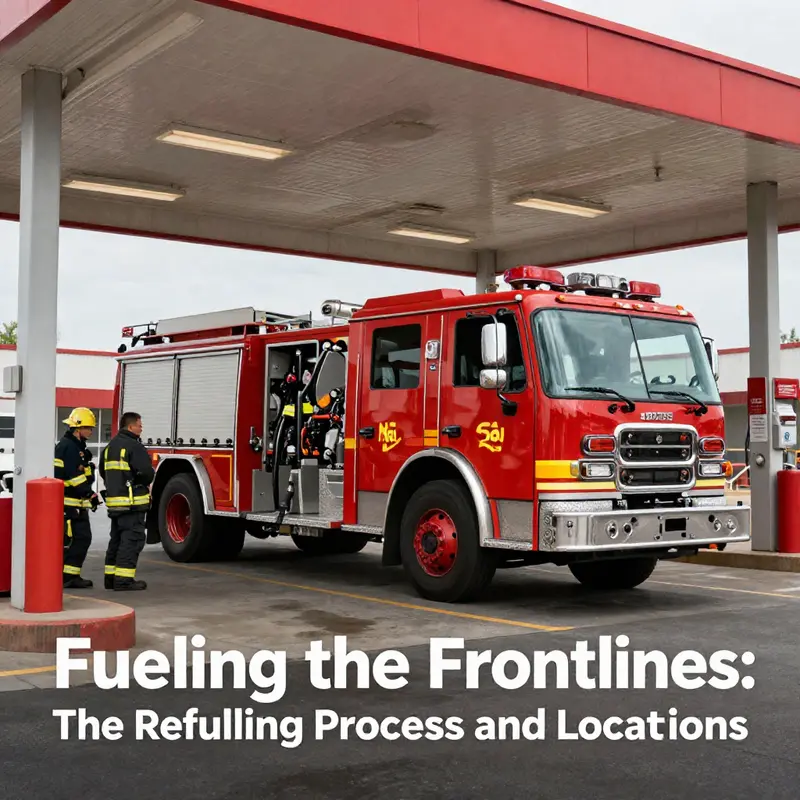
Fire trucks are marvels of engineering, designed not only to combat flames and rescue lives but also to function as highly reliable mobile command centers in emergencies. Unlike everyday vehicles that sip on gasoline at local service stations, fire trucks rely on diesel fuel—a decision rooted in practicality, performance, and safety. Diesel fuel, with its higher energy density and better efficiency, is ideal for the large internal combustion engines that power these firefighting giants. This chapter delves into the intricate world of fire truck refueling, exposing the technologies and logistical considerations that ensure these indispensable vehicles are always ready to roll into action.
The heartbeat of every fire truck lies in its robust diesel engine. These engines are built to not only provide the raw mechanical power necessary to drive the vehicle but also to operate the hydraulic pumps that are essential for water and foam deployment. Diesel engines generate torque at low speeds, making them especially well-suited for the heavy loads and sudden accelerations demanded by emergency responses. Because of these characteristics, diesel is favored over gasoline—its energy density means that fire trucks can haul larger fuel reserves without sacrificing performance, and its lower volatility enhances safety by lowering the risks of fuel-related fires. Understanding these technicalities is essential when considering why and how fire trucks are refueled in a manner distinct from everyday vehicles.
When a fire truck returns from a call or completes a routine maintenance cycle, its refueling process is managed with the same precision and care that define all aspects of emergency service operations. Many fire departments maintain dedicated fuel depots on-site. These depots are not merely parking lots for massive vehicles; they are sophisticated fueling stations complete with large storage tanks, specialized pumps, and safety features designed to mitigate any risk of accidental ignition. At these stations, refueling is orchestrated by specially trained personnel who follow strict guidelines to ensure that the diesel is transferred safely and efficiently. This process not only keeps the fleet ready for immediate deployment but also minimizes downtime—the last thing any fire department can afford during critical emergencies.
In situations where a fire truck is required to operate away from its home base, the refueling strategy adapts to the environment. Commercial diesel stations, which are equipped to handle large vehicles, serve as critical lifelines for departments when trucks are on extended missions or during large-scale incidents. Such stations are chosen for their capacity to handle high-volume fuel transfers and their adherence to safety standards that are on par with what is expected at departmental fueling depots. On rare occasions, mobile fueling units are deployed. These units, essentially specialized fuel tenders, are capable of bringing diesel directly to the scene or back to the fire station when a truck’s fuel levels dip unexpectedly. The versatility of mobile fueling underscores the importance of planning and adaptability in emergency management.
At the heart of the refueling process is a series of carefully crafted procedures that prioritize both efficiency and safety. Upon arriving at a fueling station—be it a permanent depot or a commercial facility—the fire truck is maneuvered into a designated fueling bay. Here, the vehicle is connected either to a fixed dispenser or a portable unit, with technicians ensuring that all connections are secure and that any ground faults or static electricity hazards are neutralized. This methodical approach helps eliminate the potential for accidents, a crucial consideration given the inherently volatile nature of any fuel-handling operation. The process is monitored constantly, with gauges and automated systems providing real-time feedback on fuel levels, dispensing rates, and potential anomalies. Each refueling event is logged meticulously so that the department maintains a clear record of fuel consumption, cost efficiency, and scheduling for maintenance needs.
Beyond the technical procedure of transferring diesel, the planning behind fire truck refueling is itself an exercise in strategic resource management. Fire departments, which often manage fleets of dozens of vehicles, must balance the demands of daily operations against the logistical challenges of fueling. In many cases, the fueling infrastructure is integrated with overall fleet management systems that track fuel expenses, vehicle run times, and maintenance schedules. This data-driven approach allows departments to forecast future fuel needs, plan for budgetary expenditures, and even schedule refueling during times of lower operational demand to maximize readiness during high-risk periods. The integration of technology in these processes ensures that no fire truck is left stranded due to an unexpected fuel shortage and that every vehicle is maintained at peak performance.
An important facet of this complex operability is the way in which the fueling process functions as part of a broader ecosystem that supports fire-fighting operations. The diesel fueling system is just one component within an elaborate logistical network that includes vehicle maintenance, equipment checks, and continuous training for emergency crews. When a fire truck pulls into a refueling bay, it is not just receiving fuel—it is undergoing a period of inspection and recalibration. For instance, technicians might perform quick diagnostics on the engine, check hydraulic pressure levels, or verify that on-board systems are operating within acceptable parameters. This holistic view of vehicle readiness ensures that fire trucks are not only fueled but are mechanically primed to execute their vital functions at a moment’s notice.
Safety is paramount throughout the refueling journey. Diesel fuel, while less flammable than gasoline, still requires careful handling. Fire departments adhere to rigorous safety protocols that are subject to continual revision and scrutiny by national safety organizations. Standard operating procedures are crafted with the insights provided by detailed research and historical data on accidents, fuel spills, and mechanical failures. Firefighters and technicians alike are trained to respond swiftly to any irregularities during refueling. Moreover, the design of dedicated fueling depots incorporates multiple layers of fail-safes, including automatic shutoff valves and emergency spill containment systems. These measures mean that even in the rare event of a mishap, the risk of catastrophic failure is minimized. For those interested in a deeper dive into the standards and practices governing these operations, resources are available from organizations such as the National Fire Protection Association’s Fire Department Vehicle Maintenance.
The efficiency of the diesel refueling process is also a driver of cost-effectiveness in modern fire services. Given the unpredictable nature of emergency calls, every minute counts and no vehicle can be sidelined or delayed due to inefficient fueling practices. The ability to refuel quickly and safely directly impacts response times and service reliability. In many municipalities, budgeting for fuel is a significant component of overall operational spending. By investing in modern, automated fueling systems and regularly training staff on best practices, fire departments are able to reduce long-term costs linked to both fuel consumption and maintenance. This financial prudence ensures that resources are available for other critical areas such as equipment upgrades and personnel training, all of which contribute to public safety.
In addition to the focus on efficiency and safety, the fire truck refueling process also illustrates the broader theme of technological integration that is becoming increasingly common in emergency services. Innovations in digital monitoring, automated fueling systems, and even remote diagnostics are steadily transforming the way refueling is managed. For example, some departments are experimenting with sensor-based systems that automatically notify operators when a tank is running low or alert them to potential mechanical issues before they become problematic. These incremental improvements contribute not only to a smoother fueling process but also to a more proactive maintenance culture that ultimately enhances the reliability of the entire fleet. The evolution of these systems is a testament to how modern technology can be harnessed to meet the distinct demands of emergency response vehicles—a step change that is critical in an era where every second saved can mean the difference between life and death.
Beyond the mechanics and technology, the human element remains at the core of every fire truck refueling operation. Dedicated teams work round the clock, ensuring that each vehicle is ready for duty. These professionals understand that their actions directly impact the safety of both firefighters and the communities they serve. Their expertise extends beyond routine engine checks; it encompasses a deep familiarity with the unique challenges presented by diesel fuel handling and the specific maintenance needs of fire apparatus. In many instances, the same individuals who complete a refueling task are also involved in routine vehicle maintenance checks, creating a culture where every aspect of fire truck care is interdependent. This dedication to excellence allows fire trucks to remain a symbol of reliability and safety, underpinning the trust that the public places in emergency services.
From the perspective of fleet management, the refueling process also serves as an opportunity to standardize operations and promote inter-departmental best practices. By studying fuel consumption patterns and maintenance logs, departments can optimize routes, reduce idle times, and even adjust schedules to minimize fuel wastage. Collaborative efforts among fire departments at regional, state, and national levels have led to the development of comprehensive guidelines that address every nuance of fire truck operations, from refueling to large-scale emergency response. These efforts are bolstered by ongoing research and technological advancements that continually refine operational protocols. In this sense, refueling is not an isolated task; it is an integral part of an ecosystem that leverages efficiency and cooperation to enhance overall public safety.
As one delves into the world of fire truck fueling, it is evident that behind every routine refuel is a complex web of engineering, logistics, and strategic planning. The process is a microcosm of the broader challenges facing emergency services today—the need to be perpetually ready, to respond to crises with precision, and to safeguard both people and property. For those fascinated by the nuances of emergency vehicle operations, exploring additional details on topics such as modern fire fighting truck solutions unveils even more layers of sophistication in these systems. Every drop of diesel fired through carefully controlled dispensing systems represents not only energy but also a lifeline that powers the relentless drive to protect communities.
In conclusion, while the question “how do fire trucks get gas” might invite a simplistic answer, the reality is both complex and intriguing. Fire trucks are not merely refueled like common cars; their refilling process is an integral part of a much larger strategy that ensures rapid, effective emergency response. From the selection of diesel fuel to the intricacies of on-site detonations and mobile fueling solutions, every step has been honed by decades of experience, technology, and practical wisdom. This meticulous attention to detail ensures that when disaster strikes, every fire truck is fully primed and ready—its diesel engine a steadfast heartbeat in the symphony of emergency response. For further insights into the technical and operational aspects of fire truck refueling and maintenance, professionals and enthusiasts are encouraged to review additional materials provided by recognized entities committed to advancing fire safety standards.
Diesel Dynamics: The Engine of Firefighting and the Fueling Practices Behind It
Fire trucks are marvels of engineering, purpose-built to perform under the most demanding conditions. One of the lesser-known yet critical aspects of their design is the choice of fuel, which directly influences their performance, safety, and longevity. In a world where most cars rely on gasoline, fire trucks stand apart by running on diesel fuel. This choice is far from arbitrary. Diesel engines provide high torque, enhanced fuel efficiency, and an overall robustness that simply cannot be matched by their gasoline-fueled counterparts. This chapter explores the intricate relationship between diesel fuel and firefighting operations, delving into why diesel has become the fuel of choice, the operational and safety benefits it offers, and the various methods employed to ensure that these essential vehicles are always ready to spring into action.
Diesel fuel’s higher energy density means that even small quantities pack a significant amount of power, enabling fire trucks to perform strenuous tasks such as navigating heavy loads and operating water pumps with ease. The dramatic torque output of diesel engines is a well-known advantage; it means that even when a fire truck is laden with both equipment and water—a combination that makes the vehicle exceptionally heavy—the engine produces the additional force necessary to get the job done effectively. This higher torque also translates into a heightened level of reliability during emergencies. When every second counts, the last thing a fire department can ignore is the possibility of a fuel-related engine failure. With diesel fuel, this risk is markedly reduced due to its inherent properties.
Alongside the energy benefits, safety has always been at the forefront of firefighting technology. Diesel fuel is markedly less flammable than gasoline, a characteristic that, while it may seem secondary in everyday vehicles, becomes a critical safety component in the realm of emergency services. Fire trucks are often called upon to operate in hazardous environments where every additional risk factor must be minimized. The reduced flammability inherent in diesel reduces the potential for accidental ignition or dangerous explosions should a leak occur. This safety margin is one of the many reasons why fire departments around the world have committed to diesel-fueled engines for their firefighting apparatus.
When it comes to refueling, fire trucks follow a system that is as robust and carefully designed as the vehicles themselves. Dedicated fire department fuel depots are commonly integrated into the infrastructure of many fire stations. These fuel depots are not merely backup storage facilities; they are critical components of an emergency service’s logistical network. By having their own tanks and pumps on-site, fire departments can ensure that refueling is both immediate and secure, allowing the fleet to remain at peak readiness. This strategy eliminates the need to travel to commercial fueling stations during off-hours or during the early moments of an emergency, where seconds can make the difference between a contained incident and a full-blown disaster.
On the road or at remote incidents, the convenience and reliability of diesel fuel supply are maintained through the use of commercial diesel fuel stations. These stations are equipped to handle large vehicles and often have infrastructures in place to serve emergency services promptly. Even when a fire truck is deployed far from its home base, the network of commercial fuel stations guarantees that refueling can be conducted with minimal disruption to operations. This system of mutual support between the public infrastructure and fire services further enhances operational effectiveness during extended emergencies or regional incidents.
In some instances, fire departments employ mobile fueling units—vehicles specially designed to act as fuel carriers. These fuel tenders are capable of delivering diesel directly to the scene or back to the station, ensuring that there is never a long delay in resupplying the critical resource that keeps emergency vehicles operational. Mobile fueling units not only serve as a backup when traditional depots or fueling stations are inaccessible, but they also play a crucial role in remote disaster scenarios where damage to infrastructure might otherwise leave emergency services stranded without fuel. This flexibility is a testament to the commitment of fire departments to maintaining seamless operation, no matter the circumstances.
The design of modern diesel engines is a story of continuous evolution. Engineers have consistently refined diesel technology to enhance its durability and efficiency. These advancements are especially significant in firefighting, where a vehicle might be required to function for extended shifts and under sustained high-pressure conditions. Diesel engines are known for their longevity, which is critical because a fire truck may be called into action day after day, month after month, without fail. Unlike gasoline engines that often require more frequent maintenance and can be more prone to performance drops under continuous heavy use, diesel engines maintain a steady, reliable performance that is nothing short of essential in an emergency setting.
The operational reliability provided by diesel fuel is further underscored by its economic benefits. Despite the occasional fluctuations in fuel prices, diesel generally affords a better cost-to-performance ratio when it comes to heavy-duty vehicles. For fire departments, every dollar saved on fuel efficiency translates into additional resources that can be allocated to other critical areas, such as training, equipment maintenance, and community safety programs. In this way, the choice of diesel is not just a technical decision but also a strategic one that impacts broader operational budgets and service outcomes.
A closer examination of the diesel fueling process reveals a meticulously orchestrated routine that underpins its success. The initial stage involves strict quality control measures to ensure that only the right type of diesel is used. This step is fundamental to operational safety, as contaminants or incorrect fuel blends can lead to engine malfunctions or inefficiencies at critical moments. Once the correct diesel is verified, the refueling sequence is initiated, typically through connections that have been engineered to be both secure and adaptable to the varying designs of modern fire trucks. The fueling system itself is designed to allow quick disconnection and rapid reconnection, ensuring that the vehicle is back on the road with minimal downtime.
Fire departments also engage in rigorous staff training to maintain proficiency with fuel management, ensuring that every firefighter not only understands the mechanical aspects of their truck but also grasps the intricacies of safe fuel handling. Training covers both routine operations and emergency protocols for refueling under less-than-ideal conditions. Through regular drills and updated procedures, fire crews build a level of preparedness that is essential when operating under pressure. The human factor in this scenario is as vital as the mechanical reliability of diesel engines, and the combination of both fuels a system designed for excellence in emergency response.
Beyond conventional refueling scenarios, innovating methods such as remote fueling technology are beginning to emerge. These systems enable fuel delivery in extreme situations and from alternative locations, further mitigating any risk of prolonged downtime during disasters. As technology continues to evolve, future firefighting apparatus might integrate even more sophisticated fuel management systems that feature on-board fuel monitoring, automated alerts for refueling needs, and even predictive maintenance algorithms that pre-emptively signal the potential for fuel system issues. This intersection of digital technology with traditional diesel mechanics represents the next frontier in ensuring that every fire truck remains mission-ready at all times.
It is worth acknowledging that while diesel is the standard, there have been rare instances where older models or specialized roles have operated on gasoline. These exceptions, however, are increasingly uncommon as the fire service globally standardizes on diesel for its proven advantages. The legacy of gasoline-powered fire trucks serves as an interesting historical footnote in the evolution of firefighting technology, reflecting the continuous pursuit of safety and efficiency. Modern engineering trends favor diesel overwhelmingly, and for good reason. The safety profile, combined with the engineering performance enhancements, marks diesel as indispensable in the high-stakes arena of emergency response.
Fuel supply logistics extend into the realm of infrastructure planning. In an industry where every second counts, ensuring a reliable diesel supply is as critical as the fire trucks themselves. This has led fire departments to invest in on-site storage and streamlined delivery protocols. Some departments have constructed robust, state-of-the-art depots that are specifically designed to mitigate any kind of supply chain disruption. These facilities are often equipped with advanced monitoring systems that provide real-time data on fuel levels, temperature, and other critical parameters, thereby enabling proactive management of resources.
The integration of modern pump technology and automated systems in these fuel depots furthers the safe handling of diesel fuel. Automated pumping systems not only speed up the refueling process but also ensure that human error is minimized. This blend of technology and practice ensures that refueling procedures align perfectly with the high operational tempo that fire emergencies require. A thoughtful design of these systems is a reflection of the meticulous planning that characterizes modern fire services. This dynamic alignment between advanced technology and proven fueling techniques ensures that fire trucks are always ready, reinforcing the trust that communities place in their emergency responders.
Operational efficiency is further boosted by collaborative efforts with commercial fuel providers. Establishing strong relationships with these suppliers means that during crises, fire departments can rely on fast and dependable access to diesel, regardless of their location. This networked approach to fuel supply is critical in regions with extensive geographical challenges or where emergency incidents are widespread. By fostering these relationships, fire departments create an ecosystem in which safety and response times are optimized. One example of such a collaboration can be seen through the adoption of innovative fuel management tools, offering insights into consumption patterns and projections for future needs. This information proves invaluable when planning large-scale emergency responses or routine operations alike.
Amid the myriad considerations involved in diesel fueling, a focus on safety remains paramount. Fire departments implement layered safety protocols that begin with comprehensive employee training at every level of operation. Personnel are educated on the specific properties of diesel, including how to identify potential hazards and what steps to take in emergency scenarios involving fuel leaks or spills. This thorough understanding of diesel safety protocols is essential not only during routine operations but also when unusual circumstances arise, such as during severe weather or infrastructural failures. It is this unwavering commitment to safety that underpins every decision made in the field of fire truck fueling.
In practice, the integration of diesel fuel and specialized fueling practices has enabled fire departments to maintain an outstanding operational record. The combination of high-powered diesel engines, rigorous maintenance standards, and innovative fueling strategies has allowed fire trucks to perform reliably, day after day. The confidence that comes from knowing their vehicles are powered by robust, efficient diesel engines is a cornerstone of firefighting operations. This assurance, in turn, reinforces the morale and readiness of fire crews, enabling them to face emergencies with an unyielding determination.
For those interested in further exploring the infrastructure behind these essential vehicles, there are comprehensive resources available that delve into the specifics of fuel supply logistics for fire apparatus. For instance, detailed descriptions of modern fuel supply solutions for fire trucks can be found by visiting a dedicated page on fuel management, which highlights the diverse methods from on-site depots to mobile fueling units and specialized commercial stations. This deeper understanding serves as a reminder that the smooth operation of fire trucks is not merely a factor of mechanical engineering but also a triumph of logistical orchestration.
In closing, the relationship between diesel fuel and fire trucks is a multifaceted one that encompasses engineering excellence, safety considerations, and strategic logistical planning. The advantages of diesel—its high torque, efficiency, and lower flammability—directly contribute to the robust performance required in emergency scenarios. Fire departments have refined their fueling practices to the point where on-site depots, commercial stations, and mobile fueling units seamlessly converge into an integrated network that supports continuous operational readiness. This network not only empowers firefighters by providing reliable and safe access to fuel but also symbolizes the advanced state of emergency response today.
For more detailed insights and authoritative guidelines on fire apparatus fueling and other operational safety measures, readers are encouraged to visit the National Fire Protection Association’s website at NFPA.
Furthermore, exploring solutions related to the fuel systems of emergency vehicles can offer valuable technical perspective. Visit this page for more on fuel supply solutions for fire trucks, which provides an in-depth look into the modern infrastructure that supports rapid and safe fueling practices.
As fire departments continue to innovate and evolve, the methods of providing power to these essential vehicles will undoubtedly advance as well. The journey from raw diesel fuel to a finely tuned, high-performance engine is a testament to human ingenuity and the relentless pursuit of excellence in public safety. The story of diesel in firefighting is one of adaptation and resilience, where every technical improvement and every refined procedure contributes to making communities safer. From the robust design of diesel engines to the sophisticated logistics of fuel supply, every element plays a vital role in ensuring that when duty calls, fire trucks are more than ready to meet it.
Fueling the Brave: Exploring the Critical Safety Protocols in Fire Truck Refueling Operations
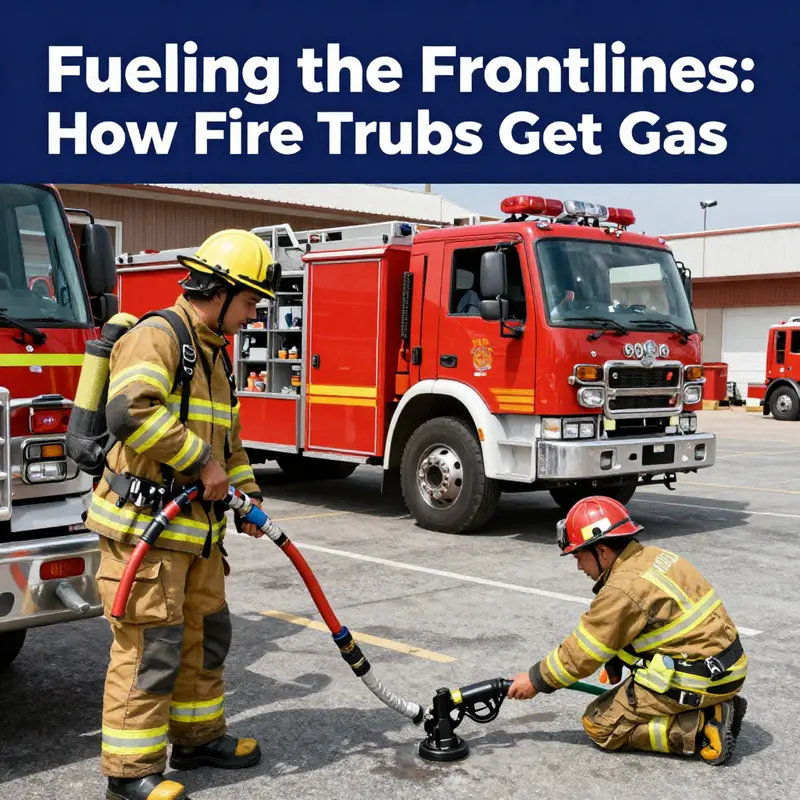
Fire trucks represent the epitome of readiness and resilience. Every component of these emergency vehicles is designed for peak performance, and perhaps one of the most crucial yet often misunderstood aspects is how they refuel. Contrary to everyday vehicles that pull up to a local gas station, fire trucks operate on a complex, safety-first fueling system. Traditionally, these vehicles are powered by diesel fuel—a choice that stems from diesel’s higher energy density, greater fuel efficiency, and the inherent safety advantages it offers over gasoline. In an environment where every second counts, the refueling process must be both rapid and secure to ensure that the fleet is always ready to respond to emergencies.
At its core, the fueling process for fire trucks is governed by an unwavering commitment to safety and reliability. Each vehicle, loaded with critical equipment and a crew prepared to face dangerous conditions, must have its fuel replenished without compromising operations. Instead of the conventional pump we see at typical gas stations, fire trucks are usually refueled through highly regulated procedures designed to minimize risk. Many fire departments have established dedicated fuel depots on-site, providing a controlled environment where diesel is stored in large tanks secured with advanced safety technologies including spill containment systems and automatic shutoff valves. This on-site refueling method not only enhances operational efficiency by reducing downtime but also safeguards the fuel from the hazards of transportation and public handling.
In situations where refueling must occur away from a fixed base, specialized mobile refueling units come into play. These mobile systems are engineered specifically for emergency vehicle fleets, ensuring that a fire truck can be refilled rapidly even when it is stationed at incident scenes or during extended operations. Mobile refueling units are equipped with advanced features that include grounded fuel lines and flame arrestors—components that are critical in forestalling any risk of ignition or accidental spillage. The rigors of emergency response demand that these units comply not only with the high standards set by manufacturers but also with the stringent guidelines established by organizations such as the National Fire Protection Association (NFPA) and governmental bodies overseeing hazardous materials and transportation. The meticulous design of these mobile refueling vehicles reflects a layered philosophy in safety: every element, from the fuel tanks to the pumps, adheres to protocols that preempt potential hazards.
When considering why diesel is the preferred fuel, it is important to note that diesel engines provide a more robust performance profile under heavy loads and long hours of operation. Fire trucks, often hauling multiple tons of specialized equipment, benefit from the torque and durability offered by diesel engines. Additionally, diesel’s lower volatility compared to gasoline significantly reduces the risk of fire or explosion during fueling—a paramount concern when handling such large volumes of fuel. Even in the rare instance where a fire truck might be powered by gasoline, the refueling process would follow methods aligned with rigorous safety standards. Such instances are usually reserved for older models or specific roles where alternative specifications call for different protocols.
Equally important to the mechanical safety features of the fueling process is the human factor involved. Operators of mobile refueling units and on-site fueling personnel undergo extensive training that encompasses every conceivable safety procedure related to fuel management. These training programs are not just routine exercises; they are comprehensive curriculums designed to ensure that personnel are adept at handling high-pressure situations. Whether it involves managing a potential fuel spill or navigating the complex logistics of refueling in a high-stress environment, every operator is well-versed in the critical actions needed to mitigate risks. This thorough training translates directly into reduced response times and heightened safety margins, ensuring that both the fuel itself and the personnel handling it are protected.
In many ways, the fueling strategy for fire trucks is a testament to how modern engineering and procedural rigor come together. At a dedicated fire department fuel depot, for instance, an array of safety measures are put into action concurrently. These depots are equipped with advanced monitoring systems that continuously check fuel levels, integrity of storage tanks, and real-time environmental conditions that might affect the safety of the stored diesel. This sort of oversight ensures that even before a vehicle arrives, the conditions at the depot meet the unimpeachable safety standards required for such high-stake operations. Likewise, commercial diesel fuel stations that support emergency fleets are commonly outfitted with upgraded equipment to handle large quantities of fuel efficiently and securely. These facilities often observe protocols that reflect not only regulatory compliance but also a deep understanding of the operational imperatives of fire service vehicles.
It is interesting to consider the broader implications of these refueling methods on overall emergency readiness. The ability to quickly and safely refuel a fire truck translates directly into a department’s capacity to remain on call without significant interruptions. In many regions, a single moment of delay can mean the difference between effectively quelling a blaze and a situation escalating into a catastrophe. Thus, every layer of these fueling practices has an implicit goal: to enhance the operational readiness of the fire service. By ensuring that vehicles are refueled swiftly and safely, departments can maintain a rapid deployment cycle, boosting public safety and confidence in emergency response systems.
The continuous improvement in fueling technology has also led to remarkable innovations in fuel delivery systems. Modern mobile refueling units, for example, are not simply mobile tanks on wheels—they are integrated systems that combine cutting-edge sensor technology, automated control mechanisms, and robust safety features. These units often incorporate real-time data monitoring that alerts operators to any fluctuation in pressure or temperature that might indicate potential problems. Such technological integration helps prevent accidents before they occur, ensuring that the fuel delivery is not only efficient but also responsive to the conditions on the ground. The evolution of these systems is a shining example of how technological progress can directly enhance public safety.
A critical dimension of these advances is the incorporation of fail-safes. For instance, many refueling systems now feature automatic shutoff valves that instantly cut the fuel flow if an anomaly is detected—such as an irregular surge in pressure or an unexpected change in temperature. Additionally, spill containment systems have been refined to capture and neutralize any accidental leaks immediately. This integration of multiple safety layers demonstrates that the modern approach to fire truck fueling is not reliant on a single protective measure; rather, it is a comprehensive ecosystem of protocols and technologies designed to safeguard both the vehicles and the operators. Such multi-tiered defenses are vital in a field where the margin for error is exceedingly slim.
The human element, as mentioned earlier, cannot be overstated in its contribution to overall safety. Operators, technicians, and maintenance crews all play a crucial role in ensuring that every fueling operation is conducted within the strict boundaries of established safety guidelines. Regular drills and simulated emergency scenarios ensure that every individual involved understands their role intimately. This preparedness not only boosts the confidence of the fire service personnel but also instills a culture where safety becomes a habit rather than an afterthought. Such a culture is exemplified in the daily routines of fire departments across the country and remains a cornerstone of effective emergency response.
It is also important to recognize that the process of fueling is not isolated from other aspects of a fire service’s operational planning. In fact, the strategies employed in refueling are often integrated into broader logistical plans. For example, during large-scale emergencies, where several fire trucks might be active simultaneously, a well-coordinated fueling plan is indispensable. These scenarios require a synchronized effort to ensure that no vehicle is left stranded due to a lack of fuel. This synchronization involves not only the deployment of mobile fueling units but also the strategic use of fixed fuel depots, enabling a seamless interchange between various types of refueling operations.
Moreover, the importance of reliable fueling extends to maintenance routines. Fire trucks, being heavy-duty vehicles, require regular servicing that often coincides with refueling. Integrated service stations that offer simultaneous refueling and maintenance are becoming more common. Through these integrated centers, fire departments are able to schedule routine repairs and checks concurrently with fuel delivery, ensuring that vehicles remain in peak condition while avoiding unnecessary delays. This holistic approach to vehicle readiness underscores the sophistication and foresight inherent in modern emergency management strategies.
An additional facet of these fueling operations is the role of regulatory compliance. Fire departments and their fueling systems are under constant scrutiny to ensure adherence to national and international safety standards. Regular audits, inspections, and certifications are part and parcel of the fueling process, guaranteeing that every piece of equipment is maintained according to the highest standards. These external checks foster an environment where continuous improvement is possible, as departments consistently incorporate feedback and advances in technology into their systems. Such rigorous compliance measures reassure both the public and the personnel that every possible precaution is being taken.
For those interested in exploring the various facets of fire truck technology further, detailed discussions and technical breakdowns can be found on platforms such as the specialized resource available on gas supply for fire trucks. This resource not only dives deep into the mechanics and safety protocols of fuel delivery systems but also highlights the interdependencies between different emergency vehicle components and their fueling requirements.
The layered architecture of fire truck fueling practices exemplifies a broader commitment to excellence in emergency services. Fueling is not merely a logistical necessity but a carefully orchestrated operation that safeguards lives, property, and the integrity of the statewide emergency response network. As technology continues to evolve, we can anticipate even more refined systems that further minimize risks and bolster efficiency. From the careful design of fuel storage tanks to the sophisticated automation in mobile refueling units, every aspect of this ecosystem reflects a priority on operational safety.
In reflecting on these complex processes, one gains an appreciation for the multifaceted challenges that fire departments face daily. The innovations in fueling practices highlight a proactive stance in addressing hazards inherent in the handling of combustible materials. With each technological update and procedural refinement, emergency services enhance their ability to protect communities in times of dire need. The strategic integration of dedicated fuel depots, mobile refueling units, and rigorous operator training underscores an ever-present readiness to confront emergencies with reliability and speed.
As fire trucks continue to evolve in form and function, so too will the methods by which they are maintained and prepared for duty. The intertwining of technology, training, and rigorous safety protocols creates a robust framework that has been honed over decades. This framework not only meets current challenges but is also adaptable to future innovations in alternative fuels and sustainable practices. With increasing emphasis on environmental concerns, it is possible that future iterations of fire truck fueling will incorporate bio-diesel blends or other eco-friendly options without compromising the stringent safety measures that are the backbone of current operations.
Every element of the fueling process is a reminder of the dedication displayed by those who serve on the front lines. It is a silent testament to the extensive planning and investment that goes into ensuring that when emergencies strike, every fire truck is ready to perform at its best. The ecosystem of equipment, technology, and human expertise coalesces into a seamless operation that prioritizes safety above all else. For those interested in the regulatory and operational dimensions of these practices, additional insights can be explored through the guidelines set forth by the National Fire Protection Association.
In summary, the story of fire truck refueling is one of intricate planning, technological innovation, and unwavering commitment to safety. Every step of the fueling process, from the secure storage of diesel at dedicated depots to the advanced mechanisms in mobile refueling units, mirrors a strategic effort to ensure that emergency vehicles remain perpetually mission-ready. This dimension of firefighting operations is as critical as the vehicles themselves, reinforcing the idea that every drop of fuel embodies the promise of swift, effective emergency response. It is within this context that the fueling process transcends routine maintenance and becomes an essential pillar supporting the broader mission of safeguarding communities during their most vulnerable moments.
Mobile Fueling Breakthroughs: Enhancing Fuel Logistics and Operational Readiness for Fire Trucks
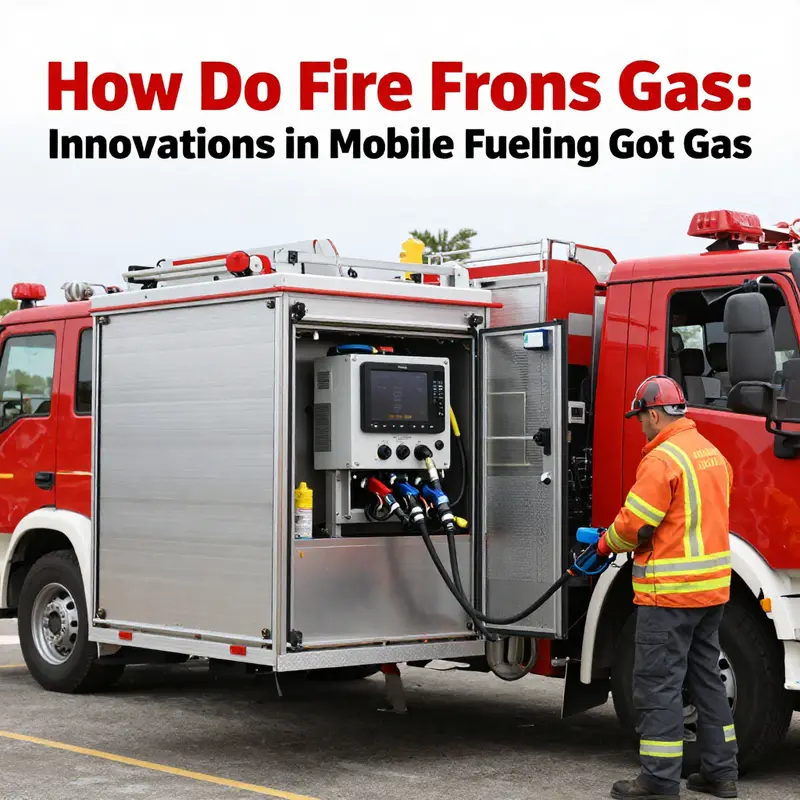
In the realm of emergency response, the challenge of keeping fire trucks fueled and ready is more comprehensive than one might initially assume. Although the common phrase “how do fire trucks get gas” may evoke images of standard gas stations and quick stops, the reality is that fire trucks are engineered for safety and efficiency with entirely different fueling strategies. Notably, these vehicles are designed to run on diesel rather than gasoline, a choice driven by diesel’s higher energy density, enhanced fuel efficiency, and inherently lower flammability. This conscious decision in fuel type not only benefits fire department operations by providing robust power and endurance but also ensures that the vehicles function safely in the demanding environments they are tasked to serve.
Fire trucks are built to operate under extraordinary circumstances. In emergencies where every second counts, extensive preparation in multiple dimensions of logistics is crucial. Considering the severity of incidents they are summoned to tackle, it becomes imperative that the refueling process itself does not impede rapid response times. Many fire departments have therefore invested in infrastructure that minimizes the need for lengthy detours to commercial fueling stations. A significant portion of fire trucks are refueled at dedicated departmental fuel depots equipped with on-site storage tanks and diesel pumps. This arrangement allows crews to return to operational readiness promptly. However, while these methods suffice under routine circumstances, evolving scenarios in emergency management have spurred innovations that extend traditional fueling practices to new, dynamic solutions.
Recent technological advancements have opened the door to mobile fueling solutions. Among these, mobile LPG (liquefied petroleum gas) dispenser trucks have emerged as a pioneering approach to refueling in contexts where fixed infrastructure is unavailable or impractical. Though these mobile units are not typically used to refuel fire trucks in everyday operations, they represent a broader trend within the industry to address the challenges posed by remote locations or disaster-affected areas. Mobile fueling strategies have the potential to revolutionize emergency response by ensuring that critical vehicles, including fire trucks, can be refueled on-site even in the absence of traditional fuel stations.
Modern mobile fueling units are engineered with versatility and resilience at their core. They come in various capacities, ranging from small-scale models with up to 5,000 liters of fuel to larger systems capable of holding more than 20,000 liters. The design of these devices is meticulously planned to accommodate the high-pressure nature of fueling operations and they incorporate integrated systems that can be mounted in the cab or as trailer units. These mobile units adhere to strict safety and performance standards, and their operations necessitate specialized training for personnel. The emphasis on safety during high-pressure handling is critical in ensuring that emergencies are met without additional risk.
In practice, the utility of mobile fueling solutions extends well beyond routine refueling. In scenarios marked by natural disasters or extensive infrastructural disruption, mobile fueling units provide a lifeline that can maintain the operational readiness of an entire fleet. For instance, during widespread incidents such as hurricanes or earthquakes, fixed fuel depots may be rendered inaccessible or damaged. In these cases, mobile LPG dispenser trucks can promptly deliver fuel directly to the scene, ensuring that fire trucks remain ready to combat fires or assist in rescue operations in real time. This strategic flexibility is paramount; it translates into a faster, more responsive emergency service that effectively mitigates the risks posed by such events.
A key factor that underpins the innovation in mobile fueling is the fundamental need to overcome geographical and infrastructural hurdles. Fire trucks typically require a special kind of attention when it comes to fueling, mainly due to their size and the nature of their fuel systems. In urban contexts, dedicated fueling depots serve this need efficiently; however, rural or off-grid areas present challenges that fixed depots are ill-equipped to manage. Mobile fueling systems are adapted to this very requirement. They can navigate diverse terrains and, when necessary, establish temporary refueling points that uphold safety and efficiency standards. The integration of mobile fueling solutions into emergency response logistics emphasizes a broader evolution in how fuel supply chains are managed, particularly in critical situations.
This evolution mirrors broader trends in energy logistics, where flexibility and rapid deployment have become just as important as raw capacity. As fire departments increasingly face unpredictable challenges, from wildfires exacerbated by climate change to urban emergencies complicated by infrastructural strain, the need for innovative fueling methods becomes ever more apparent. The possibility of mobile refueling units introduces a paradigm in which fire trucks do not need to rely solely on fixed depots, thereby reducing downtime and enhancing overall readiness. This adaptive strategy is especially vital in large-scale emergencies where every minute counts and every resource must be optimally utilized.
The growing interest in mobile fueling solutions is also informed by the potential for cross-industry applications. While fire trucks have traditionally been refueled using stationary depot infrastructure, industries such as logistics, transportation, and even maritime services have long used mobile fueling approaches to overcome similar challenges in remote or hard-to-access locales. By drawing insights from these sectors, emergency services are better positioned to incorporate mobile fueling innovations that meet the unique requirements of firefighting operations. For example, the concept of integrating mobile fueling trucks not just as standby options but as active components of emergency planning is gaining traction. These mobile fueling units can be viewed as extensions of the fire department’s logistical network, bridging gaps between conventional fueling protocols and the unpredictable nature of emergency response.
Furthermore, the incorporation of mobile fueling solutions is not solely about technology; it reflects a strategic rethinking of what it means to be prepared in the modern age. The ability to refuel on the move, particularly in remote or obstructed areas, creates a buffer against otherwise debilitating delays. This innovation has the potential to save lives by ensuring that fire trucks remain operational regardless of external circumstances. The concept is simple yet profound: while stationary fuel depots serve well under ordinary conditions, mobile fueling units are capable of turning a potential setback into a manageable challenge during critical incidents. It is a move toward a more resilient, programmable model of emergency logistics.
Incorporating these mobile fueling techniques into existing infrastructures also involves significant logistical coordination. Fire departments have invested in training specialized personnel to handle mobile fueling units safely. The protocols established for these operations emphasize caution, precision, and adherence to strict safety standards. Coordination between mobile units and on-site emergency managers is crucial to ensure that fuel delivery is both timely and secure. This level of integration underscores a fundamental principle: while technological innovations offer powerful new tools, they must always be paired with robust operational procedures. In doing so, fire departments can maximize the advantages of mobile fueling while mitigating the potential risks associated with high-pressure fuel systems.
The interplay between traditional fueling approaches and these innovative mobile solutions is emblematic of a broader trend toward resourcefulness and adaptability in emergency management. It highlights the need for a multi-pronged strategy that accounts for both day-to-day operations and extraordinary circumstances. By embracing mobile fueling technologies, fire departments are not reinventing the wheel so much as they are enhancing an already solid foundation. They are ensuring that fire trucks are not just well-maintained, but are also strategically positioned to meet the demands of an ever-changing environment.
These innovations also align with ongoing trends in energy management where environmental considerations and efficiency are paramount. Diesel, with its lower flammability and improved energy performance, complements the rigorous operational standards required by fire trucks. However, the question of fuel availability remains pertinent. With mobile fueling solutions, fire truck fleets operating in isolated regions are less vulnerable to disruptions caused by natural disasters or infrastructural failures. This capability to refuel in the field plays a subtle yet critical role in sustaining the continuous function of emergency vehicle fleets during peak crisis situations.
Another important aspect to consider is the future prospect of such innovations. As technology advances, the integration of digital monitoring systems and real-time data analytics may further streamline mobile fueling operations. These systems can predict fuel requirements based on operational schedules, weather forecasts, and emergency alerts. Predictive analytics would allow emergency managers to deploy mobile units proactively rather than reactively, ensuring that fuel is available before it is critically needed. Moreover, innovations in fuel storage and dispensing mechanisms are continually enhancing the safety, speed, and efficiency of mobile fueling. Such progress points toward a future where the mobility of fuel supply becomes as integral to fire truck operations as the firefighting equipment itself.
It is also essential to note that these innovative practices do not replace the traditional methods entirely. Rather, they complement them, creating a hybrid model that leverages the strengths of both fixed and mobile fueling infrastructures. For example, in urban centers with robust fire department depots, the conventional approach remains optimal for most operations. However, in situations where a fire truck might be deployed to a remote forest, rugged terrain, or during widespread disaster events, mobile fueling solutions serve as a critical backup mechanism. This dual approach ensures that the limitations of one system are balanced by the strengths of the other, thereby enhancing overall operational resilience.
The transformation of fueling logistics is also reflected in the broader discourse on emergency response innovation. In today’s unpredictable environment, fire departments are continuously seeking methods to reduce vulnerabilities in their operational chains. The evolution of mobile fueling techniques is one among several strategies under review and implementation. By considering alternative refueling methods, emergency services are not merely responding to current challenges—they are anticipating future scenarios. This forward-thinking mindset is crucial for crafting response strategies that are both efficient and adaptable.
For those interested in the technical and logistical aspects of innovative fueling practices, further reading is available through resources that detail the design and performance aspects of mobile LPG systems. Detailed standards and performance metrics can be reviewed in comprehensive guides, shedding light on the nuances that make these advancements both safe and feasible. In the meantime, innovative approaches continue to be piloted and refined within the fire service community, promising to further enhance the efficiency and resilience of emergency response fleets.
Moreover, it is worth emphasizing that the dialogue surrounding fire truck fueling solutions must acknowledge the broader ecosystem of emergency management. Fueling is one part of an intricate network of preparedness, where strategic planning, advanced technology, and agile response all converge to safeguard lives and property. By incorporating mobile fueling units into their operational protocols, fire departments are better positioned to sustain prolonged operations during disasters, ensuring that every vehicle remains mission-ready. This innovation not only bolsters the ability to respond swiftly but also supports the long-term operational sustainability of fire departments, particularly in scenarios where traditional infrastructure might be compromised. For further insights on specialized vehicle solutions and innovations in fuel supply, one can explore the extensive range of resources available on the topic of fire truck fueling, such as the insights available from a wide range of fire truck categories, including those focused on gas supply, which help provide context to these advanced logistical strategies. More details on these categories can be found by visiting the internal link on dedicated fire truck gas supply solutions.
As emergency response strategies continue to evolve, the integration of mobile fueling systems stands out as an exemplary case of adaptive problem solving. It serves as a reminder that even the most established practices can benefit from innovation. The introduction of mobile LPG dispensers into the larger framework of fire truck refueling reflects a commitment to resourcefulness, efficiency, and ultimately, public safety. By ensuring that fuel is available whenever and wherever it is needed, fire departments can maintain the high level of operational readiness that is essential for saving lives in critical moments.
For additional technical information and performance specifications on the standards governing mobile LPG gas dispenser trucks, readers are encouraged to review industry-specific literature such as that provided by Gasworld. This resource offers a detailed and comprehensive guide that underlines the advancements and regulatory frameworks associated with mobile fueling technology: An In-Depth Guide to Mobile LPG Gas Dispenser Truck: Standards, Grades, and Performance.
Final thoughts
In conclusion, understanding how fire trucks get gas—primarily through diesel fueling—provides crucial insights for business owners in related sectors. The processes, safety considerations, and innovations surrounding fire truck fueling not only impact emergency responses but also enhance overall efficiency and safety in operations. As technology continues to evolve, so too will the methods by which fire trucks are fueled, signifying a positive trend for public safety and emergency management.

