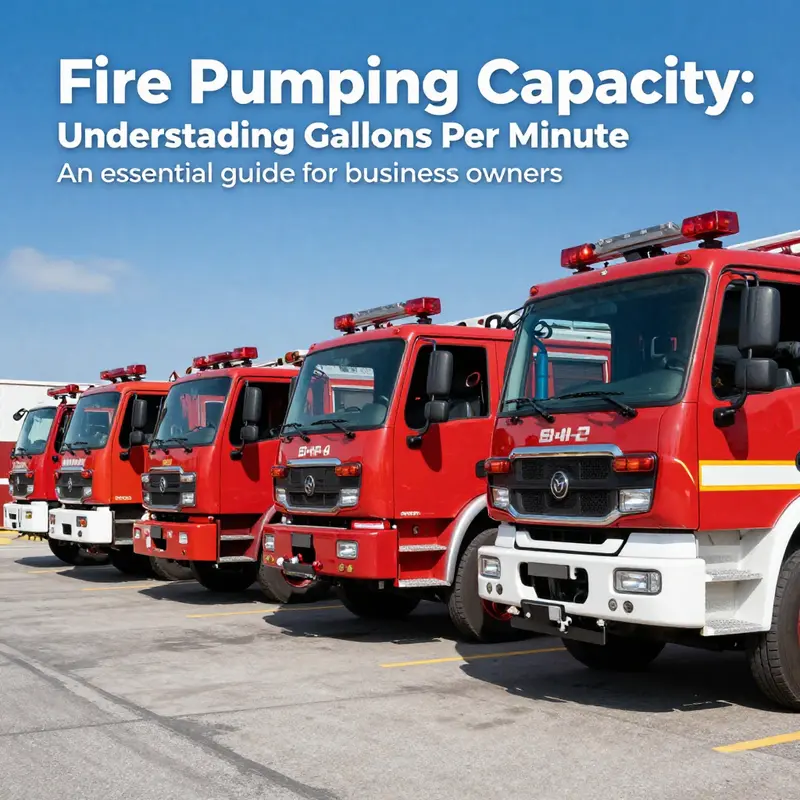
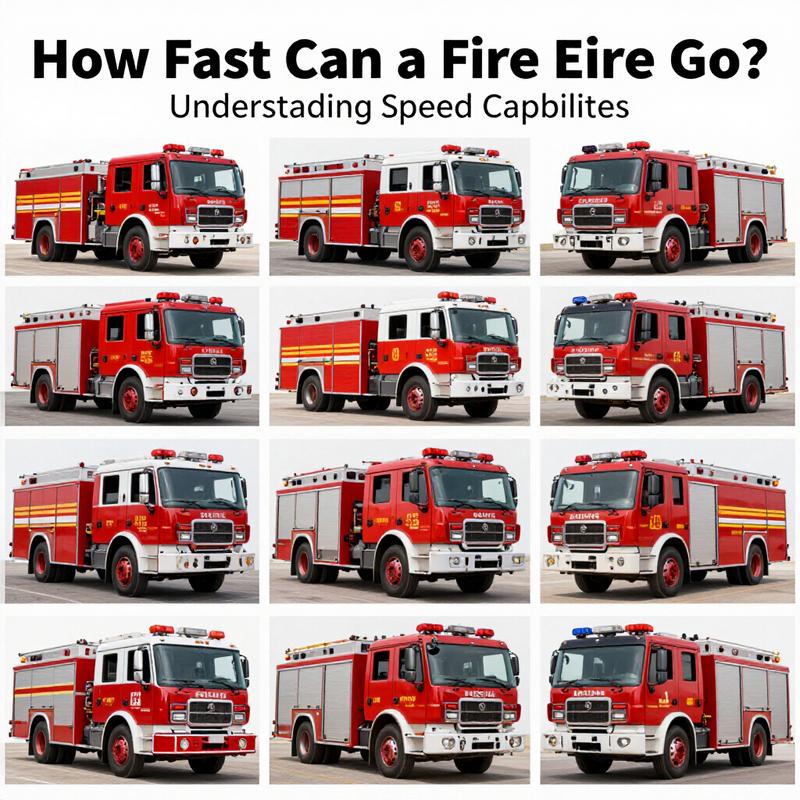
T Line fire apparatus covers a family of firefighting vehicles — tactical tenders with large water supplies, pumpers with sophisticated pumping systems, and tandem-axle aerials — built around connected technology. The vehicles are designed for one goal: faster, safer emergency response.
Connected Technology
The Smart Automated Management (SAM) System, pioneered by IDEX Corporation, is a pump control interface that automates water flow, tank levels, and discharge processes. It removes the need for manual pump operation, which lets firefighters keep their attention on the scene — especially valuable in rural responses where every second counts.
Connected rescue tools bring real-time data into the picture. The HURST Jaws of Life E3 Connect carries sensors that track equipment performance and environmental conditions, feeding predictive maintenance alerts so tools stay operational during high-stakes rescues.
Self-Contained Breathing Apparatus (SCBA) has followed the same path. The 3M Scott Air-Pak series includes telemetry systems that relay air supply and status data to incident commanders, supporting real-time accountability and firefighter safety in hazardous environments.
For a closer look at modern fire apparatus, see the range of fire-fighting truck models available.
What It Costs Municipalities
The initial purchase price of specialized rigs like tactical tenders is steep, driven by intricate designs and custom features — robust pump systems and tandem-axle chassis to handle the extra weight. Ongoing costs follow. Regular maintenance and safety inspections keep complex electrical and hydraulic systems ready, and personnel training is a recurring budget line, since well-trained operators are what make sophisticated equipment effective.
Cost-effective base models have emerged as a practical answer for rural and suburban departments with distinct operational demands. Municipalities that assess total cost of ownership — from purchase through maintenance and training — get a clearer picture of what the investment actually requires.
How It Protects Communities
T Line apparatus improves scene safety in traffic incidents. Tandem-axle aerials are designed to block multiple lanes, and high-visibility signage and robust lighting signal road closures and direct traffic away from hazard zones, reducing the chance of secondary accidents and protecting responders and motorists.
The units are engineered for reliability in demanding environments, keeping pumps, lighting, and communication tools operational when they matter most — particularly in rural and wildland terrain. Training programs like the National Traffic Incident Management (TIM) Responder Training teach crews to use the apparatus effectively, promoting best practices and faster, coordinated responses.
Final Thoughts
T Line fire apparatus combines automation and connectivity to make firefighting faster and safer. The technology improves operational effectiveness, the economics can be managed with careful planning and base models, and the social benefit shows up in better-protected communities. Discover how CIMC Tianda’s solutions can optimize your operations. Contact us today to explore tailored services for smarter, safer, and more efficient fire trucks and equipment.
About Us
CIMC Tianda is a global leader in high-end intelligent equipment, dedicated to enhancing urban life through innovative solutions. With over 20 years of experience, it excels in airport and logistics systems, holding the world’s top position in passenger boarding bridges, and ranks among the best in firefighting and rescue equipment. Operating across 75 countries with 30+ subsidiaries, the company combines advanced technology and reliability to serve diverse industries worldwide.