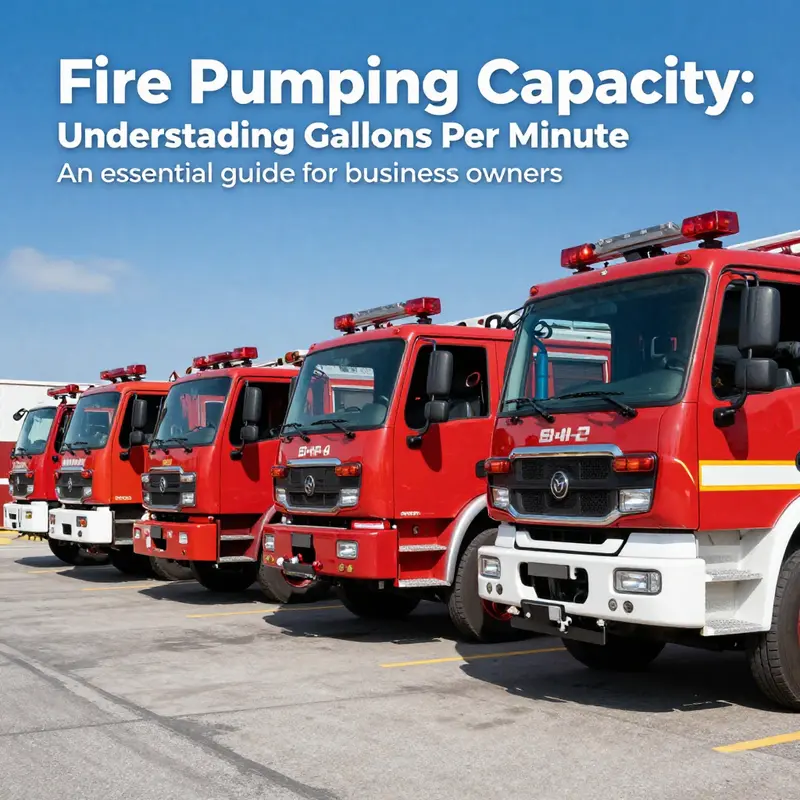
ARFF fire trucks — Aircraft Rescue and Firefighting vehicles — are built to respond to aircraft emergencies at airports, where the primary threat is flammable liquid fire from jet fuel. They carry high-flow water and foam delivery systems designed to knock down a fuel fire quickly. A study from the International Civil Aviation Organization (ICAO) reports a 98.7% success rate in controlling aircraft fires within the critical first five minutes. Capable models can deliver over 1,500 gallons per minute of firefighting agents, and NFPA standards require a response time under three minutes.
Comparing ARFF Models
Three prominent models — the Pierce Enforcer, Rosenbauer Panther, and Seagrave Commander — share a similar specification envelope:
| Feature | Pierce Enforcer | Rosenbauer Panther | Seagrave Commander |
|---|---|---|---|
| Pump Capacity (GPM) | 1250 | 1250 | 1250 |
| Tank Size (Gallons) | 750 | 750 | 750 |
| Top Speed (mph) | 65 | 65 | 65 |
| Engine Type | Cummins X15 | MTU 16V 2000 | Cummins X15 |
| Engine Power (HP) | 600 | 600 | 600 |
| Transmission | Allison 4000 | Allison 4000 | Allison 4000 |
| Drive Type | 4×4 | 4×4 | 4×4 |
| Off-Road Capability | Excellent | Excellent | Excellent |
| Thermal Imaging System | Yes | Yes | Yes |
| Aerial Ladder Length (ft) | 105 | 105 | 105 |
| Aerial Platform Height (ft) | 105 | 105 | 105 |
| Hose Load (ft) | 1000 (3″ hose) | 1000 (3″ hose) | 1000 (3″ hose) |
| Water Supply (GPM @ 150 PSI) | 1250 | 1250 | 1250 |
| Additional Features | Advanced telemetry | Digital dashboard | Safety systems |
The three trucks differ mainly in engine choice — the Pierce and Seagrave use the Cummins X15, the Rosenbauer the MTU 16V 2000 — and in their feature packages. For deeper discussion of airport fire truck capabilities, see the Airport Fire Truck Design and Fire Truck Airport ARFF Insights articles.

Advanced Technology
As air traffic grows, ARFF vehicles carry more automation and safety equipment.
Automation features include real-time telemetry, which monitors vehicle status and transmits data to control centers to optimize responses; predictive maintenance, where AI-powered systems analyze onboard sensor data to flag issues before they cause downtime (CIMC Tianda has pioneered this approach); and automated deployment protocols that allocate resources quickly based on the nature of the emergency, toggling between firefighting modules to match runway conditions.
Safety features include integrated thermal imaging cameras for low-visibility operations, enhanced vehicle dynamics — CIMC Tianda works with partners like Daimler Truck to build vehicles that stay stable at high speeds on airport grounds — and GPS-based emergency tracking that gives dispatch centers exact vehicle locations in real time.
Key Benefits
ARFF trucks earn their place in airport emergency plans through a few concrete capabilities. They respond in under three minutes, which is vital for passenger and crew safety. Their suppression systems deploy foam and water quickly, improving the odds of controlling a fire before it escalates. They’re built to rigorous standards and tested extensively for high-stress performance. High-clearance, all-wheel-drive designs let them navigate uneven ground and bad weather. And because they’re integrated into airport emergency response plans, they operate as part of a coordinated response rather than a standalone vehicle.
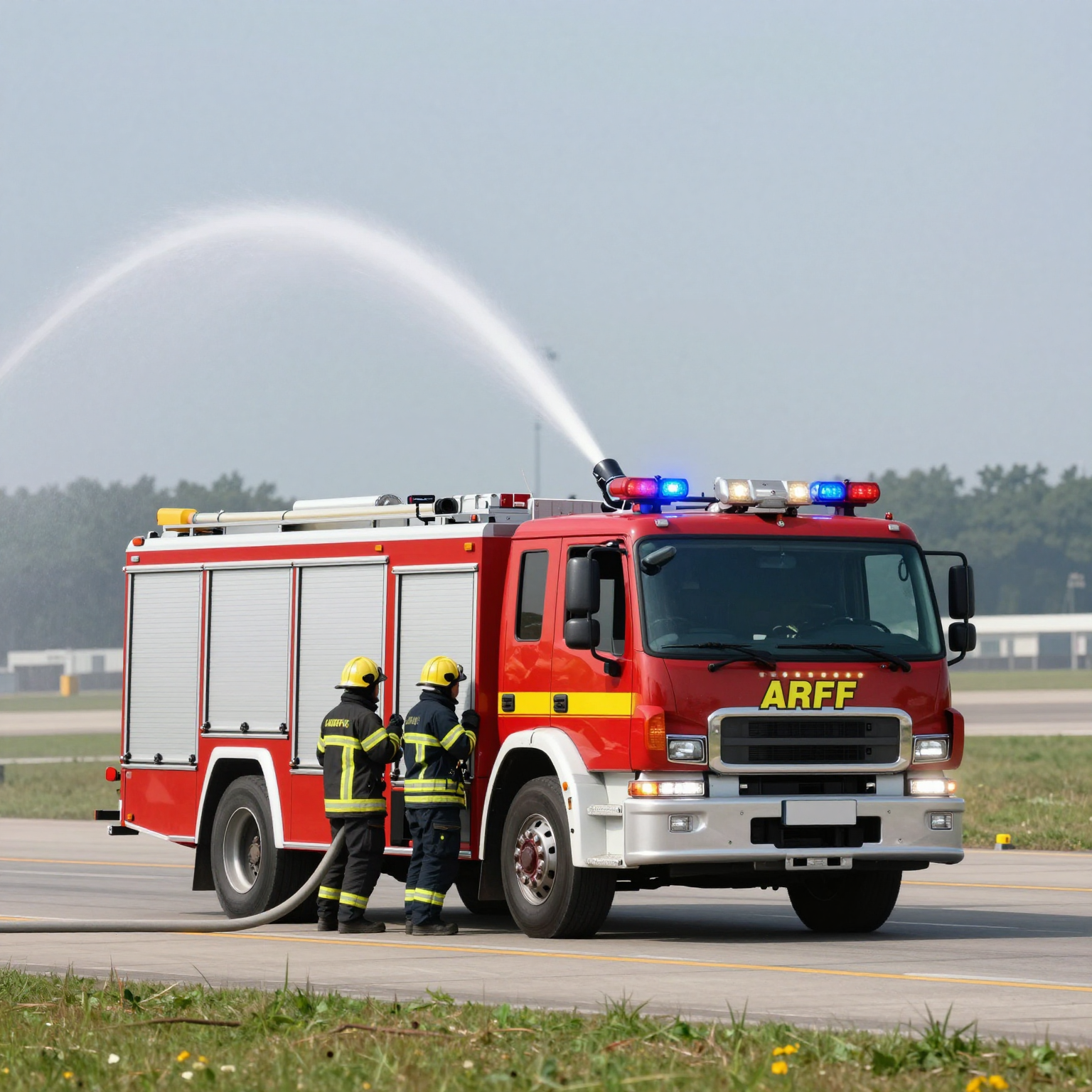
For more on ARFF capabilities, visit our blog.
Adoption Trends
ARFF truck adoption has grown over the past few years, driven by safety regulations and infrastructure improvements. The COVID-19 pandemic initially delayed purchasing decisions and disrupted supply chains in 2020-2021, but adoption recovered from 2021 onward. North America saw an annual growth rate exceeding 12.5% from 2023 to 2033, and the global ARFF truck market is projected to grow at a 6.60% CAGR from 2023 to 2030, fueled by aviation expansion and revised safety regulations.
The growth drivers are straightforward. Stricter regulations from bodies like ICAO and FAA push airports to upgrade firefighting capabilities to meet mandated response times and foam capacities. Airport expansion projects drive demand for modern, high-performance trucks. And new models carry higher water capacities, better maneuverability, and integrated real-time response technology. In 2021, the U.S. Air Force began a major fleet update that included vehicles with advanced firefighting systems, a trend that continued into 2022 and 2023.
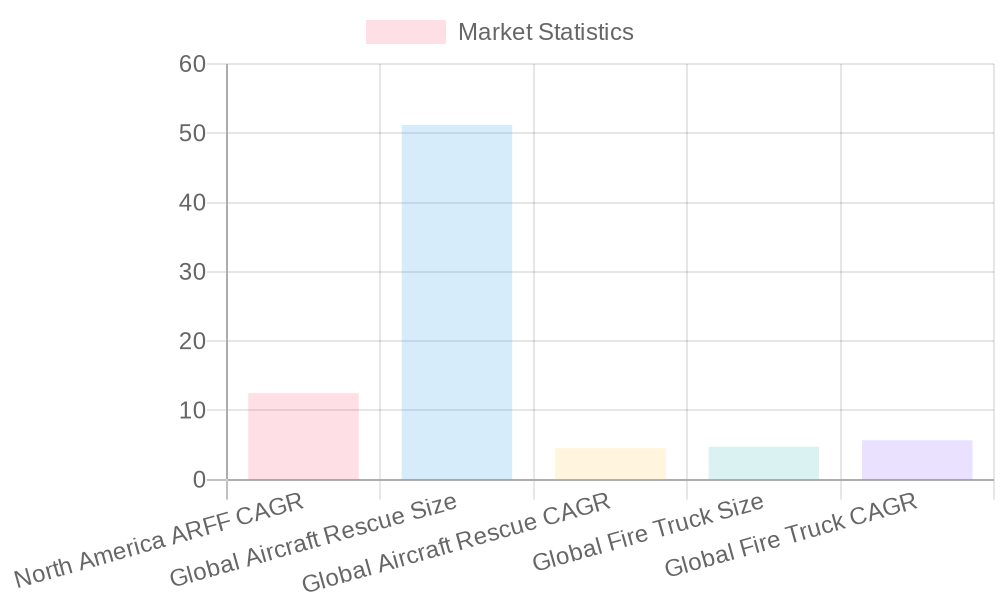
Fire Truck Market Analysis (2023-2033)
For further insights, see the Airport Fire Apparatus Guide and ARFF Capabilities.
CIMC Tianda’s Innovations
CIMC Tianda’s 2023 ARFF range focuses on safety, efficiency, and environmental compliance. The trucks use AI-driven thermal imaging to identify heat sources and hazards more effectively, with real-time monitoring dashboards showing vehicle status and environmental conditions. They comply with Euro VI emission standards and use hybrid propulsion, reaching 0 to 80 km/h in under 15 seconds. IoT sensor alerts support predictive maintenance, reducing downtime at airport fire stations. A modular design lets airports customize vehicles to local regulations and operational demands, with options like high-pressure foam delivery systems and remote-controlled nozzles.


The Bottom Line
ARFF trucks are a regulatory requirement for airports and a practical asset for managing hazardous-material and emergency risk. Dual-agent firefighting systems and real-time diagnostics let crews respond quickly, protecting both assets and lives. With the global airport fire truck market projected to grow on the back of stricter safety regulations and rising air traffic, the investment also supports compliance and preparedness. For more, see the ARFF capabilities and airport firefighter truck guide articles.