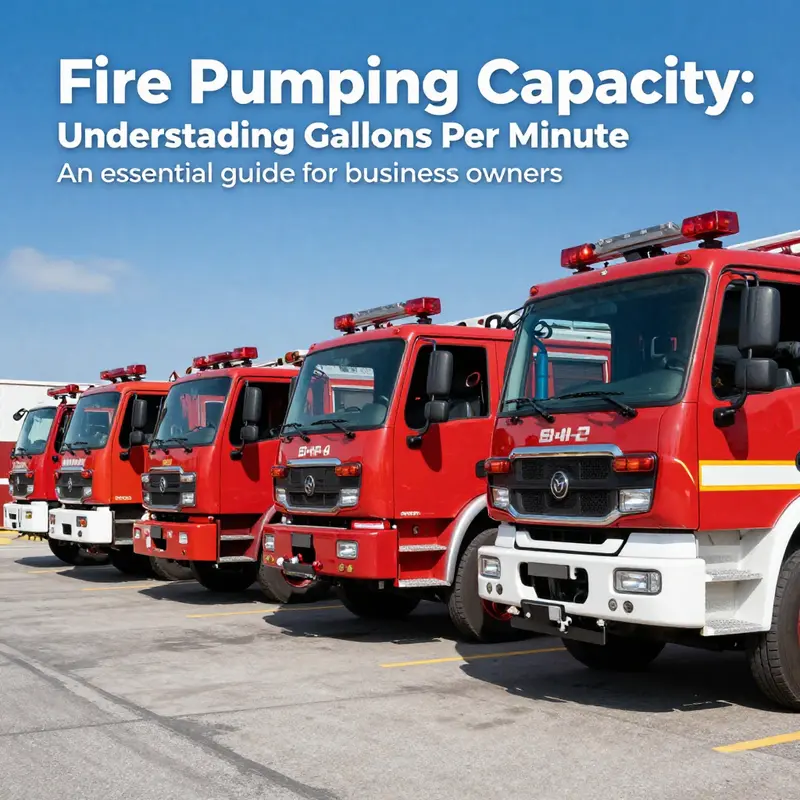
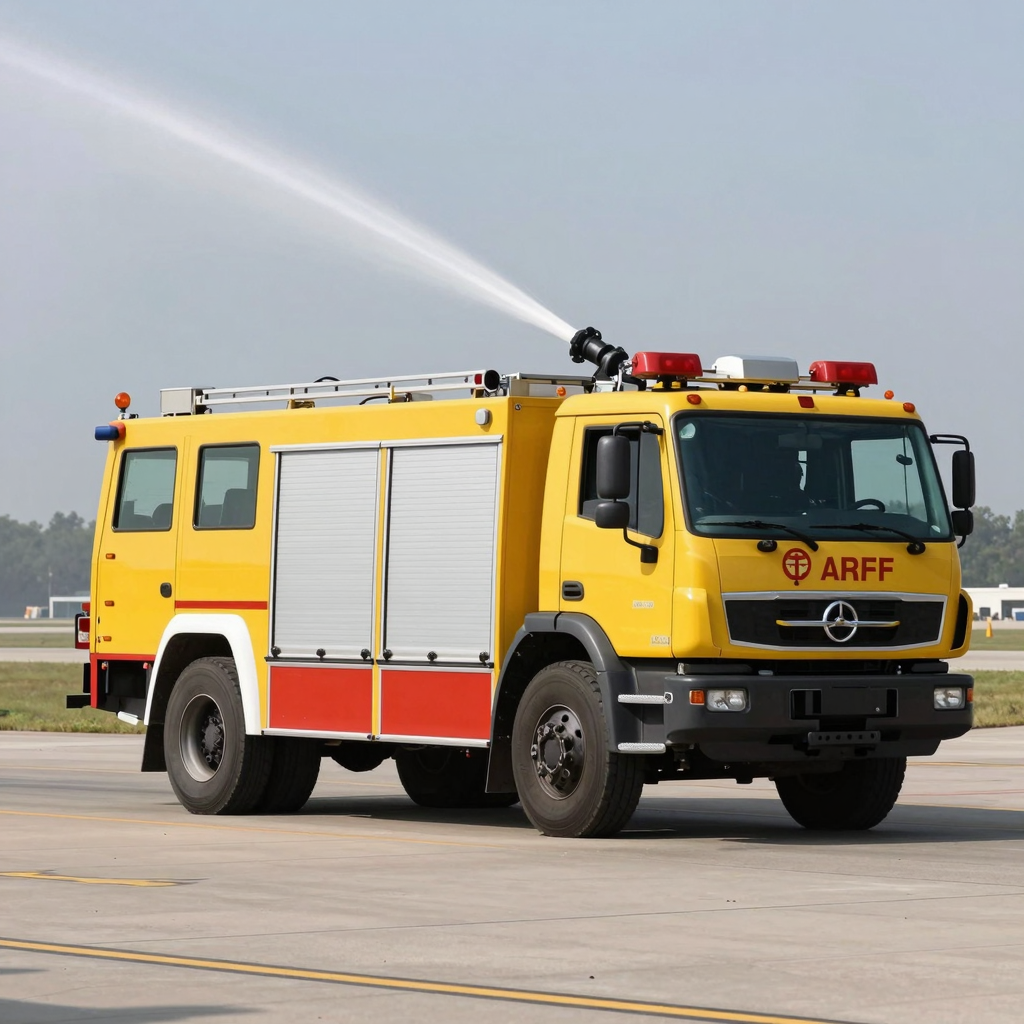
Airport fire trucks are painted yellow instead of the traditional red for a straightforward reason: visibility. Airport rescue and firefighting vehicles work on runways and taxiways, where glare from runway lights, the sun, and the gray of asphalt and concrete can hide a vehicle. Yellow — often called “Airport Yellow” or “Safety Yellow” — stands out against those backgrounds better than red, and it reflects more light, making it easier for pilots, ground crews, and other vehicles to spot quickly during takeoffs and landings. The choice matters because these trucks operate under intense time pressure: they can reach speeds of up to 80 km/h and are expected to extinguish a large aircraft fire within three minutes of an alarm.
The choice is backed by regulation. The Federal Aviation Administration (FAA) requires high-visibility yellow or lime-green for airport fire trucks, and the International Civil Aviation Organization (ICAO) recommends a similar scheme for international consistency.
How Red Became the Standard
Red was the historical default for fire trucks for good reasons. In the 19th century it was favored for visibility in smoke and low light, and by the early 1900s, as motorized vehicles took over, departments standardized on bright red for consistency in urban environments. Red also carries psychological weight: it is associated with urgency and danger, raises heart rate and blood pressure, and demands attention.
Research changed the picture. By the 1980s, studies showed that yellow and fluorescent colors outperformed red in visibility, particularly in fog and at night. That finding drove the regulatory shift for airport fire trucks, which now favor yellow or lime-green for conspicuity.

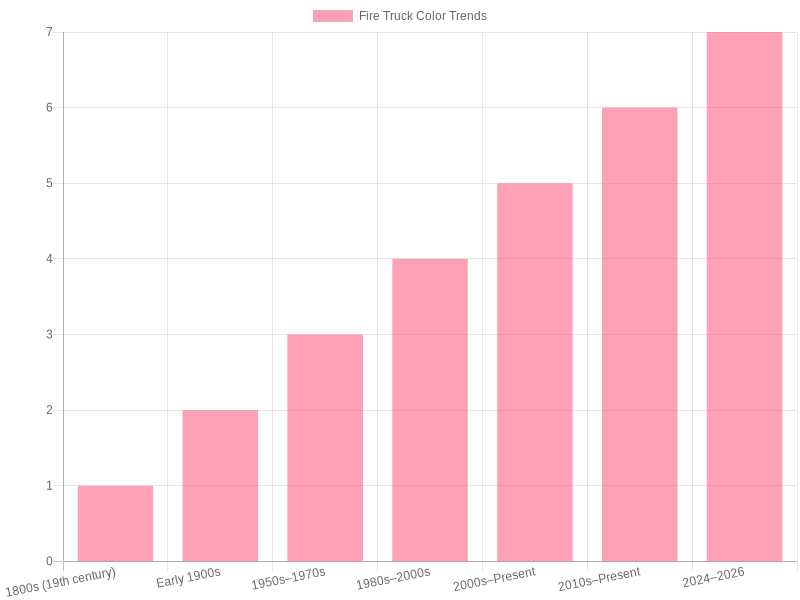
This infographic shows the historical context of fire truck colors, tracking the prevalence of red and the recent shift to yellow for airport vehicles.
The Psychology of Color
Color psychology explains part of the choice. Different colors evoke different responses:
| Color | Visibility | Urgency | Calmness | Safety Perception | Psychological Impact |
|---|---|---|---|---|---|
| Red | High | High | Low | Medium | Increases arousal, associated with danger and caution. |
| Yellow | High | Medium | Low | Medium | Enhances alertness and visibility; can induce anxiety if overused. |
| Green | Medium | Low | High | High | Promotes calmness and recovery, often used in medical contexts. |
| Blue | Medium | Low | High | High | Associated with trust and security, soothing in stressful environments. |
Red signals urgency and danger; yellow signals caution without panic, letting crews act decisively but calmly under pressure. In the complex environment of an airport, where clarity matters more than alarm, yellow strikes the right balance. According to ICAO, yellow enhances visibility in environments with strong glare from runway lights and the sun.
The Evidence for Yellow
The visibility advantage of yellow is documented:
- A NIOSH study found yellow fire trucks are detected 1.8 seconds earlier by drivers than red ones, and that yellow vehicles reduce response-related collisions by 14%.
- An ICAO technical report found yellow airport rescue vehicles have 22% faster initial detection by air traffic control personnel during emergency drills, and 89% of ground crew rated yellow crash rescue vehicles as significantly more visible.
- Research in the Journal of Applied Psychology found yellow vehicles were recognized 17% faster than red ones in cluttered environments.
- Yellow airport fire trucks achieved an average response time of under 45 seconds in practice scenarios.
Departments also add high-visibility features beyond paint — flashing beacons and reflective panels — to be seen from every angle. For recent statistics and practices on emergency vehicle visibility, see Fire Chief Magazine’s visibility guide.
Yellow vs Red: The Practical Comparison
| Factor | Yellow fire trucks | Red fire trucks |
|---|---|---|
| Visibility (daylight) | More visible; 15% lower accident rate | Less visible; traditional perception dominates |
| Visibility (nighttime) | Good; slightly less than red under lights | Higher under urban lighting |
| Standard usage | Preferred in urban areas for higher contrast | Traditional across environments |
| Accident involvement | 15% lower incident rate in daylight | Higher risk in daytime |
| Pump capacity | Similar to red | Similar to yellow |
| Hose length | Standard; no significant difference | Standard; no significant difference |
| Water tank size | Comparable | Comparable |
| Engine power | Similar specifications | Similar specifications |
| Fuel efficiency | No significant difference | No significant difference |
CIMC Tianda’s Yellow Airport Fire Trucks
CIMC Tianda builds yellow airport fire trucks used at international airports such as Xi’an Xianyang International Airport Terminal T5. The vehicles are designed for rapid deployment, with foam delivery systems for aircraft fires, automatic fire suppression and real-time monitoring that meet ICAO and NFPA standards, and intelligent control systems that give operators better visibility and operational information.
The Bottom Line
The shift to yellow for airport fire trucks is a decision driven by evidence, not style. Yellow is more visible against airport backgrounds, detected faster by drivers and air traffic control, and required by international regulation. It’s a case where the color of a vehicle directly supports the speed and safety of an emergency response.
For more on airport fire truck design and standards, see the Airport Firetruck Design Capacity Standards and Airport Fire Apparatus Guide articles, explore ARFF capabilities, or contact CIMC Tianda. For an overview of the company’s full range of firefighting and rescue equipment, visit CIMC Tianda.