Introduction to ARFF Airport Truck Manufacturers
Aircraft Rescue and Firefighting (ARFF) trucks are the vehicles airports rely on when something goes wrong on a runway. The Federal Aviation Administration (FAA) requires airports to keep ARFF services that can reach an emergency within three minutes, using equipment built to fight jet-fuel fires and handle electrical hazards. These trucks protect lives, but they also protect the airport itself, keeping runways and terminals operational after an incident.
CIMC Tianda Holdings Company Limited builds ARFF vehicles, working with Mercedes-Benz to produce fire trucks for modern airports. The company positions itself as a supplier of ARFF solutions for rapid deployment and emergency response. Below is a look at what ARFF trucks do, who builds them, and where the market is heading.
Key Features of ARFF Trucks
ARFF trucks are built for one job: reaching an aircraft emergency fast and putting out fires that ordinary fire engines can’t handle. The features that matter:
- Fire Suppression Systems
ARFF trucks carry foam and water systems that can project agents over 90 meters, enough to reach across a runway and extinguish jet-fuel fires. Tank capacities typically range from 500 to over 1,200 gallons. - Mobility
6×6 all-wheel-drive configurations let the trucks cross rough terrain and debris-strewn runways. They can operate on inclines up to 9% and maneuver through tight operational areas. - Speed and Acceleration
Many ARFF trucks accelerate from 0 to 80 km/h in under 20 seconds. From alert to arrival at the scene, response is typically under 2 minutes, meeting FAA standards. Some models exceed 60 mph. - Specialized Equipment
Communication systems, high-clearance tires, enhanced operator visibility, and onboard diagnostics for real-time vehicle health monitoring. - Robust Construction
Reinforced chassis and heavy-duty suspension systems, like the TAK-4, built to withstand the rigors of rapid response. Performance testing verifies the vehicles meet stringent standards.
For more detail on ARFF truck capabilities, see ARFF vehicle specifications and airport firefighting standards.
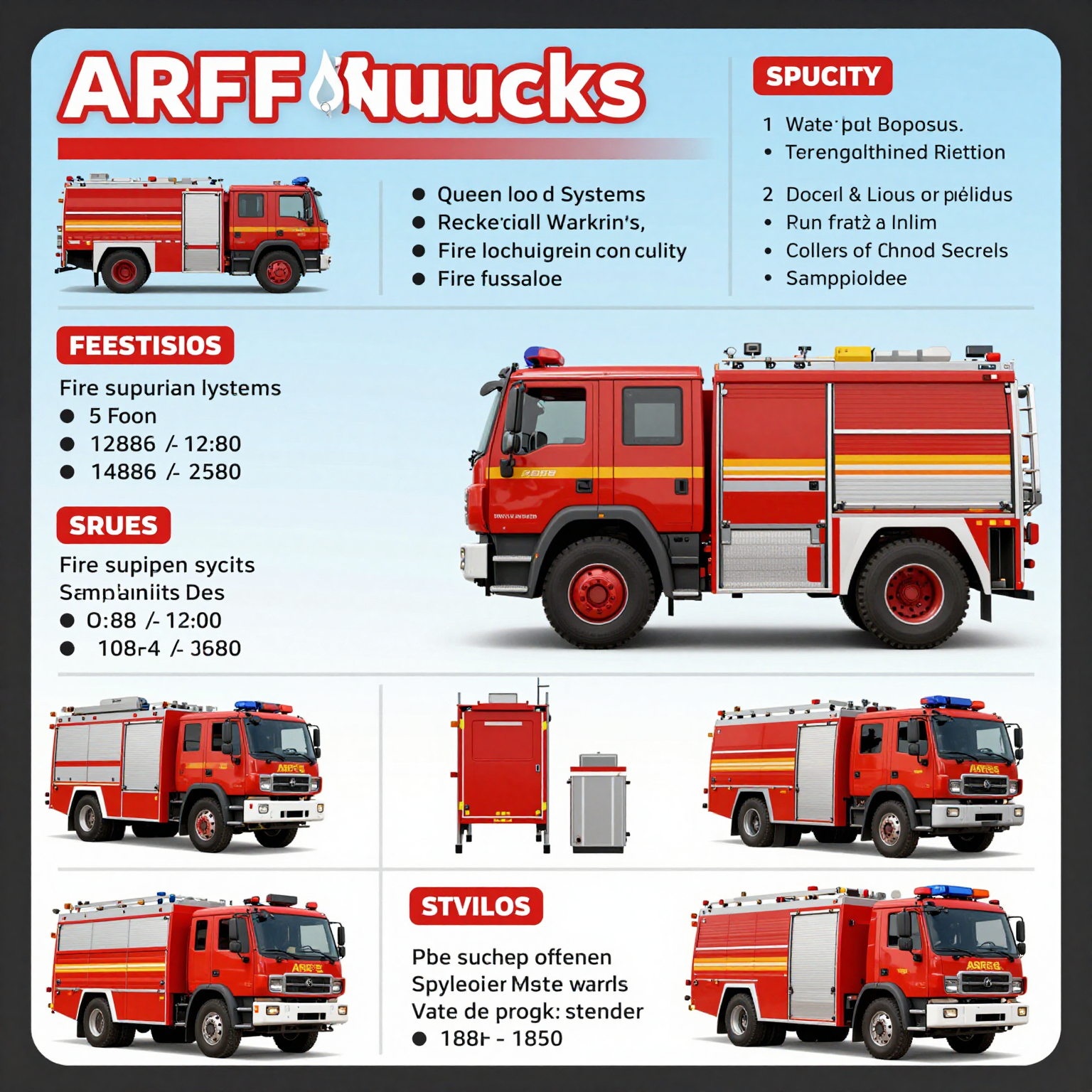
An informative infographic outlining key features of ARFF trucks.
CIMC Tianda’s ARFF Truck Offerings
Innovative Technology
CIMC Tianda’s ARFF trucks use a high-performance diesel engine delivering 450 kW (600 hp) with all-wheel drive. The modular design supports rapid deployment in emergencies. Each truck carries a 3,000-liter water tank and a 1,000-liter foam system, with a pump delivering up to 15,000 liters per minute.
Real-time monitoring and automatic detection sensors feed into the control systems, cutting response time and improving how the truck performs in an emergency.
Reliability in Performance
CIMC Tianda’s ARFF trucks report a mean time between failures (MTBF) of over 1,500 hours. Materials designed to withstand extreme temperatures and corrosive conditions extend the vehicles’ lifespan across different climates. All trucks comply with ICAO Annex 14 Category 8 and U.S. NFPA 410.
Meeting Global Standards
CIMC Tianda’s ARFF trucks operate at several major international airports in Southeast Asia, the Middle East, and Africa. Their adherence to global specifications is why fire departments choose them.
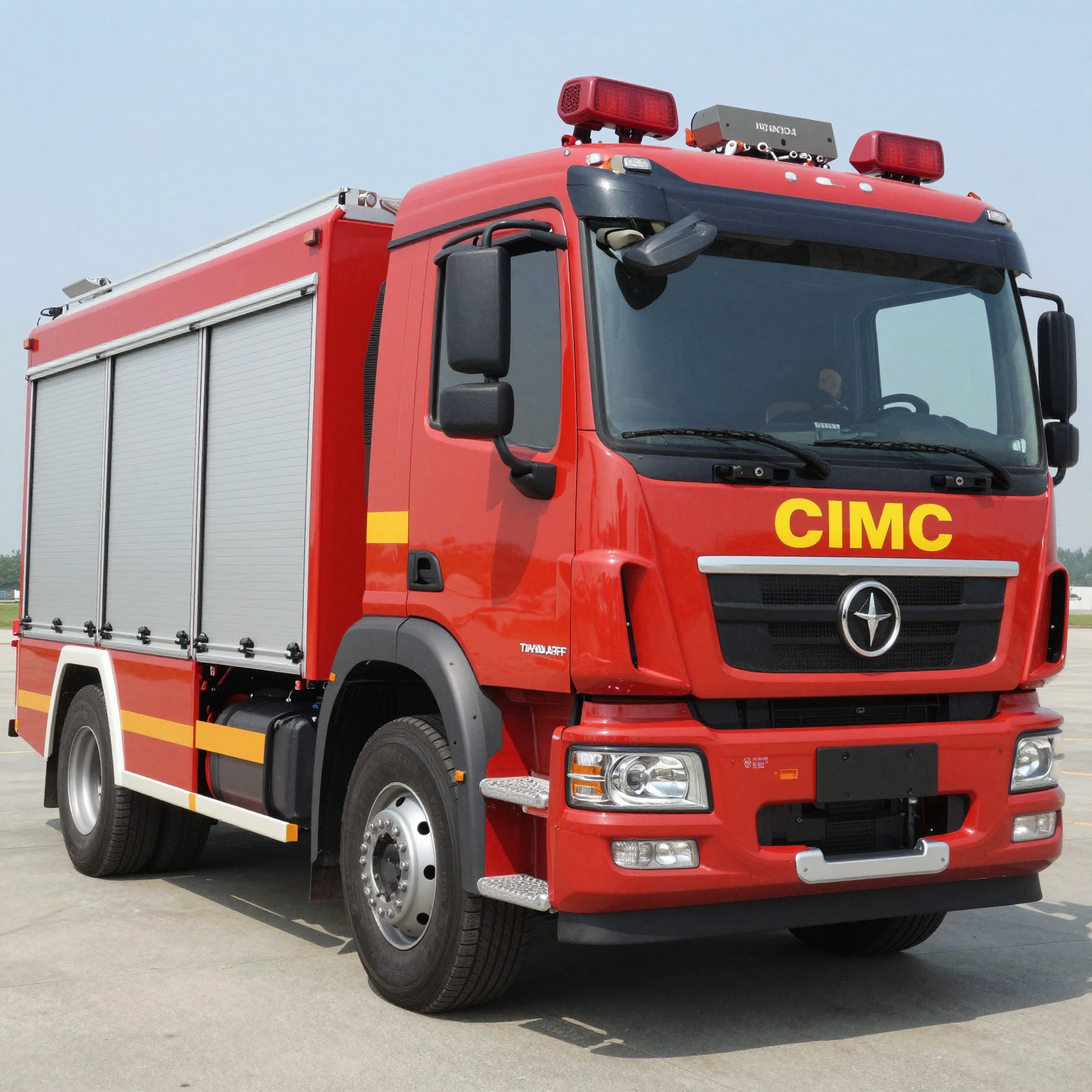
For more information on how CIMC Tianda meets airport firefighting standards, explore their product specifications. See the latest insights on ARFF capabilities and designs here.
Recent Market Trends in Airport Safety Equipment: Focus on ARFF Trucks
The ARFF truck market is growing, driven by more air travel, stricter safety standards, and new technology.
Market Overview
The Asia-Pacific ARFF trucks market is expected to reach $1.8 billion in 2024, with a CAGR of around 7.5% from 2026 to 2033. The global market is projected to grow at a CAGR of 8.5% from 2025 to 2032, fueled by the return of international flights and new airport construction (Learn more).
Key Trends and Technological Advancements
- Automation and AI Integration — A project at Shanghai Pudong International Airport involves a mobile FOD (Foreign Object Debris) detection vehicle combining AI and autonomous driving. It reduces human error, especially in adverse conditions (Read more).
- Advanced Materials — Lightweight composite materials make trucks more agile and extend their operational lifespan, so departments get faster response times without sacrificing durability.
- Communication and Navigation Systems — Better coordination during emergencies, letting teams respond more efficiently.
- Higher Safety Standards — Regulatory updates are pushing airports to invest in more advanced ARFF trucks as flight numbers grow.
Market Demand Insights
Demand for ARFF trucks surged in 2023 as countries renewed their focus on safety regulations. The global fire truck market was valued at around $110.5 billion in 2023, with growth expected to continue into 2024 (See the report).
Conclusion
The ARFF truck market is changing as technology improves and demand rises. For airport operators, staying current on these trends matters for safety standards and operational efficiency. Investing in modern ARFF vehicles is a strategic decision, not just a purchase.

Projected growth of ARFF truck market value from 2024 to 2033.
| Year | Market Value (USD Billion) | CAGR (Projected) |
|---|---|---|
| 2024 | $1.8 | – |
| 2025 | $1.93 | 7.2% |
| 2026 | $2.07 | 7.5% |
| 2027 | $2.23 | 7.5% |
| 2028 | $2.40 | 7.5% |
| 2029 | $2.59 | 7.5% |
| 2030 | $2.79 | 7.5% |
| 2031 | $3.00 | 7.5% |
| 2032 | $3.23 | 7.5% |
| 2033 | $3.47 | 7.5% |
| Manufacturer | Market Share | Key Technology Features | Notable Models |
|---|---|---|---|
| CIMC Tianda | 6% | Intelligent fire suppression, modular design, hybrid options | C-600 ARFF, C90 Truck |
| Oshkosh Corporation | 28% | TAK-4 independent suspension, thermal imaging, advanced foam | Striker 6×6, P-17 |
| EADS (Airbus Defence) | 12% | Modular design, high-capacity systems, advanced monitoring | PANTHER, Firetruck 4.0 |
| Rosenbauer | 28% | Electric drive, advanced water cannon, zero-emission tech | PANTHER Electric |
| KME Fire | 22% | Powerful engines, quick deployment, high maneuverability | PowerTwin, 4×4 ARFF |
| Naffco | 18% | Specialized for high-temp environments, robust construction | Advanced Fire Truck |
| E-ONE | 15% | Modular design, high-performance foam systems | E-ONE ARFF |
The Impact of ARFF Trucks on Airport Operations
Enhanced Response Times
Fully compliant ARFF units achieve a 98% success rate in responding to aircraft emergencies within the FAA’s 3-minute window, according to the FAA. Airports with modern ARFF trucks can respond in as little as 2.4 minutes, far below the FAA benchmark, thanks to thermal imaging and precision foam delivery that work in low visibility (National Fire Protection Association).
Operational Stability
A report from Airports Council International (ACI) found that airports with state-of-the-art ARFF fleets experienced 0.7 incident-related disruptions per million passengers, compared to 2.4 at airports with outdated equipment (ACI World Airport Awards 2023). Fewer disruptions mean fewer delays and cancellations, and more passenger confidence.
Conclusion
ARFF trucks are central to airport safety and efficiency. Upgraded ARFF technology saves lives and helps airports keep service standards during emergencies.
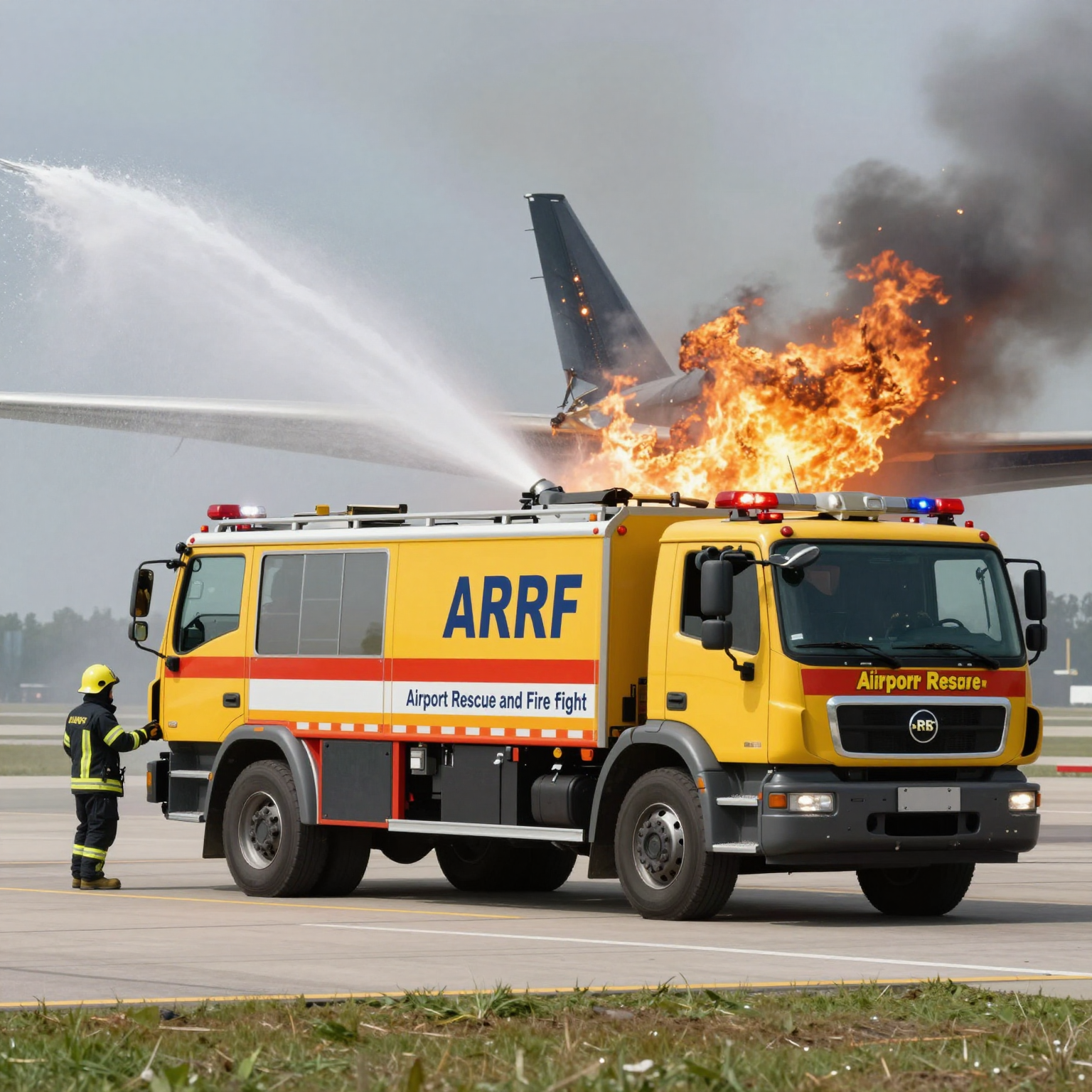
Conclusion: Choose CIMC Tianda for Your Airport Firefighting Needs
CIMC Tianda builds ARFF trucks for airport firefighting, combining corrosion-resistant materials, high-performance designs, and support networks. The trucks are built from lightweight but durable materials, and the company’s R&D continues to push the technology forward. CIMC Tianda offers a range of specialized vehicles for different operational needs.
If you’re upgrading your airport’s firefighting capability, contact CIMC Tianda to discuss tailored solutions. The team can help you select an ARFF vehicle that fits your requirements and keeps passengers safe.
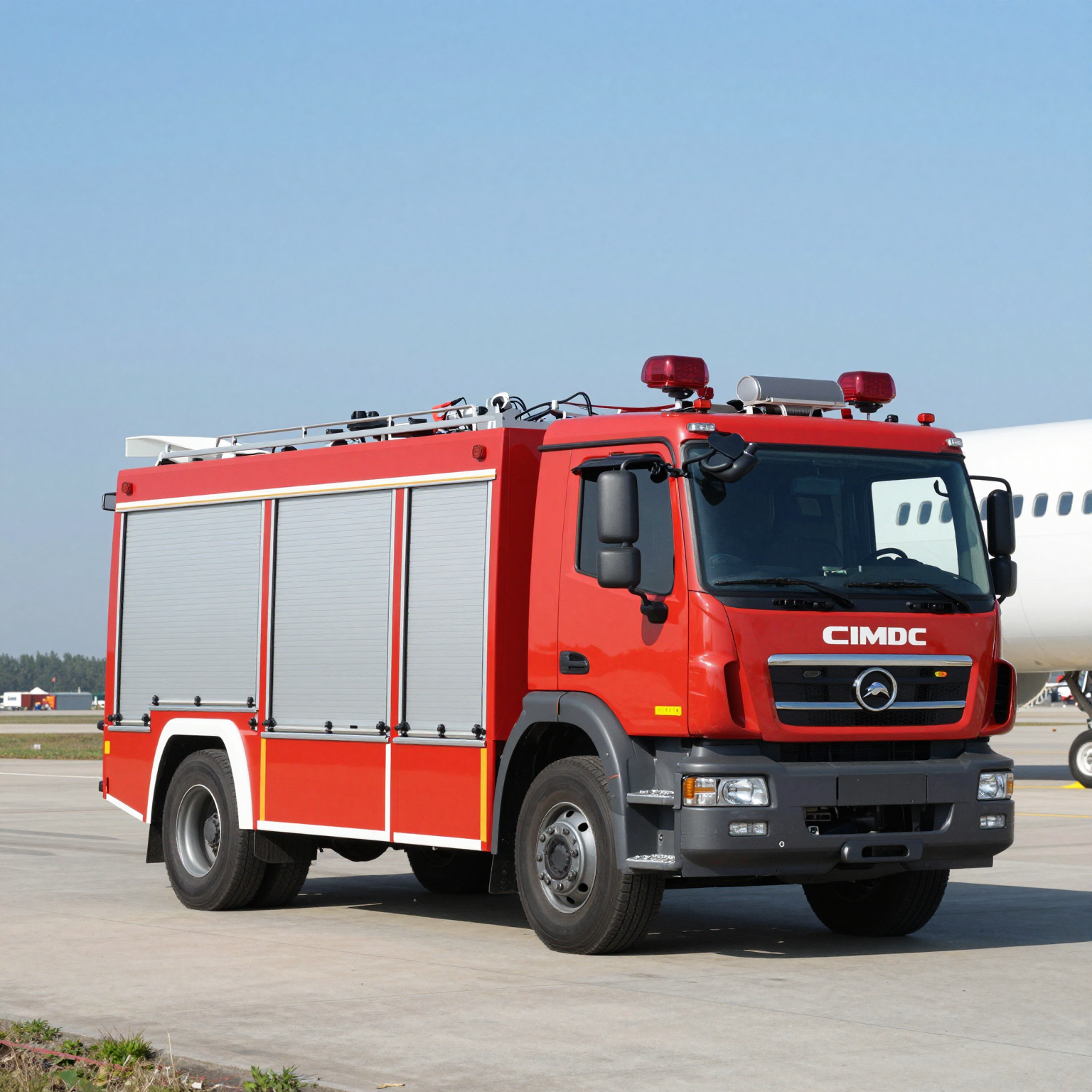
For further insights, see the Airport Firefighter Truck Guide and Airport Fire Truck Offerings.
“CIMC Tianda’s ARFF trucks stand out as industry leaders in both innovation and performance. Their integration with advanced fire detection systems and commitment to safety ensures that they are well-suited for major international airports requiring top-tier emergency response capabilities.”
- Fire Engineering Magazine

| Item | Value |
|---|---|
| Global Airport Security Equipment Market (2026 Valuation) | $7.5 billion |
| Global Airport Security Equipment Market (2034 Forecast) | $10.8 billion |
| CAGR (2026-2034) | 4.7% |
| ARFF Truck Market CAGR (2025-2030) | 7.76% |
| Global ARFF Truck Market (2021 Size) | $1,102.46 million |
| Global ARFF Truck Market (2025 Forecast Size) | $1,404.19 million |
Sources:
This chart shows the growth trends in the airport safety equipment market, with a focus on the ARFF truck segment.