Why Your ARFF Truck Price Sheet Deserves a Careful Read
An ARFF truck price sheet reads like an invoice, but it works like a technical specification. For an airport fire chief, fleet manager, or procurement officer, those line items decide what the department actually drives: how fast it reaches the runway, how much fire it can put out, and what it costs to keep in service ten years from now.
Vendors list hundreds of line items, but three decide most of the value: acceleration, foam volume, and the spares package. Together they determine whether the truck can meet NFPA and ICAO performance requirements, sustain an attack on a wide-body fire, and stay in service between calls. Cabin layout, paint, and lighting still matter — they just rarely decide how an emergency ends.
What follows is a walk through each of those three areas, so you can compare bids on the same basis and negotiate knowing what you are paying for. Our ARFF aircraft rescue firefighting vehicles are built around these same parameters; we treat the price sheet as an engineering document first.
- Acceleration spec: what the 0-to-50 mph time says about chassis, engine output, and regulatory compliance.
- Foam volume: how tank capacity and proportioning set extinguishing duration and resupply needs.
- Spares package: what the included parts list predicts about downtime, lifecycle cost, and readiness.
Reading the Acceleration Spec
Acceleration on an ARFF price sheet is usually quoted as the time to reach 50 mph (80 km/h) from a standstill. Crash trucks are measured this way because it is the closest bench test to the real job: a fully loaded rig rolling out of the bay and onto a runway.
Three variables drive that number.
- Vehicle gross weight: the total loaded mass, including apparatus, extinguishing agent, and crew. More weight always means slower acceleration.
- Engine power and torque: horsepower governs top-end performance, torque governs how quickly the truck moves from a standstill. For a 0-to-50 run, torque and gearing matter more than peak horsepower.
- Transmission configuration: an automatic with a high-stall torque converter, closely spaced ratios, and enough speeds keeps the engine in its power band under load.
Payload dominates the math. Water weighs 8.34 lb per gallon (1 kg per liter), foam concentrate a little more, so a truck hauling 3,000 gallons of water and 400 gallons of foam is carrying roughly 28,000 lb (12,700 kg) of agent before you add the rig itself. Fill the tanks and the 0-to-50 time climbs, as the chart shows.
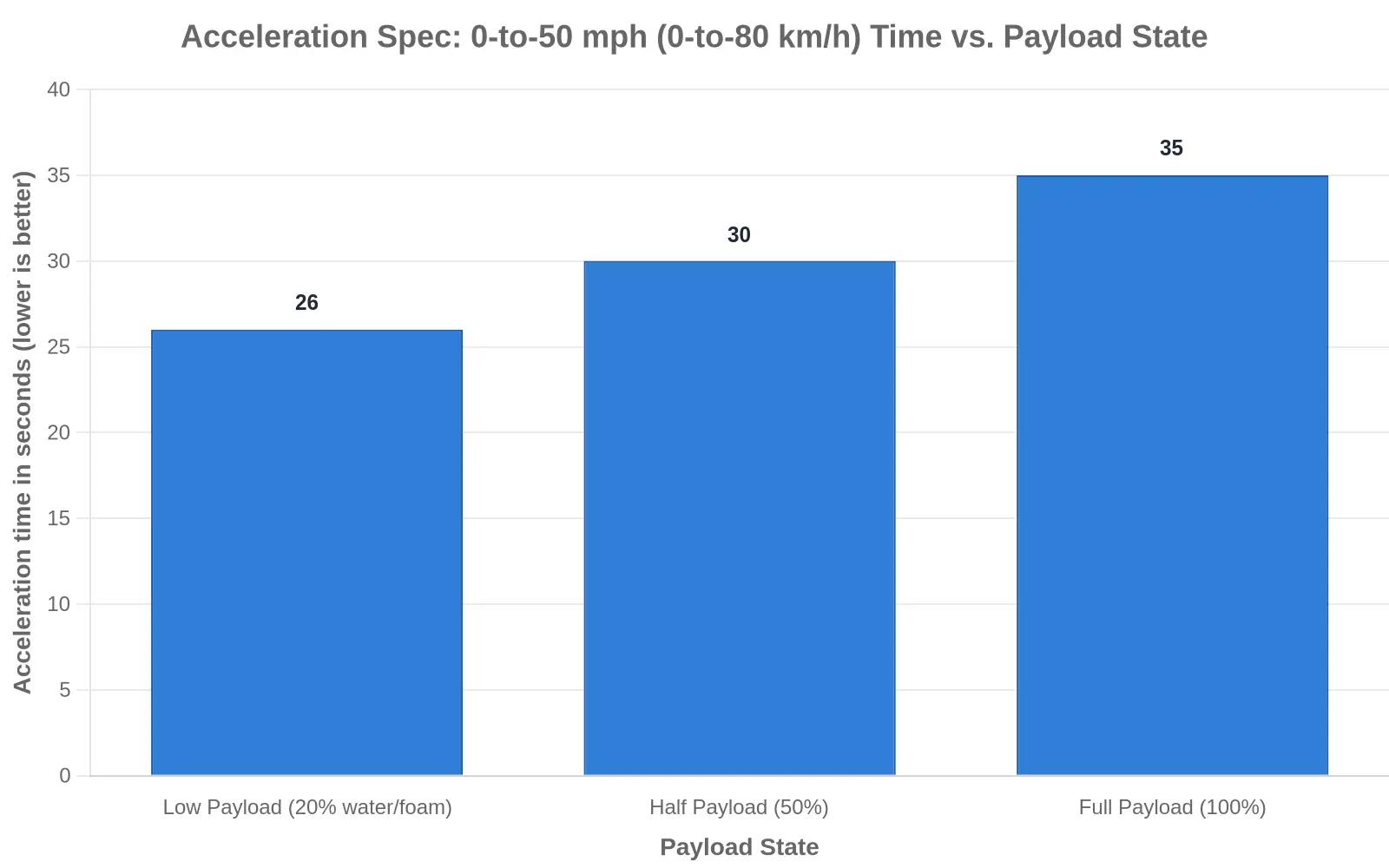
Before comparing two quoted times, find out the gross weight, tank level, and test conditions behind each one. Two builders can print the same number at completely different load states, and an unqualified figure means nothing.
A quicker time usually costs more, because it takes a bigger engine, a heavier transmission, more cooling capacity, and a stronger chassis. For departments specifying ARFF aircraft rescue firefighting vehicles, that premium buys seconds, not comfort.
Acceleration is really a response-time requirement in disguise. 14 CFR Part 139 and ICAO Annex 14 both measure a department by how fast its first-responding vehicles reach the scene, and that clock starts with a fully loaded truck. The 0-to-50 number is the best single proxy for whether a bid can meet your airport’s response mandate.
Acceleration Spec Comparison Across ARFF Platforms
The table groups ARFF apparatus into crude platform classes so you can line up quoted acceleration against acquisition cost. The figures are illustrative ranges, not catalog specs — real numbers vary with manufacturer, drivetrain, foam load, and configuration.
| Platform Class | Gross Vehicle Weight | Engine Power | Quoted 0-to-50 mph Time | Typical Price Band |
|---|---|---|---|---|
| Light rapid intervention (RIV) | 20,000 – 33,000 lb | 300 – 450 hp | 12 – 18 sec | $400k – $700k |
| Light/compact ARFF | 33,000 – 45,000 lb | 400 – 550 hp | 18 – 24 sec | $600k – $900k |
| Mid-size ARFF | 45,000 – 65,000 lb | 500 – 700 hp | 22 – 30 sec | $800k – $1.2M |
| Heavy ARFF (6×6) | 70,000 – 95,000 lb | 700 – 1,000 hp | 25 – 40 sec | $1.1M – $1.8M |
| Ultra-heavy ARFF (8×8) | 100,000 – 120,000 lb | 1,000 – 1,300 hp | 30 – 45 sec | $1.6M – $2.5M+ |
Read each row left to right: light platforms reach 50 mph sooner and cost less, while heavier, higher-capacity rigs trade acceleration for suppression.
When a sheet quotes a 0-to-50 time, check it against the gross weight and engine power beside it. A fast number on a light chassis usually just means the truck is small; a fast number on a heavy chassis means a bigger engine and a higher price band. Read acceleration and cost together, never alone. For a closer look at how these classes are configured in practice, review the available airport fire trucks.
Illustrative Foam Volume by ARFF Platform
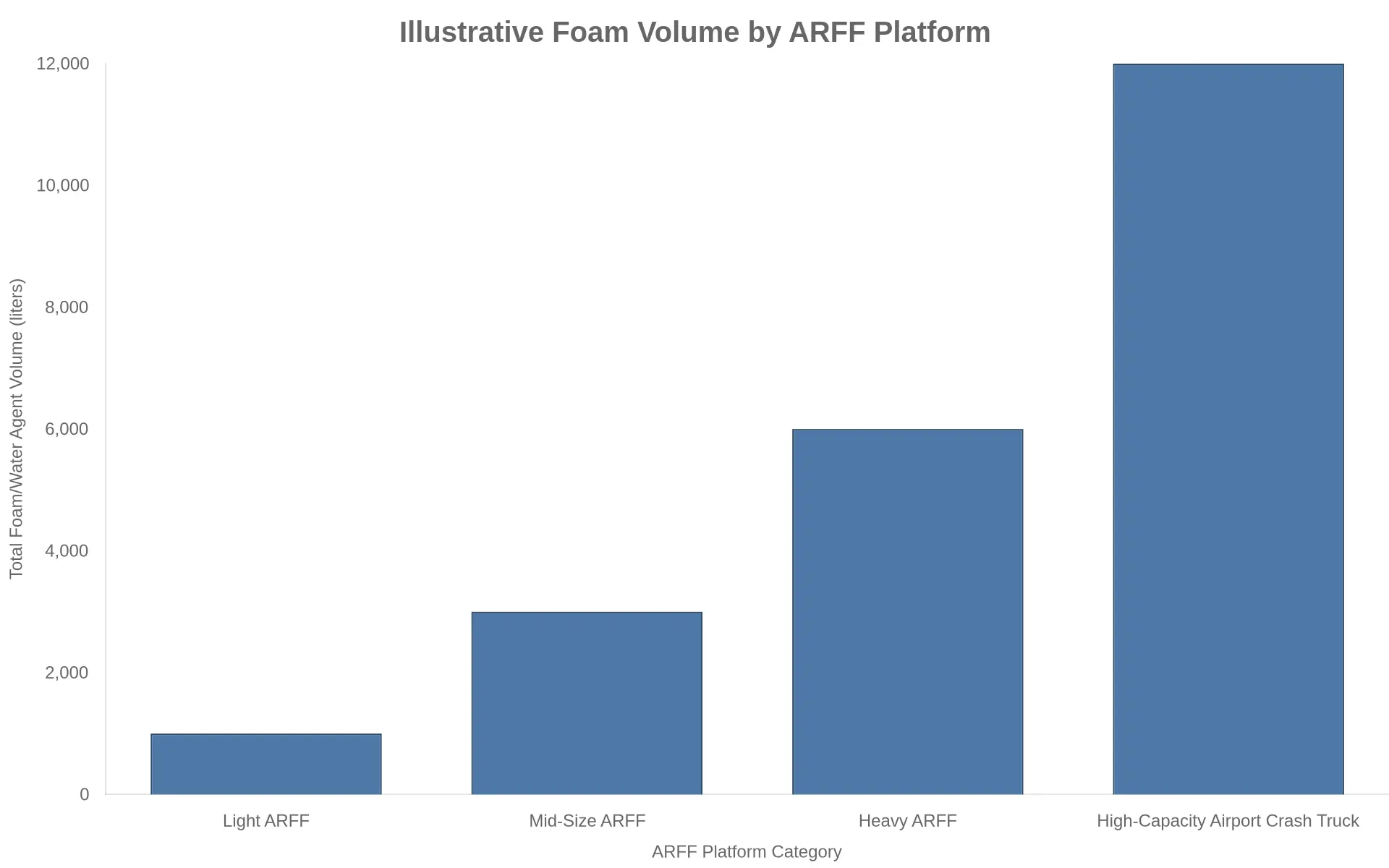
Agent volume is where price climbs fastest. Light trucks carry roughly 1,000 liters, mid-size units about 3,000, heavy crash trucks near 6,000, and the biggest platforms 12,000 liters or more. Buy the largest tank your runway category and response time actually require, and no larger, then compare configurations among airport fire trucks before you commit.
Foam Proportioning, Dry Chemical and Multi-Agent Systems
Proportioning, dry chemical capacity, and combined discharge seldom arrive as one bundled number on an ARFF price sheet. Each is itemized, each has its own specification, and each changes what the quoted foam volume actually buys. Read them as separate line items and you will misjudge both the price and the truck’s real firefighting capability.
How the items are listed
A typical ARFF truck price sheet breaks the agent system into four linked entries: the proportioner by type and range, the foam volume as usable tank capacity, the dry chemical supply by weight plus its propellant, and the combined discharge section by how many outlets can flow at once.
- Foam proportioning system: method (around-the-pump, balanced-pressure, or direct-injection), proportioning range (commonly 1% to 6%), and rated discharge rate in liters or gallons per minute.
- Foam volume: usable concentrate capacity, sometimes split into a working batch and a reserve allowance.
- Dry chemical capacity: kilograms or pounds, paired with a nitrogen propellant volume and the dry chemical discharge rate.
- Combined agent discharge: the number of turrets and handlines that can deliver foam and dry chemical at once, plus total flow at rated pressure.
Why proportioning accuracy and discharge rate matter
Proportioning accuracy decides whether the foam forms a blanket or just wets the fuel. A system that drifts from 3% to 1.5% under load makes thin, short-lived foam that breaks apart before it seals a spill fire. Stable proportioning holds the mixture at the intended concentration no matter how flow demand changes.
Discharge rate sets how fast the agent actually lands on the fire. ARFF response is measured in seconds, and a higher rated flow lets a crew knock down a pool fire before it spreads under the fuselage. Two trucks with the same foam volume but different discharge rates will not perform the same: the higher-flow unit lays its protective blanket sooner and keeps it there longer.
Cost drivers to check on the quote
When you compare bids, treat these as the primary cost drivers, not fixed extras.
- Foam volume and tank size: a larger concentrate tank adds weight, which pushes up chassis, axle, and suspension cost, not just the tank itself.
- Proportioner accuracy and materials: precision injection pumps and stainless-steel or corrosion-resistant plumbing raise the price but protect long-term proportioning stability.
- Dry chemical package: nitrogen bottles, regulators, and the extra discharge plumbing add both cost and maintenance obligations.
- Multi-agent discharge hardware: every additional turret or combined-agent outlet increases plumbing complexity and total system price.
Ask the vendor for the proportioning tolerance and the rated discharge rate at every outlet, then set those against the quoted foam volume. Two quotes with the same tank size can hide very different performance, and only the itemized detail shows which system will meet your response standard. For a closer look at how these systems are configured across models, review the available foam fire trucks.
How Tank Capacity and Foam Volume Connect on an ARFF Truck
Before you compare foam volumes across competing sheets, it helps to see how the wet side of a crash truck fits together. The schematic below reduces the whole system to four parts: water tank, foam concentrate tank, proportioner, and pump. Water and concentrate leave their separate tanks, meet at the proportioner in the right ratio, and move through the pump to the discharge outlets. Once you can picture that chain, tank capacity stops being an abstract number and starts telling you how long the truck can work a fireground.
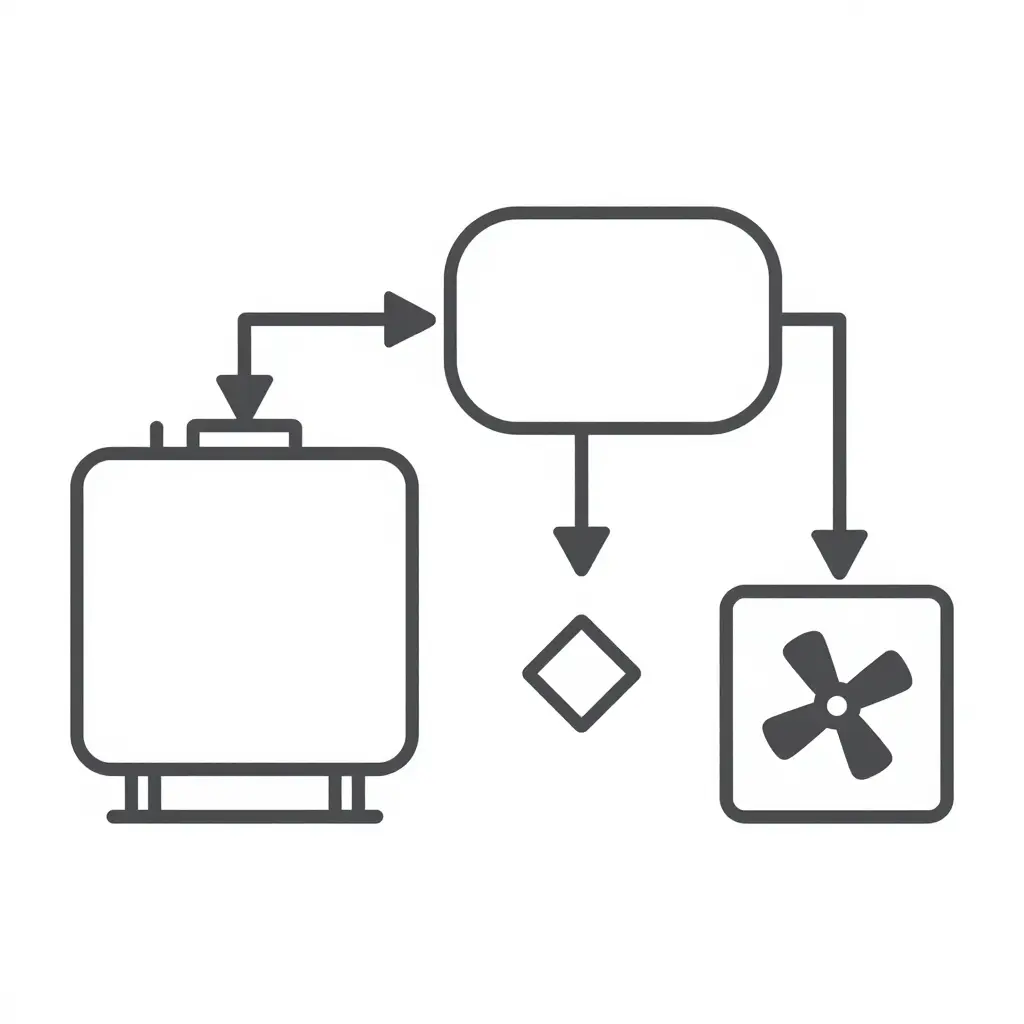
The water tank and concentrate tank feed the proportioner, where the two are mixed to ratio; the pump then pushes the finished foam to the discharge outlets.
When you are ready to compare real configurations, review the airport crash trucks built for ARFF fleets so you can match tank and foam volumes to your runway category.
Understanding the Spares Package
The spares package is the line item buyers skim past and later regret. It is the manufacturer’s list of parts you should have on the shelf from day one, and its scope matters as much as foam volume or acceleration.
What It Typically Covers
A good package concentrates on the wear parts that keep the truck mission-ready: brake pads, rotors, seals, O-rings, and filter sets. It usually covers pump internals and drive components, valves, discharge nozzles, control modules, and hoses, with electrical sensors and switches often added.
Recommended quantities scale with fleet size and service intervals. A single truck might carry one spare nozzle and a seal kit; a multi-truck fleet will stock complete pump cartridges and several hose lengths.
Why Scope Drives Readiness and Cost
Scope drives readiness before it drives cost. A crash truck waiting on a nozzle or control module is not a fire truck; it is a liability parked on the apron.
It also shapes lifecycle cost. A bigger package raises the up-front price, but it can cut downtime and the premium freight that comes with emergency orders. Buying components later through a reliable fire truck parts channel is slower and more expensive than buying them with the truck.
How to Negotiate the List
Build the list around failure rates and lead times. Parts that fail often and take weeks to arrive come first; parts that rarely fail and ship overnight can wait.
Ask the vendor for field failure data, then match quantities to your duty cycle. The table below is a reasonable starting point.
| Spare Component | Stock (Single Truck) | Stock (Fleet) |
|---|---|---|
| Brake pads and rotors | 1 set | 2-3 sets |
| Seal and O-ring kits | 2 kits | 4-6 kits |
| Pump cartridge | 1 | 2 |
| Discharge nozzles | 1-2 | 1 per truck + 1 |
| Control modules | 1 critical unit | 1-2 |
| Discharge hoses | 1 length | 2-3 lengths |
| Filter sets | 1 set | 2-3 sets |
Treat the spares package as a negotiation, not a fixed bill. Tuned to real failure rates and lead times, it protects both readiness and budget.
Spares Package Checklist for Procurement Review
Before signing off, confirm the quoted spares package actually covers the wear items, sub-assemblies, and consumables that keep the vehicle in service between maintenance intervals. Ask the vendor to itemize every line so you can check pricing and lead times instead of assuming coverage.
- Foam proportioner components, including metering valves, diaphragms, and injector seals.
- Pump seals, gland kits, and impeller wear rings for the main fire pump.
- Nozzle assemblies and turret tips rated for your foam and water flow targets.
- Discharge valves, gate valves, and actuator rebuild kits.
- Control panel modules, circuit boards, and joystick or display spares.
- Suction and discharge hoses, plus coupling gaskets and adapters.
- Consumable seals, O-rings, and gaskets for hydrant and foam connections.
- AFFF or ARFF foam concentrate top-up drums matched to the onboard tank.
- Filters, lubricants, and scheduled-replacement belts or drive components.
- Fastener and fitting kits specific to the chassis and body builder.
Cross-reference each spare against the preventive-maintenance intervals in the OEM service manual, then set reorder points so seals and pump components arrive before the next inspection rather than after a failure, keeping the foam fire truck fleet deployable. Sourcing validated items through a trusted fire truck parts catalog makes it easier to match OEM specifications.
Frequently Asked Questions About ARFF Truck Price Sheets
What does the acceleration spec actually measure on an ARFF truck price sheet?
It measures how fast a fully loaded vehicle travels from a standstill to 50 mph (80 km/h) at its rated gross vehicle weight, with a full water and foam load aboard. NFPA 414 sets the allowance by vehicle class, and the FAA’s guide specification (AC 150/5220-10E) spells it out the same way: the heaviest Class 5 rigs are allowed 35 seconds, while the smaller classes must manage 25 to 30. That number tells you whether the truck can leave the station and reach the runway threshold inside the response window your emergency plan demands. Insist the spec is quoted at gross vehicle weight, not curb weight — an empty truck that feels quick can behave very differently with full tanks.
How is foam volume verified on delivery?
By measuring it during acceptance testing, not by trusting the figure printed on the price sheet. The tank is filled to rated capacity through a calibrated flow meter, and usable concentrate and water volumes are documented separately. Witness a full-capacity fill yourself, and require a discharge test showing the proportioner delivers the specified expansion ratio and drain time. Ask for the tank’s calibration certificate and test report so the delivered capacity matches what you paid for.
Is a larger spares package always worth the cost?
No. A bigger package only pays when it matches your fleet’s real maintenance profile. Weigh the distance to the nearest ARFF parts supplier, your in-house technician capability, and which components could sideline a truck. Remote airports and single-truck stations usually come out ahead on an expanded package, because downtime hurts more than inventory does. A multi-truck department near a major supplier can end up with capital tied up in parts that expire or go obsolete. Buy to match risk, not to match a sales sheet.
How does foam volume affect airport category compliance?
The FAA and ICAO set an airport’s index or category from the largest aircraft operating there, and each level carries a minimum foam-solution discharge rate and a minimum quantity of solution. Your foam volume decides whether one truck can meet that quantity or whether you need a second rig. Come in under it and you may have to lower your rating, restrict operations, or add apparatus. Match the stated foam volume against your category requirement before you look at anything else on the sheet. Learn more about the airport fire trucks engineered to meet these standards.
How do I compare two quotes with different spares packages?
Normalize both to the same scope first. Strip out the spares package, add its value back at realistic market pricing, and compare the core vehicle on equal terms.
| Item | Quote A | Quote B |
|---|---|---|
| Base vehicle | included | included |
| Acceleration spec (0-50 mph) | 32 sec | 34 sec |
| Foam volume | 3,000 gal | 3,000 gal |
| Spares package | basic | extended |
| Comparable core price | same basis | same basis |
Once the spares are equalized, whatever difference remains is a real difference in the truck itself.
What should I check for hidden costs?
Go through the sheet line by line for the items that are often quoted separately:
| Cost item | Why it matters |
|---|---|
| Delivery and freight | Often excluded from the stated price |
| Operator training | Can be a separate line item |
| Warranty exclusions | Affects long-term cost of ownership |
| Extended service contract | Recurring annual cost |
| Foam concentrate first fill | Frequently quoted empty |
Ask for a total-cost-of-ownership figure covering delivery, commissioning, training, and first-fill foam, so nothing new appears after you sign.
Turning Price-Sheet Numbers Into a Sound Buying Decision
A price sheet is a starting point, not a verdict. Acceleration, foam volume, and spares only make sense read together. A truck that hits 50 mph in record time is not much use if its foam runs out before the fire is out, and an oversized foam load adds weight that eats into the acceleration you just paid for. A rig parked for weeks over a proprietary pump seal protects nobody. The spares package belongs in the readiness column, not the fine print.
When you review ARFF aircraft rescue firefighting vehicles, weigh the three specifications against your actual airfield risk profile. A short runway with light traffic supports a different acceleration-to-foam balance than a long-haul international hub. Browse airport fire trucks to compare configurations directly, and confirm that fire truck parts ship on reasonable lead times before you sign anything.
A Practical Decision Framework for Procurement Teams
- Define the mission first. Match acceleration and foam capacity to your runway length, fleet mix, and mandated response time, not to a competitor’s brochure.
- Convert specs into outcomes. Ask what each figure buys you in seconds saved and fire suppressed, then rank each one by criticality.
- Audit the spares package. Verify stock levels, lead times, and parts commonality with your existing fleet to avoid single-source bottlenecks.
- Model total cost of ownership. Purchase price is one line; five years of parts availability and uptime is the real number.
- Lock in lifecycle support. Confirm warranty, training, and parts guarantees before negotiations close.
Weighed together, they turn a spreadsheet into a decision tool instead of a wish list, and point you toward a truck that stays in service for its whole life.
Before you sign, reduce the sheet to this short path. For a closer look at the vehicle class behind these numbers, explore our dedicated airport fire trucks.
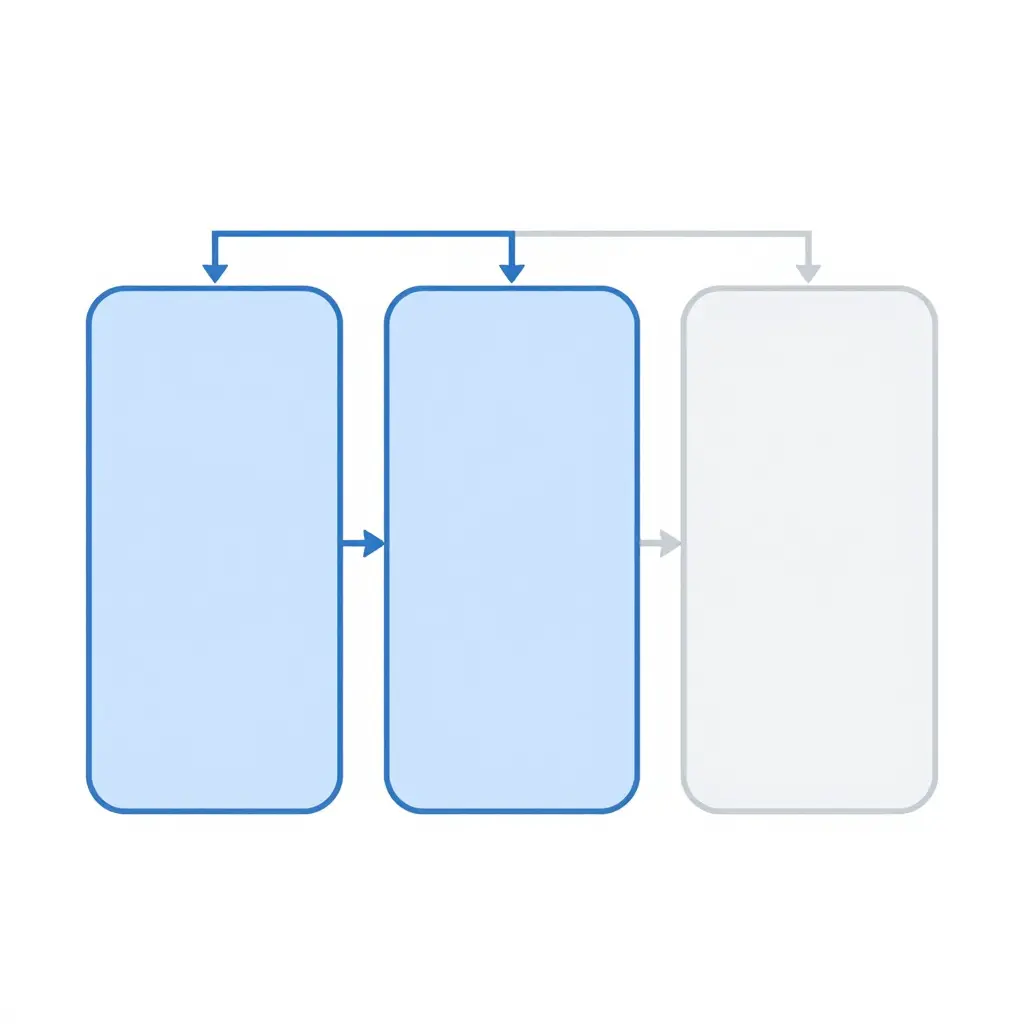
The path is simple: compare acceleration first, confirm usable foam volume second, review the spares package third, then decide.