What Drives the Cost of a New Fire Truck?
There is no single sticker price for a new fire truck. Two trucks ordered the same day can differ by hundreds of thousands of dollars depending on how they are configured. Three specifications account for most of that spread: chassis class, pump rating, and agent capacity.
- Chassis class — the size and weight rating of the truck’s frame and body. A commercial chassis costs less than a custom one built for heavy-duty service.
- Pump rating — how many gallons per minute the pump capacity can move. Higher ratings mean stronger firefighting power and a higher price.
- Agent capacity — how much water and foam the truck carries. Bigger tanks add weight, cost, and engineering demands.
Fire department officials, municipal budget planners, and equipment suppliers all weigh these three against one another when they compare quotes. This article covers what each one does to the price.
Chassis Class
Every fire truck budget starts with the chassis. Commercial chassis — mass-produced truck frames — keep the base fire truck cost lower. A custom chassis purpose-built for emergency service adds tens of thousands of dollars, but it buys better weight distribution and a cab laid out around the crew.
The chassis class designation (Class 1 through Class 8) reflects gross vehicle weight rating (GVWR), and it moves the price more than almost any other spec. Heavier classes carry heavier pumps, larger water tanks, and aerial devices.
What drives the chassis price:
- GVWR and reserve capacity
- Axle configuration (single vs. tandem)
- Cab size (two-door commercial vs. four-door custom)
- Drivetrain (two-wheel drive vs. four-wheel or all-wheel drive)
Prices split along those lines. Commercial builds on Class 5–7 chassis generally start around $250,000–$350,000. Heavy custom chassis, typically Class 8, run $600,000–$900,000 and up, more with four-door cabs and tandem axles. Because size determines both capability and cost, it helps to review how big fire trucks typically are before matching a chassis to what the department actually does.
The chassis is usually the largest single line on the quote, so compare the classes side by side before setting a budget.
| Chassis Type | Typical GVWR Range | Common Use Case | Estimated Base Cost Range |
|---|---|---|---|
| Commercial chassis | 17,500 – 33,000 lb | Brush trucks, wildland engines, quick-response vehicles | $150,000 – $400,000 |
| Commercial-based custom | 33,000 – 50,000 lb | Rescue trucks, small pumpers, fast-attack tankers | $400,000 – $700,000 |
| Full custom chassis | 40,000 – 60,000 lb | Front-line pumpers, aerials, command units | $600,000 – $1,200,000 |
| Heavy-duty tandem axle | 60,000 – 80,000+ lb | Aerial ladders, heavy rescue, large tankers, ARFF | $900,000 – $1,500,000+ |
The table makes the point plainly: chassis class alone can swing the total by several hundred thousand dollars before you add a pump or a gallon of foam. Matching the class to GVWR, footprint, and the calls the department actually runs matters more than picking the biggest number on the spec sheet. Anyone comparing how big fire trucks are in weight and footprint will find the same trade-off between capability and cost.
Pump Rating: The Hidden Cost Multiplier
A pump rating defines how much water an apparatus can move — a flow in gallons per minute (GPM) at a set pressure. Common ratings are 750, 1,000, 1,250, and 1,500 GPM, though municipal and airport units can go higher. That single number affects the price more than most buyers expect.
Bigger pumps need bigger support systems. A 1,500 GPM pump requires a larger engine to spin the impeller, a heavier driveline to absorb the torque, and thicker intake and discharge plumbing. Chassis mounting points and frame rails often change too, pushing the truck into a higher weight class.
What drives the pump-related cost:
- Engine horsepower and cooling upgrades
- Heavier driveline and transmission components
- Oversized piping, valves, and manifolds
- Larger water and foam tanks sized to flow
- Reinforced chassis and axle ratings
Comparing fire pump capacity options early keeps a budget realistic. Learning how fire pump capacity is measured helps a department match the rating to the calls it actually runs.
Beyond the Core Three
- Aerial or ladder devices add six figures, since booms and outriggers demand a heavier chassis. How far a fire truck ladder can reach shapes the spec as much as the price.
- Pump-and-roll capability lets a rig discharge water while moving, but the reinforced drivetrain and transmission push the price higher.
- Emission and drivetrain options swing pricing widely; EPA-compliant engines, hybrid systems, and all-wheel drive each add dollars.
- Electronics and pump panel upgrades, from digital displays to telemetry, inflate the final figure.
- Winterization, like heated compartments and additives, adds cost but keeps a fire apparatus budget predictable in cold regions.
- Safety certifications, from NFPA compliance to crash-tested cabs, raise the price while protecting crews.
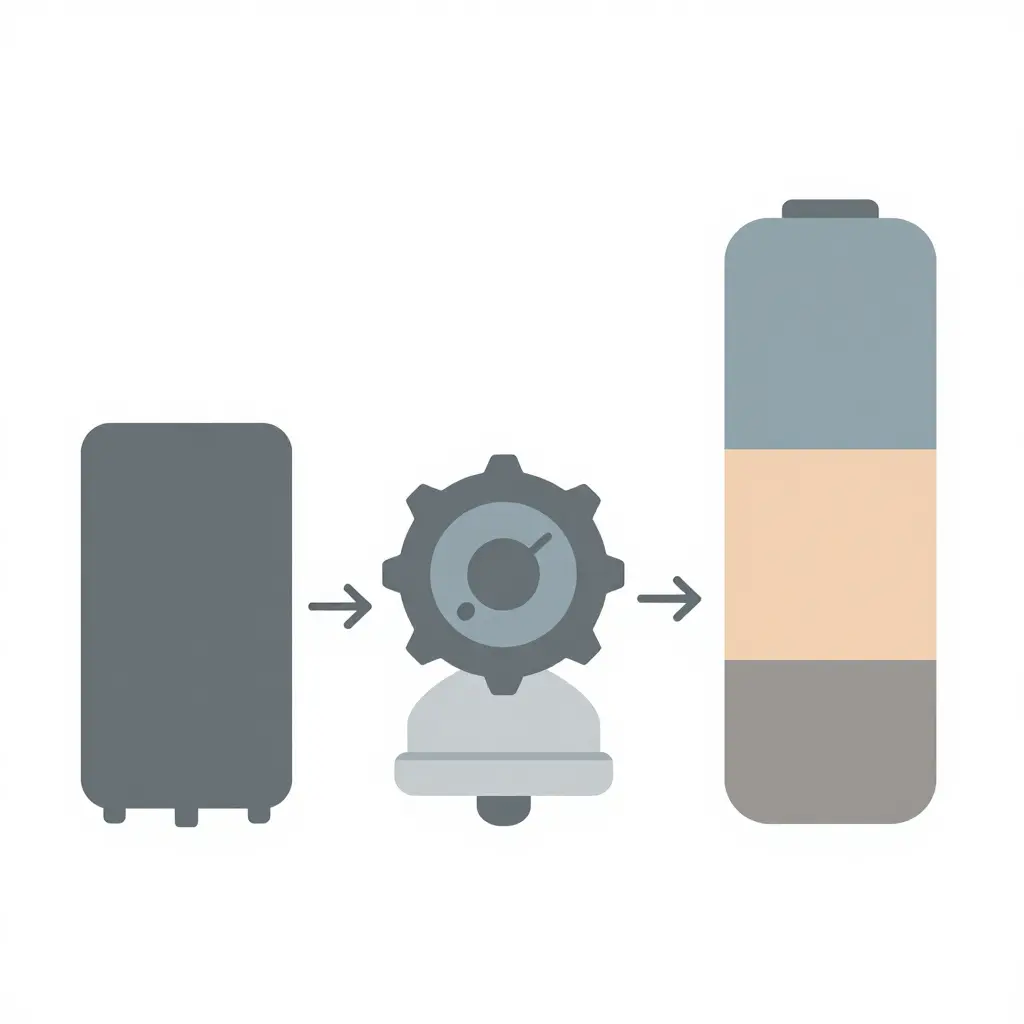
Three core components — chassis, pump, and agent tank — stack together into the total new fire truck cost.
Total Cost and Budget Ranges
Combining the three core factors gives realistic brackets for a new fire truck. Storage, pump rating, and agent capacity all scale the final invoice, and here is how the three tiers typically land in today’s market:
- Basic commercial pumper: $500,000–$650,000. A stock chassis with a 1,000–1,250 gpm pump; a solid reference point for fire truck pump capacity.
- Mid-range custom pumper: $700,000–$950,000. Custom cab, 1,500 gpm pump, larger tank, and moderate agent capacity. This is where most municipal fire apparatus budgets land.
- High-capacity ARFF-style unit: $900,000–$1.4 million and up. Large foam tanks, specialized proportioning systems, and 6×6 drivetrains; the Rosenbauer Panther 6×6 price shows what a flagship commands.
Your pumper truck price rarely ends at the sticker, though. Budget extra for financing (3–6% interest), delivery and setup ($5,000–$20,000), crew training ($3,000–$10,000), and lifecycle maintenance. Build all of it into a 20-year total cost of ownership before you commit. Locking specs early keeps the truck inside a bracket the department can actually fund.
Frequently Asked Questions About Fire Truck Costs
What is the average cost of a new fire truck?
A new fire truck usually costs between $500,000 and $1.2 million, depending on size and equipment. A basic commercial pumper sits near the low end, while custom apparatus with a large aerial ladder climbs past $1 million. Treat these figures as ranges, since options and delivery timelines shift the final price.
Does chassis class or pump rating affect price more?
In most builds, chassis class has the larger effect on the total. Moving from a commercial to a custom chassis adds engineering, cab, and structural cost. Pump rating matters too, but usually less, unless the department specifies very high flows. It helps to understand how fire truck pump capacity is rated before finalizing a spec.
How much does a foam-capable truck add to the total?
Foam capability generally adds about $50,000 to $200,000, depending on agent capacity and system complexity. Larger tanks, better proportioning systems, and extra plumbing push it higher. For airports and industrial sites, the upgrade is often unavoidable.
What should budget planners prioritize first?
Define the missions the truck has to serve first, then match chassis class and pump rating to them. Settling agent capacity early avoids expensive retrofits. Specifying the core correctly costs less than adding features after purchase.